




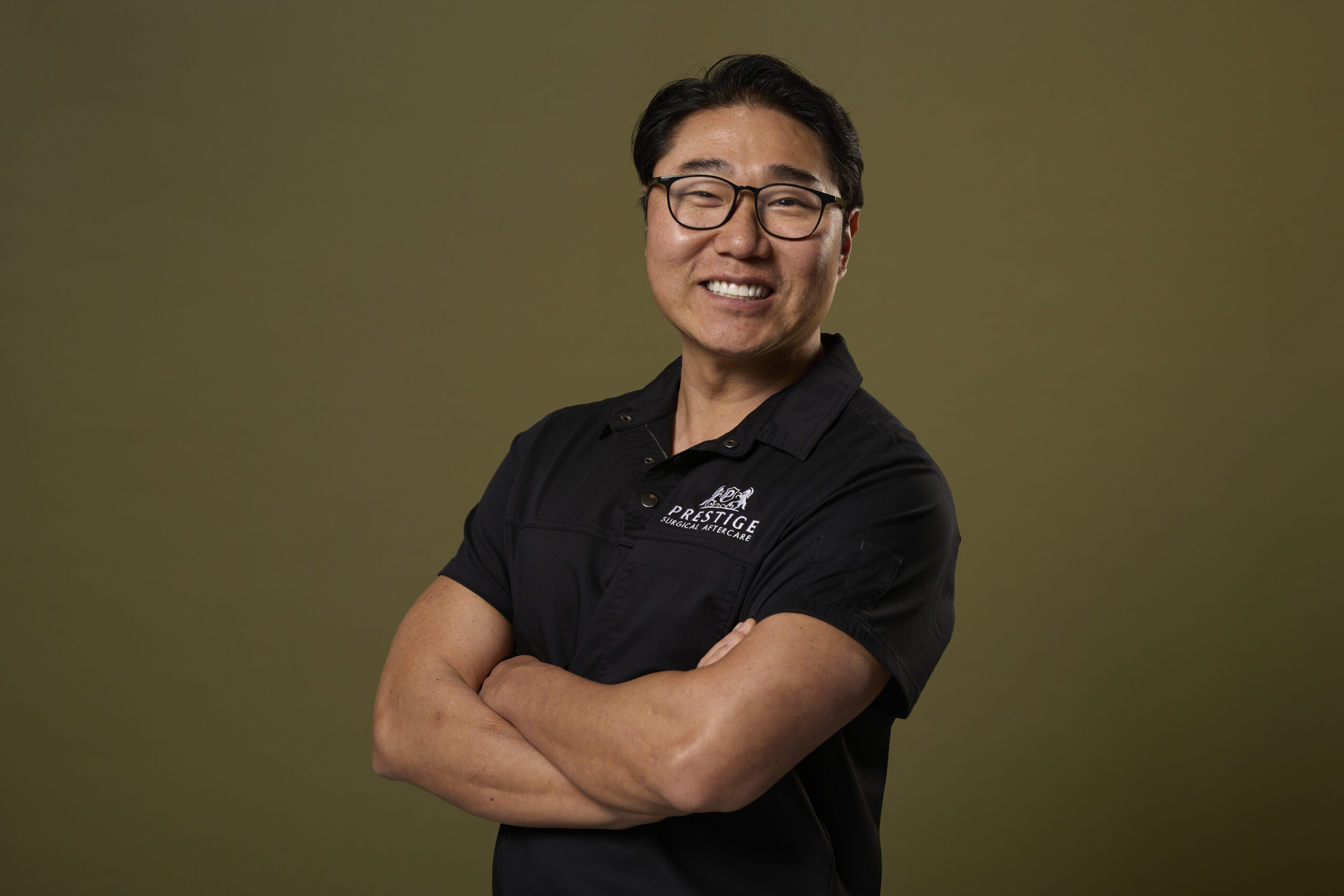
Drawing from more than a decade of experience in surgical care, Tom Bugansky founded Prestige Aftercare to address a critical gap in post-operative recovery that many patients never realize exists. By combining around-the-clock licensed medical supervision with a high-comfort, five-star recovery environment, Tom is helping reshape how patients think about healing after outpatient procedures — proving that recovery can be safer, more dignified, and far more supportive than the traditional “go home and rest” approach many have come to expect.
Hi Tom, thank you so much for taking the time to share your story and the mission behind Prestige Aftercare with our readers. You operate in a niche that many people don’t even realize exists, offering a luxurious, medically staffed alternative to traditional post-operative recovery settings. What was the moment you realized there was a real gap in care—and that this kind of recovery experience needed to exist?
With over 14 years working as a Certified Surgical Technologist in plastic surgery and various other procedures, I’ve seen firsthand how most of these surgeries are classified as outpatient—meaning patients are typically discharged the same day and sent home. While that’s often appropriate, many patients simply don’t have the medical knowledge, support system, or proper environment at home to manage their recovery safely.
That’s where the gap became painfully clear to me. Even with the best surgical outcomes, complications can arise in those critical first 24 to 48 hours—things like hematomas, pulmonary embolisms, excessive blood loss, unstable vitals, or unmanaged pain. At Prestige Aftercare, having 24-hour licensed medical staff on-site has allowed us to catch and address these issues quickly—sometimes returning patients to the operating room or ER in time to prevent serious problems.
Many patients assume their only options after a procedure are convalescent homes or retirement facilities. How do you explain Prestige Aftercare to someone hearing about it for the first time, and what tends to surprise people most once they understand what you offer?
Many people are genuinely surprised to learn that dedicated recovery centers even exist for outpatient procedures. Other than the places you just mentioned, most people assume that going straight home is their only option. When I explain what Prestige Surgical Aftercare is, I like to describe it as a luxurious, medically supervised healing retreat rather than a clinical hospital environment.
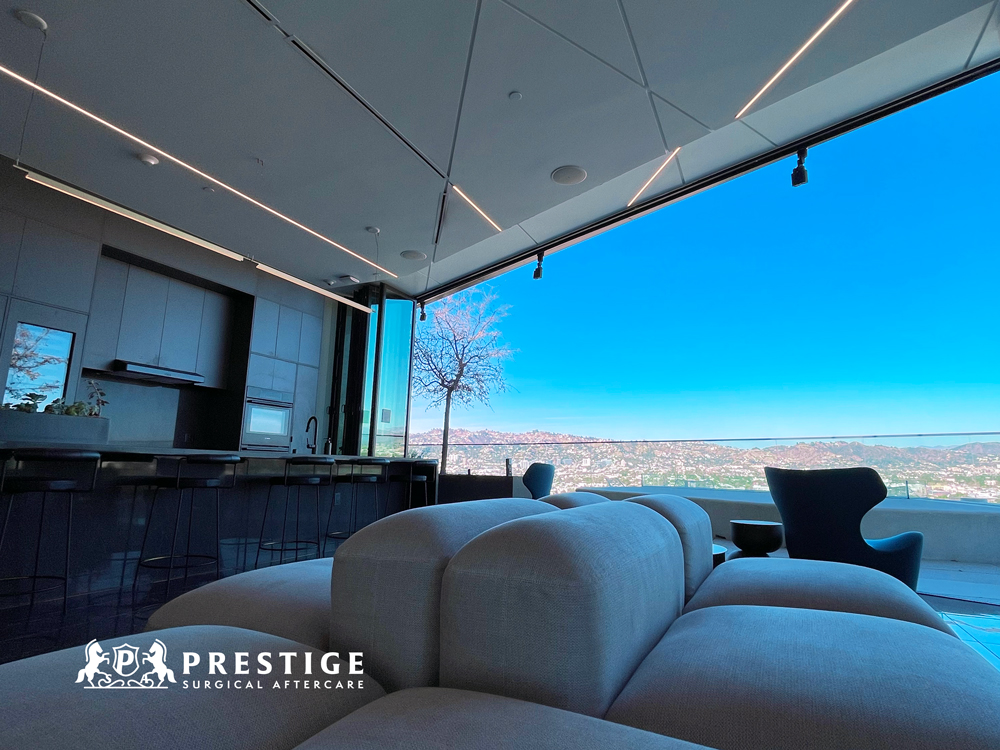
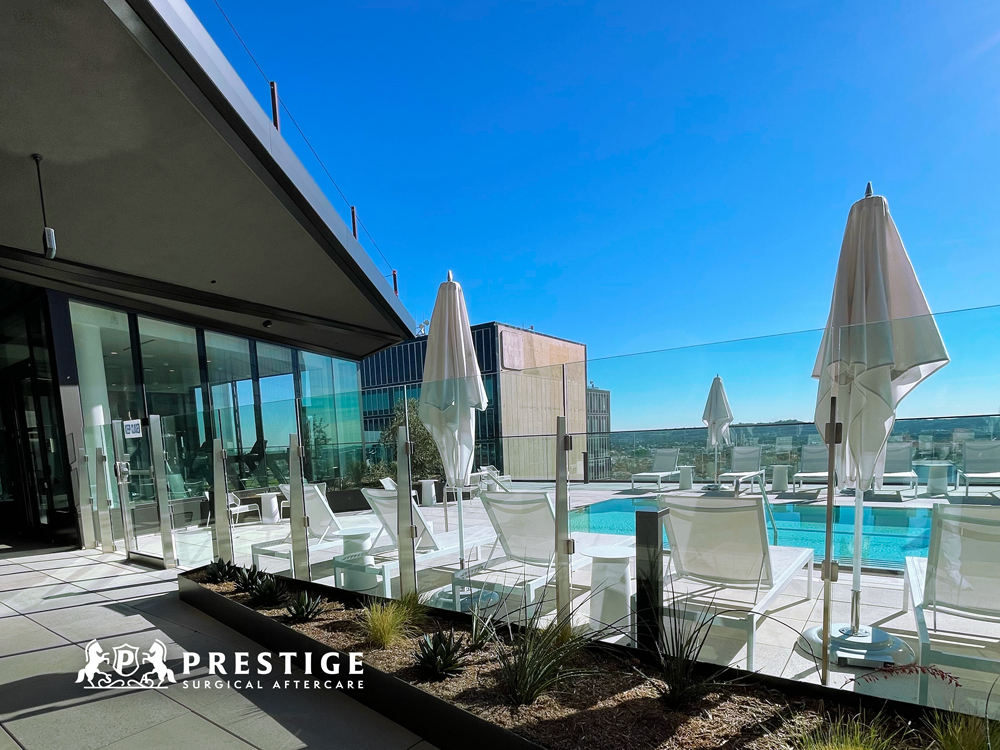
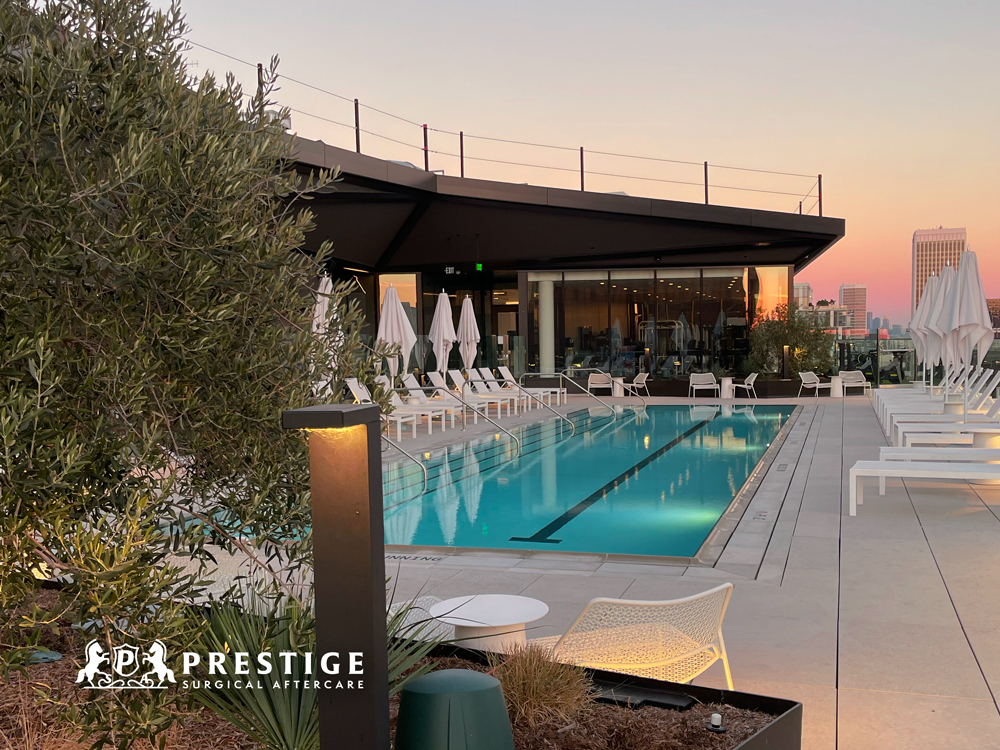
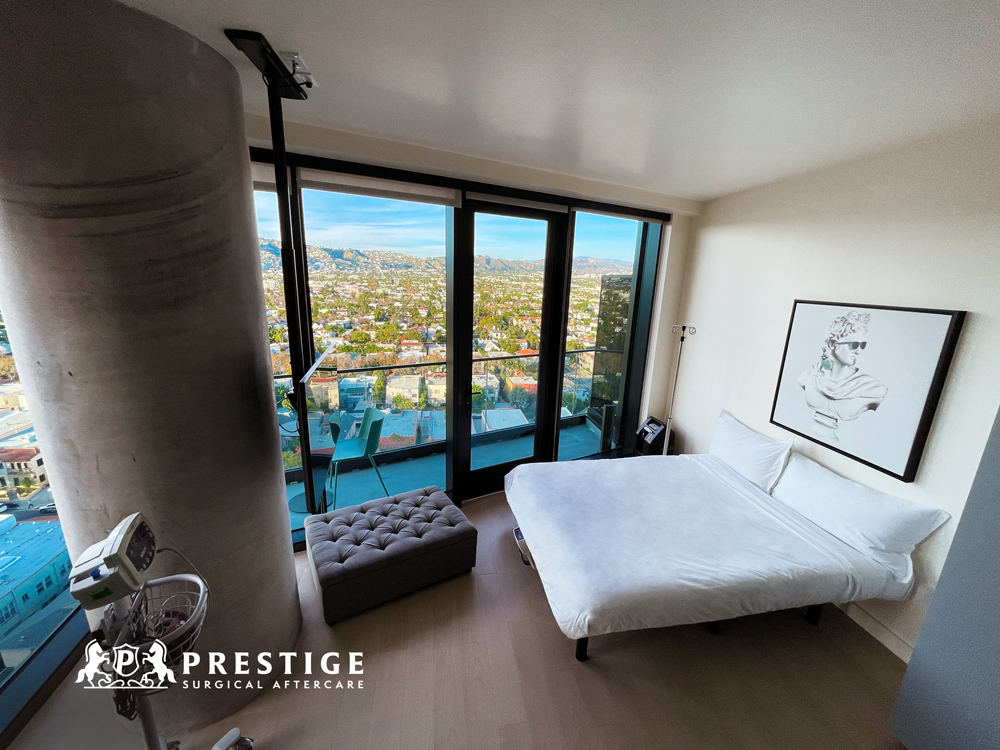
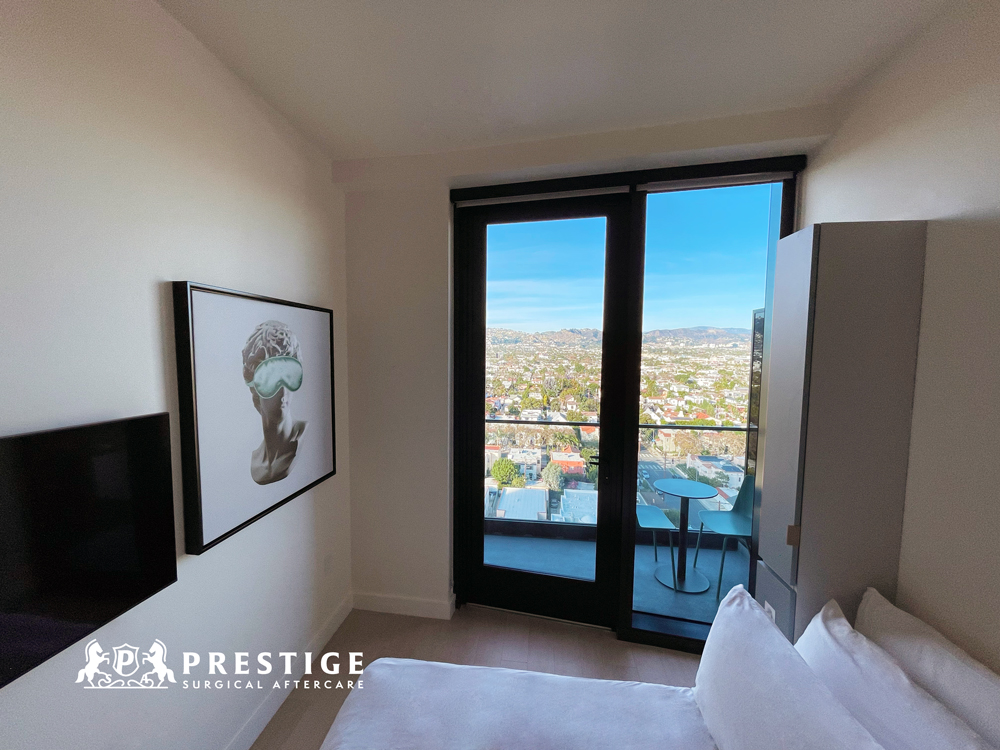
Patients often picture noisy hospital intercoms, crowded waiting areas, sterile smells, and a sense of institutional sadness. In contrast, I designed Prestige to mimic the opposite. We intentionally keep our patient load light so that every guest receives VIP-level attention. I wanted it to be a serene experience with elegant rooms overlooking stunning views that included gourmet meals, round-the-clock licensed nurses and a concierge medical staff who provide truly personalized, attentive care and emotional support.
You’ve intentionally combined licensed, around-the-clock medical care with a spa-like, five-star environment. Why is dignity, comfort, and atmosphere such a critical part of the healing process in your view, not just a “nice to have”?
Any surgical procedure, no matter how routine, leaves most people feeling uneasy, stressed, anxious, scared, and deeply vulnerable—regardless of who they are. In a traditional hospital setting, patients often feel like just another number or chart: a doctor or nurse might enter the room, review notes, deliver updates quickly, and move on due to high patient loads and tight schedules. That impersonal approach can heighten feelings of isolation and helplessness at the very moment when emotional support matters most.
At Prestige Aftercare, we believe dignity, comfort, and a nurturing atmosphere are essential—not optional luxuries—because they directly support the body’s natural healing process. Research and clinical experience show that reducing stress and anxiety accelerates recovery, improves pain management, and lowers complication risks, while a calm, respectful environment helps patients rest better, stay positive, and regain strength more effectively.
That’s why we prioritize treating every guest as a unique human being: we make eye contact, listen attentively, and stay as long as needed to ensure they’re truly comfortable and at ease.
As you work to spread awareness about this alternative model, what challenges have you faced educating both patients and medical professionals about post-procedure recovery options outside the traditional system?
One of the biggest challenges is trying to get patients and some medical professionals to understand that going home immediately after surgery isn’t always the safest or most practical choice. Every patient truly deserves dedicated support during those critical first days of healing and we want to, at the very least, make it known that this type of service exists for them.
When talking to patients who are on the fence about spending extra on aftercare, I try to compare the options very simply: One, recover at home with family or friends. Two, hire a private nurse in-home or at a hotel. Or three, consider a dedicated facility like Prestige Surgical Aftercare.
Recovering at home with loved ones may seem like a great option, but I often have to remind potential patients that not everyone has the medical knowledge or resources to manage things like wound care, medications, mobility, pain or potential complications effectively, which can unfortunately lead to unnecessary risks.
Hiring a private nurse is a good option, but often comes with logistical hurdles such as the nurse having to transport their own equipment and supplies from place to place. People also forget to consider the additional costs which can quickly add up: nurse hourly rates, booking extra hotel rooms, parking, meals, errands, etc.
A dedicated facility like Prestige addresses all of these concerns. Our facility is specifically built for post-operative recovery with many things included: meals, complimentary rides to follow up appointments (within an 8-mile radius), privacy, articulating hospital beds, walk-in showers, patient-assisted toilets, sequential compression devices (SCDs) to prevent embolisms, IV hydration, bladder scanners, crash carts, defibrillators, incentive spirometers, oxygen, and much more—all readily available on-site.
Educating people about these distinctions often requires overcoming assumptions that ‘home is always best’ or that luxury care is just a ‘nice extra.’ Once patients and surgeons see how Prestige bridges medical safety with true comfort and dignity—reducing risks, easing family worries, and supporting optimal outcomes—the value becomes clear.
Looking ahead, as you think about storytelling, interviews, and broader visibility, what impact do you hope Prestige Aftercare has on how people think about recovery—and what would success look like if more patients knew they had this option available to them?
Looking ahead, my greatest hope is that facilities like Prestige Aftercare fundamentally shifts how people view post-operative recovery. When more patients know this option exists, they can approach surgery with less anxiety, knowing they have a safe, luxurious place to recover with expert medical oversight around the clock. That peace of mind alone can make a huge difference.
On a practical level, I believe wider adoption would lead to fewer ‘false alarm’ ER visits from patients or families unsure how to handle normal swelling, pain fluctuations, or minor concerns—freeing up emergency resources for true emergencies while giving surgeons and hospitals greater confidence in outpatient discharges.
Ultimately, success would look like a world where recovery is no longer synonymous with isolation or worry, but with dignity, comfort, and optimized outcomes. More patients healing faster, feeling truly cared for, and returning to their lives stronger—that’s the ripple effect I’m working toward through every story, interview, and conversation. If even one more person chooses a path that eases their burden and enhances their results, we’ve moved the needle in the right direction.
Link:


Popular
-

Portraits of the Valley
-

LA’s Most Inspiring Stories
-

Rick Norris Learned That Building a Successful Business Means Building a Life You Actually Want to Live
-

How Olivia Rush Turned Survival Into a Mission to Help Others Keep Going
-

How Bibi Goldstein Is Helping Entrepreneurs Reclaim Their Time by Embracing the Power of Delegation
-

Victoria Hasson is Redefining Voice Coaching Through Community and Collaboration