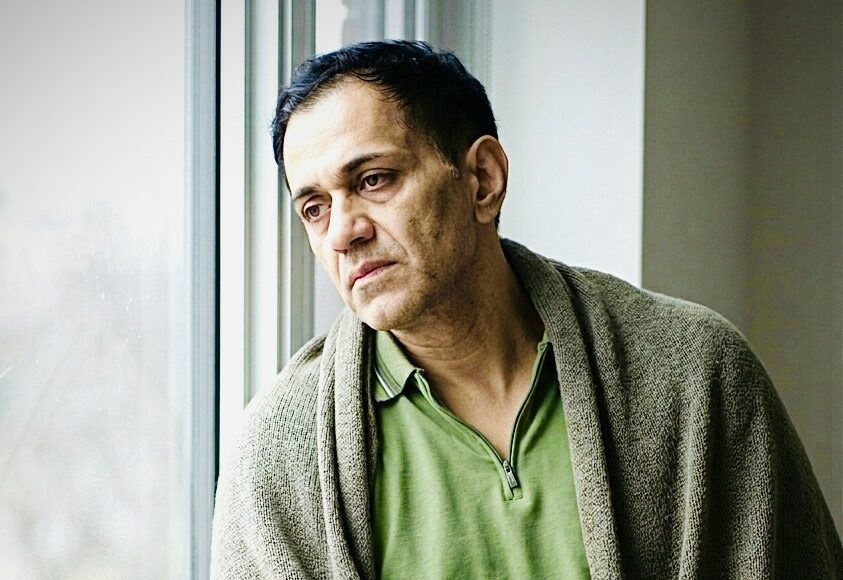
Rahul Nath’s latest film, MISTAKES, may be a psychological horror story, but for him, its true power lies in its exploration of grief, family, and the emotional burdens people carry. Preparing for the role required a transformation that was as psychological as it was physical, blurring the line between performance and personal reflection. We spoke with Rahul about vulnerability, empathy, and why the most haunting stories are often the ones rooted in our shared humanity.
Hi Rahul, thanks so much for joining us today. We’re thrilled to have you share your thoughts and insights with our readers. Your upcoming film MISTAKES has required one of the most demanding transformations of your career. Can you take us back to the moment you first read the script and realized this role would ask something very different of you as both an actor and a person?
When I first read the script for MISTAKES, I knew I was holding something very different. On the surface, it explores the supernatural, but at its heart it’s really about family—about unresolved conflict, grief, guilt, and the emotional baggage we carry with us. Those themes resonated with me because they’re universal. Every family has secrets, every family has wounds, and this story asks what happens when those wounds refuse to stay buried.
For the first time in my career, I felt like a role wasn’t staying on the page or on set—it was following me home. I found myself thinking about the character, mostly all the time, even before I got on set. His emotions, his struggles, and the weight he carried slowly became part of my daily routine. It was almost as though I was living alongside him, and that was both unsettling and incredibly rewarding as an actor.
I’ve played emotionally demanding characters before, but this was the first role that genuinely consumed a part of my everyday life. It challenged me not only to transform physically, but to stay emotionally present in a way I’d never experienced before. Looking back, I realized that the best performances often require a level of vulnerability that’s impossible to switch on and off, and MISTAKES asked exactly that of me.
That experience changed me. It reminded me that the most powerful stories aren’t just about what we see on screen—they’re about what they awaken within us. That’s what MISTAKES has done for me, and I hope audiences feel that same emotional connection when they watch it.
Preparing to portray someone whose mind and body are shared with another consciousness goes far beyond memorizing lines. Can you share a behind-the-scenes moment during your preparation when the emotional or psychological weight of the character unexpectedly stayed with you after you left the set?
There were quite a few moments, but one in particular stands out. We had filmed an especially intense sequence that revolved around family conflict and the psychological unraveling of my character. When the day wrapped, everyone else naturally switched back into their normal routines, but I realized I couldn’t. I drove home in complete silence because I couldn’t shake what I had been carrying emotionally.
As actors, we’re trained to step into someone else’s life and then step back out of it. With MISTAKES, I found that line becoming increasingly blurred. The emotional state of the character stayed with me long after the cameras stopped rolling. I would catch myself replaying scenes, questioning his motivations, and even waking up thinking about where he was emotionally rather than where I was.
The supernatural elements certainly added another layer, but for me they were never just about the paranormal. They became a metaphor for how trauma, guilt, and unresolved family issues can take hold of someone until they almost feel like another presence living inside them. That was the part that stayed with me. It wasn’t fear—it was empathy.
I’ve never experienced a role quite like this before. It demanded so much emotional investment that, for the first time in my career, I genuinely felt as though part of the character had become woven into my daily life while we were making the film. Thankfully, once production wrapped, I was able to leave him behind—but during filming, he was with me almost every day.
You’ve spoken about physically transforming to reflect the gradual toll of possession. Was there a breakthrough or perhaps a struggle during that process that completely changed your understanding of how much the body can communicate without a single word?
Absolutely. One of the biggest breakthroughs for me was realizing that the transformation wasn’t about looking different—it was about moving differently. As the story progresses, my character is carrying an immense emotional and psychological burden, and I wanted every part of his body to reflect that before he ever spoke a line.
The physical transformation involved losing weight, which certainly helped create the visual progression, but I quickly learned that appearance was only one piece of the puzzle. The real challenge was allowing that physical change to influence how I walked, how I stood, how I breathed, and even how I held eye contact. The smallest adjustments often said more than any dialogue could.
There were days when I was physically exhausted from the demands of the transformation, and ironically, that exhaustion became an asset. It gave me a vulnerability that I couldn’t manufacture. Instead of fighting it, I embraced it and allowed it to become part of the character’s journey.
That experience completely changed the way I think about acting. We often focus on dialogue because it’s the most obvious form of storytelling, but the audience is constantly reading what’s happening beneath the words. A slight hesitation, a change in posture, or the absence of energy can reveal an entire emotional history. MISTAKES reminded me that sometimes the most powerful performance is the one where the body tells the story before the actor ever opens their mouth.
Psychological horror often explores deeper truths beneath the supernatural. As you immersed yourself in themes of grief, secrets, and justice, was there anything you learned about human nature that surprised you and influenced your performance?
One of the biggest things I learned is that people rarely see themselves as the villain in their own story. No matter how painful the decisions they make or the secrets they keep, they’re almost always acting from a place they believe is justified—whether that’s love, fear, guilt, or the instinct to protect someone they care about. That realization completely changed the way I approached my character.
While MISTAKES has supernatural elements, what fascinated me most was that the real horror comes from the emotional scars we leave unresolved. Grief doesn’t disappear just because we ignore it. Family secrets don’t lose their power simply because they’re hidden. In many ways, the supernatural became a reflection of what happens when those emotions are left to grow unchecked.
It also made me think about justice in a different way. We often think of justice as punishment, but this story asks whether true justice can exist without confronting the truth first. Sometimes the hardest person to face isn’t someone else—it’s yourself.
That understanding gave me a great deal of empathy for my character. I stopped thinking about him as someone experiencing extraordinary events and started thinking about him as a human being trying to survive overwhelming emotional pain. Once I made that shift, the performance became much more honest. Instead of chasing the horror, I focused on the humanity, because I believe that’s what makes psychological horror so powerful. The monsters may draw us in, but it’s the human emotions underneath that stay with us long after the credits roll.
Throughout your career as an actor, dancer, and court interpreter, you’ve had the opportunity to step into many different worlds. How have those experiences shaped the way you approach emotionally complex characters like the one you’re playing in MISTAKES?
I think every chapter of my life has prepared me for a role like this in ways I never expected. As an actor, I’ve always been fascinated by human behavior—what motivates people, what they hide, and what they reveal when they’re pushed to their limits. But my experiences outside of acting have given me an even deeper understanding of people and their emotions.
Being a dancer taught me the importance of storytelling without words. Before a character ever speaks, the body is already communicating. Movement, posture, rhythm, and even silence can reveal what someone is feeling internally. That understanding was invaluable for MISTAKES, especially with a character whose physical presence changes as he struggles with forces beyond his control.
My work as a court interpreter has also profoundly influenced the way I approach characters. Sitting in courtrooms and witnessing people during some of the most vulnerable moments of their lives has shown me the complexity of human nature. I’ve seen that behind every situation there is a story, behind every action there is a reason, and behind every person there is a level of humanity that may not be immediately visible.
Those experiences have taught me not to judge my characters, but to understand them. Whether I’m interpreting someone’s words in a courtroom or portraying someone’s pain on screen, my responsibility is the same—to listen, to observe, and to find the truth in their experience.
With MISTAKES, all of those worlds came together. The actor in me searched for the emotional journey, the dancer in me understood the physical transformation, and the interpreter in me looked for the humanity behind the conflict. I believe that combination allowed me to approach this character with a deeper sense of empathy and authenticity.
When audiences leave MISTAKES, what do you hope lingers with them most? Beyond the suspense and scares, what conversation or emotion do you hope the film sparks long after the credits roll?
More than anything, I hope audiences leave MISTAKES thinking about the importance of confronting the things we often try to bury—the pain, the secrets, the regrets, and the conversations we never had.
Yes, the film is a psychological horror story with supernatural elements, and I hope audiences enjoy the suspense and the scares, but underneath all of that is a very human story about family, forgiveness, grief, and the consequences of leaving unresolved emotions behind. The supernatural aspects are what draw you in, but the emotional journey is what I hope stays with you.
I hope people walk away asking themselves questions: Are there things in my own life that I need to confront? Are there relationships that need healing? Have I truly listened to the people around me before it’s too late?
For me, MISTAKES is ultimately about empathy. It reminds us that everyone is carrying something we may not see, and sometimes the people who appear the strongest are the ones fighting the biggest battles internally.
If audiences can connect with that humanity—if they can feel something, start a conversation, or look at their own relationships a little differently—then I believe we have achieved something meaningful. The greatest horror isn’t always what comes from the outside; sometimes it’s what we carry within ourselves when we don’t allow ourselves to heal.
Links:
- Actor website: www.rahul-nath.com
- Production House website: www.niknakpro.com
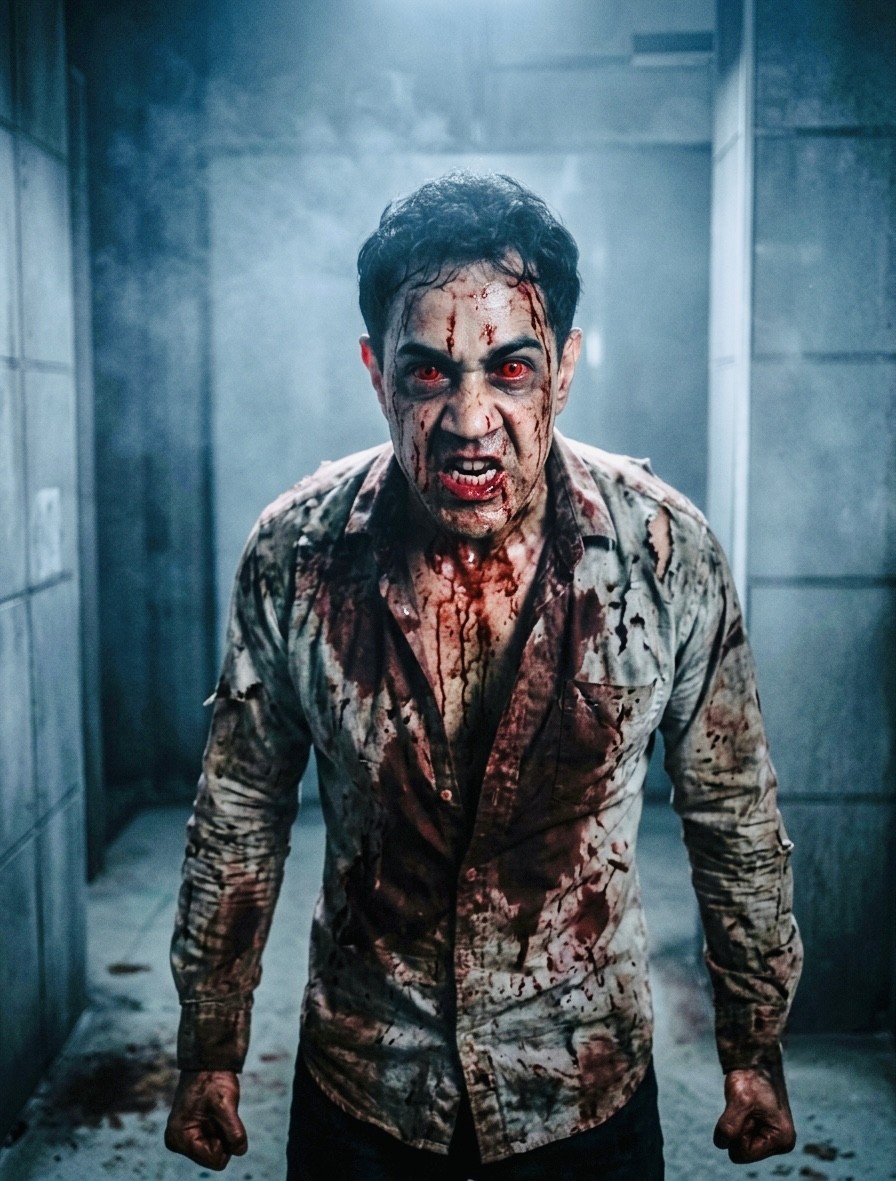
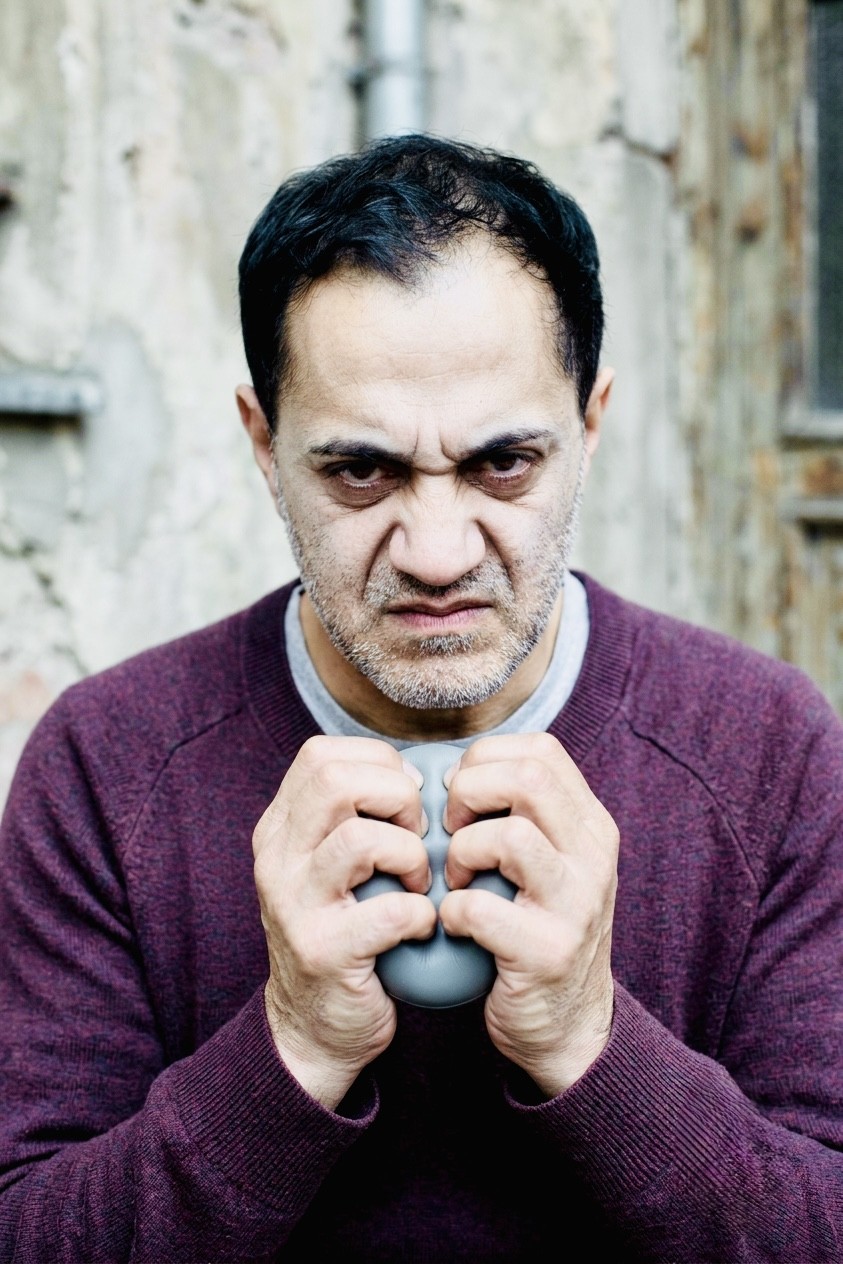
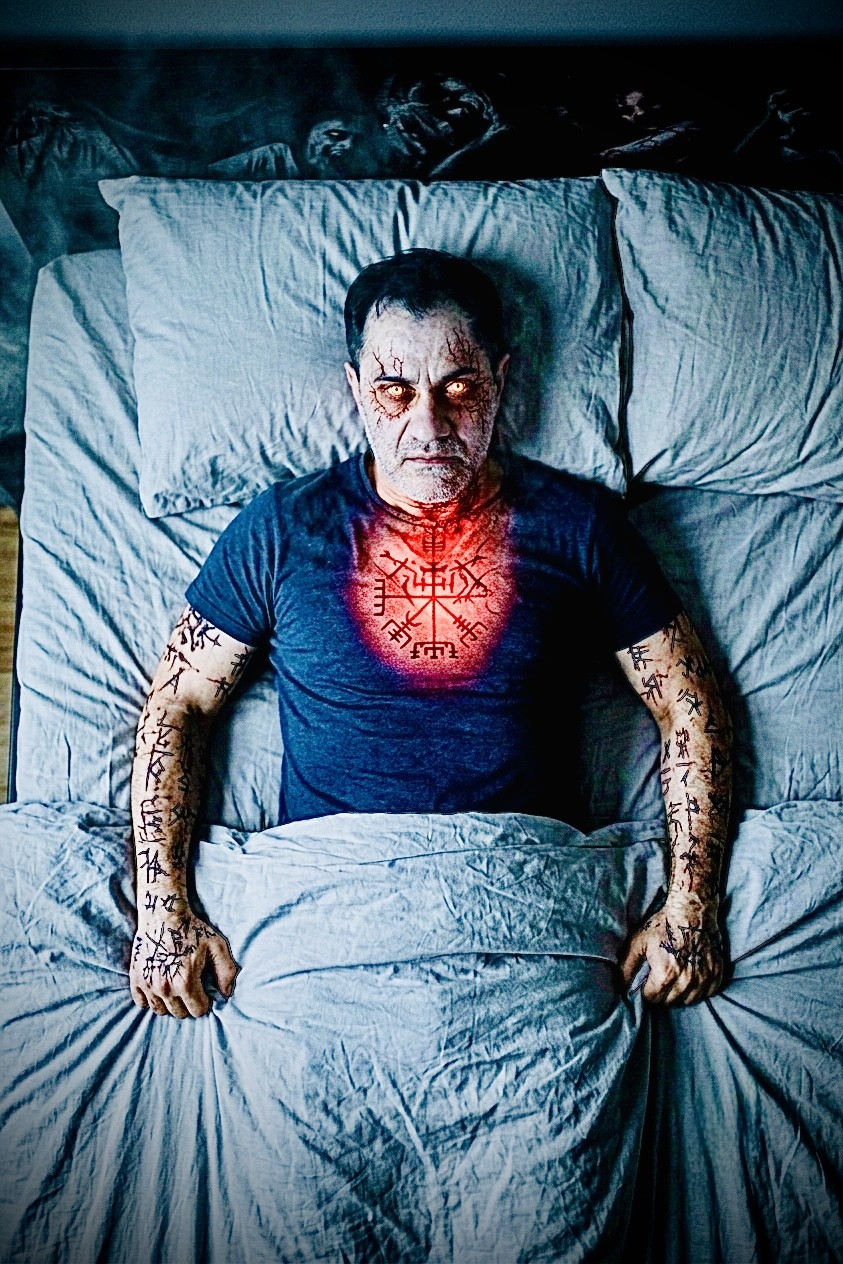
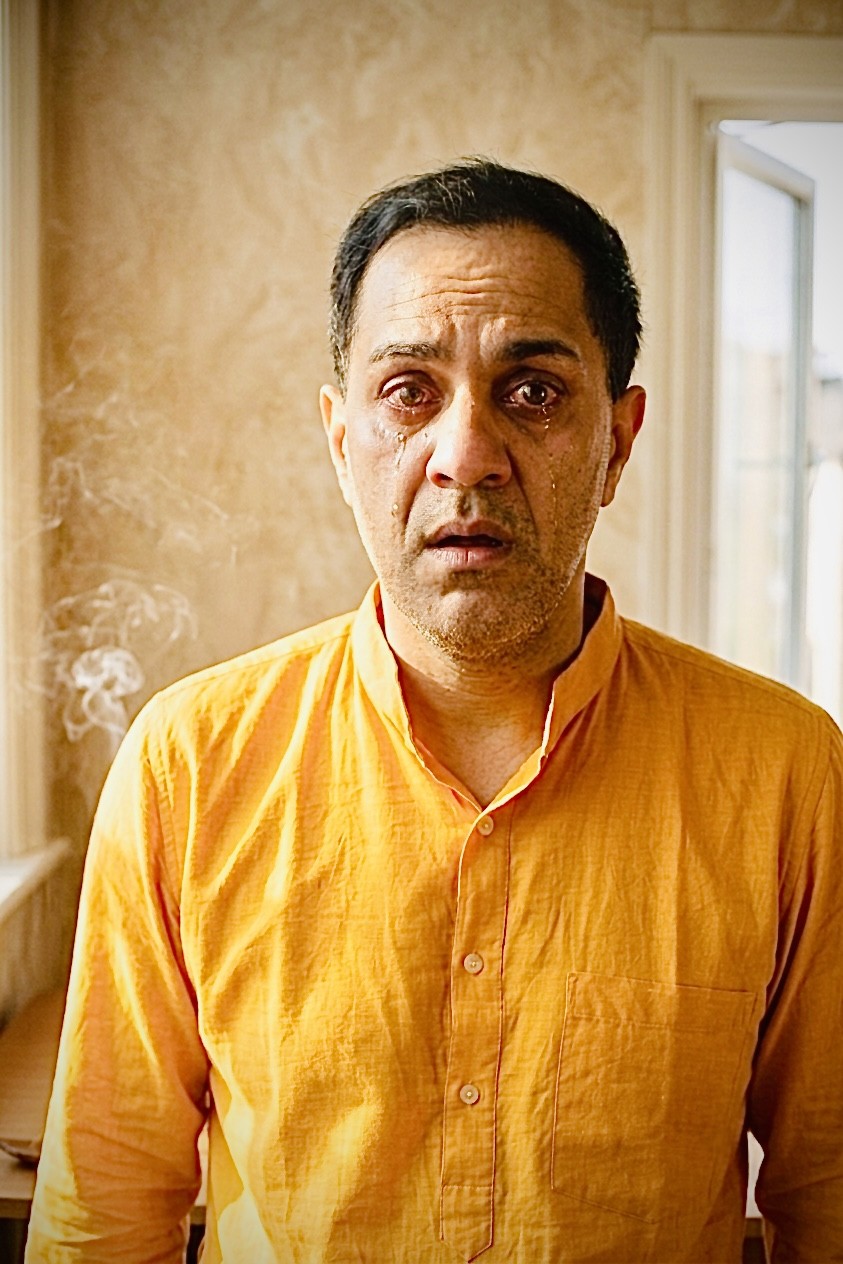
Image Credit:
All the images are courtesy of MISTAKES, a feature movie by Nik/Nak Productions
Popular
-

Portraits of the Valley
-

LA’s Most Inspiring Stories
-

Greg Hex Is Turning the Everyday Kitchen Knife Into a Modern Design Object
-

Rick Norris Learned That Building a Successful Business Means Building a Life You Actually Want to Live
-

How Olivia Rush Turned Survival Into a Mission to Help Others Keep Going
-

How Bibi Goldstein Is Helping Entrepreneurs Reclaim Their Time by Embracing the Power of Delegation