






Connect
To Top

Why Jeff Zylstra Measures Success by Process, Not Predictions

After more than eight years in the digital asset space, Jeff Zylstra has watched the conversation around crypto evolve from fear of missing out to a growing demand for clarity, structure, and long-term thinking. Through UpTrade, he’s helping investors move beyond headlines and hype by focusing on disciplined decision-making and thoughtful guidance. His story is a reminder that lasting confidence in investing doesn’t come from predicting every market move — it comes from understanding why you’re making each decision in the first place.

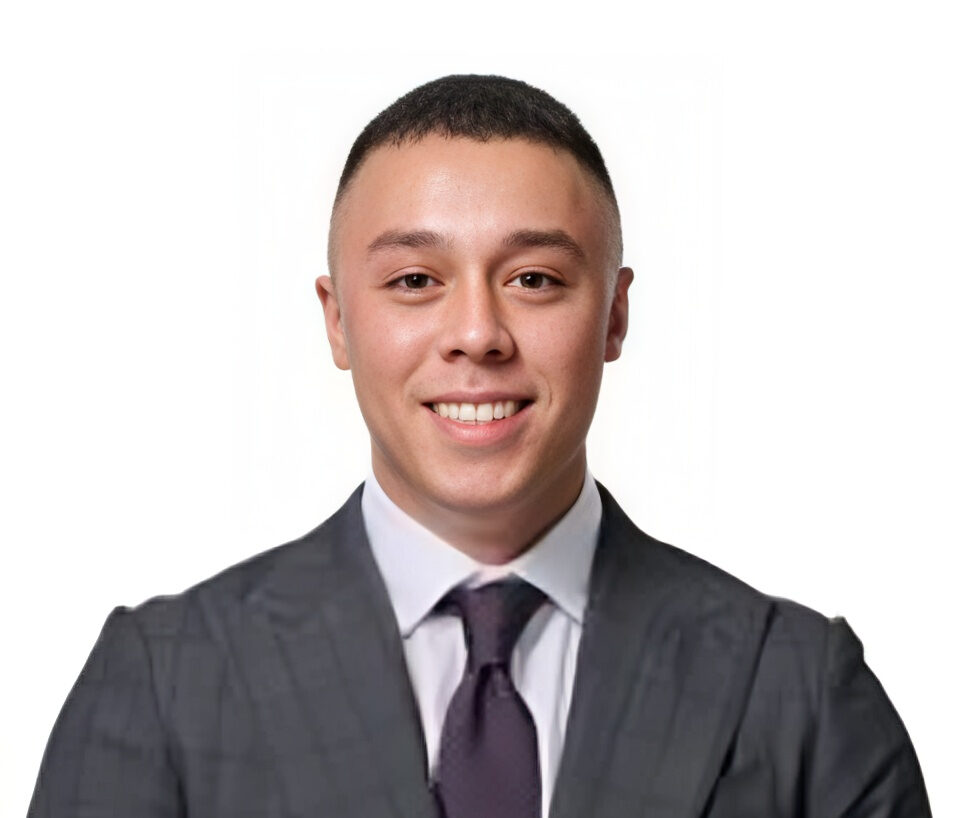
Jeff Zylstra is the Founder and CEO of UpTrade, a specialist crypto brokerage, as well as a crypto investment expert and qualified stockbroker. With a decade of experience in digital assets, he helps investors navigate the crypto market with institutional-grade insight, disciplined risk management, transparency, and a long-term approach.

Hi Jeff, thanks so much for joining us today. We’re thrilled to have you share your thoughts and insights with our readers. You’ve observed a shift from the fast-paced, do-it-yourself culture of crypto investing toward a more measured approach. Looking back, was there a particular moment or conversation that made you realize the industry’s priorities were beginning to change?
It was less about one dramatic moment and more about noticing how investor questions changed over time.

During the more speculative phases of the market, conversations often began with, “What do you think will rise next?” or “Am I too late?” There was a strong sense that people needed to move quickly or risk missing an opportunity.

As the market matured, the questions became more considered. Investors started asking how digital assets should fit alongside their other investments, what level of exposure was sensible for them, how custody worked, and what risks they might be overlooking.

That change was significant. It showed me that people were no longer satisfied with access alone. They wanted context, structure, and a clearer understanding of the decisions they were making.

After more than eight years in digital assets, I see that as a healthy development. Interest in crypto has not disappeared. Investors are simply becoming more selective about how they participate and more conscious of the consequences of getting it wrong.

Through your work at UpTrade, you’ve spoken with many investors trying to navigate an increasingly complex market. Can you share the story of a client interaction, without revealing any personal details, that fundamentally changed the way you think about what people are really looking for when they invest in digital assets?
One conversation that has stayed with me involved an investor who had done an extraordinary amount of independent research.

They followed market news every day, listened to podcasts, watched analysts, used several exchanges, and held a wide range of digital assets. On paper, they appeared to be highly informed. Yet when we started discussing their portfolio, they admitted that they felt less confident than when they had begun.

They had accumulated a great deal of information, but they did not have a clear framework for using it. They could describe each asset, but they struggled to explain why it belonged in their portfolio, how much risk they were taking collectively, or what would lead them to sell.

That conversation changed how I thought about investor support. People do not always need another piece of information or another asset to consider. Often, they need help filtering out the noise and connecting their decisions to a clear objective.

It reinforced an important principle behind UpTrade. Good guidance should not make decisions feel more complicated. It should help investors understand what they own, why they own it, and whether it still makes sense for their circumstances.

The crypto industry has experienced dramatic highs and lows over the years. Was there a challenging period in your own entrepreneurial journey that reshaped your philosophy from chasing market excitement to emphasizing discipline, risk management, and long-term thinking?
The difficult market cycles have probably shaped my thinking more than the periods of rapid growth.

When markets are rising, momentum can disguise weak decision-making. People can take unnecessary risks and still achieve positive results, which creates the impression that the process was sound. It is only when market conditions reverse that the weaknesses become visible.

As a founder, I have seen how quickly investor confidence can change. Someone who feels comfortable taking substantial risks during a rising market may become unable to make any decision once prices begin falling. That experience taught me that confidence built purely on price performance is extremely fragile.

It also influenced how I wanted to build UpTrade. I did not want the business to be useful only when the market was exciting. A responsible brokerage should be equally valuable when conditions are uncertain and investors need clarity rather than encouragement to trade.

That is why discipline and risk management have to be established before a downturn, not introduced as a reaction to one. The purpose of a long-term strategy is not to remove uncertainty. It is to give you a more rational way to respond when uncertainty arrives.

Many people assume success in crypto comes from making the right prediction at the right time. From your experience, what’s a lesson you’ve learned that surprised you and completely changed how you define a successful investor?
The lesson that surprised me most is that being right about the market is not always the same as making a good investment decision.

An investor can make a poorly researched decision, take far too much risk, and still make money because the market moves in their favour. Another investor can follow a disciplined process and experience a disappointing short-term outcome. Judging the quality of either decision solely by the result misses the most important part.

I have come to define a successful investor by the consistency of their process. Do they understand what they are buying? Can they explain the investment thesis without relying on price predictions? Have they considered what could go wrong? Is the position appropriate for their wider financial situation? Do they know what information would cause them to change their view?

The most successful investors I have encountered are not trying to win every market move. They are trying to avoid making one emotional or oversized decision that could seriously damage their long-term position.

That may sound less exciting than predicting the next major rally, but remaining financially and emotionally capable of participating over many years is a far more meaningful form of success.

Building trust in an industry that’s often associated with volatility isn’t easy. Can you tell us about a decision you made as a founder that reflected your long-term values, even if it wasn’t the easiest or most popular path at the time?
A defining decision was building UpTrade around direct broker relationships and individual guidance rather than creating another purely transactional platform.

The simpler commercial model would have been to prioritise trading volume. In that model, success is often measured by how frequently clients transact. But more activity does not necessarily mean better decisions, and it does not always serve the client’s long-term interests.

We chose an approach where the conversation can sometimes end with a client deciding not to trade. That may mean waiting, reducing the size of a position, asking more questions, or recognising that an opportunity does not fit their goals.

From a short-term business perspective, that is not always the easiest outcome. From a trust perspective, it is essential.

Clients need to know that the guidance they receive is not based on generating excitement or encouraging activity for its own sake. Trust is built when you are prepared to have an honest conversation, including when the most responsible conclusion is to slow down.

That principle has shaped how we operate. We want long-term relationships with informed clients, not transactions driven by pressure or fear of missing out.

As the conversation around digital assets continues to evolve, what do you hope people will remember about UpTrade’s approach? Beyond helping clients invest in crypto, what kind of confidence or mindset are you hoping to help them build for the years ahead?
I hope people remember that UpTrade brought a more personal, disciplined, and transparent approach to an industry that can often feel impersonal and unnecessarily complicated.

Digital assets move quickly. New technologies, platforms, narratives, and opportunities appear constantly. That speed can create the impression that investors must act immediately, but urgency is not the same as opportunity.

The confidence we want to help clients build is not the belief that they can predict every price movement. Real confidence comes from understanding the decision in front of you, recognising the risks, and being comfortable with the role that investment plays within your broader financial goals.

We also want people to become better at asking questions. What is the purpose of this asset? What supports its value? Where is it held? What are the liquidity and counterparty risks? What would cause me to reconsider the investment?

Those habits remain useful even as the market changes. Specific assets, regulations, and technologies will continue to evolve, but disciplined decision-making has lasting value.

If clients leave an interaction with UpTrade feeling more informed, less reactive, and better equipped to make thoughtful decisions independently, that is the kind of impact I want the business to have.


Leave a Reply

Your email address will not be published. Required fields are marked *

More in Partner Series