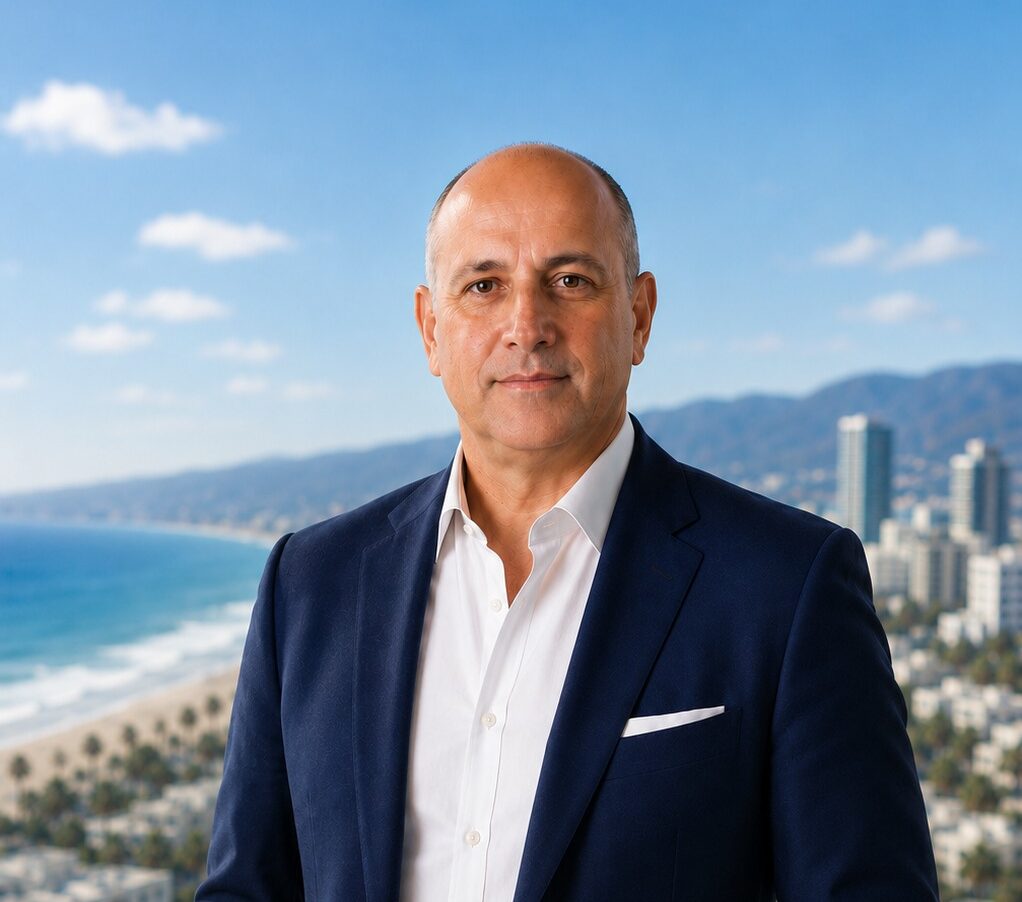
Rick Norris has spent decades building businesses, investing, and advising entrepreneurs, but some of his most important lessons came from realizing that success can quietly take over your life. After a serious health crisis forced him to step back, he began rethinking what he wanted from his businesses, his relationships, and his future. Today, his approach to entrepreneurship is shaped by a simple but powerful question: would you choose not only the business you’ve built, but the life that comes with owning it?
Hi Rick, thanks so much for joining us today. We’re thrilled to have you share your thoughts and insights with our readers. Many entrepreneurs dream of building a business that gives them freedom, only to discover they’ve built themselves another job. Looking back, what do you remember about the moment you first realized your business was running your life instead of supporting it?
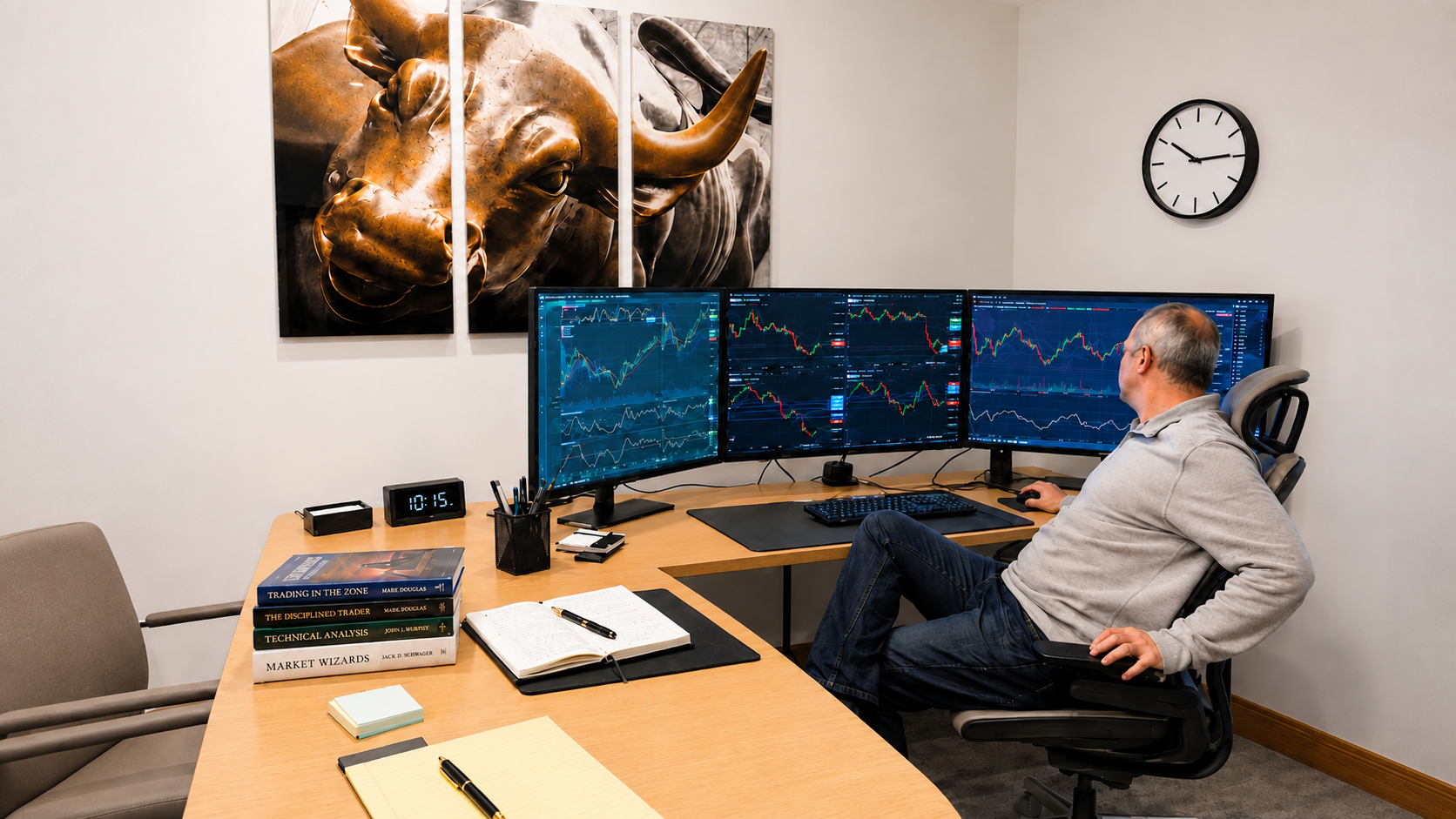
I remember one Saturday in 2016 when I woke up excited because I was going to work for about fourteen hours.
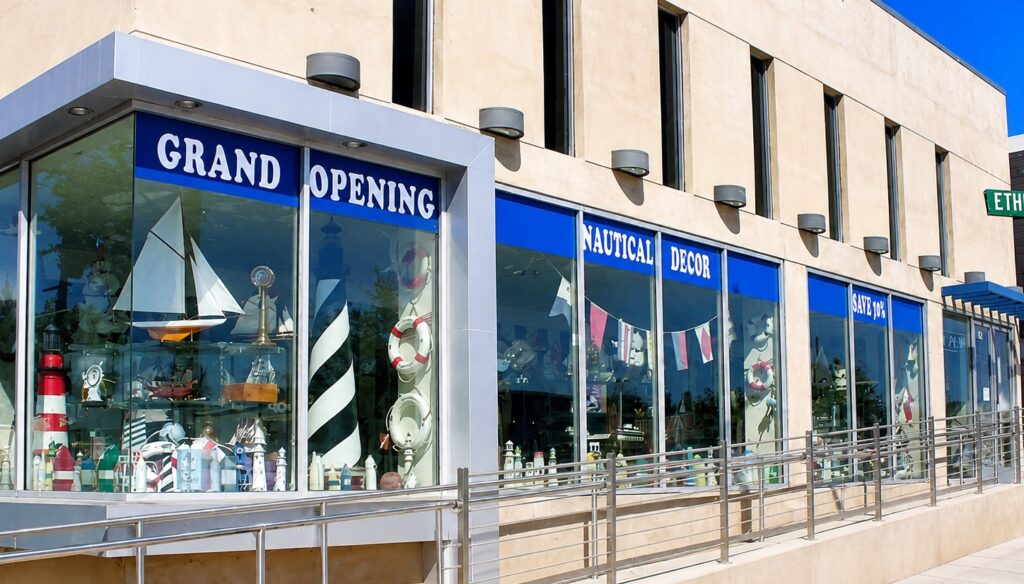
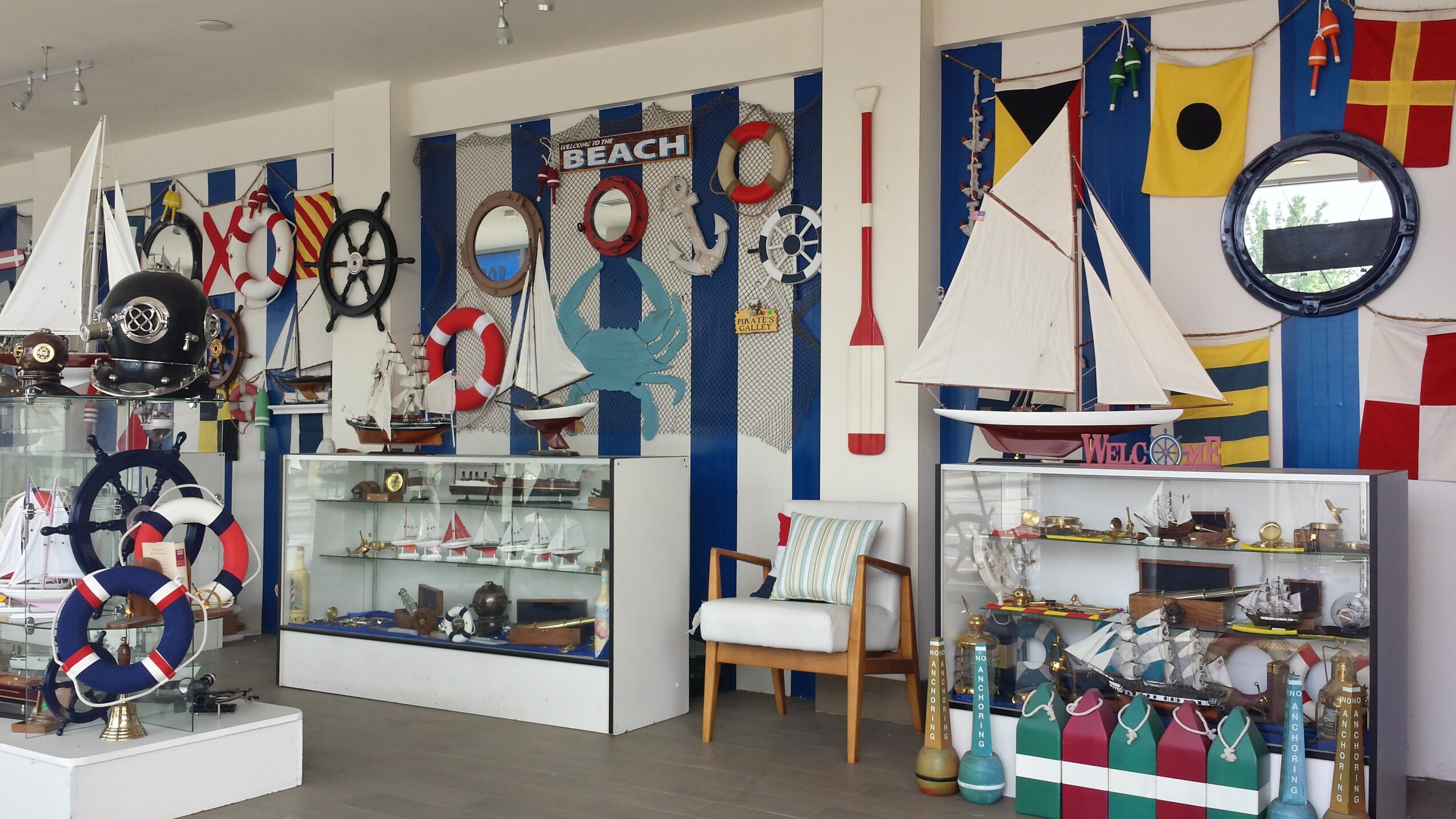
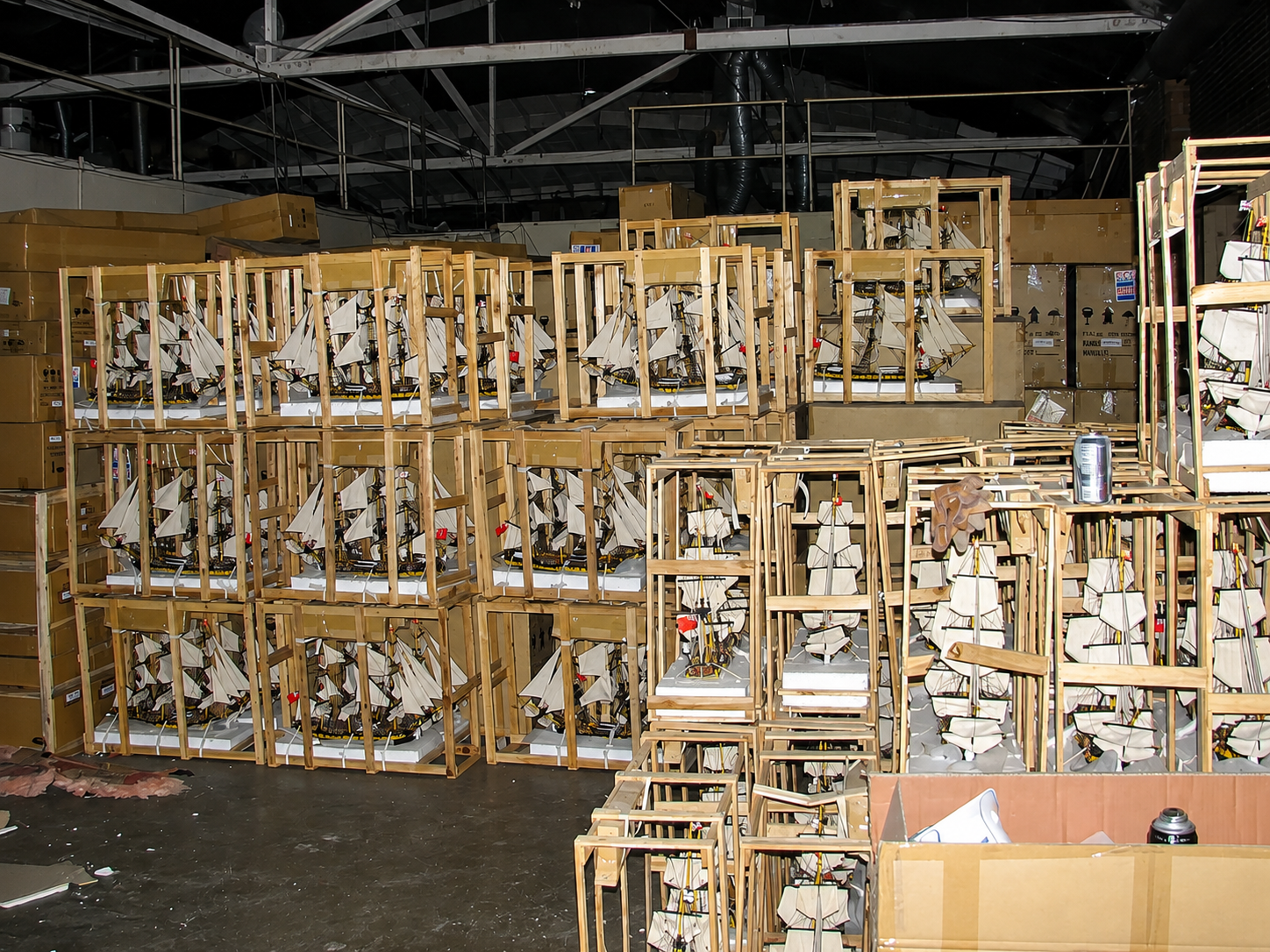
By then, I had spent most of my career building businesses, investing and working on mergers and acquisitions. I was running two companies of my own. Blue Chip Macro, my investment firm, was managing more than $100 million in client assets. Hampton Nautical, the e-commerce company I had founded selling model ships and nautical décor, had grown into a large business with thousands of products and factories overseas.
The stock market was closed. Hampton’s factories were closed. Our U.S. operation was closed. Nobody was likely to call me. I remember thinking, this is great. Nobody is going to bother me all day. I can finally get some work done.
It was a beautiful summer Saturday. Years earlier, I probably would have been playing golf. Instead, my idea of a great day had become fourteen uninterrupted hours in front of a computer. I remember thinking, oh shit. That is kind of a problem.
The strange part was that I didn’t feel trapped. I felt successful. That’s probably why I could recognize the problem and still do absolutely nothing about it. The businesses were successful, and success kept giving me reasons to continue. Another customer, another product, another employee, another opportunity. Each decision made sense individually. I just never stopped to ask where all those yeses were taking me.
Looking back, I think one of the first signs your business owns you isn’t necessarily what gets added to your calendar. It’s what quietly disappears from your life.
Your battle with COVID became a profound turning point. Can you take us back to those days in the hospital and share what was going through your mind? Was there a particular realization that changed the way you would approach both business and life from that point forward?
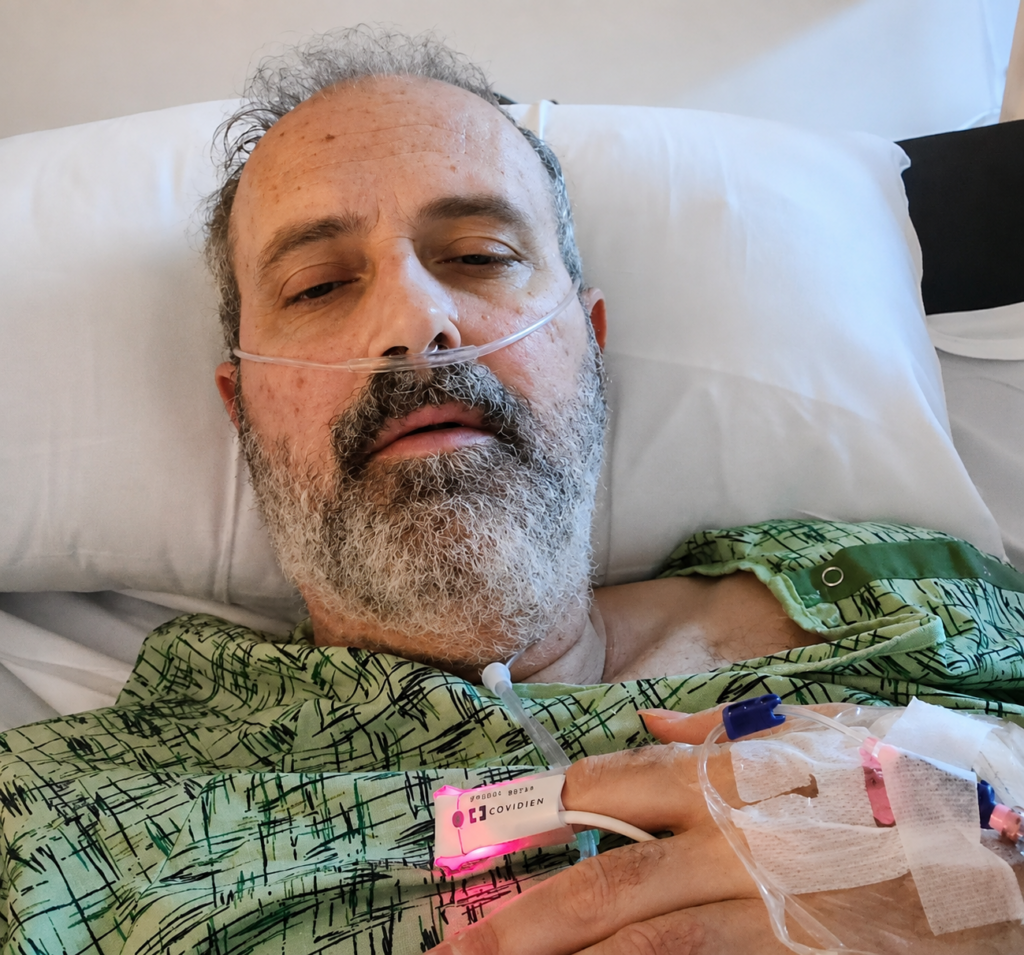
In August 2021, I was hospitalized at St. John’s Hospital in Santa Monica with severe COVID. I was extremely sick and struggling to breathe.
There was one conversation I remember very clearly. A nurse asked me, “Sir, if you can’t make medical decisions for yourself, who should make them for you?” I didn’t have an answer.
At that point in my life, my parents were gone. I had no brothers or sisters, no aunts, uncles, cousins or other relatives. I wasn’t married. There was literally nobody in my family whose name I could give her, so eventually I gave her the name of a good friend.
I don’t want to rewrite history and pretend I was lying there having some profound revelation about the meaning of life. I wasn’t. I was extremely sick. I was trying to breathe and trying to survive. It wasn’t until later, when I had recovered enough to think clearly, that I understood what that conversation meant to me.
I had spent decades building businesses and creating responsibilities. A lot of people depended on me professionally. Yet when somebody asked who in my family should speak for me if I couldn’t speak for myself, I had no family to name. That stayed with me, and eventually I found myself asking a very simple question: Why am I building all of this?
I had done a pretty good job building businesses. I hadn’t done nearly as good a job building my life.

Rebuilding successful businesses to become less dependent on you must have required letting go of habits that had served you for years. What was the hardest change to make, and how did you learn to trust your team and your systems instead of feeling like you had to carry everything yourself?
The hardest change was accepting that just because I could make a decision didn’t mean I needed to make it.
For years, I had been the person everyone came to. If there was a problem, I could usually solve it. Eventually, you start confusing your ability to solve problems with the idea that you should be the one solving all of them.
COVID broke that pattern because for a period of time I physically couldn’t do it. About six weeks after I left the hospital, I was still extremely sick. I had profound fatigue and brain fog. I had trouble concentrating, reading and sometimes even processing a normal conversation.
My operations manager at Hampton called because he needed a decision. He explained the problem, but I literally couldn’t process what he was saying. I basically said, “Oh, okay. That’s nice,” and hung up. I wasn’t being dismissive. I was still so sick that I couldn’t understand what he was asking me, so he made the decision himself.
Then he made another one. Other people stepped up too. It wasn’t perfect. My operations manager was doing a job he’d never been asked to do before, critical decisions got made, and a lot of less urgent things accumulated. But the company kept operating.
That showed me something uncomfortable. Hampton could make more decisions without me than I had allowed it to. When I came back, I didn’t simply take all of that authority back. I gave people more ownership of recurring decisions and started building systems around things that shouldn’t have required me in the first place.
I later applied the same principle at Blue Chip Macro, keeping the investment decisions that genuinely required my judgment while redesigning much of the work around them. The lesson wasn’t that I needed to stop being involved. It was that I needed to be involved where my involvement actually mattered.
Today, you and your wife have built a life that includes founding AgaveLuz Organic Tequila and caring for 14 rescue animals. Can you share the story behind how those passions came together, and why that chapter feels so different from the life you were living before?
After COVID, one of the things I knew I wanted to change was how much of my life I was giving to work. I had spent decades making business the priority. I wanted to start making my life a priority too.
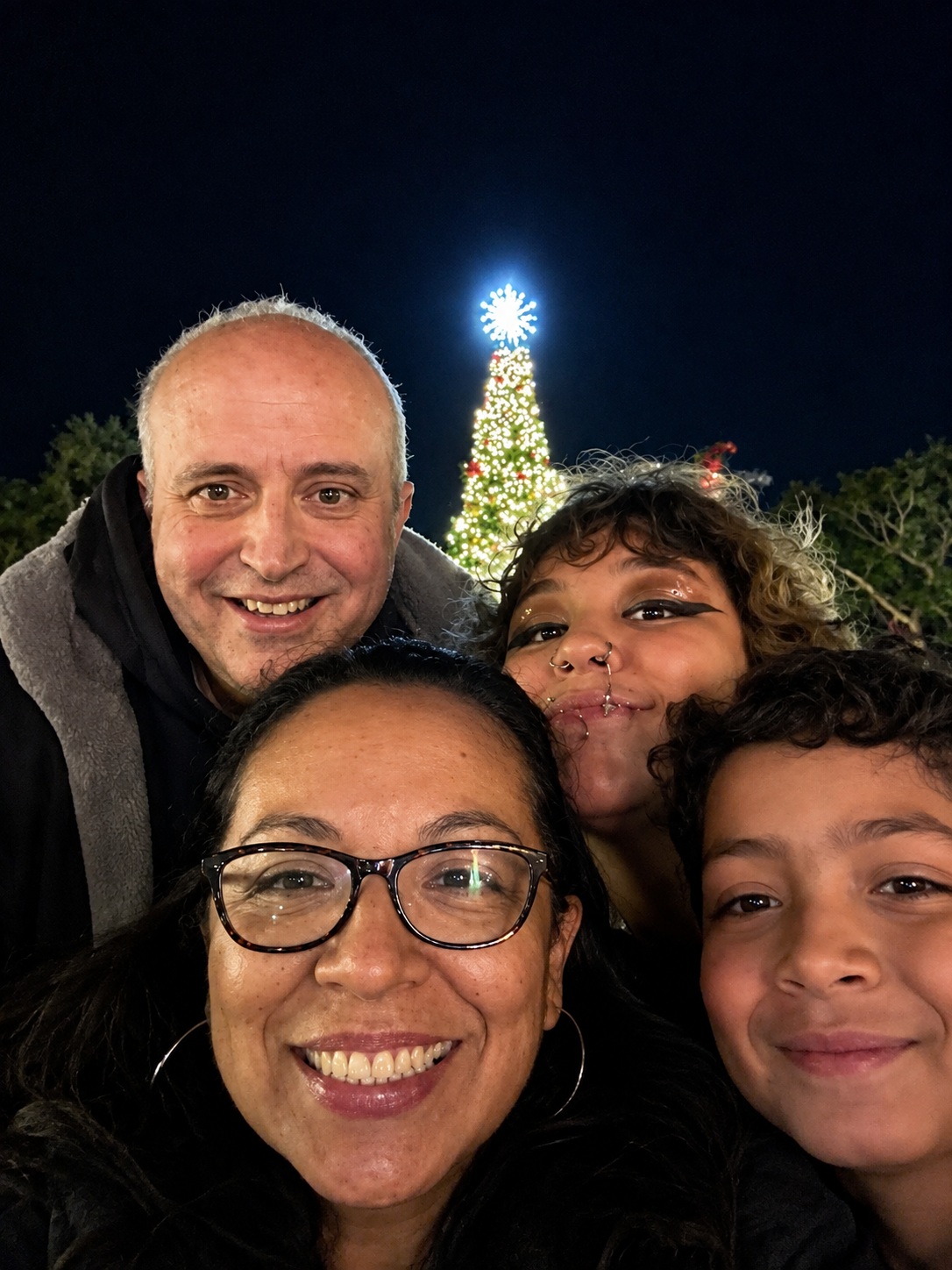
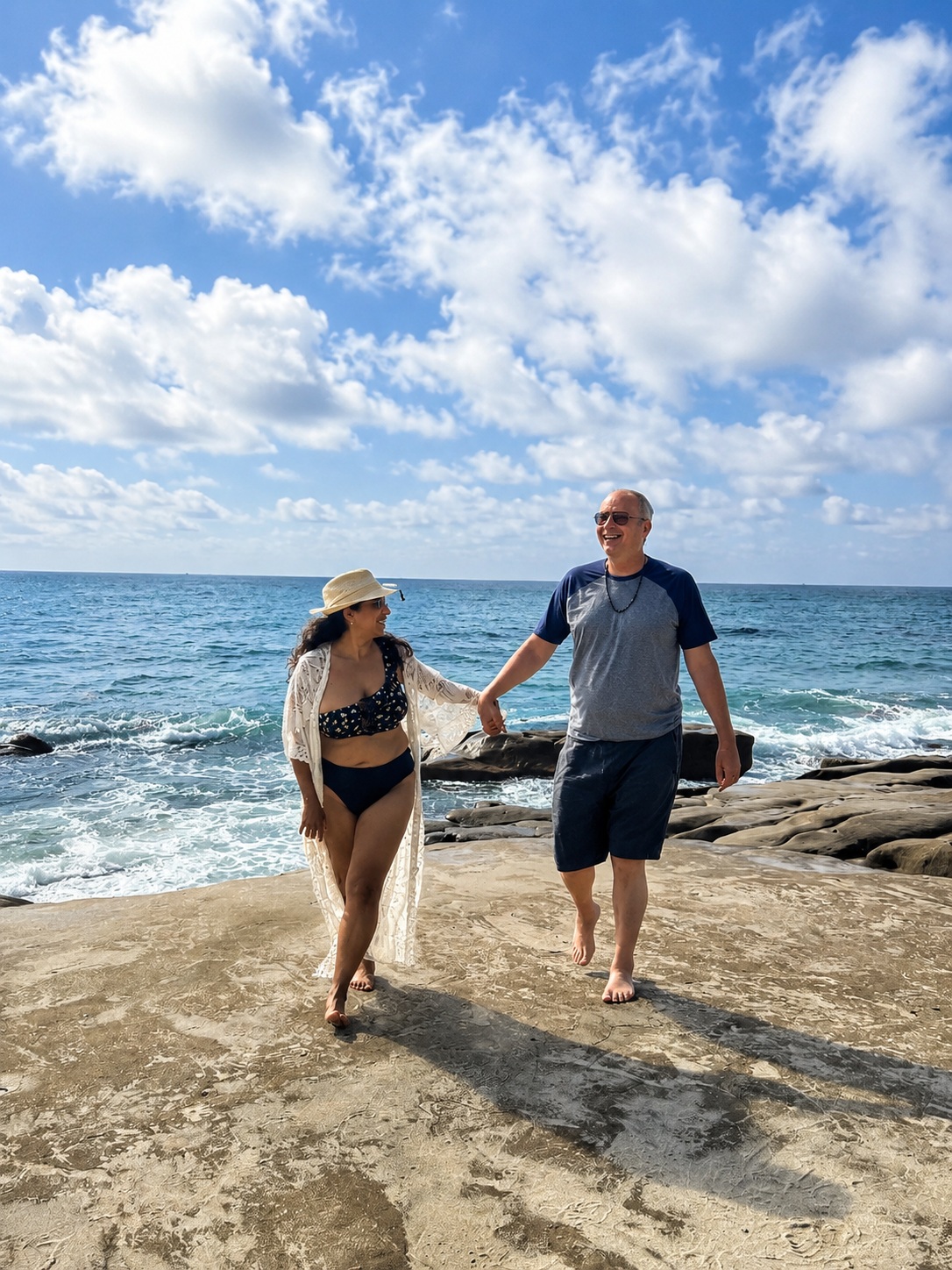
Not long after that, I met Pamela, who eventually became my wife. Animals were one of the things we bonded over almost immediately. Less than a year before I met her, I had rescued a dog of my own. Pamela had about 13 rescue cats and dogs. She also fed neighborhood cats, did trap-neuter-return and spent a tremendous amount of her time helping animals.
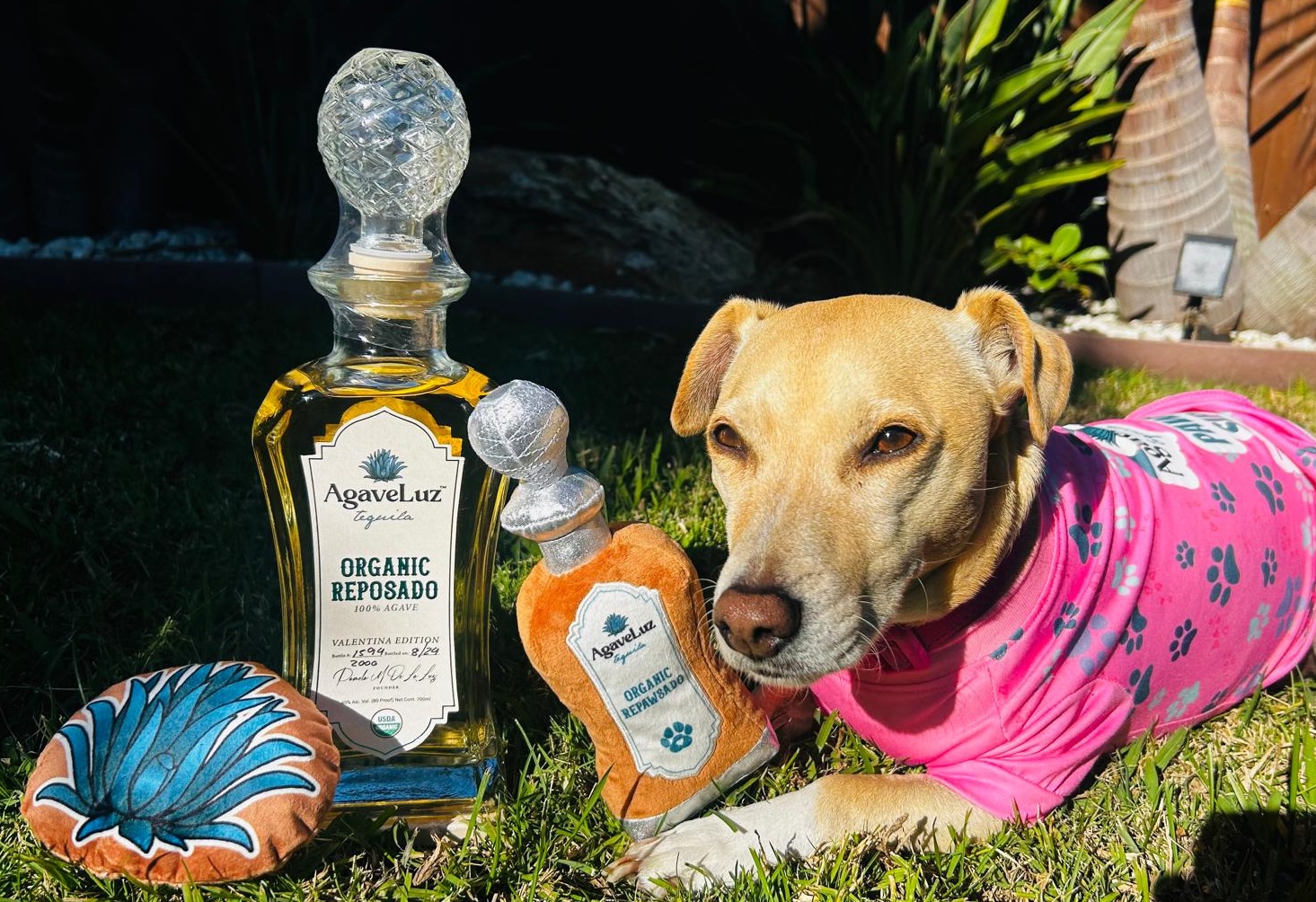
Pamela had also spent about 20 years in the tequila industry. She knew the business and wanted to create the kind of tequila she believed should exist: authentic, organic and made without shortcuts.
As our relationship developed, those two passions came together pretty naturally. Pamela knew tequila, and we both loved animals. So we thought, if we’re going to build a tequila company together, why not connect its success directly to something we care about? That became AgaveLuz Organic Tequila, with a commitment to give back to animal rescue for every bottle sold.
Earlier in my life, a good business opportunity could be enough reason for me to pursue it. AgaveLuz felt different. It was something Pamela and I wanted to build together around things we genuinely cared about.

You’ve worked as an entrepreneur, investor, and advisor on hundreds of mergers and acquisitions, giving you a unique perspective on what makes businesses valuable. Is there one experience whether with your own company or advising another founder that completely changed the way you think about leadership and long-term success?
One of the biggest lessons came from finally looking at my own company the way I had spent years looking at other people’s companies.
Earlier in my career, I worked on more than 300 mergers, acquisitions and financing transactions. When you’re evaluating somebody else’s business, you’re usually much more objective because you’re not attached to all the history behind it.
When I was finally able to return to Hampton after COVID, I had to decide what I actually wanted to rebuild and what I didn’t. That’s when I started looking at the company the way I had spent years looking at other businesses, as if I were a buyer with no history or emotional attachment to it.
Hampton was profitable and successful. But I asked myself a question I probably should have asked years earlier: Would I buy Hampton Nautical today?
My answer was no. That didn’t mean it was a bad business. It meant that knowing everything I knew, I wouldn’t choose all of the complexity that had accumulated over the years.
One of the clearest examples was our product line. Hampton had grown to more than 8,000 products. For years, if a product sold and generated meaningful revenue, that was usually enough reason to keep it. Once we looked at the business differently, we realized some of that revenue came with disproportionate amounts of inventory, labor, warehouse space, shipping costs and management attention.
We eventually discontinued approximately 5,000 products. Revenue declined substantially, but profits stayed roughly the same. That was a huge lesson for me: a lot of the revenue I had spent years chasing was buying complexity rather than creating value.
It changed how I think about growth. Bigger and better are not the same thing. Sometimes the hardest thing for an owner to do is look objectively at something that’s working and admit that, knowing what you know today, you wouldn’t choose it again.
You now help other business owners avoid the mistakes you once made. If you could sit down with the version of yourself who was working 100-hour weeks and convinced that was simply the price of success, what story would you share to help him see there was another way?
Those experiences eventually changed not only how I ran my own companies, but how I began working with other business owners through Blue Chip Macro.
If I could sit down with the younger version of myself, I don’t think I would tell him to work less. He wouldn’t have listened. I would remind him of that Saturday when he was thrilled because nobody was going to bother him for fourteen hours, and I’d ask him one question: Where is all of this supposed to lead?
That was the question I wasn’t asking.
I think about it this way. Imagine you open your front door and there’s a $100 bill lying on the ground. Would you pick it up? Of course you would. Anybody would. Then a foot away there’s another $100 bill, so you pick that one up too. Another foot away, there’s another one. Of course you keep picking them up.
The question is: when would you stop?
I realized I never did.
That’s how I approached business for most of my career. Another customer, another product, another employee, another investment, another opportunity. Each decision made sense on its own. I never decided where enough was enough or where I was actually trying to go.
Today, one of the questions I ask business owners is: Would you buy your own business? If you were seeing your company for the first time today, without being attached to all the history behind it, would you choose what you’ve built?
And I think there’s an equally important second question: Would you buy the life that comes with owning it? A business can be successful on paper and still demand a life you would never consciously choose.
I still own Hampton Nautical. I still run Blue Chip Macro. Pamela and I are building AgaveLuz. I still love building businesses. The difference is that today I know what I’m trying to build them for.
The goal isn’t to become less ambitious. It’s to build a business you would actually want to own, and a life you actually have time to live.
Links:
- Rick Norris: RickNorris.co
- Blue Chip Macro: BlueChipMacro.com
- AgaveLuz Organic Tequila: AgaveLuz.com

Popular
-
LA’s Most Inspiring Stories
-
Rick Norris Learned That Building a Successful Business Means Building a Life You Actually Want to Live
-
How Olivia Rush Turned Survival Into a Mission to Help Others Keep Going
-

Portraits of the Valley
-
How Bibi Goldstein Is Helping Entrepreneurs Reclaim Their Time by Embracing the Power of Delegation

-
Victoria Hasson is Redefining Voice Coaching Through Community and Collaboration