



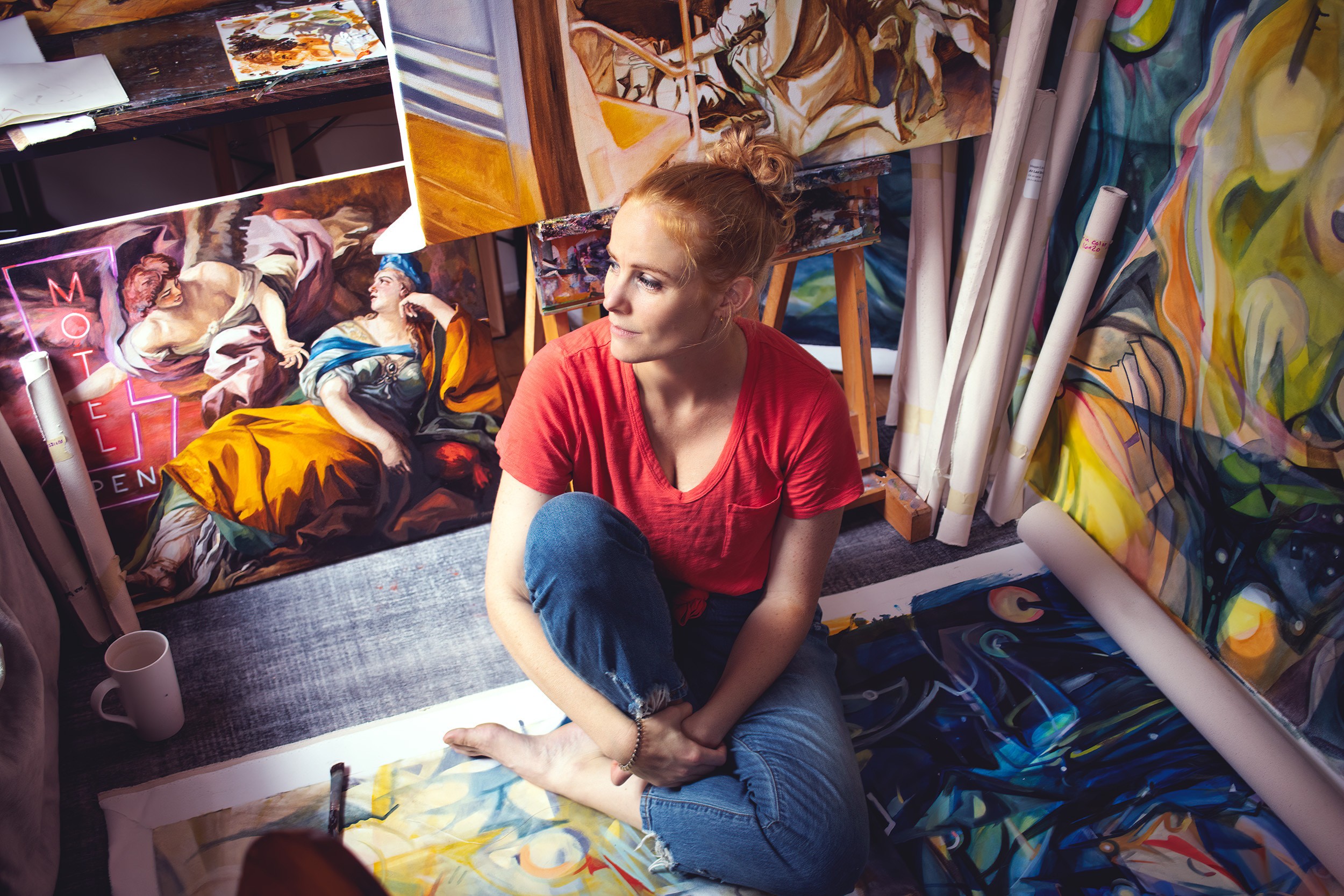
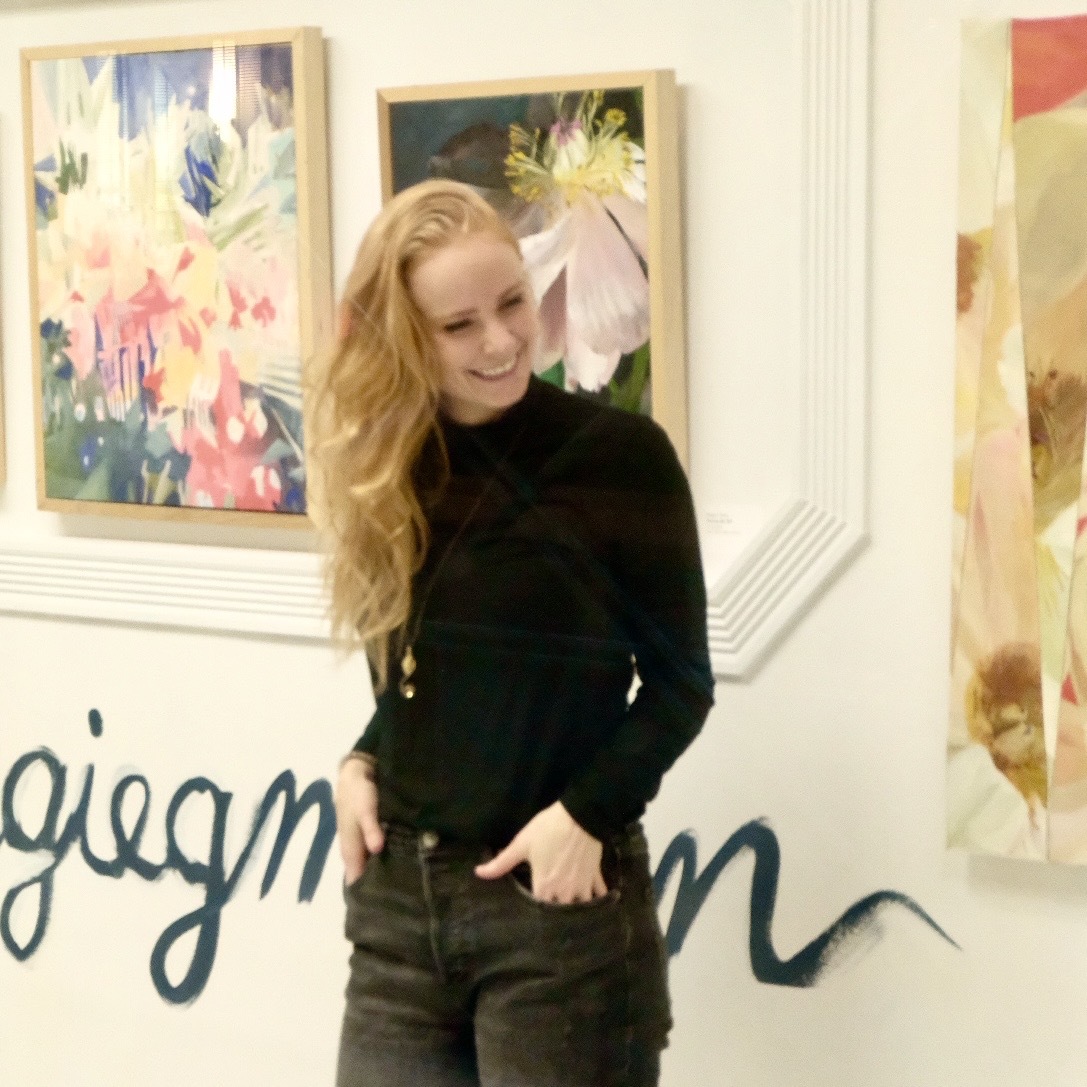
Today we’d like to introduce you to Maggie Moran.
Maggie, we appreciate you taking the time to share your story with us today. Where does your story begin?
I’ve been making art for as long as I can remember and always had some kind of creative project or craft underway. When it came time to choose a career path, art was the one field I felt certain would make me happy. I trusted that if I continued making work, I would find a way to build a life around it. I graduated from Lehigh University in 2011 with a degree in Studio Art.
After graduation, I quickly learned that creating a sustainable career would require me to branch beyond strictly artistic pursuits. I moved to York, Pennsylvania, where I became the director of a nonprofit gallery. At the same time, I started a small business digitizing art collections for private collectors. Computers had always made sense to me, but I had no idea that this venture would eventually lead me toward a career in technology.
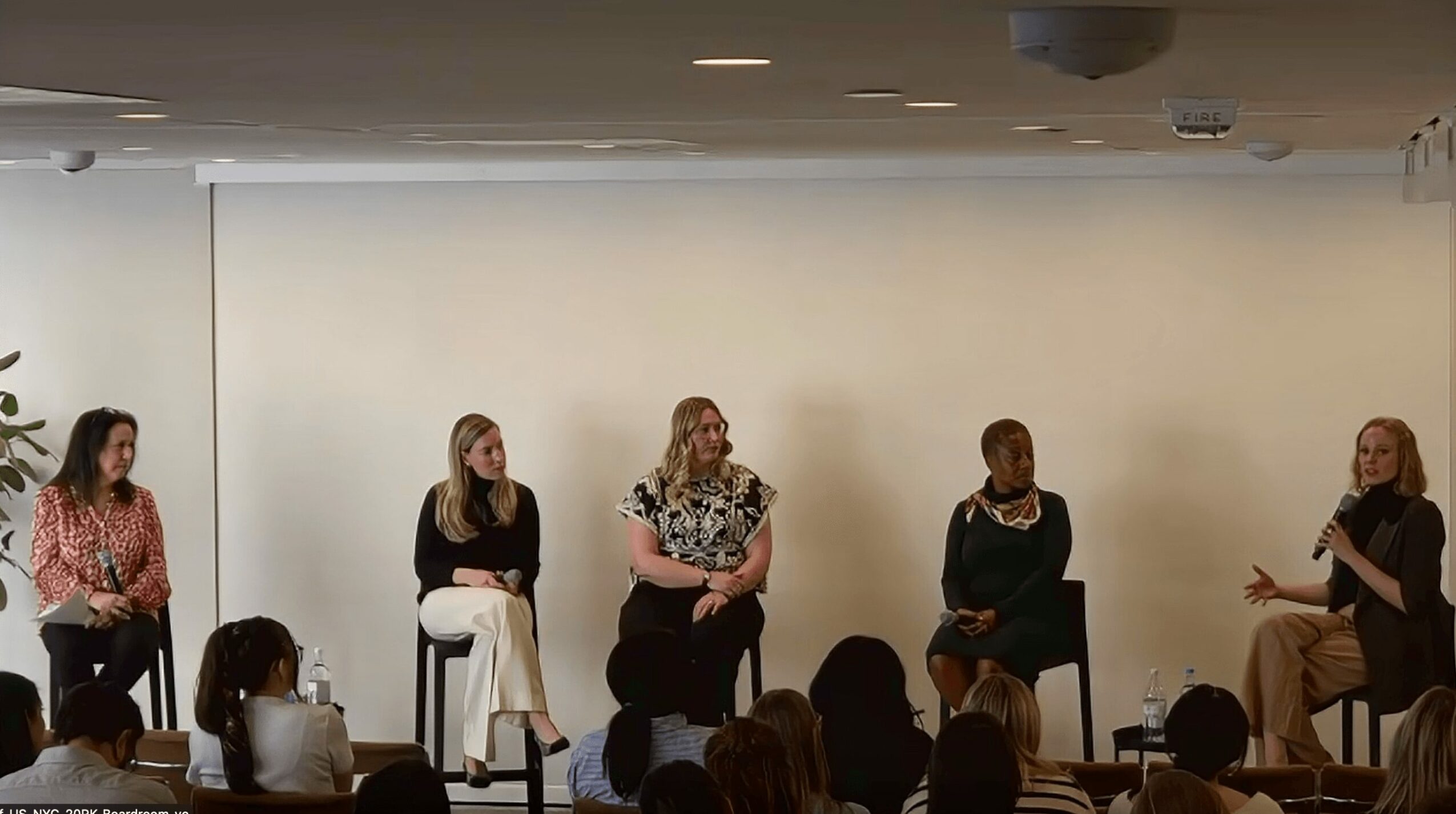
I moved to New York in 2015 and, after working in a gallery for about a year, I joined a digital art inventory company owned by Christie’s. I advanced through several roles, was hired directly by Christie’s, and eventually became a Digital Product Owner. Today, I manage the development of digital applications for one of the world’s largest auction houses.
Once I gained stability in my career, it became easier to devote more time and resources to painting. Through Maggie Moran Fine Art LLC, I have developed, exhibited, and sold a substantial body of work that is entirely self-directed. I’m most proud of creating a life from the ground up that keeps art at its center.
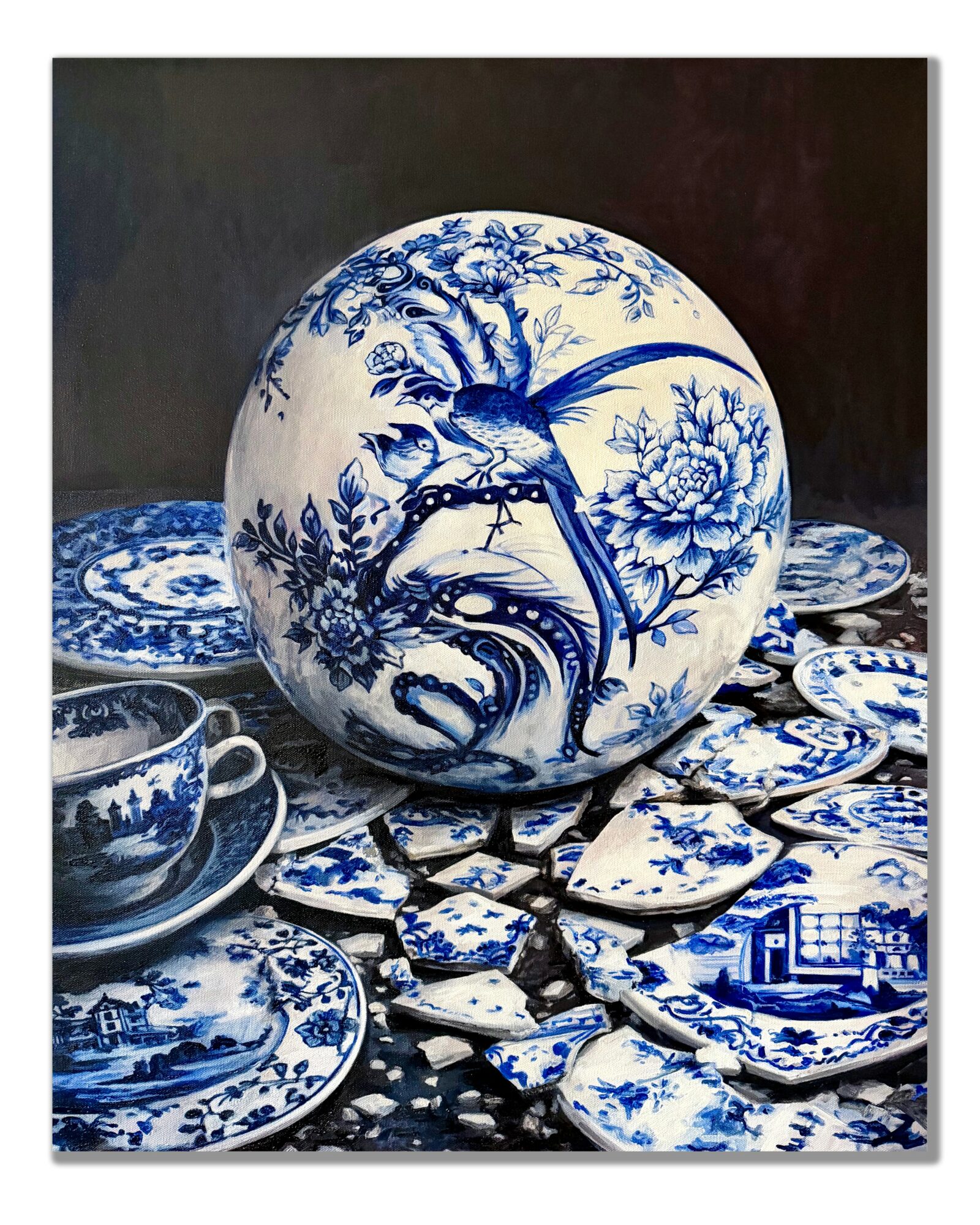
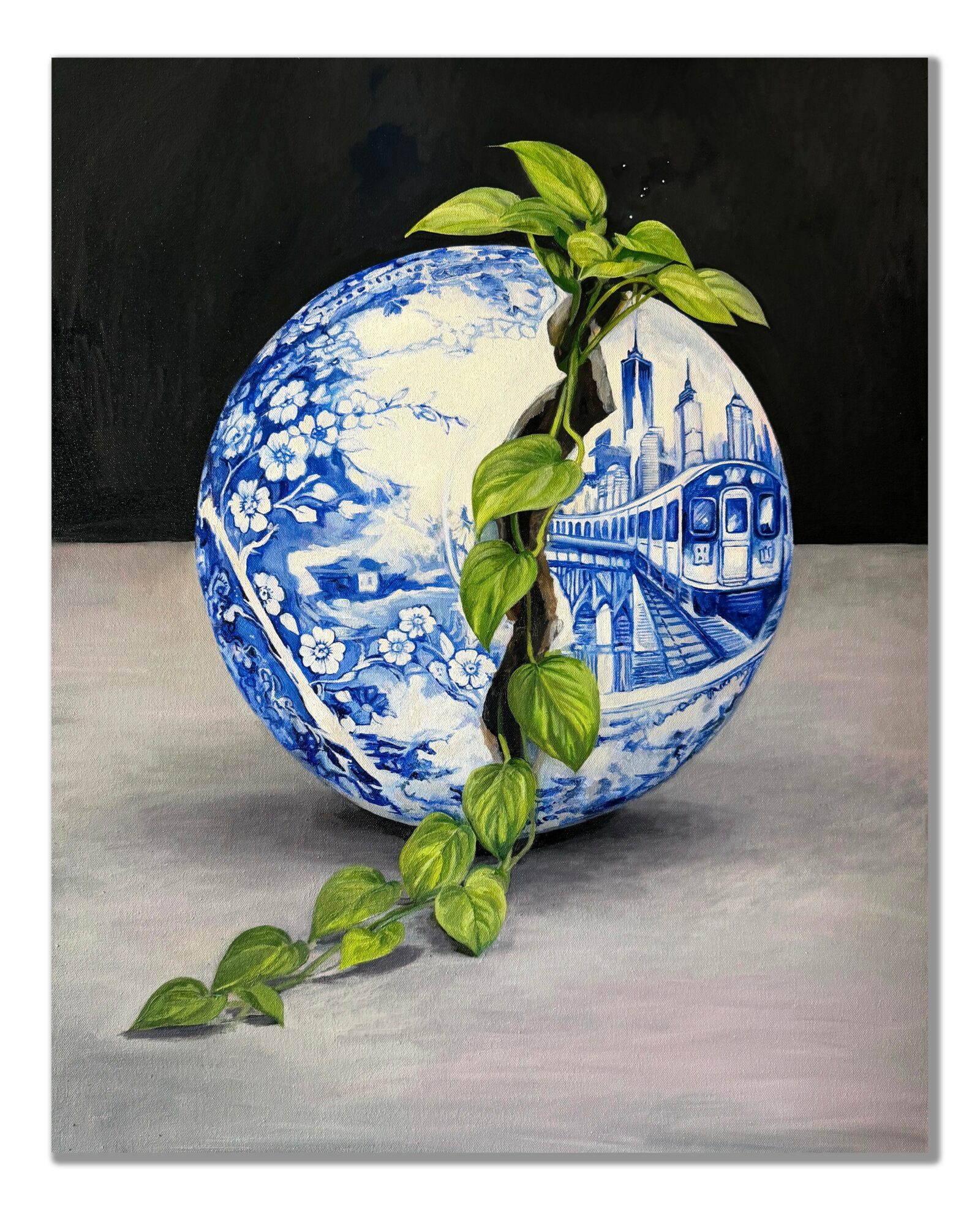
More recently, my painting practice has become a deeper form of personal exploration, with ideas developing across cohesive series. My latest series, Inherited Objects, explores generational trauma through the physical objects passed from one generation to the next.
After 15 years of building both my professional career and my artistic practice, I feel that the work is beginning to pay off. I look forward to continuing to use painting as a way to examine my inner life while creating and sharing beauty with others.
Can you talk to us a bit about the challenges and lessons you’ve learned along the way. Looking back would you say it’s been easy or smooth in retrospect?
It has not been a smooth road. I moved to New York City with about $500 in my pocket and no real Plan B, so I had to make it work. During my first five years in the city, most of my energy went toward building a stable career and financial foundation. I made art whenever I could, but my practice was heavily restricted by limited time, space, and money for materials.
I was determined to reach a point where I could paint what I wanted, at the scale I wanted, without relying on the work to support me before it was ready. That required developing skills outside of the studio and building a career in technology alongside my identity as an artist. I was constantly grinding to be the hardest worker, first tapped for promotion, and last to leave the office.
COVID unexpectedly became a turning point. I had recently received a promotion at work, and when my roommate moved out, I converted her bedroom into a small home office and art studio. Having more time at home and a dedicated space caused my production to increase dramatically, and I haven’t looked back. That period also coincided with deeply personal challenges that shaped both my life and my work, including the loss of my father in 2022 after a five-year battle with cancer and my mother’s advancing dementia. These experiences have influenced the themes of memory, grief, inheritance, and transformation that now appear throughout my paintings.
Balancing a demanding career with a serious painting practice still requires discipline, but I have been fortunate to create a sustainable work-life balance in which the different parts of my identity are being fulfilled. The road has been unconventional and often difficult, but every step helped create the foundation that now allows my art practice to flourish.
As you know, we’re big fans of you and your work. For our readers who might not be as familiar what can you tell them about what you do?
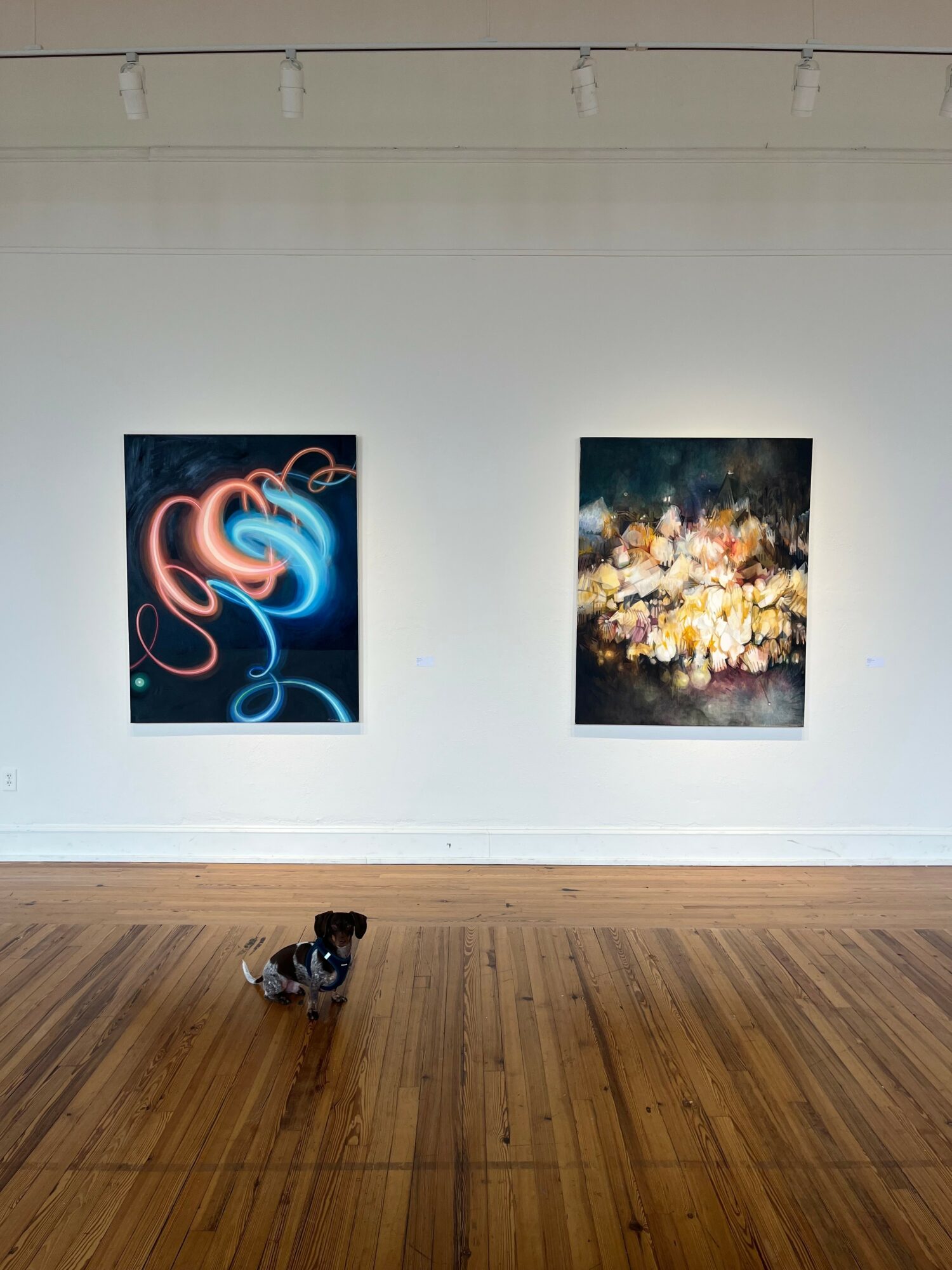
In my artistic practice, I am a contemporary painter working in both representational and abstract styles. I typically develop these bodies of work side by side because I find that each practice strengthens the other. My representational paintings require discipline, patience, and technical focus, while my abstract work gives me space to experiment, take risks, and play with the visual language developing in the more structured pieces. I think of it like building muscles in the gym so I can be better at playing tag with my friends; one practice creates the strength and freedom needed for the other.
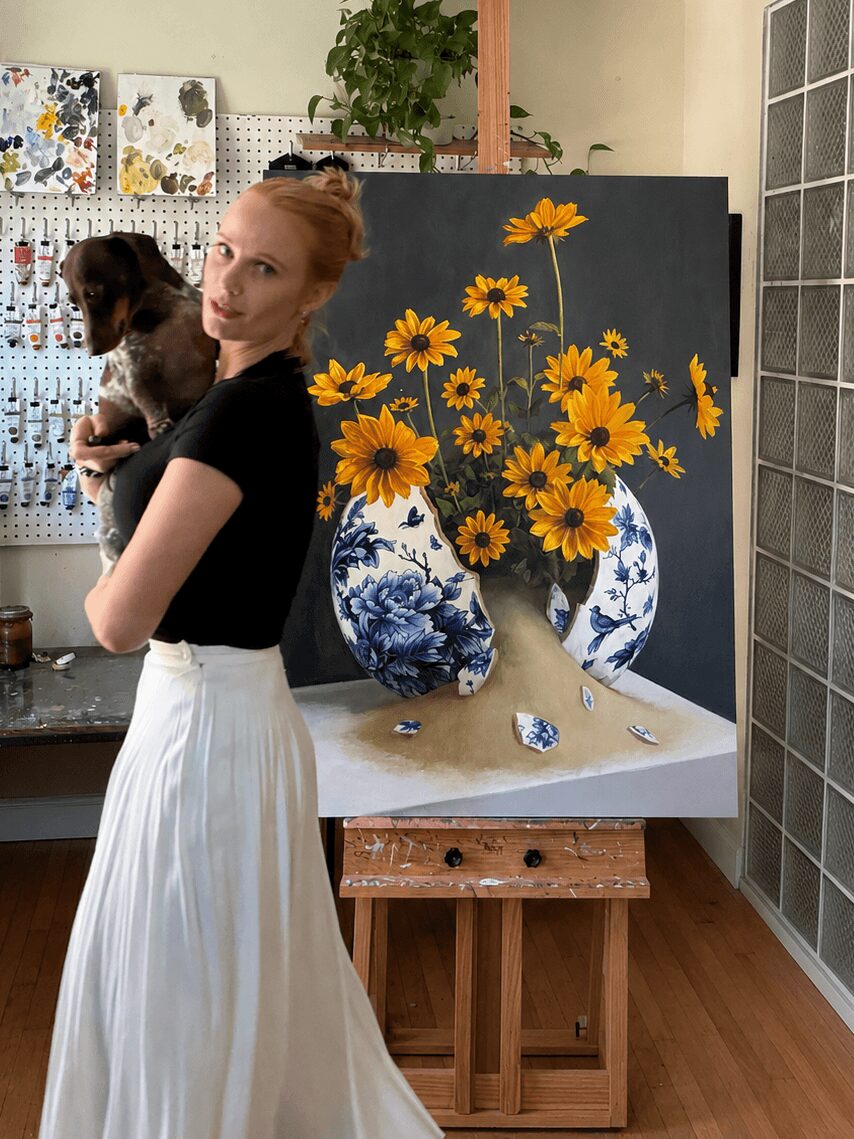
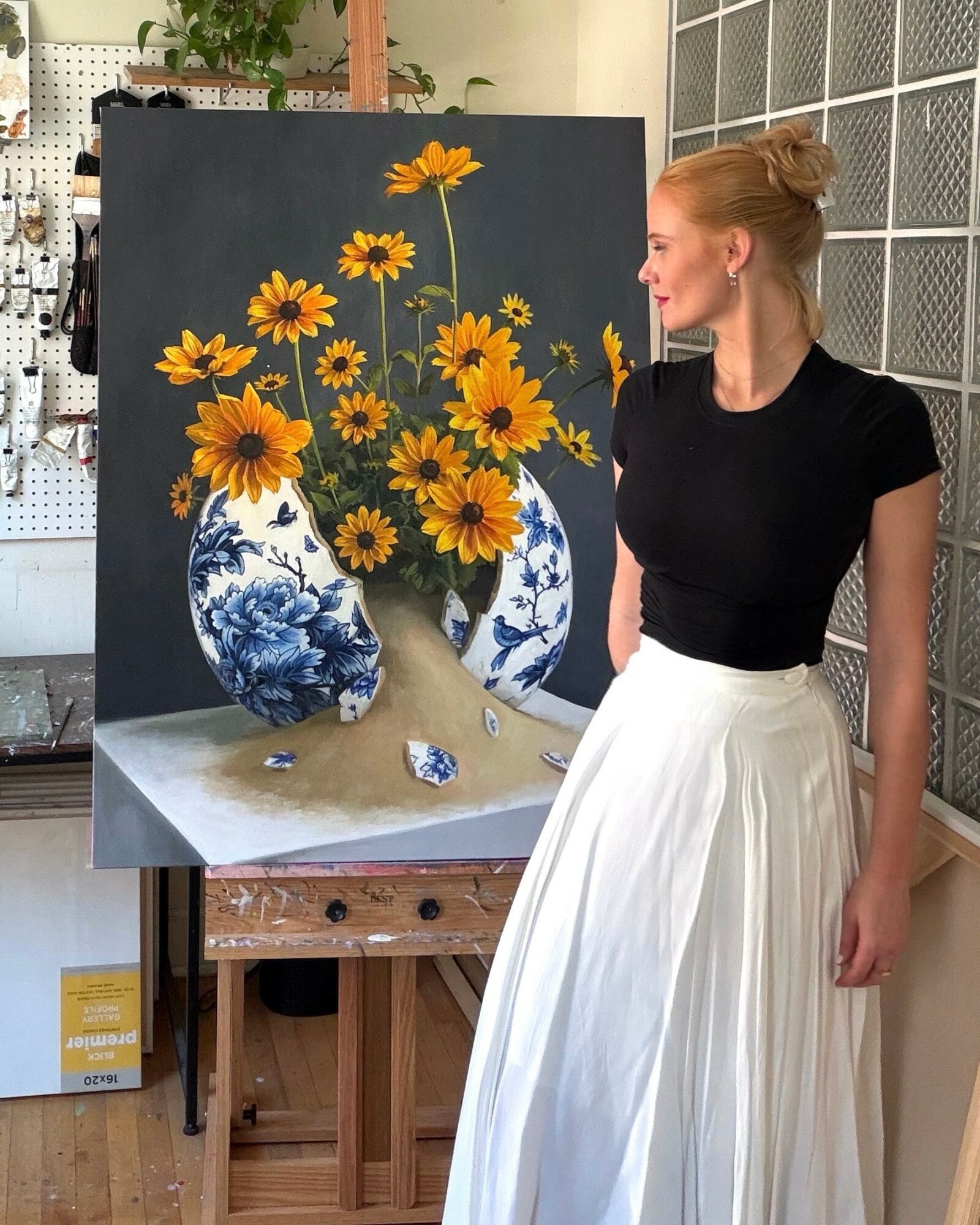
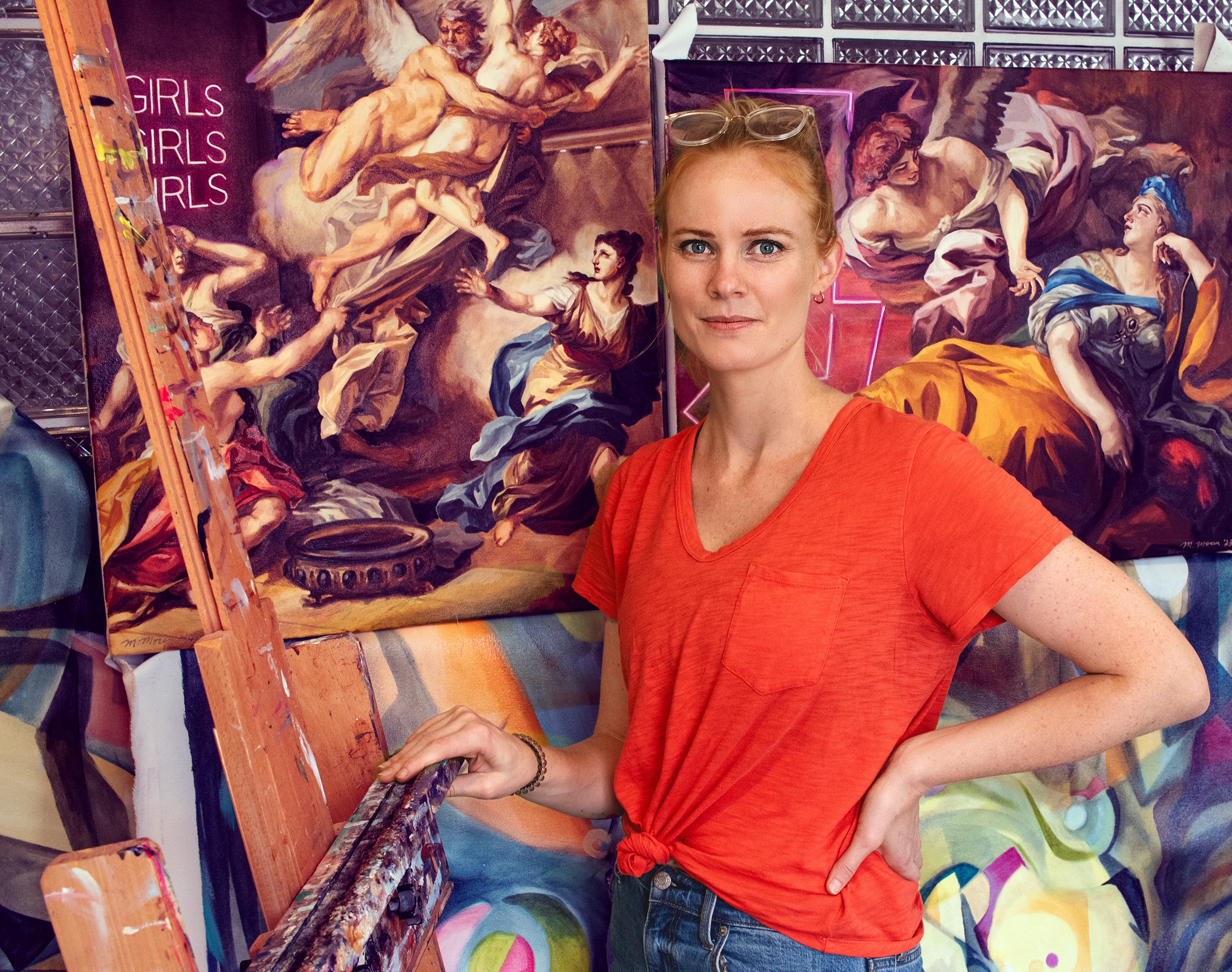
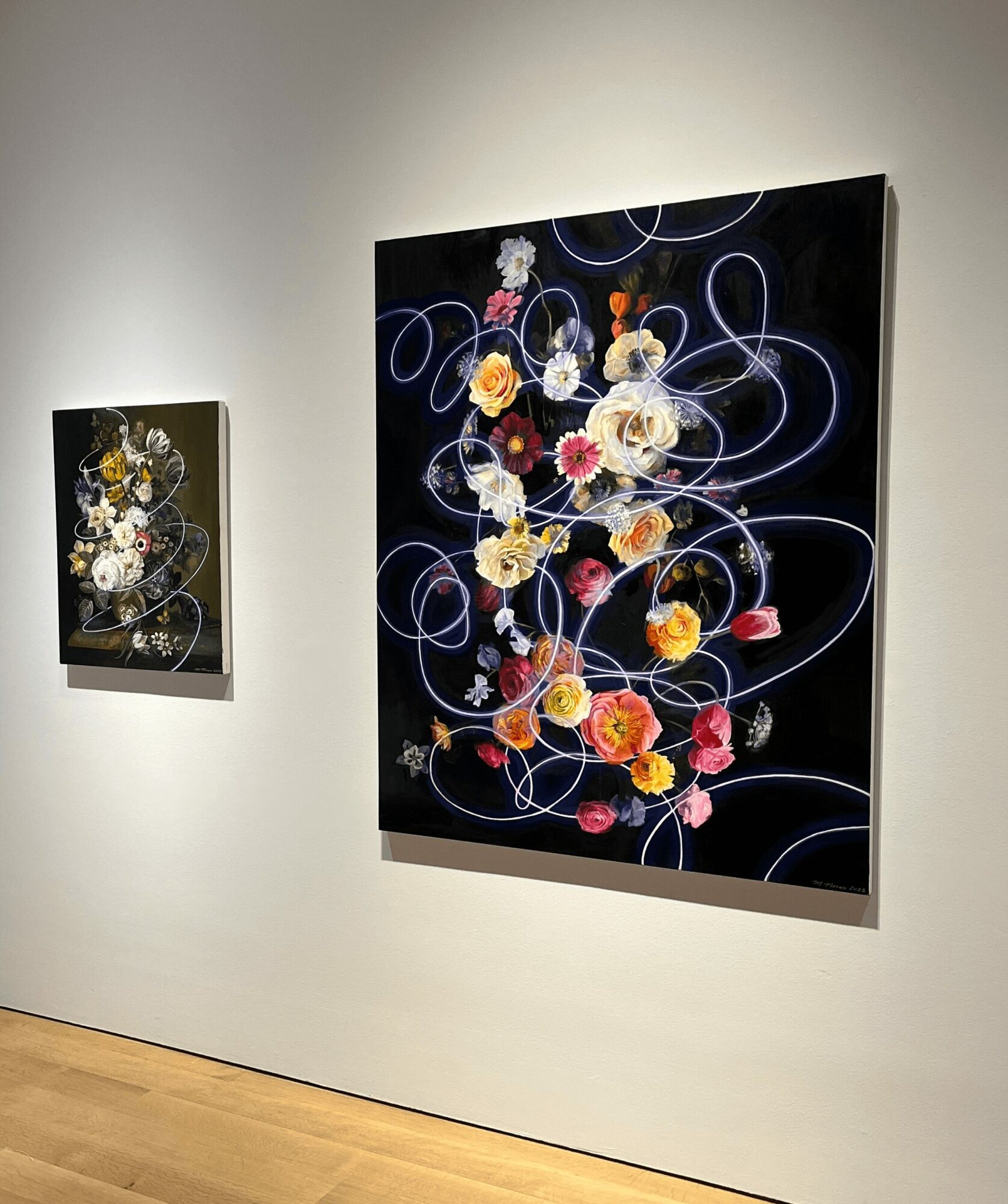
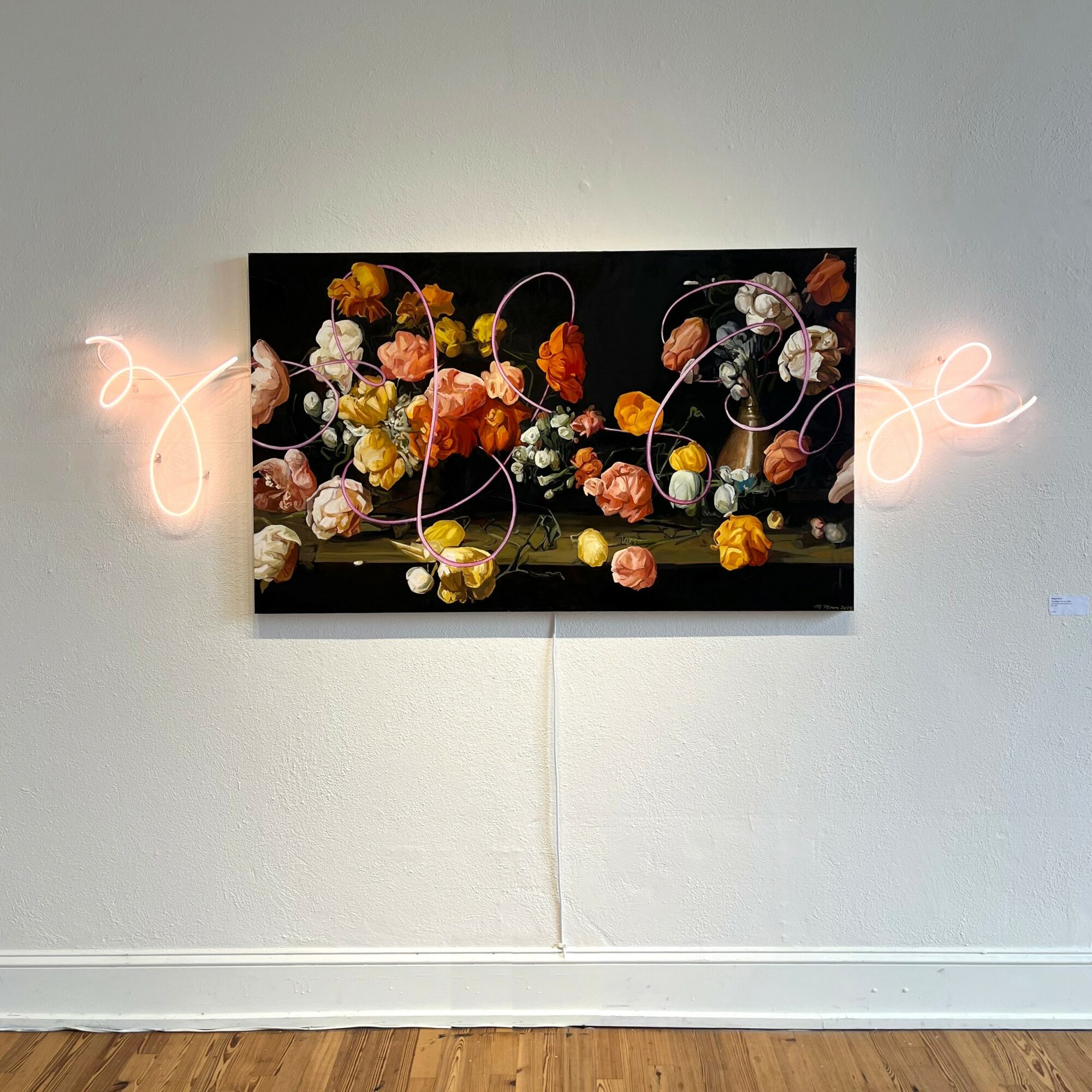
In recent years, I have focused more intentionally on creating cohesive representational series. Over the past four years, I have explored themes including Renaissance figures placed within modern urban environments, traditional floral still lifes illuminated by neon light, and blue-and-white Chinese porcelain patterns transposed onto unexpected forms.
The broader thread connecting my work is the merging of old and new. I combine traditional techniques and recognizable art-historical imagery with contemporary settings, colors, and objects. Just as my abstract and representational practices exist side by side, the elements within my paintings often depend on contrast: classical and modern, controlled and spontaneous, beautiful and unsettling. I’m interested in showing that while the world changes constantly, many of our emotions, instincts, and experiences remain timeless.
My most recent series, Inherited Objects, uses porcelain and reflective orbs as a metaphor generational trauma . The series considers the physical and emotional things passed from one generation to the next, and the tension between honoring what we inherit and deciding what we no longer want to carry forward. How the things we inherit have weight that can be both damaging and transformative under the right circumstances.
Technically, my representational work is rooted in traditional oil painting, but I often begin with vivid neon acrylic underpaintings. Those bright layers remain subtly visible beneath the finished surface, bringing a contemporary energy to otherwise classical compositions. I want the paintings to be visually inviting while revealing deeper psychological and emotional meaning over time.
I’m most proud of building a substantial, self-directed body of work while maintaining a full-time career. My practice has developed without pressure to follow trends or fit into a single category, which has allowed it to remain personal, experimental, and entirely my own.
What sort of changes are you expecting over the next 5-10 years?
In the auction industry, I expect a stronger focus on reaching younger audiences and using data to identify and understand potential buyers. Christie’s has remained successful for more than 250 years because of its ability to adapt while maintaining a deep understanding of the art market. I believe technology and data will become increasingly important in supporting that adaptability.
For artists, I see the market continuing to diversify through social media, self-promotion, and online communities. Artists are no longer entirely dependent on gallery representation to be discovered or to build relationships with collectors. I also expect more digital art spaces to bring like-minded artists together, helping them strengthen their visibility and market position collectively.
Contact Info:
- Website: https://maggiemoranart.com/
- Instagram: https://www.instagram.com/maggiegmoran/
- LinkedIn: https://www.linkedin.com/in/maggie-moran-83886863/
Popular
-
How Olivia Rush Turned Survival Into a Mission to Help Others Keep Going
-

LA’s Most Inspiring Stories
-

Portraits of the Valley
-

How Bibi Goldstein Is Helping Entrepreneurs Reclaim Their Time by Embracing the Power of Delegation
-
Victoria Hasson is Redefining Voice Coaching Through Community and Collaboration
-

Behind the Supernatural, Rahul Nath Found a Story About Family, Grief, and Forgiveness


