Joseph, you’ve become known internationally as “the Pianist of Dreams” — can you share how this dream‑centered, oneiric approach to music first emerged and how it continues to shape your artistic language today?
My music is born from the dialogue between what we see and what we perceive within ourselves. Since I was young, I have never experienced dreams as an escape from reality, but as maps of inner worlds waiting to be explored. My works arise directly from dreams: each dream image becomes a spark that guides the composition, transforming the unconscious into sonic language. Today I associate music not only with notes and chords, but also with deep images and sensations, as if the piano opened access to new levels of consciousness. In every composition I try to convey that sense of suspension, that subtle beauty capable of evoking far more than a simple melody,an experience that recalls the dream as a place of truth and discovery.
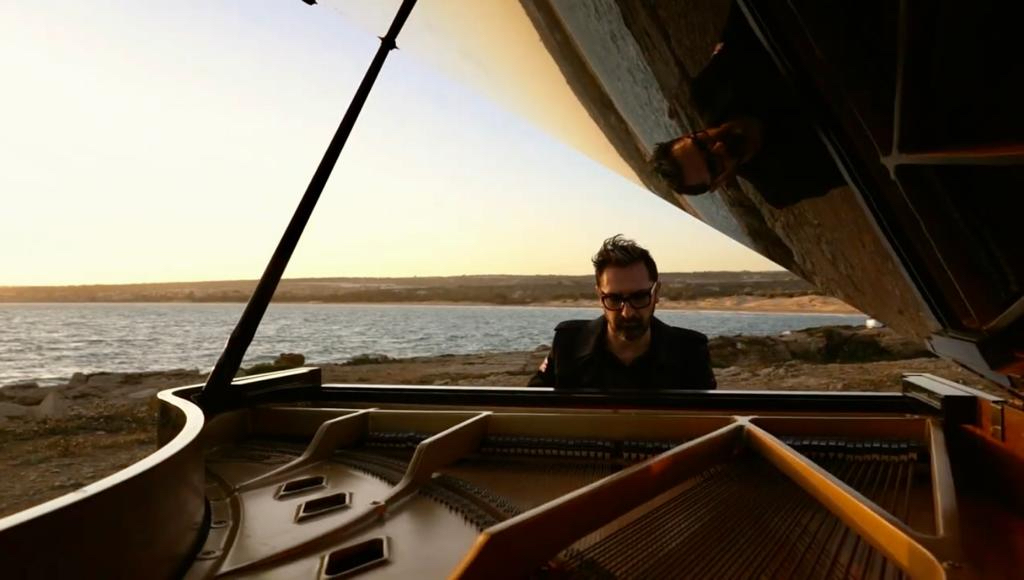
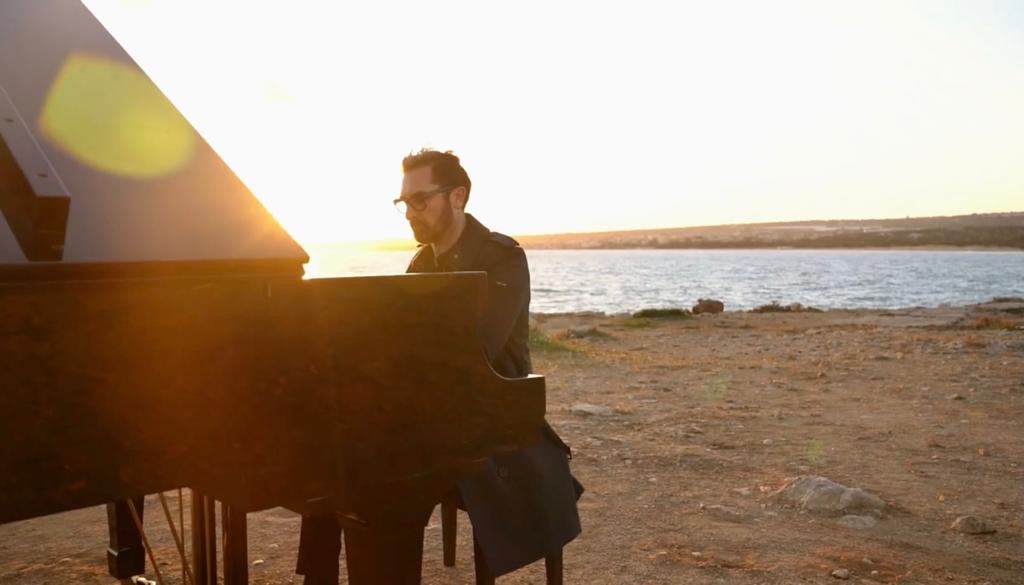
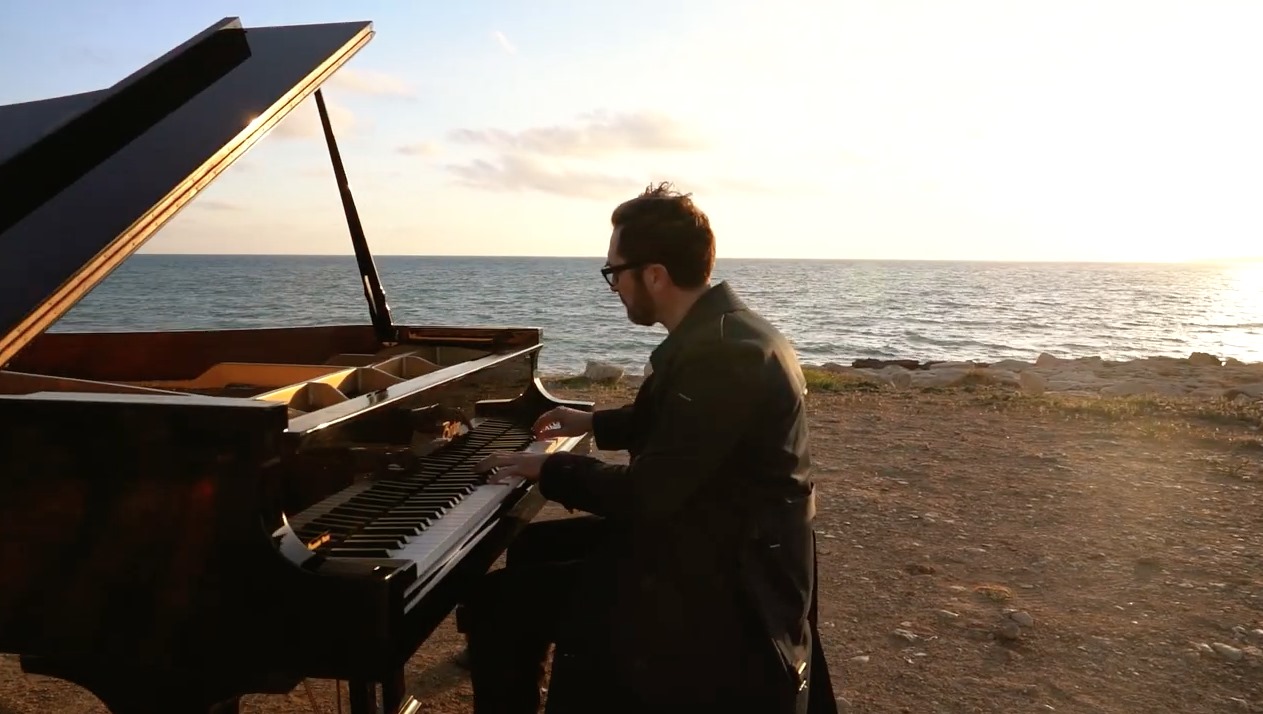
One night I dreamed I was standing on a beach, motionless before the immensity of the sea. I watched it change color, as if it followed the rhythm of my thoughts. At times its movement was slow and calm, at others more lively and restless, and in that alternating breath it seemed to speak to me. I then understood that the dream was not merely a landscape, but a profound dialogue between the human being and the soul, between myself and my animus: a silent conversation in which the sea gave voice to what within me was seeking to be heard. From that vision was born “OCEANO,” a musical representation of the dialogue between a person and their inner self.
Your book The Pianist of Dreams reads like both a memoir and a poetic manifesto. What inspired you to translate your inner world into words, and how does the book complement your music?
I felt the need to tell not only what I play, but what I experience while composing. The Pianist of Dreams is not just a biography, but a journey through sensations, encounters, visions, fears, and hopes. Through words I was able to explore the intimacy of emotions that often remain subtle and allusive in music. Writing allowed me to give shape to that inner world that music suggests but does not explain, as if it were the text of a dream that longs to be remembered and shared. My book and my music are two complementary languages: if music suggests, the text narrates and reflects, offering a deeper picture of the artistic experience.
You have a new album coming in 2026 that blends unreleased compositions with reimagined past works. What does this project represent for you at this stage of your creative journey?
For me, this album represents a synthesis of my artistic journey and at the same time a bridge toward the future. Revisiting pieces from the past and rereading them today allows me to confront my growth and the evolution of both my sensibility and my technique. The nine new compositions are both points of arrival and points of departure: they tell where I am now and where I want to go. The album is also a journey through time, because in dreams past and present meet, overlap, and converse with one another, just as they do in my music. It is a project that looks beyond the present moment, creating a dialogue between different eras of my artistic path, so that each listener can feel guided through a process of transformation, memory, and discovery.
Your track “ONIRIC” received a nomination at the World Entertainment Awards. What does this recognition mean to you, and why do you think this piece resonated on an international level?
Receiving an international nomination for “ONIRIC” has been a source of great personal and professional satisfaction. It is a sign that an intimate, poetic, and contemplative language can speak to a wide audience beyond geographical and cultural boundaries. “ONIRIC” was born from the desire to explore the essence of the human being through myth and the unconscious, and knowing that these vibrations have been understood and appreciated by an international jury confirms for me that music can truly serve as a bridge between inner and outer worlds.
ONIRIC draws inspiration from Ulysses’ journey as a metaphor for inner exploration. How do myth, symbolism, and the unconscious influence the stories you tell through music?
In my music, myth, symbolism, and the unconscious act as invisible guides. Myths offer universal archetypes and narratives; symbolism translates emotions and states of mind into sonic images; and the unconscious fuels the free association of ideas and sensations, transforming the musical experience into a journey that is both personal and collective. “ONIRIC” presents itself as a mosaic of dreamlike visions, an ensemble of dreams that, when assembled and interpreted, trace Ulysses’ voyage through tides of emotion, danger, and revelation. Each dream is a fragment of a fluid and elusive world: skies folding in on themselves, islands suspended between reality and fantasy, mythic figures emerging from the shadows of memory. Like Ulysses facing storms and fantastic creatures, the dream traveler crosses emotional landscapes and confronts symbols of desire, fear, and nostalgia, each scene an enigma to be deciphered. The work becomes a map of dreams, a path in which the unknown is not only geographical but interior. Every image is a stage, every symbol an encounter, every color an emotion. In the end, just as Ulysses returns to Ithaca, the listener emerges from “ONIRIC” with a transformed awareness, understanding that the journey is not only movement through space, but a passage through the soul.