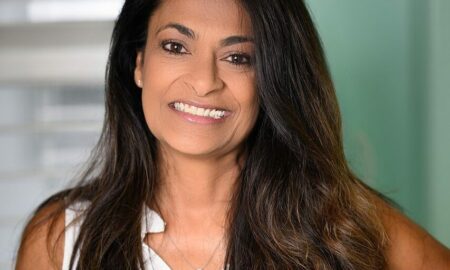
Candice Swanson approaches newborn and family photography with a depth of empathy shaped by her own experiences as both a mother and a surrogate. With a focus on the emotional weight of the postpartum window, she creates calm, intuitive sessions that prioritize presence over perfection. By holding space for families during one of life’s most vulnerable transitions, Candice ensures her work goes beyond images — offering parents a moment to slow down, feel supported, and truly connect with the fleeting beauty of new beginnings.
Hi Candice, thank you for sharing such a moving perspective — to begin, how did becoming a mother and later a surrogate fundamentally change the way you approach newborn and family photography?
Becoming a mother and later a surrogate, completely changed the way I approach newborn and family photography. Before, I understood the importance of the images. After, I understood the weight of the moment. I’ve experienced the physical recovery, the emotional shifts, the vulnerability, and the depth of love that comes with bringing a baby into the world, both for myself and while carrying for someone else. That perspective allows me to walk into each session with a different level of empathy and awareness. I’m not just focused on creating beautiful images. I’m holding space for a mother who may be healing, overwhelmed, or stepping into a completely new identity. That understanding shapes the way I guide, support, and care for every family who walks into my studio.
You describe the first two weeks after birth as sacred. What do you wish more people understood about that postpartum window, and how does that belief shape the way you run your studio sessions?
I truly believe the first two weeks after birth are sacred because they are unlike any other time. Everything is new, raw, and fleeting. The baby is still so curled and connected to the womb, and parents are in this quiet, emotional transition where time feels both slow and fast at the same time. I wish more people understood that this window isn’t just about documenting how the baby looks, it’s about honoring how it feels. That belief shapes my sessions in a very intentional way. I keep my studio calm, warm, and unhurried. There is no pressure to perform or rush. Everything is designed to protect that softness and allow families to simply be in it while I document it.
Your work emphasizes calm, intention, and reading both baby and parent cues. Can you walk us through what a typical session looks like and how you create an environment where families feel truly held and supported?
A typical session is slow, guided, and very intuitive. When families arrive, I focus first on helping them settle in. The space is warm, quiet, and designed to feel safe for both baby and parents. I gently take over the hands-on care of the baby when needed, allowing parents to sit back, rest, and trust that their baby is being handled with experience and care. I watch the baby closely, adjusting based on their cues rather than forcing poses. At the same time, I guide parents through simple, natural positioning so they feel confident and comfortable in front of the camera. There is a rhythm to the session, but it is always led by the baby and the energy in the room. That’s what allows families to feel supported rather than directed.
You balance safety, artistry, and deep emotional care in a very intuitive way. How have your 15 years of experience taught you when to slow down, pause, or simply give families space?
Over 15 years, I’ve learned that the most important moments often happen in the pauses. Early on, there can be a tendency to focus on getting through a shot list or achieving a certain outcome. Experience teaches you to let go of that. Now, I know when to slow down, when a baby needs a break, or when a parent needs a moment to breathe. I’ve learned to read subtle shifts in energy, whether it’s a baby becoming overstimulated or a mom starting to feel overwhelmed. Giving space in those moments is often what allows everything to come back into alignment. That balance between guidance and patience is something that only comes with time and trust in the process.
When families leave your studio, what do you hope they feel — not just about the images, but about themselves and that vulnerable season of life?
When families leave my studio, I want them to feel more than just excitement about their images. I want them to feel taken care of, supported, and seen during a very vulnerable season. I want a mother to walk away feeling confident in herself, even if she walked in unsure. I want parents to feel like they were able to slow down and truly experience those early days, rather than rush through them. The images are important, but how they felt while creating them matters just as much. If they leave feeling calm, connected, and a little more grounded in their new role as parents, then I know I’ve done my job.
Links: