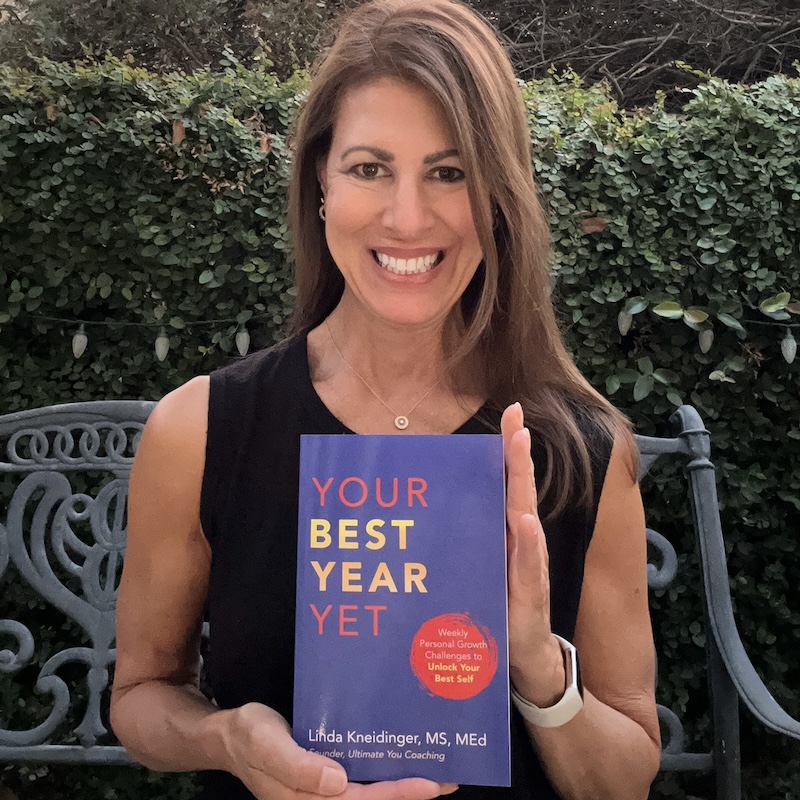
Linda Kneidinger’s Your Best Year Yet reimagines personal growth as a steady, 52-week journey rooted in small, intentional actions rather than quick inspiration. Drawing from her background in neuroscience and psychology, she transforms complex behavioral insights into simple, practical challenges that readers can realistically apply in everyday life. Her message became even more personal after navigating a serious health diagnosis, reinforcing her belief that growth tools matter most during life’s hardest moments. At its core, Linda’s philosophy centers on consistency without perfection and the power of compassionate self-talk — showing that meaningful, lasting change is built not through dramatic transformation, but through the choices we make one week at a time.
Linda, Your Best Year Yet is built around small, consistent changes. What inspired you to structure the book as a 52-week journey rather than a traditional start-to-finish read?
I structured the book as a 52-week journey because that’s how real growth tends to happen.
Most of us have had the experience of reading a personal growth book, feeling inspired, highlighting a few great lines, and then… going right back to our regular lives. Not because we didn’t care, but because insight alone usually isn’t enough to change behavior.
I wanted Your Best Year Yet to be different. I wanted it to feel less like a book you consume and more like a companion you practice with over time. Each week gives readers one idea to reflect on and one simple challenge to try in real life, because growth becomes meaningful when it moves from the page into our choices, conversations, habits, and self-talk.
The 52-week structure also gives people room to grow without pressure to overhaul their entire lives at once. You don’t need to race through the book and be transformed when you get to the last page. You need one small, intentional step a week, with actions repeated often enough to become part of your nature.
That’s really the heartbeat of the book: your best self isn’t found in one dramatic moment. It’s built, one small choice at a time.
With your background in neuroscience and psychology, how do you translate complex science into simple, actionable challenges that people can realistically stick with?
I love neuroscience and psychology, but most people don’t need a textbook explanation to benefit from what we know about the brain, behavior, habits, stress, motivation, or self-talk. They need to understand enough to say, “Oh, that makes sense. That’s why I do that. And here’s what I can try instead.”
When I write or coach, I usually start with a very human experience: procrastinating, overthinking, reacting too quickly, being hard on ourselves, avoiding a difficult conversation, or struggling to follow through on something we genuinely want. Then I use science to explain why that pattern is understandable, because people are much more likely to change when they stop shaming themselves for being human.
From there, I turn the insight into a small action. That might be a reflection question, a new way to respond to self-talk, a simple habit shift, or a challenge to try something differently during the week. The key is making the action realistic enough that people will actually do it.
I think good science should give people more compassion for themselves and more responsibility for their choices. That combination is powerful. We can understand why something is hard without giving ourselves an excuse to stay stuck where we are.
You wrote this book just prior to navigating a deeply personal health challenge. How did that experience relate to the message and tools you share with readers?
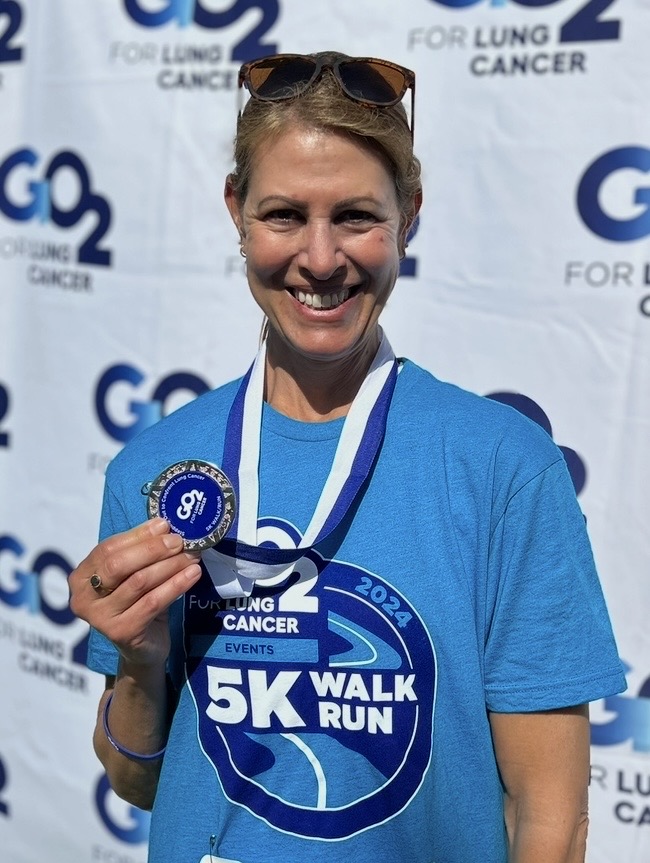
I handed off Your Best Year Yet to my editor literally the same day I was unexpectedly diagnosed with lung cancer, but the timing turned out to be incredibly meaningful.
When I received the diagnosis and moved through surgery and treatment, I found myself leaning on many of the same tools I teach in my coaching and share throughout the book. I had to pay close attention to my self-talk. I had to notice when my mind wanted to race too far into the future. I had to practice staying grounded in the next right step instead of trying to solve every unknown at once. And gratitude was central to keeping my mind and body centered, calm, and peaceful.
That experience reinforced something I believe deeply: personal growth isn’t just for the calm seasons of life. It matters most when life becomes uncertain, uncomfortable, or frightening. Building the foundation leaves you prepared to face life’s challenges when they sneak up without warning.
The book isn’t about pretending everything is positive. I’m not interested in toxic positivity or inspirational fluff. Life can be hard. But even in hard moments, we often have more influence than we realize over how we speak to ourselves, where we place our attention, what support we allow in, and what small action we take next.
My own health experience made the book’s message feel even more personal. These tools weren’t theoretical for me. They were practices I used in real time to stay steady, hopeful, and connected to myself during a very challenging chapter.
Many people struggle with consistency in personal growth. What are some practical ways readers can stay engaged with the process throughout an entire year?
First, I think people need to release the idea that consistency means perfection. It doesn’t.
Consistency means returning. It means remembering what matters and coming back to the practice, even after a distracted week, a hard month, or a season when life gets messy. That mindset alone helps people stay engaged because they don’t interpret one missed week as failure.
One practical way to use the book is to pair it with an existing routine. Read the weekly entry on Sunday morning with coffee, Monday before work, or Friday as a reflection to close the week. When a new habit attaches to something already familiar, it becomes much easier to maintain.
Another helpful approach is to keep the weekly challenge visible. Write it on a sticky note, put it in your planner, add it to your phone, or share it with a friend. Personal growth fades when it stays abstract. It sticks when we keep bringing it back into daily life.
I also encourage people to make the challenges their own. Some weeks, a reader may go all in. Other weeks, the challenge may simply plant a seed. That still counts. The goal isn’t to perform personal growth perfectly for 52 weeks. The goal is to build a relationship with yourself that is more aware, honest, resilient, and intentional over time.
At its core, your philosophy is that change happens through small, intentional choices. What’s one simple shift you believe can create the biggest impact in someone’s life?
One of the simplest and most powerful shifts is learning to speak to yourself with compassion instead of harshness. Whether I’m working with an athlete, an executive, a student, or someone navigating a major life transition, self-talk is almost always part of the equation.
So many people believe they need to criticize themselves into doing better. They think if they’re hard enough on themselves, they’ll stay accountable, motivated, or protected from failure. But harsh self-talk often does the opposite. It drains energy, increases fear, and makes challenges feel heavier than they already are.
The shift isn’t to replace every difficult thought with fake positivity; it’s to ask, “Is the way I’m speaking to myself actually helping me move forward?” That one question can change everything.
A compassionate inner voice isn’t always positive, and can still be honest. It might say, “This matters to you,” or “You need to take responsibility,” or “That didn’t go the way you hoped.” But it also says, “You can learn from this. You can take the next step. You are not defined by this one moment.”
When people change how they relate to themselves, they often also change how they show up in their lives: in their work, relationships, health, goals, and willingness to expand. To me, that shift is where meaningful growth begins.
Your Best Year Yet: Weekly Personal Growth Challenges to Unlock Your Best Self is available now on Amazon and through major book retailers. To learn more about Linda’s coaching, speaking, and writing, visit ultimateyou-coaching.com.
Links: