For composer Kerly Vallejo, ambient music is less about performance and more about presence. Through her work with Score a Score’s Aura Collection, Vallejo has carved out a deeply personal creative lane—crafting soundscapes designed to help listeners slow down, sleep, and reconnect with a sense of calm. Drawing from film‑scoring sensitivity and intimate emotional memory, her compositions function as gentle sanctuaries, offering rest without demand and proving that music, at its quietest, can still resonate profoundly.
Hi Kerly, thank you so much for taking the time to share your work with our readers — can you tell us how you first got into composing ambient music and what drew you to creating soundscapes for relaxation, sleep, and meditation?
I had the opportunity to join The Aura Collection by Score a Score, and that experience truly opened the door to a musical world I didn’t even know I could step into. When I was invited to start composing ambient and relaxation music, I began researching deeply, understanding the structure, the possibilities, and the many creative approaches within the genre. All the guidance and information I received helped me realize that I could channel calm and softness through my music in a new way.
What drew me in was discovering that I could create music that helps people slow down, quiet their minds, reduce stress, and even fall asleep. I genuinely fell in love with building these sonic environments, music that doesn’t demand attention, but instead gently holds space for rest, peace, and emotional relief.
You’ve been working with Score a Score on their Aura Collection and are coming up on your first anniversary with the project. What has that experience been like, and what does it mean to you creatively and professionally?
It’s been almost a year since I started working on this project, and I feel deeply grateful for the opportunity. From the very beginning, Aura Collection has helped me expand my musical identity as a composer and connect with new audiences. I’ve received messages from listeners telling me that my ambient music helps them sleep, manage stress, and relax, and that they faithfully listen to every new release. That has been incredibly meaningful to me.
Creatively, this project has allowed me to express myself in a very personal way. It’s not just about making ambient music; it’s about creating musical spaces that are part of who I am. Many of these tracks are inspired by memories, comforting experiences, people, and moments that have brought me peace. Being able to translate that into music and share it with the world has been a beautiful and fulfilling experience, and I truly hope to continue creating within this project for a long time.
Ambient music plays a unique role in people’s daily lives. How do you approach composing music that supports calm, focus, or rest, while still feeling emotionally resonant?
When I started composing ambient music, I first studied existing works to understand their structure, form, and stylistic approaches. That foundation helped me shape my own voice within the genre. From there, I blended that technical understanding with personal experiences and imagery that evoke calm and emotional safety for me.
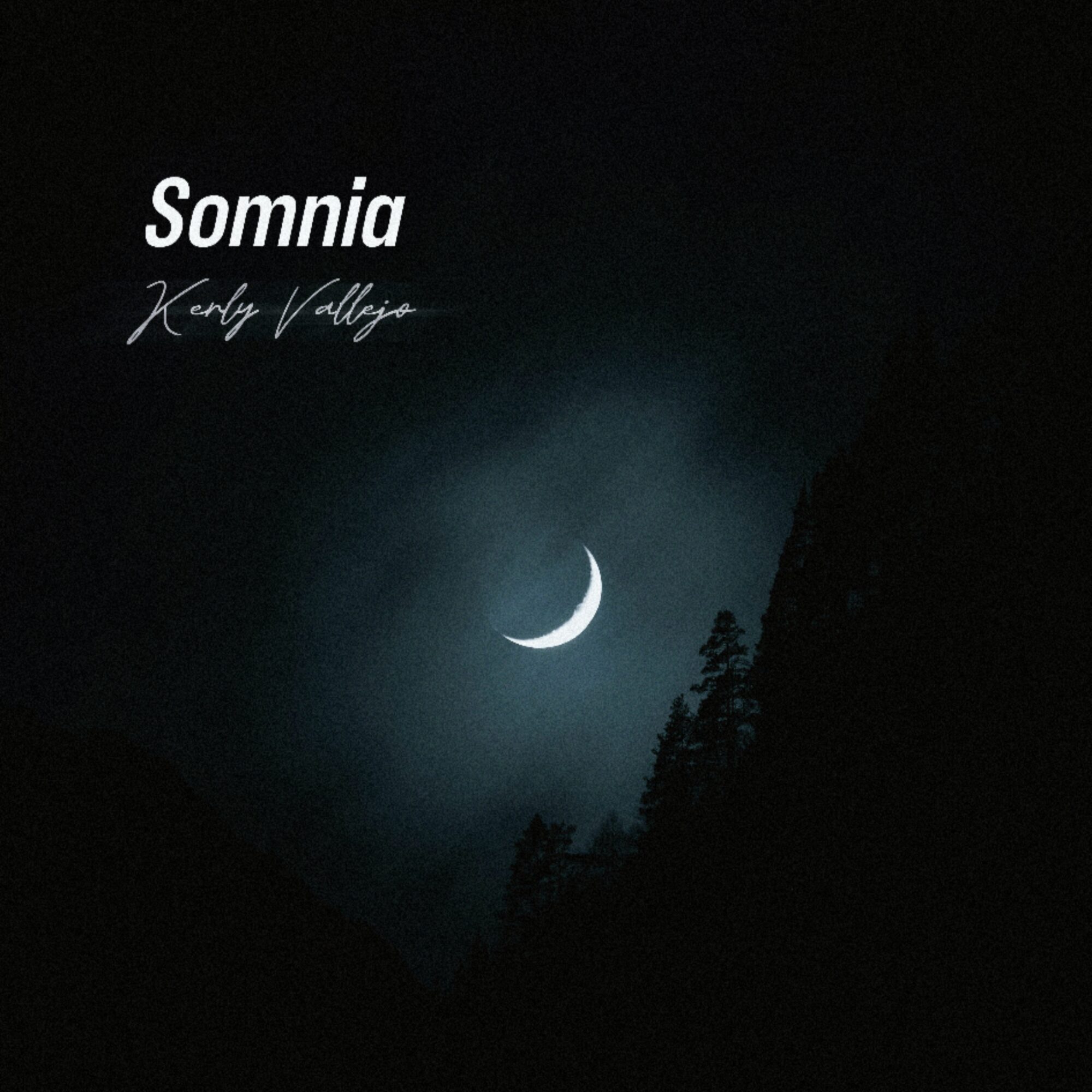
My first tracks: Transition, Somnia, Endless Green, Flowy, and Eden in E, were all inspired by peaceful natural environments and specific emotional states. Transition reflects the calm of watching a blue sky with slow-moving clouds. Somnia explores that soft, drifting sensation between wakefulness and sleep, something I connect with deeply as a nocturnal person. Endless Green was inspired by serene landscapes reminiscent of mountain meadows and green fields, while Flowy captures the gentle movement of a river, where only water and stones exist. Eden in E represents that inner mental refuge we all escape to when life feels overwhelming.
Each track is tied to something calming that I can genuinely feel. My goal is for listeners to connect emotionally, imagine their own safe spaces, and allow the music to guide them into rest and stillness.
As a film composer working across film, TV, and games, how does creating ambient music differ from your other scoring work, and how do those skill sets influence each other?
One of the strongest links between film scoring and ambient composition is empathy and sensitivity. As a film composer, these qualities help me understand directors’ visions, emotional intentions, and storytelling needs, and translate them into music. That same empathy plays a vital role in ambient music, where the goal is to understand what calm truly feels like for someone who is overwhelmed, stressed, or in need of rest.
The main difference is that ambient music must avoid drawing attention to itself. Unlike film or game scores, where music can be dynamic or dramatic, ambient music needs to be minimal, gentle, and carefully controlled. It shouldn’t trigger analysis or distraction; it should allow the listener’s mind to disconnect rather than engage. Fewer instruments, softer dynamics, and subtle textures are essential to avoid breaking concentration during meditation, relaxation, or sleep.
Both disciplines influence each other deeply, but ambient music requires an even more delicate, intentional approach.
Looking ahead, what excites you most about where your music is going next, and how do you hope your work continues to support people in meaningful ways?
I see myself composing for the rest of my life. In terms of ambient music, I truly hope to continue working on this project for a long time. Through this journey, I’ve discovered a musical identity that feels deeply aligned with who I am. Ambient music has become a bridge, both within Aura Collection and through my personal projects and social platforms, that allows people to connect with me as a composer.
This genre has helped audiences discover not only my ambient work, but also my film scoring across horror, animation, drama, orchestral, and more. I love that people can find many different sonic worlds within my music and choose the ones that resonate with them.
What excites me most is continuing to explore new sounds, textures, and instruments, without rigid rules. Music doesn’t have a single correct formula, and that freedom is what makes creation so powerful. I hope my work continues to support people in their daily lives, helping them relax, sleep better, and manage stress. I’ve been deeply moved by messages from listeners, as well as from professionals like psychologists and physiotherapists who use my music in therapeutic settings to create safe, calming environments. Knowing that my music can support emotional and physical well-being in such tangible ways inspires me to keep creating and sharing these soundscapes with the world.