



Today we’d like to introduce you to Sebastien Micke.
Hi Sebastien, please kick things off for us with an introduction to yourself and your story.
I think my story with photography started more by accident than by design. I was a teenager, around 17, and someone gave me a camera at a party. I started taking pictures almost immediately and became completely fascinated by the idea that you could freeze a moment, but also somehow reveal something about a person through it. Looking back at those first photographs, they were honnest and the obsession was already there. I grew up in Sète, in the South of France, and at the time my path wasn’t necessarily supposed to lead to photography. I had been studying sport and even imagined a future in water polo. But photography gradually became much stronger than anything else. I was attracted to the people, the unpredictability, the travelling and, above all, the possibility of being somewhere you normally wouldn’t have access to and having to make an image in a very short amount of time. In 1999, I took a chance and approached *Paris Match*. I was fortunate enough to get an internship in the photo department, and that became the real turning point. I eventually started working around Agathe Godard and the Parisian social-life pages, which was an incredible school because you were constantly meeting people and learning how to react quickly to situations. I learned as much from being around experienced photographers and journalists as I did from the camera itself. Very quickly, I found myself moving between very different worlds, reportage, fashion, celebrities, politics, cinema and music. One of the things I loved about *Paris Match* was that you could be photographing something completely unexpected one day and a major celebrity the next. I never wanted to become someone who simply photographed famous people. I was much more interested in finding the person behind the public image. That became particularly important when I started photographing people like Mariah Carey, George Clooney, Steven Spielberg, Bill Gates, Barack Obama, Robert De Niro, Al Pacino, Naomi Watts and many others. Every subject brings a different energy, and I think the real challenge is to create enough trust for the person to forget, even briefly, that there is a camera in front of them. In 2008, I moved to New York to work with the *Paris Match* team there. New York was a huge step for me. I had always admired the American school of portrait photography, and being there gave me the opportunity to develop my own way of looking at people and, in a way, to bring my own aesthetic to the *Paris Match* tradition. Since then, photography has taken me to places and introduced me to people I could never have imagined when I first picked up that little camera as a teenager. What has remained the same, though, is the curiosity. I still love not knowing exactly what is going to happen when I walk into a room. For me, that is probably the best part of the job every photograph starts with the possibility of a surprise.
Can you talk to us a bit about the challenges and lessons you’ve learned along the way. Looking back would you say it’s been easy or smooth in retrospect?
No, definitely not. From the outside, photography can look like a very glamorous profession travelling, meeting famous people, being in beautiful places but there is a lot of pressure and uncertainty behind it. It’s also important to understand the moment when I started. I arrived at the very end of the film-camera era and right at the beginning of the digital revolution. I experienced that transition firsthand. In fact, the first digital file that *Paris Match* received was during the September 11 attacks on the World Trade Center. So I was coming into the profession at a moment when the entire way of working was changing technically, creatively, and journalistically. Everything became faster. The way you photographed, transmitted, edited and published an image was being completely transformed. When I started, the biggest challenge was simply finding my place. I didn’t come from a traditional photography background, and I was taking a bit of a gamble with my career. Getting my first opportunity at *Paris Match* in 1999 was incredibly important, but it was also the beginning of a very demanding learning curve. You are surrounded by very talented photographers, and you quickly understand that having a good eye isn’t enough. You have to be reliable, fast, adaptable and able to produce something even when the circumstances are completely against you. There were plenty of difficult shoots. Plans change at the last minute, people cancel, locations don’t work, weather changes, and sometimes you have only a few minutes with someone who is extremely difficult to photograph. I remember one shoot with Mariah Carey where the entire production in New York was cancelled at midnight. We ended up rescheduling in Los Angeles and completely changing the approach. Ironically, that difficult situation became one of my favorite shoots, but more importantly, it brought me to the woman who would become my future wife and, at the same time, we were waiting for the arrival of our daughter, Lana couple of years after. Looking back, I think that’s what makes that moment so special to me: what seemed like a professional disaster at midnight ultimately became the beginning of one of the most beautiful chapters of my life called Lana … On another shoot with Mariah Carey, I was actually electrocuted and nearly died, which is probably a good reminder that the glamorous version of the job doesn’t tell the whole story. lol. Moving to New York in 2008 was another major challenge. It was an incredible opportunity, but starting again in another country and trying to establish myself while working at the level expected by *Paris Match* wasn’t always easy. I also wanted to bring my own aesthetic to the magazine rather than simply reproduce what had already been done. I had always admired American portrait photographers, so I wanted to find a way of combining that influence with my own French sensibility. I think one of the hardest things in this profession is accepting that you can’t control everything. You can prepare as much as possible, but once you walk through the door, anything can happen. I’ve learned to embrace that rather than fight it. Some of my favorite photographs have come from situations that initially looked like problems. So no, it hasn’t been a smooth road. But I don’t think I would want it to be. The unpredictability is actually one of the reasons I’ve stayed in love with photography for so long. It keeps you curious, and it keeps you slightly uncomfortable and I think that’s a good thing for a photographer.
Can you tell our readers more about what you do and what you think sets you apart from others?
What I do has always been difficult for me to put into one category. I’m primarily a portrait photographer, but over the years my work has moved between celebrity portraiture, editorial, fashion, reportage and advertising. A lot of my career has been connected to *Paris Match* Vogue, Vanity Fair and ELLE magazine, so I’ve had the opportunity to photograph people from completely different worlds actors, musicians, artists, politicians, athletes, models and personalities who are constantly in the public eye.
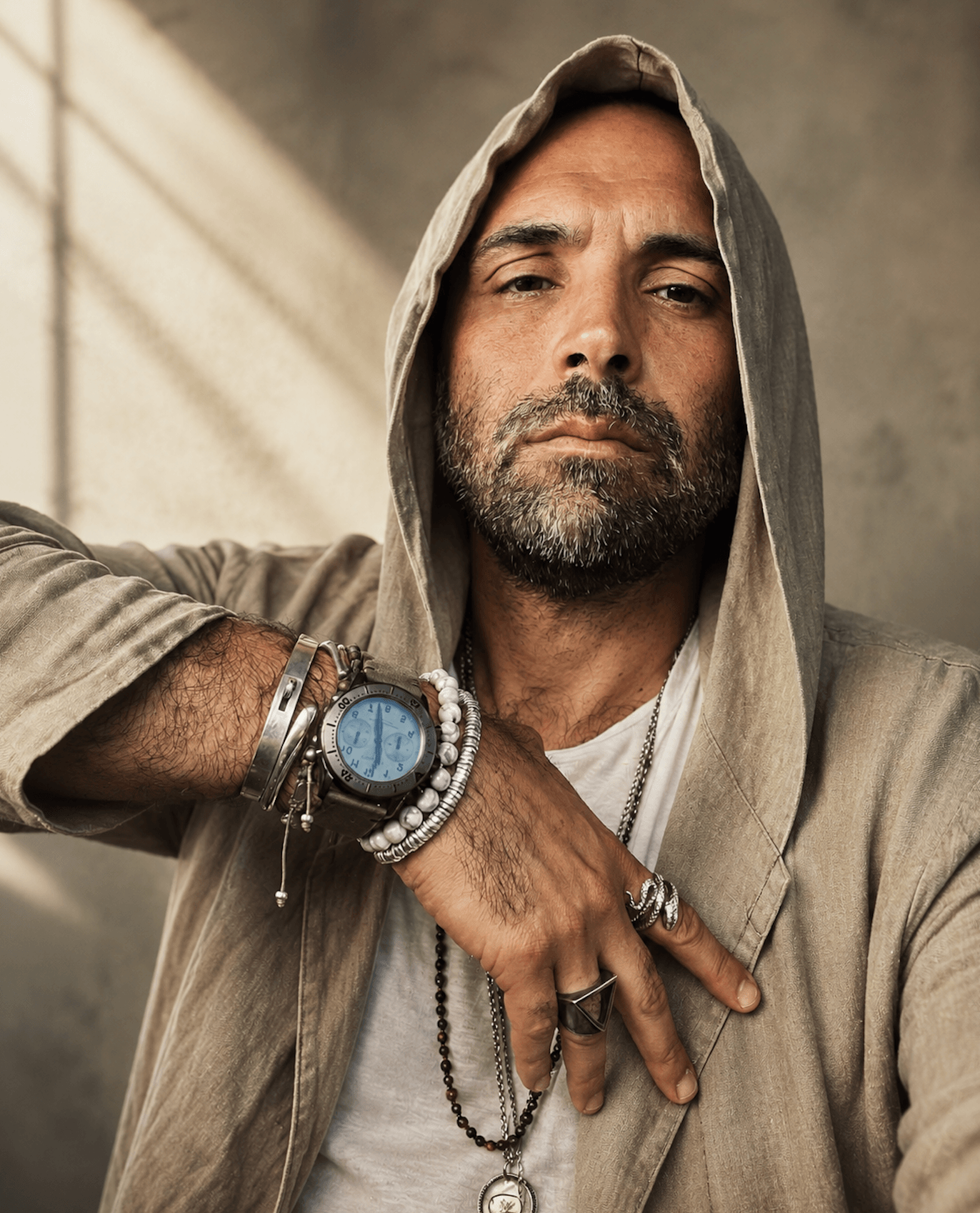
What I think I’m best known for is photographing people who are already very famous and trying to show them in a way that people haven’t necessarily seen before. That is actually what interests me most. When someone has been photographed thousands of times, you have to find another way into the portrait. I like putting extraordinary people into ordinary or unexpected situations and looking for something spontaneous rather than simply creating a beautiful, perfectly controlled image. I’ve always been very attracted to the human side of photography. The technical part is important, of course, but the camera is really just a tool. The difficult part is what happens between the photographer and the person being photographed. If I can make someone forget about the camera for a moment, that’s when I feel I can get something interesting. Working for *Paris Match* also taught me to be extremely adaptable. One day you can be making a very intimate portrait, the next you can be doing a reportage in a completely unpredictable environment. I’ve photographed people such as Robert De Niro, Al Pacino, Naomi Watts, Arnold Schwarzenegger, Steven Spielberg and many others, but I’ve also photographed people whose stories are much less glamorous and equally fascinating. The variety is something I value enormously. I’m probably most proud of the fact that I’ve managed to develop a personal style while working within such a strong photographic tradition. When I moved to New York, I was very influenced by the great American portrait photographers. I wanted to take that influence and combine it with my own French sensibility, rather than simply copy what was already being done. My goal was to bring a slightly different, more contemporary and sometimes more unexpected visual language to the *Paris Match* tradition.As for what sets me apart, I think it comes down to curiosity. I don’t really have a formula. I’m interested in people, and I’m interested in what happens when you put yourself in an unfamiliar situation. I like the imperfect moments, the little surprises, the expressions that aren’t necessarily planned. Sometimes the photograph you didn’t expect to take is the one that stays with you. After more than two decades of doing this, that’s still what excites me. I don’t want to simply make photographs that look good. I want people to feel that there is a person behind the photograph and another person behind the face they’re looking at.
Do you have any advice for those looking to network or find a mentor?
I’ve never been a huge believer in networking for the sake of networking. I think the best relationships in this business come naturally when you are genuinely interested in people and in what they do. When I was starting out, I didn’t really have a five-year plan or a big network behind me. I basically knocked on doors. Getting into *Paris Match* was very much about having the courage to ask for an opportunity and then proving that I deserved to be there. Once I got in, I tried to learn from everyone around me. I was lucky to work alongside very experienced photographers and editors, and I paid attention to how they worked, how they dealt with people and, just as importantly, how they dealt with difficult situations. For me, a mentor doesn’t necessarily have to be someone who officially calls themselves your mentor. It can be a photographer whose work you admire, an editor, an assistant, a journalist, or even someone completely outside photography who has a different way of looking at the world. I’ve always tried to surround myself with people who were better than me at something. I also think you have to be willing to start at the bottom and do the work that isn’t necessarily glamorous. Be useful. Be curious. Listen more than you talk. And don’t be afraid to ask questions. Most people who are good at what they do remember what it was like when they were starting out. The other thing that worked for me was simply saying yes to opportunities, even when I wasn’t completely sure where they would lead. Moving to New York in 2008 is a good example. It was a big change, but it opened an entirely new chapter of my career and introduced me to a completely different creative environment. And finally, I think you have to maintain relationships without always expecting something in return. Some of the people I’ve met through photography have become genuine friends. If you approach every person thinking, “What can this person do for my career?”, people feel it immediately. If instead you’re genuinely curious about them, conversations become much more interesting and relationships tend to happen naturally. So my advice would be: don’t concentrate too much on networking. Concentrate on becoming good at what you do, be curious, meet people, be generous with your time, and don’t be afraid to knock on a door. You never know which door is going to open.
Pricing:
- Photography commissions are quoted individually, depending on the nature of the assignment, location, production requirements and intended usage.
- Editorial and portrait assignments are generally discussed directly with the client or publication, as each project has different requirements.
- Commercial, advertising and brand work is priced according to the scope of the production and, particularly, the licensing and usage of the images.
- Archive photographs are also available for licensing, with pricing depending on the image, format, territory and intended use.
- For commissions, commercial projects or image licensing, I prefer to discuss the project directly and provide a tailored quotation rather than work from a fixed public rate card.
Contact Info:
- Instagram: https://www.instagram.com/sebastienmicke/?hl=en
- LinkedIn: https://www.linkedin.com/in/sebastien-micke-30241069/
- Twitter: https://x.com/sebastienmicke
- Other: https://www.artcurial.com/en/sales/6147/lots/80-a
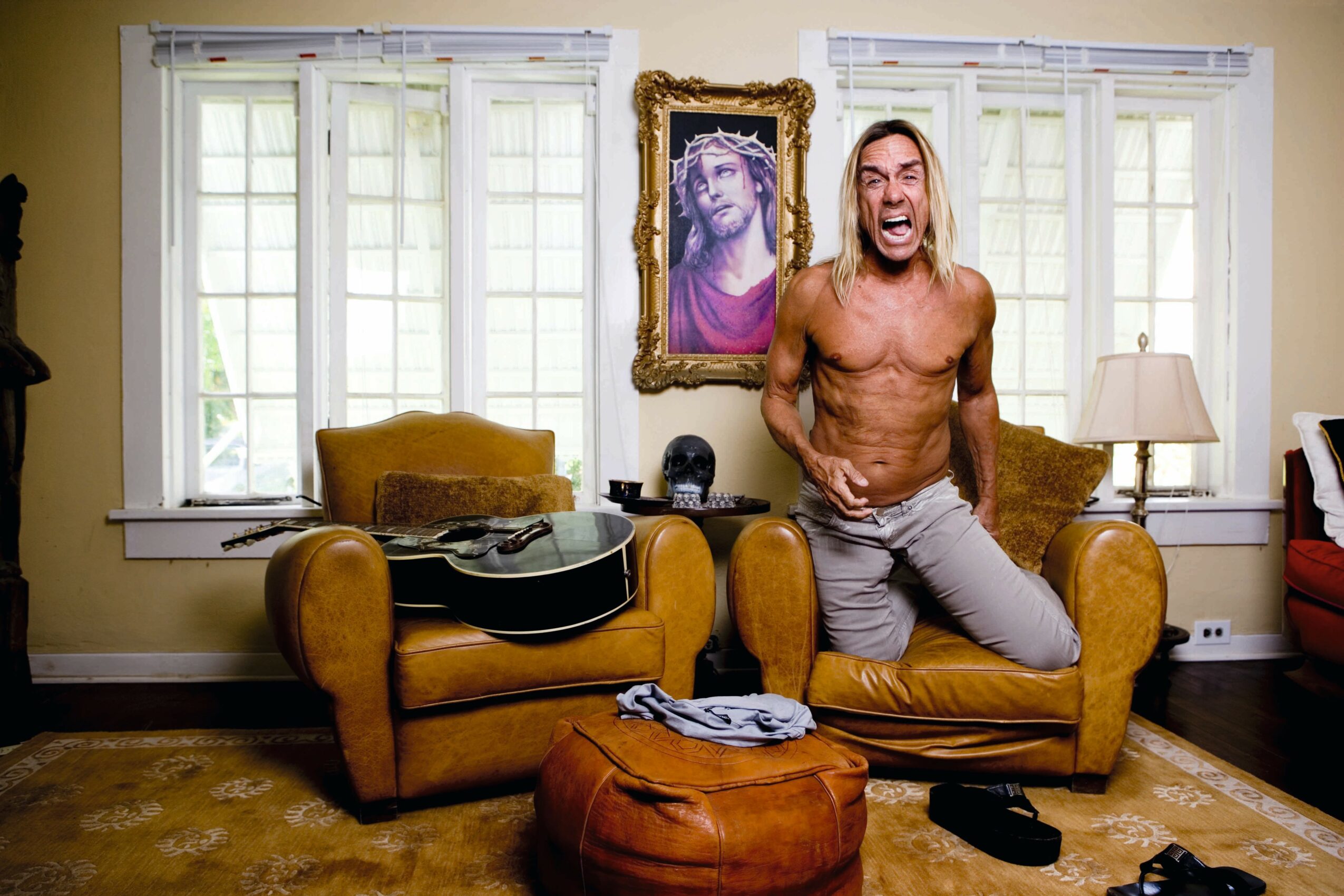
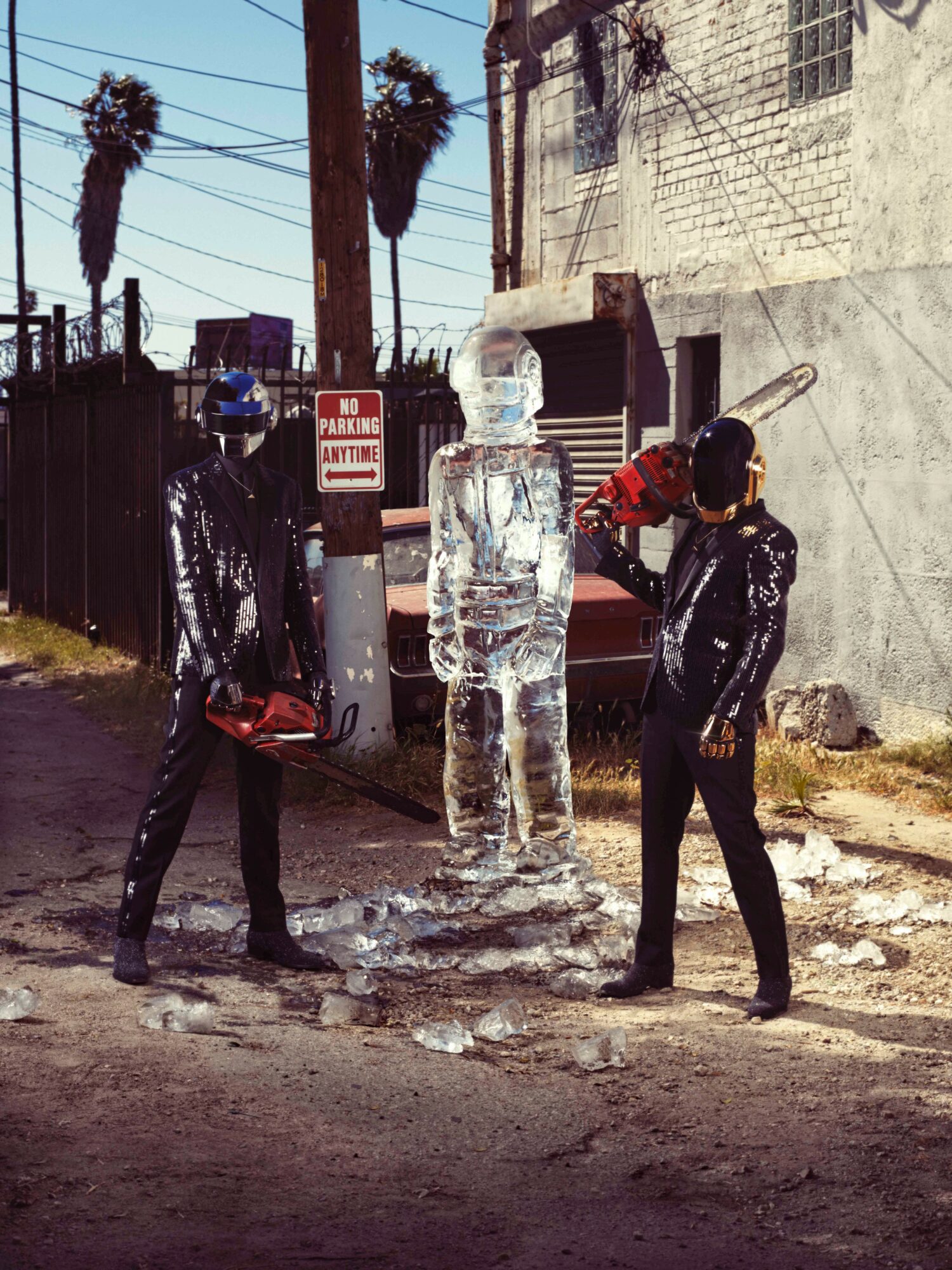
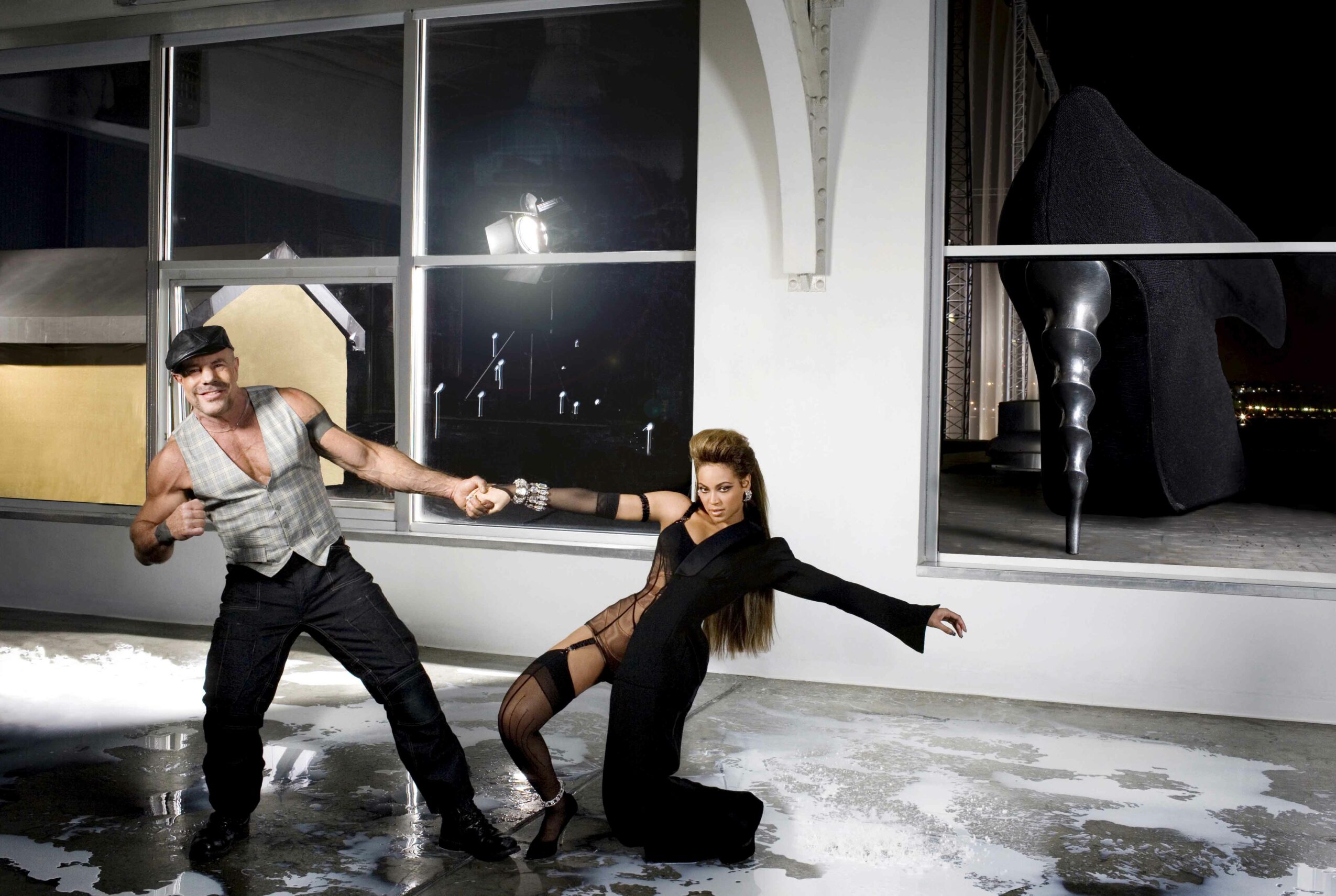
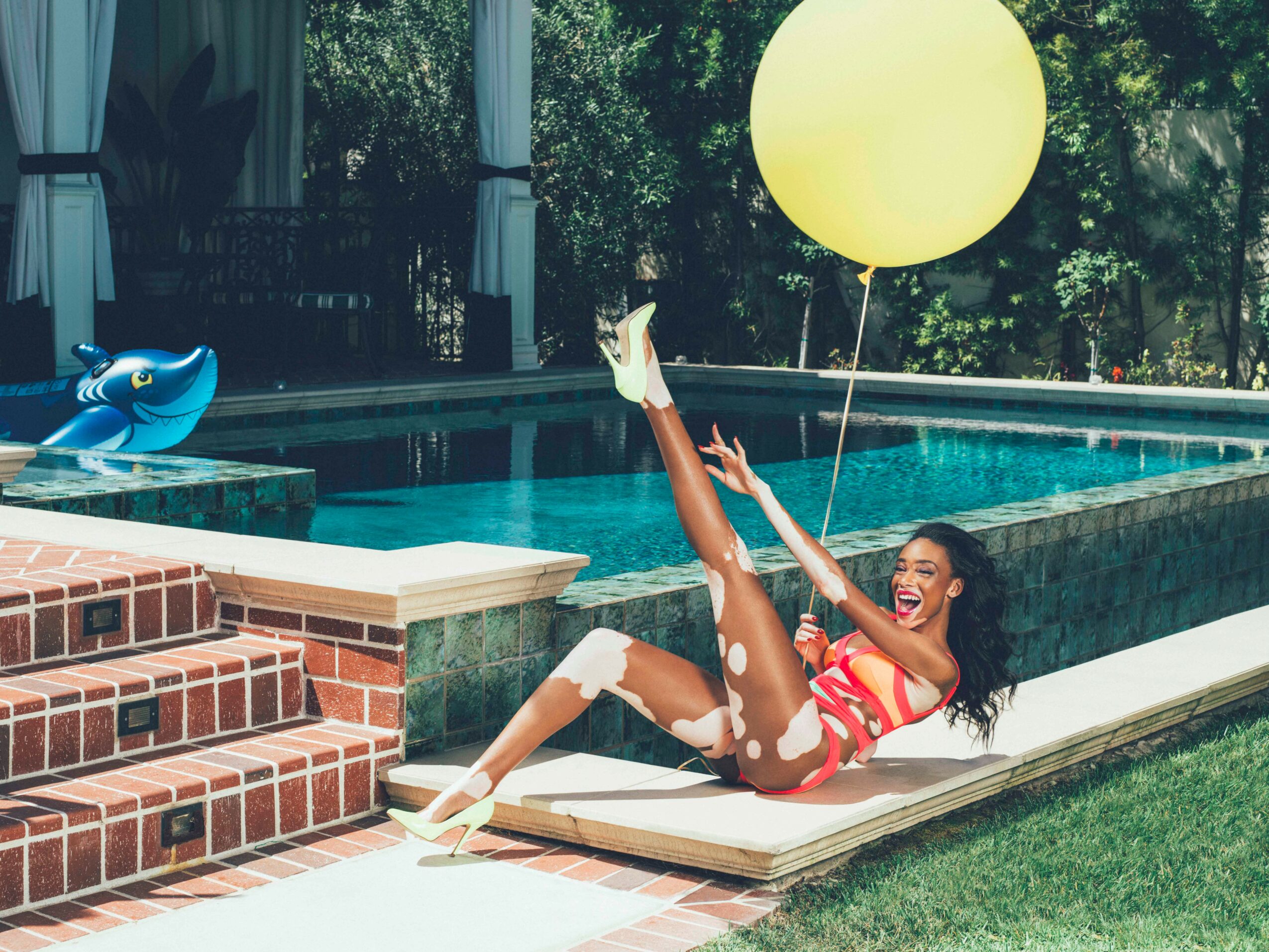
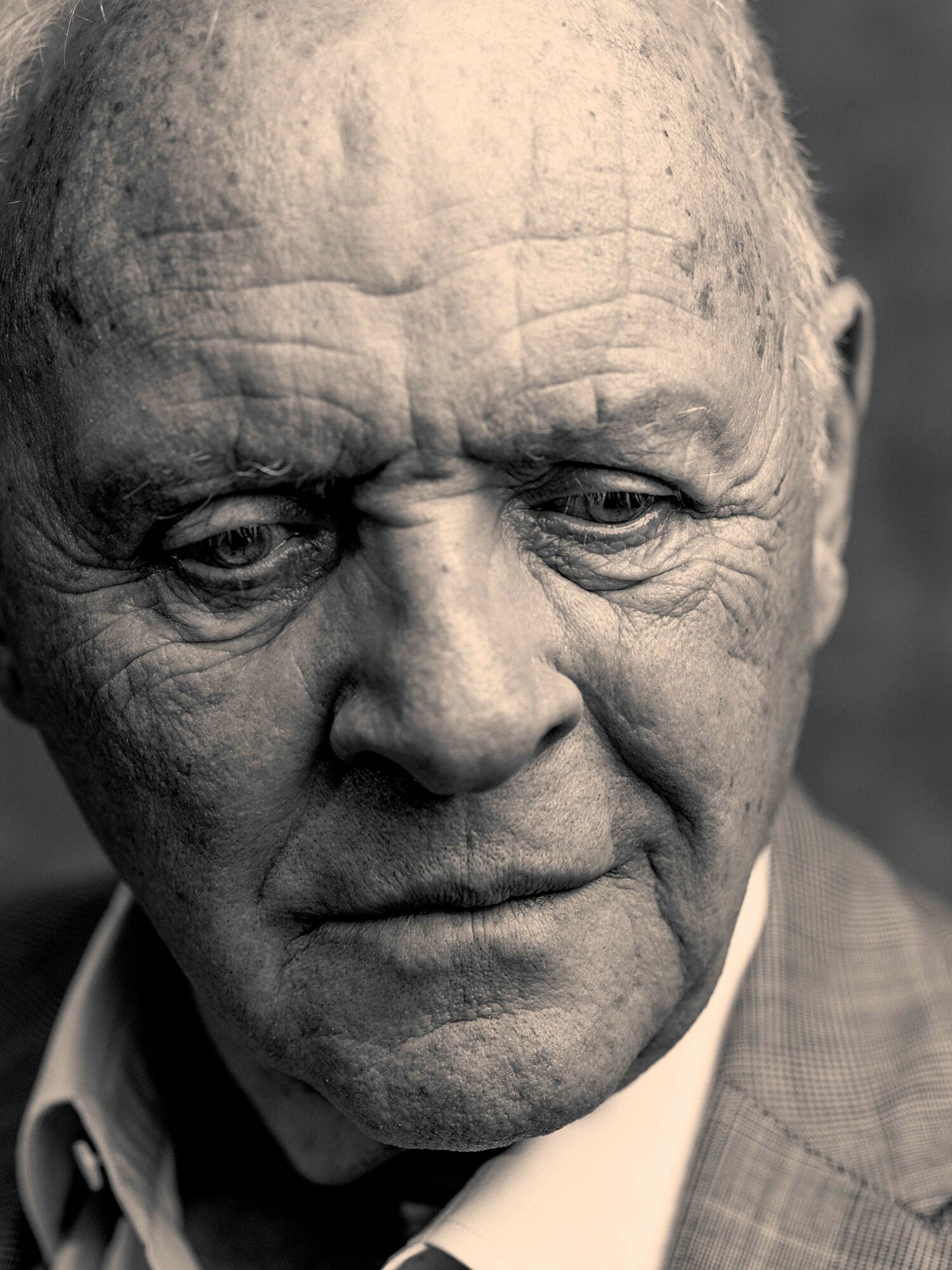
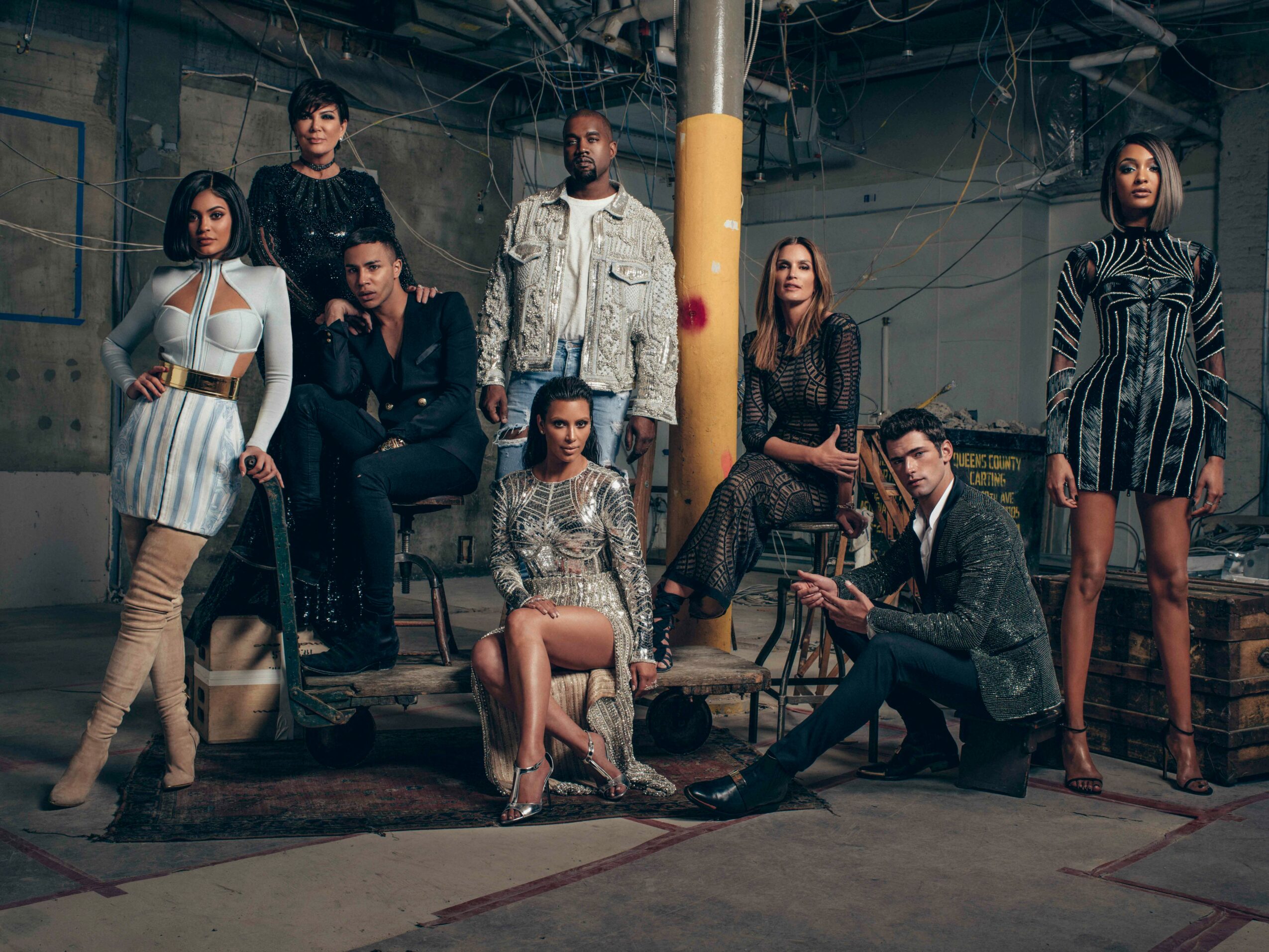
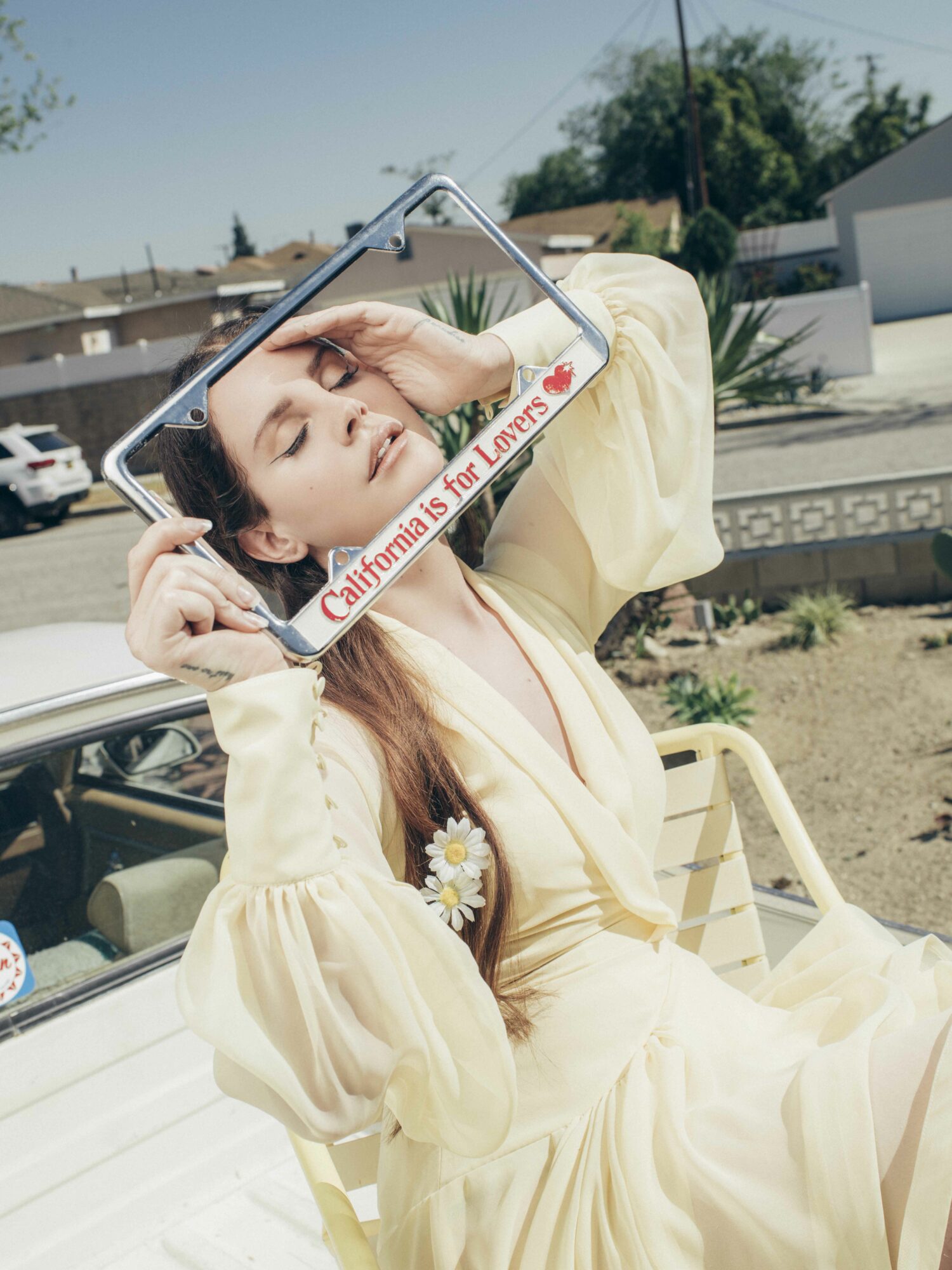
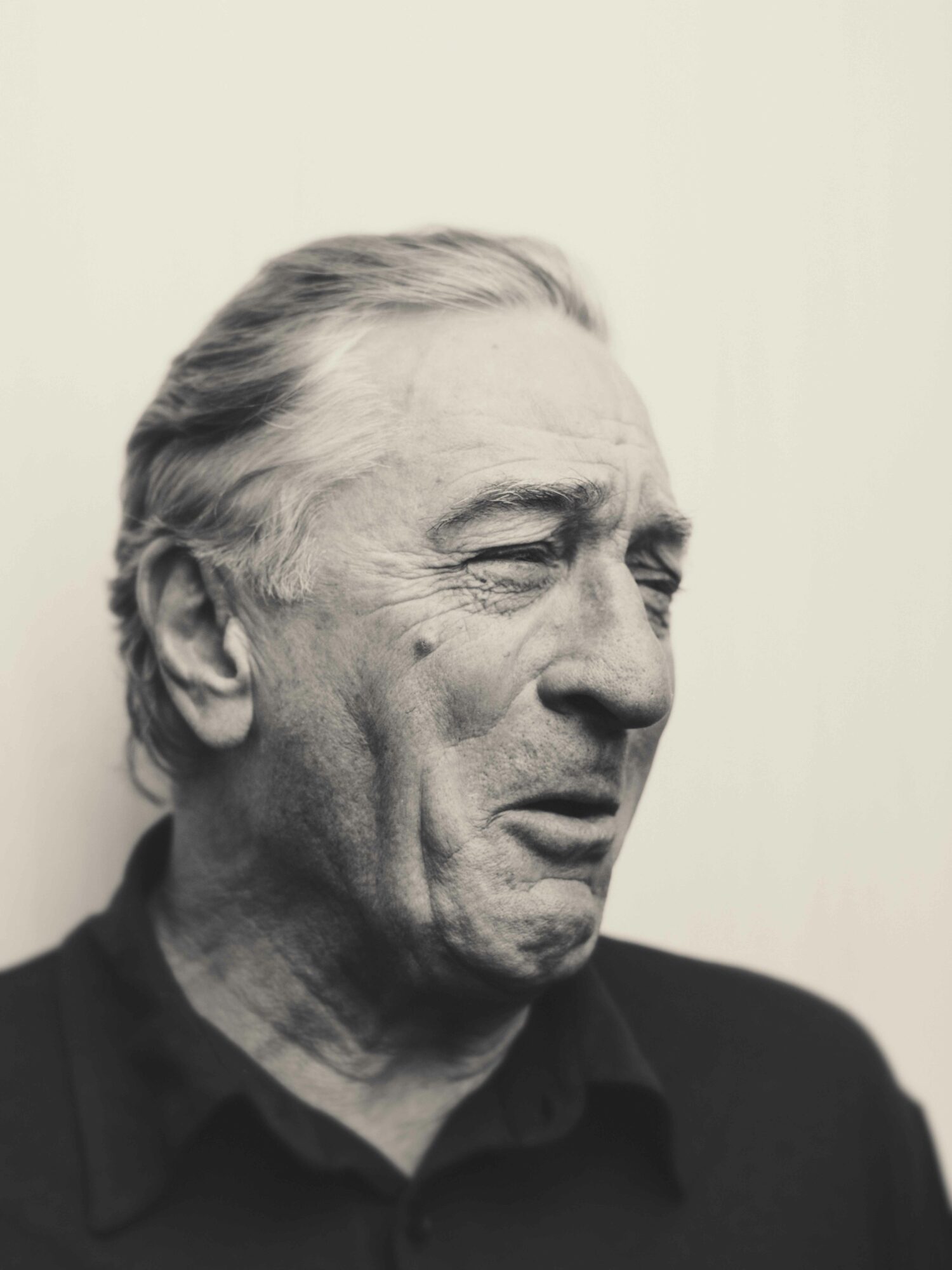
Image Credits
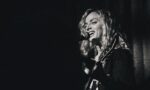
Photographed taken by @SebastienMicke
Popular
-

Portraits of the Valley
-
LA’s Most Inspiring Stories
-

Rick Norris Learned That Building a Successful Business Means Building a Life You Actually Want to Live
-
How Olivia Rush Turned Survival Into a Mission to Help Others Keep Going
-

How Bibi Goldstein Is Helping Entrepreneurs Reclaim Their Time by Embracing the Power of Delegation
-
Victoria Hasson is Redefining Voice Coaching Through Community and Collaboration


