



Today we’d like to introduce you to Princess Sarah Culberson.
Alright, so thank you so much for sharing your story and insight with our readers. To kick things off, can you tell us a bit about how you got started?
My story began in Morgantown, West Virginia, where I was adopted as a baby and raised by a wonderful, loving family who gave me a strong foundation of love, encouragement, and the belief that I could become anything I dreamed of becoming. West Virginia was home. It was where I was surrounded by family, developed my love of the arts, and first learned the importance of community.
Growing up biracial in a predominantly white community, I also had natural questions about my biological roots. I wondered who I looked like, where certain parts of me came from, and what other pieces of my story might be waiting for me. Those questions never took away from the deep love I had for my family. If anything, the love and security they gave me created a foundation that allowed me to be curious about all of who I was.
Those questions stayed with me as I pursued my dreams in the arts and eventually moved to Los Angeles to build a career as an actress, dancer, educator, and storyteller.
In my twenties, I decided to search for my biological family. That decision changed the course of my life. I discovered that my birth father was living in Sierra Leone, West Africa, and that I was connected to a royal family of the Mende people. Suddenly, so many of the questions I had carried throughout my life had answers.
But the most important part of my story is really what happened after that discovery.
When I traveled to Sierra Leone and met my birth family and community for the first time, I began to understand that discovering my heritage came with a responsibility. Being a princess was not about a title or status. For me, it became about service, community, and asking, “How can I use my voice and my experiences to make a difference?”
That question has guided so much of my life. My brother Hindo and I cofounded Sierra Leone Rising, a nonprofit dedicated to creating opportunities and supporting communities in Sierra Leone through education, public health, clean water, technology, female empowerment, and sustainable development.
At the same time, I began sharing my story with audiences around the world. Through speaking, education, storytelling, and humanitarian work, I have had the privilege of meeting people from so many different backgrounds and walks of life. What I continue to learn is that no matter where we come from, we share so many of the same hopes, fears, questions, and desires. We want to be seen. We want to belong. We want our lives to have meaning. And sometimes simply taking the time to listen to one another can remind us of how much we have in common.
Today, I think of myself as a bridge builder. I love bringing people and communities together who might not otherwise have the opportunity to know one another. Whether I am speaking to an audience, working alongside communities in Sierra Leone, sitting with students, or simply having a conversation with someone whose life is very different from mine, I am continually reminded that connection can change us.
My journey began with a search to understand more about where I came from. What I found was much bigger than I ever expected. I found another family, another culture, and another part of myself. I also discovered that our stories can open doors between people.
I am still learning, still growing, and still discovering where this journey will take me next. And in many ways, I feel like I am just getting started.
Can you talk to us a bit about the challenges and lessons you’ve learned along the way. Looking back would you say it’s been easy or smooth in retrospect?
I don’t think any meaningful journey is completely smooth. Anytime we step into something new, there are going to be challenges, and sometimes those challenges ask more of us than we ever imagined.
One of the hardest times for me was during the Ebola outbreak in Sierra Leone. Suddenly, something I was watching unfold in the news was affecting people I loved deeply. I was worried about my family, our community, and whether people I cared about would survive. There was also so much fear and misinformation surrounding Ebola, particularly in rural communities where accurate information was not always easy to access.
During that time our non-profit, Sierra Leone Rising mobilized quickly. We worked together with our community and team on the ground to provide soap, hygiene and sanitation supplies, and information about how Ebola was transmitted and how people could protect themselves and their families. My brother Hindo and a local team traveled by mopeds into rural areas, putting up educational posters and sharing critical information with communities that were not necessarily receiving the same news and resources available in larger cities.
It was an incredibly frightening and heartbreaking time, but it also taught me something I have carried with me ever since.
For much of the world, Ebola was a terrible story happening somewhere far away. For me, it was my family. It was people I knew and loved. That experience made something my mother had always taught me feel even more real. She would say that when something is happening in our world, it impacts all of us.
I think about that often.
It can be easy when a crisis does not directly touch our lives to think, “I hope things get better for them.” But there really is no “them.” We are all part of the same human community. We may live in different countries, speak different languages, or have completely different experiences, but what happens to one community ultimately matters to all of us.
Ebola was one of the most difficult periods of my life, but it deepened my understanding of what it means to be connected. We could not solve everything, but we could show up. We could listen. We could share resources and information. We could work alongside one another and do what was within our power to do.
That lesson continues to shape how I approach challenges today. I have learned that we do not have to have all the answers to make a difference. Sometimes we simply have to care enough to ask, “What can I do?” and then be willing to do it together.
Alright, so let’s switch gears a bit and talk business. What should we know about your work?
My work today really lives at the intersection of storytelling, leadership, education, and service.
I am an international speaker, author, educator, and the President and Co Founder of Sierra Leone Rising. Through my speaking, I work with corporations, universities, schools, nonprofits, and organizations around the world on topics including stepping into the unknown, belonging, leadership, courage, connection, and global citizenship. I love creating spaces where people can be honest, curious, listen to one another, and hopefully walk away seeing themselves and each other a little differently.
I have also spent many years working in education, which has had a tremendous influence on who I am. Young people constantly remind me that some of the most meaningful conversations begin with curiosity. They ask questions adults sometimes become afraid to ask, and they have taught me the importance of listening to learn rather than simply listening to respond.
Through Sierra Leone Rising, my brother Hindo and I work alongside communities in Sierra Leone in areas including clean water, education, public health, technology, female empowerment, and sustainable development. I am incredibly proud of what we have built together, but I am especially proud that the work is rooted in partnership. We do not want to enter a community assuming we know what people need. We listen, we learn, and we work together to create solutions that can have a lasting impact.
If there is something that connects all of my work, it is building bridges. My life has given me the opportunity to move between many different worlds. West Virginia and Los Angeles. The United States and Sierra Leone. Entertainment and education. Corporate spaces and rural communities. My American family and my Sierra Leonean family. Each of those worlds has taught me something, and I have come to appreciate how much we can learn when we are willing to step outside of what is familiar to us.
I think that perspective is also what I bring to my speaking. I do not want to stand in front of an audience and tell people how they should live or lead. I would much rather share what I have experienced, ask meaningful questions, and create a conversation that allows all of us to learn from one another.
What am I most proud of? The relationships.
Of course, I am proud of the programs we have created, the communities we have worked alongside, the audiences I have had the privilege of speaking to, and the opportunities that have come my way. But when I look back, what means the most are the people. The family I discovered. The family who raised me. The students I have taught and they have in turn taught me. The communities in Sierra Leone. The people I have met after speaking engagements who have shared their own stories with me.
Those relationships continually remind me that our lives are much more connected than we sometimes realize.
I suppose what sets my work apart is not any one title or accomplishment. It is the combination of all of these experiences and the perspective they have given me. Whether I am speaking to a room of executives, sitting with students, working alongside our team in Sierra Leone, or telling stories through the arts, I keep coming back to the same belief: when we are willing to listen, stay curious, and truly see one another, extraordinary things can happen.
What do you like and dislike about the city?
There is so much I love about Los Angeles. First, I have to say the weather! There is something about waking up to sunshine that still makes me happy after all these years.
But what I love most is the incredible mix of people, cultures, creativity, and possibility here. Los Angeles is a place where people come from all over the world with a dream, an idea, or simply a desire to create something new. As someone who came here to pursue a career in the arts, that energy has always been special to me.
I also love Studio City because even though we are in the middle of Los Angeles, it can still feel like a neighborhood. I love the local restaurants, walking around the community, running into people you know, and having those little moments of connection that make a big city feel smaller.
What makes me a little sad is seeing how much Los Angeles has changed, particularly within the entertainment industry. So many productions and talented people have moved to other cities and states. Entertainment has been such an important part of the heart and history of Los Angeles, and I would love to see more opportunities return and for this city to continue being a place where artists, storytellers, crews, and creatives can build their lives and careers.
Los Angeles has given me so much. It is where I grew tremendously as an artist, educator, speaker, and person. Like any city, it continues to evolve, but I hope we never lose that wonderful sense that something creative and unexpected might be happening just around the corner.
Contact Info:
- Website: https://sierraleonerising.org
- Instagram: iamprincesssc
- Facebook: Princess Sarah Culberson
- LinkedIn: Princess Sarah Culberson
- Twitter: Princess Sarah Culberson
- Youtube: Moden Royalty Podcast
- Yelp: Book ” A Princess Found”
- Other: https://sarahculberson.com
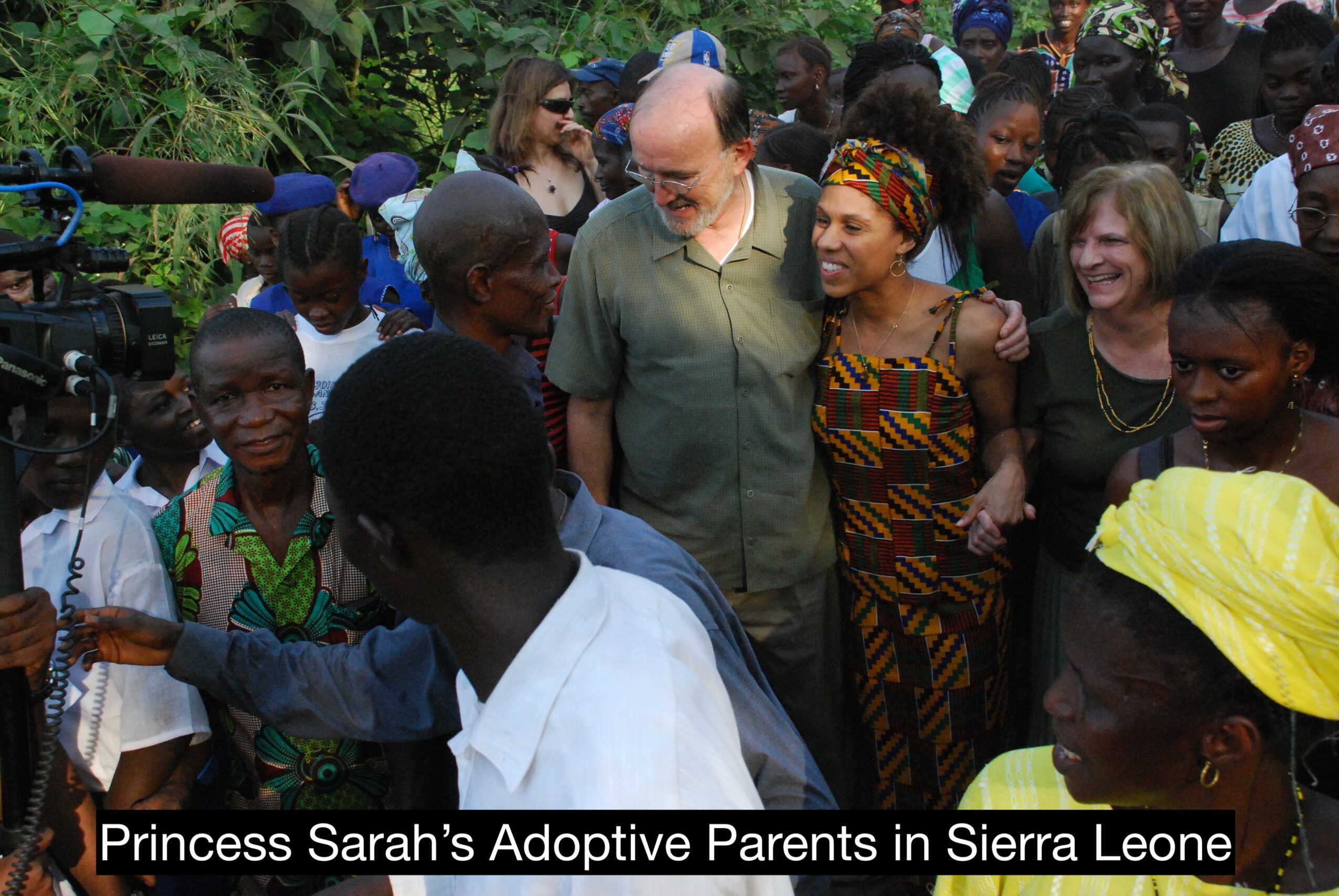
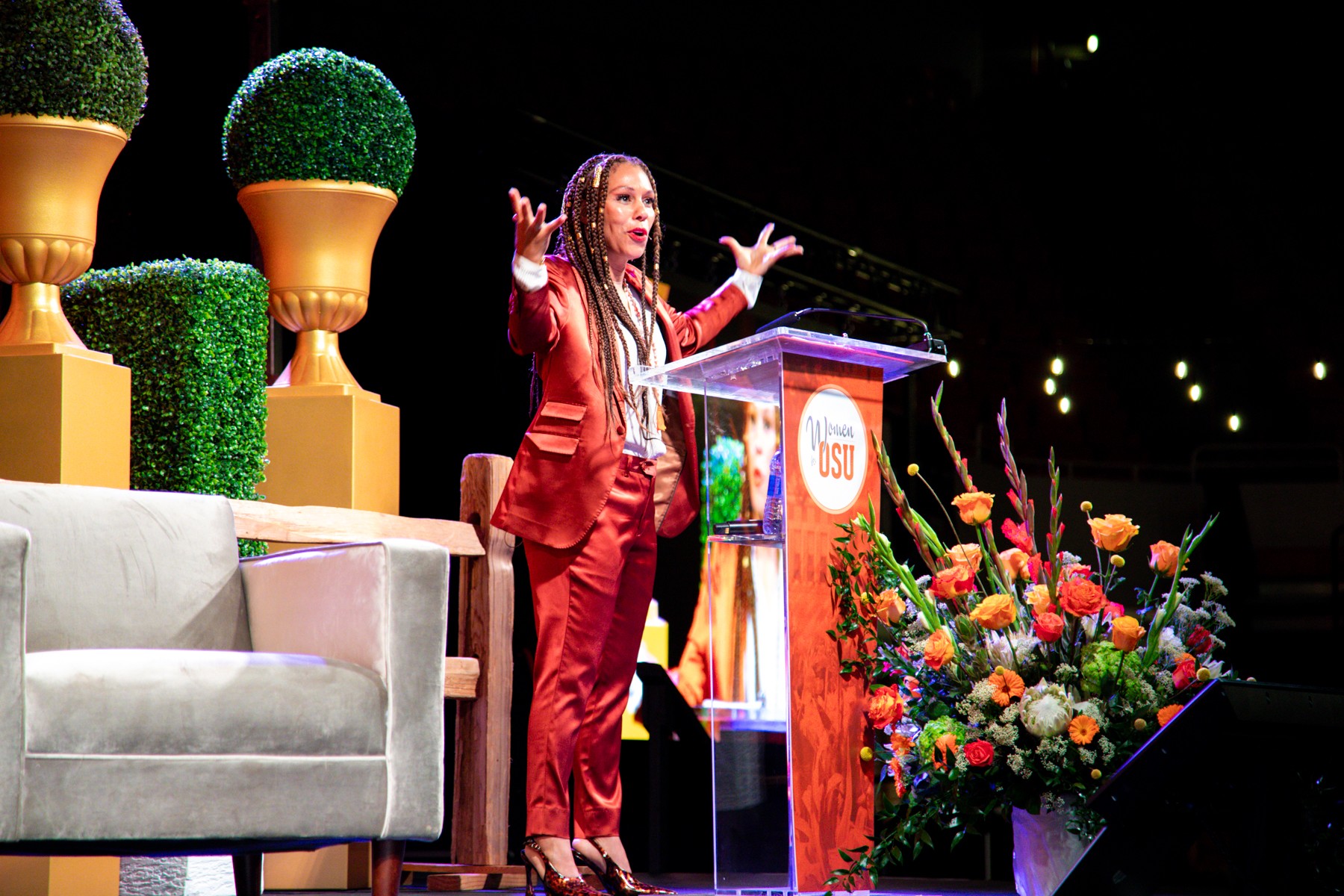
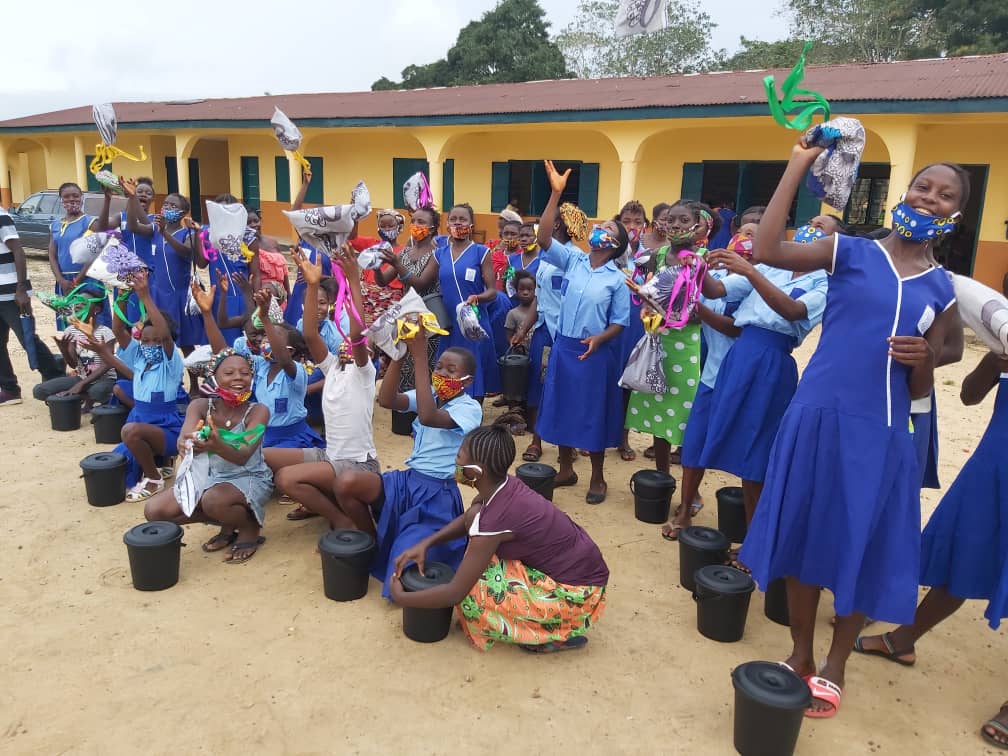
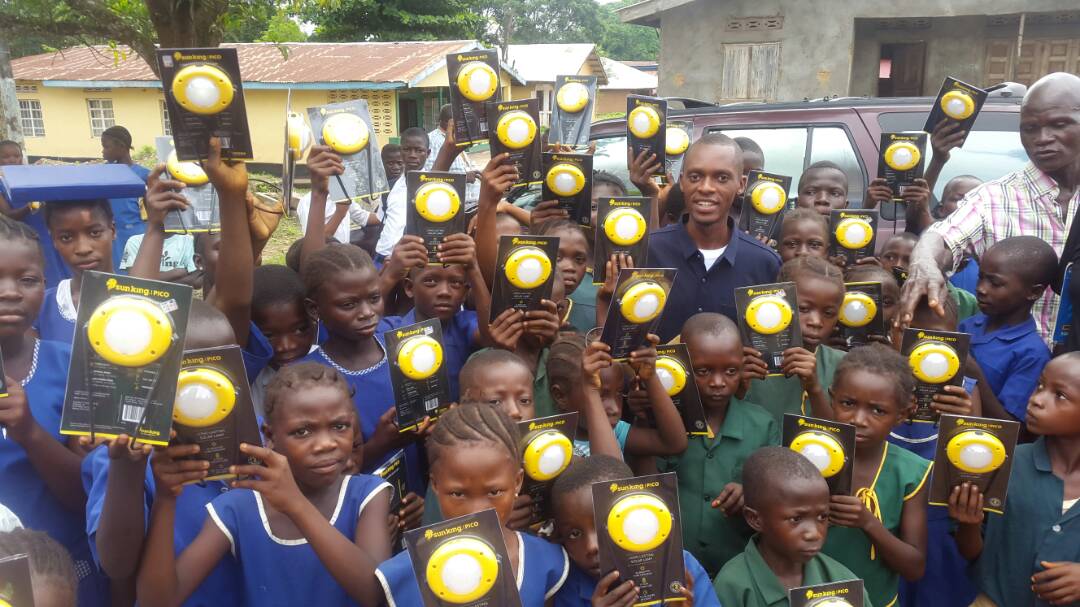
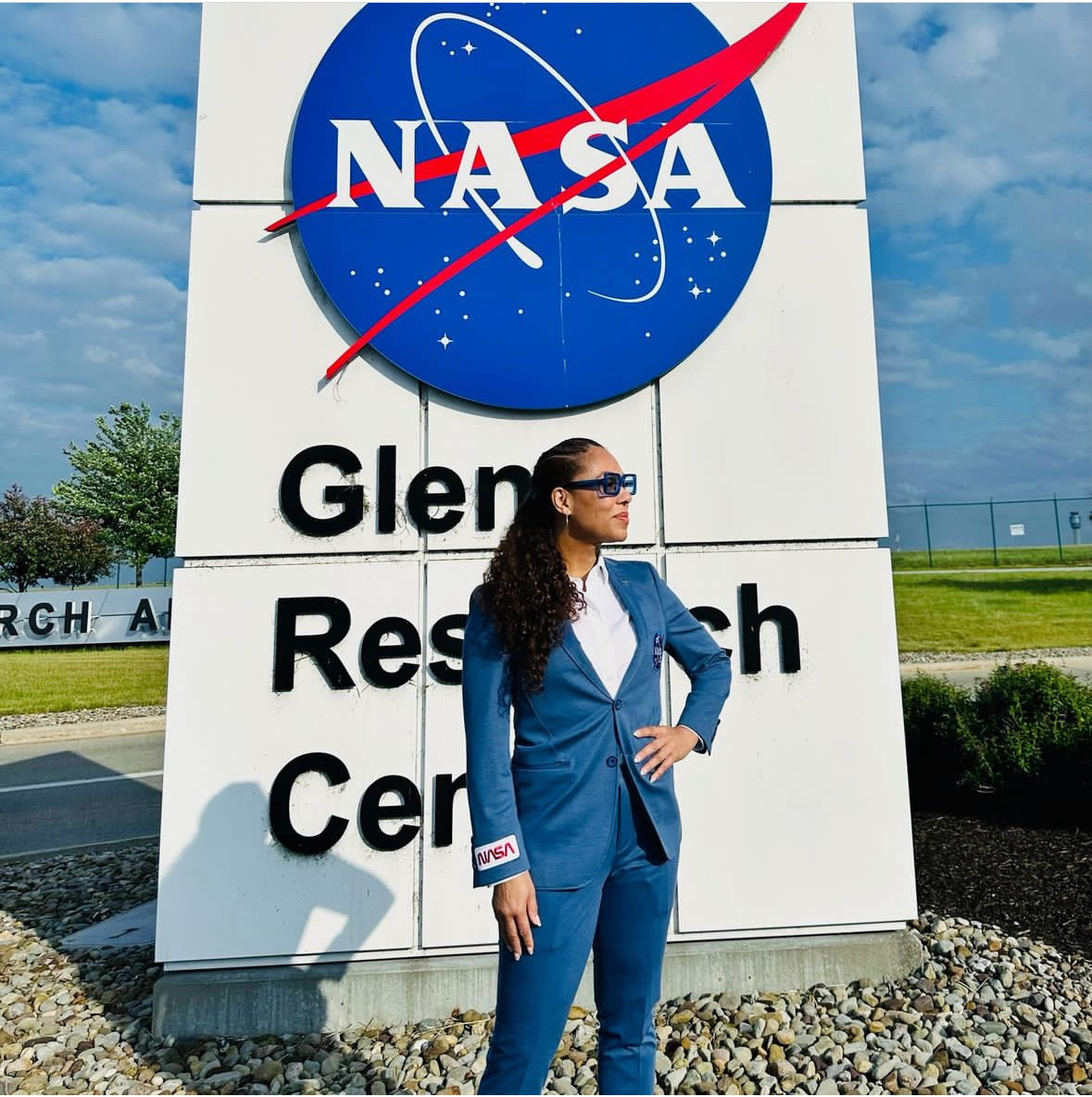
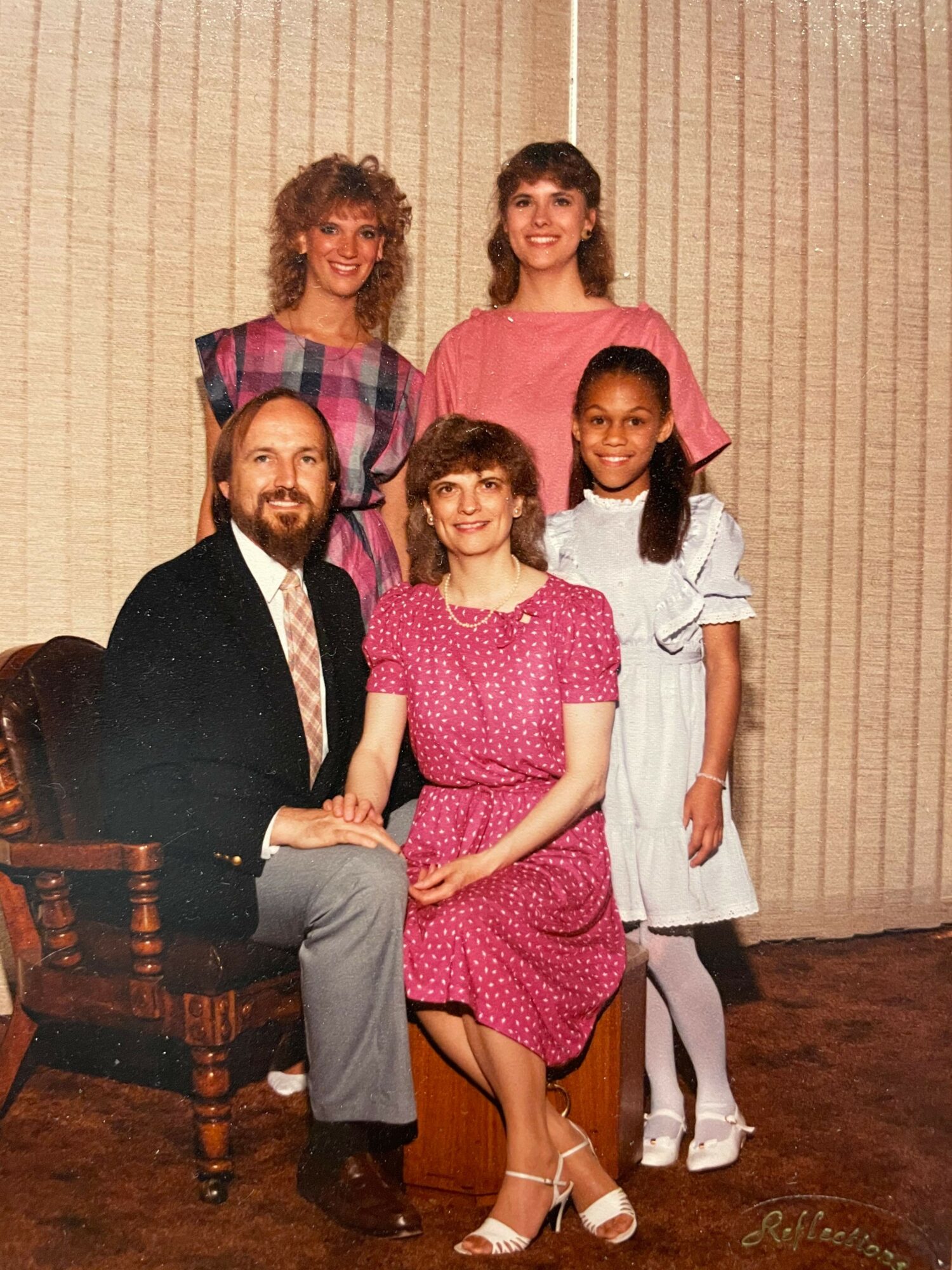
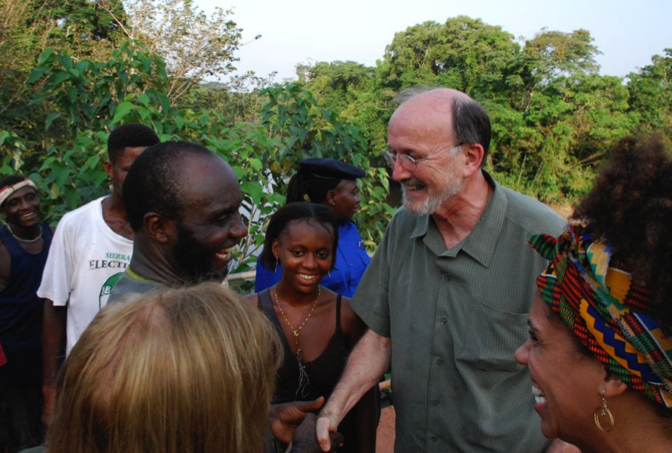
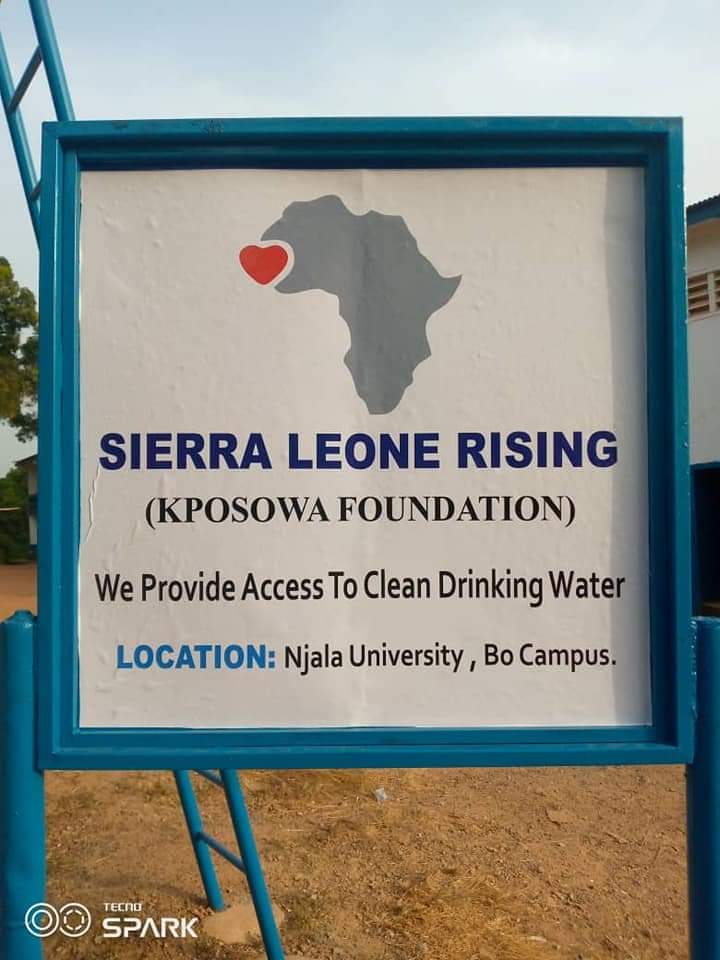
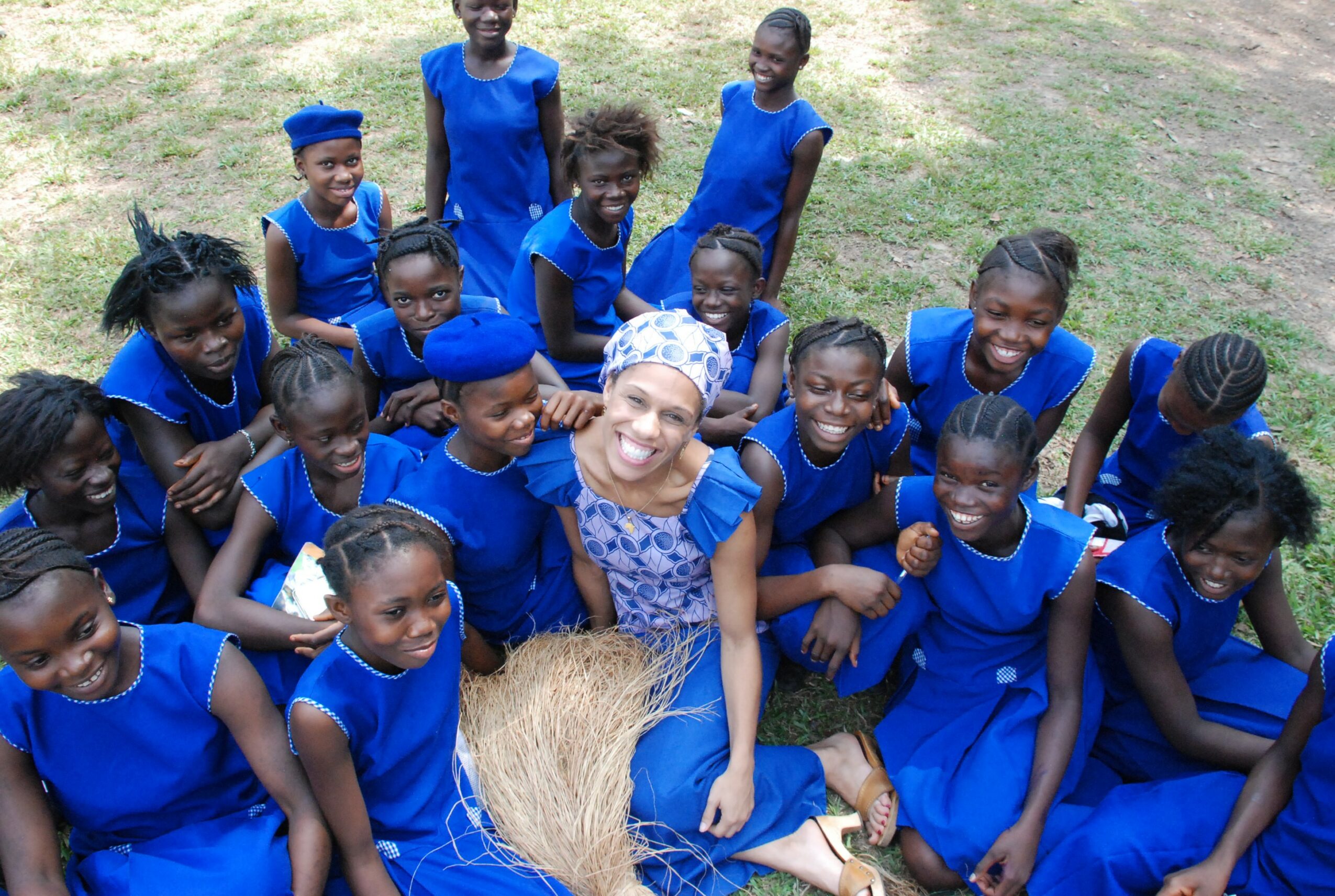
Image Credits
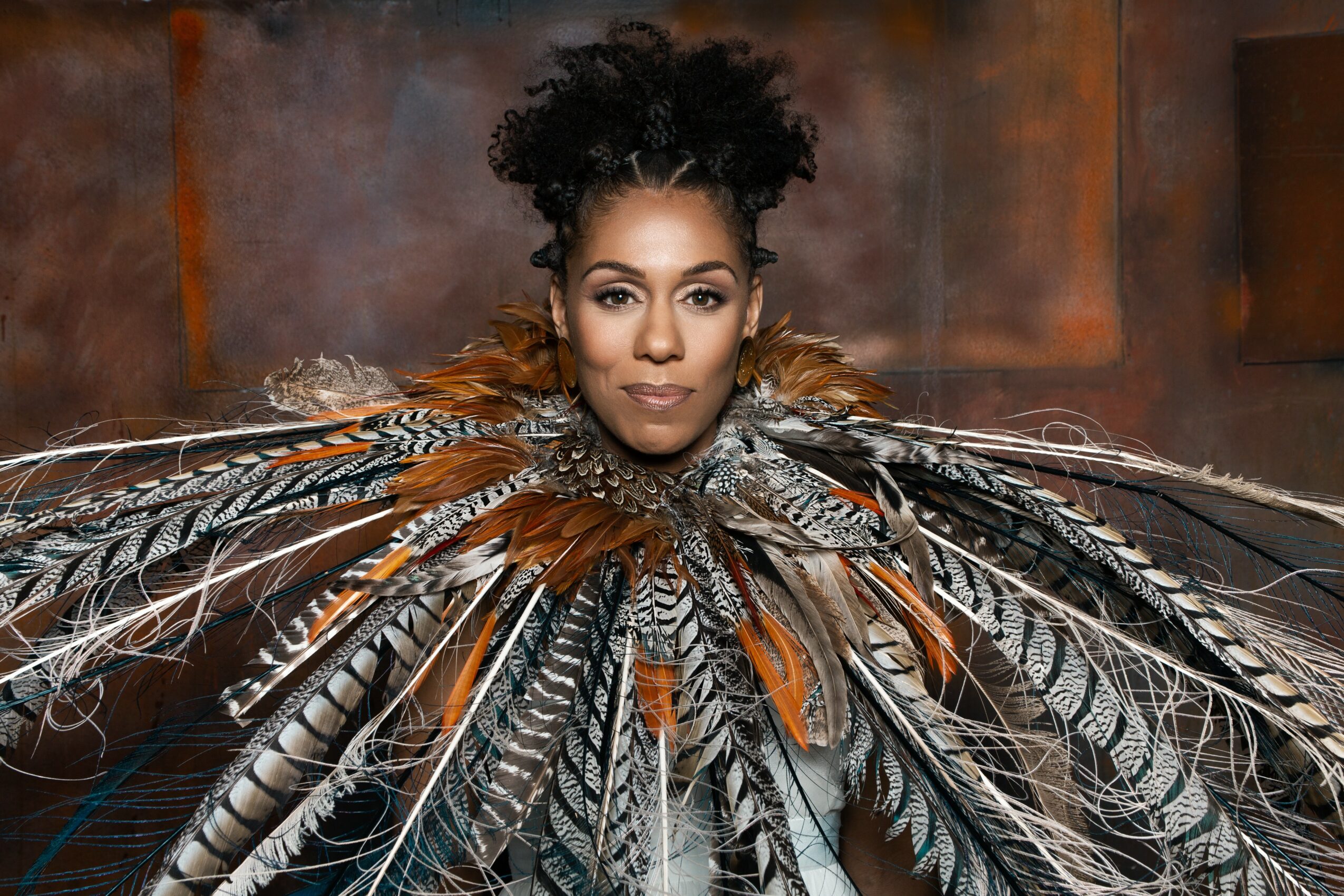
(Feather Collar photo) copyright Monika Sed
Popular
-

Portraits of the Valley
-

LA’s Most Inspiring Stories
-
Rick Norris Learned That Building a Successful Business Means Building a Life You Actually Want to Live
-
How Olivia Rush Turned Survival Into a Mission to Help Others Keep Going
-
How Bibi Goldstein Is Helping Entrepreneurs Reclaim Their Time by Embracing the Power of Delegation
-
Victoria Hasson is Redefining Voice Coaching Through Community and Collaboration


