



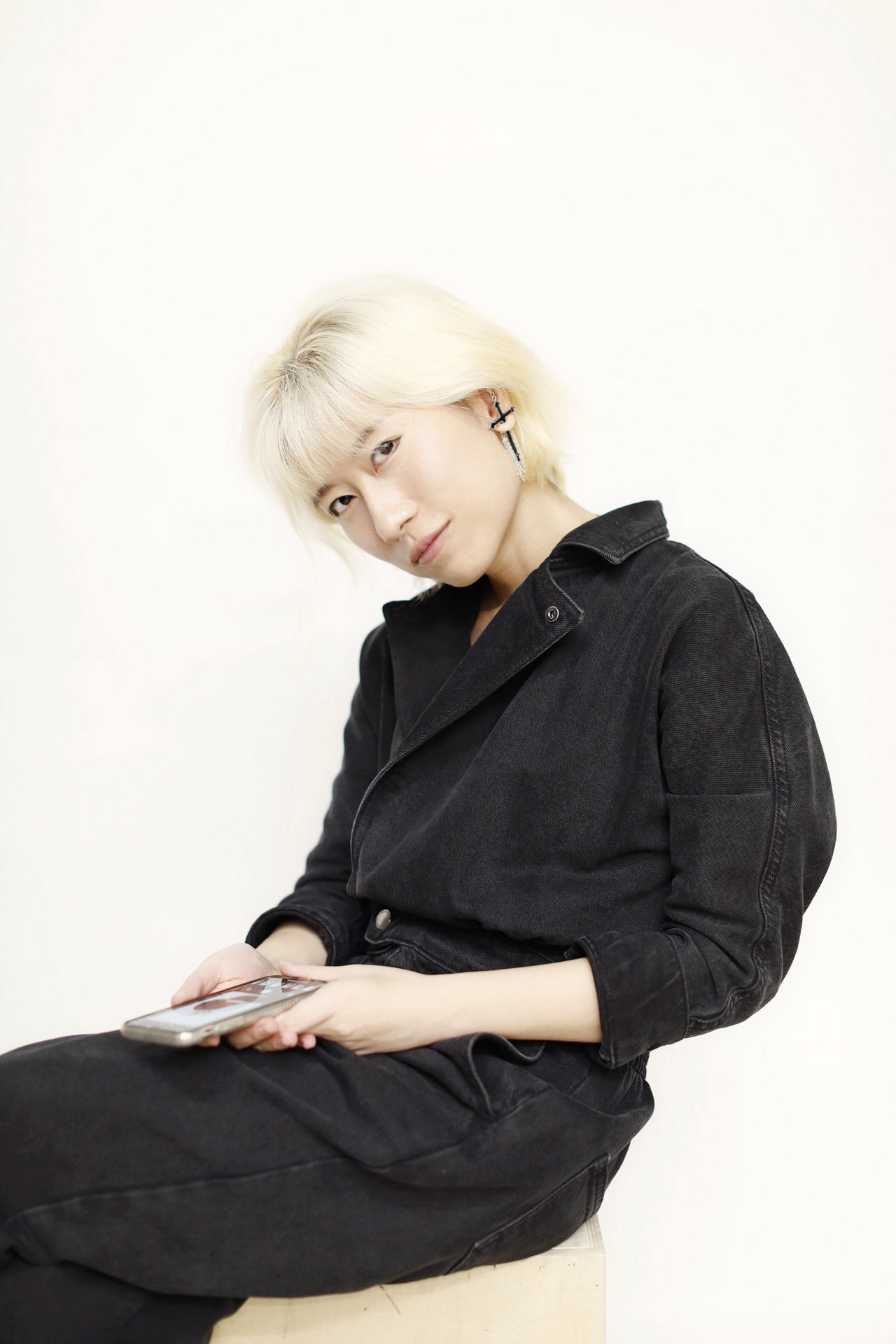
Today we’d like to introduce you to Yan Jin.
Hi Yan, so excited to have you with us today. What can you tell us about your story?
In 2018, I came to New York to study photography at SVA. Before that, I had taken photographs and built a small following on social media, but those images were really just records of my everyday life.
When I arrived at SVA, I remember the department organized a gathering for the new students to get to know one another. My previous career had nothing to do with photography, so I asked questions like, “I’m a bit worried that I might not be able to find what I want to do here.” Charles Traub, who is the department chair (he still is) and later became a friend of mine, told me I will be doing just fine. And, in the end, things really did turn out the way he said they would. I not only found my subject matter, my practices and my medium. I have always been deeply grateful for that experience.
We all face challenges, but looking back would you describe it as a relatively smooth road?
After graduation, I started working for Charles Traub and several other artists, which allowed me to gradually build up my experience. Building a career as a full-time artist is difficult, not only because it requires your complete dedication, but also because you have to be an artist, your own marketing person, and an administrator all at once.
Taking on all of these roles is necessary for an emerging artist, but shifting between these different identities can be challenging, because each role requires a very different set of skills. Besides, you have to find the time to make your own work while also working as an art director or assistant for other artists, all while trying to maintain a life outside of work. That balance can be particularly difficult to achieve.
Can you tell our readers more about what you do and what you think sets you apart from others?
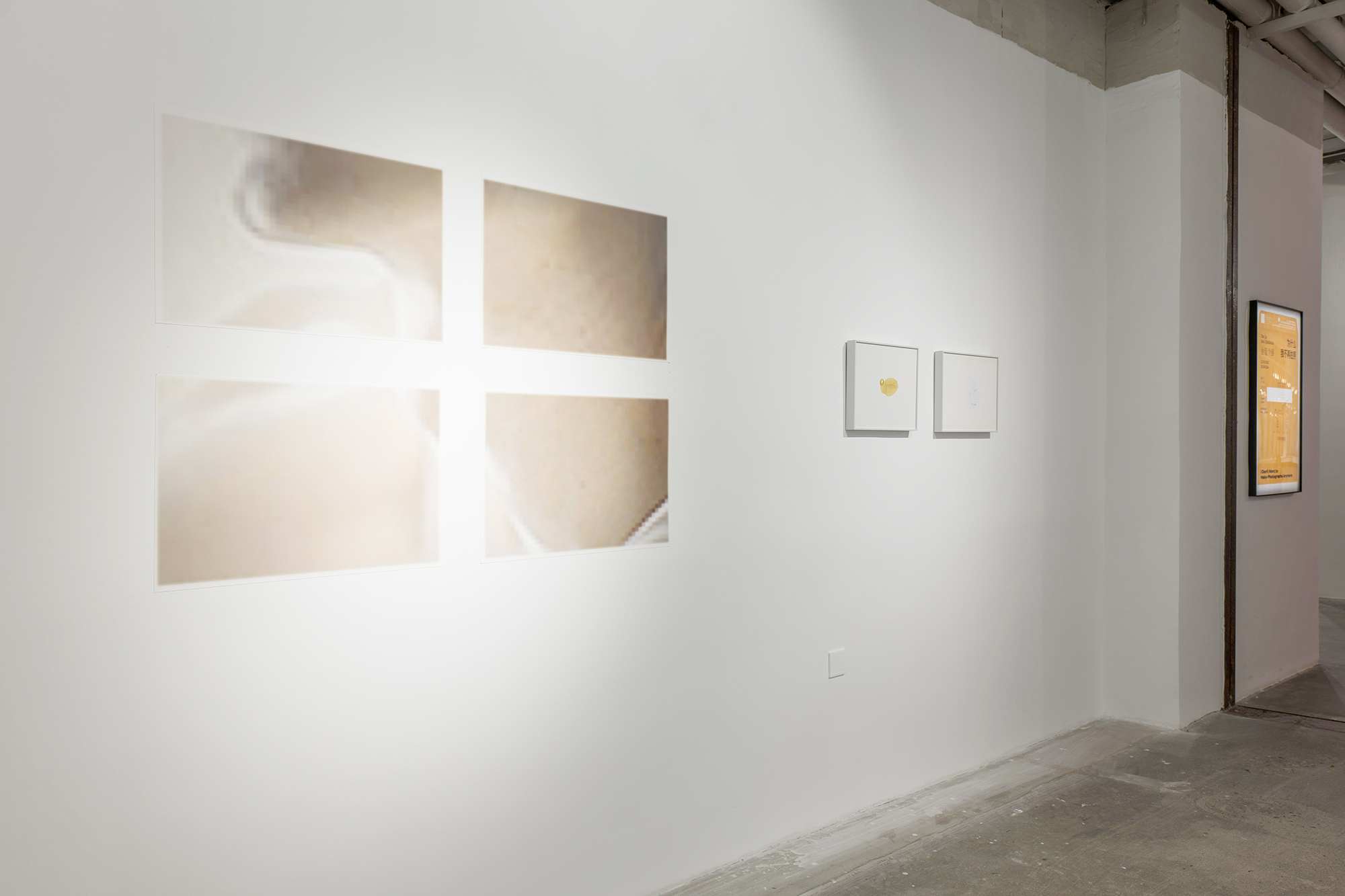
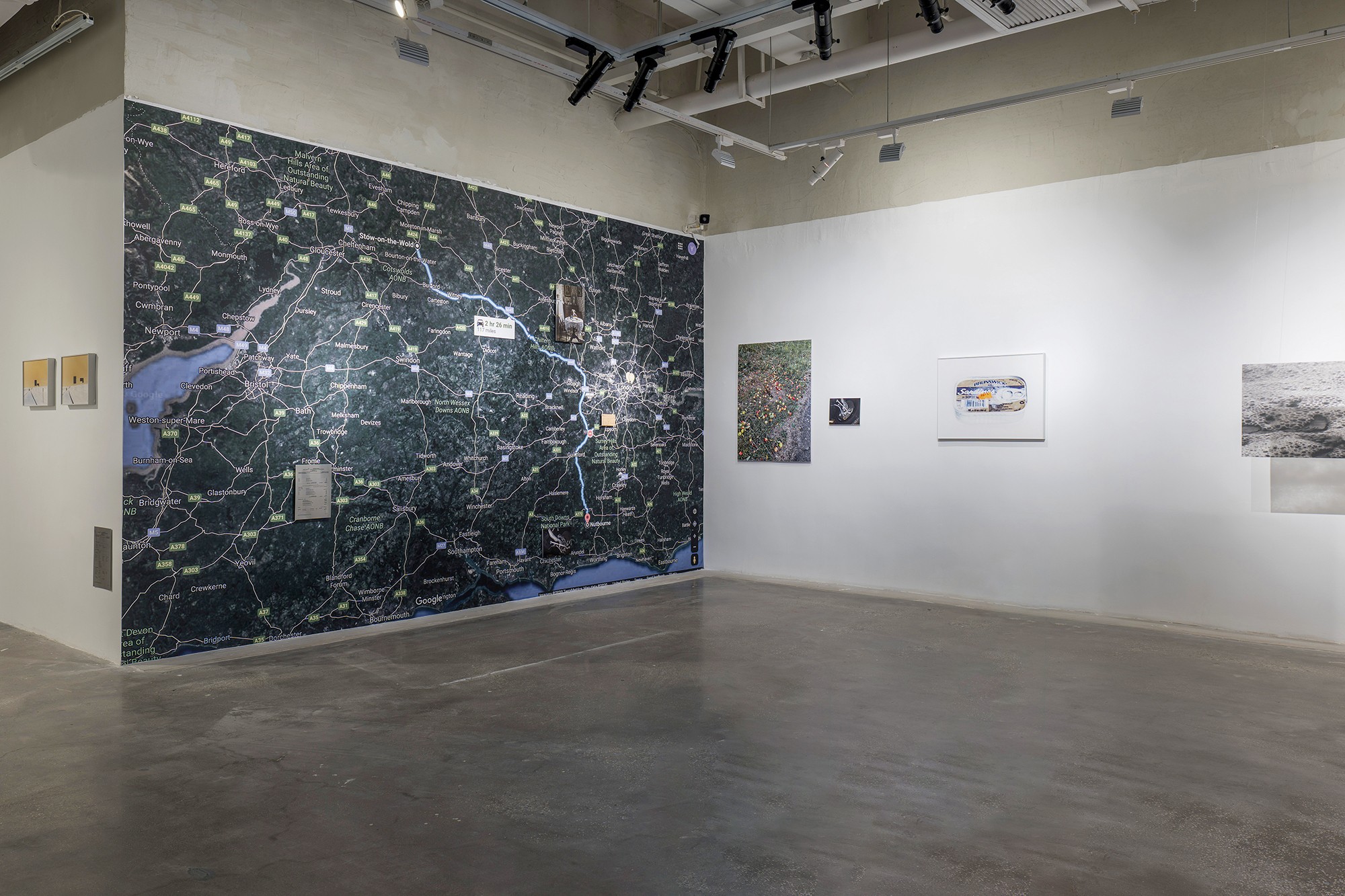
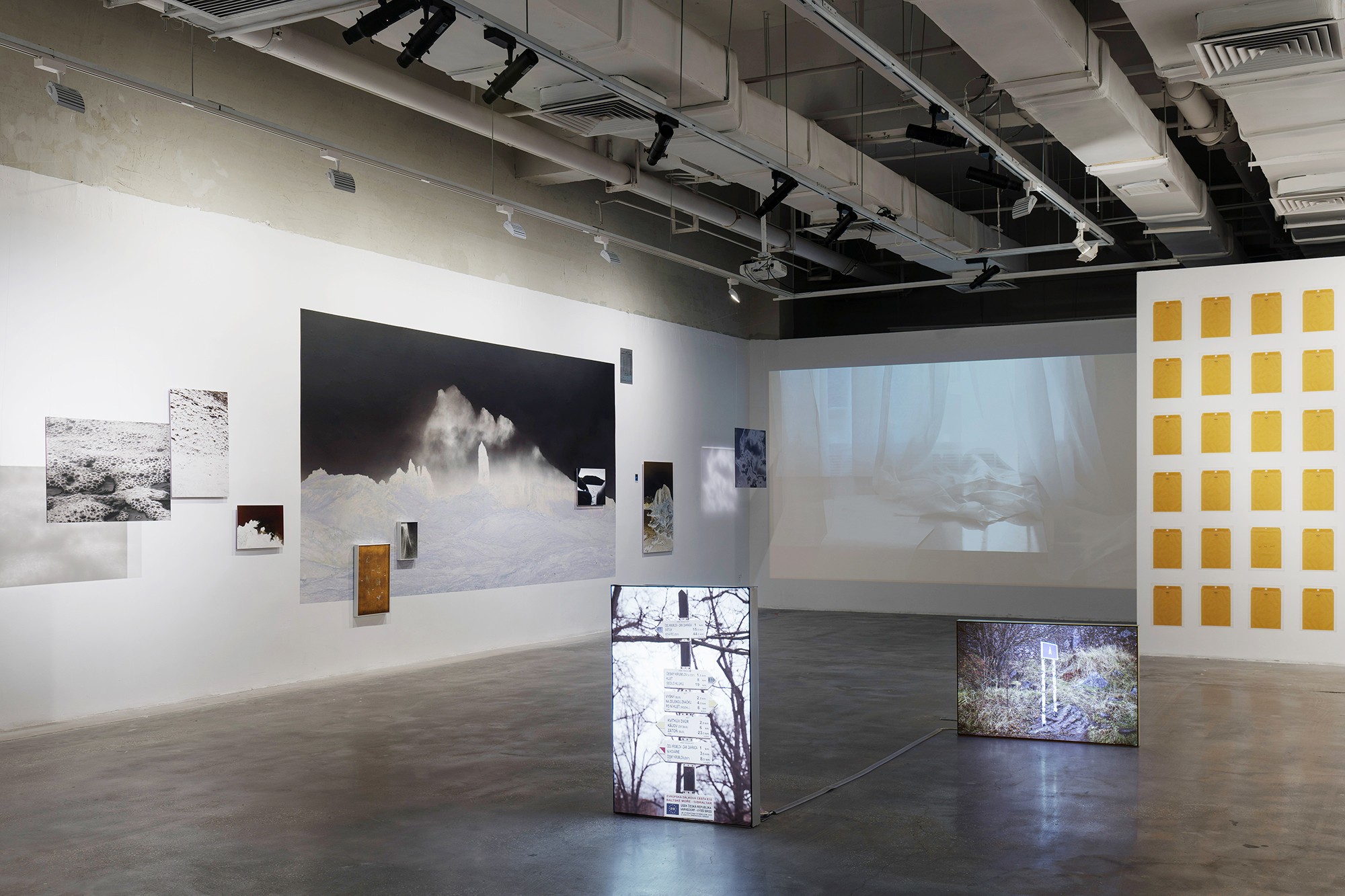
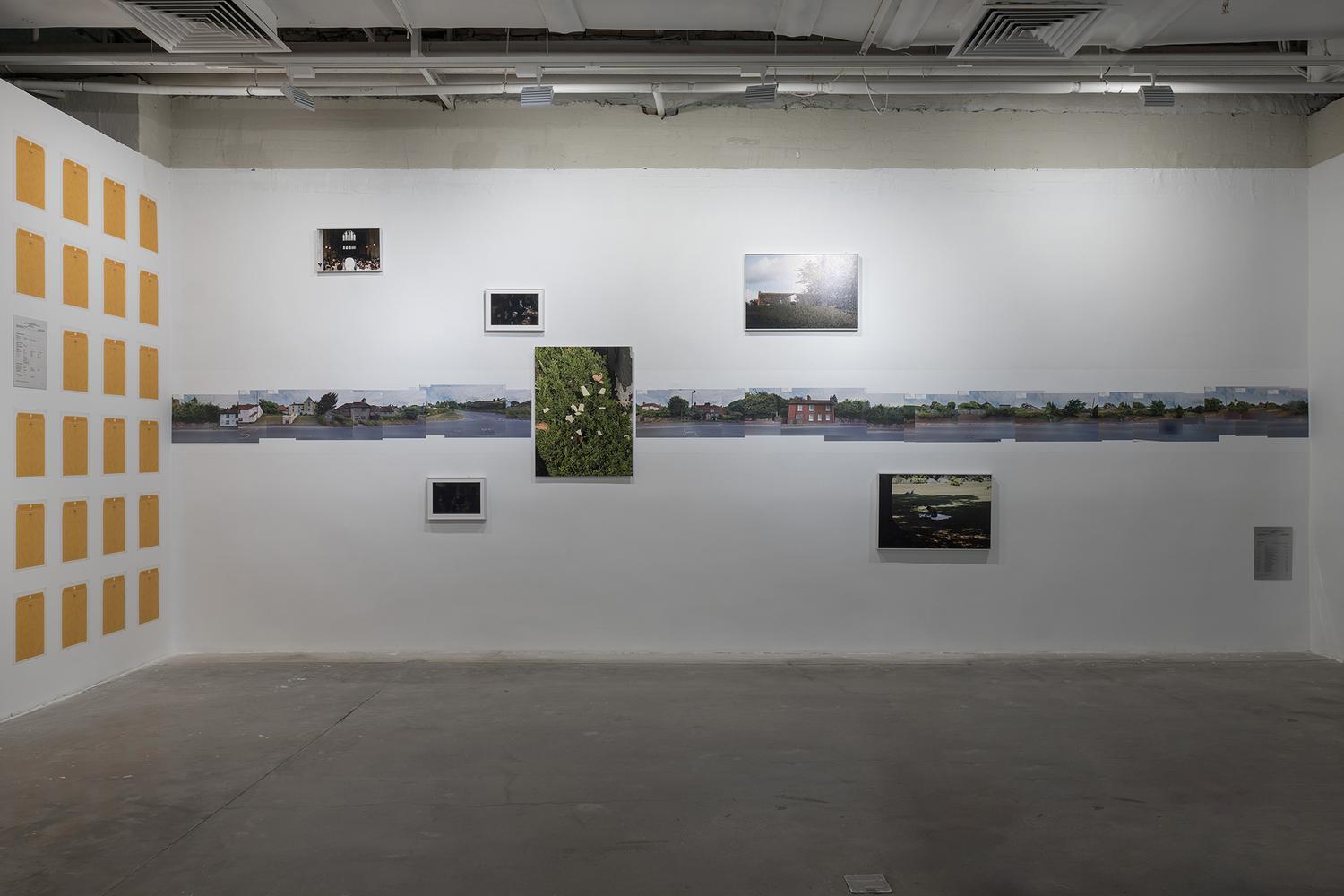
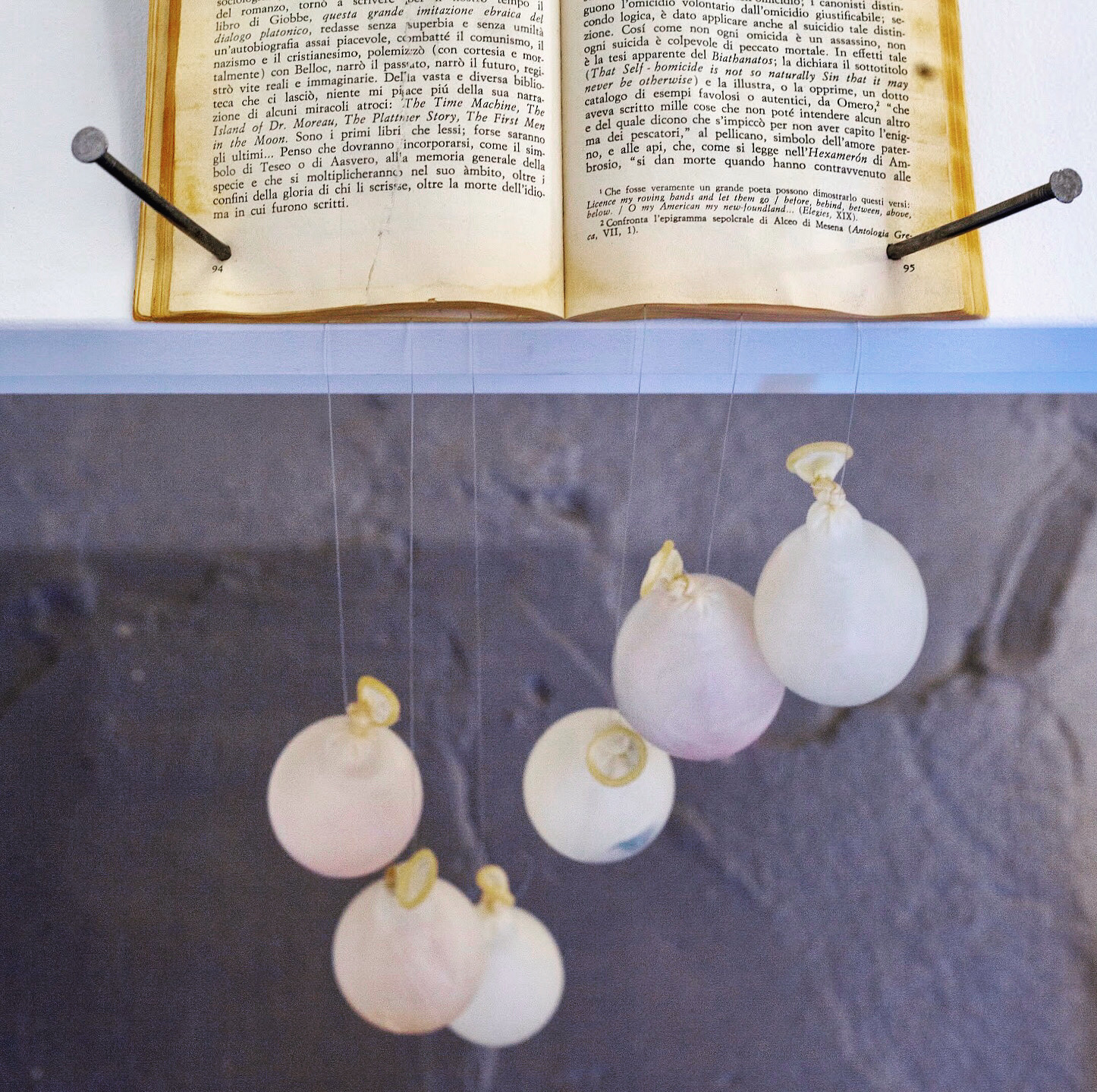
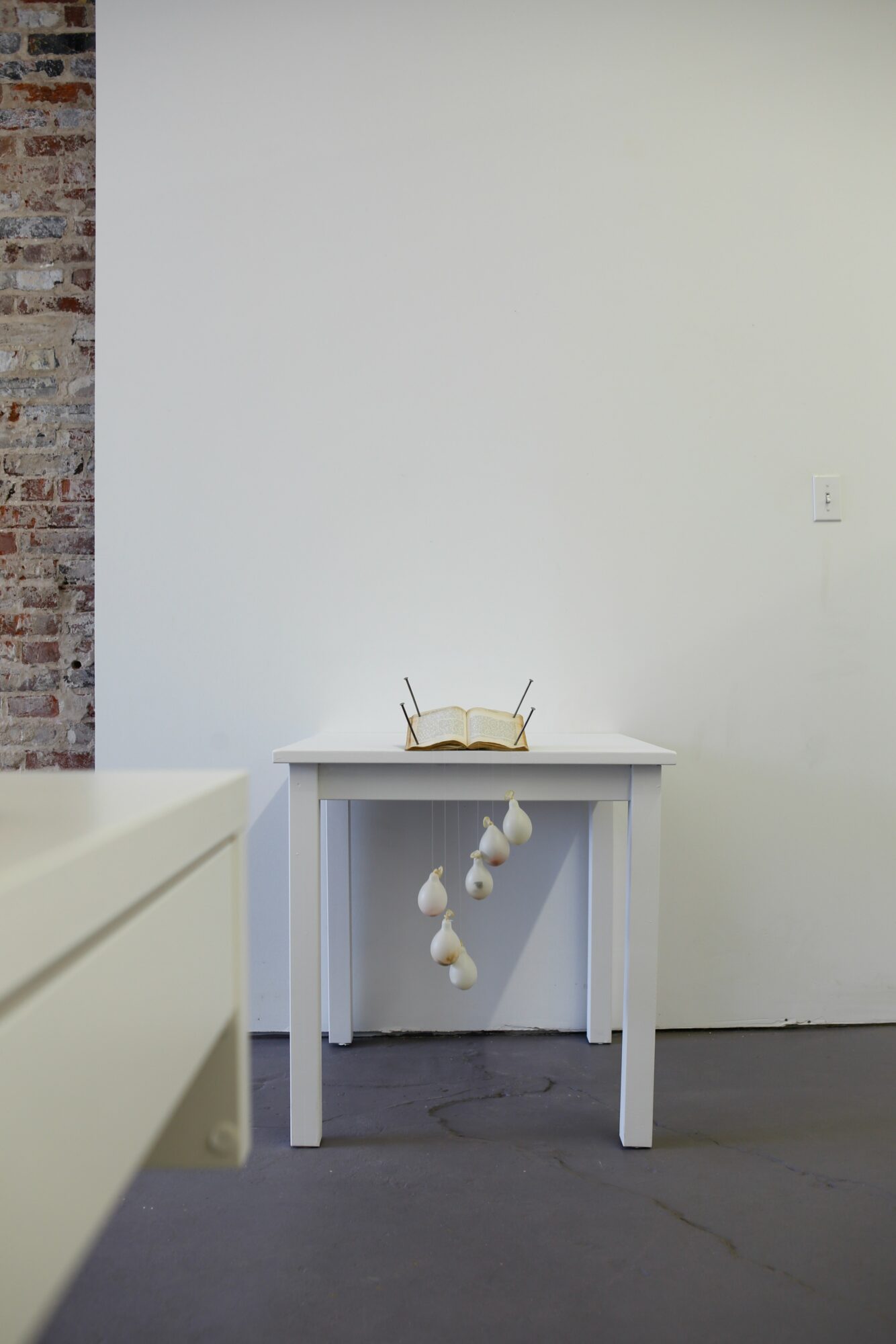
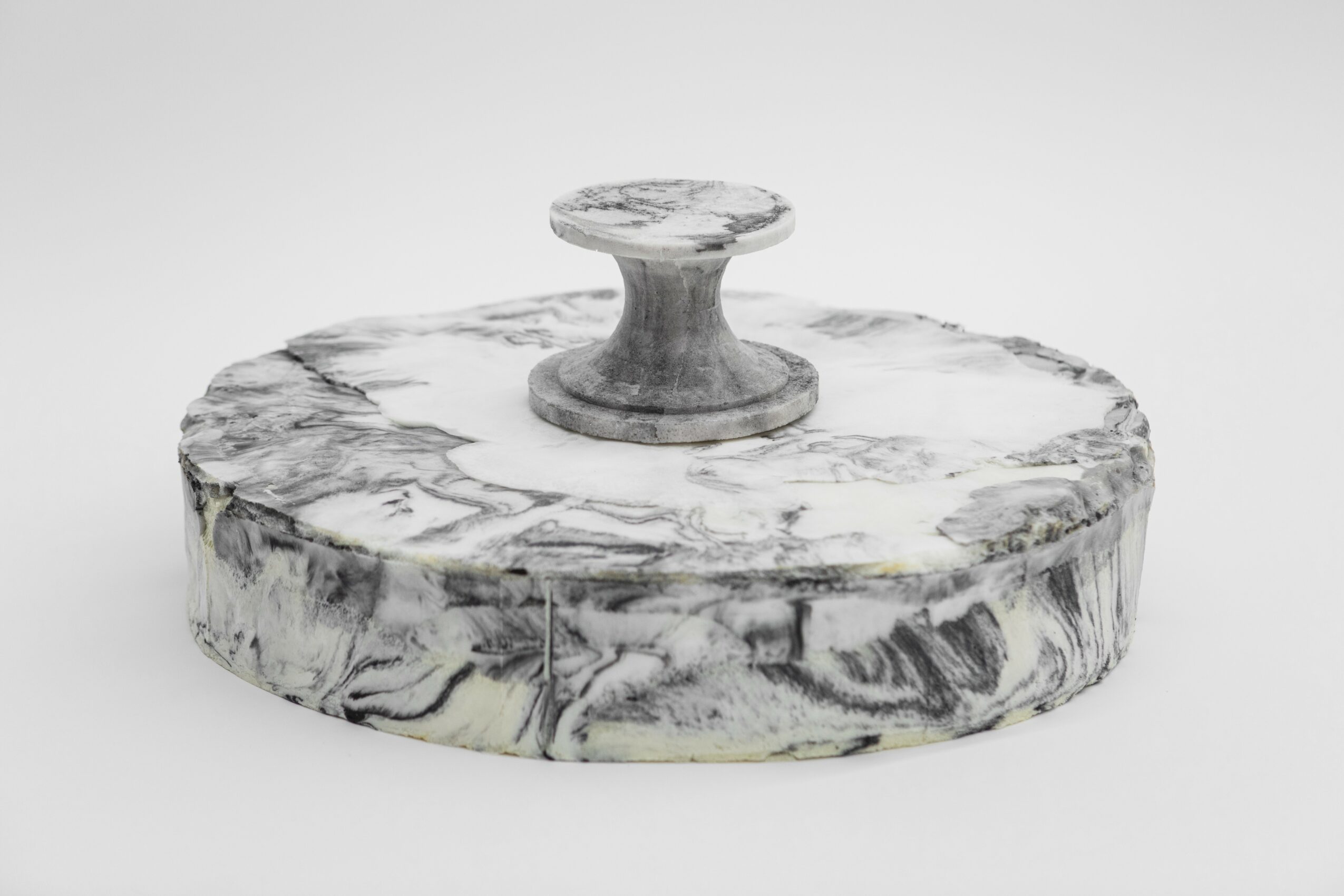
My practice spans photography, video, and multimedia installation, with language playing a central role in how I approach the world. My language background and my experience living in foreign countries had a huge impact on me, led me to my focus on language being a communication system, but also discusses how language, being part of our cognition derived from perception of the world, addresses ones relationship with this outer world.
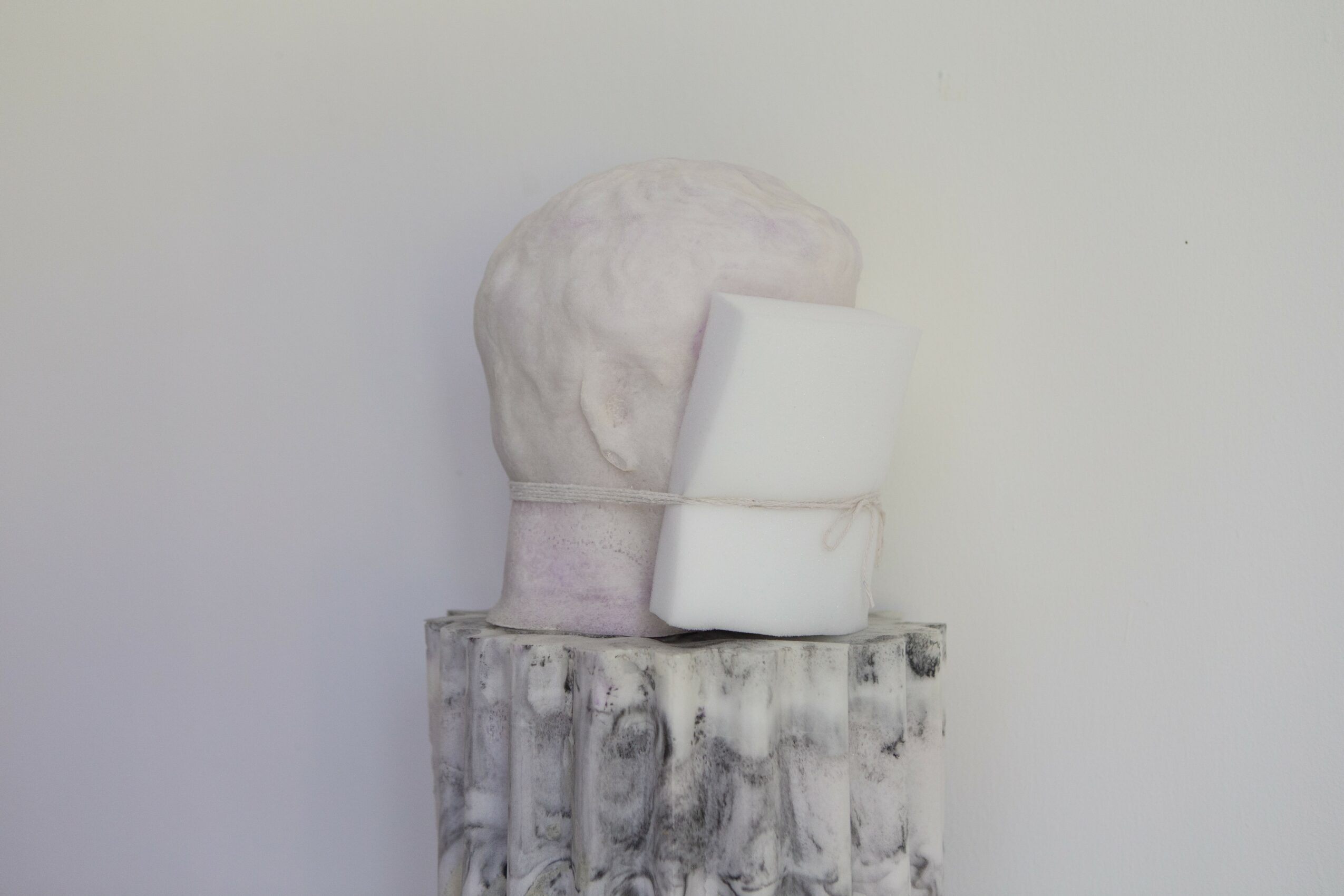
I often begin with ordinary photographs, found images, and everyday objects, using processes such as scanning, retouching, erasure, and recontextualization to disrupt their familiar identities. I am drawn to things that appear banal or insignificant precisely because they tend to escape our attention. By altering or placing them in unexpected contexts, I try to expose meanings that are obscured by their everyday familiarity. My work often operates between seemingly opposing states, such as presence and absence, visibility and disappearance, or function and meaning. Rather than offering definitive answers, I want these transformations to create a moment of uncertainty that encourages viewers to reconsider the assumptions they bring to the things they encounter.
So, before we go, how can our readers or others connect or collaborate with you? How can they support you?
I edited Charles Traub’s most recent photo book LOOKING GOOD, that was just published. I spent more than two years on the project, beginning by going through hundreds of thousands of his photographs and making a broad selection based on the ideas and direction we were developing together. Over the following several months, we refined the structure, discussed the themes and narrative, and eventually narrowed the selection down to fewer than one hundred images. Charles gave me a great deal of freedom throughout the process, from developing the overall concept and design to shaping the visual flow and deciding how individual photographs should be paired. We were both very happy with the final result.
Since the book focuses on street photography, I suggested including some of Charles’s own portraits as a way of creating a balance within the book. I felt that viewers would naturally be curious about the person behind the camera, and that seeing the photographer also become the subject could offer another way of thinking about how photographs are made. It allows the audience to consider how a photographer’s personality and presence might influence what they see, while also turning the photographer from an observer into someone being observed. He loved the idea and it was bang on!
I enjoy collaborating with artists who give me enough freedom to explore and develop ideas independently. For me, the most rewarding part is still the creative process itself, and I feel very fortunate to have worked with people who trust and support me enough to let me take the lead on projects like this.
Contact Info:
- Website: https://yanjin.art/
- Instagram: https://www.instagram.com/yanjin.art/
Popular
-

Portraits of the Valley
-
LA’s Most Inspiring Stories
-

Rick Norris Learned That Building a Successful Business Means Building a Life You Actually Want to Live
-
How Olivia Rush Turned Survival Into a Mission to Help Others Keep Going
-

How Bibi Goldstein Is Helping Entrepreneurs Reclaim Their Time by Embracing the Power of Delegation
-
Victoria Hasson is Redefining Voice Coaching Through Community and Collaboration


