



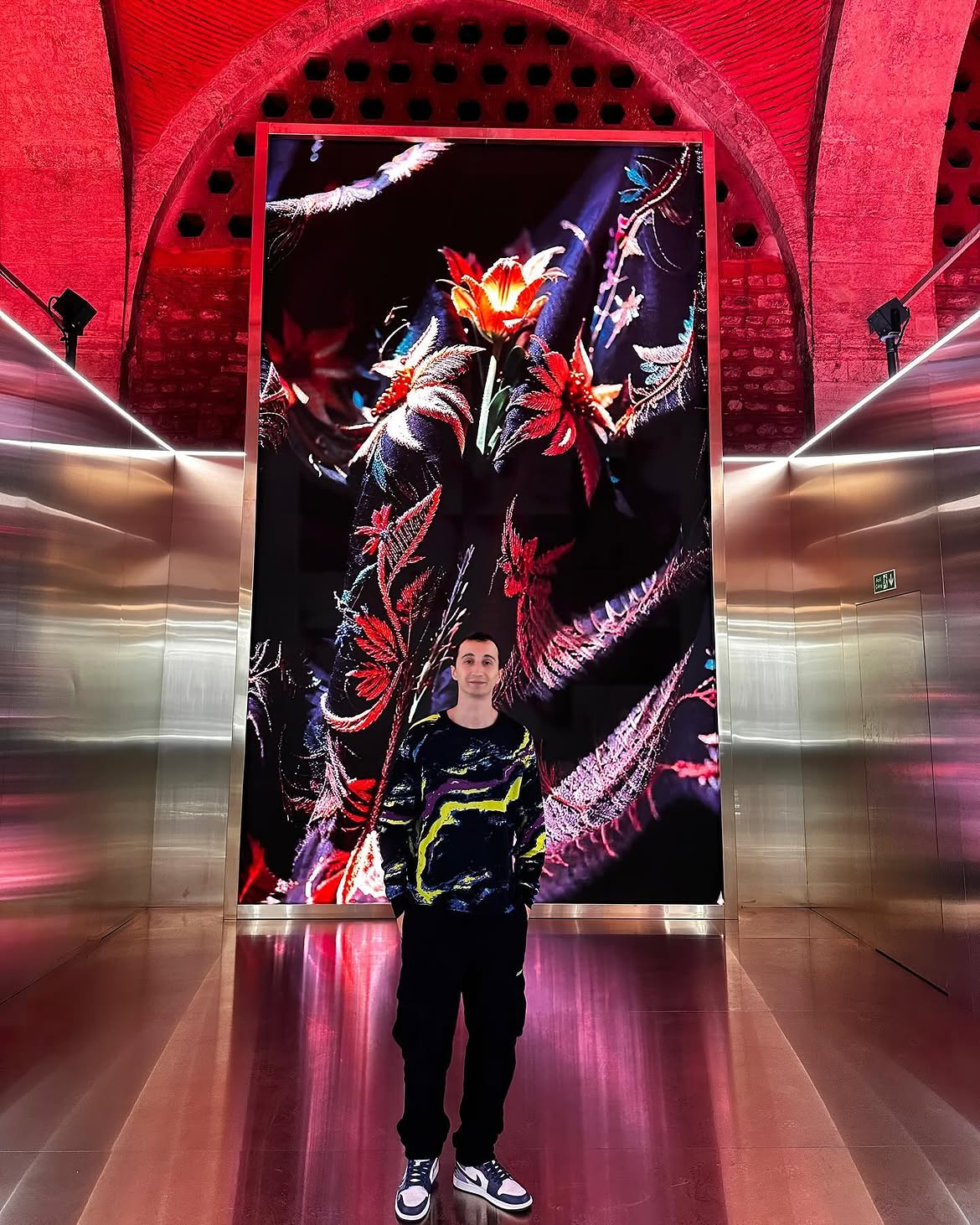
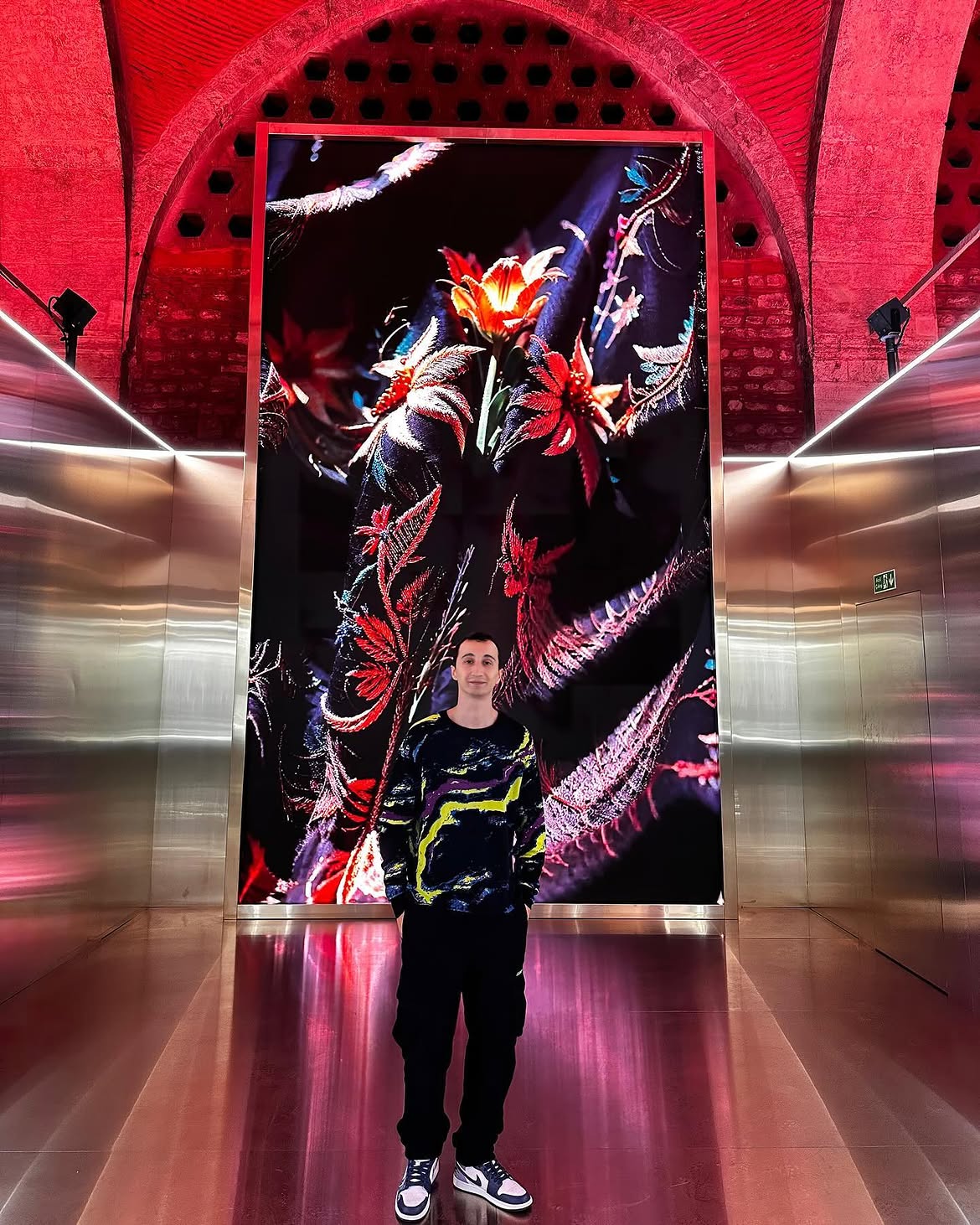
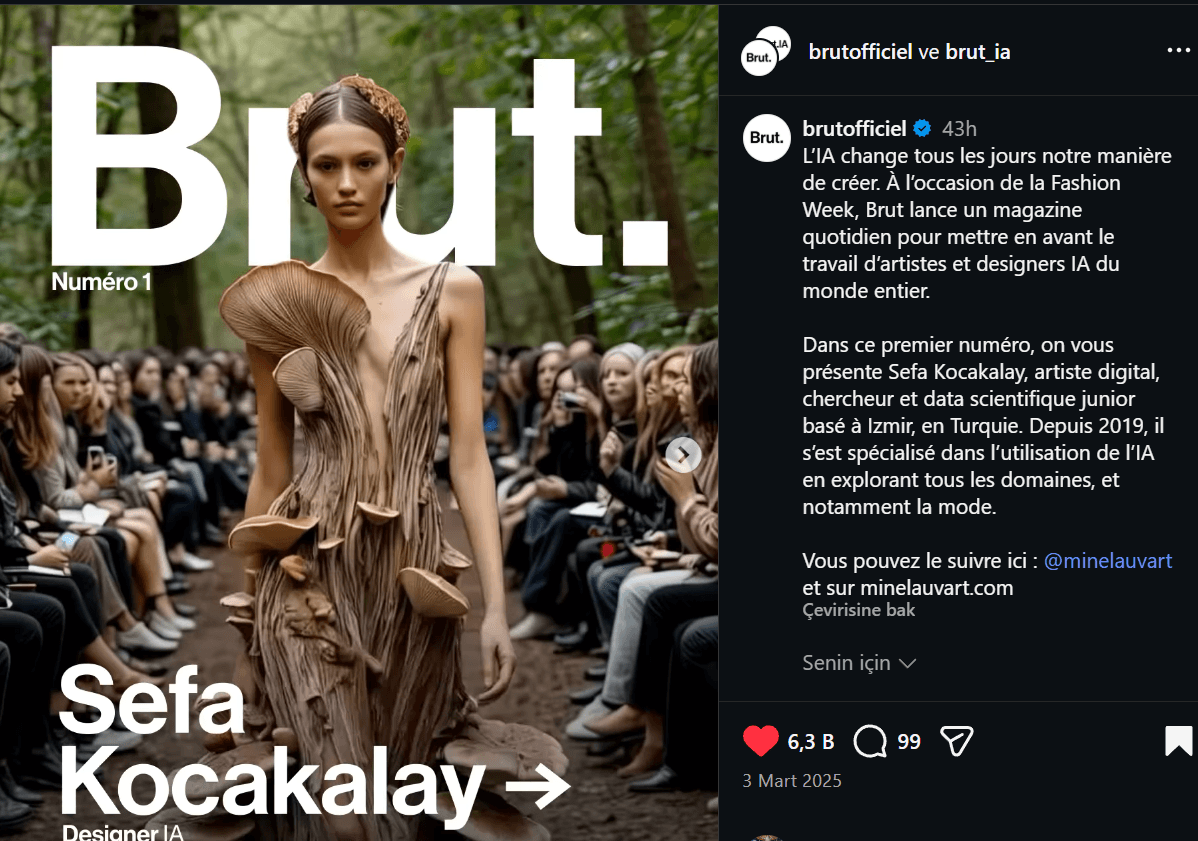
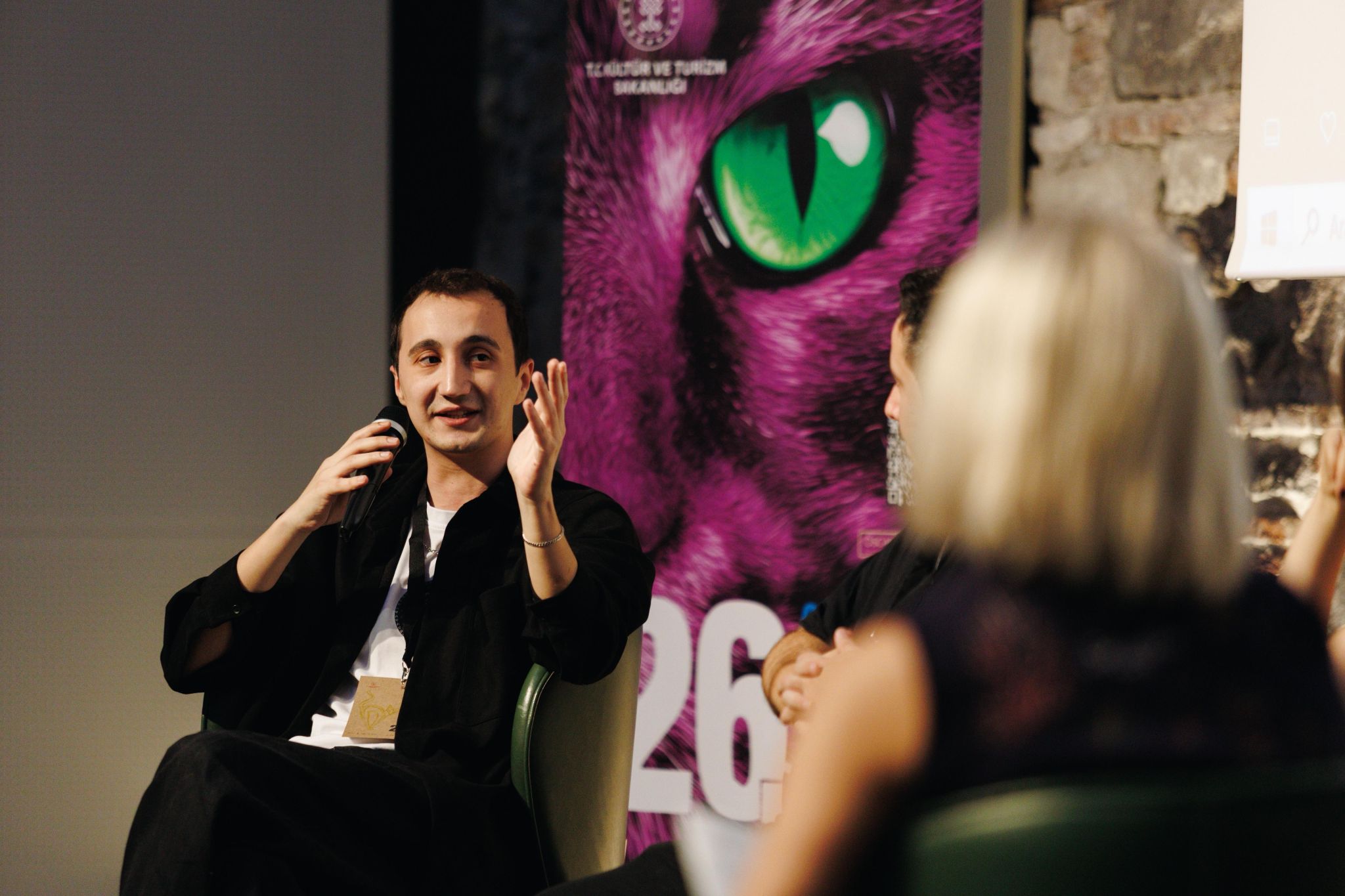
Today we’d like to introduce you to Sefa Kocakalay.
Hi Sefa, thanks for sharing your story with us. To start, maybe you can tell our readers some of your backstory.
I started from the technical side, with a background in data science, but I was always more interested in the creative possibilities of technology than the technical side on its own.
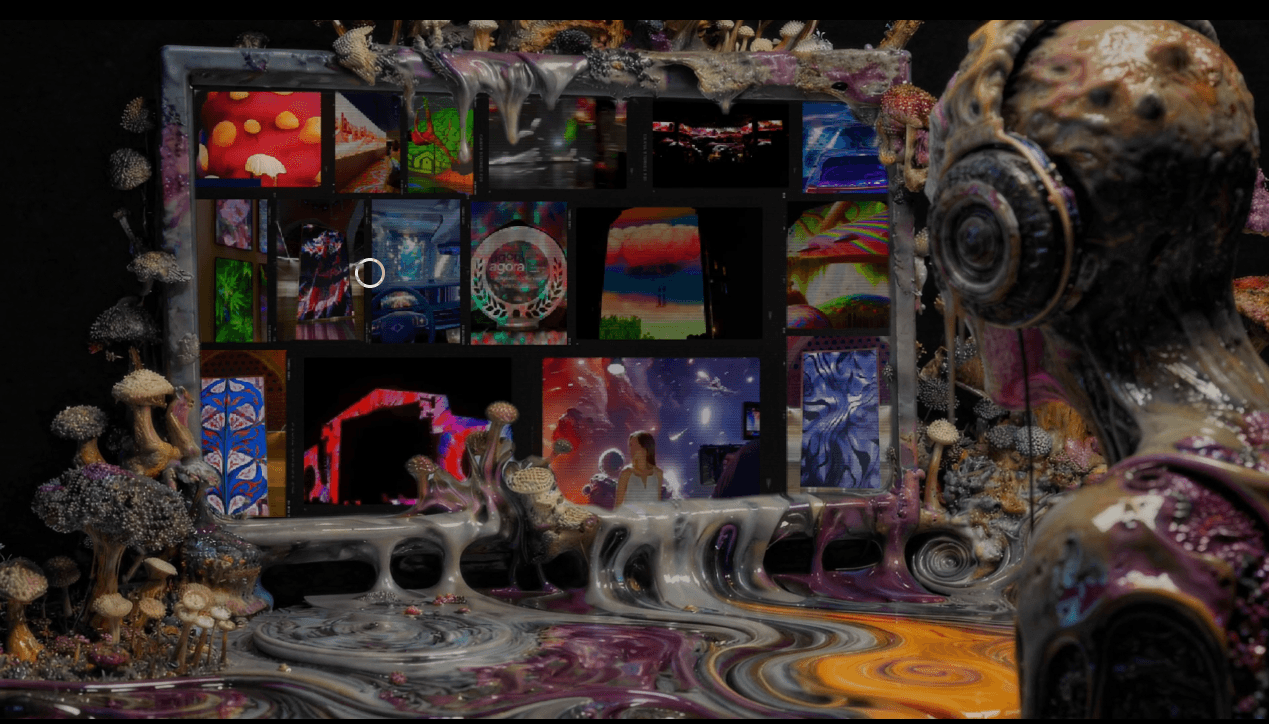
Around 2021 I started experimenting seriously with generative AI and digital art. At that time the tools were much more limited, so a lot of the process was trial and error. I was generating constantly, testing different systems, learning what each one could and couldn’t do, and slowly building my own visual language. I still have a huge archive from those early years because I kept almost everything. Looking back at it now is almost like seeing the technology grow up in real time.
NFTs were a big part of my early journey as well. They gave me a way to put my work in front of an international audience before generative AI became as mainstream as it is today. I sold work through the NFT space, connected with collectors and other artists around the world, and started treating what I was doing less like an experiment and more like an actual career.
From there things expanded quite naturally. I started working on commissioned pieces, music visuals, advertising projects, fashion-related work, films, exhibitions and different kinds of collaborations with brands and creative teams. Over the years I’ve worked on more than 300 projects, and the work has ranged from very commercial pieces to much more personal and experimental projects.
I work under the name Minelauvart, and one thing that has stayed consistent is that I don’t really like using AI just because it is AI. I’m much more interested in what kind of image, world or feeling I can build with it. The tool can change completely from one project to another. Sometimes I’m working with image generation, sometimes video, sometimes 3D, compositing, traditional post-production or custom workflows. I usually use several tools together rather than depending on one model.
A lot of my work has also been about building workflows around these tools rather than just generating single images. I use systems like ComfyUI and other node-based creative tools, train and test models, build character references and visual systems, and combine different generation models depending on what a project needs. That side of the work comes naturally to me because of my technical background, but the final goal is always visual.
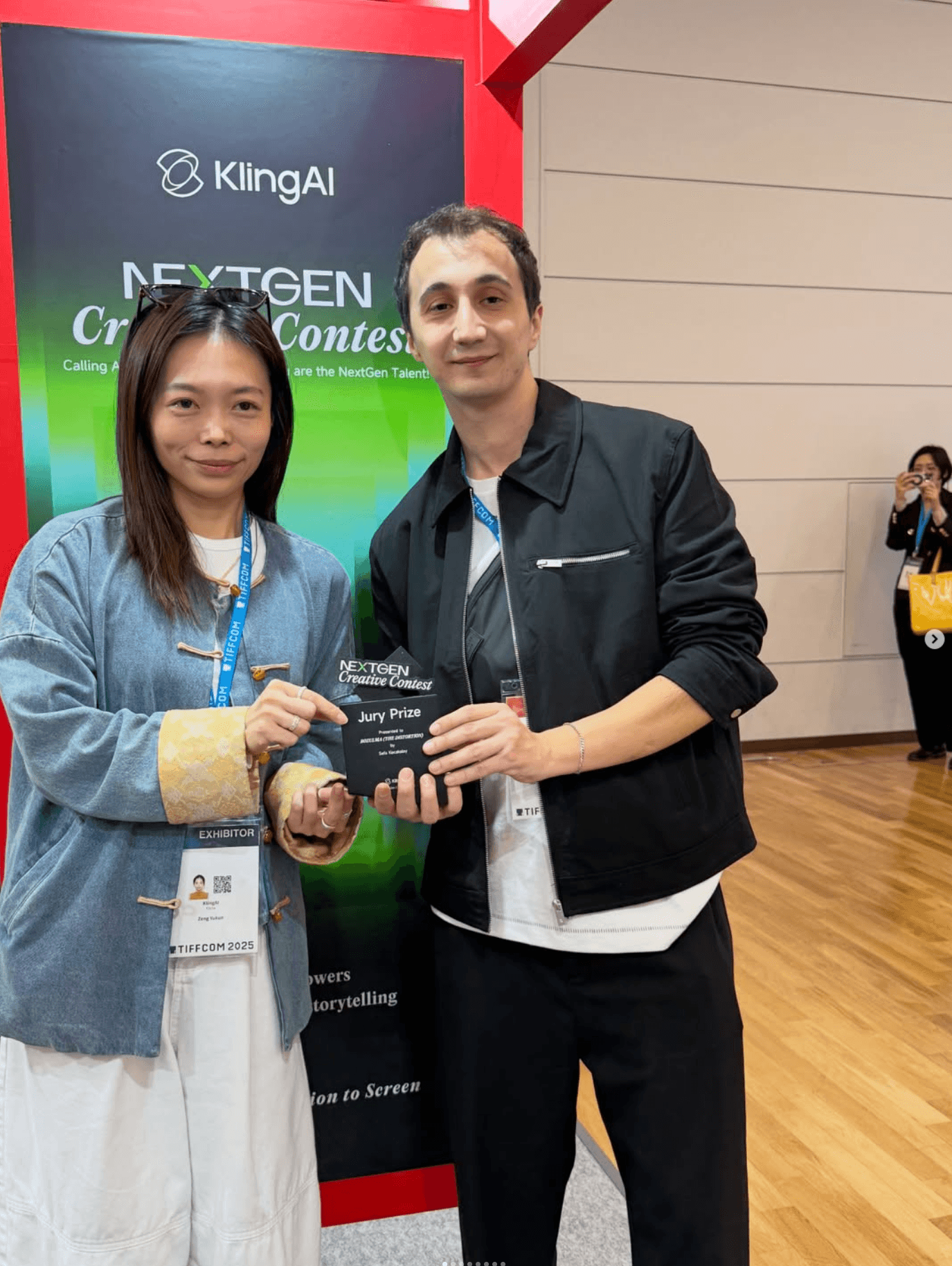
There have been a few milestones that meant a lot to me. In 2022 I received Agora’s Digital Art of the Year award. More recently, my film Bozulma / Distortion became a finalist in Kling AI’s NextGen competition, where it was selected from thousands of entries. The film has also been accepted for an AIGC screening at the Shanghai Inclusion Conference. Seeing work that started as experiments on my computer end up in exhibitions, screenings and international projects has probably been one of the most rewarding parts of the journey.
I’ve also worked with and around a lot of the platforms that are shaping the current AI creative space, and that has given me a very close view of how quickly everything is changing. The tools move so fast that the workflow I use today might be completely different six months from now. I actually enjoy that part. It keeps me from getting too comfortable.
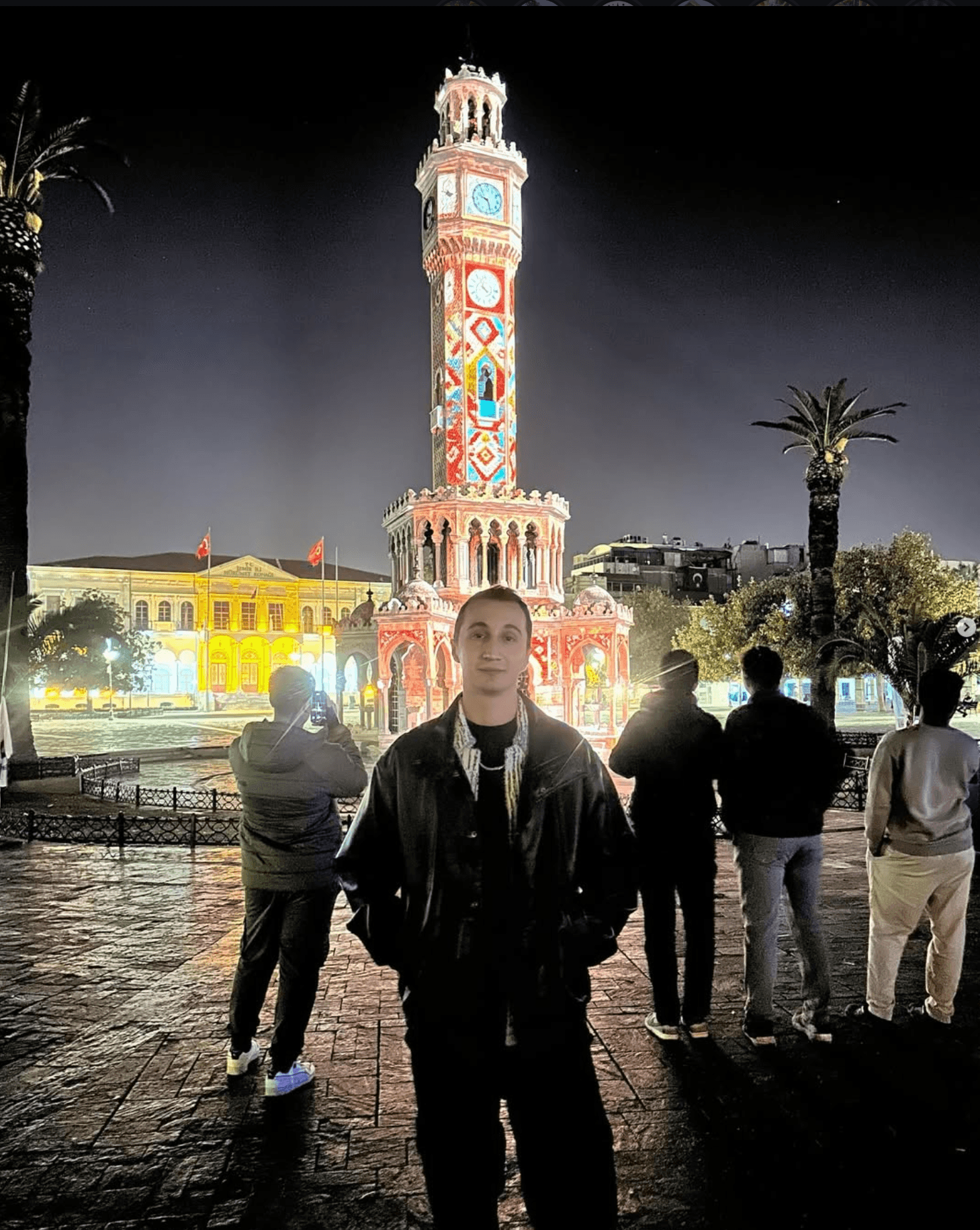
Today I’m based in İzmir, Türkiye, but most of my work is international. I’m continuing to build Minelauvart while working across AI filmmaking, visual direction, generative art, commercial creative work and experimental projects.
I don’t think I ever had one clear moment where I decided, “this is what I’m going to do.” It happened gradually. I just kept making things, learning new tools, taking on bigger projects and following the work wherever it went. I’m still doing basically the same thing now, just on a much larger scale.
Would you say it’s been a smooth road, and if not what are some of the biggest challenges you’ve faced along the way?
Definitely not a smooth road.
One of the biggest challenges has been how fast this field changes. In generative AI, a workflow can take months to build and then suddenly a new model comes out and changes everything. You have to keep learning constantly, and sometimes you have to accept that something you became very good at is no longer the best way to work. That can be frustrating, but it also keeps me moving.
In the early years, the tools themselves were much more difficult to control. Getting a consistent character, a specific composition, or even a very simple movement could take hundreds of attempts. A lot of the work people see now came after an enormous amount of failed generations, testing, fixing, compositing and starting again. I think that part gets hidden because people usually only see the final image or film.
There has also been the challenge of being taken seriously as an artist while working with AI. Especially when generative art started becoming more visible, there was a lot of debate around whether work made with AI could even be considered art. I understand where some of that criticism comes from, but I never saw the tool as a replacement for the artist. For me it has always been another medium. The difficult part is developing taste, direction, consistency and knowing when an image is actually finished rather than simply accepting whatever the model gives you.
Another challenge has been protecting my own visual identity. When millions of people have access to the same models, it becomes very easy for everything to start looking similar. I’ve spent a lot of time trying to avoid that. I’ll combine different models, build custom workflows, do post-production, train references, change techniques between projects and sometimes deliberately avoid whatever style is trending at the moment. I don’t want someone to look at my work and immediately think of the software that made it.
Working independently has its own difficulties too. You are not only making art. You are talking to clients, negotiating budgets, handling revisions, managing deadlines, learning new software, promoting your work and trying to build a business at the same time. Some periods are extremely busy and other periods are much quieter, so you have to learn how to deal with that uncertainty.
I’ve also had projects where I spent far more time than I expected because I couldn’t get the result I wanted. I can be pretty obsessive about details, and sometimes that is useful, but sometimes it means rebuilding a scene five times when the client probably would have been happy with version two. Learning where to stop has been a real skill in itself.
The other difficult part is that there isn’t really a clear career path for this kind of work yet. A few years ago, titles like AI artist, creative technologist or generative filmmaker were barely used. I had to figure out a lot of things on my own: how to price the work, how to present it, how to explain the process to clients, and even how to describe what I actually do.
But I think most of the good things that happened came out of those problems. Having to adapt so often made me comfortable with uncertainty. I don’t get too attached to one tool or one workflow anymore. I care more about the final idea and I’m willing to rebuild the process completely if that is what the project needs.
Thanks for sharing that. So, maybe next you can tell us a bit more about your work?
I work mainly across AI art, filmmaking, creative direction and generative visual production under the name Minelauvart.
My work can be quite different from project to project. Sometimes it is a single artwork, sometimes a commercial campaign, a music visual, a short film, an installation piece, or a much larger visual system with multiple scenes and formats. I’ve worked on more than 300 projects over the years, so I’ve ended up touching a lot of different parts of the creative process.
I started with still images, but over time I moved much deeper into video and filmmaking. That shift was important for me because video forces you to think about much more than whether one frame looks good. You have to think about continuity, movement, pacing, camera language, character consistency, transitions, sound and how everything works together over time. That is probably the area I’m most interested in now.
I’m also very technical with the way I work. I don’t usually rely on one platform and type a prompt until something good appears. I use different image and video models for different parts of a project, build workflows in tools like ComfyUI, work with node-based systems, train or prepare references when needed, use character sheets, compositing and traditional post-production, and sometimes build custom AI-assisted workflows around a specific production.
That combination of art and technical problem solving is probably the biggest thing that separates my work. My background in data science definitely influenced the way I approach creative projects. I like understanding why something works, testing different approaches and building a repeatable process rather than hoping for one lucky generation.
At the same time, I’m very careful not to let the technology become the identity of the work. I don’t want the main reaction to be “this was made with AI.” I’d rather someone remember the image, the atmosphere or the story. AI is a huge part of my process, obviously, but I still see it as part of a much larger toolbox.
A lot of people probably first found my work through digital art and NFTs. That period was very important for me. I sold a significant amount of work in the NFT space, built relationships with international collectors and artists, and it gave me confidence that I could actually build a career around the kind of work I was making.
One thing I’m proud of is that I never stopped experimenting after that. It would have been easy to stay with one recognizable style, but I’ve always preferred changing and learning. My archive goes back years and contains terabytes of work, so I can literally see the progression from very early generative experiments to the much more complex film and production work I do now.
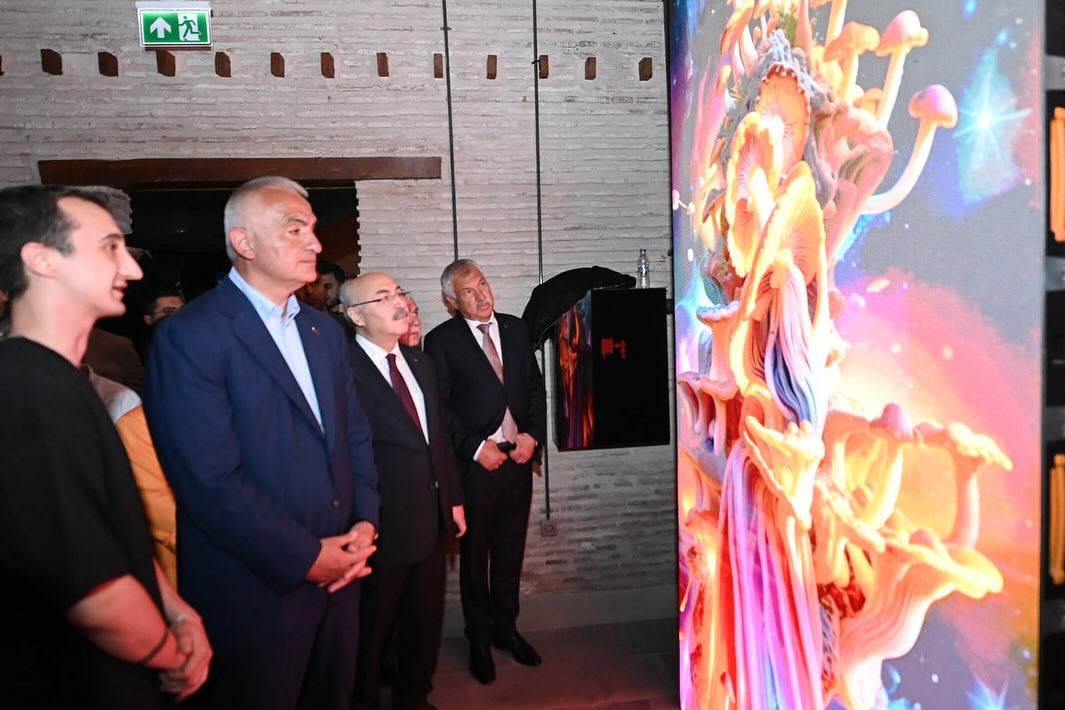
There have also been some milestones that I’m proud of. I received Agora’s Digital Art of the Year award in 2022. More recently, my film Bozulma / Distortion became a finalist in Kling AI’s NextGen competition, selected from thousands of submissions, and it was also accepted for an AIGC screening at the Shanghai Inclusion Conference. I’ve had work shown in exhibitions as well, which is always special because digital work feels completely different when you see it occupying a physical space instead of a screen on your desk.
But I think what I’m most proud of is probably the body of work itself and the fact that I’ve managed to keep evolving with the medium. This field changes incredibly quickly. Every year there are new models, new techniques and completely different possibilities. I’ve never wanted to be tied to one tool or one trend.
The way I see my work now is somewhere between artist, filmmaker, creative technologist and director. Sometimes I’m creating the work myself from beginning to end, and sometimes I’m designing the whole system that allows a larger project to come together.
What I want to keep doing is making work where the technology disappears a little and the experience becomes the thing people remember.
What was your favorite childhood memory?
Honestly, probably summer holidays as a kid. Being outside all day, swimming, playing games, coming home exhausted and doing the same thing again the next day. I also have really good memories of the trips and holidays I took with my family. Nothing too dramatic, just those simple days where everything felt easy and you weren’t thinking about much beyond what you were doing that day.
Contact Info:
- Website: http://minelauvart.com/
- Instagram: https://www.instagram.com/minelauvart/
- Facebook: https://www.facebook.com/Minelauvart
- LinkedIn: https://www.linkedin.com/in/sefakocakalay/
- Twitter: https://x.com/ArtMinelauva
- Youtube: https://www.youtube.com/@minelauvart
Popular
-

Portraits of the Valley
-

LA’s Most Inspiring Stories
-

Rick Norris Learned That Building a Successful Business Means Building a Life You Actually Want to Live
-
How Olivia Rush Turned Survival Into a Mission to Help Others Keep Going
-

How Bibi Goldstein Is Helping Entrepreneurs Reclaim Their Time by Embracing the Power of Delegation
-

Victoria Hasson is Redefining Voice Coaching Through Community and Collaboration


