




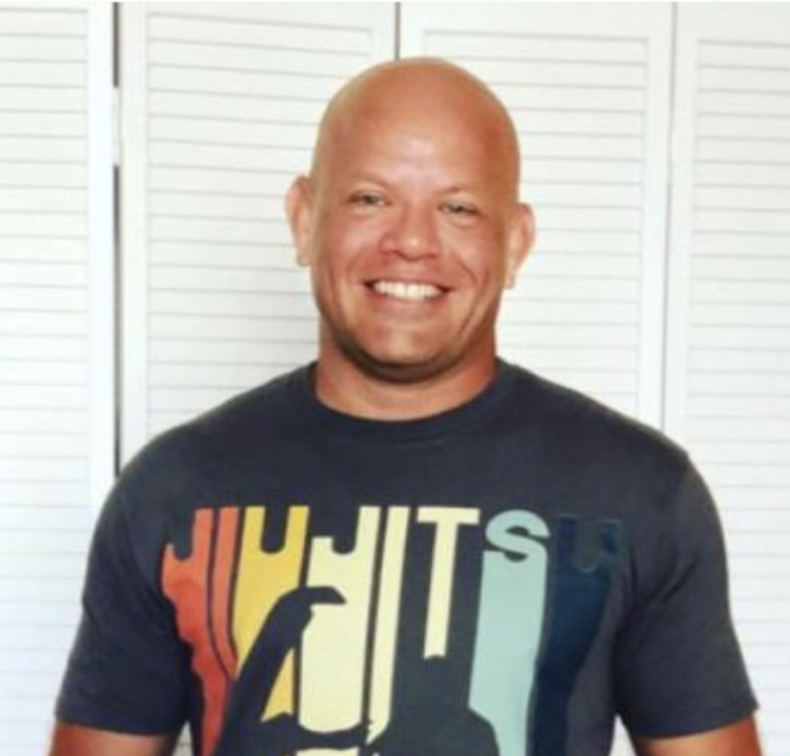
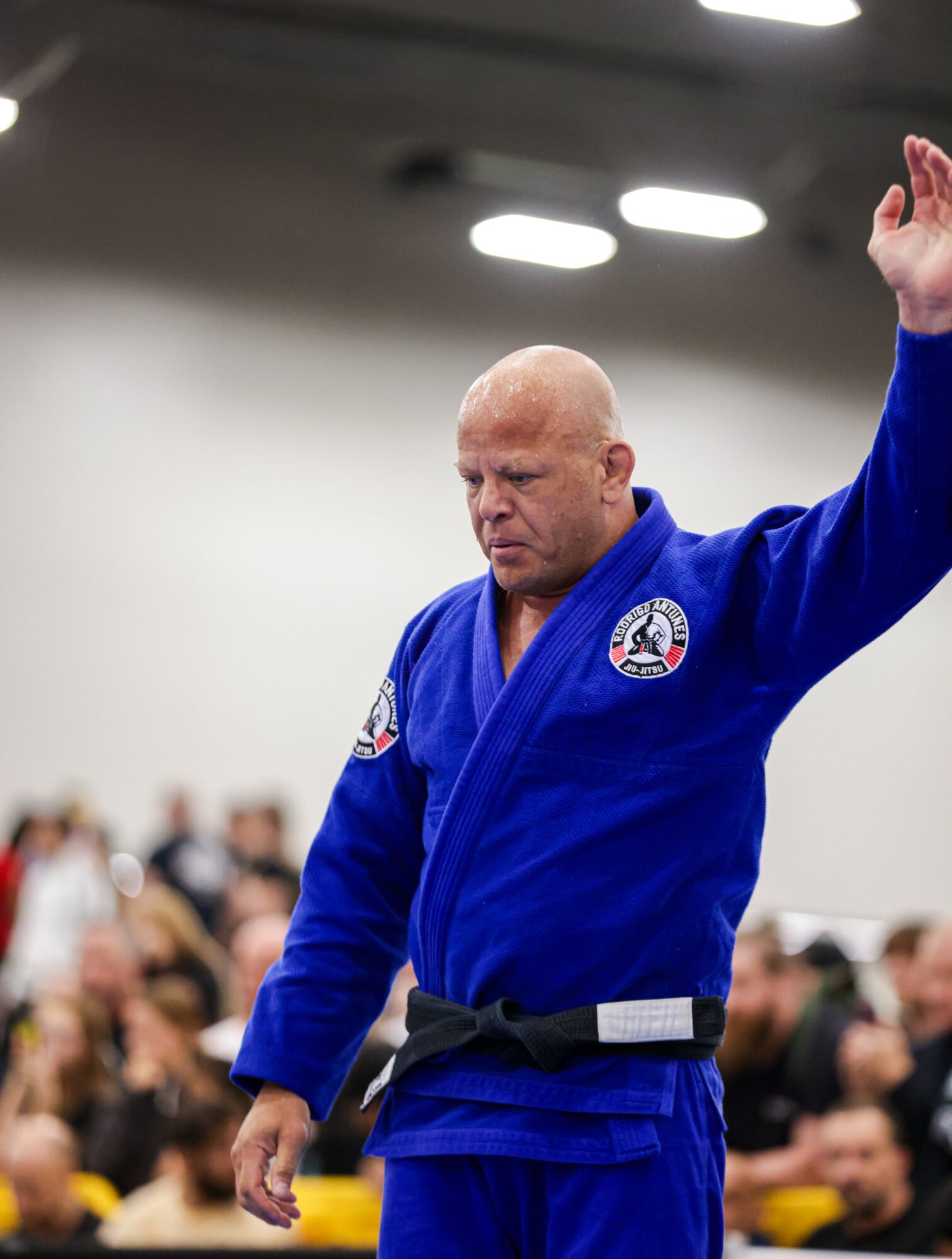
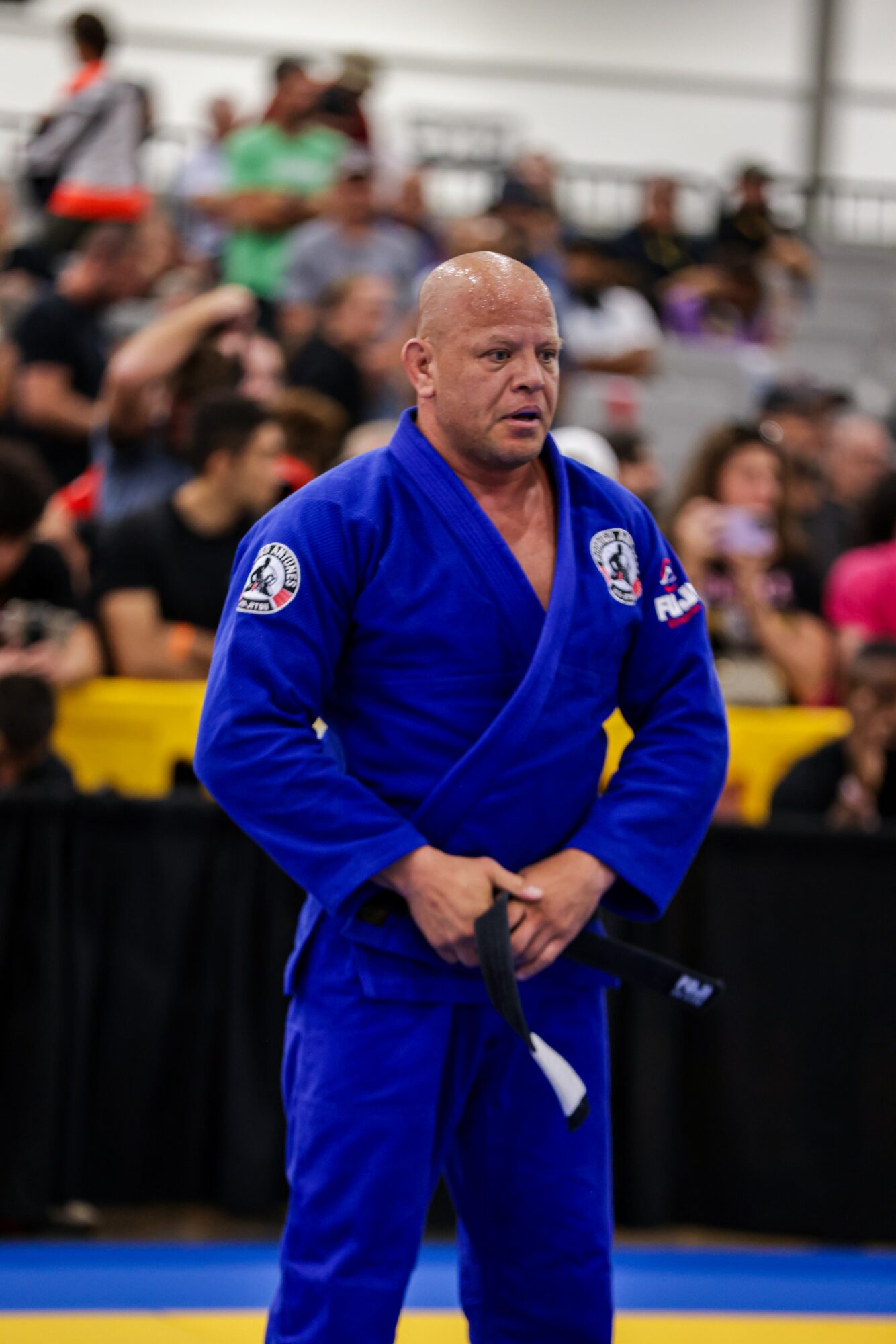
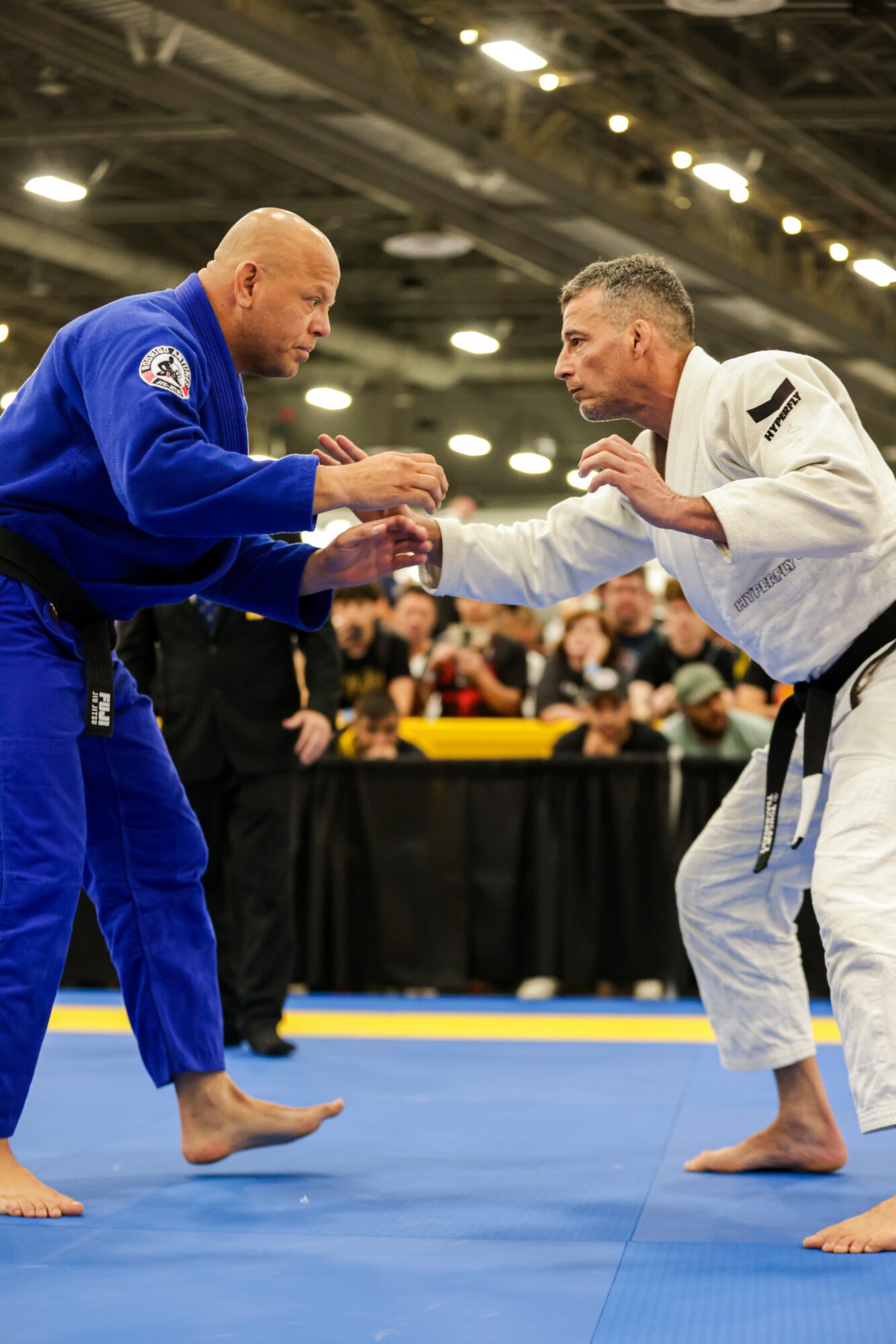
Today we’d like to introduce you to Rodrigo Antunes.
Hi rodrigo, can you start by introducing yourself? We’d love to learn more about how you got to where you are today?
Los Angeles will always have a very special place in my story because it was the first place I called home when I moved to the United States about 15 years ago.
For years, I had dreamed about the California lifestyle — the ocean, the sunshine, the energy, and, of course, Jiu-Jitsu. When I finally arrived, it felt like I was stepping into the life I had imagined.
My first academy in California was in Thousand Oaks, and later I had the opportunity to take over the leadership of Hollywood BJJ. That period was incredibly important for me, both personally and professionally.
Southern California was also one of the greatest environments in the world for martial arts. I was fortunate to train and exchange knowledge with legends such as Gokor Chivichyan, Gene LeBell, Jean Jacques Machado, Ricardo “Franjinha” Miller, members of the Gracie family, and many other incredible athletes and coaches.
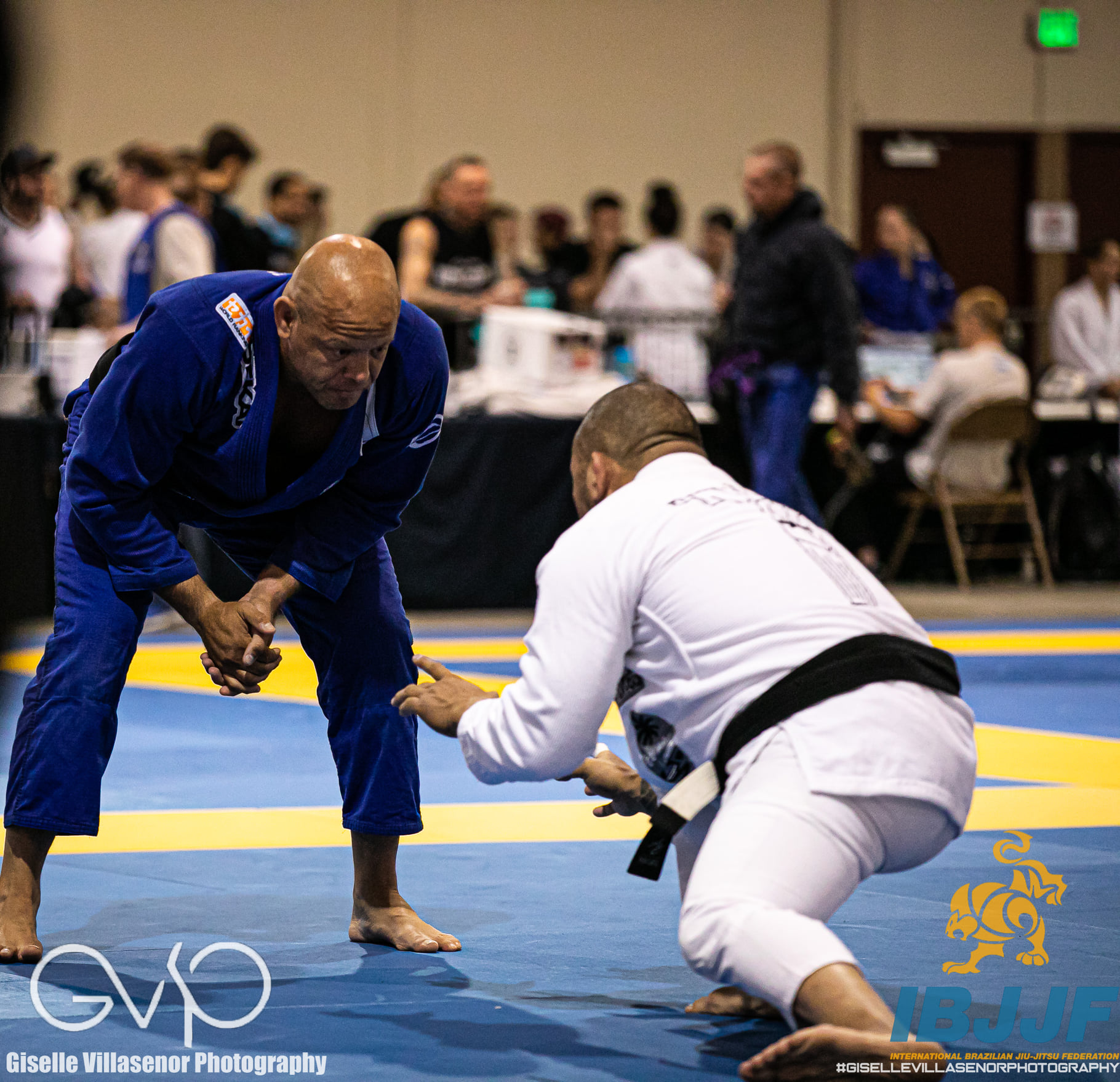
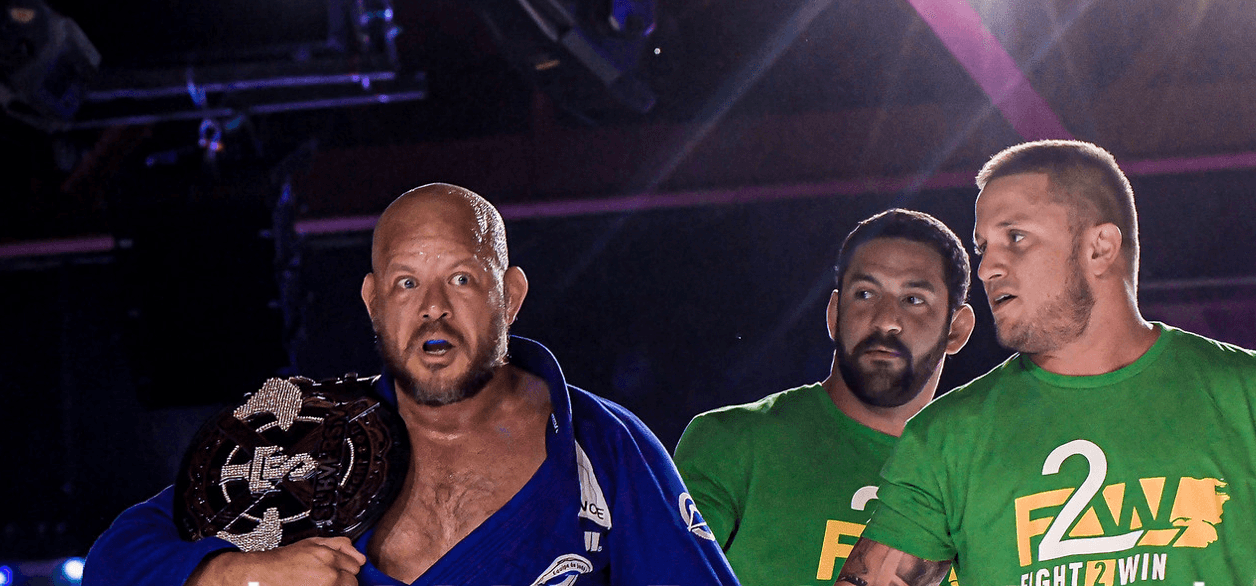
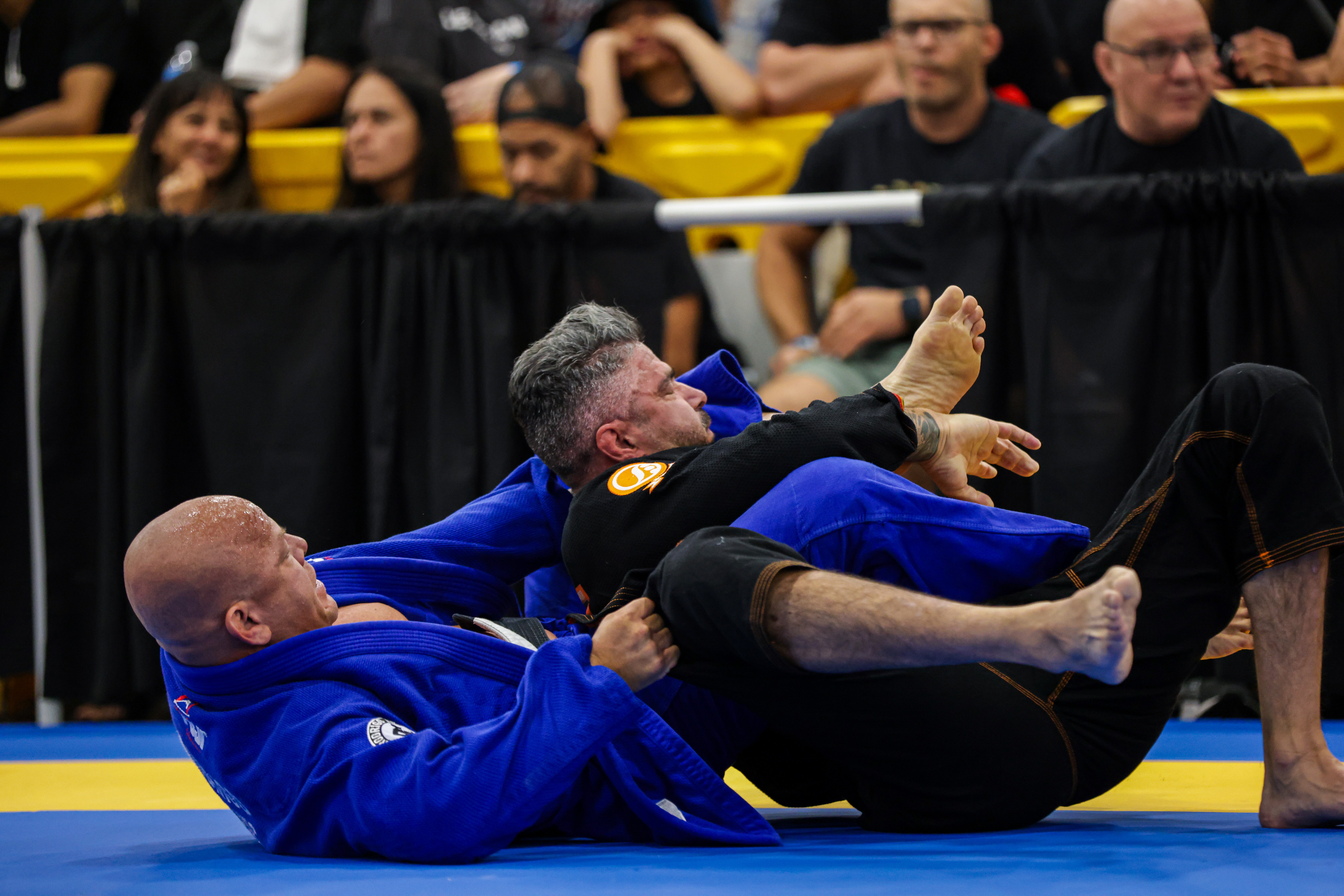
It was also during my years in California that I achieved some of the best competitive results of my career, including becoming a four-time World Champion, No-Gi World Champion, and Pan Champion in both Gi and No-Gi, along with opportunities connected to the UFC and other major stages of martial arts.
California also became even more personal to me because my daughter was born there. That gave the state an even deeper meaning for my family and made that chapter of our life much more than just a professional journey.
When I think about Los Angeles and Southern California, I don’t only think about medals or competition. I think about a chapter of my life that shaped who I became — the people, the training, the diversity, the beach, the weather, the family memories, and that unique California energy.
In many ways, California was where my American journey really began.
Would you say it’s been a smooth road, and if not what are some of the biggest challenges you’ve faced along the way?
Of course, moving to a new country came with challenges. The biggest one was adapting to a new culture — understanding how people communicate, how business is done, building a new routine, and learning how to navigate everyday life in a completely different environment.
And then, of course, there was Los Angeles traffic. I think everyone who lives in LA eventually learns that “20 minutes away” is not really a measurement of distance — it’s more like a very optimistic state of mind. 😂
At the same time, California felt surprisingly familiar to me. I was born and raised in Rio de Janeiro, Brazil, so the combination of sunshine, beaches, outdoor life, fitness, entrepreneurship, and a very active lifestyle felt natural.
Rio and Los Angeles are obviously very different cities, but they share a certain energy. Both places have this interesting mix of beach culture, business, creativity, sports, and people constantly looking for the next opportunity.
That connection made the adaptation easier. Even though I was building a completely new life in a new country, there were moments when Southern California felt a little bit like home.
Thanks – so what else should our readers know about your work and what you’re currently focused on?
That period was also incredibly important for my career as a martial artist because Jiu-Jitsu was really exploding in Southern California.
Many of the best instructors and competitors in the world were living and training there. The biggest tournaments, major academies, sponsors, media opportunities, and some of the most influential people in the sport were all concentrated in California.
For someone who wanted to grow as a martial artist, competitor, and instructor, it was the right place at the right time.
Being surrounded by that level of talent pushed all of us to improve. Every training session could become an opportunity to learn from a world-class athlete or coach. The competition was strong, the exchange of ideas was constant, and the entire Jiu-Jitsu community was evolving very quickly.
We all grew together. Technically, professionally, and personally.
Looking back, I feel very fortunate that I was able to experience Southern California during such an important chapter in the growth of Jiu-Jitsu. Being there gave me access to people, knowledge, competition, and opportunities that helped shape the martial artist and instructor I am today.
So maybe we end on discussing what matters most to you and why?
At this stage of my life, what matters most to me is not only what I have accomplished, but what I am able to pass on.
Competition, titles, medals, and recognition were important parts of my journey, and I’m very grateful for all of them. But over time, I realized that the real legacy of a martial artist is not measured only by what he wins. It is measured by the people he helps develop.
For me, Jiu-Jitsu is a vehicle to teach much more than techniques. It teaches discipline, resilience, respect, confidence, responsibility, and how to keep moving forward when things are difficult. Those lessons can influence a child, an adult, a family, and eventually an entire community.
California played a major role in helping me understand that. I had the privilege of being surrounded by incredible martial artists, teachers, competitors, and families. I learned that knowledge only becomes truly valuable when you share it.
Today, my focus is on building students, instructors, and leaders who can carry those values forward. I want the people who train with me to become technically strong, but also better prepared for life.
If, years from now, people remember me not only for the championships I won, but for the students I helped, the instructors I developed, the families I impacted, and the communities I helped build, that would be the legacy I would be most proud of.
Contact Info:
- Website: https://rodrigoantunes.com
- Instagram: @rodrigoantunesbjj
- Facebook: https://www.facebook.com/RodrigoAntunesBjj
- Youtube: https://www.youtube.com/@RodrigoAntunes
Popular
-

Portraits of the Valley
-

LA’s Most Inspiring Stories
-

Rick Norris Learned That Building a Successful Business Means Building a Life You Actually Want to Live
-

How Olivia Rush Turned Survival Into a Mission to Help Others Keep Going
-

How Bibi Goldstein Is Helping Entrepreneurs Reclaim Their Time by Embracing the Power of Delegation
-

Victoria Hasson is Redefining Voice Coaching Through Community and Collaboration


