




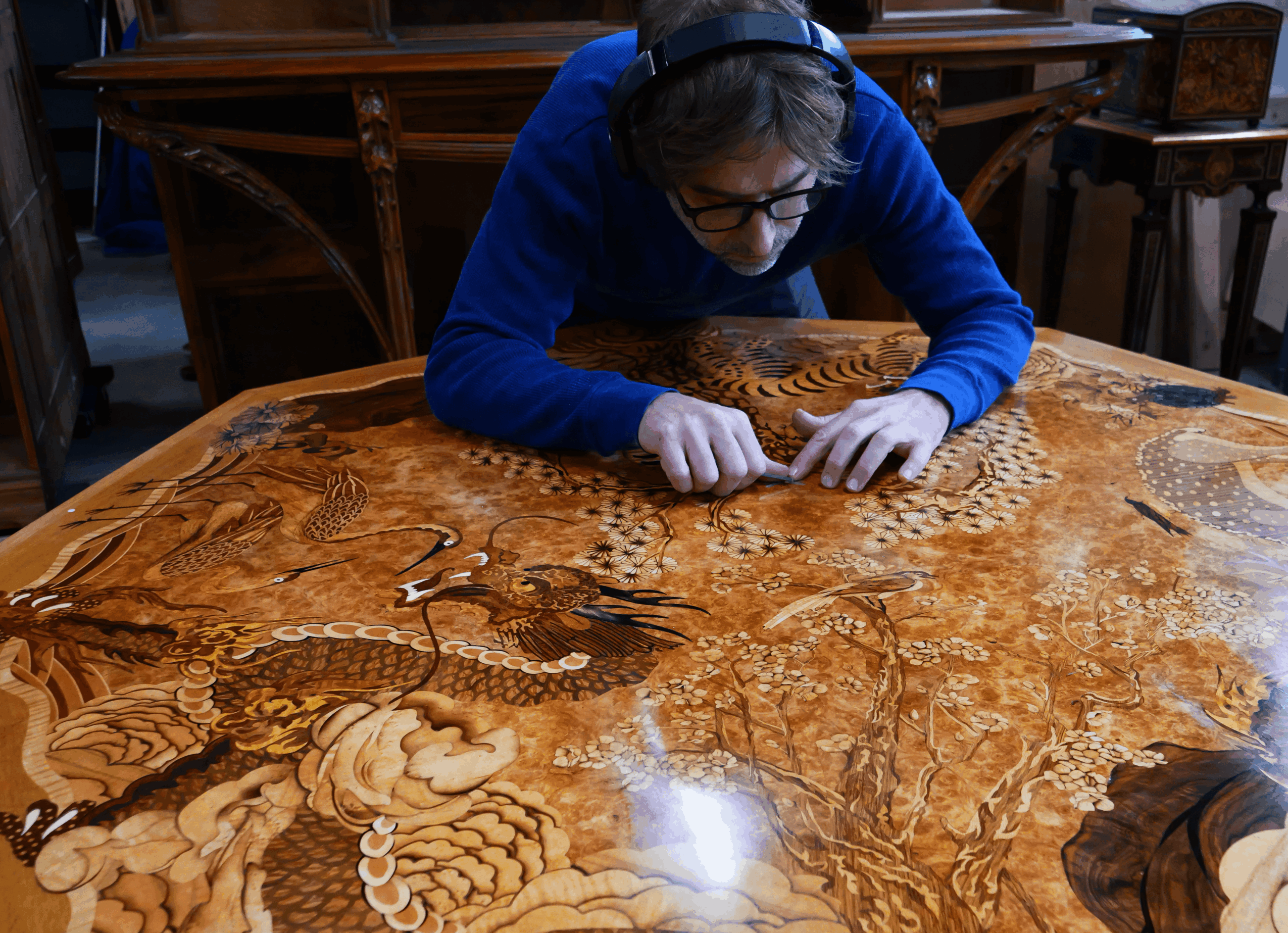
Today we’d like to introduce you to Patrice Lejeune.
Hi Patrice, so excited to have you with us today. What can you tell us about your story?
I grew up in the suburbs of Paris. My father was a harpsichord maker, so I grew up with the smell of wood in the house, and I never really considered doing anything else.
I went to École Boulle in Paris at fifteen. It is an old institution, founded in 1886 and named after Louis XIV’s most famous cabinetmaker, and it is what the French furniture trade measures itself against. It is a five-year program, and I came out in 1997 with a DMA in furniture making, with minors in marquetry and finishing. In my fourth year, I walked into a marquetry workshop, and it was love at first sight. Marquetry is cutting a picture out of wood veneer, piece by piece, and assembling it, using different grains and colors as your palette.
For the next nine years I worked in Paris as a restorer and conservator and as a French polisher, for private collectors, dealers and institutions, and I ended up specializing in veneered and inlaid furniture. I kept up the marquetry alongside it, not only replacement pieces for antiques, but also wall marquetry of my own as an artist.
While I was at Boulle, an American in his forties came over for several years running, three months at a time, to learn marquetry. Patrick Edwards, from San Diego. We never officially met, but everyone in the school knew who he was. Years later, after living in Scotland for a year, I wanted to live in an English-speaking country again, so I wrote to him out of the blue to ask whether he knew anyone who might be interested in my skills. He offered me a job.
I moved to San Diego in 2006 and worked with Patrick until 2018, as a furniture restorer and conservator and as a furniture and marquetry maker. We partnered as Edwards and Lejeune and built many new pieces in the style of historic masterpieces. I also began teaching at the American School of French Marquetry. I love working this way. Conservation and making feed each other constantly, and you learn far more doing both than you do doing either one alone.
Teaching in particular made me a better marquetry artist. When you have to explain what you do and why, you cannot lean on what comes naturally anymore. You have to put words on a movement and give a reason for something you have been doing for years without thinking about it. Explaining to a room how to shade a piece of veneer in hot sand so a curve reads as believable and subtle forces you to theorize what you had been doing on instinct. You are more intentional ever after.
I moved to Los Angeles in 2018 and opened my own practice. LA Conservators on one side, for furniture and object conservation. Marquetry surfaces and furniture making under my own name on the other.
On the conservation side, I work for private collectors and institutions. I specialize in veneered and marquetry surfaces, but I also work on giltwood, lacquer, and other finishes.
Marquetry is the main reason I started my own practice, though. Over the last few years, I have been pushing into other styles and materials. I love traditional marquetry and design, but I also love experimenting, mainly with unusual or new kinds of materials and techniques, to get new looks. One of those is the Sakura Cabinet I made for Free Verse: Explorations in Contemporary Marquetry, an international show at the Messler Gallery of the Center for Furniture Craftsmanship in Rockport, Maine, in 2025. I reinterpreted a Japanese ink drawing of a cherry branch in marquetry, using goatskin parchment as the paper, wood as the sumi ink, and shavings and sawdust from a red-dyed veneer as pigment to create a painted effect in the petals. I have also cut an enormous number of pieces, thousands, enough that I refused to count them, for a minhwa-inspired table, and a Mouret Lejeune collaboration piece, a display coffer for the master lacquer and the score from the recording of Suzanne Ciani’s latest album, CIANI/ORKEST.
I have shown the work along the way. Two pieces took Best of Show at the Design in Wood International show, and one took Best of Show at the Veneer Tech Craftsman’s Challenge, along with a handful of other prizes over the years.
I am happiest behind the bench, or sitting at my chevalet, my favorite nineteenth-century marquetry cutting tool. When I am not there or teaching, I would rather be climbing or backpacking than in a room full of people, so I tend not to take the time for self-promotion or networking, but exposure is necessary to be found. And my preference is to be found through my work itself, and I like when someone realizes there are still artisans cutting marquetry at this level in the United States.
I’m sure it wasn’t obstacle-free, but would you say the journey has been fairly smooth so far?
Not smooth, no. Two things fight me the most, and they are really the same thing wearing different clothes.
On the conservation side, every treatment decision carries real weight. You can always go back and read another article. Still, the decision itself is a responsibility toward the owner, whether that is a private collector or an institution, but also toward the object. You are its caretaker, and you are advising on its future. I have a curse: I see every detail, so left alone I would never stop working on a piece. I have friends and colleagues I call sometimes for sanity checks, after I have already spent more hours than I will ever be paid for on details I am probably the only person who would notice.
On the marquetry side, I face similar challenges, like perfecting a drawing till the middle of the night. I can work a composition long past the point where it was already good, so I love collaboration also for that reason.
And yet that same refusal to let a detail go is also what makes the work really good. I would not trade it, but it is a real struggle, not just a charming quirk.
Outside the shop, life also happened the way it does to everyone. I went through a difficult personal stretch a few years back, the kind that reshuffles your priorities whether you are ready or not. Around the same time, I fought Lyme disease for several years. I am past the worst of it now, but I think I am a little more fragile than I used to be, and I have made peace with that. I am taking it easier these days, which in practice means I make a real effort to work less than sixty hours a week.
As you know, we’re big fans of you and your work. For our readers who might not be as familiar what can you tell them about what you do?
I run two complementary practices out of the same studio. LA Conservators is a furniture and object conservation and restoration studio, mostly for private collectors, designers, and a few institutions. I specialize in veneered and marquetry surfaces, but I also work on giltwood and lacquer. Under my own name, Patrice Lejeune, I design and cut original marquetry: boxes, wall pieces, tables, commissions. I also make pieces for designers and makers using unusual materials such as parchment, straw marquetry, mother of pearl, and others.
I am known mainly for my marquetry work, both traditional and pushing the envelope into the contemporary. I experiment with techniques, and I am always on the lookout for ways to mix unusual materials to create a new look and enhance the narrative.
Fusion is where I have pushed hardest, a technique I have been investigating where layered marquetry is sanded through so the top layers become transparent and you see two woods on top of each other, creating new textures. The image reads less like inlay and more like a painting. I keep experimenting with new ways to shade a cut edge or feather a transition.
Even in contemporary work, I try to maximize my use of traditional materials, like glue and shellac, since they have proven themselves through the centuries and let my pieces stay future-proof, made with proven, reversible, restorable, conservable materials. When you spend months working on a piece, I like to imagine it can be restored and cared for long into the future.
One of the pieces I am most proud of is the minhwa-inspired table I made. Apart from the sheer amount of work, cutting marquetry pieces by the thousand, I really enjoyed reinterpreting another type of classic narration in my favorite medium.
What sets me apart, I think, is that I never stopped being both things. Most conservators do not make. Most makers have never looked under the hood of a three-hundred-year-old piece and understood exactly how and why it was built this way, what failed and why, what worked and why, and what you can learn from it. Doing both makes me better at each. I never saw a reason to choose.
Is there any advice you’d like to share with our readers who might just be starting out?
Do it for the love of the job. This trade will probably not make you rich, and if that is what you are after, there are faster ways to get there. It has to be the work itself. It takes years to get really good, but there is a lot of pride and satisfaction in getting there. When a piece leaves the shop, I want it to last for many years to come. They are a little like children leaving the nest, and what I want is that feeling that I have done all I could for them, and now they go live their life.
Never stop learning. The day you decide you know enough is the day you stop improving.
And obsess enough to be good, but not so much that you burn out.
Contact Info:
- Website: https://www.patricelejeune.com
- Instagram: https://www.instagram.com/patricelejeunela/
- Facebook: https://www.facebook.com/patrice.lejeune.979527/
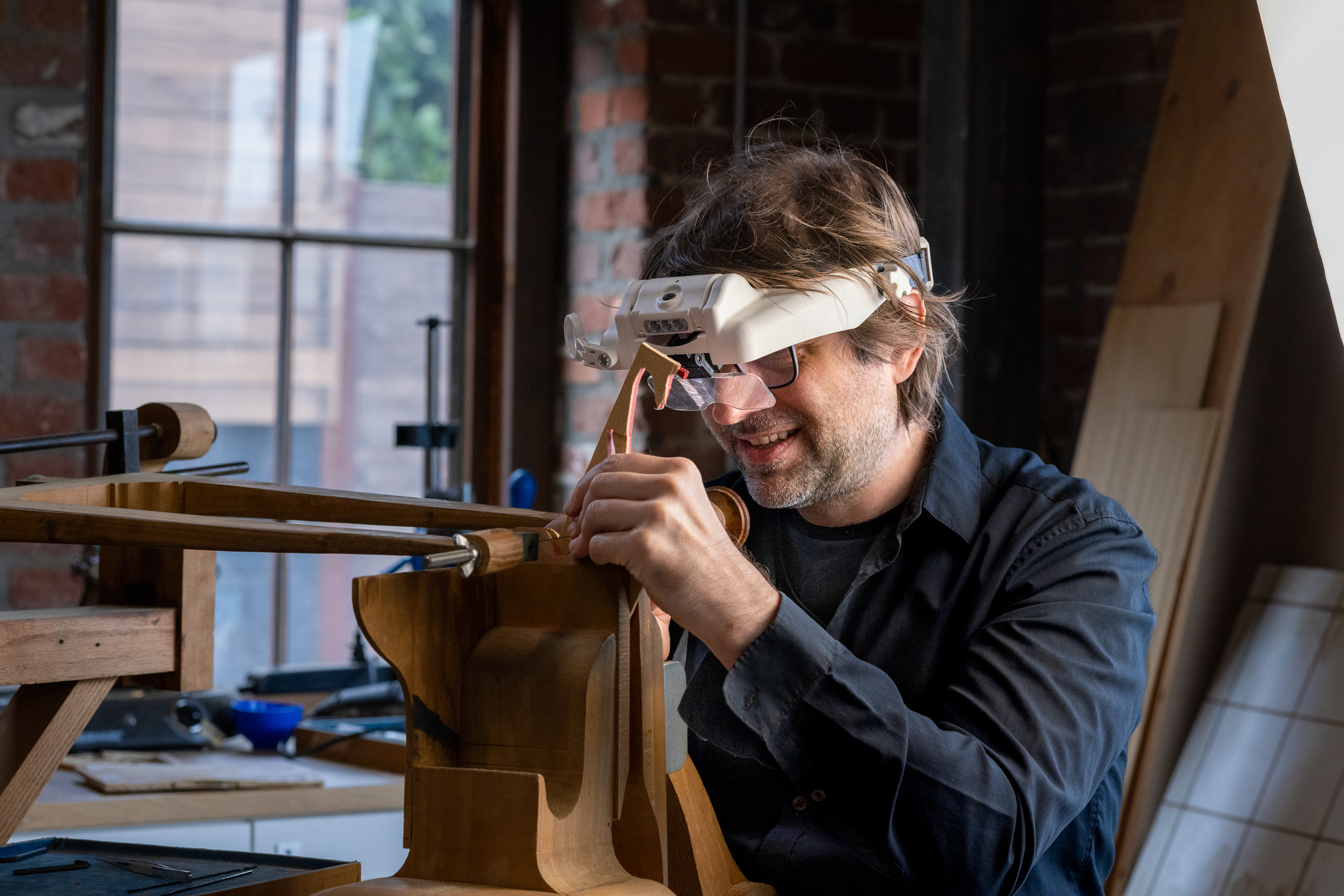
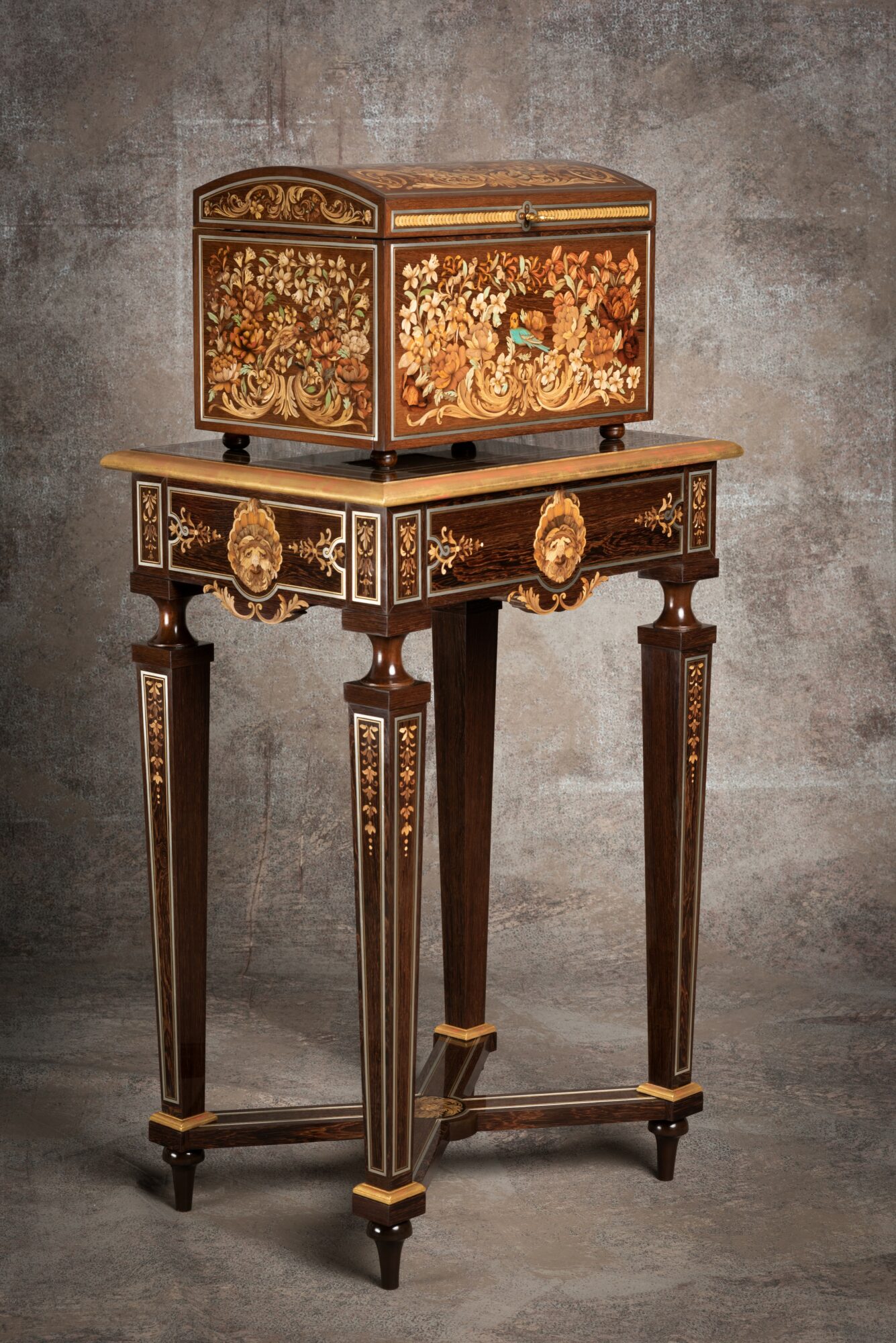
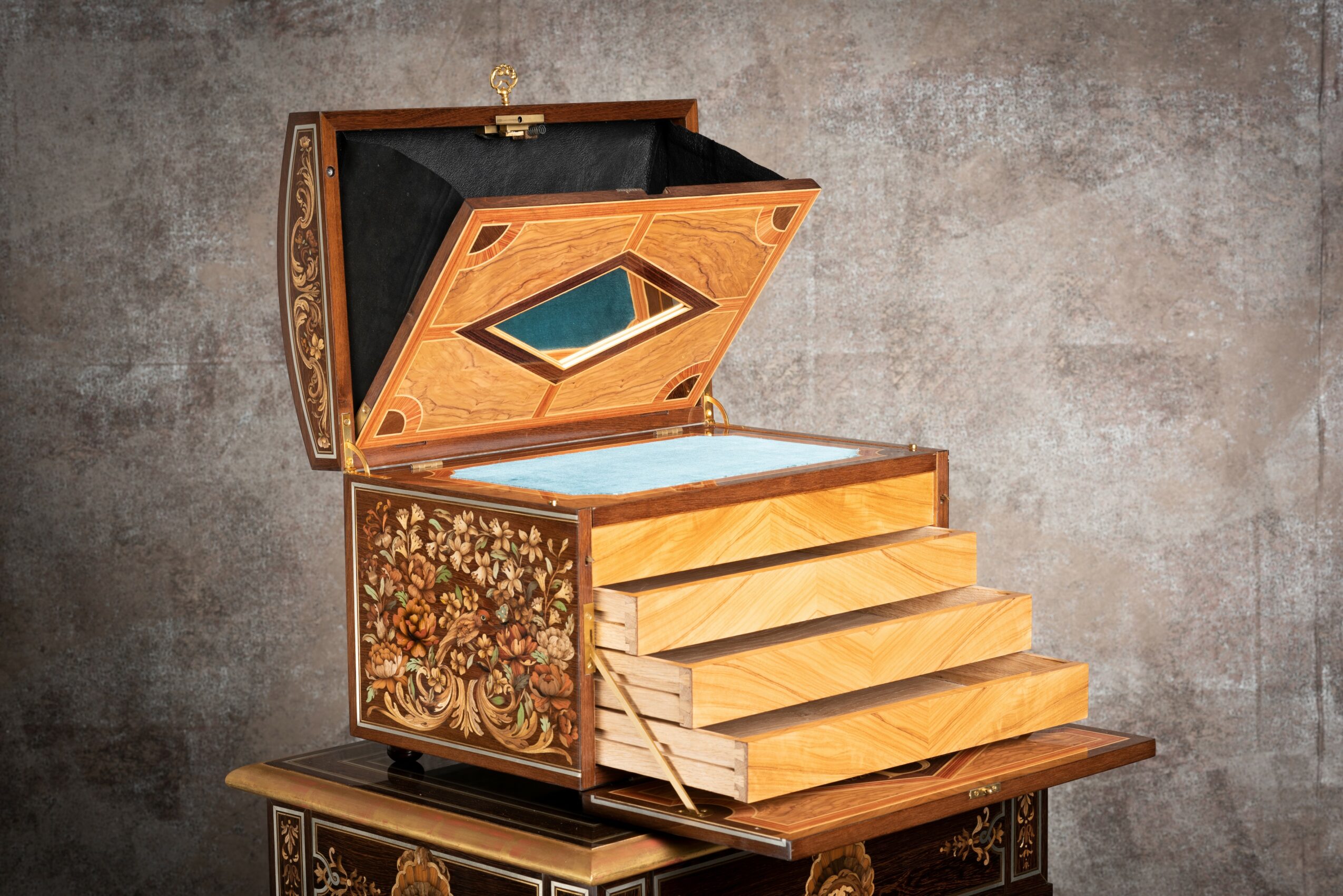
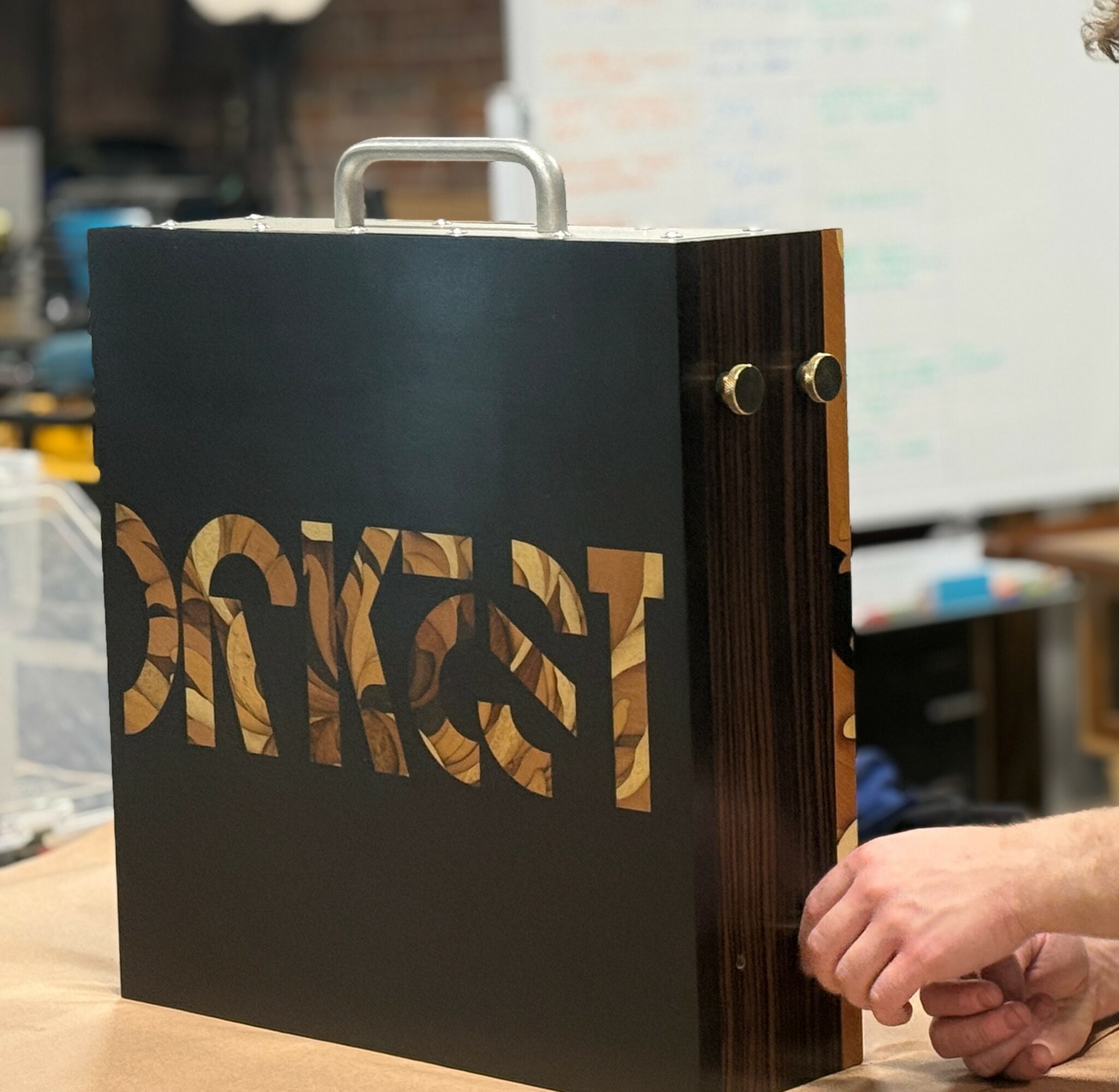

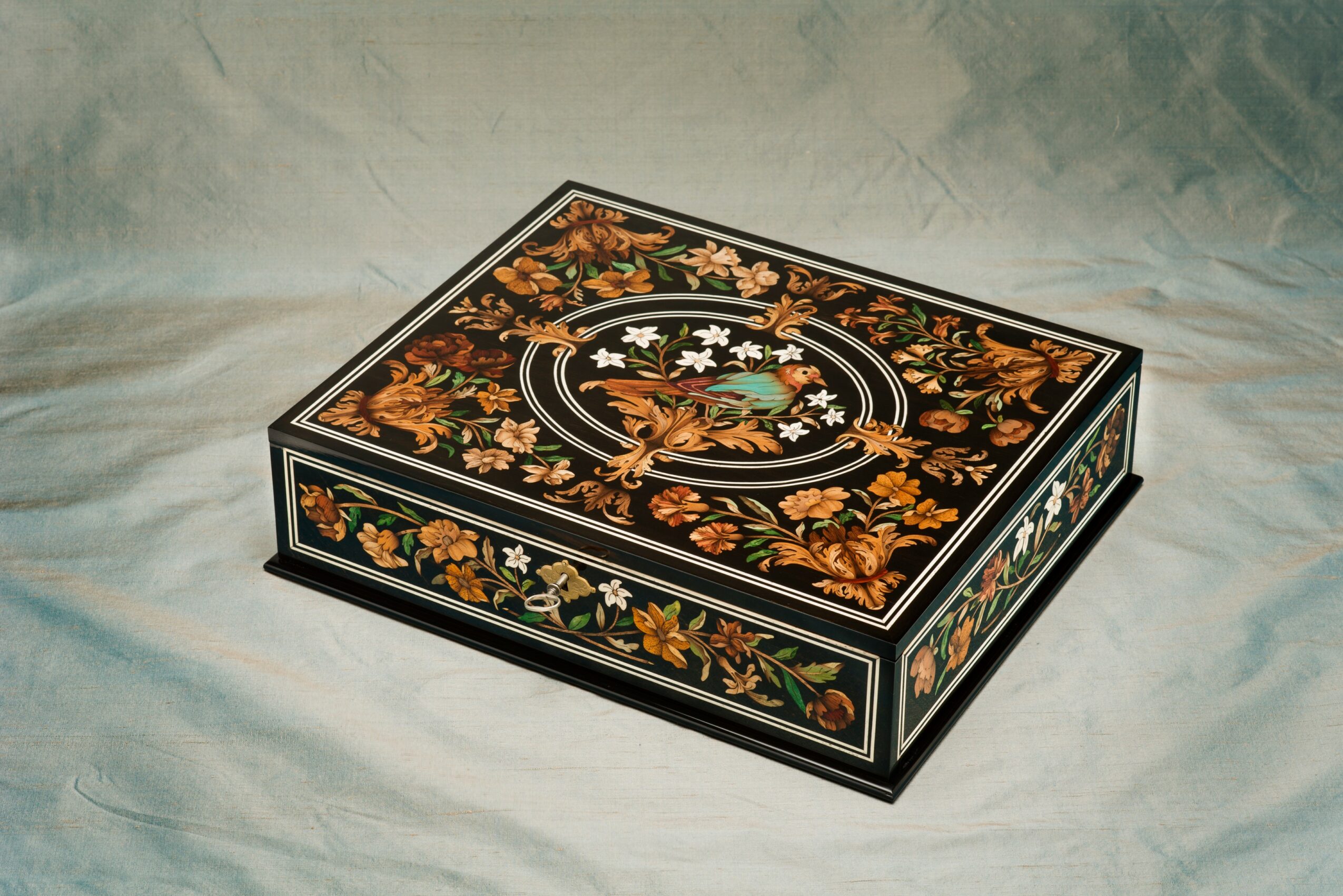
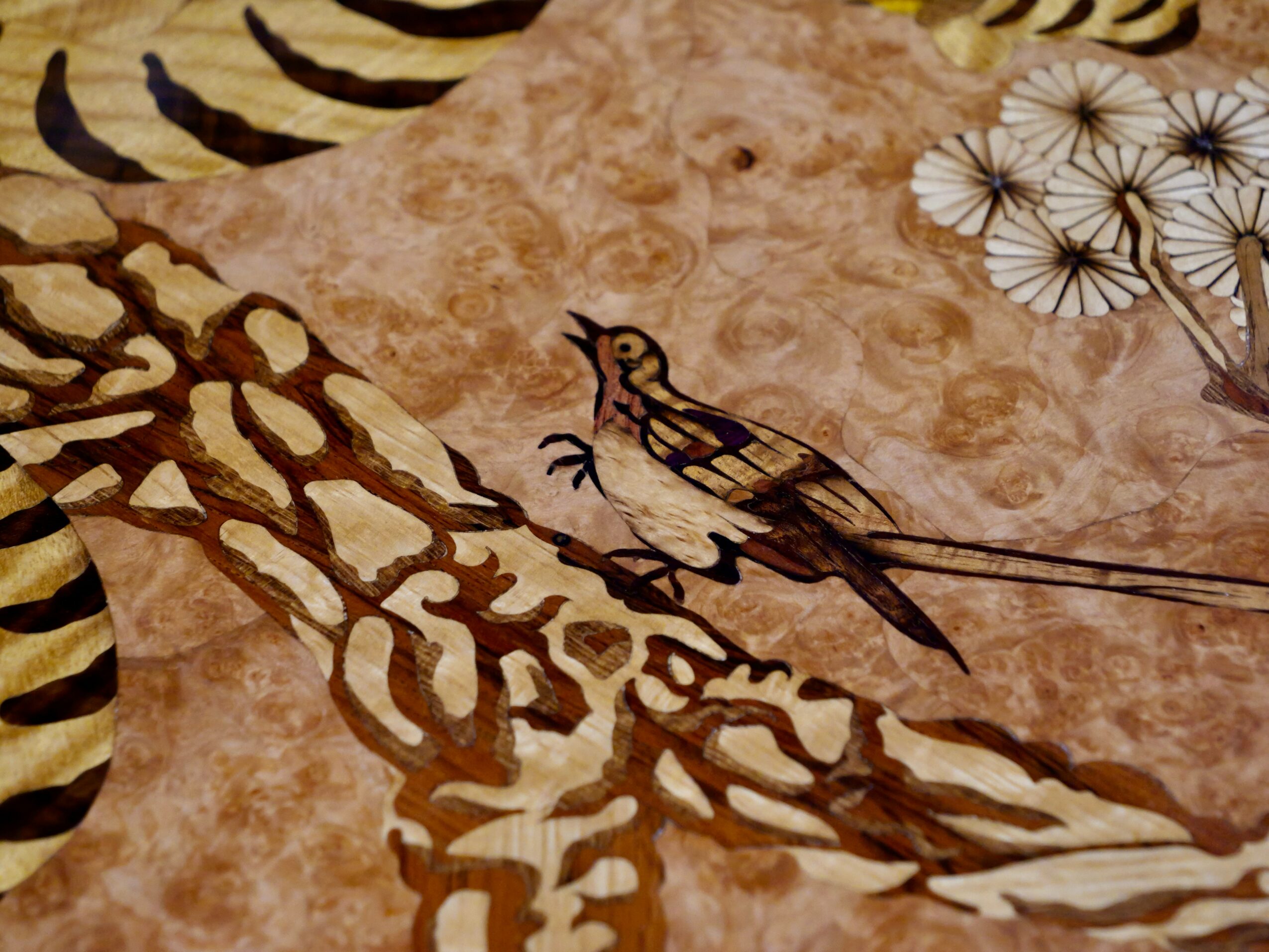
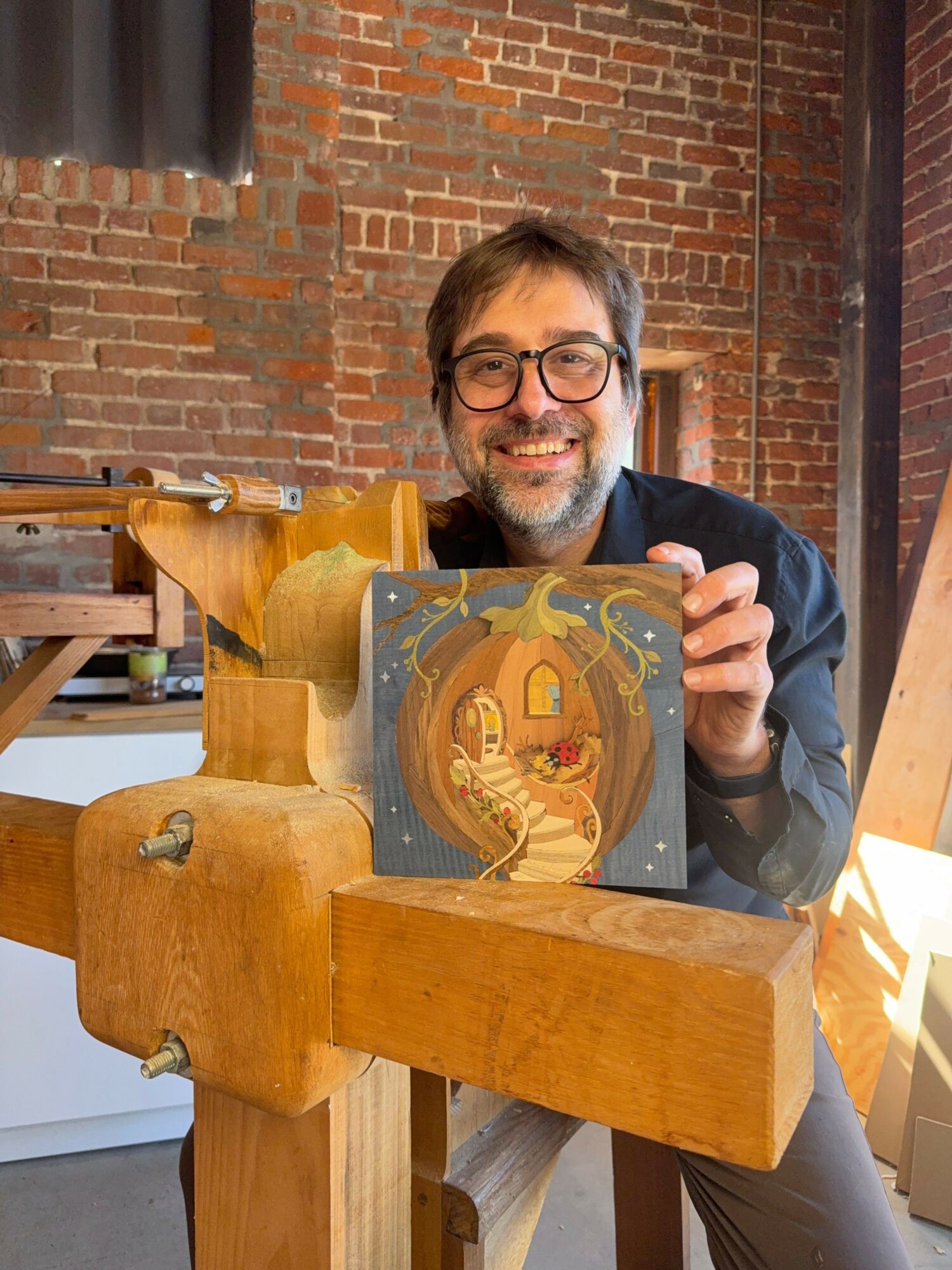
Image Credits
Erin Graylan, David Harrison.
Popular
-

Portraits of the Valley
-

LA’s Most Inspiring Stories
-

Rick Norris Learned That Building a Successful Business Means Building a Life You Actually Want to Live
-

How Olivia Rush Turned Survival Into a Mission to Help Others Keep Going
-

How Bibi Goldstein Is Helping Entrepreneurs Reclaim Their Time by Embracing the Power of Delegation
-

Victoria Hasson is Redefining Voice Coaching Through Community and Collaboration


