




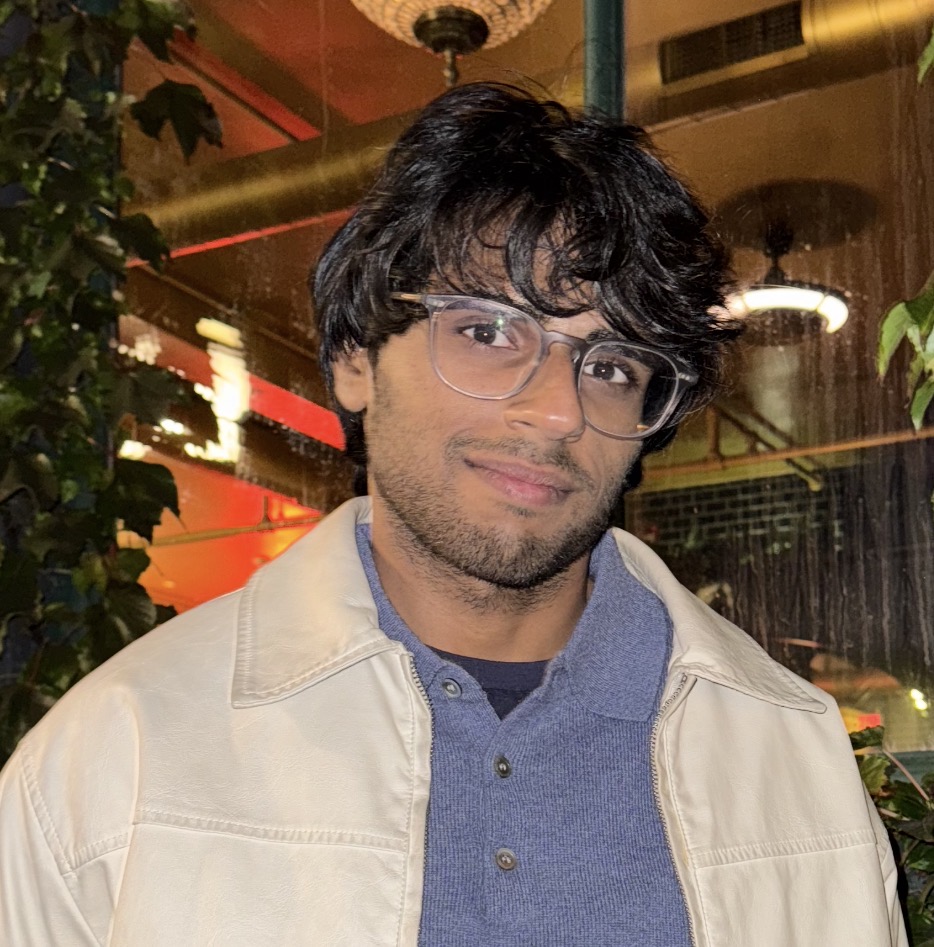
Today we’d like to introduce you to Kaustubh “Vick” Singh.
Hi Kaustubh “Vick”, can you start by introducing yourself? We’d love to learn more about how you got to where you are today?
I grew up between worlds. Born in India, then Singapore, and then in Orange County, California, I was always the person who didn’t fit cleanly into any single category. That turned out to be the most useful thing about me.
I began making films in high school in India, where I co-founded the school’s first technology club, LVPROTOCOL, and helped organize its inaugural tech festival. It was a small club with only a few members, so we put up a one-day event — but it taught me something I have never forgotten: that if the thing you need does not exist, you can build it yourself.
Through a scholarship, I attended Chapman University’s Dodge College of Film and Media Arts in Orange County, one of the top ten undergraduate film schools in the United States, where I studied Television and Broadcast Journalism with a focus on news and documentary production. Although unlikely of pursuing film as a career, i know the future of journalism was in video and new media, so it was already apparent to me that I needed to learn about the world of film. But all along, I was convinced I wanted to become a journalist.
And so now I was training to be a journalist. I joined the South Asian Journalists Association and Investigative Reporters and Editors (IRE). I interned for Emmy-winning documentary filmmakers such as Brett Morgen, Amy Ziering, Kirby Dick, and Ted Braun. I worked three years at a thousand-seat performing arts venue at Chapman to pay my daily bills. It was through coursework that I produced a documentary short that became a Student Academy Award Finalist and premiered at Frameline, the world’s longest-running LGBTQ+ film festival, and was covered by Smithsonian Magazine. It reinvigorated interest in a forgotten figure: Rev. Raymond Broshears, a crucial figure in LGBTQ rights history.
By the time I graduated in late 2019, I had a clear picture of where I was headed. I moved up to Boyle Heights, and for a while, I was living my LA dream- i was building a future in this city.
But then, COVID-19 arrived and erased it.
The broadcast and digital television industry, where I had been building toward a career, contracted almost overnight. I was working full-time at ViacomCBS, managing online and social media content for Nickelodeon and AwesomenessTV, when the landscape shifted beneath my feet. Eventually, I got laid off, and AwesomenessTV shut down. Suddenly, I went from having my own office space to working the graveyard shift at the 7-Eleven on Soto Street.
I could have waited for the climate to change, for the vaccine, but I didn’t want to put my life on hold. I had to get out and find a pivot. Instead, I packed my bags and moved across coasts to live with my family and start fresh in NYC.
I started working in the local Film and TV scene as a PA. I would travel often for work, and I ended up working on several TV shows and movies filming in the NY/NJ area. I applied to Columbia University’s MFA Creative Producing program, one of fewer than a dozen spots available annually, at one of the eight Ivy League universities in the United States… and I got in. For at least the next couple of years, I was locked in NYC.
Columbia changed everything. Not because it handed me anything, but because it placed me in proximity to people whose standards were impossibly high and whose generosity with knowledge was equally extraordinary. I taught graduate courses alongside producers of Academy Award-winning films. I co-wrote a play that was produced at the Lenfest Center for the Arts. I produced a film that won two awards at the largest youth film market in Southeast Europe. I received five named production awards and the first-ever pilot grant from Columbia University’s Mental Health Initiative.
Most significantly, I met my future collaborators and co-founded Obluda Films with Guang Ren and Jeff Lichtenstein. We found that there was a demand for international stories in the immigrant pockets of our country, who are tired of the same mainstream drivel peddled to them by the big corporations. They want to see their culture and homeland reflected on the big screens near them. This is what we as a company espouse and build for our audiences- universal stories for local communities.
By securing funding through arts institutions and private contracts, Jeff and I found our way back to LA in Highland Park. Jeff now works at a talent agency in Los Angeles, and I run day-to-day operations for Obluda and fly to NYC to meet our investors and financiers often.
I am twenty-eight years old. I have produced work on five continents, in six languages, across documentary, narrative, theater, visual art, and technology.
I started by building a tech club in a school in Noida that had never had one. The instinct has always been the same: find the gap, and build something in it.
Can you talk to us a bit about the challenges and lessons you’ve learned along the way. Looking back would you say it’s been easy or smooth in retrospect?
No. It has not been a smooth road. And I think anyone who tells you their road was smooth is either lying or has not looked at it closely enough.
I grew up between India and Singapore, and landed in Orange County, California- one of the most affluent, homogenous, and culturally conservative corners of the United States. The culture shock was not subtle. I went from a densely populated, chaotically alive urban city to a place where everything was manicured, everything was air-conditioned, and almost nobody looked like me. I attended a private Christian University, where I was a minority among minorities. Suddenly, I was not just the Indian kid in a predominantly white environment, the loud kid in a laid-back culture, the one who could not figure out why everyone seemed so unbothered by everything when there was so much to be bothered about.
Southern California taught me to slow down, eventually. However, it took years and came at a cost. The relentlessness I brought from my Indian upbringing: the drive to do everything, join everything, prove everything, it collided headlong with a culture that genuinely valued ease, and for a long time, I could not find the synthesis. I tried too many things simultaneously. I burned out repeatedly. I confused volume of activity with quality of purpose, and I paid for that confusion in exhaustion and in work that was spread too thin to be as good as it needed to be.
The deeper struggle was about identity and narrative. In India, I was the kid who was going to America. In LA, now I was the Indian kid who didn’t quite fit. In the film industry, I was the journalist who pivoted to art cinema. In art cinema spaces, I was the producer with a broadcast background. There was no pre-existing category that held all of me at once, and for a long time, I experienced that as a problem rather than a position.
Learning to own the whole story: the Orange County strip malls and the New Delhi tech corridors, Singapore hawker centers, the broadcast journalism training at Chapman, and now Obluda, it took much longer than I would like to admit.
There was also the specific friction of operating in creative spaces shaped by conservative cultural assumptions about what stories deserve to be told and who gets to tell them. I have spent my entire career producing work that centers queer Filipino filmmakers, Indian diasporic stories, North Macedonian teenagers, rural stories in Virginia, and Cajun horror set in 1940s Louisiana. None of those are default choices. Each one required making a case, repeatedly, to people who had not imagined that audience and did not immediately see the value.
The honest answer to where I found traction is this: I stopped trying to fit the existing narrative and started writing my own. That sounds simple. It is the hardest thing I have ever done, and I am still doing it. The road has not been smooth. I would not trade a mile of it.
Appreciate you sharing that. What else should we know about what you do?
I’m a New York-based independent film producer and co-founder of Obluda Films, a production and development company built around one core belief: that the most urgent, specific, and emotionally alive stories are almost always the ones the mainstream industry is least equipped to tell. My work spans narrative and documentary, short film and feature development, and takes me across borders regularly, from North Macedonia to the Philippines to Singapore to India to New York and back to Los Angeles.
What I specialize in is international co-production and the kind of deep, multi-year director-producer relationships that make genuinely ambitious independent work possible. We partner specifically with international talent previously unheard of stateside to help bring their projects to American financiers. I don’t come onto projects to manage logistics. I come on to help a director build the world their film needs, which sometimes means writing grant applications until two or three in the morning, sometimes means carrying cash across customs, and sometimes means completely reimagining what a film set looks like to protect a non-professional performer. The job is whatever the film requires.
The work I’m most proud of reflects that range. NIKOLA, NIKOLA, directed by Leon Ristov and set in North Macedonia, required two years of international fundraising, a winter night shoot in Skopje with an entirely local crew, and a pitch competition win in Sarajevo before a single frame was shot. It received support through the Sundance Ignite x Adobe Fellowship and Balkan Institutions across the globe and is currently heading toward the festival circuit.
UNLIMITED, FOREVER AND EVER, NO MATTER WHAT, which premiered at Slamdance 2026, required us to throw out conventional production structures entirely and build an improvised filmmaking process around director Jayme Coveliers’ mother, the real-life inspiration for the film, who lives with chronic pain. What came out the other side is one of the most honest films I’ve been part of.
In ÉVANGÉLINE, which we shot in rural Louisiana, it required careful publicity and media attention to promote a small yet thriving French community in the South. Cory St. Ewart was adamant from the very beginning that his stories deserve honest representation on the national scale, and so premiering at the Academy- Award Qualifying New Orleans Film Festival wasn’t enough. We had to tour our film across the South and the Midwest to bring this scattered community back together through these screenings- which is how the film eventually got picked up by the Nous Foundation for online distribution.
IS THIS DESIRE? An experimental narrative film set in Baguio, a small mountain town nestled away in the Philippines, was another project that wouldn’t have ever happened if not for support from Netflix through its New Voices grant for director Apa Agbayani. 2 years later, we are soon premiering our film in Austin at the 2026 Fantastic Fest, the largest genre festival in the United States. And now MALÁTE MELODY, my first feature with Apa, is the culmination of four years of collaboration across three short films, a period piece set in 1980s Manila during Martial Law, shot entirely on VHS, with partners across the Philippines and beyond.
Through Obluda Films, my co-founder Ren Guang and I have built a slate with work screening at Busan, Slamdance, New Hampshire, NewFest, QCinema, and Palm Springs. We’ve received support from 3Pas Studios, Arthur Krim, Sundance, Netflix, National Board of Review, Film Manufacturer’s Inc, Indian Paintbrush, and PepsiCo, among others.
What sets me apart, I think, is a combination of things that don’t often come together in one producer. I have genuine development instincts alongside hands-on production experience. I can build a budget and a schedule, and I can also sit in a room with a director and help shape the vision before a single dollar is raised. Although based in LA, I work internationally, not as a novelty but as a deliberate creative choice, because the stories I’m drawn to exist outside the centers of industry power, even though I am a firm believer that the audience I’m championing is here. And I take the long view. The projects I’m proudest of took years to build and required a particular kind of patience and commitment that I think is increasingly rare.
I’m not interested in content. I’m interested in films that matter to the specific communities they come from, and that travel because of that specificity, not despite it.
What has been the most important lesson you’ve learned along your journey?
The most important lesson has been about community, and it took me longer than I’d like to admit to really internalize it.
Early on, I operated with a kind of independent streak that I mistook for self-sufficiency. Producing can feel like a solitary discipline, especially in the early stages when you’re building from nothing and there’s no obvious infrastructure around you. In LA, of all places, where every interaction can sometimes feel transactional or forced, you tend to side-eye each person you meet, and you lose a part of yourself and feel bitter, especially when you talk with people within the industry,
What I’ve learned is that the infrastructure is the people, and if you can’t find your community, you have to build it, because the right people have a way of finding each other when the conditions are right.
Every project I’m genuinely proud of came out of a relationship I invested in before I knew exactly where it was going. Leon and I spent a year developing NIKOLA, NIKOLA, before we raised a single dollar. Apa and I made three short films together before we were ready to attempt a feature. Those investments looked impractical at the time. They turned out to be the whole foundation for greater projects, like SIGNS OF LIFE, a project Leon and I expect to shoot later in 2027.
More so, I found a life outside of work- I spend time playing sports with my friends and find time to go to the park with my dog and the temple with my partner. Finding solace and peace in the little things makes the hectic schedule of creative life worth it.
The corollary to that is learning to delegate and actually trust the people you’ve brought in. You build the team, and then you have to let the team work. That’s still something I practice every day.
Contact Info:
- Website: https://kaustubh.tv/
- Instagram: https://instagram.com/cawstub
- LinkedIn: https://linkedin.com/kaustubhvicksingh
- Twitter: https://x.com/cawstub
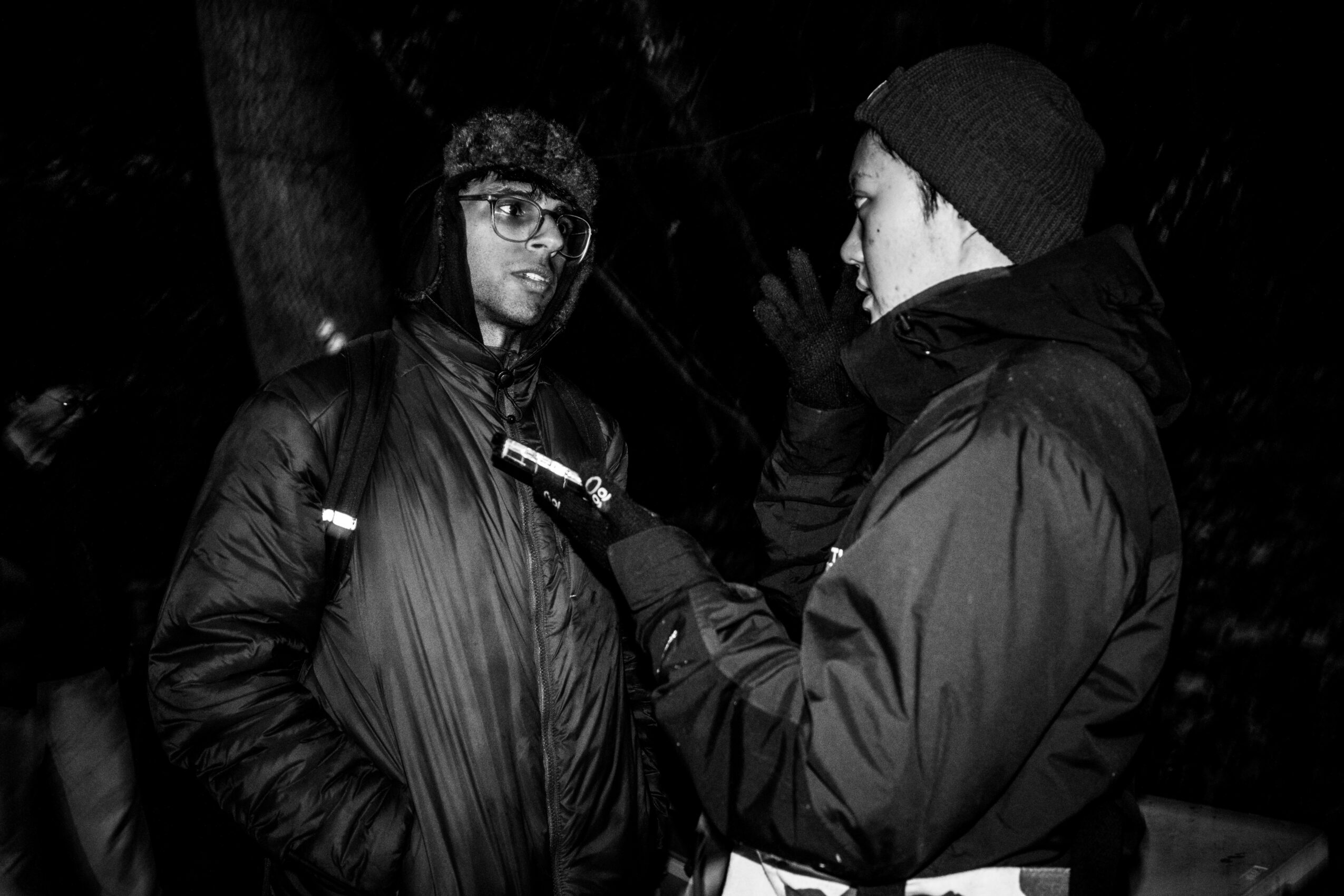
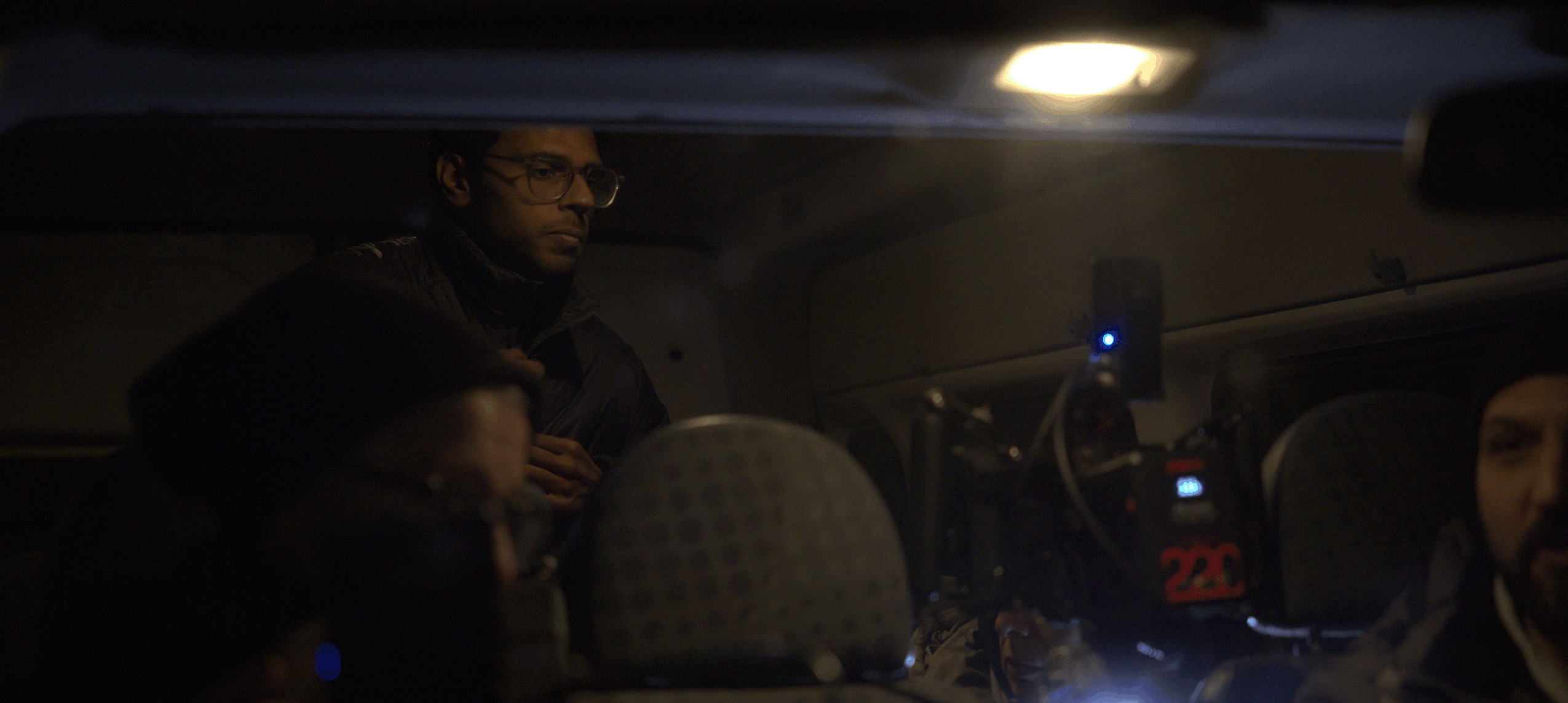
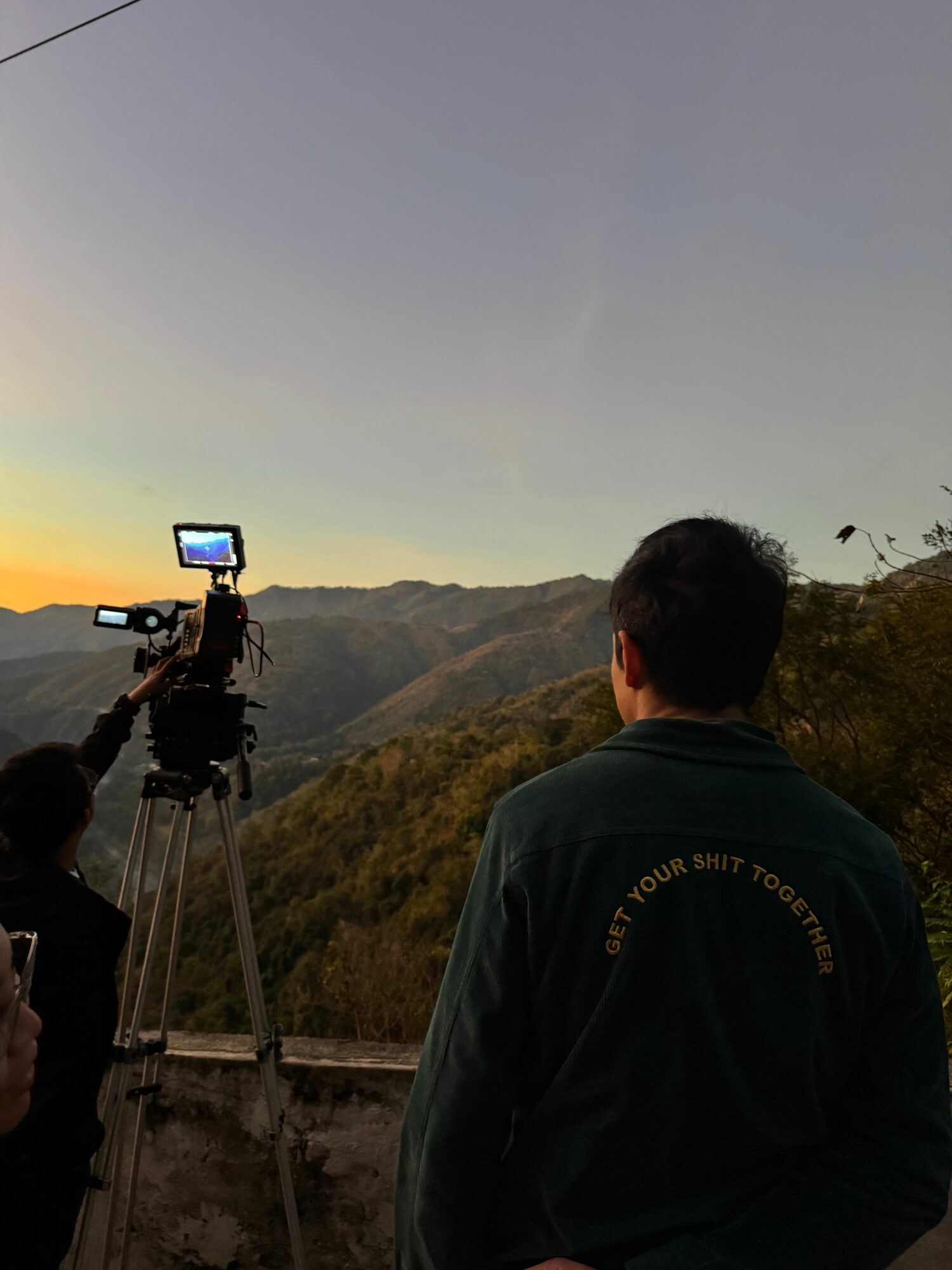
Image Credits
all images belong to me
Popular
-

Portraits of the Valley
-

LA’s Most Inspiring Stories
-

Rick Norris Learned That Building a Successful Business Means Building a Life You Actually Want to Live
-
How Olivia Rush Turned Survival Into a Mission to Help Others Keep Going
-

How Bibi Goldstein Is Helping Entrepreneurs Reclaim Their Time by Embracing the Power of Delegation
-

Victoria Hasson is Redefining Voice Coaching Through Community and Collaboration


