




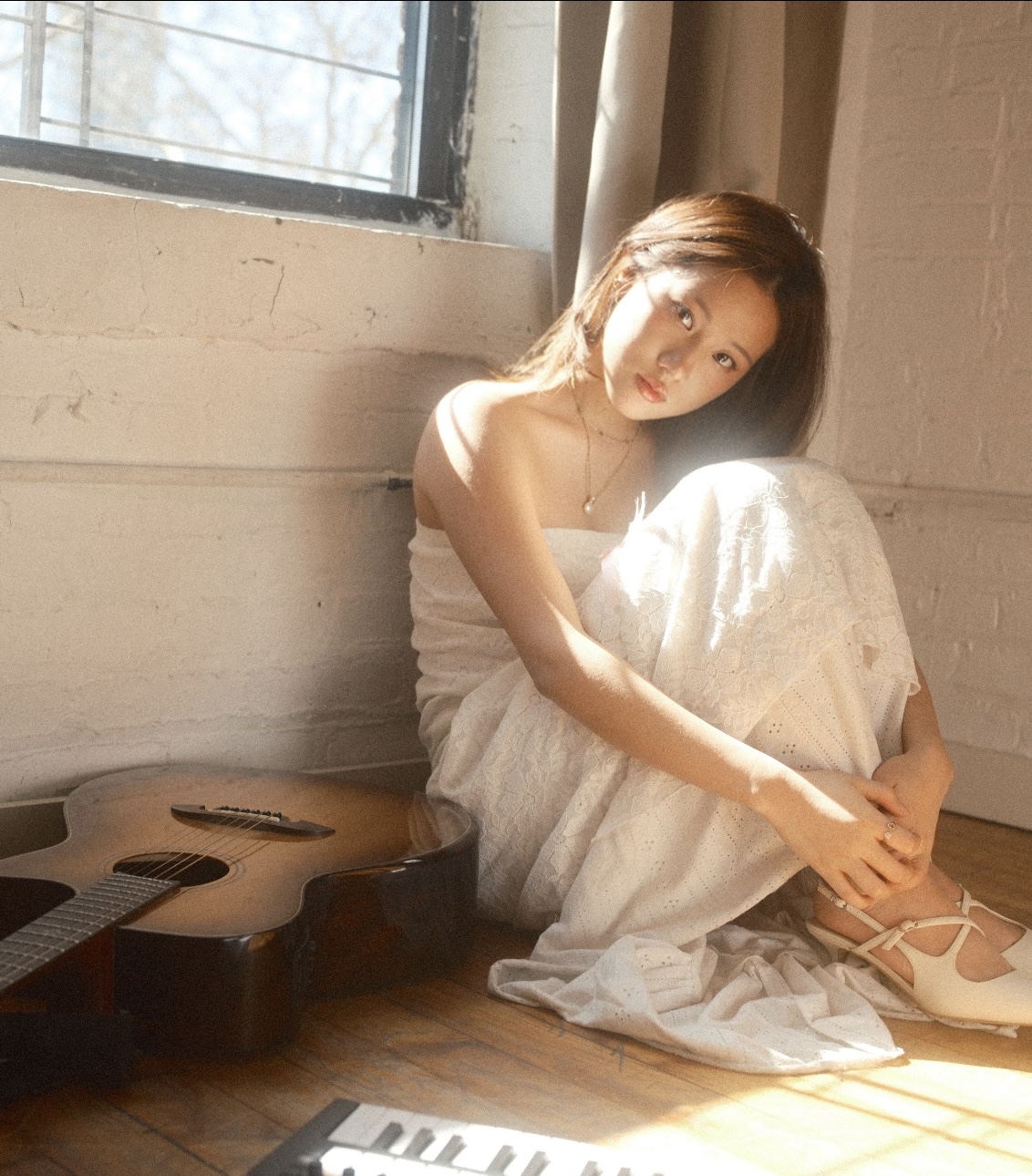
Today we’d like to introduce you to Isabella Peng.
Hi Isabella, thanks for joining us today. We’d love for you to start by introducing yourself.
I grew up in Taiwan, and because my parents worked in media, I was exposed to the beauty of communication and storytelling from an early age. As a kid, I was drawn to storytelling in every form—performing, dancing, acting, and singing—and eventually began working as a child actor on television. One of my most formative experiences was hosting a TV program that took me around Taiwan to highlight the unique cultures, traditions, and communities across the country.
At the same time, like many children with Asian parents, I was enrolled in lessons for several instruments, including piano and viola. What began as something I was simply expected to learn eventually gave me the tools to tell stories of my own. Before songwriting, I used performance to help tell other people’s stories; music later gave me a way to tell mine.
I moved to the United States in middle school, and because of family circumstances, I relocated every one to two years throughout my adolescence. The constant transitions often left me feeling lonely and disconnected, especially while I was also trying to understand how I was changing as a teenager. That was when I began combining my background in storytelling with music and writing songs about loneliness, displacement, and wanting to feel understood. One of those songs eventually became my first release, “Apricot Orange,” which captures the strange experience of being surrounded by beauty while feeling empty because you have no one beside you to share it with.
Music became a kind of home I could carry with me. Each move brought a new place, new people, and a new version of my life, but songwriting remained constant. Wherever I went, all I needed was my voice and a place to put my thoughts. During that period, the artists I loved gave language to emotions I didn’t yet know how to express, and their vulnerability made me feel understood and less alone. That inspired me to begin writing songs that could offer someone else the same sense of recognition.
I believe there is something deeply comforting about admitting that we are not always okay. We spend so much of our lives—especially online—presenting polished versions of ourselves, but uncertainty, loneliness, and sadness are equally human experiences. I want my music to articulate the feelings people may struggle to say aloud and remind them that vulnerability is not something to hide. If someone hears one of my songs and feels understood within it, then I have transformed something that once isolated me into a point of connection.
I’m sure it wasn’t obstacle-free, but would you say the journey has been fairly smooth so far?
It has definitely not been a smooth or linear road. As I mentioned, I moved every one to two years throughout much of my adolescence. It was a lonely and confusing way to grow up because, at the same time that I was trying to figure out who I was, my surroundings were constantly changing. I struggled with depression and rarely felt as though I had a stable place to land.
My parents’ careers were demanding and unpredictable, so my father understandably wanted me to pursue something secure—a career in medicine, law, or engineering. In a very traditional Asian-parent way, he saw stability as a form of protection. The irony was that my passion for songwriting became serious at the exact moment our family was experiencing the most uncertainty. To him, music represented another risk; to me, it was the one thing making that period survivable.
For a long time, my father strongly discouraged me from pursuing music, even as a hobby, because he believed it was distracting me from my future. I would quietly go up to the attic to write songs where he could not hear me. There was something almost impossible about that situation: the thing I was being told to give up was also the thing helping me keep going.
That is how songwriting became such a constant in my life. Every time I tried to abandon music, the same cycle repeated itself: I would stop creating, become deeply unhappy, and eventually write another song to cope with that unhappiness. Music always found its way back to me. I eventually realized that avoiding it was not making my life more stable; it was only making me feel less like myself.
At one point in high school, I stopped making music, threw myself into biology, and even competed in the Biology Olympiad with the intention of pursuing pre-med, as my father had hoped. On paper, I was becoming exactly who I was supposed to be. In reality, I was disappearing inside someone else’s future. By my final two years, I made the difficult decision to walk away from that path completely as I was deeply unhappy and giving up music felt like betraying myself.
That choice created real tension within my family. I rarely spoke to my parents throughout my final two years of high school, which was almost unthinkable in an Asian family that placed enormous importance on college admissions and academic prestige. I refused to apply to the schools they had chosen for me and applied only to programs with communications and music programs I liked. Now I study communications and business at NYU while happily making music and taking music courses on how to build and market an artistic career.
As a teenager, I had a very limited sense of what was possible. Because the people closest to me could not imagine music becoming a meaningful part of my future, neither could I. I never expected to release songs of my own, much less have other people listen to them and feel something. My middle-school self would have been ecstatic to know that even one person had chosen to listen. Telling her that my music would one day reach hundreds of thousands of people would have been beyond anything she could comprehend.
In many ways, I am now living the future my younger self was afraid she would never be allowed to have.
Appreciate you sharing that. What else should we know about what you do?
I am a Taiwanese American singer-songwriter. I write confessional indie folk-pop about everything from the disorientation of growing up between places to the private aftermath of heartbreak. Sonically, my music has a dreamy, almost surreal quality. Songwriting has always been a form of escape for me, so each song opens into a world of its own—a place I can go when reality feels too limiting or overwhelming. “Wish,” for example, lives in an endless field of grass and dandelions, where you can surrender completely to yearning without confronting its consequences. “Apricot Orange,” by contrast, unfolds beneath a literal apricot-orange sky: a beautiful, cinematic world where you are free to dance, yet have no one beside you with whom to share it. The landscapes may be imagined, but the emotions within them are entirely real.
What I am most proud of is that I continue to choose honesty in my music, even when it leaves me feeling exposed. My songs are not merely inspired by my life; they are my diary set to music. Releasing one can feel like handing my journal to a stranger on the street, knowing that people from my own life may recognize themselves between the lines. But that vulnerability has created the most meaningful part of my work. Listeners have told me that my songs helped them through difficult experiences, brought them comfort, helped them understand their emotions, or inspired them to begin making music themselves. Every time I risk being seen too clearly, someone else feels a little less alone.
I believe creativity is a birthright, not a credential. You do not need to be technically exceptional, professionally trained, or commercially successful to deserve the joy of creating something. For years, I believed I had started too late, that my voice did not matter, and that my songs were not important enough to share. Continuing anyway taught me that confidence does not always come before creating; sometimes we create our way into confidence. I hope my work encourages other people to judge themselves less and create more fearlessly.
I am also proud that my music has supported causes beyond my own career. In high school, I used my first release, “Apricot Orange,” to support fundraising for teenage mental health, and I have also used music to raise money for humanitarian relief for people affected by war. I love that something originating from a private emotion can become a source of connection—and then a form of action.
What most distinguishes my work is that it is unapologetically written through a female gaze shaped by my own experiences. Confessional songwriting is enormously popular, but it is often dismissed as whiny, overly emotional, unserious, or simply uncool. Sometimes the very qualities that make female listeners feel deeply represented are the ones used to trivialize the work.
For me, creative control means preserving that perspective. Male taste has historically been treated as neutral or universal, while art made by and for women can still be regarded as less culturally serious. I want to protect the emotional integrity of my work without treating male taste as the default standard it must satisfy.
In an industry where women remain underrepresented on both the production and business sides, I have taught myself every part of the process—songwriting, music, marketing. That knowledge gives me the autonomy to make my own creative decisions and the agency to carry my vision through from the first lyric to the final presentation.
Do you have any advice for those looking to network or find a mentor?
Moving so often taught me to become a sponge. Every new environment required me to observe, adapt, and find something valuable in the people around me. I do not believe mentorship always has to come from one person with an official title. If you remain curious, almost everyone can teach you something.
But that aside, I am a strong advocate for cold dm/ outreach to people. I cannot count how many friendships, collaborations, and professional opportunities have begun because I sent someone a thoughtful message telling them I admired their work, invited them to collaborate, or asked if they would be open to a brief conversation.
Cold outreach works best when it is specific and sincere. when someone has that pull to you act on it. When you feel genuinely drawn to someone or their work, act on that instinct. Sometimes that pull is your intuition recognizing that the person may have something meaningful to teach you, or that they could eventually occupy a beautiful place in your life.
There is nothing embarrassing about being the person who initiates. The pursuit of genuine human connection is never something to be ashamed of, and a lack of response is not a verdict on your worth. It may simply mean the timing was not right.
Even if out of 100 thoughtful messages, only a few may receive a response, but one of those people could become a lifelong friend, a trusted mentor, or the source of an opportunity that changes the direction of your life. The possibility of meaningful connection is worth the temporary discomfort of being the first to reach out.
When it comes to networking, I would say be clear about the value you can offer as well as what you want or need. It also helps to surround yourself with people who share your ambition and values but it is also important to distinguish professional connections from genuine friendships. Not every relationship needs to be both, and blurring that line can create unnecessary confusion 🙂
Contact Info:
- Website: https://legacy.soundscape.net/a/132068?utm_source=ig&utm_medium=social&utm_content=link_in_bio&fbclid=PAcGRvZgJleHRuA2FlbQIxMQBzcnRjBmFwcF9pZA85MzY2MTk3NDMzOTI0NTkAAadeWQ9jZHSancyroZMTUqUSg3vvse6omaWxLb5baWoOmmr242YKwrvLBeGmwQ_aem_87A7teNezahxPdLX-mUt4g
- Instagram: https://www.instagram.com/isabellaa.peng/?utm_source=ig_web_button_share_sheet
- Youtube: https://www.youtube.com/@IsabellaPeng
- Soundcloud: https://open.spotify.com/artist/4S3Yanld4idp92WoKHzyVz?si=xs_85ulgRiuXNAj5h_poSA
- Other: https://open.spotify.com/artist/4S3Yanld4idp92WoKHzyVz?si=xs_85ulgRiuXNAj5h_poSA
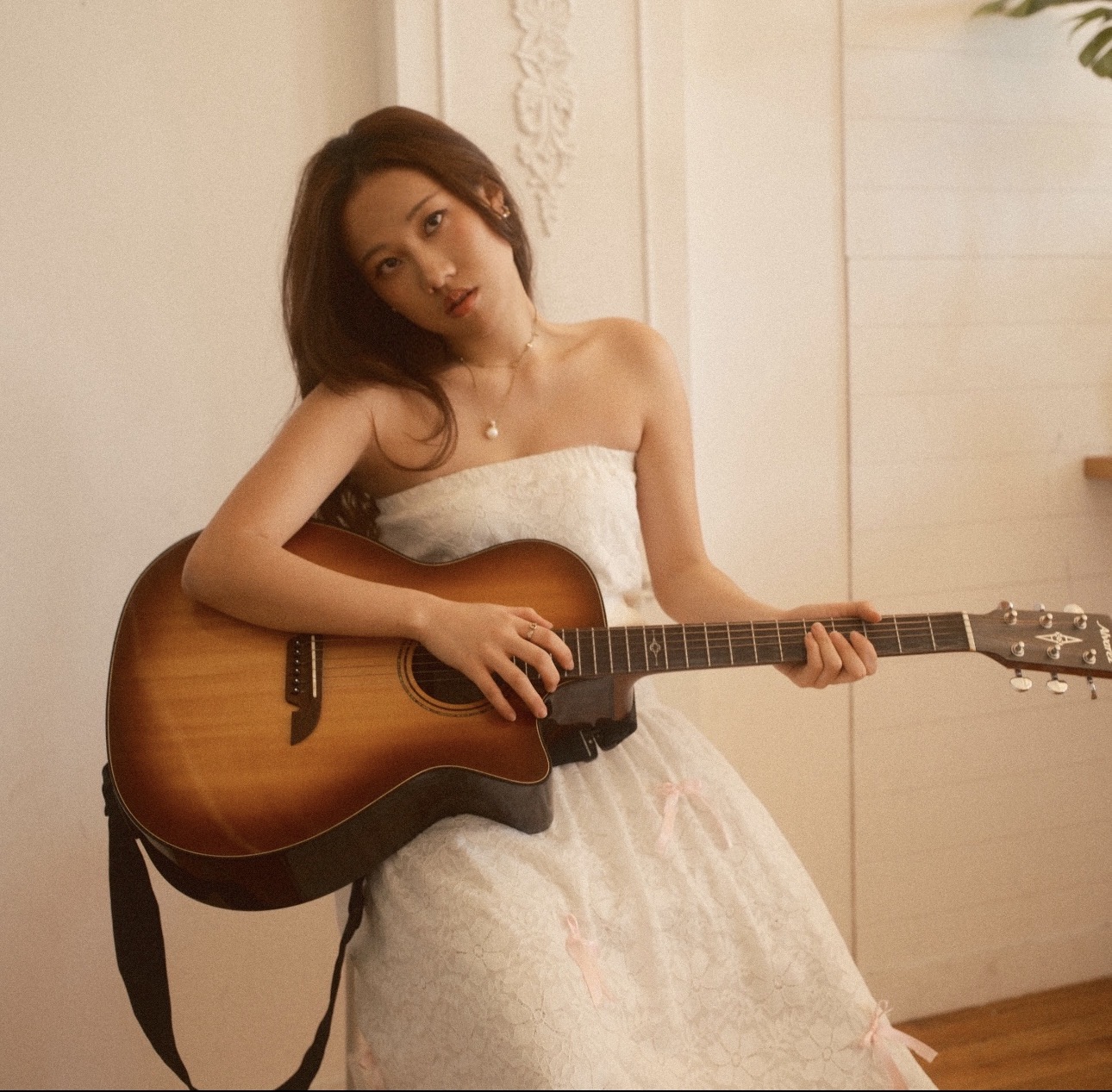
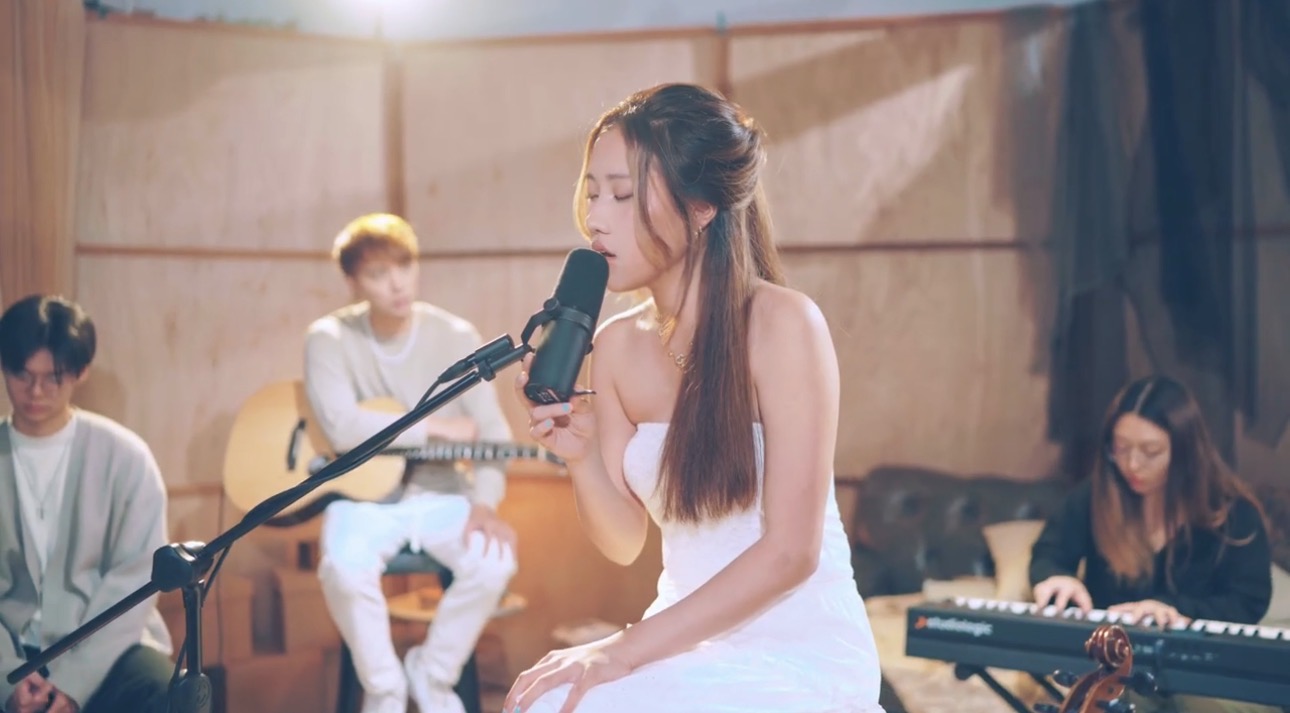

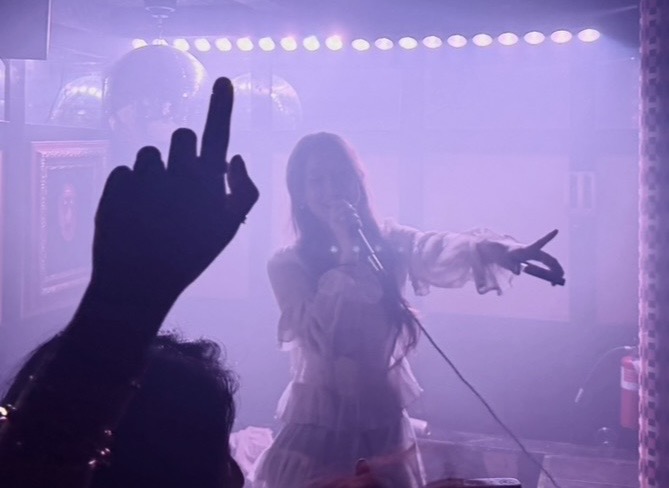
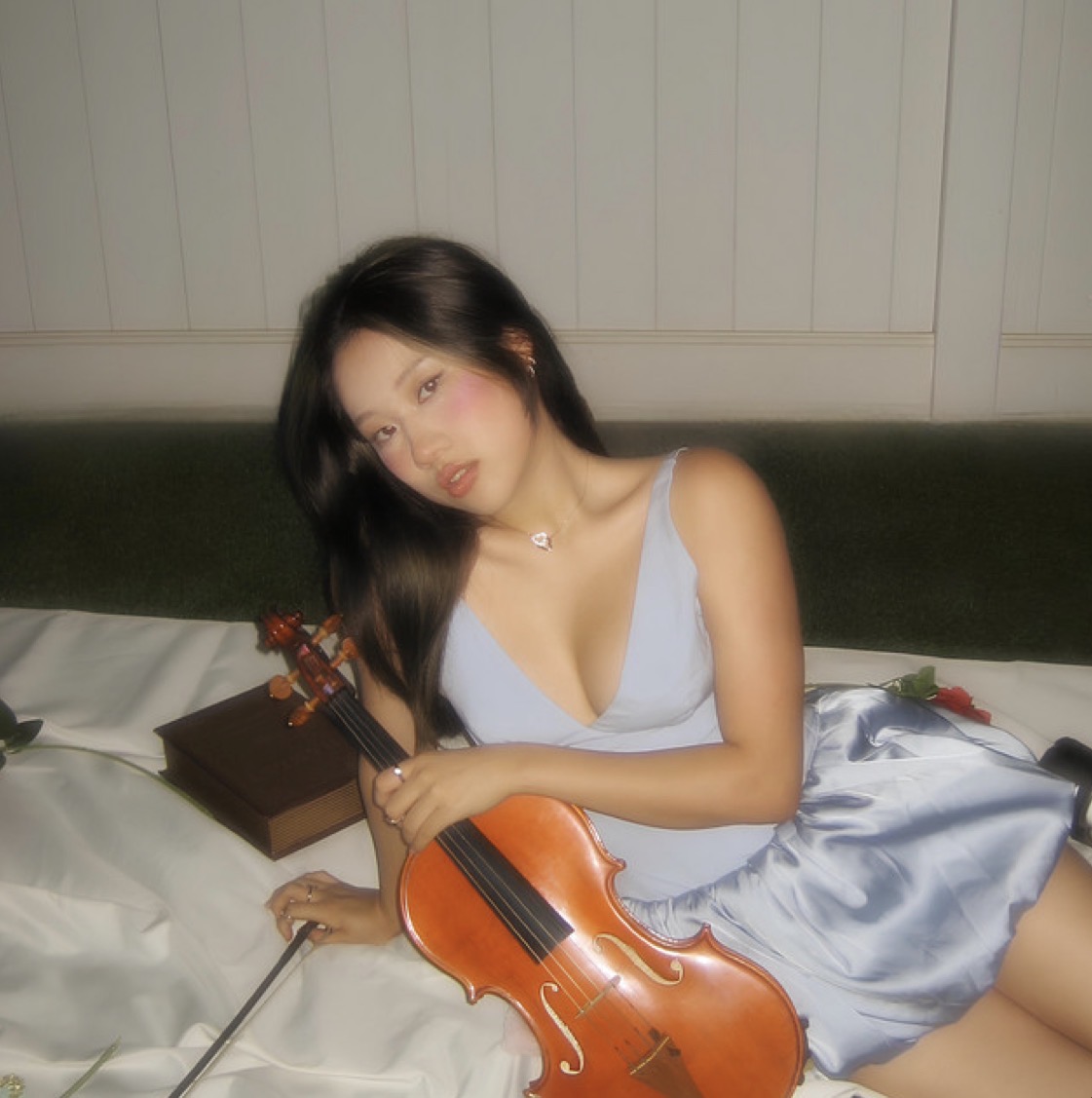
Image Credits
Images: Dino Su
Popular
-

Portraits of the Valley
-

LA’s Most Inspiring Stories
-

Rick Norris Learned That Building a Successful Business Means Building a Life You Actually Want to Live
-

How Olivia Rush Turned Survival Into a Mission to Help Others Keep Going
-

How Bibi Goldstein Is Helping Entrepreneurs Reclaim Their Time by Embracing the Power of Delegation
-

Victoria Hasson is Redefining Voice Coaching Through Community and Collaboration


