




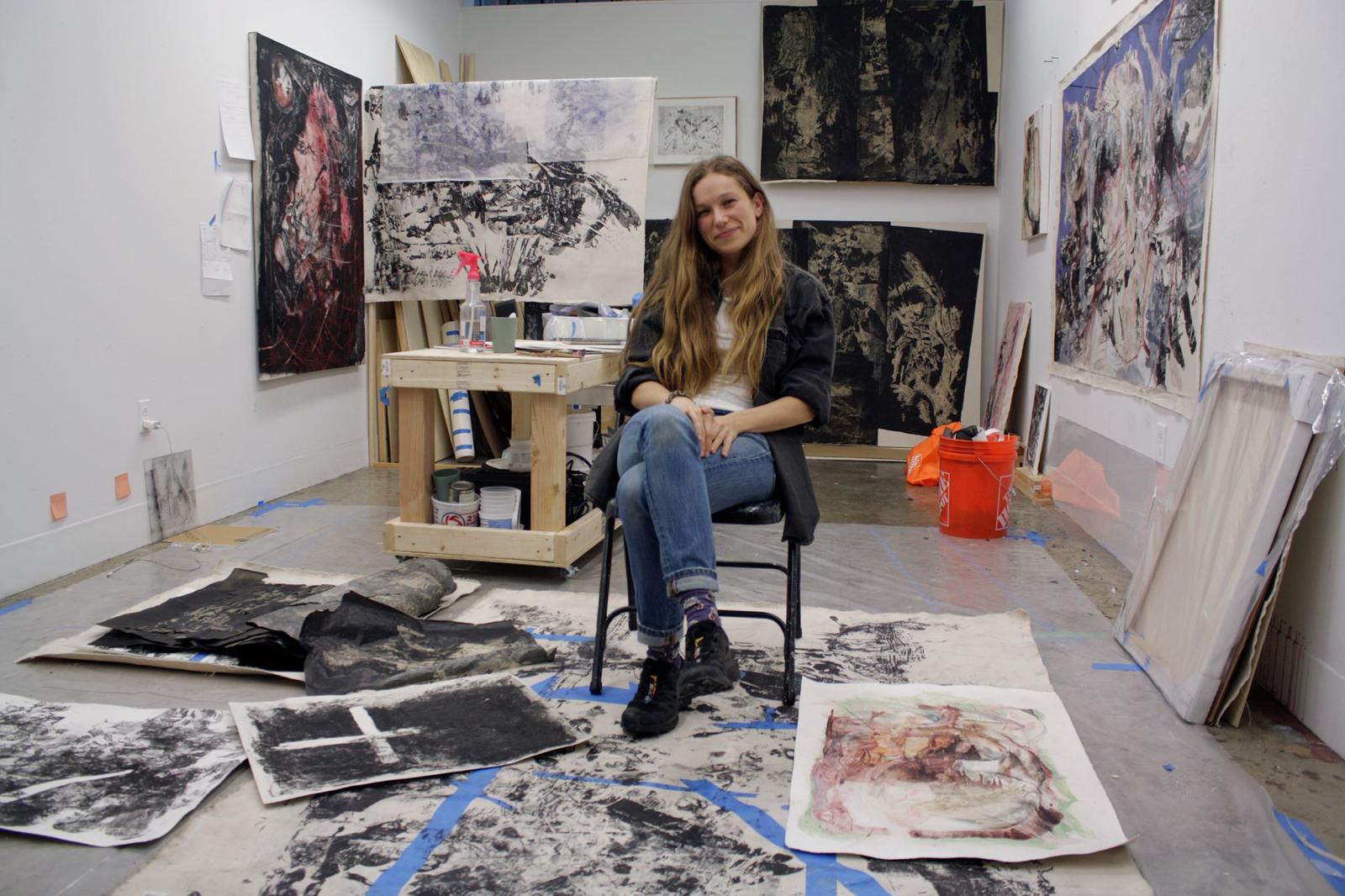
Today we’d like to introduce you to Alixe Turner.
Alright, so thank you so much for sharing your story and insight with our readers. To kick things off, can you tell us a bit about how you got started?
I was born in France, grew up as a foreign service brat between Russia and Austria, and worked in the Middle East and South East Asia for about ten years before becoming a painter. I never thought I’d be a visual artist – I was talented musically and it was an easier language for me to communicate in when I was younger. I studied political science and music at McGill University and was playing in a few bands at the time. It wasn’t until I started to work with data visualization and maps in my studies and professional work that I began to see how dependent political inquiries are on visual metrics. At one point in my career, I ran nationwide polls in North Africa and Libya during the revolution when no census data was available – I had to use satellite mapping imagery to geolocate subsections of society – and perform statistical analyses of data sets. These maps, and the philosophical and ethical issues they raised, became my entry into painting and making installations that address the painting canon and what political systems choose to convey and conceal.
Can you talk to us a bit about the challenges and lessons you’ve learned along the way. Looking back would you say it’s been easy or smooth in retrospect?
Changing careers was definitely daunting. Deciding to become a painter in a new city, and later being accepted and entering an extremely competitive environment like Yale’s Painting and Printmaking department, with all of its traditions and histories, was not a particularly smooth road. The act of painting is also fraught in and of itself. There is no such thing as a blank slate, just as there is no such thing as a blank set of neoliberal geopolitical intentions—to flatten, remake, or create a “tabula rasa.” The idea of the blank canvas is terrifying to me because the intention of making a painting is often tied to the idea that an image can emerge from nothing, when that “nothing” is actually loaded with complex histories. I try to challenge the canon of painting by confronting that supposed blankness.
I think of painting as a negotiation with the limits of history—the rectangle, the frame, the necessity of trying again and again. Maybe this is also a way of staying connected to music and rhythm. I used to enter into a trance playing Rachmaninoff or Satie, repeating the same patterns over and over until I would almost daze off, losing consciousness of what my fingers were composing. That’s the sweet spot for me: when the structure begins to break down. The blank canvas contains all of these invisible structures and limitations, and the real challenge is getting into that same headspace where you can move rhythmically through them and, ultimately, beyond them.
Alright, so let’s switch gears a bit and talk business. What should we know about your work?
Leaving a career and transitioning into the arts without a background in art history or formal technical training has not always been a smooth road. But I am proud of my ability to shift careers, to get to know myself through change, and to experiment without losing sight of the work or the ideas I am trying to work through.
I have always believed that the search and the desire to understand or scratch at something comes first, and that tone and aesthetic emerge from that process. Material choices are an important part of this search because they give me a way to think through ideas more clearly. For example, thinking about materials associated with bureaucracy led me to work with carbon paper and computer toner. The material became a way of making an otherwise abstract or complex idea tangible.
No matter how deeply a work may be imbued with political ideas and draw from research, it has its own agency through its materiality. The world is complicated, and I have always tried to navigate the subconscious within whatever complexity I am attempting to understand.
We all have a different way of looking at and defining success. How do you define success?
Success is a funny word in the art world, and one that is too often associated with market value. In art school, we talk about a “successful” work in terms of its composition, surface treatment, conceptual framework, or its ability to engage with the history of painting in a new way. I’ve always envied peers and colleagues who are more poetic than I am, who create visual experiences that seem to hover above monetary objecthood. This isn’t to say that I intentionally make market-oriented work; I am simply a stronger 2D visual thinker than I am a performance artist, for example. Still, I’m skeptical of how deeply ingrained the American ideological project of capitalism has become in our survival instincts, and how that permeates, often subconsciously, everything we make.
I recently attended the Skowhegan School of Painting and Sculpture, and it was fascinating to see the differences in artistic practices between students coming from Europe and their American counterparts. Those who were fortunate enough to have government subsidies and greater institutional support in Europe seemed to have less object- and market-oriented practices—beautiful, thought-provoking performances, videos, and ephemeral works. This contrasted with American studio practices, where the work often has a clearer market value. One is not necessarily superior to the other, but the ideas of success are clearly different. It makes me wonder what kinds of practices might evolve for many of us in the United States if the pressures of paying rent and bills were alleviated through greater government support for the arts, and how that idea of a ‘successful’ artist would change.
Contact Info:
- Website: https://www.alixeturner.com
- Instagram: @alixe.turner
- Other: https://halfgallery.com/non-zero-target
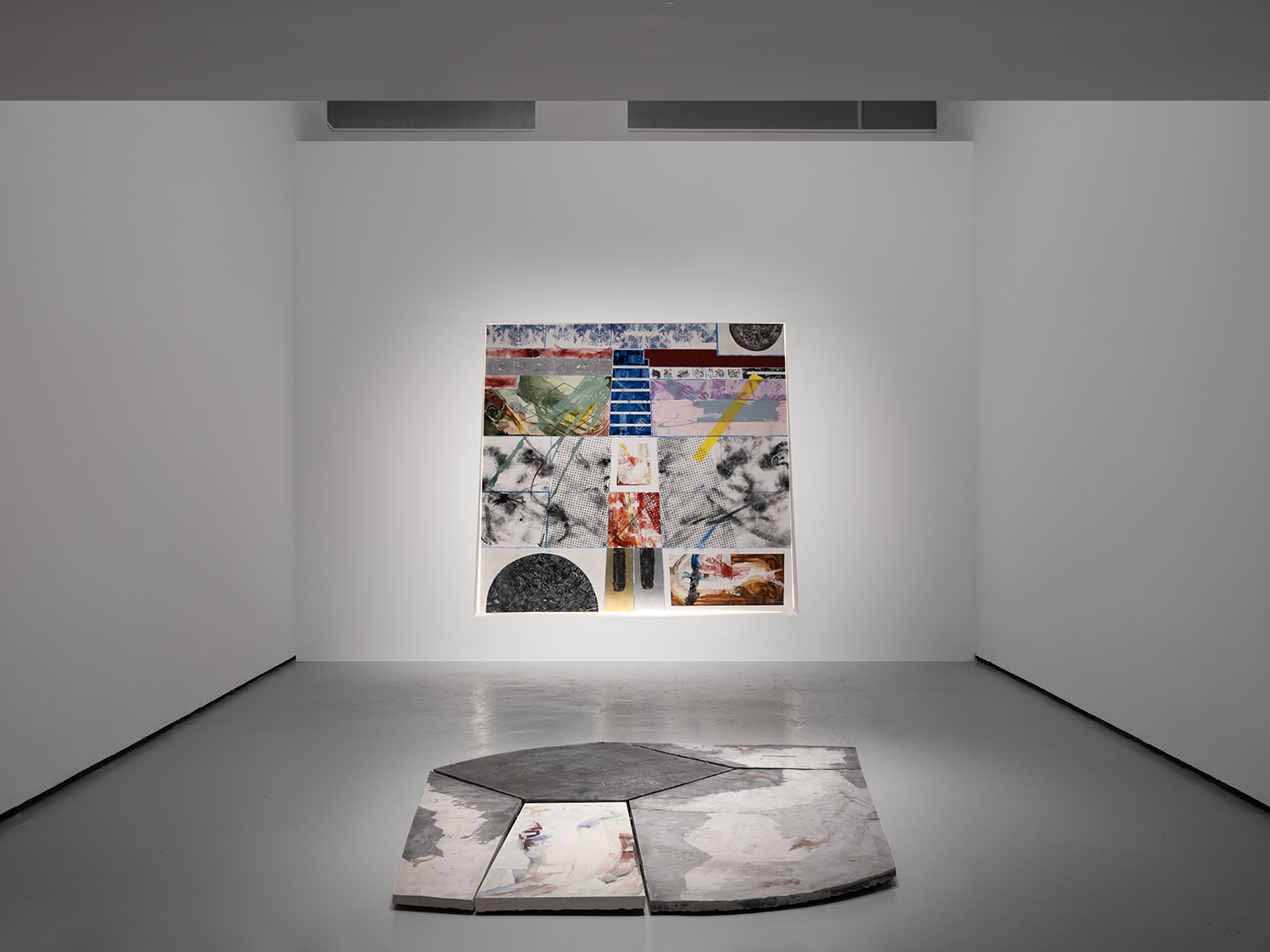
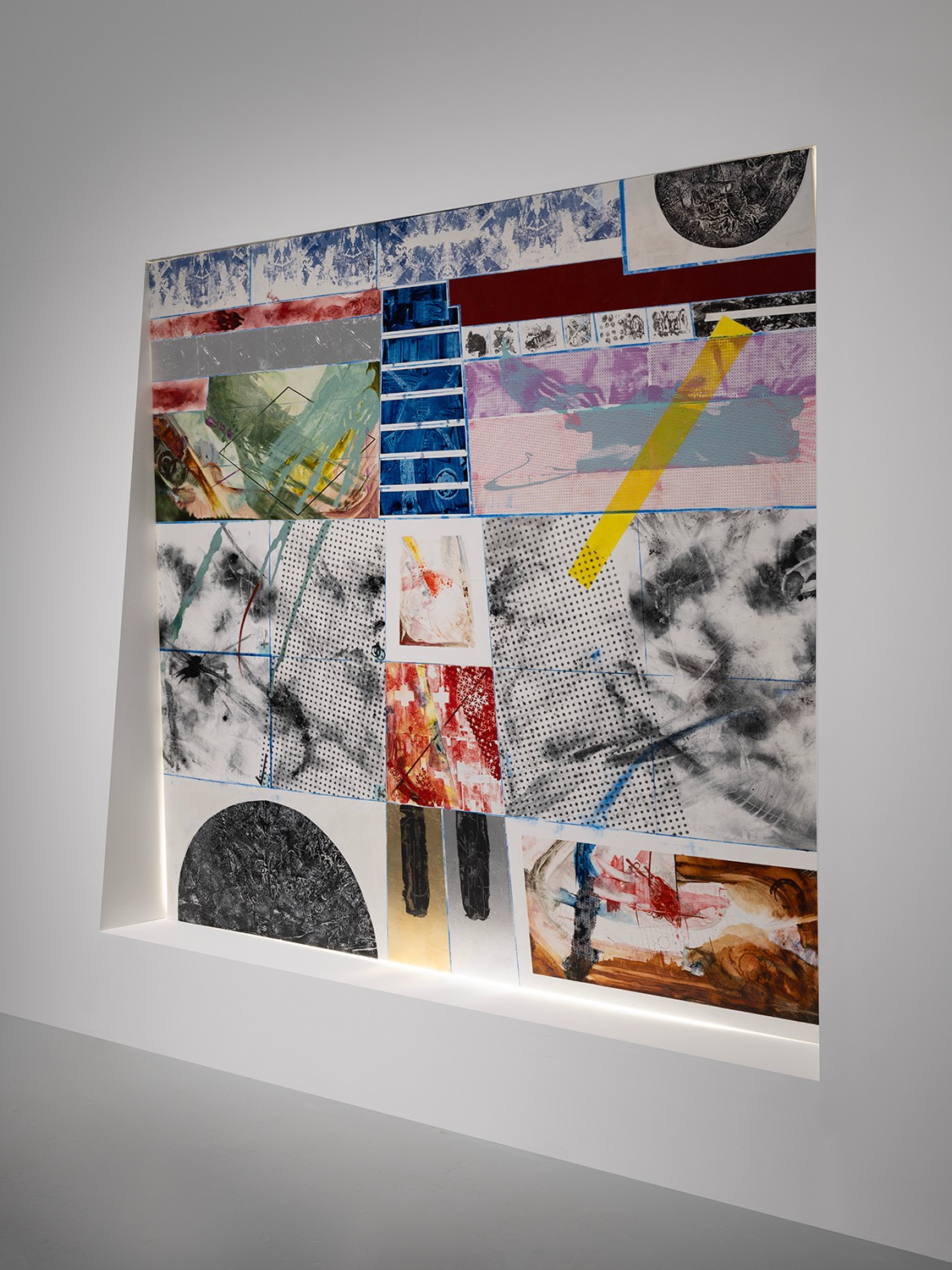
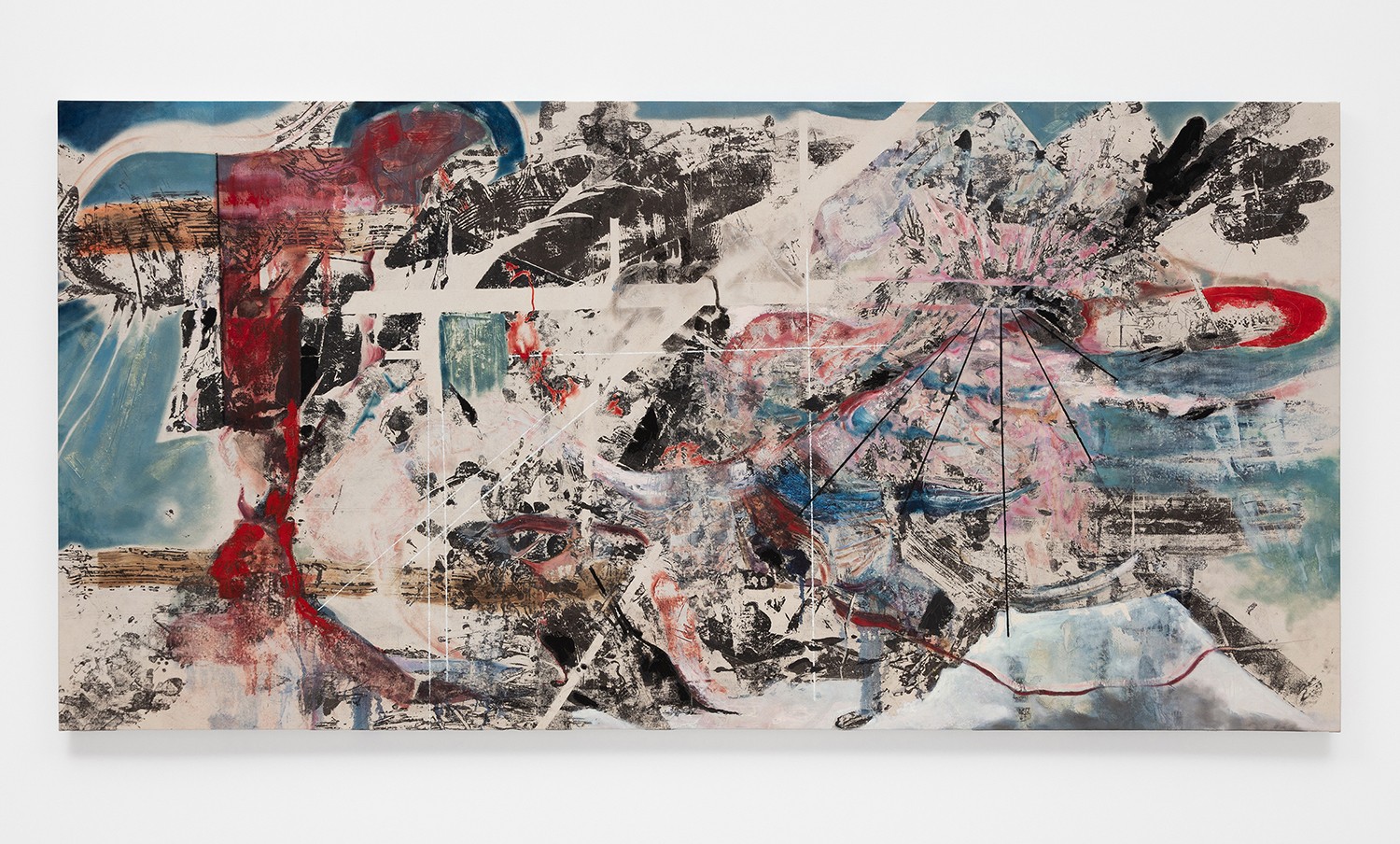
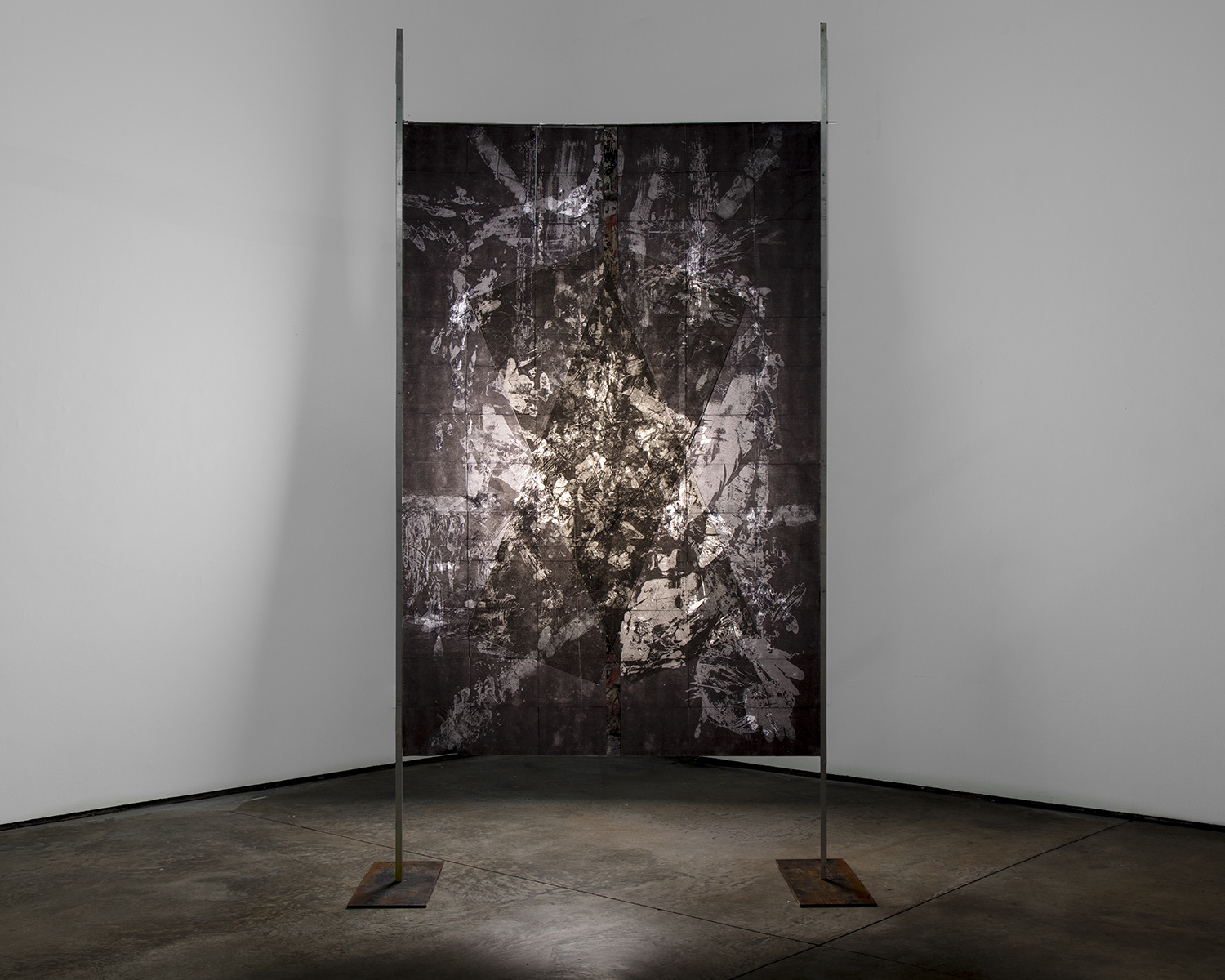
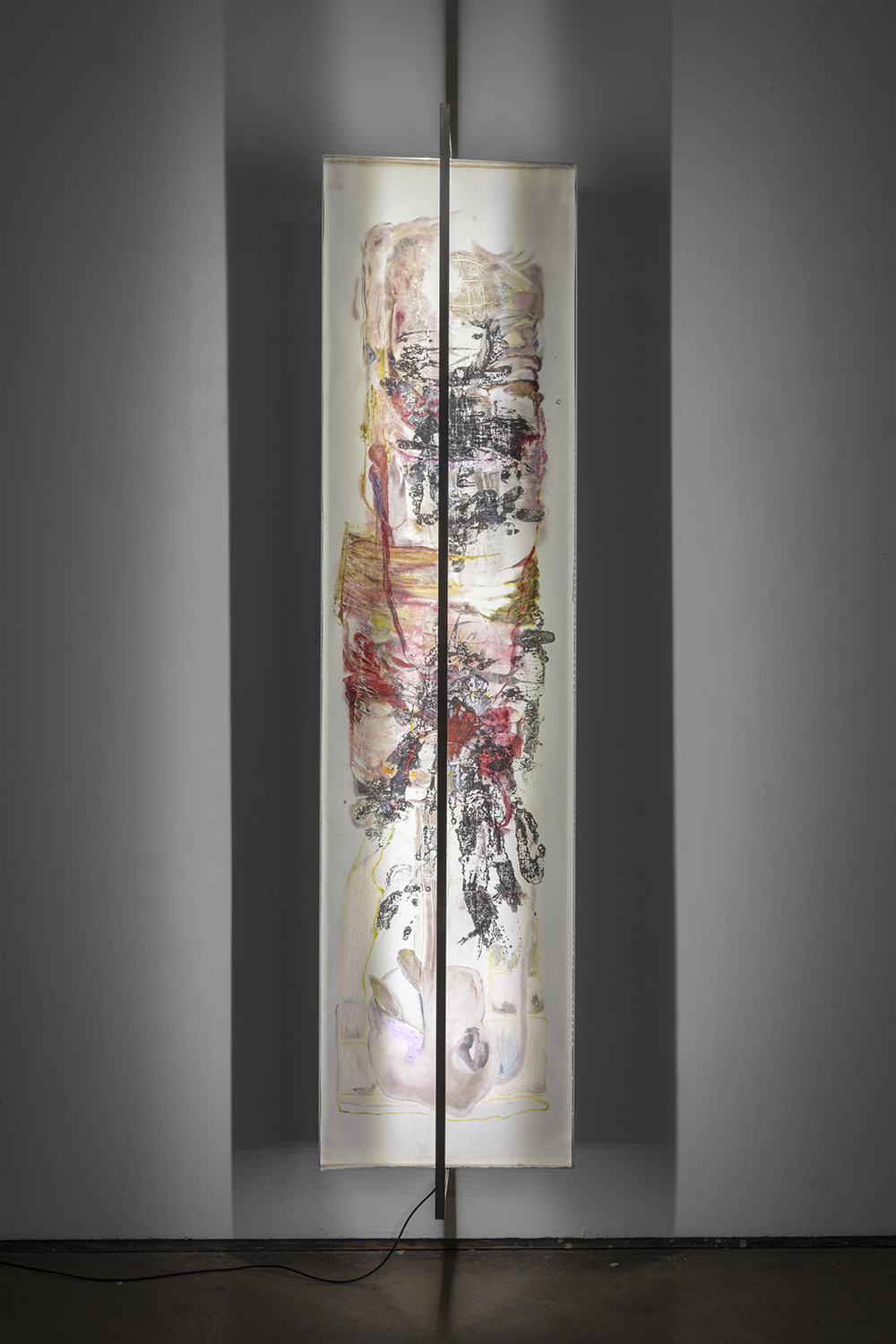
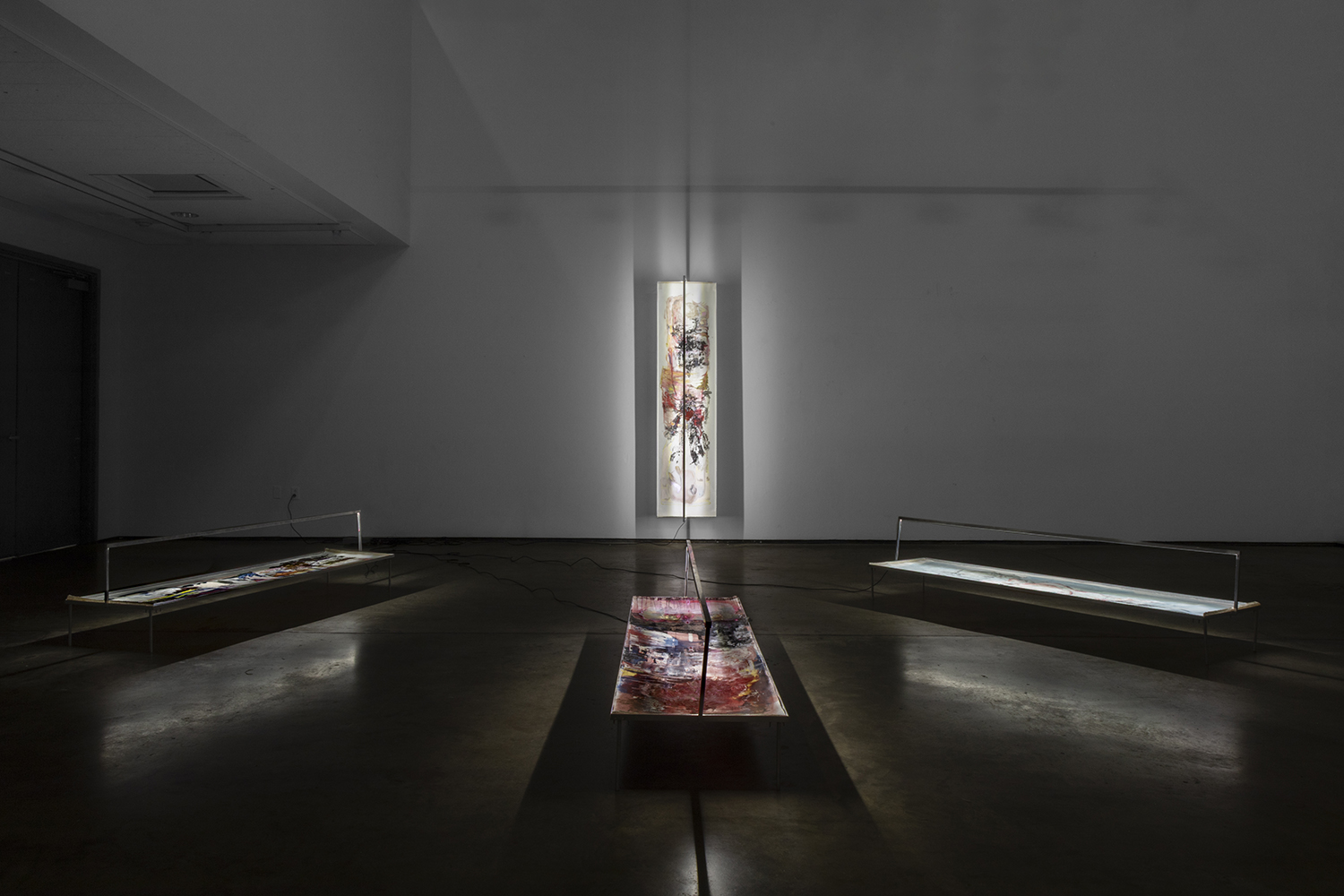
Image Credits
Pat Garcia
Popular
-

Portraits of the Valley
-

LA’s Most Inspiring Stories
-

Rick Norris Learned That Building a Successful Business Means Building a Life You Actually Want to Live
-
How Olivia Rush Turned Survival Into a Mission to Help Others Keep Going
-

How Bibi Goldstein Is Helping Entrepreneurs Reclaim Their Time by Embracing the Power of Delegation
-

Victoria Hasson is Redefining Voice Coaching Through Community and Collaboration


