




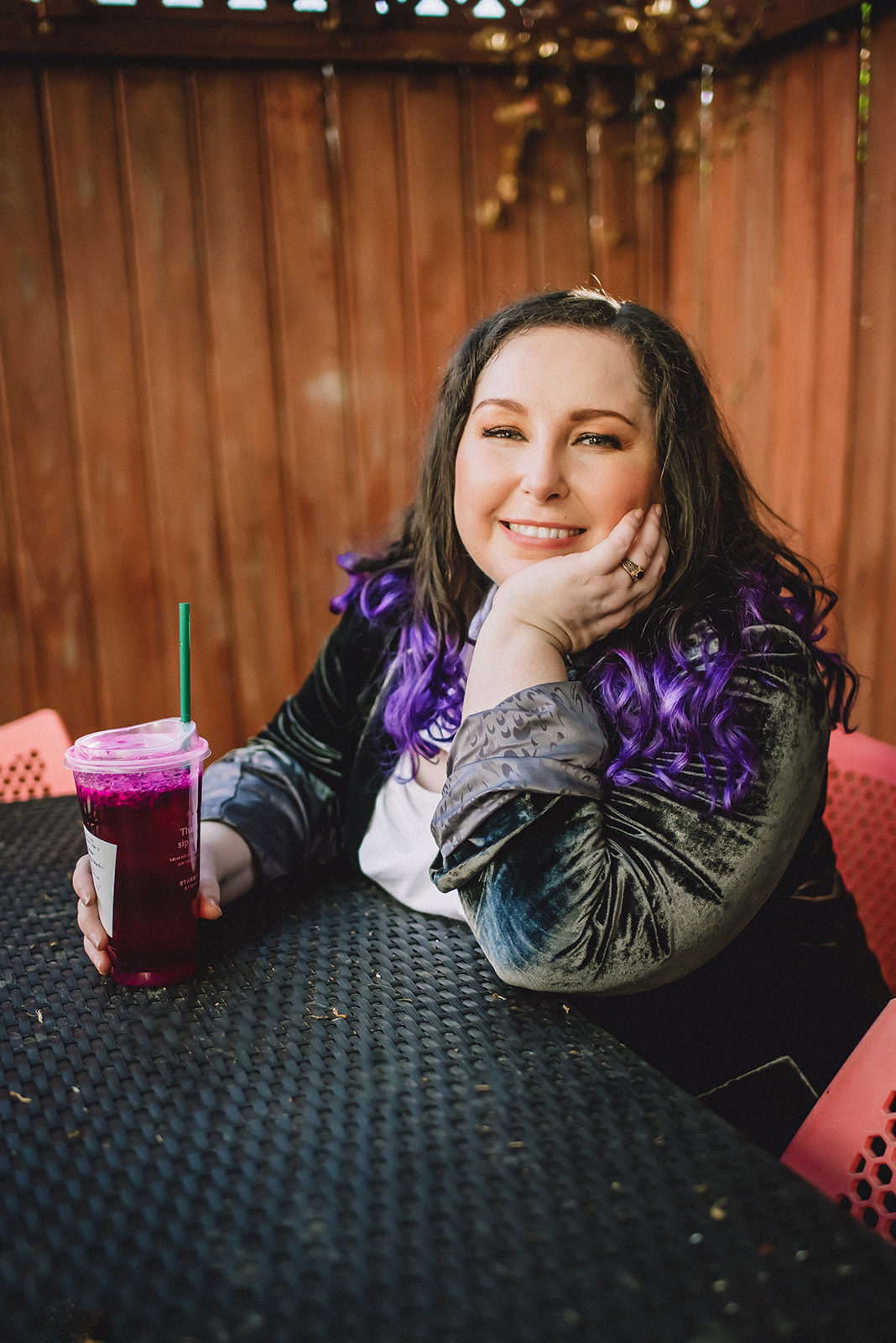
Today we’d like to introduce you to Natalie Feinblatt.
Hi Natalie, so excited to have you on the platform. So before we get into questions about your work-life, maybe you can bring our readers up to speed on your story and how you got to where you are today?
When I first became a psychologist, I worked with a wide variety of clients and concerns. As my career evolved, I found myself increasingly drawn to people whose current struggles were rooted in earlier life experiences – especially childhood trauma, Complex PTSD, addiction, and experiences of coercive control.
One thing I’ve learned over the years is that people make a lot more sense when you understand what happened to them. Many of the clients I work with are incredibly insightful. They’ve read the books, listened to the podcasts, and can explain exactly why they react the way they do. But insight alone doesn’t always create lasting change. That’s where therapy can make such a difference.
That realization shaped the direction of my practice. I pursued advanced training in trauma-focused approaches, including EMDR, and built a practice centered on helping adults heal from the lasting effects of childhood trauma, Complex PTSD, addiction, and cult or high-control group experiences. I especially enjoy working with people who have spent years feeling like something is “wrong” with them, only to discover that many of their patterns were actually creative ways of surviving difficult circumstances.
I’ve been in private practice in Los Angeles since 2015, and what continues to inspire me is seeing people move from simply understanding their past to experiencing genuine change in the present. Watching someone replace self-blame with self-compassion, feel safer in their own nervous system, and begin building a life that’s no longer organized around survival is an incredible privilege. I can’t imagine doing anything else.
Alright, so let’s dig a little deeper into the story – has it been an easy path overall and if not, what were the challenges you’ve had to overcome?
Definitely not! Like most psychologists, I started out wanting to help everyone. As I gained experience, I realized that one of the most important things you can do – for both yourself and your clients – is get really clear about who you’re best equipped to help.
Over the years, I’ve learned that it’s okay to say, “This isn’t my area of expertise,” and to refer someone to a colleague who would be a better fit. At the same time, I’ve become increasingly intentional about deepening my knowledge in the areas I’m most passionate about, particularly Complex PTSD, childhood trauma, addiction, EMDR, and cult recovery. That process of narrowing my focus has actually allowed me to help people more effectively.
Another challenge has been accepting that healing doesn’t happen on a predictable timeline. As therapists, we naturally want our clients to feel better as quickly as possible. But real, lasting change often takes time, especially when someone has spent years adapting to difficult experiences. I’ve learned to trust the process, celebrate the small victories, and remember that progress isn’t always linear.
Looking back, I’m grateful for those challenges because they’ve made me a more thoughtful therapist. They’ve taught me that curiosity, humility, and a willingness to keep learning are just as important as any degree or certification.
Appreciate you sharing that. What should we know about Dr. Natalie Feinblatt?
I work with adults throughout Los Angeles and across California who are struggling with the lasting effects of trauma, Complex PTSD, addiction, or experiences that have left them feeling disconnected from themselves. Many of my clients are thoughtful, insightful people who have spent years trying to understand why they react the way they do. They’ve made progress intellectually, but they’re frustrated that insight alone hasn’t translated into feeling better.
My practice specializes in Complex PTSD, childhood and developmental trauma, EMDR therapy, addiction and recovery, and cult recovery or other high-control relationships. Whether someone grew up in an emotionally immature family, survived abuse or neglect, is working to maintain sobriety, or is recovering from a coercive or controlling environment, my goal is the same: to help them move beyond surviving and begin genuinely healing.
What sets my practice apart is that I don’t see my clients as broken. I see them as people whose minds and nervous systems adapted in remarkably creative ways to difficult circumstances. Those adaptations often made perfect sense at one point in their lives – they just may no longer be serving them today. Therapy isn’t about “fixing” people. It’s about understanding those patterns with compassion and helping people develop new ways of relating to themselves and the world.
I’m also proud that my practice has become a place where people with complex histories feel understood. Many of my clients tell me it’s the first time they’ve felt they didn’t have to spend half the session explaining or defending their experiences. Creating that sense of safety and understanding is something I value deeply, because meaningful healing is much more likely to happen when people feel truly seen.
Are there any important lessons you’ve learned that you can share with us?
One of the most important lessons I’ve learned is that people make a lot more sense when you understand their story.
It’s incredibly easy to look at someone’s anxiety, addiction, relationship patterns, or emotional reactions in isolation and wonder, “Why would they do that?” But when you understand what they’ve lived through, those same behaviors often become understandable, even if they’re causing pain now.
That perspective has fundamentally shaped the way I practice. Instead of asking, “What’s wrong with this person?” I find it much more helpful to ask, “What happened to this person?” and “How did these patterns help them survive?” Those questions tend to lead to much more compassion, both from me and, eventually, from my clients toward themselves.
I’ve also learned that insight is only one part of healing. Understanding why we do something is valuable, but lasting change often happens when our nervous system begins to experience something different. That’s why I love trauma-focused work so much – it helps people move beyond simply knowing their history to actually feeling safer, more connected, and more free in their everyday lives.
That lesson continues to keep me curious. Even after all these years, I still find it incredibly rewarding to sit with another human being, understand their unique story, and watch them discover that they’re far more resilient – and far less “broken” – than they’ve been led to believe.
Pricing:
- Session rate: $315 per 50 minute session
Contact Info:
- Website: https://drnataliefeinblatt.com/
- Instagram: https://www.instagram.com/healingwithdrnatalie/
- LinkedIn: https://www.linkedin.com/in/natalie-feinblatt-6723a663
Popular
-

Portraits of the Valley
-

LA’s Most Inspiring Stories
-

Rick Norris Learned That Building a Successful Business Means Building a Life You Actually Want to Live
-

How Olivia Rush Turned Survival Into a Mission to Help Others Keep Going
-

How Bibi Goldstein Is Helping Entrepreneurs Reclaim Their Time by Embracing the Power of Delegation
-

Victoria Hasson is Redefining Voice Coaching Through Community and Collaboration


