




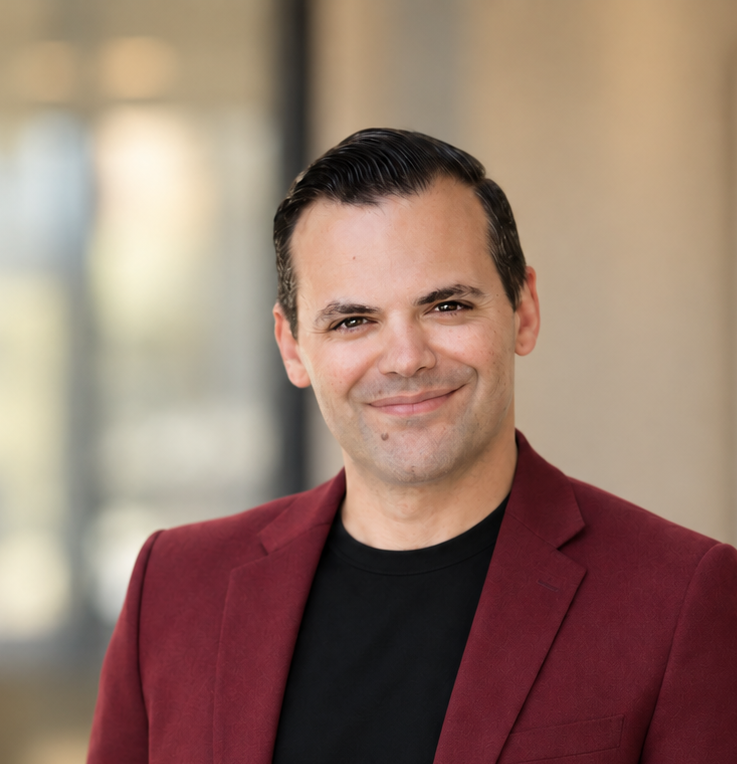
Today we’d like to introduce you to Matias Baker Masucci.
Hi Matias Baker, please kick things off for us with an introduction to yourself and your story.
My path into real estate was not particularly linear.
I was born and raised in Italy and moved to Los Angeles in 1999. I originally came here through the entertainment world and spent some of my early years around film production. Eventually, though, I found myself much more interested in real estate, first through property management and working with investors and property owners.
What attracted me was the problem-solving side of it.
I have never been particularly interested in real estate as simply opening doors, showing houses and negotiating a price. I liked the situations where something had to be figured out: an unusual property, a complicated ownership situation, a difficult transaction, or an owner who needed more than a traditional salesperson.
Over time, more and more of those assignments involved probate, trusts and inherited property.
At first, I don’t think I consciously decided, “I am going to build a probate real estate practice.” It happened because I kept seeing how different these transactions were from ordinary residential sales.
The person making the decision often is not the person who bought the house. They may be an executor, administrator, trustee or professional fiduciary who suddenly has responsibility for an asset they never expected to manage.
They may live hundreds of miles away. They may be grieving. They may be dealing with siblings or beneficiaries who disagree. The property may have tenants, occupants, years of accumulated belongings, deferred maintenance or very little cash available to deal with any of it.
At the same time, that person has a responsibility to the estate or trust.
That combination of real estate, responsibility and human complexity fascinated me.
I started learning the probate side of the business much more deeply and building relationships with probate attorneys, estate-planning attorneys and professional fiduciaries. I learned that being useful to those professionals meant understanding where the real estate process intersects with their work, while also being very clear about where the broker’s role ends and the attorney’s role begins.
The practice grew largely from there.
One difficult assignment led to another. Attorneys began referring other attorneys. Fiduciaries referred other fiduciaries. Families referred other families.
Eventually, what had been one part of my real estate business became a real specialty.
Today I am a Los Angeles real estate broker behind Every LA and The Probate Realtor, and a significant part of my work is focused on probate, trust, inherited-property and fiduciary real estate.
The interesting thing is that specializing has actually made the work broader, not narrower.
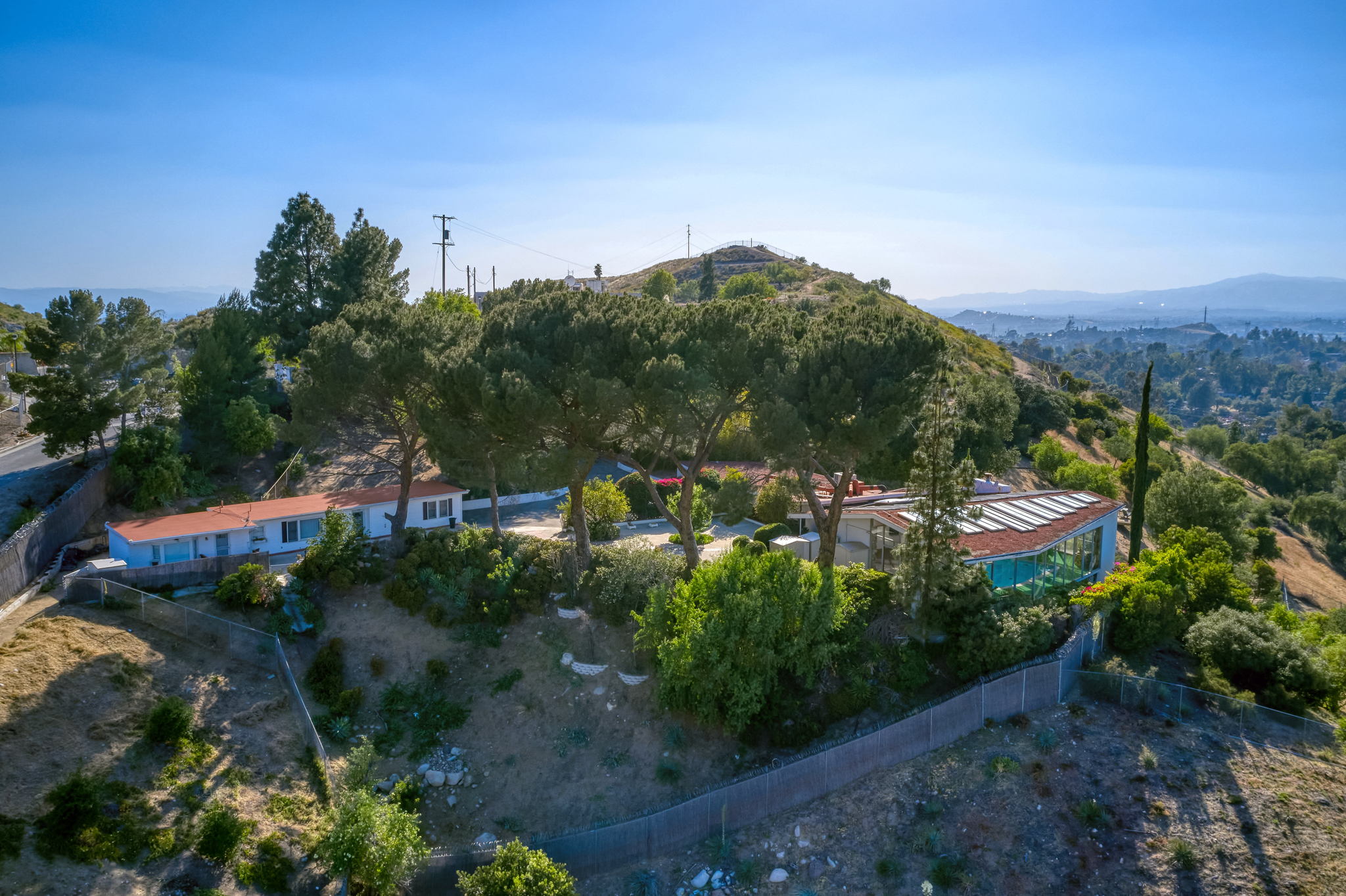
Probate real estate can mean a small house that has been in one family for fifty years. It can mean an apartment building, vacant land, a luxury property, a rental portfolio, or an asset owned by a trust whose beneficiaries may be family members, charitable organizations or sometimes both.
No two estates are quite alike.
The common thread is that the person who originally owned the property is no longer the person making the decisions.
I sometimes describe what I do by saying, “I represent dead people.”
It gets a laugh, but there is a serious idea behind it.
The deceased owner cannot ask whether the property was valued correctly. They cannot question whether an easy offer is actually fair. They cannot insist that the property be properly exposed to the market. They cannot remind everybody what they spent a lifetime building or what they intended to happen to it.
Someone else has been entrusted with carrying out those wishes.
I came to realize that my role is to help that person handle the real estate portion of that responsibility exceptionally well.
That is really how I got to where I am today.
I did not set out to create a niche simply for the sake of having a niche. I kept moving toward the part of real estate where I felt I could be most useful, and eventually that became the identity of the practice.
What I enjoy most now is that the work is still very much real estate, but it is also about families, fiduciary responsibility, problem-solving and helping people navigate a moment in their lives that they usually did not choose.
That makes the work meaningful to me in a way I did not anticipate when I first got into the business.
Can you talk to us a bit about the challenges and lessons you’ve learned along the way. Looking back would you say it’s been easy or smooth in retrospect?
I would not call it a smooth road, although I also do not have one dramatic “everything almost collapsed” story that defines it.
The harder part has been building a career around work that requires people to trust you before they really know you.
Probate and trust real estate is heavily referral-driven. An attorney, professional fiduciary or estate-planning professional who introduces me to a client is putting part of their own reputation behind that introduction. You cannot manufacture that kind of confidence with advertising or by simply declaring yourself an expert.
You earn it slowly.
Early on, that was probably the biggest challenge. I could study the process, understand the real estate, build systems and become very good at the work, but none of that automatically meant the professional community knew what I could do.
I had to become useful first.
That meant answering questions when there was no listing involved. Looking at properties before anyone knew whether they were going to sell. Providing valuation information. Helping people understand the real estate implications of different choices. Being available to attorneys when they needed a broker’s perspective, while also being disciplined about staying in the broker’s lane and not pretending to practice law.
Sometimes there was business at the end of it. Sometimes there was not.
Over time, enough people saw how I worked that the referrals began to compound.
Another challenge has been learning that doing a good job does not always mean making the transaction easier.
Real estate naturally rewards speed. Everybody likes a clean offer, a quick escrow and a simple closing.
Estate work sometimes forces you to resist that instinct.
There are moments when the easiest answer may be perfectly reasonable. There are also moments when slowing down, asking another question, getting better market exposure or challenging an assumption is exactly what the estate needs.
That can make you temporarily unpopular.
I have had to become comfortable giving advice that may create more work for me or delay my own commission because I believe it produces a better outcome for the client.
That sounds obvious when you say it out loud, but in a commission business it requires discipline.
The emotional side has also taken time to understand.
Real estate is usually associated with beginnings: buying a first home, moving to a larger house, getting married, having children, investing, building something.
A lot of my work begins at the other end of that story.
Families are sorting through rooms that still look exactly as their parents or grandparents left them. People are deciding what to keep and what to let go. Siblings who have very different memories of the same house may also have very different opinions about what should happen to it.
You have to respect that without losing sight of the fact that there is still an asset to manage and decisions that have to be made.
Learning that balance took time.
You cannot become so emotionally detached that people feel like another transaction. But you also cannot absorb every family’s grief as your own or you will not be useful to them.
There is a similar challenge in running the business itself.
As the practice has grown, I have had to build systems, delegate and create repeatable processes. That is necessary. But probate and trust work resists being turned into an assembly line.
The facts may look similar on paper, but the people rarely are.
One estate needs speed. Another needs patience. One fiduciary wants extensive documentation. Another family needs someone to explain the same thing three times because they are overwhelmed. One property needs almost no intervention. Another requires months of work before it is realistically marketable.
So one of my ongoing challenges is figuring out what should be systematized and what should never become automatic.
We can systematize tracking, marketing, communication, valuation procedures and transaction management.
Empathy cannot be systematized.
Judgment cannot be reduced to a checklist.
And trust certainly cannot.
I have also had to accept that specialization means saying no sometimes.
There is always pressure in real estate to be everything to everyone. Take every listing. Chase every lead. Work every neighborhood. Promote every accomplishment.
The more my practice developed, the more I realized I was better off becoming exceptionally useful to a particular group of people with difficult real estate problems.
That required narrowing my focus when the instinct in business is usually to broaden it.
In hindsight, that decision was one of the most important things I did.
So the struggle has not been one catastrophe. It has been a series of smaller disciplines: earning trust slowly, being willing to give uncomfortable advice, learning how close to stand to someone else’s grief, building a team without making the work impersonal, and resisting the temptation to treat complicated problems as if they have simple answers.
I am still working on all of those things.
And I think that is probably healthy.
Alright, so let’s switch gears a bit and talk business. What should we know?
Every LA is my broader Los Angeles real estate practice, and The Probate Realtor is the specialized part of our business focused on probate, trust, inherited-property and fiduciary real estate.
What makes the work different is that we are rarely hired simply because somebody wants to sell a house.
Usually something has happened first.
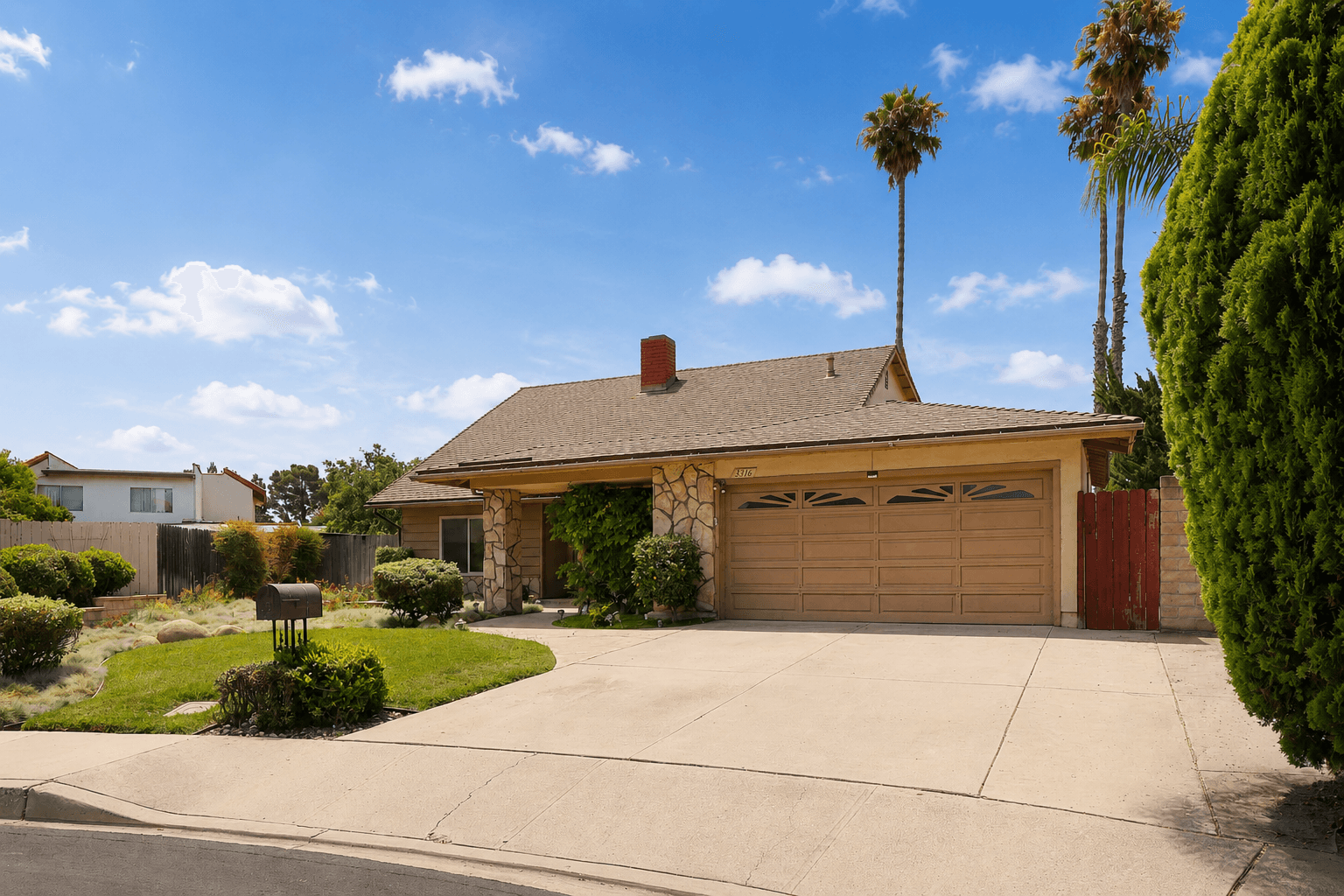
Someone has died. A trustee has taken over. A professional fiduciary has been appointed. A family member in another state has suddenly inherited a Los Angeles property. A house may still be occupied, filled with belongings, in poor condition, or tied up in a family situation that has been developing for years.
So we often become much more than the person who eventually puts the property on the market.
We become the real estate problem-solving arm of the estate or trust.
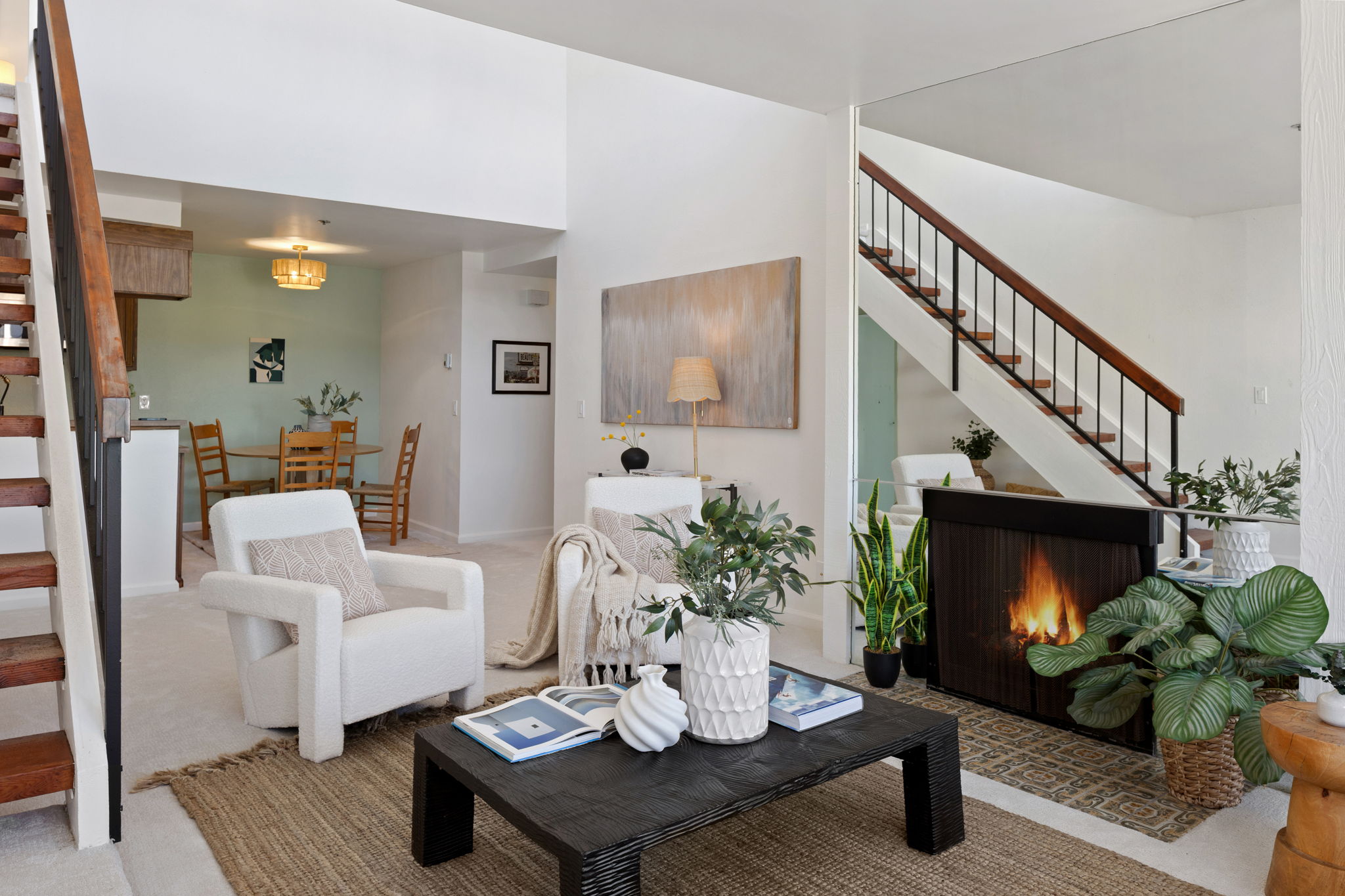
That can mean helping the fiduciary understand the value of the asset, coordinating with probate counsel, escrow and title, arranging cleanouts and property preparation, dealing with tenants or occupants, creating access for inspections, developing the marketing strategy, educating buyers about the probate process, and then documenting what happened so the fiduciary has a record of how the property was exposed to the market.
One of the things I love about this specialty is how much you learn about people through their estate plans.
I once worked on a substantial trust where there were no direct descendants who would ultimately receive the estate. The person who died had made provisions so that money would first be available to care for the little dog that had been their companion during the final years of their life.
The trustee’s responsibility was not abstract. Part of the estate literally existed to make sure that dog continued to have a good life.
After the dog passed away, the remaining assets were designated to benefit an animal-related charity.
I remember thinking how extraordinary that was.
We were dealing with millions of dollars in assets, but behind all the numbers was something very simple: somebody loved an animal, worried about what would happen to it after they were gone, and created a plan to protect it.
The real estate transaction was one piece of carrying out those wishes.
That is why I think trust and probate real estate requires a different mindset. You are not just asking, “How do we sell this property?”
You are asking, “What is this property supposed to accomplish for the people, organizations or purposes the decedent cared about?”
Other cases are difficult for completely different reasons.
In one probate matter, an heir who lived outside California needed to sell a Los Angeles property. Another beneficiary was living in the house and would not cooperate with the sale or even provide access.
We tried repeatedly to work with the occupant because cooperation is almost always better for everybody. But eventually the estate still had to move forward.
We ultimately marketed and sold the property without ever obtaining interior access ourselves.
The buyers understood the situation, understood the limitations, and bought the home with plans to renovate it for their own use. The possession issues after the sale were handled through the appropriate legal process.
That transaction taught me something that comes up frequently in this work: a difficult problem does not necessarily make a property unsellable. It means the transaction has to be structured around the reality of the problem instead of pretending it does not exist.
That philosophy applies to our marketing too.
A probate property should not automatically be treated like distressed inventory simply because it came through an estate.
We put a tremendous amount of effort into understanding the asset first. What do we believe it is worth? Who is the likely buyer? What is preventing that buyer from seeing the value? What information do buyers need in order to feel comfortable participating?
Then we build the strategy around those answers.
Sometimes that means traditional real estate marketing: professional photography, video, 3D tours, open houses, digital advertising and broad market exposure.
Sometimes it means educating buyers who have never purchased probate real estate before.
Terms like “limited authority,” “court confirmation” and “overbid” can sound intimidating. If qualified buyers are scared away simply because nobody explained the process to them, that is a problem for the estate.
So we spend a lot of time making the process understandable.
The same goes for fiduciaries.
When I work with an executor, administrator, trustee or professional fiduciary, I want them to be able to show what happened in the marketplace.
We track buyer inquiries, showings, open-house attendance, online activity, advertising response, offers, counters and negotiations.
That documentation is not busywork.
A fiduciary may eventually have to explain a decision to beneficiaries, counsel or the court. I want them to have evidence showing that the property was properly exposed and that the market was given a genuine opportunity to respond.
What I am most proud of about the brand is that the complicated part of a transaction is usually the part we want.
When somebody calls and says:
“There is a tenant who will not cooperate.”
“The family is in another state.”
“The house is full of fifty years of belongings.”
“The trustee does not know where to start.”
“Nobody has been inside.”
“This property is unusual and we do not know who would buy it.”
My reaction is generally, “Okay. Let’s figure it out.”
That is what The Probate Realtor has really become.
Not simply a brand for selling probate properties, but a practice built around solving the real estate problems that arise when somebody else has been entrusted with carrying out a person’s wishes after they are gone.
And that is the part of the work I am most proud of.
Is there something surprising that you feel even people who know you might not know about?
Something people who know me primarily through real estate may not realize is how much of my life revolves around community.
I am raising four children with my wife, and outside of work I somehow keep finding myself volunteering for things.
I serve as a ProVisors group leader, which means helping build a professional community where attorneys, financial professionals, real estate professionals and other advisors can genuinely help one another.
Closer to home, I serve as Chair of Communications for my neighborhood association, not simply as someone who sits on the board. I care a lot about the neighborhood where my family lives and about making sure people know what is happening, feel connected and have a voice.
And then there is Cub Scouts. I am a den leader there too.
So depending on the hour of the day, I might be discussing a multimillion-dollar estate with an attorney, helping organize a professional networking group, working on a neighborhood communication issue, or trying to keep a group of kids focused long enough to earn a badge.
I realize that sounds like a lot.
But I do not really experience those things as separate from one another.
The common thread is that I like building communities.
I like introducing people who should know each other. I like helping groups communicate better. I like being useful when something needs to get organized. And I like the idea that if I am going to belong to a community, whether it is professional, geographic or something my children are part of, I should contribute to it rather than just take from it.
Raising four children probably reinforces that perspective too. It makes your world very local very quickly. Schools matter. Parks matter. Neighbors matter. The people who volunteer matter.
Real estate can sometimes become very focused on transactions, rankings and production. Those things are part of the business, but they are not the whole picture for me.
A lot of the life I am most proud of happens in rooms where nobody is talking about real estate at all.
And maybe the surprising part is that, despite how busy it sounds, those commitments do not feel like distractions from my work.
They are part of what keeps the work in perspective.
Contact Info:
- Website: https://everyla.com/probate-realtor-los-angeles/
- Instagram: https://www.instagram.com/matiasbroker
- Facebook: https://www.facebook.com/matiasbakermasucci/
- LinkedIn: https://www.linkedin.com/in/matiasbroker/
- Twitter: https://twitter.com/matiasbroker
- Youtube: https://www.youtube.com/@matiasbroker
- Yelp: https://www.yelp.com/biz/matias-baker-masucci-realtor-beverly-hills






Popular
-

Portraits of the Valley
-

LA’s Most Inspiring Stories
-
Rick Norris Learned That Building a Successful Business Means Building a Life You Actually Want to Live
-
How Olivia Rush Turned Survival Into a Mission to Help Others Keep Going
-

How Bibi Goldstein Is Helping Entrepreneurs Reclaim Their Time by Embracing the Power of Delegation
-

Victoria Hasson is Redefining Voice Coaching Through Community and Collaboration


