




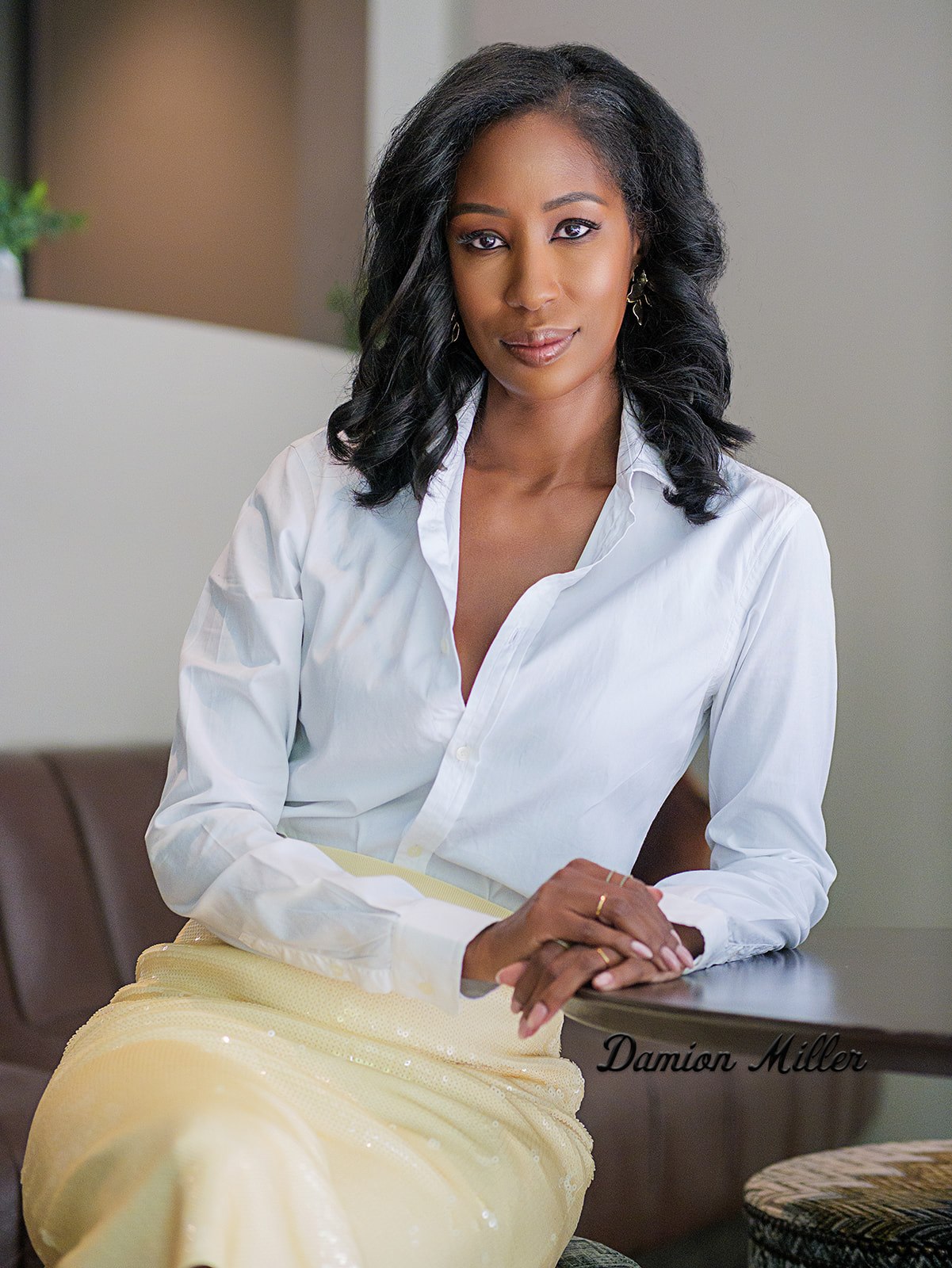
Today we’d like to introduce you to Kiana Walcott.
Hi Kiana, thanks for sharing your story with us. To start, maybe you can tell our readers some of your backstory.
It all started when I was 17 years old (1997) and my Uncle Don asked me if I wanted to go to work with him for the summer. I said sure. I had no idea at the time that saying yes to that simple invitation would completely change the direction of my life.
Every morning, Monday through Friday, we would go to the Over The Rainbow Camp in Bethesda, Maryland. It was a summer program for children on the spectrum run by two occupational therapists. The staff included occupational therapist, special education teachers, physical therapists, art therapist, an adaptive Tae Kwon Do iInstructors, aides, one-on-ones, and lots of volunteers. Many of the staff had worked together for years, and everyone felt more like family.
This was my first real introduction to the autism community, and I loved it.
My first summer, I volunteered as a one-on-one. My second summer, I became the art teacher’s assistant, they found out I was a natural born artist, and by my third and fourth summers, I was the art teacher. I thought it was the best job ever. I loved the kids, the staff, the environment, and the feeling that the work I was doing actually mattered. That experience changed the course of my life.
I decided I wanted to become an occupational therapist, so I enrolled in college. Around the same time, I was able to get a job at the Treatment and Learning Center in Rockville, Maryland working as an aide in social interaction group for autistic children ages 3 to 5. The group was run by an occupational therapist, speech-language pathologist, and special education teacher.
That’s where I was introduced to and trained in DIR/Floortime model developed by Dr. Stanley Greenspan, including having the opportunity to learn directly from his son and his partner Dr. Serena Wieder. DIR/Floortime is basically a relationship- based approach where you meet an autistic person where they are developmentally and use the things they are already interested in to connect with them.Instead of teaching a behavior or skill, you join them in what they enjoy and use that relationship to build communication, engagement, emotional regulation , flexible thinking, and social interaction.
Floortime really shaped the way I learned to work with autistic individuals. It taught me to not to just look at a behavior, but to look at the person- to figure out what they’re communicating, what they’re need, and how I can use that connection to help them grow.
During this time. I was going to college part-time and working part-time, using my paycheck to pay for school. Eventually, my program required me to attend school full- time during the day. That meant I wouldn’t be able to work enough to pay my tuition, so I had to make the difficult decision to leave college.
At the time, that definitely wasn’t part of my plan. But looking back now, I can see that my path was just taking me in a different direction.
I become a full-time employee at The Treatment and Learning Centers and stayed there for about five years. I learned so much surfing those years- not just from therapist and teachers, but from every child and family I had the opportunity to work with.
Eventually, I decided to move into something a little less physically demanding and began working one-on-one with an autistic little girl at her Jewish day school in Rockville. The school was wonderful, but they didn’t always completely understand how to meet her individual needs. I was there to help bridge that gap between what she needed as an autistic child and what she needed simply as a little girl who wanted to learn, participate, play, and be included.
After about a year, something happened that would change my life again.
One of the moms who knew me from The Treatment and Learning Centers saw that I. was working privately and asked if I would work with her son at home on Saturdays using DIR/Floortime. I already knew her son, so I said yes.
I started working with him on weekends, and in the afternoons I was also using Floortime with the little girl I supported at school, along with some behavioral strategies that have been developed by a behavior analyst.
Then, little by little, the moms started talking.
One mom told another mom, who told another mom, Before I knew it, parents were calling me asking if I could work with their children too.. Within about two years, something I had started doing on the side had to turned into my full-time business at age 23.
And 99.9% of it came from word of mouth.
I spent years driving from house to house throughout Rockville, Gaithersburg, North Potomac, Bethesda, Potomac, and Northwest Washington, D.C. Most of the children I worked with were between the age 2 – 6, and I would spend anywhere from an hour and half to three hours with them We worked on engagement play, communication, emotional regulation, behavior, independence, and everyday living skills.
Fast-forward more than 20 years, and some of those same little kids are still in my life-except now they’re in their twenties! I’ve also had other clients join me along the way who I’ve now worked with for five to six years.
Because of that, I’ve had this amazing opportunity to see autism from toddlerhood all the way to long adulthood. I’ve watched the needs change, the goals changes, and the kids grow in to young adults. That experience has taught me things I don’t think I ever could have learned from a textbook.
After about 10 years of primarily doing one-on -one work, I started noticing something else. My clients wanted friends.
They wanted people thru own age to handout with, go places with, laugh with, and connect with. So I started pairing some of my clients together. I wanted them to have friend who could relate to them and place where they didn’t want always explain themselves.
Those small get-togethers eventually grew into a social groups we now facilitate through the month. I also realized there was a need for adaptive games and activities they could do with their friend, their families, or just during their downtime, so I began creating those as well.
Eventually, my little one-on-one business grew into what our community now knows as Adaptivities 2, LLC.
And now, it’s not just me.
Today we have multiple social gourds and amazing groups of volunteers of OT’s, SLP’s, ABA’s, Special ED Teachers, Art teachers and other areas. They are people who genuinely enjoy what they do and care about making a difference in the lives of neurodiverse individuals.
The funny thing is, it took me just now that I realize what I had actually created.
I basically created my own little Over the Rainbow.
And that realization means so much to me.
At 17, I asked into this camp with my Uncle Don and saw a group of people that felt like family, who loved what they did, and who were passionate about supporting autistic children.More that 25 years later, I look around at Adaptivities and realize I had somehow created the made kind of community.
When I look back, I’m incredible grateful.I can’t take all the credit of how everything came tougher. My faith is a huge part of my life, and I truly believe God place the right people in my path at the right times and connections of me that I couldn’t have planned for myself.
I’m blessed such a wonderful compassionate group of volunteers. I’m especially thankful for Barbara Guterman, the mother of my first private client, who mentored me and helped me navigate those early years and the birth of Adaptivities. And, of ourselves, I’m thankful for my Uncle Don, because he’s the person who first introduced me to this beautiful and unique world.
My life definitely didn’t of according to the plan I had when I was younger. I never finished the occupation therapy degree. But somehow, the experience, the people, the children, the families, the opportunities, and even unexpected changes in direction all led me exactly where I was suppose for be
And to think, it all stated because my uncle asked me one question:
“Do you want to come to work with me?”
I’m so grateful I said yes.
I’m sure it wasn’t obstacle-free, but would you say the journey has been fairly smooth so far?
It hasn’t always been a smooth road.One of my biggest challenges was learning how to build a build and mange a business without a business degree.I knew the work, but I had to learn the business side as I went.There was a lot of trial and error, but every challenge taught me something new. In many ways, building Adaptivities became its own education.
Thanks for sharing that. So, maybe next you can tell us a bit more about your business?
Adaptivities, LLC provides social groups, community outings, adaptive activities, and individualized support for autistic and neurodiverse children, teens, and young adults. What sets us apart is our focus on meeting each person where they are while creating real-life opportunities to build friendships, independence, confidence, and everyday life skills. I’m most proud that Adaptivities has grown into a community where our members can feel understood, included, and genuinely excited to belong.
Are there any important lessons you’ve learned that you can share with us?
The most important lesson I’ve learned is to trust the journey, even when it doesn’t look the way I planned. Some of my greatest opportunities came from simply saying yes, being willing to learn as I went, and trusting God to guide me. I’ve learned that you don’t have to have everything figured out to make a difference—you just have to be willing to start, grow, and keep going.
Pricing:
- Private one-on-one consultations $125 per hour,
Contact Info:
- Website: https://www.adaptivities.store
- Instagram: https://www.instagram.com/adaptivities2
- Facebook: https://www.facebook.com/adaptivities2
- LinkedIn: https://www.linkden.com/adaptivities2
- Twitter: https://www.twitter.com/adaptivities2
- Youtube: https://www.youtube.com/adaptivities2
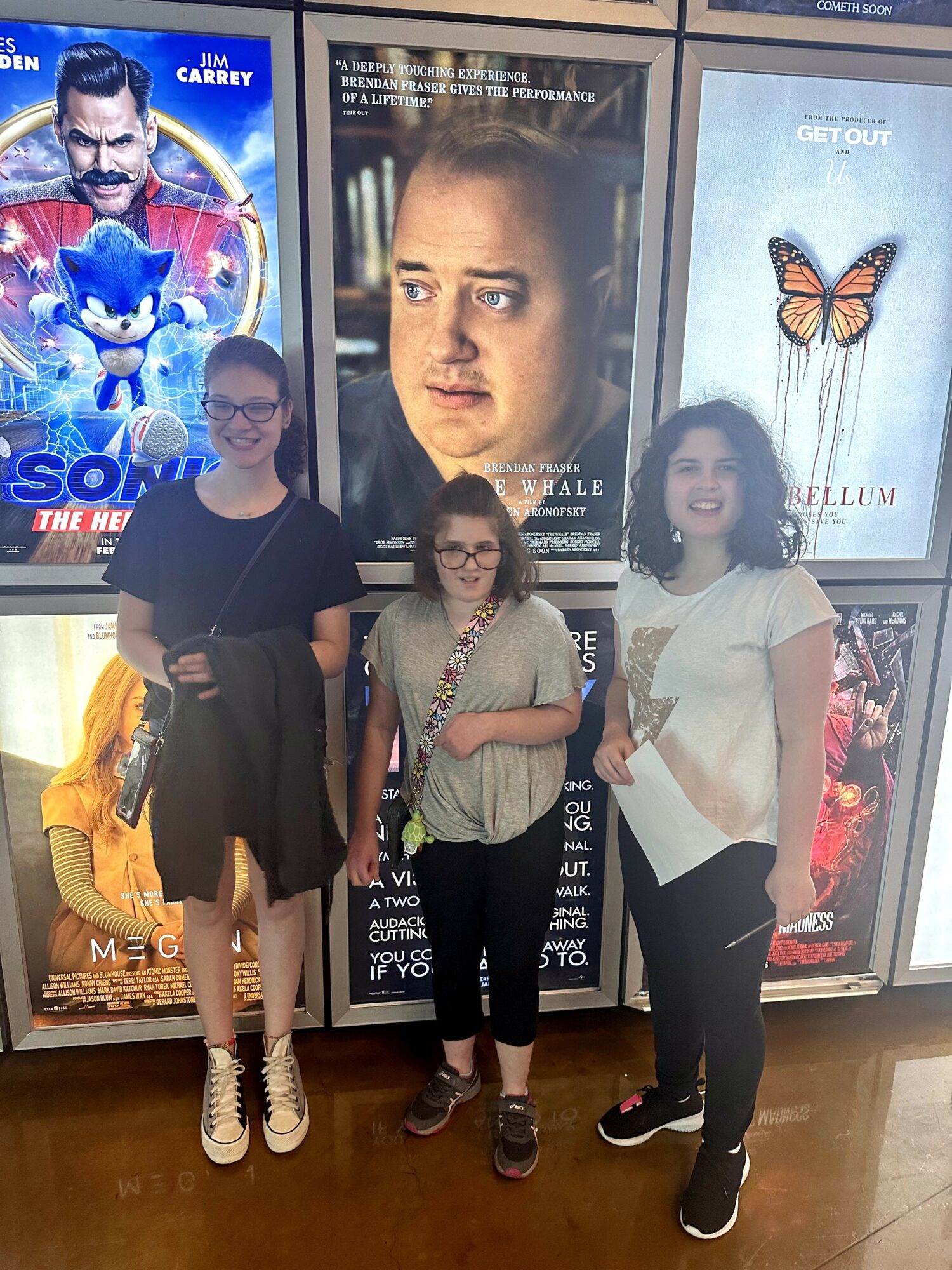
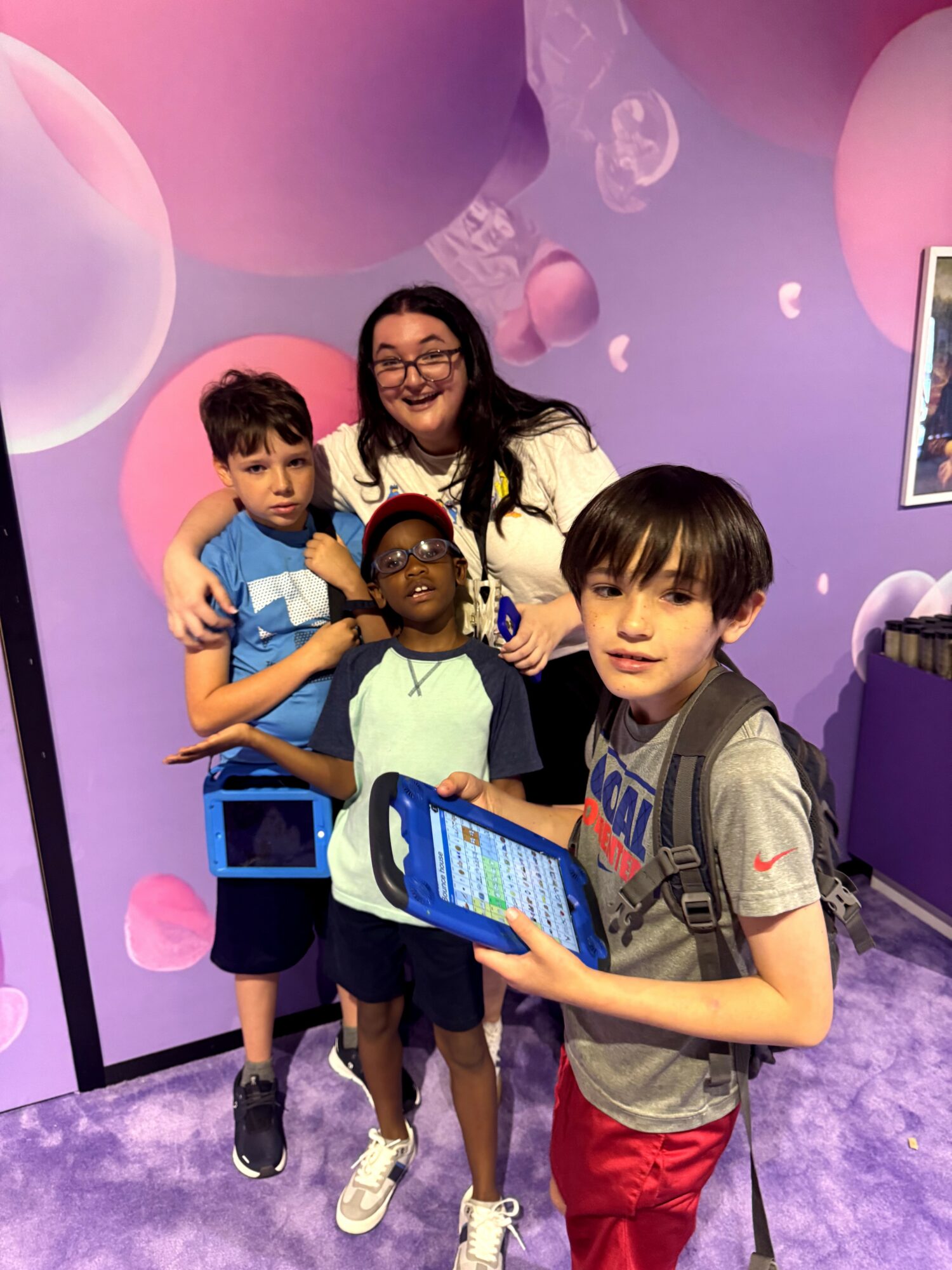
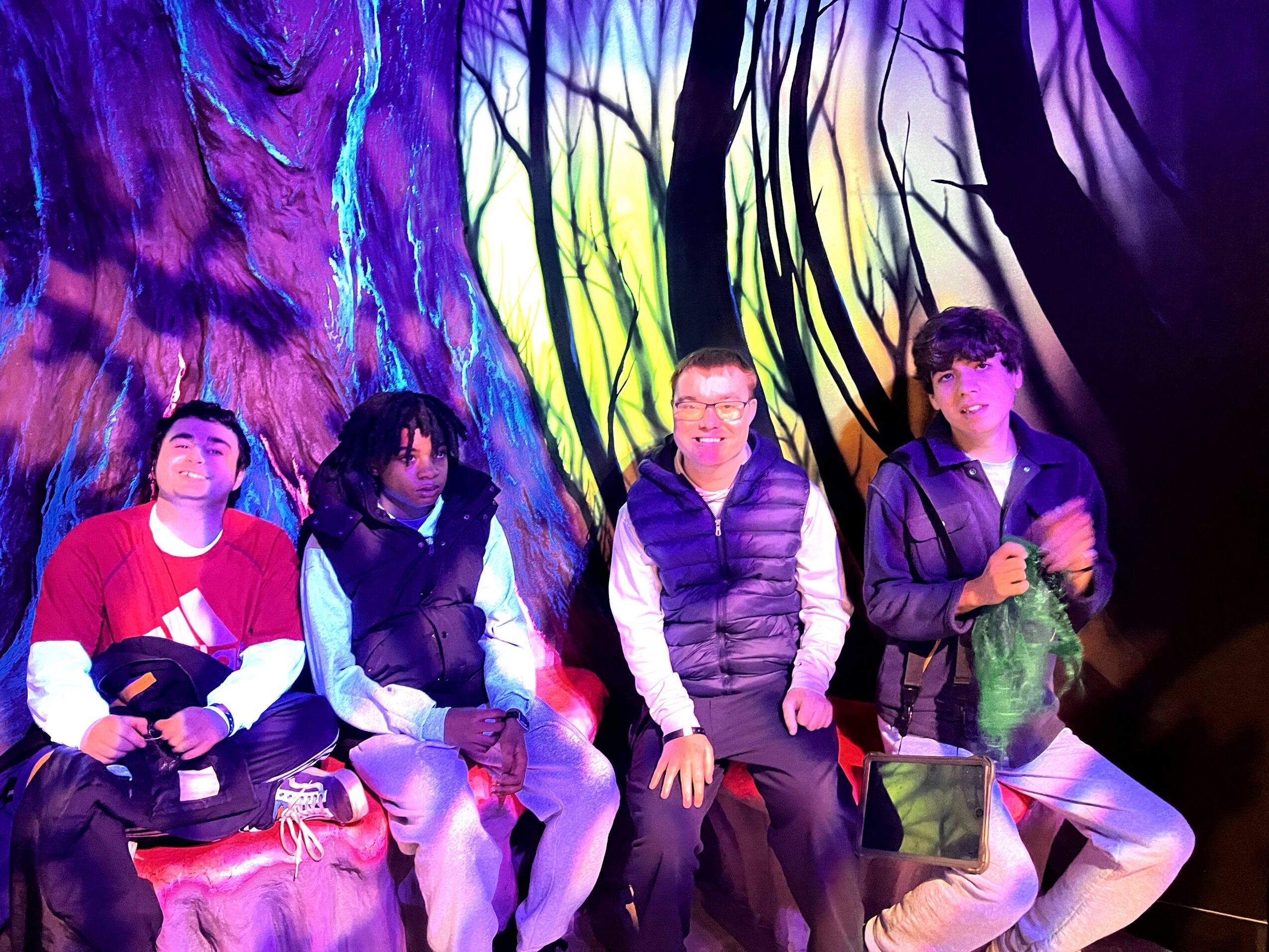
Image Credits
Photographed by Adaptivities
Popular
-

Portraits of the Valley
-

LA’s Most Inspiring Stories
-

Rick Norris Learned That Building a Successful Business Means Building a Life You Actually Want to Live
-
How Olivia Rush Turned Survival Into a Mission to Help Others Keep Going
-

How Bibi Goldstein Is Helping Entrepreneurs Reclaim Their Time by Embracing the Power of Delegation
-

Victoria Hasson is Redefining Voice Coaching Through Community and Collaboration


