




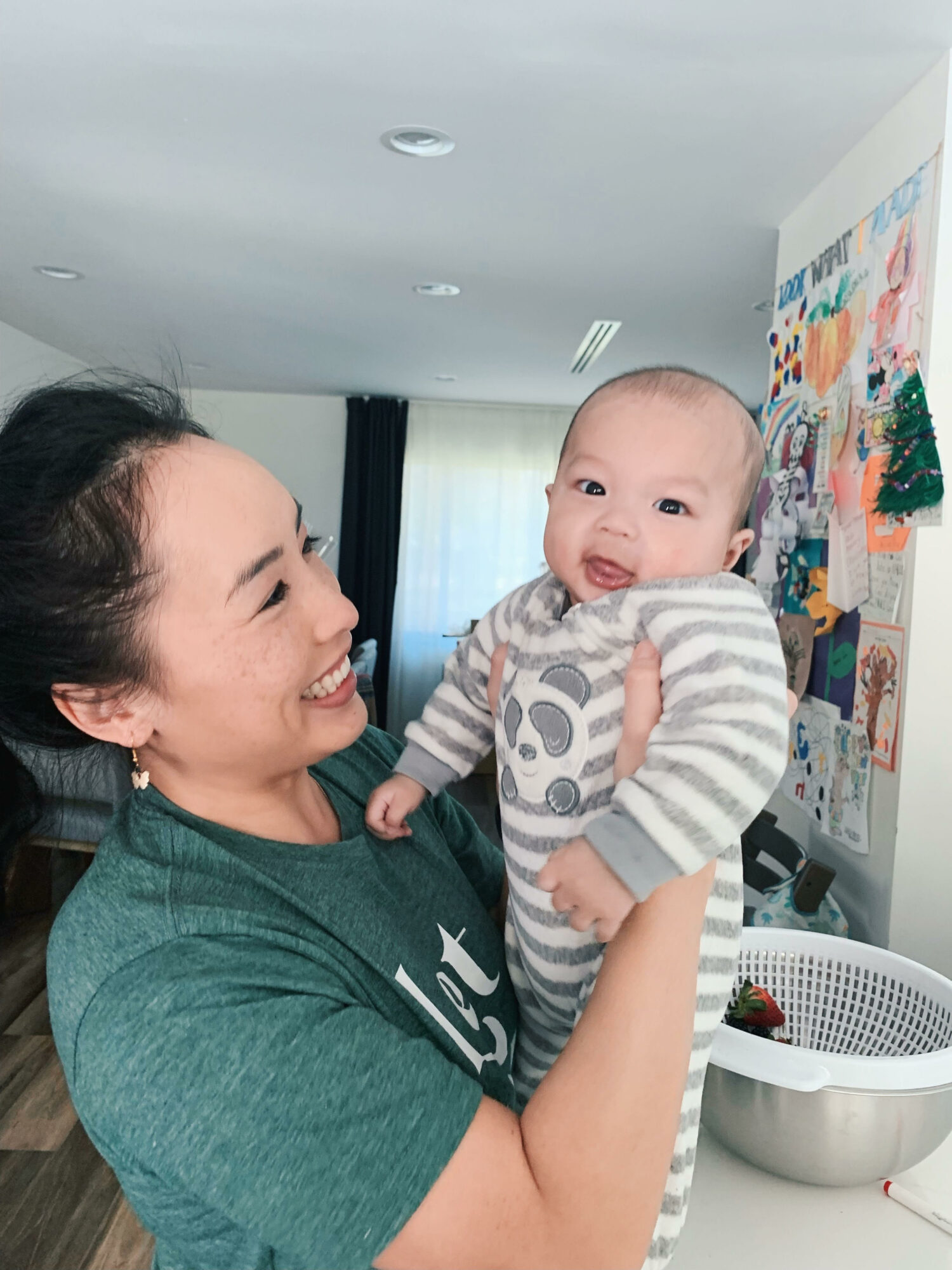
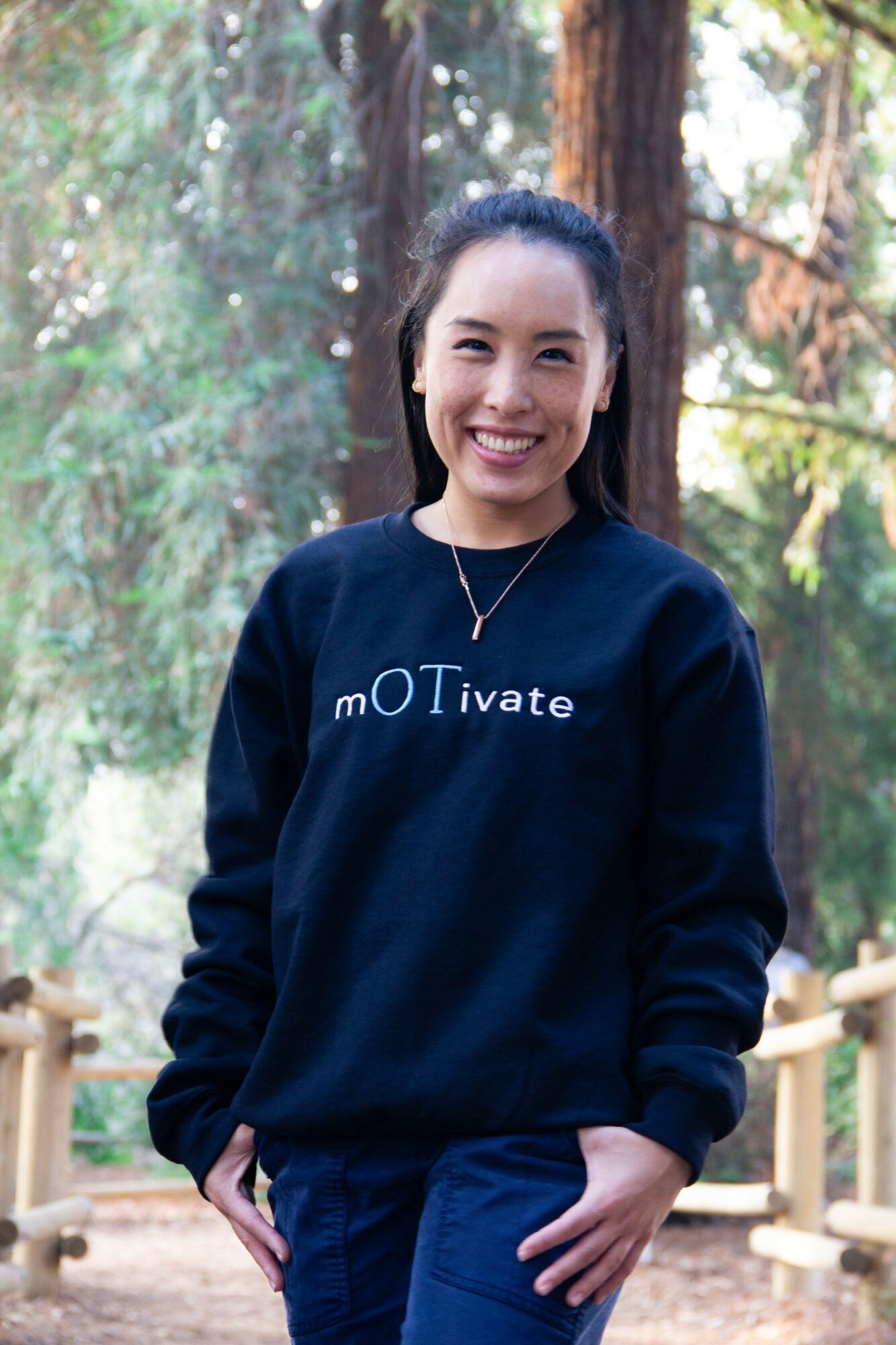
Today we’d like to introduce you to Teresa Cao.
Hi Teresa, so excited to have you on the platform. So before we get into questions about your work-life, maybe you can bring our readers up to speed on your story and how you got to where you are today?
I fell into occupational therapy (OT) by chance. I worked as a peer counselor at UCLA at the time, and a coworker mentioned how similar occupational therapy felt to the work we already did. The second he explained it, something clicked. It struck me as the perfect mix of art and science. As a counselor, I helped students untangle their own narratives and struggles in higher education, worked with them to build short and long-term goals, and watched them make real progress once they connected their background to their identity and the kind of life they wanted to live. I realized OT ran on that same instinct: adapting each session to a person’s history, motivation, environment, and how they actually function in the moment, not a one-size-fits-all protocol.
Around the same time, my love for kids and curiosity about development pulled me toward a child development minor and an internship at an infant development program. I wrote case studies and built curriculum around sensory, cognitive, and motor development, and watched toddlers learn to self-regulate and make sense of their emotions and their world through dialogue and sensory play. Even the smallest steps led to real strides. That, to me, captured the essence of OT.
From there I earned my Master’s in OT at CSUDH, earned my certificate in Ayres Sensory Integration® (ASI), and completed a LEND fellowship at OHSU’s Doernbecher Children’s Hospital, which sharpened my focus on interdisciplinary care and pediatric feeding specifically. What kept me in feeding therapy is the same thing that drew me to OT in the first place: each person is unique, it rarely comes down to just what meets the eye. It comes down to a child’s nervous system and whole sensorimotor foundation and a family’s story around mealtime.
I’ve only worked with a slice of the populations OT can serve, and I still marvel at how far the profession stretches. We can work anywhere, with anyone. I keep practicing occupational therapy to understand people’s stories as defined by their experiences, not by a diagnosis. That belief eventually led me to start Balanced Bites OT: a practice built around meeting families where they’re at, understanding what matters to them, moving at a child’s pace, and staying neurodiversity-affirming and child-led.
I’m sure it wasn’t obstacle-free, but would you say the journey has been fairly smooth so far?
It hasn’t run smooth, no. My first real struggle hit as a new grad. I spent hours before and after work reviewing documentation, studying theory, second-guessing every treatment plan, and constantly feeling like my clients deserved a more experienced therapist. I remember thinking I’d somehow bamboozled my way through grad school and the board had made a mistake giving me a license. That feeling doesn’t disappear overnight. It took time, and a lot of reminding myself that learning and adapting means I care about the job, not a sign I’d fallen behind.
The bigger struggle came later, a few years into practice. I saw the kids I thought I wanted, worked alongside genuinely great coworkers, and I still couldn’t shake a quiet sense that something didn’t sit right. That confused me in a way new-grad imposter syndrome never did, because I couldn’t point to a skill gap or a knowledge gap to close. The anxiety just crept back in: I’d wake up thinking about work and go to bed thinking about work, and I felt guilty for feeling that way when, on paper, everything looked fine. It turned out that I didn’t belong in that setting.
It took months, and honestly some therapy, before I could admit that a full-time clinical job might no longer fit what I wanted. That took real effort to sit with. A career in healthcare carries this unspoken rule that your degree has to double as your calling, and that walking away from a traditional role means you’re wasting your training or giving up on the profession. But I realized my clinical work didn’t have to define all of me. My degree counted as an investment, but it made up one chapter, not the whole story.
So I resigned from my full-time position. I still love OT, deeply, but I’d realized my passion extended beyond the clinic: into education, mentoring new grads, community-building, and eventually building something of my own. What made that transition easier was that I never actually stopped treating kids. I’d started my private practice right after my fellowship, because a handful of families wanted to keep working with me. So this didn’t mean leaving OT. It meant stepping outside the purely clinical box I thought I had to stay in, and Balanced Bites OT grew out of that.
Appreciate you sharing that. What should we know about Balanced Bites OT?
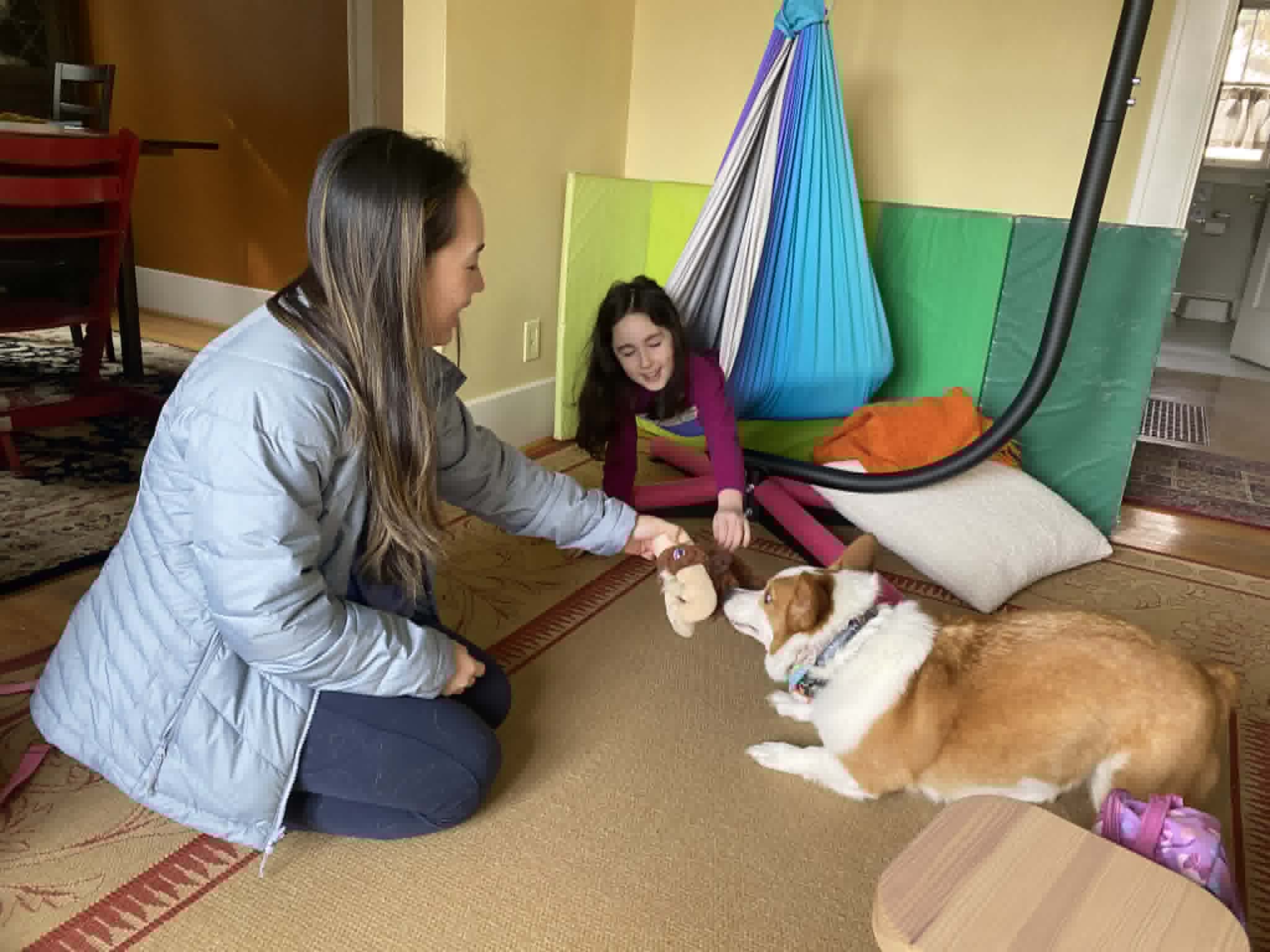
Balanced Bites OT operates as a private pediatric occupational therapy practice in Orange County, California. I work with kids from infancy through school age, in their homes, out in the community, and via telehealth, and I focus on feeding therapy, sensory processing, and early sensorimotor development.
Feeding is the specialty I love the most, because the complexity of it requires good communication, collaboration, and trust with everyone in that child’s circle of support. That context matters because feeding challenges rarely live in isolation, especially for medically-complex children. Sensory processing, nervous system regulation, muscle strength, oral motor development, organ functions, the environment, and daily routines all interact together and impact feeding. Using the pyramid of learning as a framework, I address those sensorimotor foundations first, before ever expecting a higher-level skill. Most progress happens when we stop pressuring, start supporting, and continue providing kids with the just-right challenge.
My whole approach stays child-led, play-based, and strengths-based. I follow a child’s interests and cues and build on what they can already do, instead of drilling what they can’t. Play and exploration drive the sessions, not compliance or performance, and that shift alone tends to lower a child’s anxiety around new foods and new experiences. It also stays fully neurodiversity-affirming: I don’t try to correct or pathologize a child’s neurological differences, I work within their nervous system and honor how they naturally take in and respond to the world. On the feeding side specifically, I use a responsive feeding approach, following the child’s autonomy and cues so they build intrinsic motivation around food, rather than eating because of external pressure or a reward chart.
Consistency sets me apart first. I prefer to commit to weekly therapy sessions at minimum. That means I actually get to know your child’s subtle cues, their sensory preferences, and what strategies hold up in your specific home. Mealtimes don’t have to turn into battles: when kids feel safe instead of pressured, curiosity shows up on its own.
I take pride in families leaving sessions feeling equipped instead of overwhelmed. I don’t just treat symptoms, I explain the “why” behind what I see, so parents understand their child’s nervous system and know how to support feeding development between our visits. And I treat this as a genuine partnership. Parents know their own child best; I bring the specialized OT lens. I don’t critique what a family has already tried, I validate what they’ve observed and figure out together what the child needs and what the family can actually sustain.
I want readers to take away that Balanced Bites OT goes beyond fixing a feeding problem in isolation. It supports the whole family, through better communication, collaborating with their other providers, environmental changes that actually fit their home, and reading their child’s cues so mealtimes become a connection point instead of a stress point. Our tagline, “Balanced Bodies, Empowered Eaters,” genuinely captures the throughline of the work. A child’s body has to feel regulated and safe before they can grow into a confident, curious eater.
How do you think about happiness?
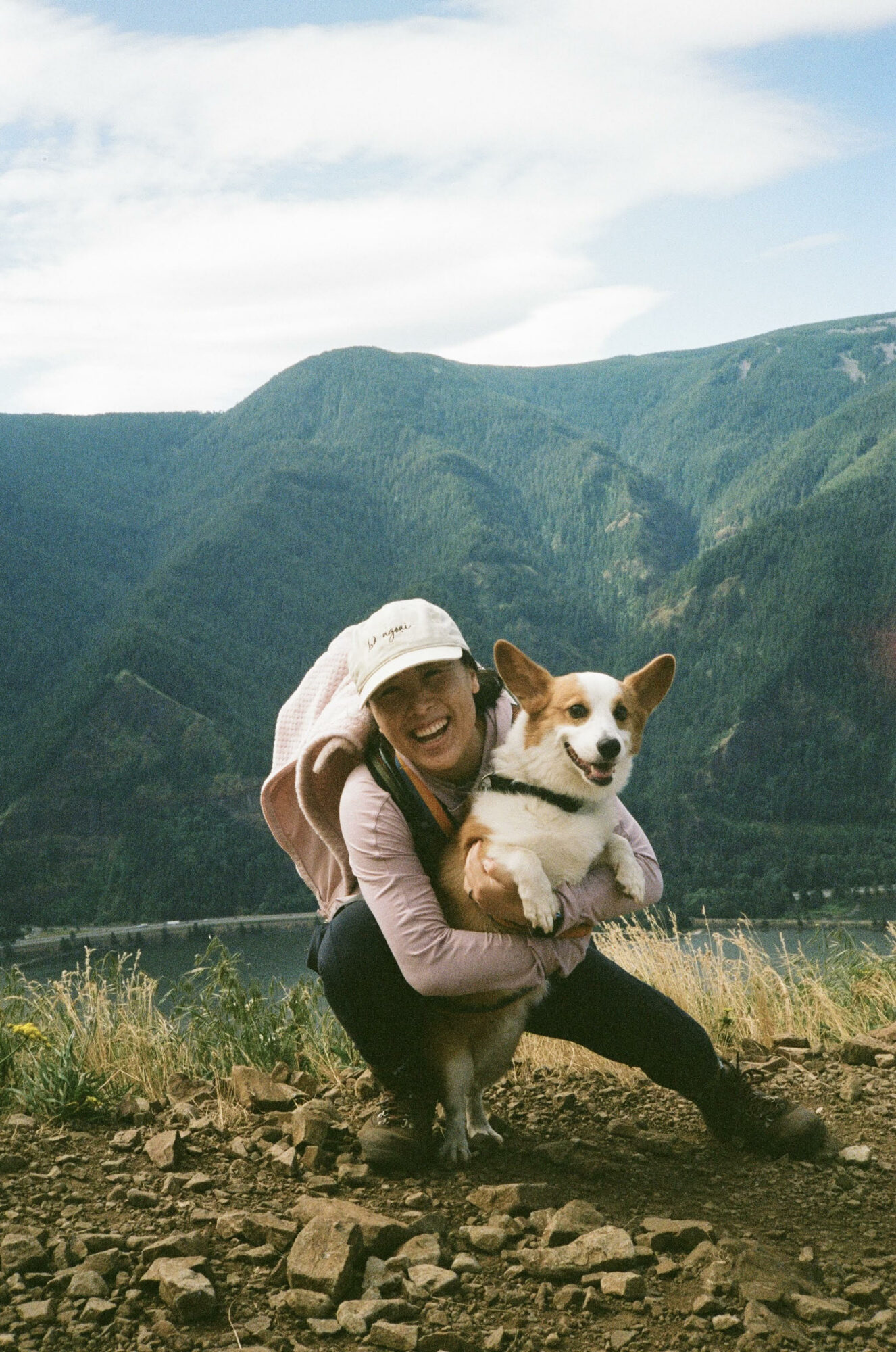
I love hiking and paddleboarding with my corgi. After living in the PNW during my fellowship, I treasure the outdoors more than I ever have and recognize its impact on my regulation. I also love wandering into new coffee shops, bookstores, gardens, and ice cream spots whenever I travel. And on a slower day, nothing beats curling up in my hammock with a good book.
The thing that fills me up most comes from watching the people around me. I surround myself with friends and colleagues who keep pushing the boundaries of what it means to show up as a good person. Watching them take risks, love and advocate for the people they care about, and grow into better versions of themselves reminds me why I fell in love with this field in the first place. Happiness, for me, doesn’t come from any one thing. It comes from staying curious, staying connected to nature, and surrounding myself with people who inspire me to keep growing.
Contact Info:
- Website: https://www.balancedbitesot.com/
- Instagram: https://www.instagram.com/balancedbitesot/


Popular
-

Portraits of the Valley
-

LA’s Most Inspiring Stories
-

Rick Norris Learned That Building a Successful Business Means Building a Life You Actually Want to Live
-
How Olivia Rush Turned Survival Into a Mission to Help Others Keep Going
-

How Bibi Goldstein Is Helping Entrepreneurs Reclaim Their Time by Embracing the Power of Delegation
-

Victoria Hasson is Redefining Voice Coaching Through Community and Collaboration


