




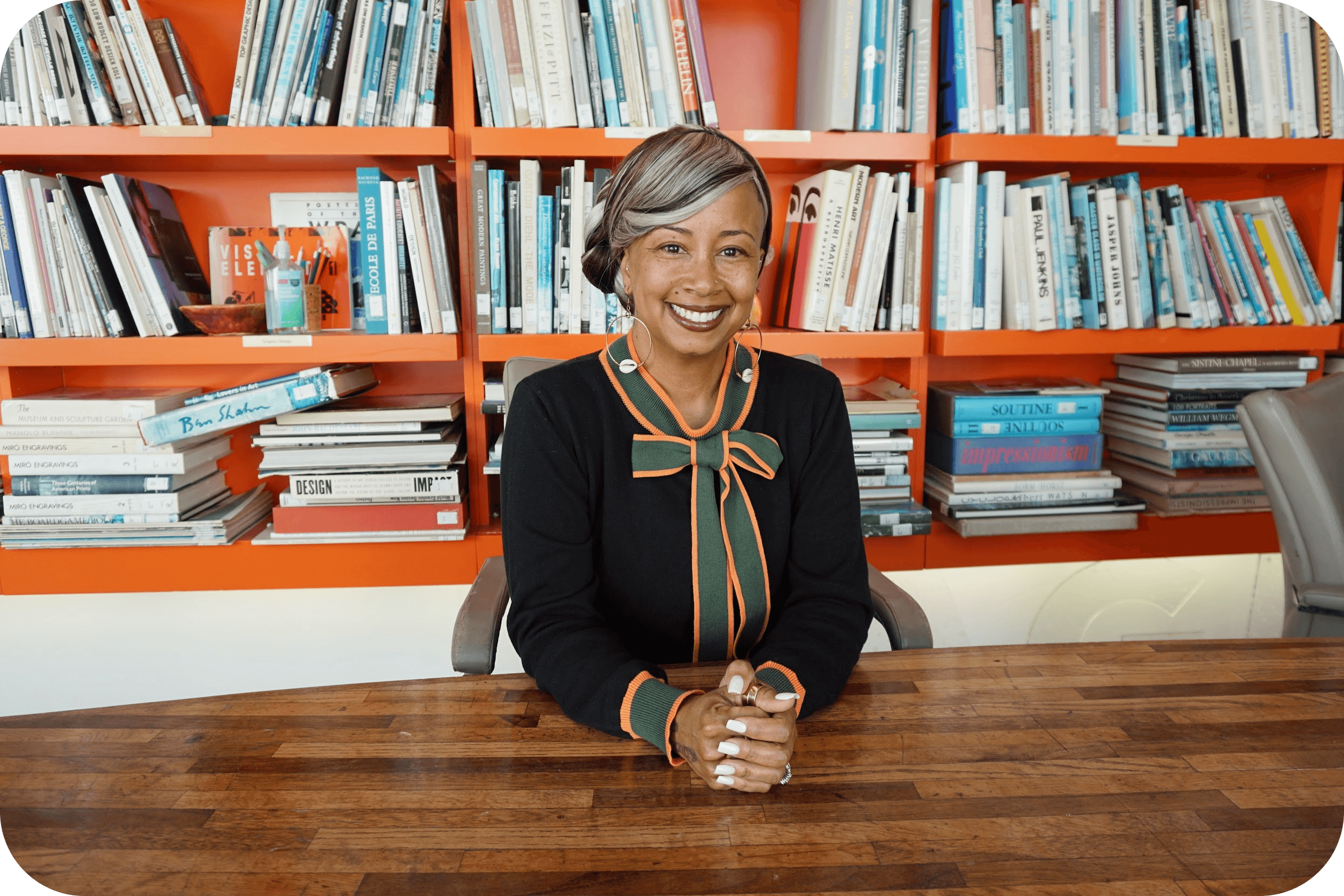
Today we’d like to introduce you to Shelby Williams-Gonzalez.
Hi Shelby, we’re thrilled to have a chance to learn your story today. So, before we get into specifics, maybe you can briefly walk us through how you got to where you are today?
My career has never followed a perfectly straight line, but there has always been a clear thread running through it: art, young people, and access to opportunity.
I started as an artist. I studied modern dance and cultural anthropology at UC Berkeley and built my early career as a professional dancer, choreographer, teaching artist, and arts educator. I worked in schools and youth-serving organizations throughout Los Angeles, often with young people who had tremendous creativity but limited access to the opportunities, networks, and resources that could help them imagine what was possible beyond their immediate circumstances.
What began as a love of teaching eventually became a curiosity about the systems surrounding the classroom. I wanted to understand who designed the programs, who raised the money, who built the partnerships, and ultimately, who got to make the decisions.
That curiosity shaped my 13 years at artworxLA. I started there working directly with students and moved through nearly every part of the organization—programming, school partnerships, artistic direction, development, communications—and eventually became Executive Director. I didn’t set out with a master plan to become a nonprofit executive. I simply kept asking, “What else needs to happen for this work to succeed?” And then I learned how to do that next thing.
In 2021, I became President and CEO of Inner-City Arts in Downtown Los Angeles. Today, I lead an organization and campus dedicated to creating access to arts education and creative opportunity for young people across Los Angeles. My job now includes strategy, fundraising, organizational culture, partnerships, board leadership, and making sure the institution itself is strong enough to support the artists, educators, and young people at the center of the work.
More than 25 years into my career, I still think of myself as an artist. I still dance and perform, and that part of my identity deeply influences the way I lead. Artists learn to be disciplined and flexible at the same time. We listen, adjust, improvise, collaborate, and understand that the final result is rarely created by one person.
When I look back, I can see another thread that has run through my entire career: connecting individuals to institutions in ways that create a real sense of ownership and belonging.
Years ago at artworxLA, I would tell my students that when we partnered with a museum, the goal wasn’t simply for them to visit a new place, see an exhibition, or even experience the incredible moment of seeing their own artwork hanging inside a major cultural institution. It was equally important that the institution knew them. I wanted our students to understand that a place like LACMA, as a public museum, belonged to them too. They should be able to walk onto that campus and feel, “This is part of my city, and there is a place for me here.”
That idea has followed me through every role I’ve held. Regardless of my title, I have wanted people to know the institutions, resources, neighborhoods, artists, and possibilities that exist around them—and for those institutions to know and value the people who make up this city.
Los Angeles is vast and complicated, and it can be easy to live here without ever feeling like you truly know it. I want young people in particular to know where they live, to see themselves reflected in it, to feel ownership of it, and ultimately, to love it. I think that sense of belonging has quietly been one of the driving forces of my career.
We all face challenges, but looking back would you describe it as a relatively smooth road?
It has definitely not been a smooth road, and it certainly hasn’t been linear. I think only because I’ve been doing this work for a long time does my career look particularly clear or intentional in retrospect.
For every advancement in title or responsibility, there were plenty of rejections, ideas that flatlined, opportunities I didn’t get, and things I started that never made it into the final narration of my career. That’s the funny thing about telling your professional story years later: you naturally connect the dots that worked. You don’t necessarily talk about all the dots that went nowhere.
It was not easy for me to get to the CEO level. I decided I was ready to move up in my career well before the nonprofit field decided it saw me that way. There were many times when I felt overlooked as the associate, the manager, or the assistant director while watching opportunities go to someone else. I use the word “overlooked” now because time gives you perspective, but it certainly didn’t feel that polite when I was living through it.
I also learned that advancement isn’t always about waiting for someone else to recognize what you’re capable of. At different points in my career, I deliberately took on responsibilities that I didn’t yet have the title for because I knew there were things I needed to learn. I moved into development and communications because I wanted to build my own toolbox of skills and understood that if I wanted to lead an organization one day, being a strong artist and program leader alone wasn’t enough. I needed to understand how money was raised, how organizations told their stories, how boards worked, and how institutions were sustained. For me, it was about becoming an effective leader, and more than that, staying in a learner’s mindset has kept me passionate and interested in this work decades later. What can I say — a girl loves a good challenge!
So no, it wasn’t smooth. There were stretches when my ambition and my opportunity didn’t match. But those stretches also forced me to become much more intentional about building the skills I would need when the opportunity finally did arrive. And perhaps that’s why, looking backward, the road appears straighter than it ever felt while I was actually walking it.
As you know, we’re big fans of you and your work. For our readers who might not be as familiar what can you tell them about what you do?
I always find this question a little difficult because what I “do” depends on which part of my life you’re asking about.
Professionally, I am the President and CEO of Inner-City Arts, an arts education organization in Downtown Los Angeles that provides free arts education and experiences to approximately 5,000 young people across the Los Angeles area each year. I lead the organization strategically, which means on any given day I may be thinking about programs, fundraising, partnerships, organizational culture, our board, finances, or how Inner-City Arts can be a stronger resource for the young people and the city we serve.
I’m incredibly proud of the work we do at Inner-City Arts. I’m proud that thousands of young people have access to professional artists, studios, performances, and creative experiences because we exist. I’m equally proud of the work we’ve done to strengthen the organization itself—diversifying our funding, building a more engaged and representative board, and creating a culture that is more collaborative, trusting, and willing to share our resources with others.
But being a CEO is only one part of who I am.
I am also a dancer and choreographer and a longtime member of Viver Brasil Dance Company, an Afro-Brazilian dance company that celebrates the African diaspora and the beauty, power, and complexity of the Black body. I’m a boxer. I was once a competitive TaeKwon Do athlete. I serve on nonprofit boards because I believe deeply in being of service to work beyond my own organization. And I am an unapologetic lover of bulldogs.
I think what sets me apart is that I don’t see those identities as separate from one another. The dancer in me understands discipline, collaboration, and how to listen. The fighter in me is competitive, persistent, and not particularly afraid of a challenge. The educator in me is perpetually curious. And the CEO in me has learned how to bring all of those things together to build organizations, teams, and partnerships that can actually get things done.
I am a builder by nature. Throughout my career, I’ve been most energized when I can look at something and ask: What could this become? What are we missing? What do I need to learn to make this better? I’m not terribly interested in maintaining something simply because that’s the way it has always been done.
And maybe what I’m most proud of is that after decades of doing this work, I haven’t convinced myself that being a serious leader requires being serious all the time. I work hard. I care deeply about the people and organizations I serve. I’m ambitious and competitive. But I also dance, box, laugh a lot, love a good challenge, and will happily stop whatever important CEO thing I’m doing to say hello to a bulldog.
I think all of those things make me better at the work but more importantly makes me happy.
We’d love to hear about how you think about risk taking?
Absolutely, I am a risk-taker. I think risk is part of what makes life interesting.
In my personal life, that probably shows up more obviously. I’m a 48-year-old woman who will still climb a tree, jump off a ledge, try a new sport, or physically challenge myself just to see if I can do it. I like the feeling of not being entirely certain of the outcome. I also want to model for my daughter that life itself can be an adventure. So much of how we experience it depends on whether we approach the unknown primarily with fear or with curiosity.
Professionally, I’m a little more measured. As a CEO, my decisions don’t affect only me. I’m responsible for a staff, an organization, and the young people and families who rely on our work. I don’t have the luxury of taking risks simply because something sounds exciting. The question becomes: What is the potential upside? What could go wrong? What can we afford to lose? And if this doesn’t work, can we recover?
But if we define risk as being willing to try something without knowing exactly how it will turn out, then yes, I believe strongly in taking risks.
Some of the most important decisions in my career have required that kind of leap. Moving from programming into development and communications was a risk. I was leaving an area where I had expertise and a strong professional identity to deliberately become a beginner again because I knew I needed those skills to become the leader I wanted to be. Taking on executive leadership was another. There is no point at which someone hands you a certificate saying, “Congratulations, you now know everything required to be a CEO.” At some point, you decide you’re ready enough and step forward.
I think organizations need that same willingness to experiment. Try the program. Build the partnership. Invite someone unexpected to the table. Question the thing you’ve been doing for ten years simply because you’ve been doing it for ten years. Not everything will work—and I don’t think everything is supposed to.
For me, the greater risk is stagnation. Working on autopilot may feel safe, but eventually it stops being interesting, and more importantly, it stops producing new possibilities. I would much rather assess the risk, understand what is at stake, and try something than become so afraid of failure that I stop being curious.
And every once in a while, you should climb the tree just to see if you still can.
Contact Info:
- Website: https://inner-cityarts.org and https://www.viverbrasil.com/
- Instagram: https://www.instagram.com/innercityarts/
- Youtube: Inner-City Arts
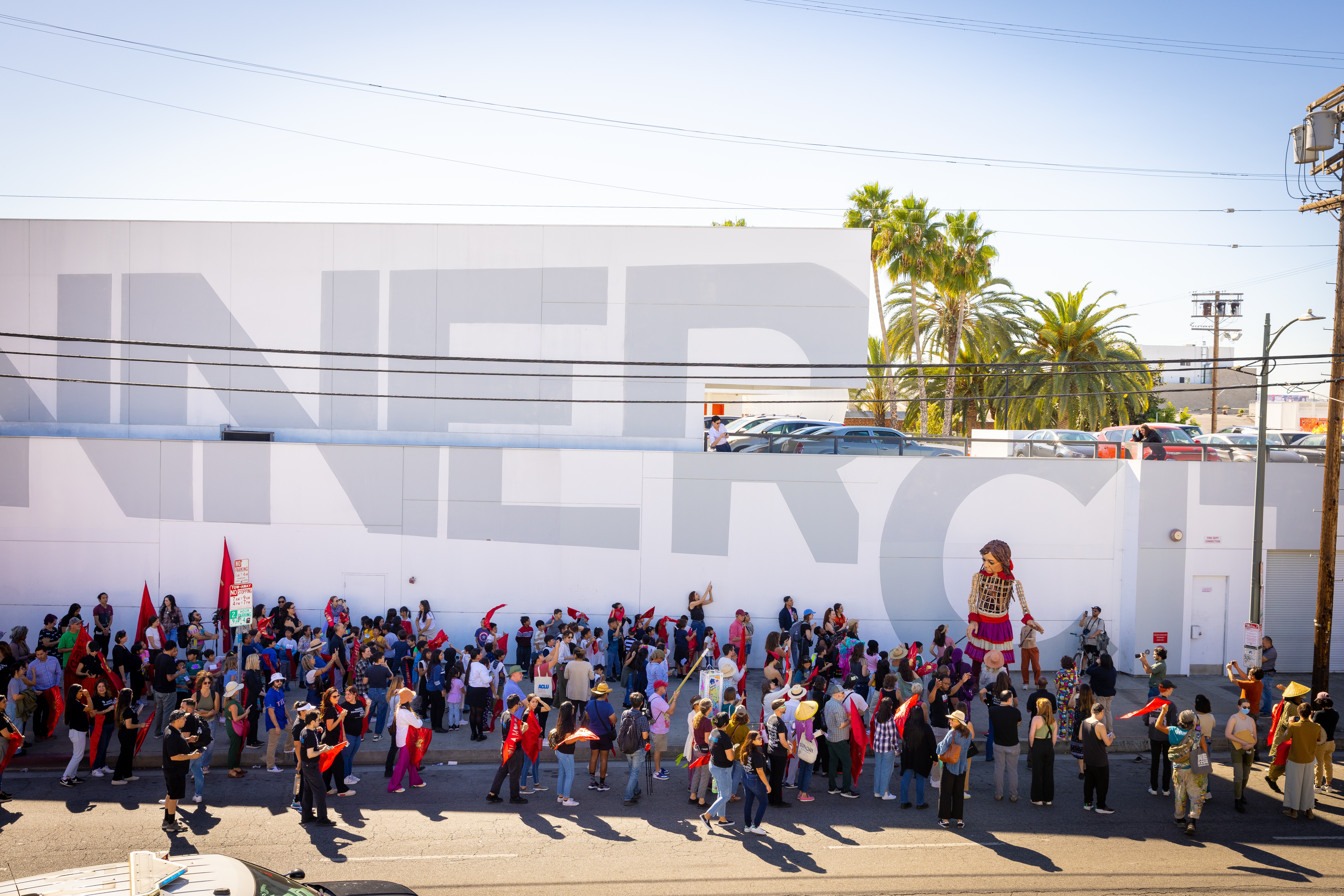
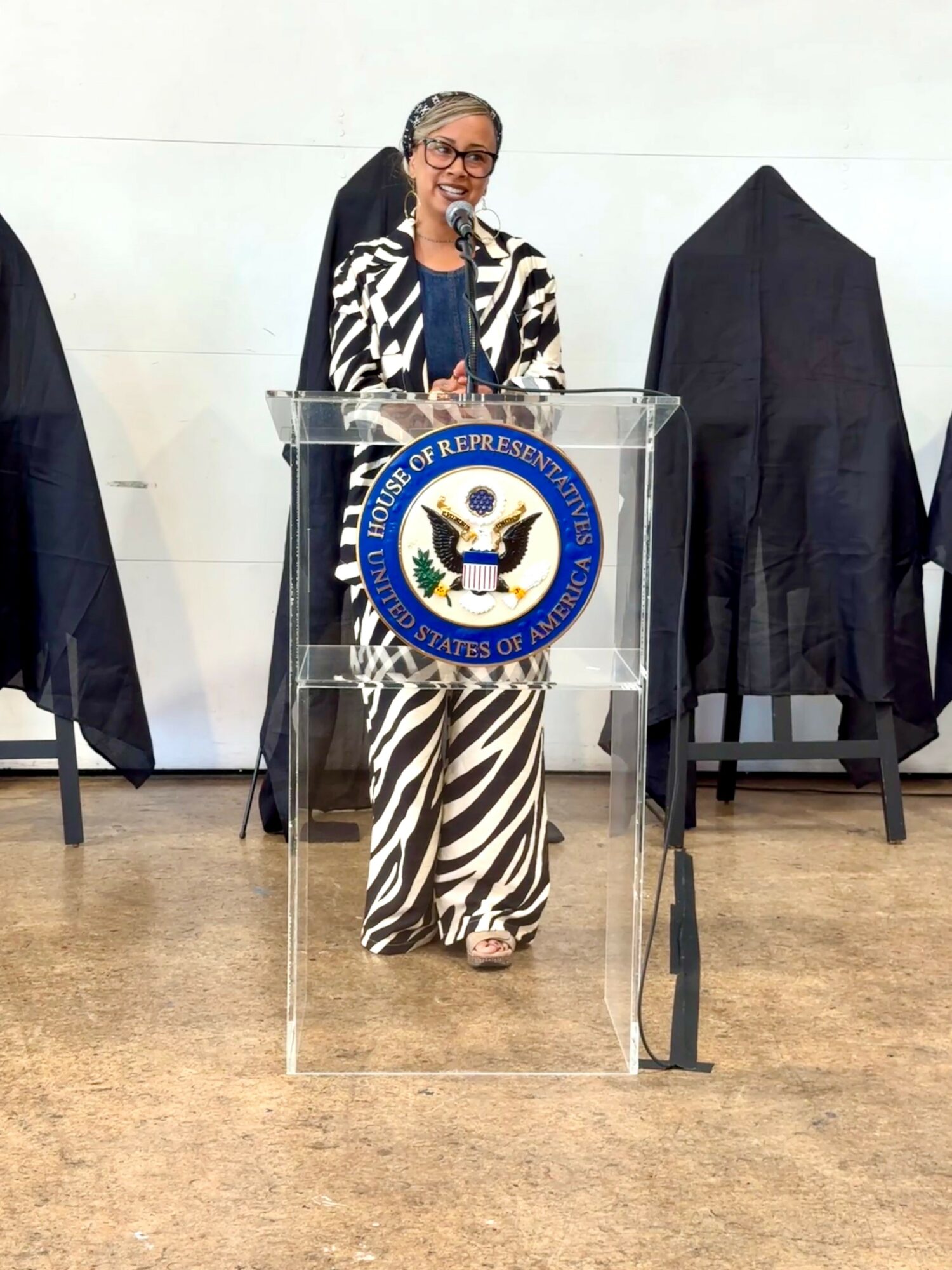
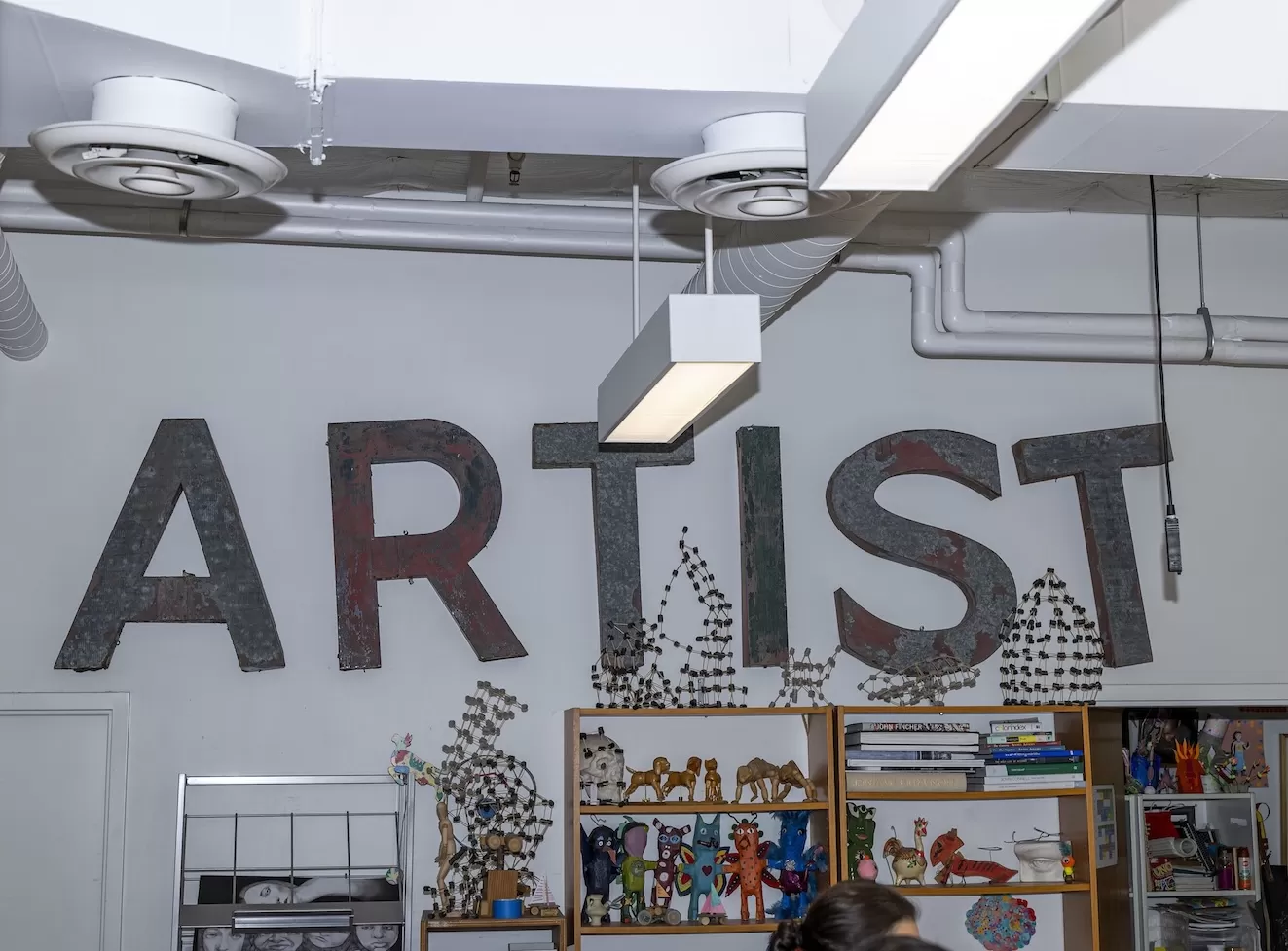
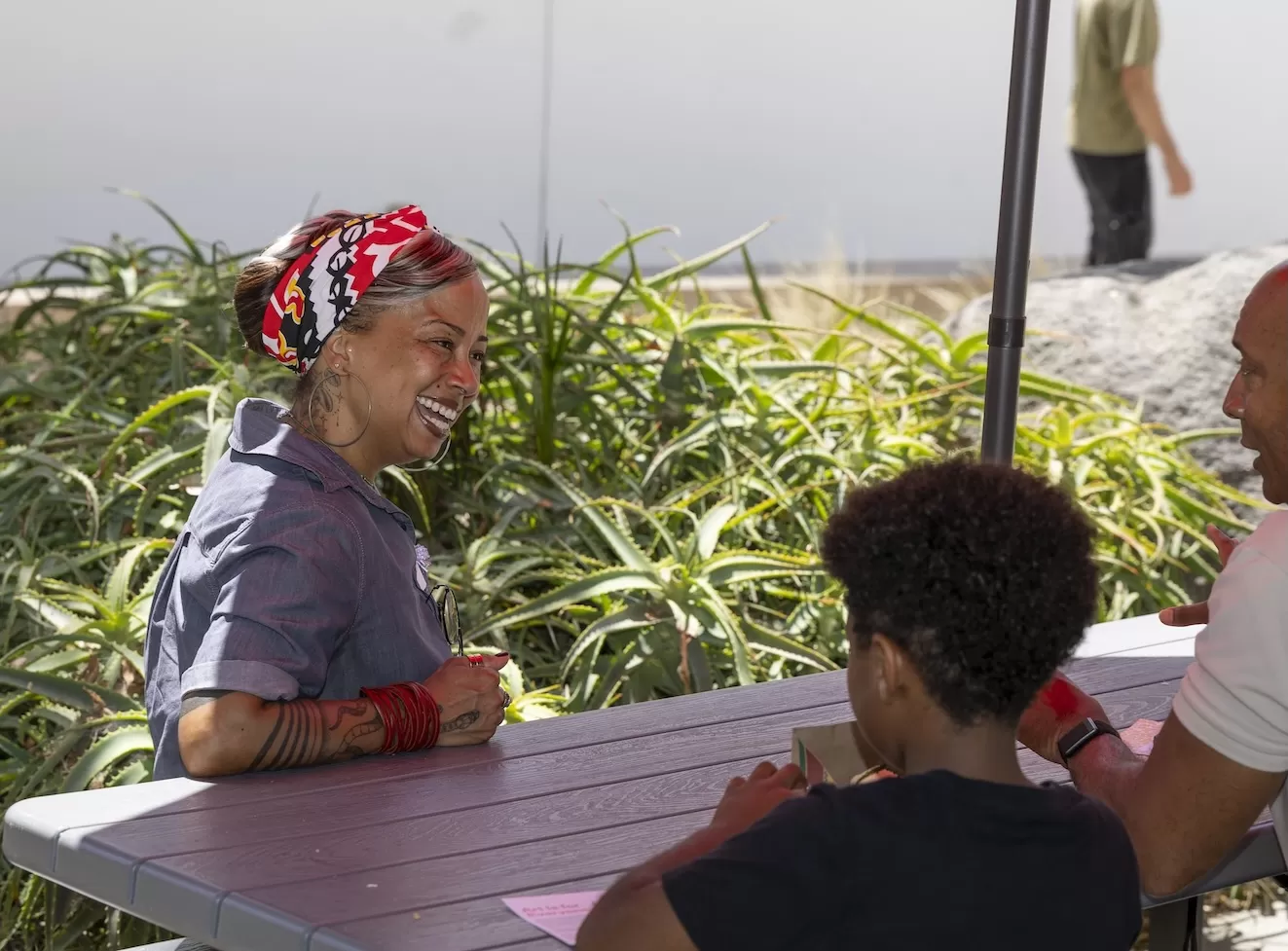
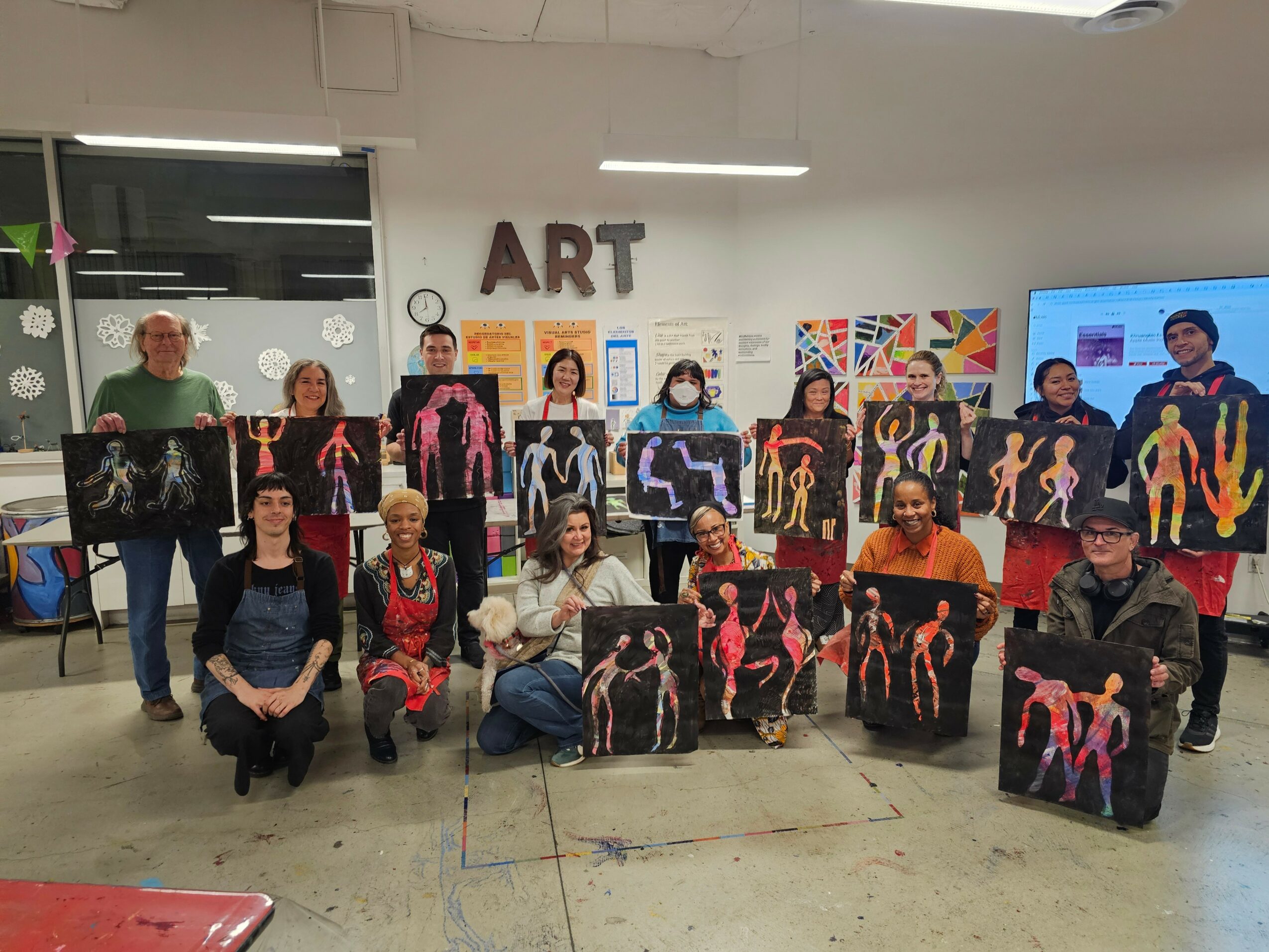
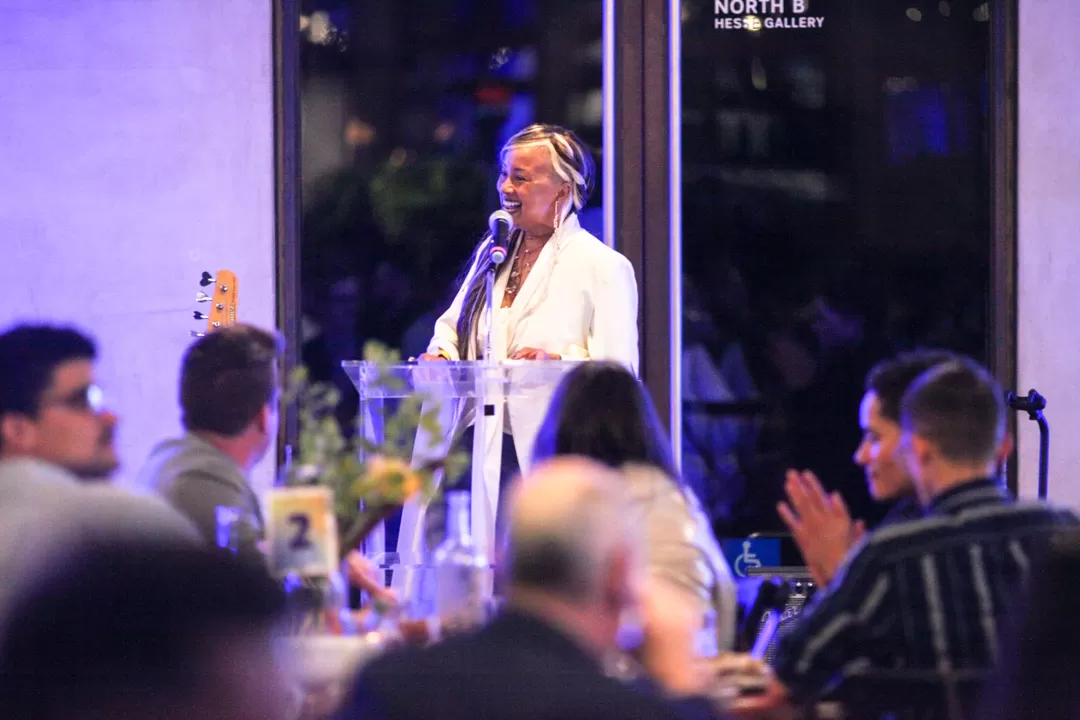
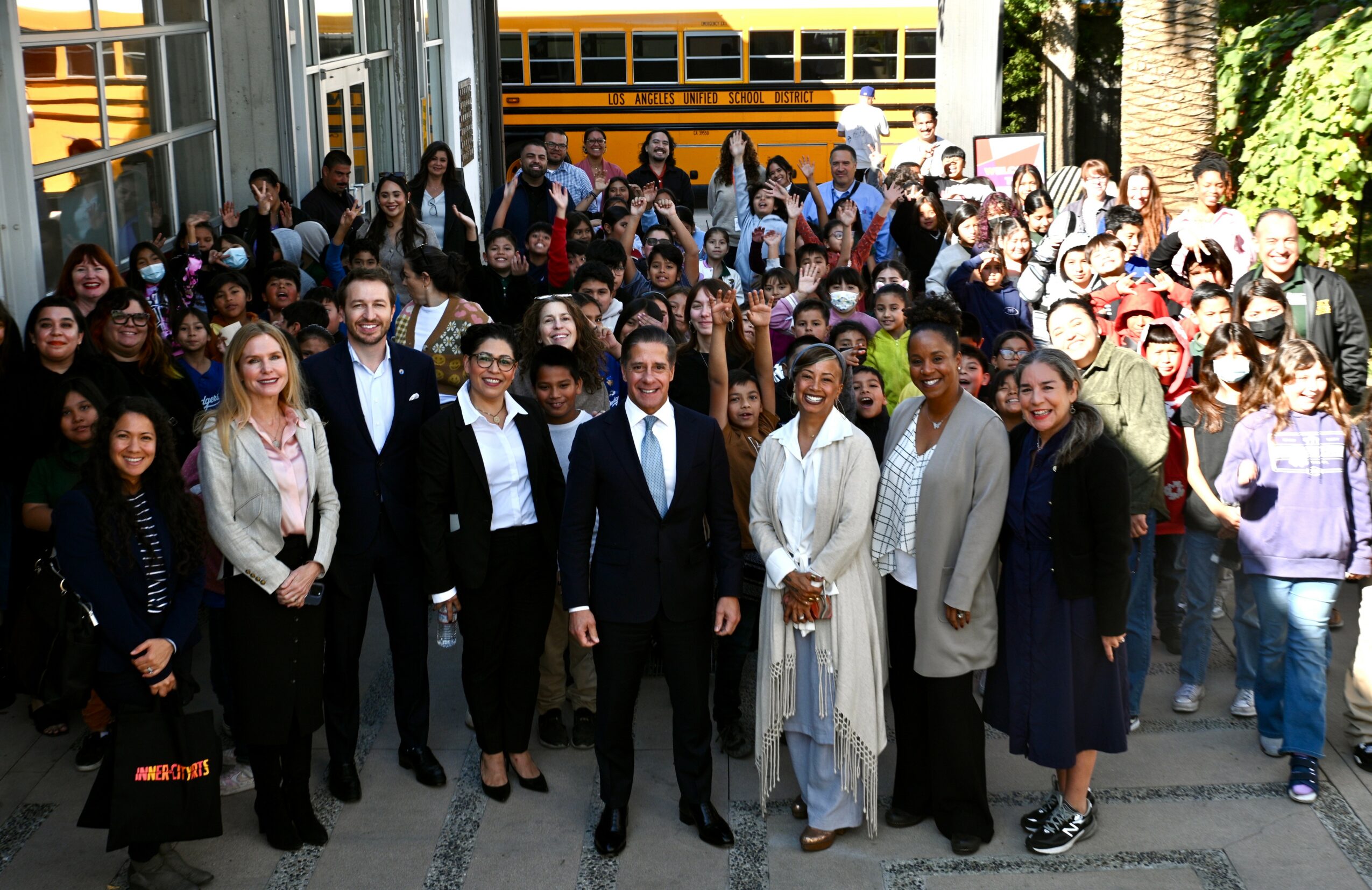
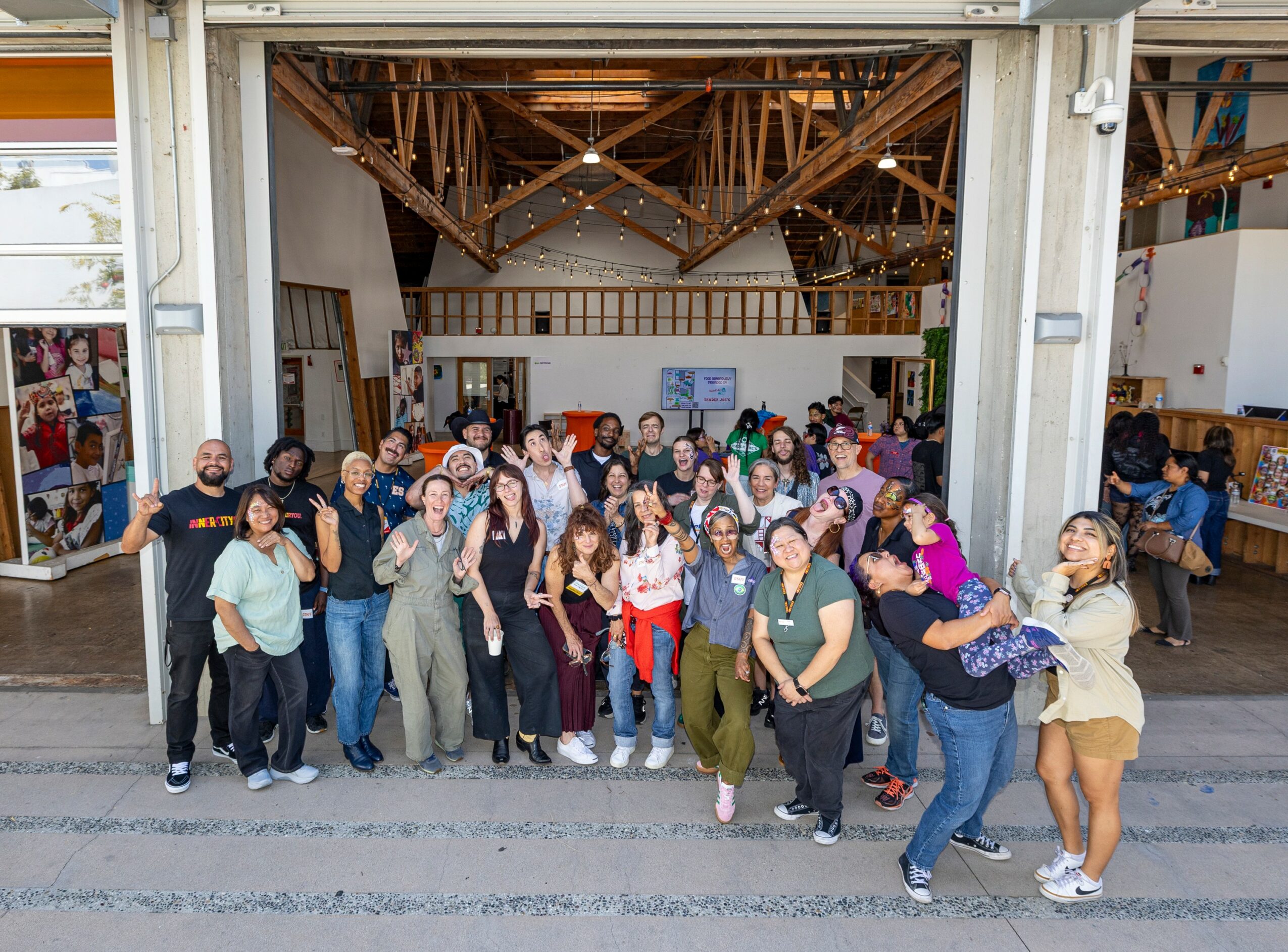
Image Credits
George Garcia and Matthew Sutphin
Popular
-

Portraits of the Valley
-

LA’s Most Inspiring Stories
-

Rick Norris Learned That Building a Successful Business Means Building a Life You Actually Want to Live
-

How Olivia Rush Turned Survival Into a Mission to Help Others Keep Going
-

How Bibi Goldstein Is Helping Entrepreneurs Reclaim Their Time by Embracing the Power of Delegation
-

Victoria Hasson is Redefining Voice Coaching Through Community and Collaboration


