




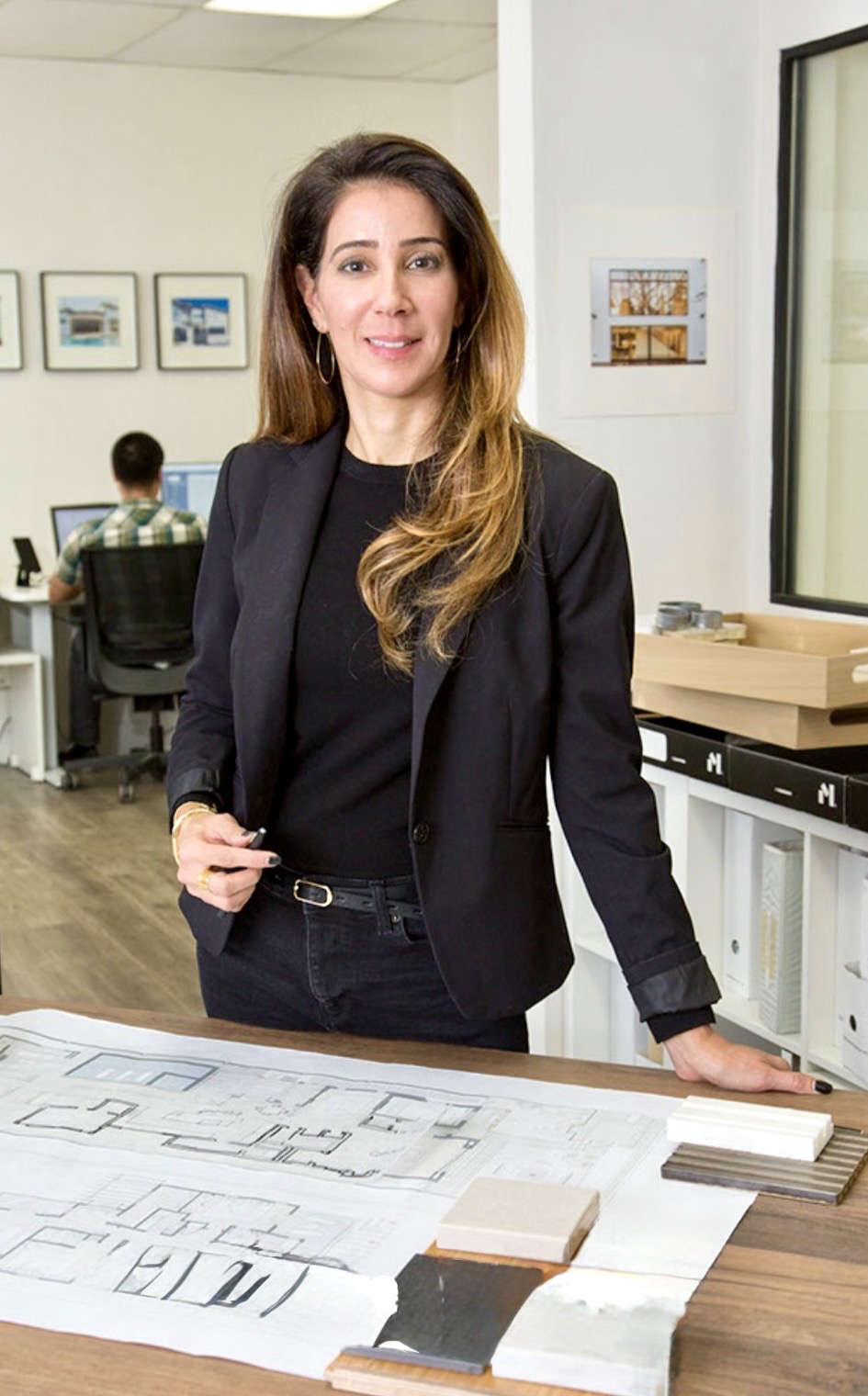
Today we’d like to introduce you to Michal Behar Brison.
Hi Michal, thanks for joining us today. We’d love for you to start by introducing yourself.
My journey into residential design has been shaped by a combination of different experiences, places, and perspectives.
I was born and raised in Israel, and before coming to the United States I served in the Israeli Defense Forces as a photographer. That experience probably influenced me more than I realized at the time. Photography taught me to look closely—to pay attention to proportion, composition, light, people, and the way a moment or a space can tell a story. Those ideas eventually became very important to me as a designer.
I moved to the United States in 1996 and eventually found my way to New York City, where I studied architecture at The Bernard and Anne Spitzer School of Architecture at The City College of New York. I graduated in 2002, Magna Cum Laude, with a Bachelor of Architecture. During my studies, I was fortunate to receive several honors, including the AIA Henry Adams Medal and the Carol J. Weissman Kurth Women in Architecture Scholarship.
After graduating, I was recruited by a mid-sized New York architectural firm. That was an incredibly valuable first step in my career because I was exposed to projects that were very different from the residential work I do today. I worked on large-scale commercial and transportation projects, including transportation depots and train stations. It gave me a strong technical foundation and taught me how much coordination, organization, and problem-solving are required to take a design from an idea to something that can actually be built.
I eventually realized that I was most passionate about the human side of architecture—the way people actually live in a space. I moved into a boutique residential architecture practice where I became a project architect and manager, focusing primarily on high-end multifamily residential projects in Manhattan and Brooklyn. Working in New York taught me a great deal about sophisticated residential design, detailing, materials, space planning, and, perhaps most importantly, how to balance a client’s vision with the realities of budget, schedule, construction, and regulations.
In 2009, my family and I relocated to Los Angeles, and that became the beginning of the next chapter of my career. I founded MBB Design Studio with the goal of creating a different kind of design practice—one that was intentionally personal and collaborative rather than simply transactional.
Starting a firm from the ground up was both exciting and challenging. I had to learn not only how to design, but also how to build a business, develop client relationships, manage projects and consultants, navigate permitting and construction, and eventually build a team around me. Over time, the firm evolved into a boutique residential planning and design studio focused primarily on custom homes, renovations, additions, ADUs, interiors, and challenging sites throughout Los Angeles.
Today, our work is very much about the intersection of design and real life. A beautiful home has to be more than a beautiful image. It needs to function for the people who live there, respond to the site, respect the client’s budget, and ultimately be something that can actually be built well.
That philosophy has become the foundation of MBB Design Studio. I don’t believe the architect or designer should dominate the process. I see our role as guiding our clients—listening carefully, bringing professional expertise and creative direction to the table, solving problems, and helping turn their ideas into something tangible. The best projects are collaborative relationships where the client and design team become partners in the process.
I also remain very interested in sustainability and environmentally conscious design. I am a LEED Accredited Professional, and I try to incorporate thoughtful sustainable strategies into our projects whenever they make sense for the particular home, site, and client.
Looking back, the path from Israel to New York and eventually to Los Angeles seems to have given me a very broad perspective on design. My early experience in photography taught me to see. Architecture school taught me to think and create. Working on large commercial projects taught me discipline and technical rigor. Residential architecture taught me the importance of understanding how people live. And building my own practice taught me that great design is ultimately about relationships, trust, communication, and execution.
Today, after more than two decad, I still approach every project with that same curiosity. Each home is different, every client has a different story, and there is always an opportunity to find a better solution. That is what continues to make residential design exciting for me.
Alright, so let’s dig a little deeper into the story – has it been an easy path overall and if not, what were the challenges you’ve had to overcome?
Starting a business on my own was definitely not a smooth road. I had a strong foundation in architecture and residential design, along with years of professional experience, but I had very little experience when it came to actually starting, managing, and growing a business. Those are two very different skill sets.
In the beginning, I had to learn everything that comes with building a company—from establishing a name and reputation, finding the right clients, and developing a brand, to managing finances, hiring and leading a team, and creating systems that allow a business to grow without compromising the quality of the work.
There have also been the typical challenges that come with building a boutique design firm: establishing credibility, differentiating the brand in a competitive market, maintaining consistent growth, and, most importantly, maintaining a high level of personal service and design quality as the business grows.
I think one of the biggest lessons has been that building a successful design practice is a long-term process. You can’t shortcut relationships, reputation, or experience. Every project and every client interaction contributes to the identity of the firm.
There have certainly been difficult moments and plenty of learning along the way, but those challenges have ultimately shaped MBB Design Studio into the practice it is today. They have taught me to be much more intentional about the business side of design while never losing sight of what brought me into the profession in the first place—the desire to create thoughtful, beautiful, and highly personal homes for our clients.
As you know, we’re big fans of you and your work. For our readers who might not be as familiar what can you tell them about what you do?
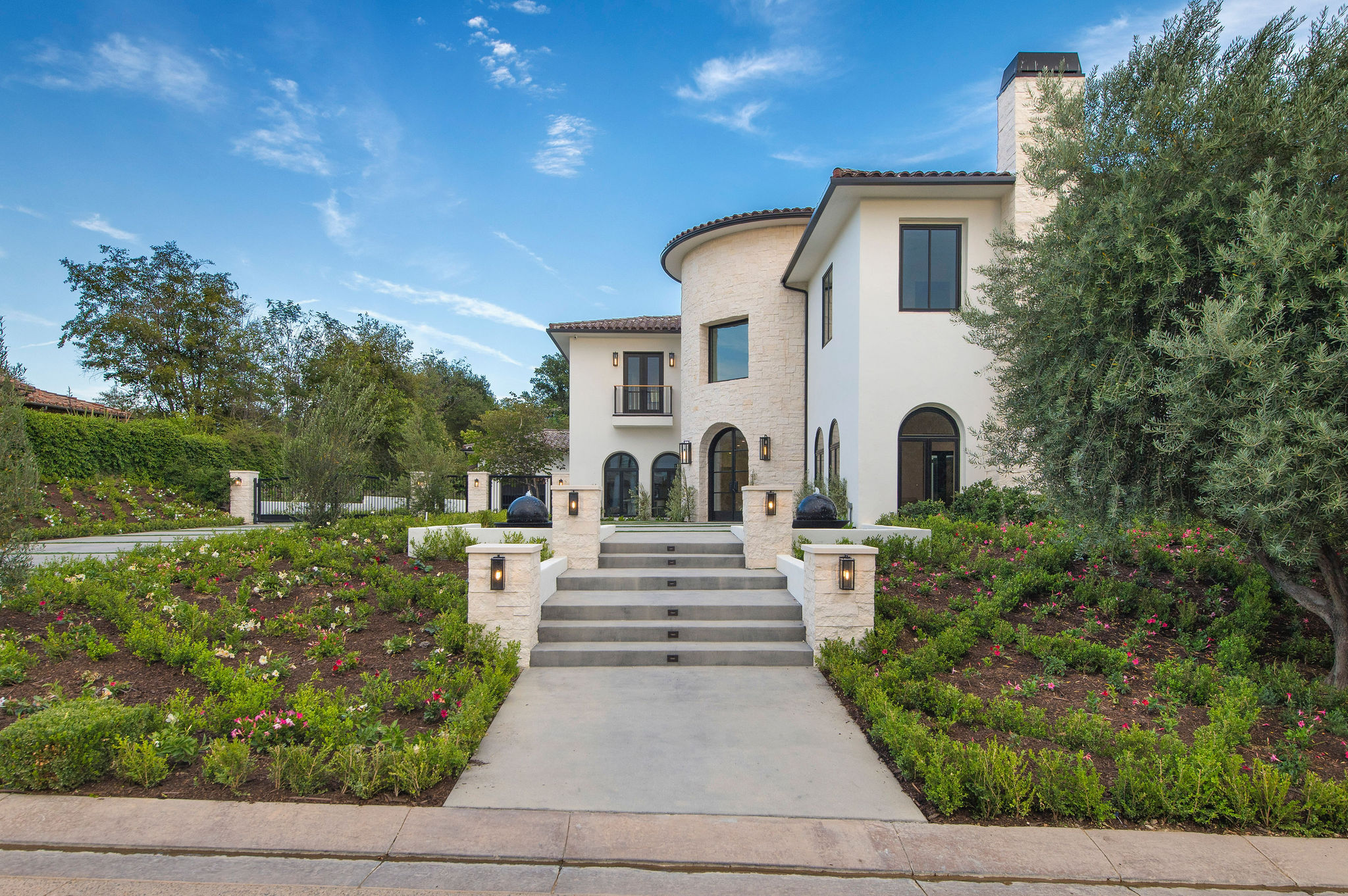
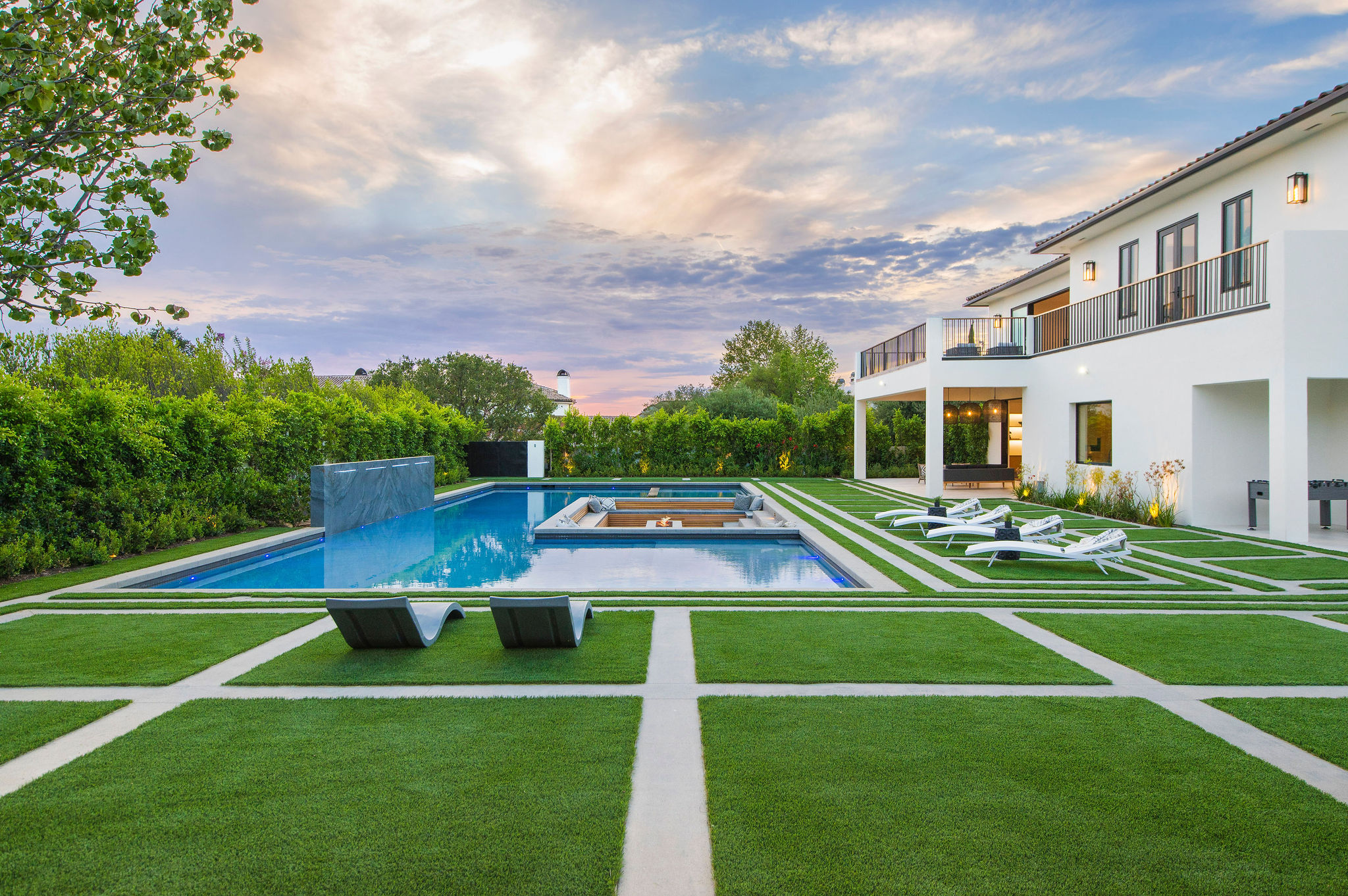
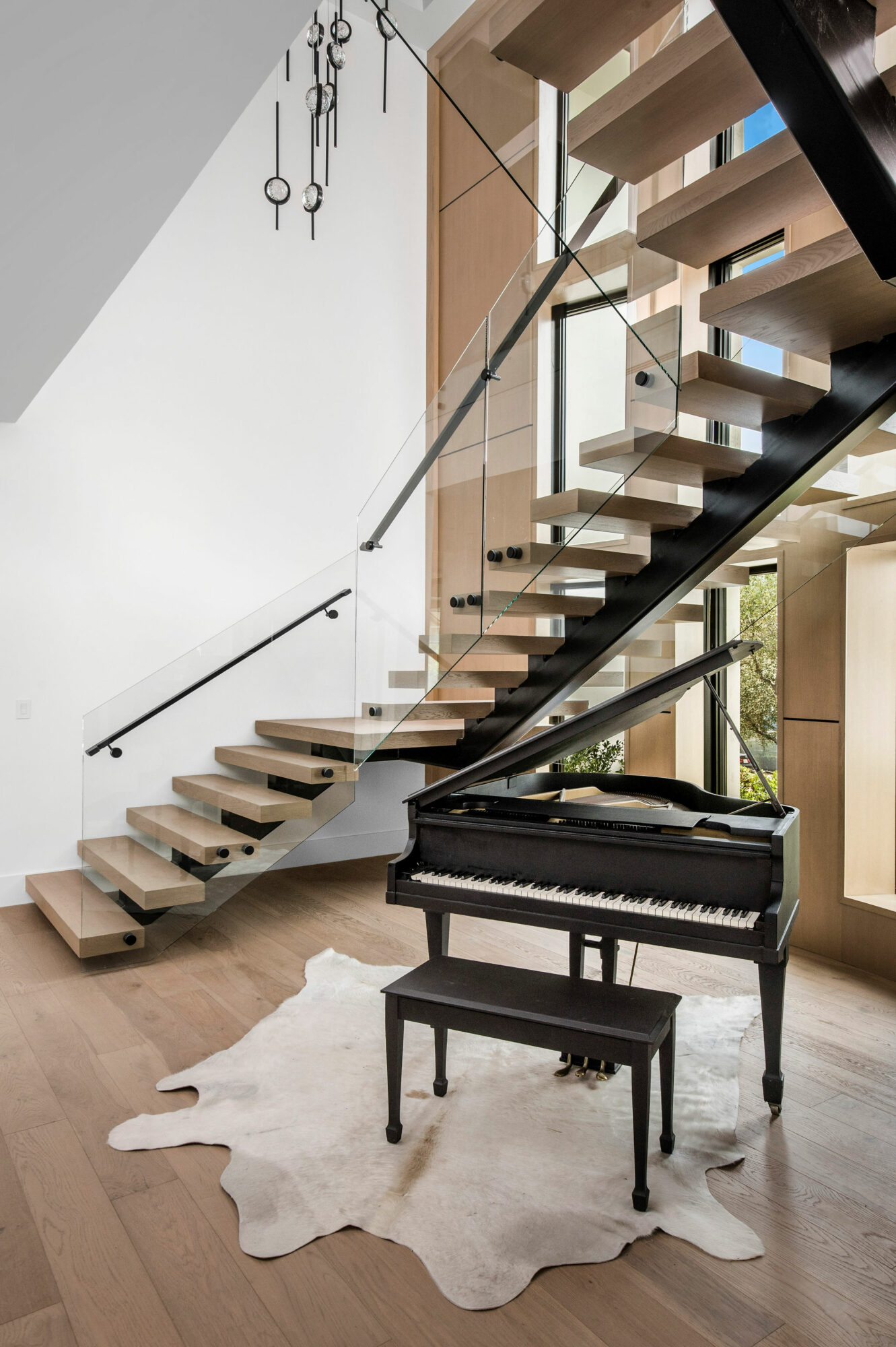
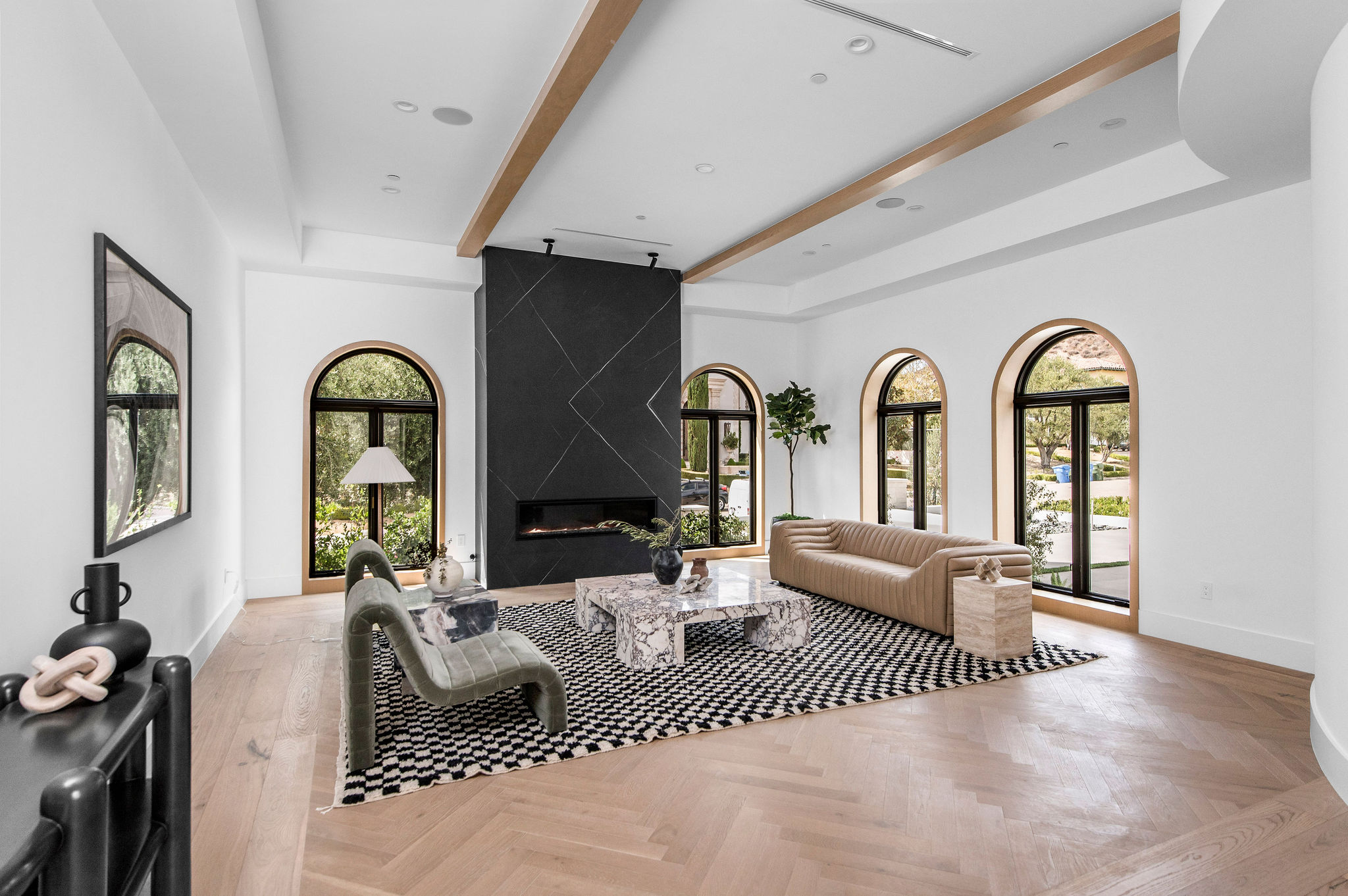
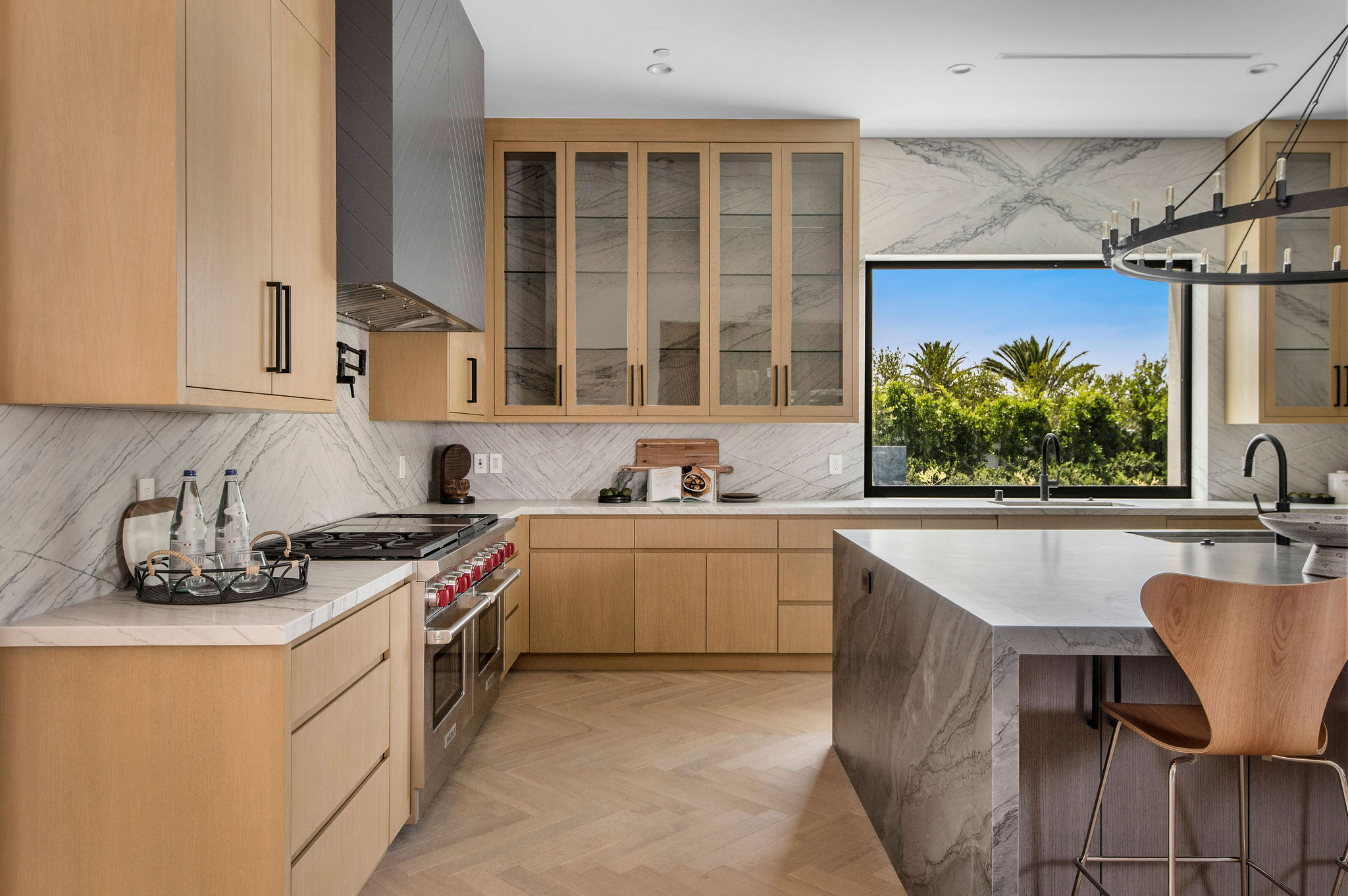
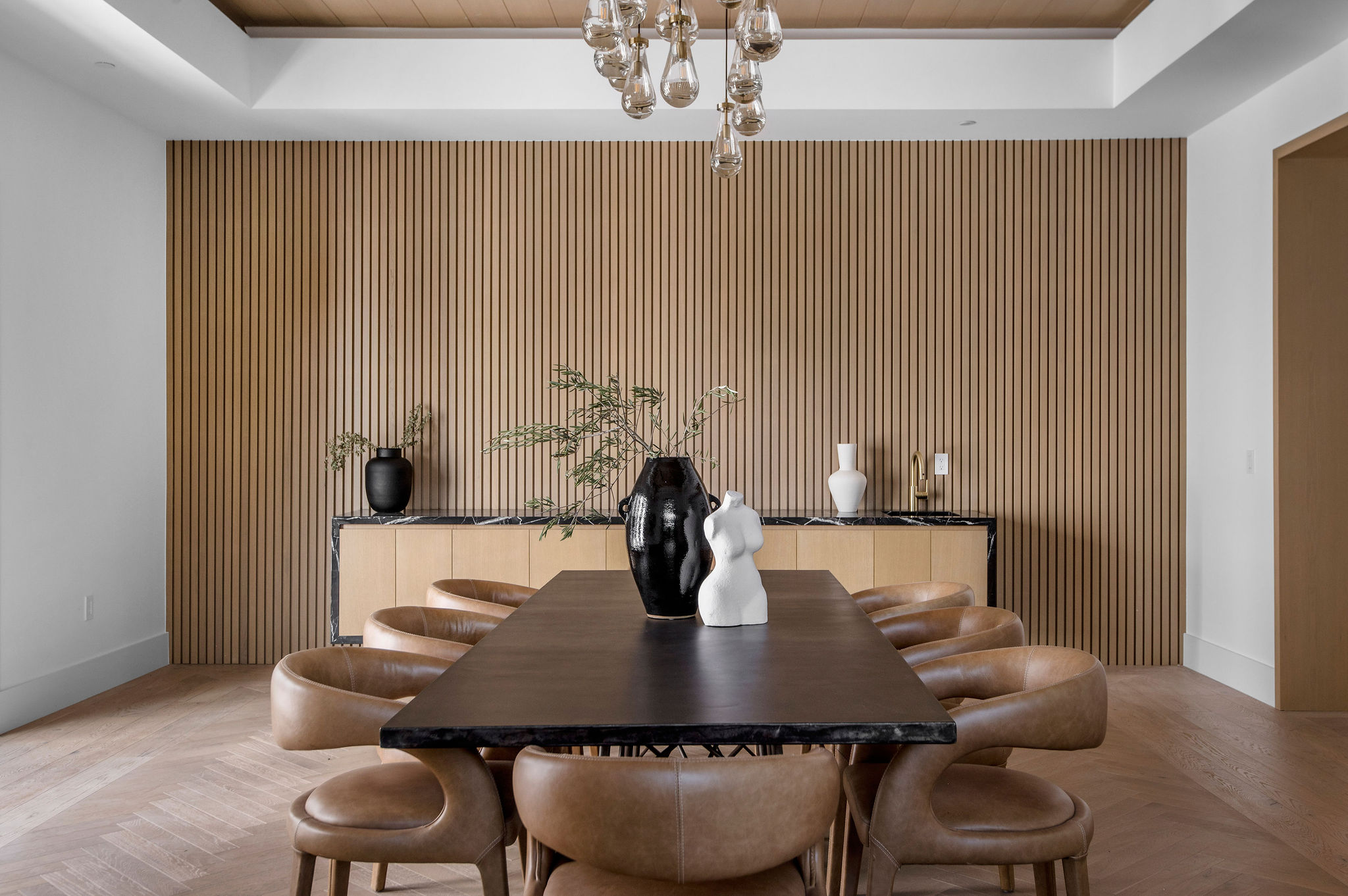
MBB Design Studio is a boutique residential design practice specializing in custom homes, renovations, additions, and the many details that make a home feel truly personal to the people who live in it. While design is at the center of what we do, I believe our greatest strength is the relationship we build with our clients throughout the process.
Residential design is deeply personal. We are not simply designing a building; we are helping someone create the place where they will live, raise their family, entertain, and make memories. Because of that, I place a tremendous amount of value on listening, communication, accessibility, and customer service. Our clients should feel that we understand what they want, that we are genuinely invested in their project, and that we are there to help them navigate the many decisions and challenges that come with designing and building a home.
Over the years, our practice has continued to evolve along with the industry. Technology has completely changed the way we communicate, develop designs, visualize ideas, coordinate with consultants, and work through construction. At the same time, building practices, materials, energy requirements, codes, and clients’ expectations continue to change. Design styles have evolved as well. We try to stay current without simply following trends, incorporating new ideas and technologies when they genuinely improve the way a home looks, functions, and performs.
What I am most proud of is the trust we develop with our clients. Many of our projects come through referrals or relationships that continue long after a project is completed. To me, that is one of the strongest indicators that we are doing something right.
I also think our size is an advantage. Being a boutique studio allows me to remain personally involved in our projects and maintain a close connection with our clients. We can be nimble, responsive, and highly attentive to the individual circumstances of each project rather than applying a one-size-fits-all approach.
Ultimately, what sets us apart is the combination of design expertise and personal service. We strive to create homes that are thoughtfully designed, highly functional, and reflective of the people who live in them—but just as importantly, we want our clients to feel supported and confident throughout the entire journey. The finished home is important, but so is the experience of getting there.
What do you like best about our city? What do you like least?
One of the things I love most about Los Angeles is its incredible variety. From the hills and mountains to the flat urban and city infill lots, the topography and character can change dramatically from one neighborhood to the next. As a residential designer, that diversity is especially inspiring because every site presents a different set of opportunities and challenges. The landscape, views, orientation, and surrounding context can all influence the way a home is designed.
What I like least is probably the complexity of the regulatory environment. Los Angeles is made up of so many different municipalities and jurisdictions, each with their own regulations, interpretations, processes, and requirements. On top of that, the rules are constantly evolving. What was acceptable or straightforward a few years ago can be very different today.
For a designer, that can make the process unnecessarily complicated and sometimes unpredictable. It requires us to constantly stay informed and adapt to changes in zoning, building codes, planning requirements, and local policies. At the same time, navigating those challenges has become an important part of our expertise and allows us to help our clients move through the process with greater confidence.
Pricing:
- Mid-High
Contact Info:
- Website: https://www.mbbdesignstudio.com/
- Instagram: http://mbbdesignstudio/
- Facebook: https://www.facebook.com/MBBDesignStudio1?mibextid=wwXIfr&mibextid=wwXIfr
- Other: https://mbbdesignstudio.carrd.co/
Popular
-

Portraits of the Valley
-

LA’s Most Inspiring Stories
-

Rick Norris Learned That Building a Successful Business Means Building a Life You Actually Want to Live
-

How Olivia Rush Turned Survival Into a Mission to Help Others Keep Going
-

How Bibi Goldstein Is Helping Entrepreneurs Reclaim Their Time by Embracing the Power of Delegation
-

Victoria Hasson is Redefining Voice Coaching Through Community and Collaboration


