



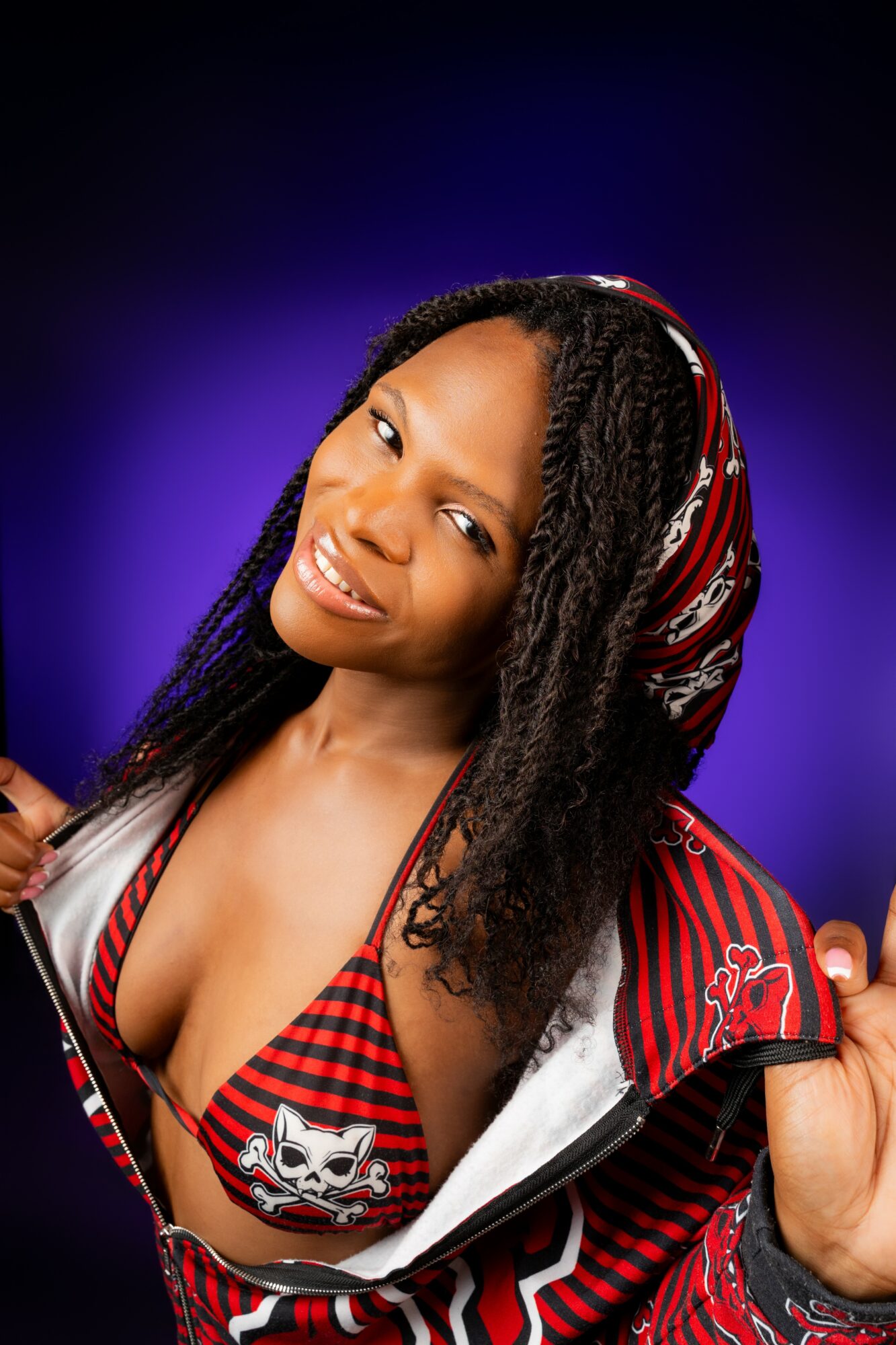
Today we’d like to introduce you to Kat Blaque.
Hi Kat, we’d love for you to start by introducing yourself.
I started blogging on Xanga as a teenager, and when YouTube launched, my small but loyal audience encouraged me to try making video blogs. I created my first YouTube channel in 2005, and now, more than twenty years later, I work as a full-time YouTube content creator. The internet has changed a lot since those early days, but I’ve always focused on sharing topics I care about and that feel personal to me. Growing up, I was a sheltered kid who often felt misunderstood, especially as I began to realize and accept that I was a transgender woman. In the early 2000s, being a transgender teenager could feel very lonely, but the internet helped make things a little easier. As a creator, I wanted to talk about what people often get wrong about people like me, and my videos cover much more than gender identity. My gender is just one part of who I am, and much of my work is about helping others understand my experiences and the lessons I’ve learned from listening to different people.
I graduated from CalArts with a degree in Character Animation in 2012, but I struggled to connect with the animation industry and found that I preferred the freedom of being a content creator. I became a full-time YouTuber in 2015, and two years later, I moved from Orange County to the city. In 2017, The Advocate honored me with their Innovator Award for my work supporting queer progress on YouTube and through talks at colleges and universities across the country. Now, in addition to my online content, I host community events in LA that bring together trans and queer sex-positive people, seeking to hold the space I needed when I was younger.
I’m sure it wasn’t obstacle-free, but would you say the journey has been fairly smooth so far?
Being an early adopter can make it hard to understand how newcomers see your work, and it’s easy to get set in your habits. YouTube has changed a lot since I began making videos, and after so many years as a creator, I’ve found it tough to adapt and try new things. My channel started with DIY sewing, then moved to commentary, and I’m still figuring things out.
Now, most people see content creation as a real job, but when I was younger, it was hard to explain that to my parents. I realized early on that YouTube and blogging would become big, but it’s only recently that others have caught on. My parents didn’t understand that I earned more from presentations and uploading videos than I did working for animation studios.
Back in the 2010s, there weren’t many feminist creators online, and I faced a lot of harassment because of it. I worked for Everyday Feminism, a feminist education platform, and most of my former coworkers were pushed offline by people who wanted to silence women. Around that time, I also started talking more openly about surviving sexual violence. When I did, some reactionary creators tried to pick apart my story and convince their anti-feminist followers that I wasn’t believable, even claiming I wasn’t attractive enough to be a victim. Instead of making me stay quiet, these reactions showed me how important it was to keep speaking up. I’m stubborn about things like this. I never want anyone to think they’ve silenced me, and I know that my work has been very helpful to other survivors.
In the 2010s, even though I was making content online, I was still mostly unknown and could stay “stealth”—which means passing as cisgender for safety—in my small conservative community in Orange County. That changed when I became a full-time creator. I did a video with BuzzFeed about being transgender, and it ended up outing me to everyone, including my boyfriend’s family, who we were living with at the time. They asked us to leave their home, and while that was painful, it was one of the first things that pushed me toward the city, where I had always wanted to live.
Like many people, I moved to LA to find myself and to pursue a more sex positive life. I broke up with that boyfriend, started going to therapy, and started attempting to seek a more sex positive lifestyle. Eventually, I became a community organizer within the Los Angeles BDSM scene, which was quite healing for me as a survivor.
Can you tell our readers more about what you do and what you think sets you apart from others?
There are not many black, transgender, polyamorous women in the media who speak with authority about their own experiences. I often notice that society resists including people like me in important conversations. Too often, we are used as examples in debates or treated as if we are just ideas, which feels very dehumanizing. I am 35 years old, and I transitioned when I was a teenager two decades ago; it’s silly to act like my history and experience are only theoretical. Many of the things cis people say about trans people seem disconnected from how we actually feel about ourselves. It is clear to me that our culture does not want to recognize or accept people like me, and that is one reason I am determined to speak up for myself and what I stand for. I can say there are more people like me online now, but I am still one of the more visible voices, even though my platform is not very large. I know that many people have been taught to think badly of people like me, but I hope that can change. That is why I share my perspective, hoping it will help others. Many people have told me that I have helped them move past their bias.
I make an effort to understand others, even when I disagree with them. I try to see why some people feel justified in their hatred and what reasons they use to explain their bigotry. Growing up in a deeply Evangelical home and living in conservative communities for most of my life has taught me how to talk to people who have been taught to dislike people like me. I know I cannot change everyone’s mind, but my approach has helped many people see things differently.
What sort of changes are you expecting over the next 5-10 years?
The creator industry is in a strange and interesting place right now. Influencers are turning into the new celebrities as people spend more time on their phones, follow bloggers, and form one-sided connections with them. As someone who’s been on YouTube for a long time, I’ve found it hard to relate to this, since I don’t have those kinds of relationships with creators myself. Still, it doesn’t really surprise me. The only thing that has caught me off guard is AI.
A few years ago, someone hacked my Facebook page and replaced it with AI content. Around that time, Meta introduced a group of AI influencers, and some of them even seemed similar to me. AI influencers are easier to manage and more predictable. For example, a black and trans AI influencer doesn’t have to pay for healthcare or face real transphobic violence, but she can still promote products she’ll never use herself. Meta was completely unhelpful when I tried to get my page back. Through that process, I discovered they’ve largely replaced their support team with AI.
AI seems to be showing up everywhere, and algorithms act like silos that make it easier to control people. I believe the Dead Internet Theory might become reality sooner than we expect, and more people will start using the internet more intentionally as they spend more time offline. In some ways, we might go back to a time when fewer people are online, but it will also become harder for content creators.
I think it will get much harder to become a content creator in the next few years, even though it’s never been easier to start. What’s new about this era is the rise of an industry focused on helping people become successful creators, but some of these so-called experts seem more interested in taking your money than actually helping.
Contact Info:
- Website: https://blaqueinthecity.com
- Instagram: https://www.instagram.com/kat_blaque/
- Facebook: https://www.facebook.com/p/Kat-Blaque-61557941207480/
- Youtube: https://www.youtube.com/katblaque
- TikTok: https://www.tiktok.com/@katblaque
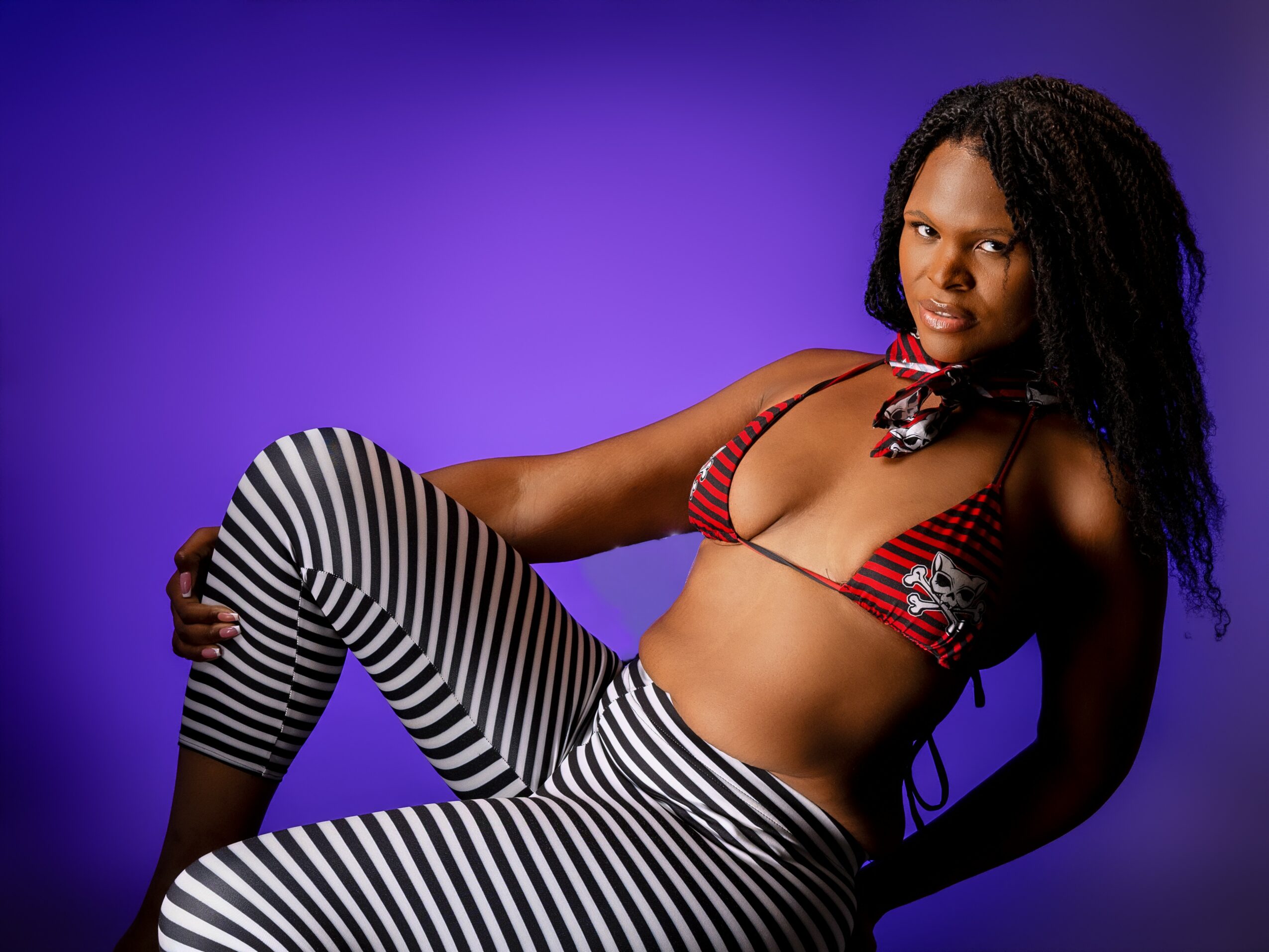
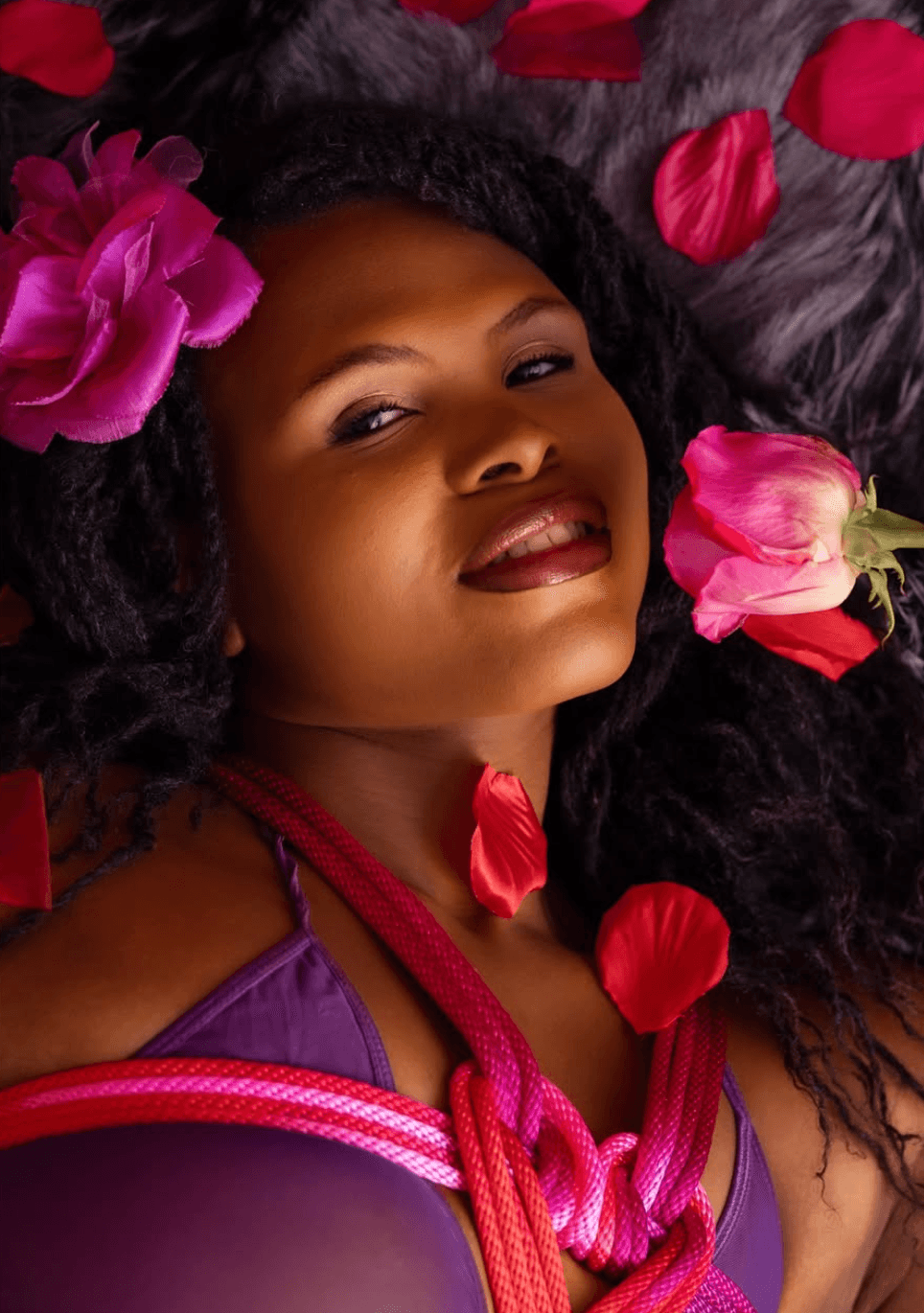
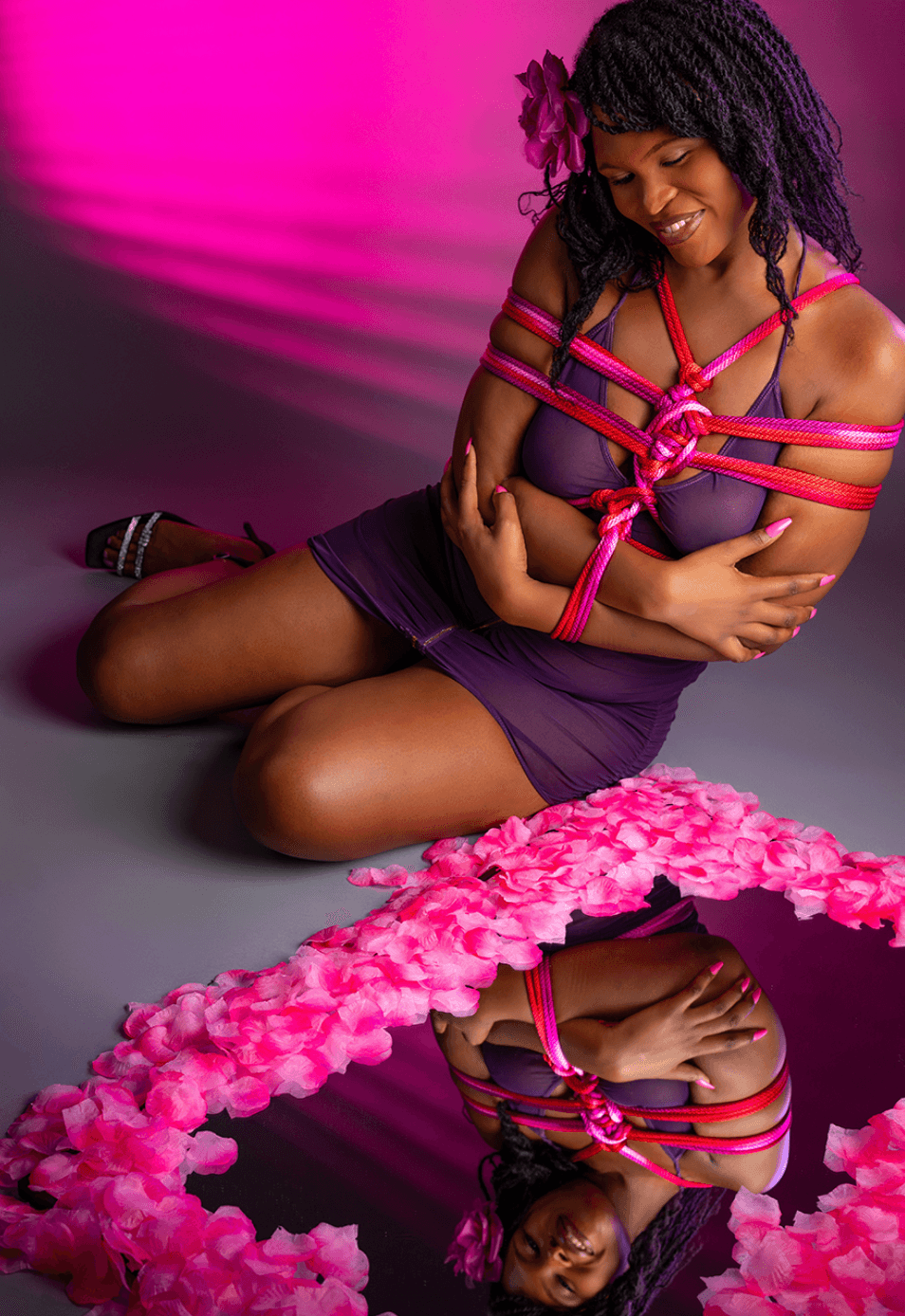
Image Credits
all photos by @MyPolyamLife on Instagram
Popular
-

Portraits of the Valley
-

LA’s Most Inspiring Stories
-

Rick Norris Learned That Building a Successful Business Means Building a Life You Actually Want to Live
-

How Olivia Rush Turned Survival Into a Mission to Help Others Keep Going
-

How Bibi Goldstein Is Helping Entrepreneurs Reclaim Their Time by Embracing the Power of Delegation
-

Victoria Hasson is Redefining Voice Coaching Through Community and Collaboration


