




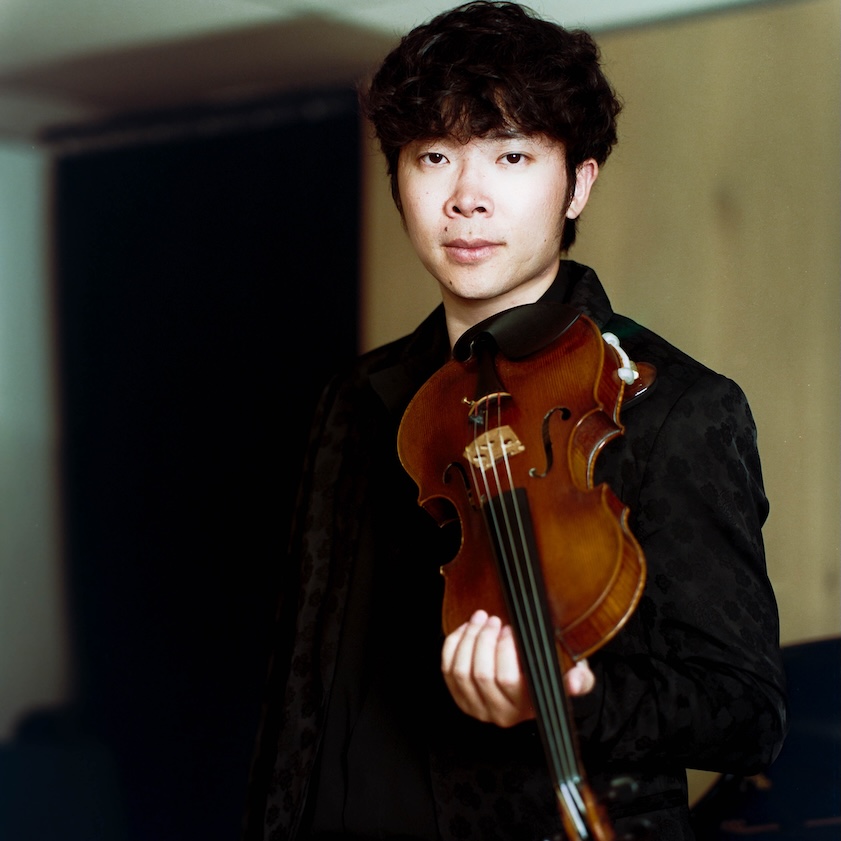
Today we’d like to introduce you to Jiyuan Yang.
Hi Jiyuan, thanks for joining us today. We’d love for you to start by introducing yourself.
I’ve loved music for as long as I can remember. I started learning the violin in China, and that passion eventually brought me to the United States, where I completed my master’s degree at Temple University and continued my doctoral studies at the University of Kansas.
Living and studying in the U.S. opened many doors for me. I had the opportunity to perform with ensembles such as the Wichita Symphony Orchestra, the Topeka Symphony Orchestra, and most recently the Bach Millennium Orchestra, while also building a career that combines performance, chamber music, and education. For the past two years, I’ve been teaching at Music Land School of Music in the Bay Area, where I’ve had the privilege of working with students of different ages and backgrounds. Watching my students grow as musicians has been just as rewarding as performing on stage.
Over the past few years, my work has continued to grow beyond performing. I’ve served as a competition juror and recently directed the Concert Star San Francisco Regional Competition, where I had the opportunity to work with talented young musicians and educators from different backgrounds. I’m also excited to begin a new chapter with Almost Quartet and continue exploring chamber music through upcoming performances. Looking back, every experience has helped shape me not only as a violinist, but also as a teacher and collaborator, and I’m excited to see where the journey leads next.
Can you talk to us a bit about the challenges and lessons you’ve learned along the way. Looking back would you say it’s been easy or smooth in retrospect?
Not really. One of the biggest challenges is that there isn’t a clear path in this profession. Most performance opportunities don’t just come to you—you have to look for them, prepare for auditions, send applications, and keep trying. Sometimes you spend weeks getting ready for an audition, and things still don’t work out. That’s just part of being a musician.
I’ve also found that building a career means wearing a lot of different hats. Besides performing, I teach, work with students, and help organize music events. It keeps me busy, but I’ve learned something from each experience.
I think the biggest lesson has been to stay patient. You can’t control every result, but you can keep improving and be ready when the next opportunity comes along.
As you know, we’re big fans of you and your work. For our readers who might not be as familiar what can you tell them about what you do?
I’m a violinist, educator, and chamber musician. While performing is at the heart of what I do, I also enjoy teaching and creating opportunities for young musicians. Over the past two years, I’ve been teaching at Music Land School of Music in the Bay Area, where I’ve had the chance to work with students of different ages and backgrounds. Watching them grow as musicians has been one of the most rewarding parts of my career.
I’m also passionate about chamber music because it requires listening, trust, and collaboration. I’m excited to be joining Almost Quartet for upcoming performances, and I look forward to continuing to explore music through collaboration with other musicians.
In recent years, I’ve also become involved in arts leadership through Concert Star, serving as a competition juror and directing the San Francisco Regional Competition. Seeing young musicians gain confidence through live performance has been incredibly meaningful to me.
What I’m most proud of isn’t one particular performance or achievement—it’s being able to balance performing, teaching, and supporting the next generation of musicians. I hope people know me not only as a violinist, but as someone who enjoys bringing musicians together and helping others grow through music.
We’d be interested to hear your thoughts on luck and what role, if any, you feel it’s played for you?
I think luck often comes from recognizing an opportunity and being willing to take it. Looking back, many important turning points in my life started with a decision—choosing to study abroad, joining orchestras, moving to the Bay Area, and starting to teach there. Each choice led me to new people, new experiences, and eventually new opportunities.
Of course, there has been bad luck too. Things don’t always go as planned, but I try not to stay focused on what went wrong. I usually start looking for another opportunity or find a way to make the situation work. I think mindset is very important in that sense.
For me, luck is not completely random. Sometimes you create your own luck by staying open, making decisions, and being ready to move forward when an opportunity appears.
Contact Info:
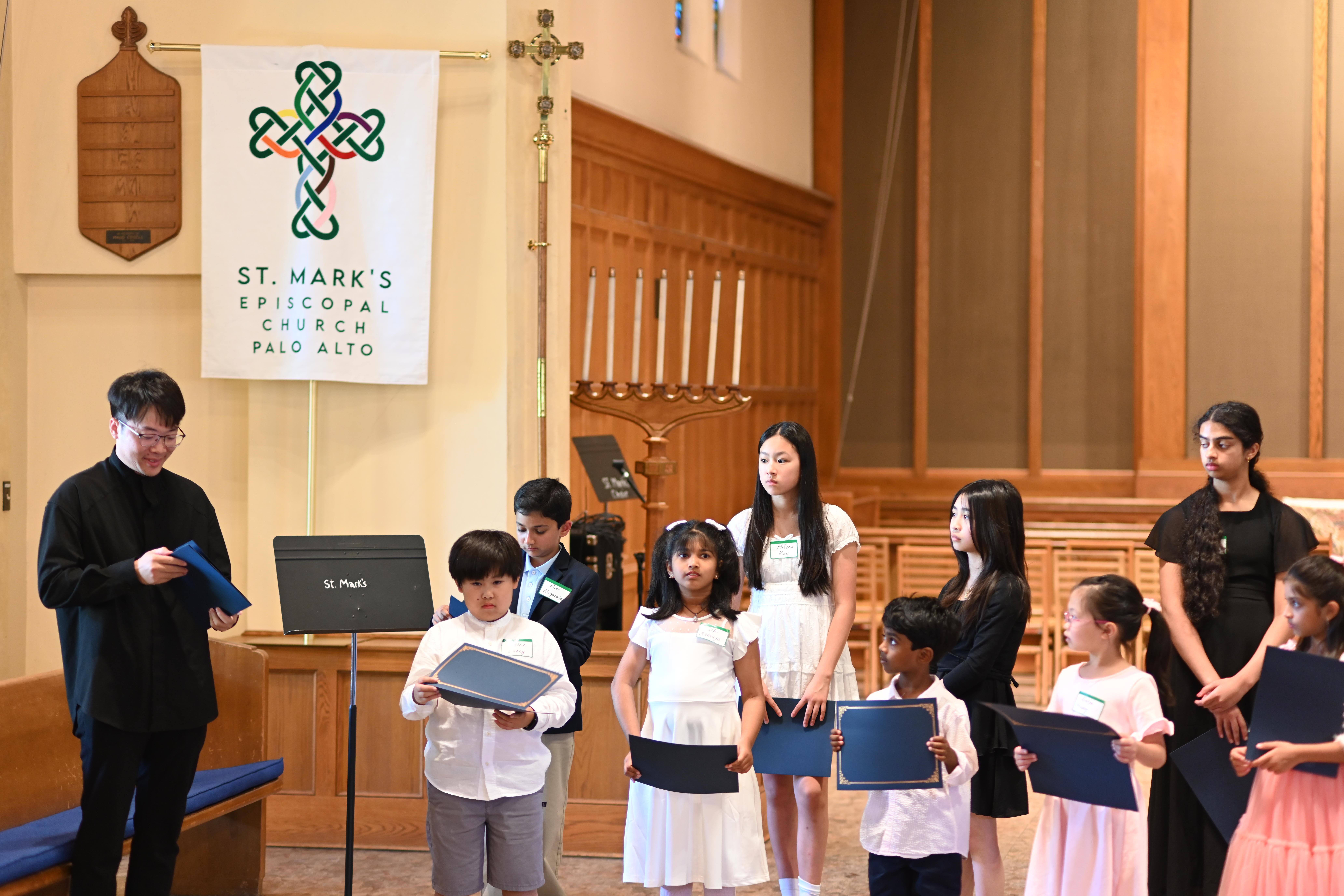
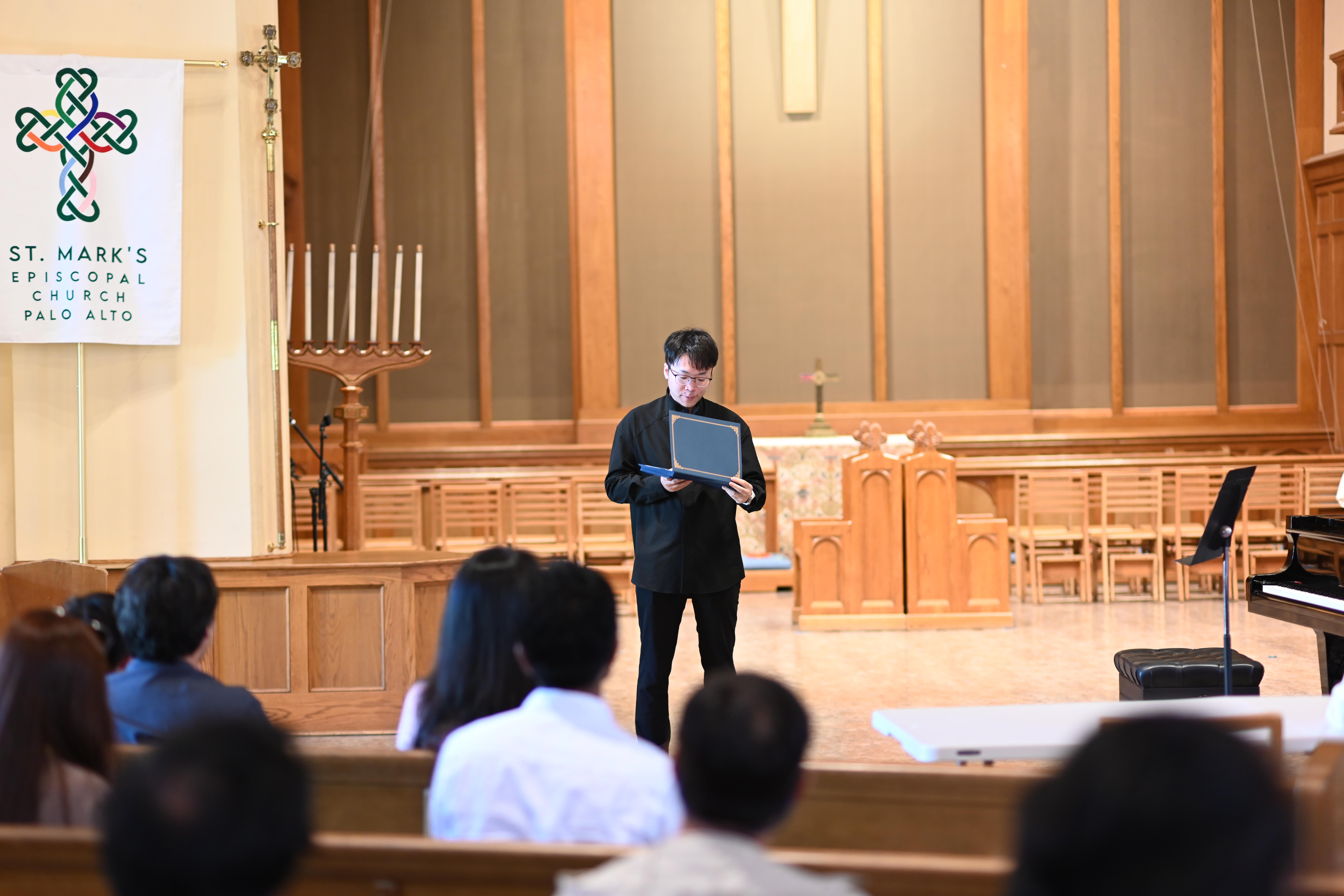
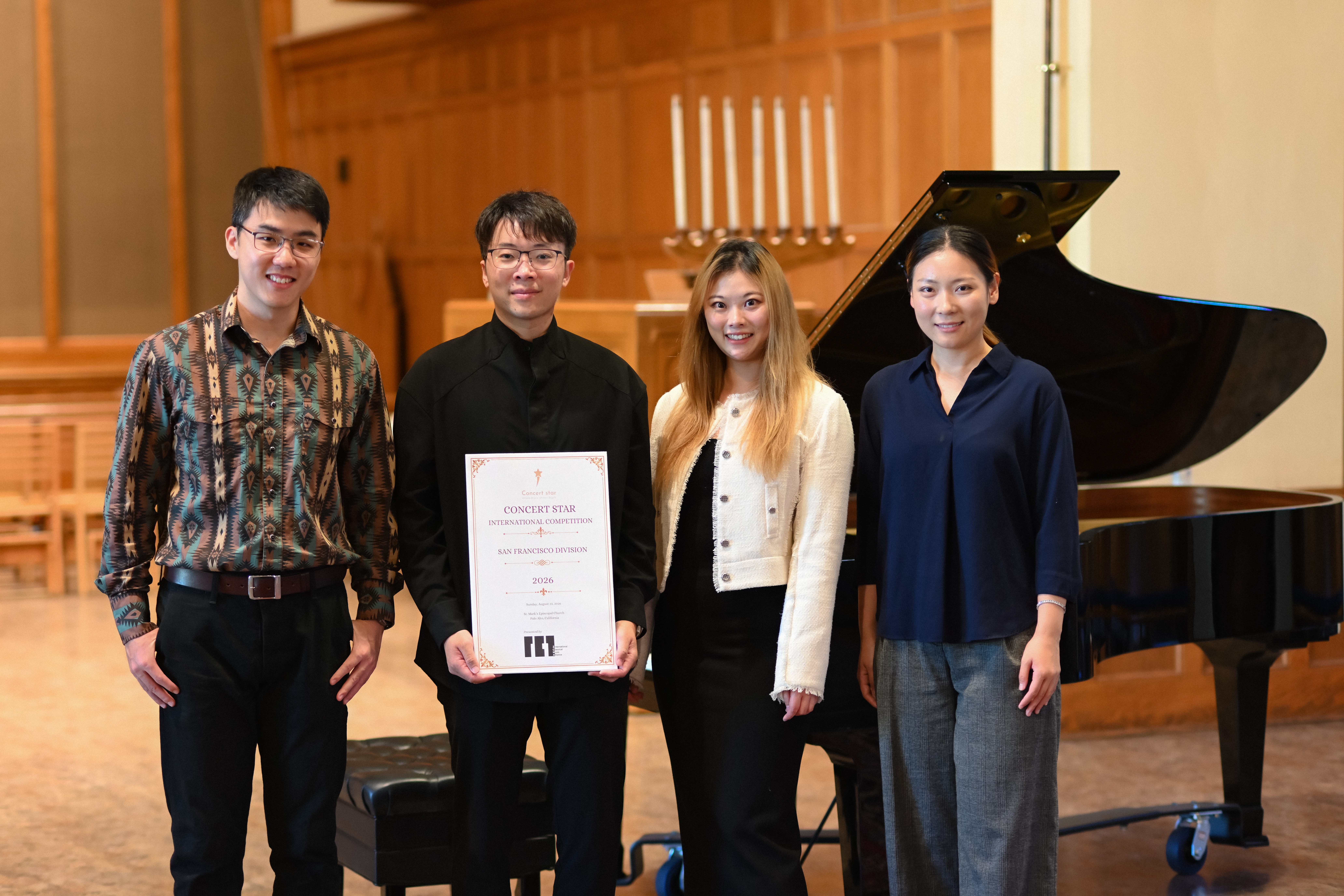
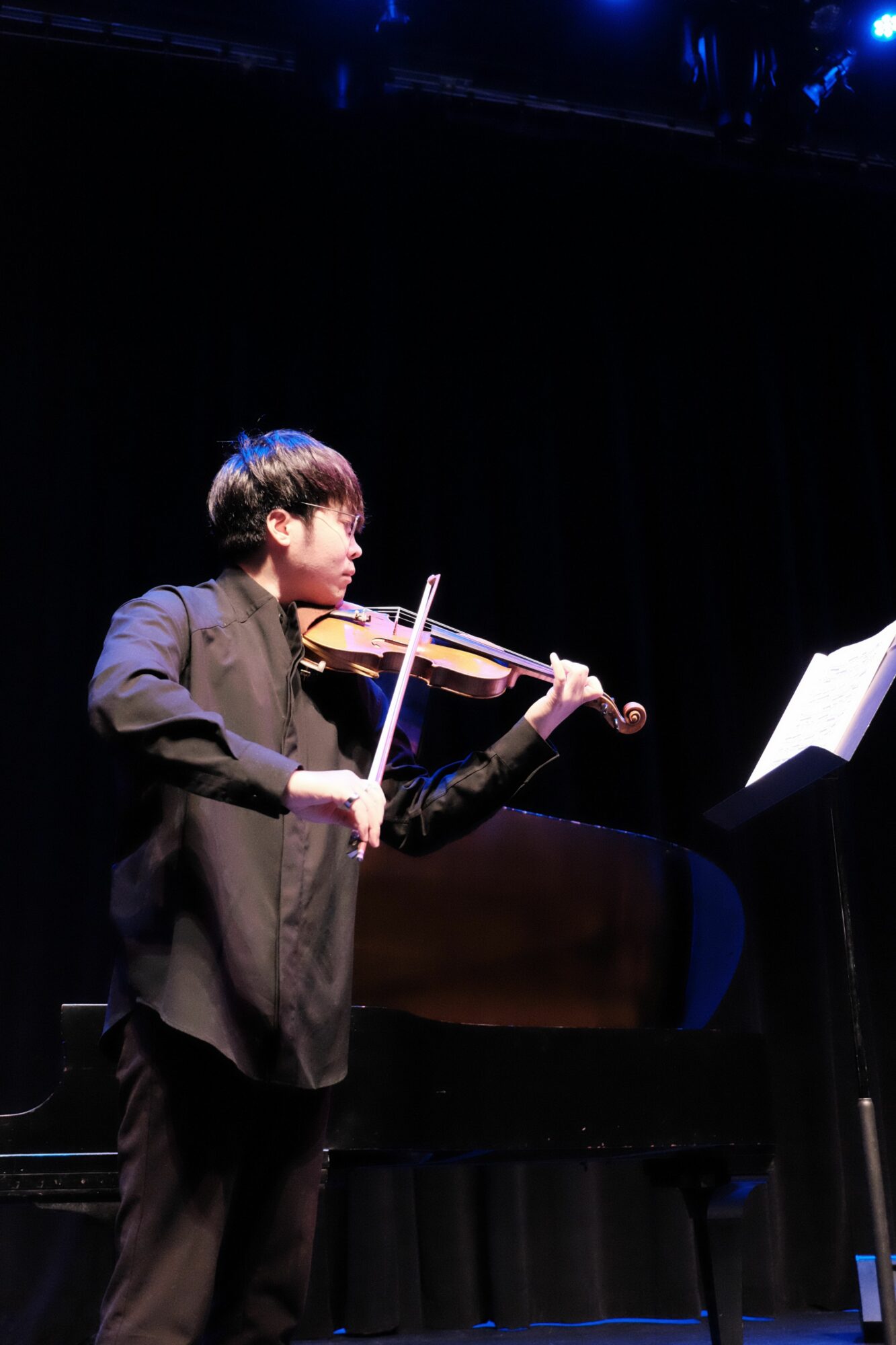
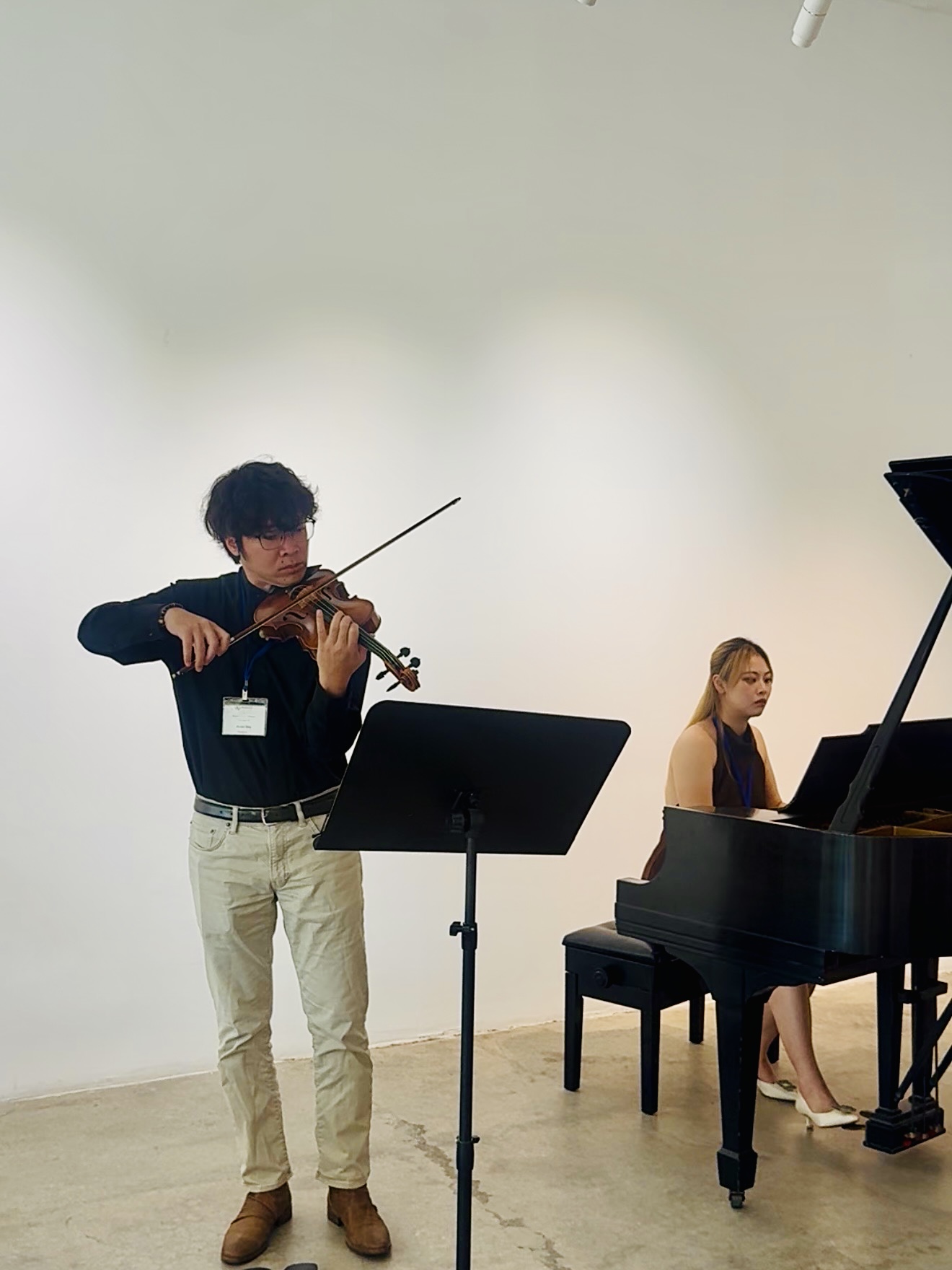
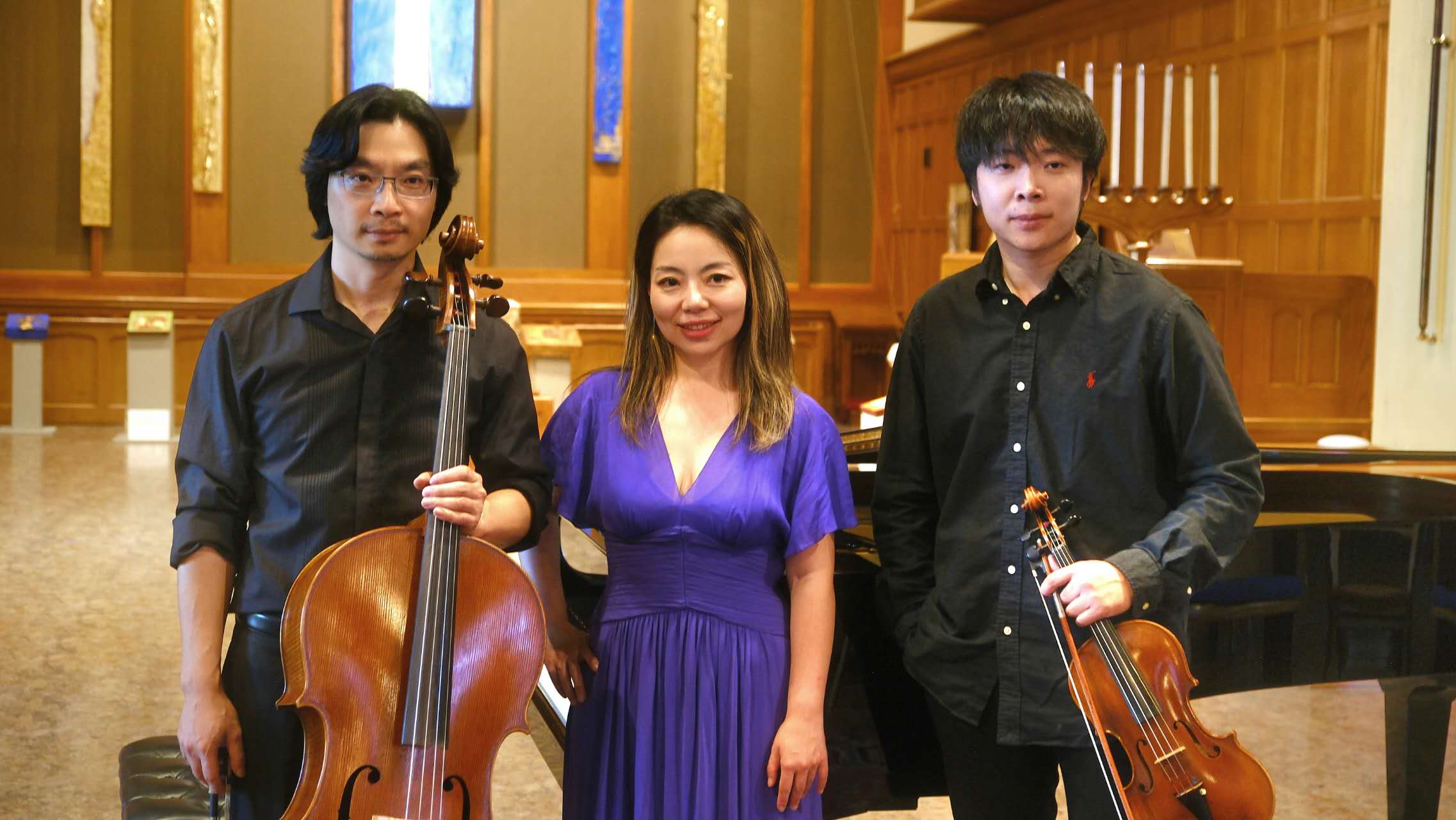
Image Credits
Lulu
Popular
-

Portraits of the Valley
-

LA’s Most Inspiring Stories
-

Rick Norris Learned That Building a Successful Business Means Building a Life You Actually Want to Live
-

How Olivia Rush Turned Survival Into a Mission to Help Others Keep Going
-

How Bibi Goldstein Is Helping Entrepreneurs Reclaim Their Time by Embracing the Power of Delegation
-

Victoria Hasson is Redefining Voice Coaching Through Community and Collaboration


