




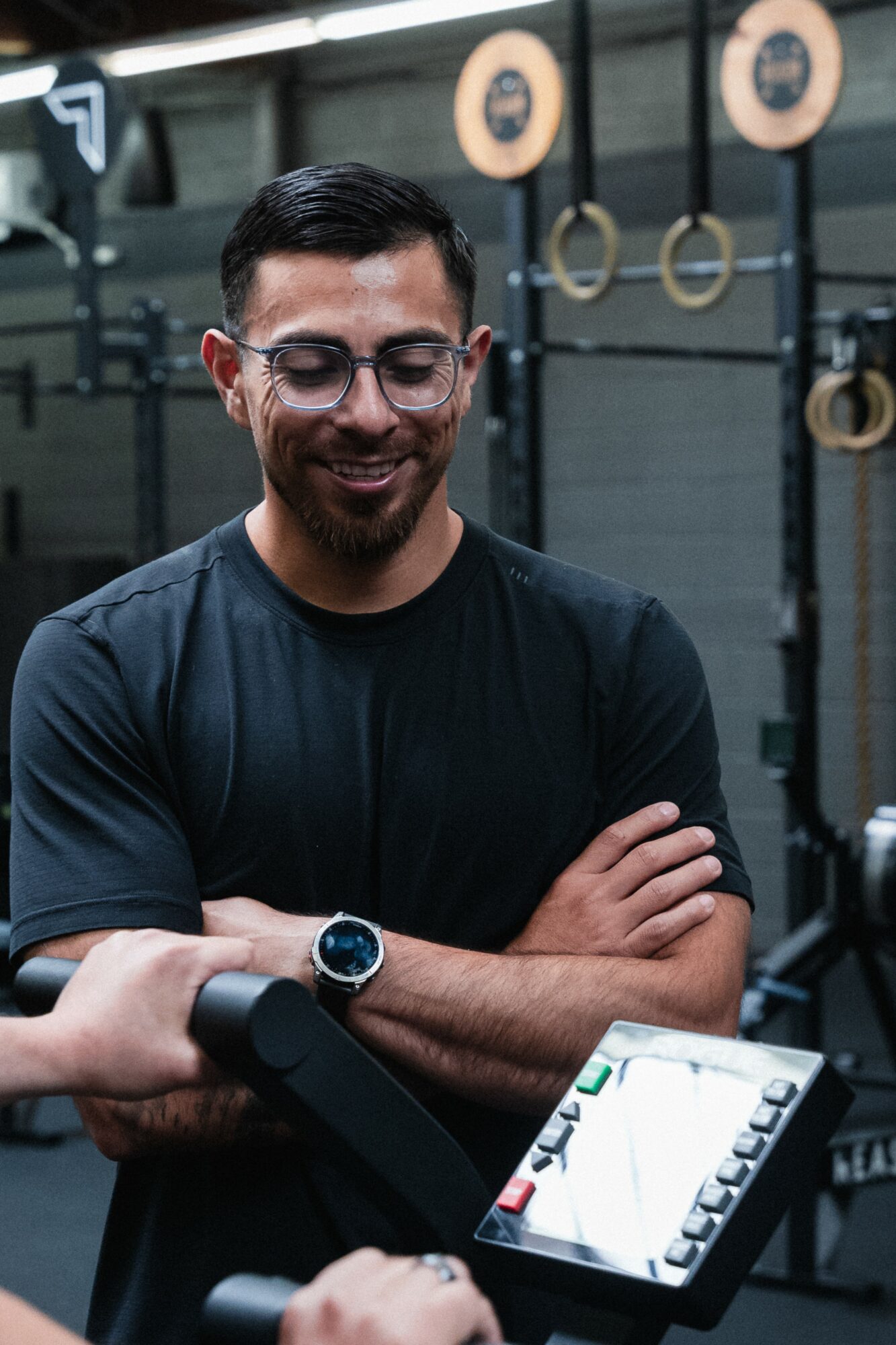
Today we’d like to introduce you to Andrew Hernandez.
Andrew , we appreciate you taking the time to share your story with us today. Where does your story begin?
I got my start in fitness in 2015, when I was 19. I was looking for a competitive outlet, but if I’m honest, I also didn’t feel particularly comfortable in my own skin. Training gave me somewhere to put that energy. It gave me something to work at, something to measure myself against, and eventually, a different way of seeing myself.
That same year, I was asked to coach my first class. The owner had noticed how much I cared about the people around me and how invested I had become in my own journey. I didn’t have some grand plan to make coaching my career. Someone gave me an opportunity, I cared about doing it well, and I kept following that thread.
Like a lot of people in their early twenties, I thought more was better. I took things to the umpteenth degree. I hyper-fixated on diets, training protocols, and finding the “best” way to do everything. Some of it was too extreme. But going through that taught me something important: intensity isn’t the same thing as progress.
I wanted to understand the difference.
That search brought me to Reason Fitness in 2018. What caught my attention wasn’t a particular training methodology or piece of equipment. It was the standard of coaching. There was pride in the craft and an expectation that coaching could, and should be treated as a profession.
My first few years at Reason were about finding my own voice. I learned that coaching wasn’t about showing people how much I knew. It was about understanding the person in front of me and helping them navigate whatever season of life they were in.
COVID really drove that home.
Like everyone in the industry, we had to adapt quickly. We were constantly asking ourselves how we could continue to provide value when the normal way of doing things had disappeared. What became obvious was that people didn’t just need workouts. They needed direction. They needed accountability and connection. They needed someone in their corner who cared about where they were trying to go.
That changed the way I looked at coaching.
After COVID, we invested heavily in mentorship and continued education. I stopped paying as much attention to the flashy side of fitness and started paying more attention to solving actual problems. I became certified in nutrition, continued developing my knowledge of programming and program design, and took on more responsibility within Reason.
Today, I’m the Head Coach and Head of Operations at Reason Fitness. I oversee our programming and spend a large part of my time developing our coaches and helping them become better at their craft.
At this point, what drives me is pretty simple: I don’t want people wasting their time.
If someone is willing to give us hours of their week, year after year, that time should mean something. They deserve a clear plan. They deserve to understand what they’re working toward. And they deserve coaching that recognizes there’s a person attached to the program.
That’s also why Reason’s phrase, “Find What Moves You,” means more to me now than it probably ever has. What moves you changes. At 19, it was competition and trying to become more comfortable with myself. At different points it’s been performance, education, career, and growth. Today, a lot of it is the responsibility I have to the people around me.
I think the same is true for the people we coach. The goal isn’t just to get someone through a workout. It’s helping them find the reason they want to keep showing up and giving them a path that makes that effort worthwhile.
More than anything, I want people to feel seen and to believe there is more available to them than they might currently believe. One of the hardest things for me to hear is someone speak about themselves as though they’re less than, or that change just isn’t for them.
Making it to the gym is one fight. Believing you can become someone different is another.
I started this journey trying to change myself. Somewhere along the way, I realized the part I cared most about was helping other people find what moves them and see what they’re capable of. Even for myself, doing triathlons or competing in CrossFit aren’t really the end goal. They’re tallies on a scoreboard, little reminders that I can do hard things, that I’m willing to put myself in difficult situations, and that I don’t shy away when something gets uncomfortable. That’s ultimately what I want training to give people too: not just a stronger body or a better score, but evidence they can point to and say, “I can do hard things.”
Alright, so let’s dig a little deeper into the story – has it been an easy path overall and if not, what were the challenges you’ve had to overcome?
Definitely not smooth, but much of the struggle has been necessary.
COVID was the biggest point of adaptation. Almost overnight, how we coached and connected changed. It exposed a gap for me: it wasn’t enough to give people a place to work out. To be a professional coach, I had to consistently deliver value and help people move forward, regardless of the circumstances.
That meant recognizing the difference between caring about coaching and developing real expertise. Professionalism requires continued education, strong programming and nutrition knowledge, clear communication, and the ability to adapt to each person.
The challenge has been moving from simply running a good class to genuinely helping people solve problems.
That standard now shapes our team at Reason. We want coaches who understand their craft, care about their clients, and create experiences that make people feel their time matters. More than that, we want coaches who take responsibility for the impact they have and who are committed to becoming better at the work, not just more comfortable doing it.
There have been mistakes, uncomfortable seasons, uncomfortable conversations, and reminders of how much I still have to learn. But the goal has been to keep raising the standard of great coaching, to treat it as a profession worthy of discipline, humility, and continual growth, and to make sure every person we serve is better for having trusted us with their time.
Can you tell our readers more about what you do and what you think sets you apart from others?
My work sits at the intersection of coaching, programming, leadership, and coach development. As Head Coach and Head of Operations at Reason Fitness, I oversee our programming and help build the systems and standards that guide our coaches.
I specialize in taking something complicated and making it clear.
Fitness has become incredibly noisy. There’s always another training method, diet, recovery tool, or opinion telling people they need to do more. I prefer to cut through that noise and ask a simpler question: What does this person actually need right now?
Sometimes that means getting stronger. Sometimes it means improving nutrition, preparing for a competition, or rebuilding consistency after life has gotten in the way. The program matters, but understanding the person in front of you matters more.
I’m known for being intentional. I care about the details: why we’re doing something, what outcome we’re trying to create, and whether our approach is actually moving someone toward it. I don’t believe people should spend years exercising without understanding whether they’re making progress.
What I’m most proud of isn’t a certification, program, or personal accomplishment. It’s seeing the standard of coaching at Reason continue to grow and knowing I’ve helped develop it.
Watching a coach become more confident, communicate better, solve problems independently, and change someone’s experience is incredibly rewarding. That impact multiplies: if I help one coach improve their craft, they can positively affect hundreds of people over the course of their career.
What sets us apart is that we take our responsibility seriously. Expertise matters. Professionalism matters. Caring matters.
People trust us with their time, goals, and often the person they’re trying to become. I don’t take that lightly.
Ultimately, I want our work to make fitness feel less complicated and possibility feel a little bigger. Give people a clear path, coach them well, and help them build enough evidence to believe, I can actually do this.
How do you define success?
When I was younger, I probably would have measured it by performance or how fit I was, what I could accomplish, how hard I could push myself, or what position I could reach professionally. I still care about those things, but I don’t think they tell the whole story anymore.
Today, I define success by having the ability to choose what deserves my time and being someone people can depend on when I give it to them.
That means being present for my family while still being ambitious about my work. It means continuing to challenge myself without needing every accomplishment to prove something. And professionally, it means leaving people better than I found them,whether that’s a member I coach, a coach I develop, or the community we’re building at Reason.
I think success is also having enough confidence in who you are that you don’t constantly need to chase the next thing for validation. I still want difficult things in my life. I still want to compete, grow, build, and see what I’m capable of. But those things are tools, not the destination.
The older I get, the more success looks like alignment. The things I say are important should be reflected in where I put my time, effort, and attention.
If I can build something meaningful, take care of the people who depend on me, continue becoming better at my craft, and be present enough to actually enjoy the life I’m building, that feels like success to me.
Contact Info:
- Website: https://reason.fit/
- Instagram: https://www.instagram.com/reasonfit
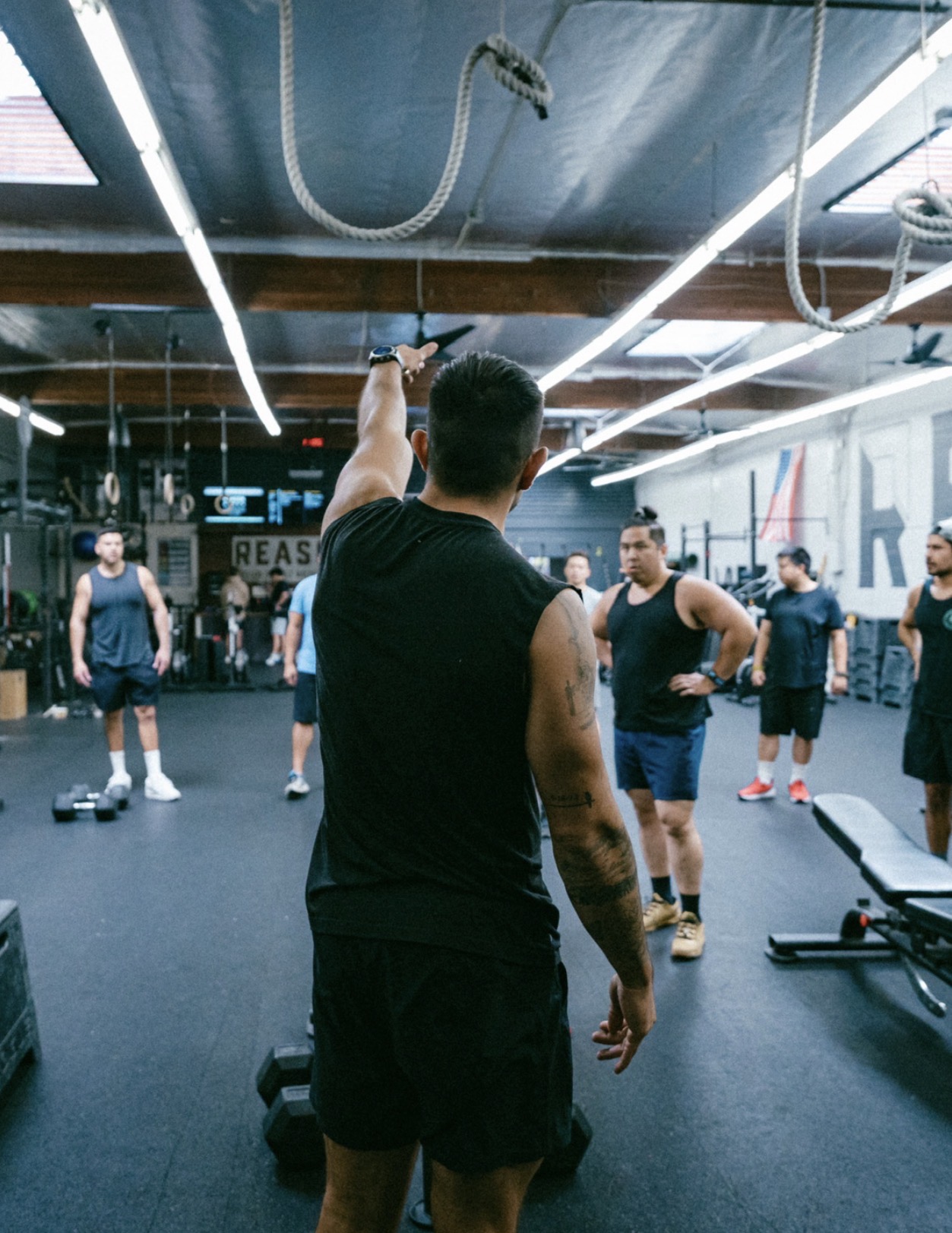
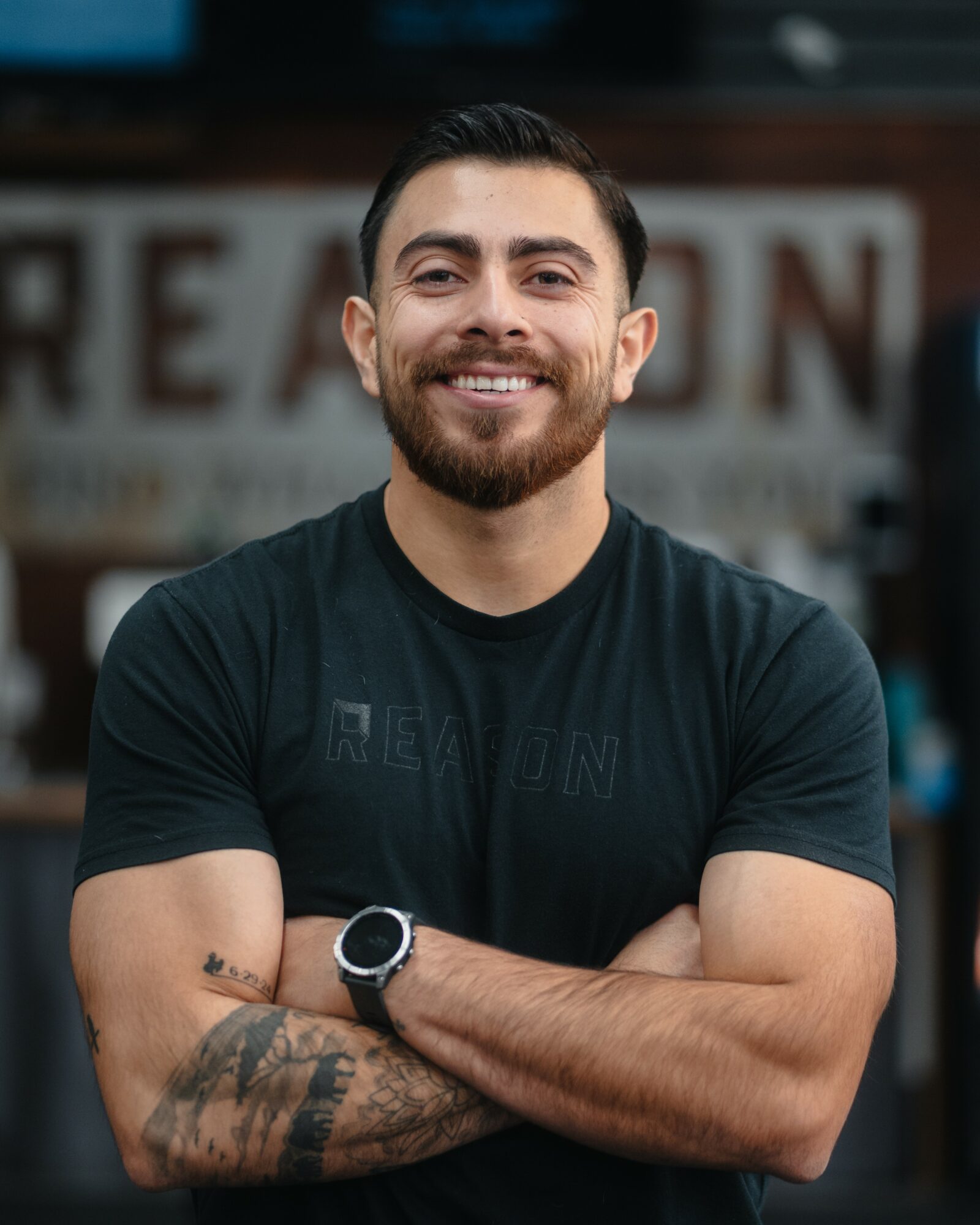
Image Credits
Easemahcaptures
Popular
-

Portraits of the Valley
-

LA’s Most Inspiring Stories
-

Rick Norris Learned That Building a Successful Business Means Building a Life You Actually Want to Live
-

How Olivia Rush Turned Survival Into a Mission to Help Others Keep Going
-

How Bibi Goldstein Is Helping Entrepreneurs Reclaim Their Time by Embracing the Power of Delegation
-

Victoria Hasson is Redefining Voice Coaching Through Community and Collaboration


