




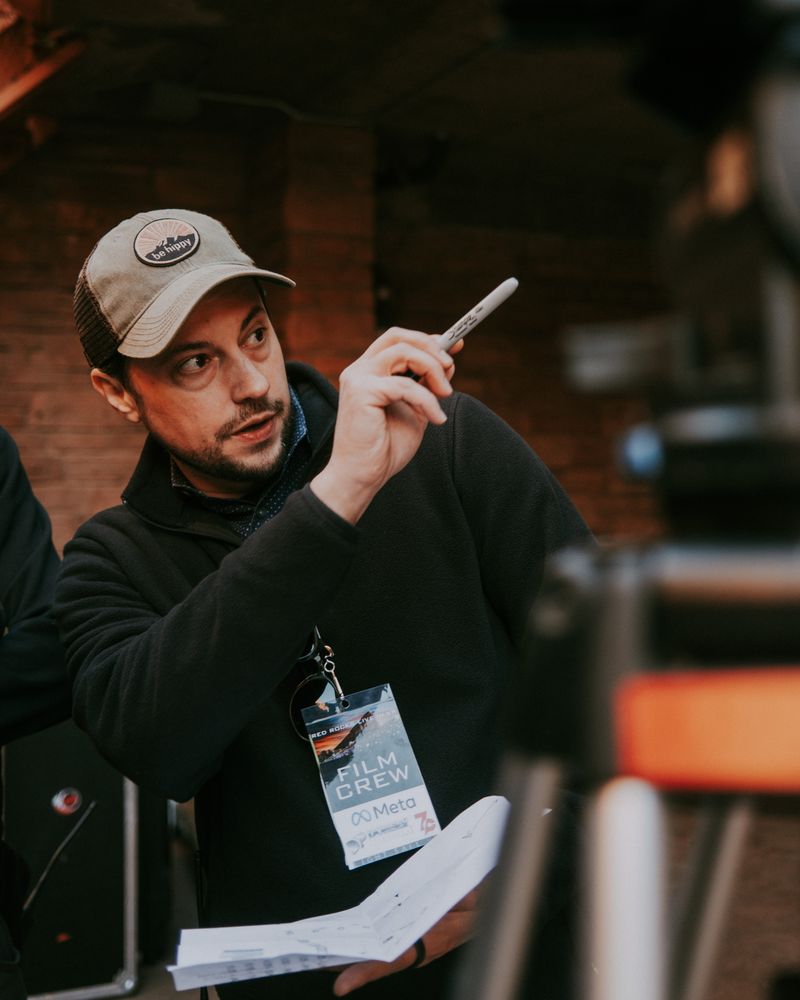
Today we’d like to introduce you to Robert Watts.
Hi Robert, please kick things off for us with an introduction to yourself and your story.
Robert Watts – Co-Founder and Executive Producer at Light Sail VR
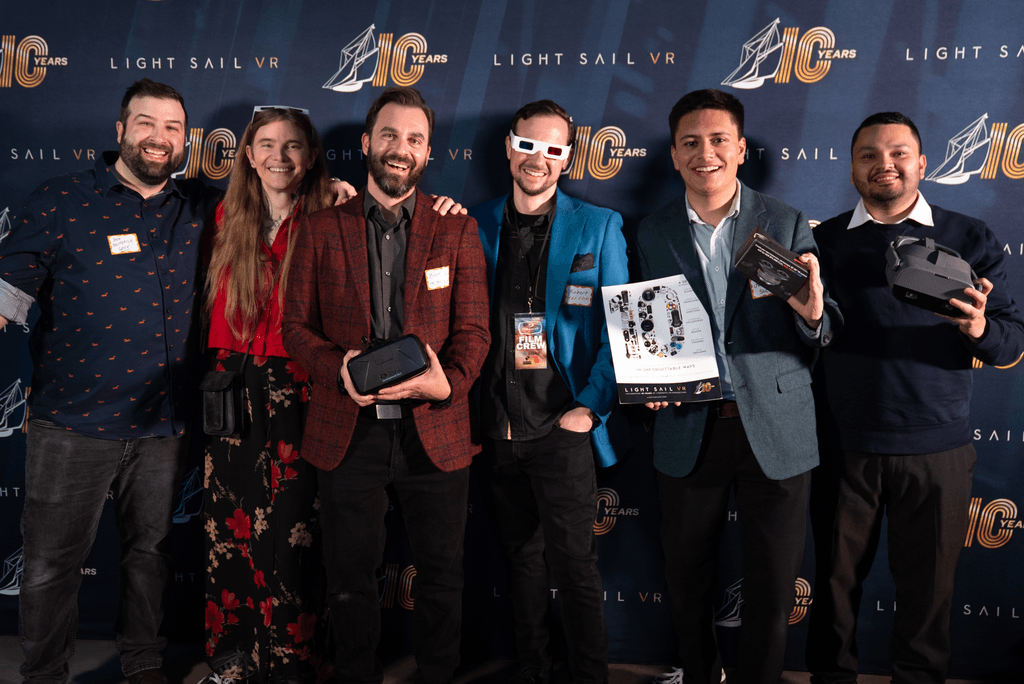
Light Sail VR started just over 10 years ago with my co-founder Matthew Celia. Matt and I were old film school buddies from Chapman University. He and I had been in entertainment since we graduated. I went straight from school to the agency/management side of the business. Matt had been producing shorts for Warner Bros., working at various commercial production companies, and around 2015, had just completed his first documentary feature. He and I reconnected professionally while I was a manager, and we were shopping his documentary around as a potential unscripted/reality show.
This is when then-Facebook bought Oculus, prior to becoming Meta, and Google Cardboards were being sent around from The New York Times. One of the departments I was covering at my management company was New Media, so I got my hands on a Cardboard and saw a piece from Chris Milk titled “Walking in New York,” a VR 360 documentary about artists and the city. In the middle of the piece, there was a shot from outside a helicopter hovering above Central Park. It blew me away! I had never experienced content in that way before. I knew Matt, being very into tech, would find it interesting, so I showed him with the premise that I thought VR was going to be a big thing very soon. He also instantly recognized the potential and started soaking up as much content as he could find in those nascent days.
He booked a ticket to VRLA that year (the big VR conference at the convention center) and called me up afterward. Paraphrasing here, Matt said “I’ve been doing this deep dive into VR — trying to find storytelling in VR. You know, everything we learned in film school and the narrative language of entertainment for the last hundred years. Everything I’ve seen so far has been a tech demo — no stories anywhere. I finally found, and was excited to see, the ‘Storytelling in VR’ panel, so I went, and the lead panelist was asked ‘What’s the greatest story you’ve seen to date?’ His response was ‘I was on Mars’.” Matt then followed up with a pointed question, “Is that it? That’s not a story. What happened on Mars? Were you attacked by aliens? Did you save Earth? Rob, I think we can get in early in this medium and really merge tech and storytelling.”
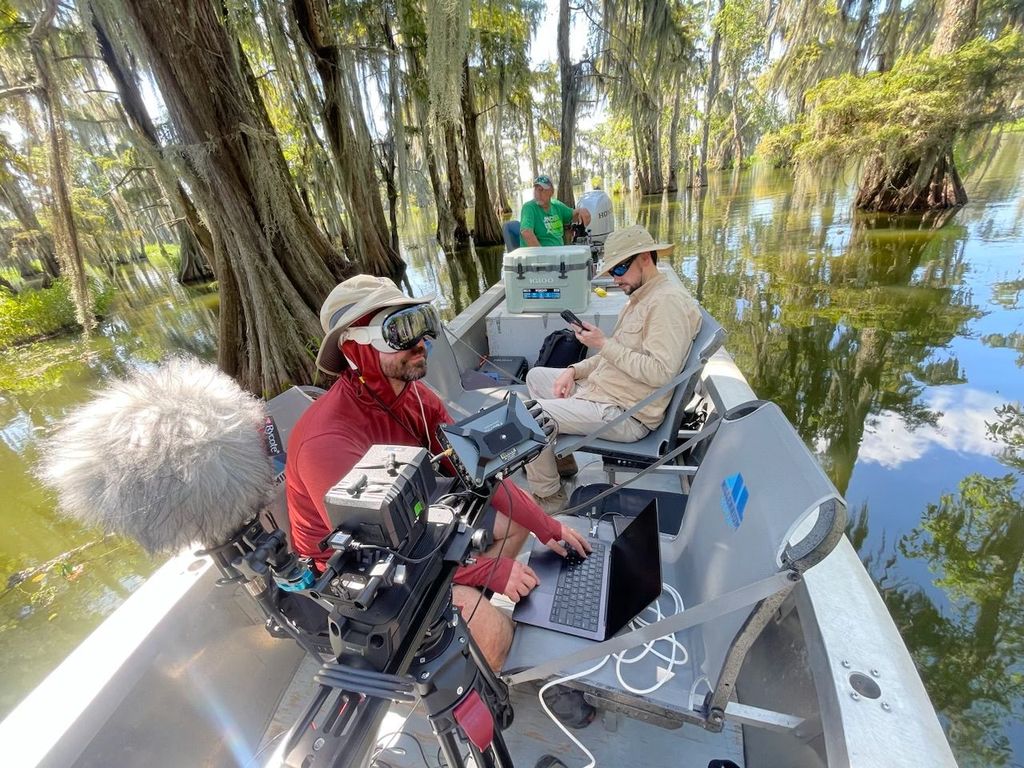
We felt we were on to something, so we jumped from our current gigs, bought 10 GoPros and a 3D printed rig to hold them. Matt insisted we do 10x GoPros as opposed to 6x because we’d have higher resolution (incredibly important in live-action VR video), and the 6x rigs had a seam line going through one’s center field of view. It was the right call, and our tests came out looking great, which we put up on social media.
A colleague of Matt’s called him and said, “I’ve got a last minute need for a VR shoot for a marketing piece I’m doing for Paramount for the latest Paranormal movie, and I hear you guys have a camera rig and are doing VR. Can you help us?” We said “of course!” put together a crew (many of whom still work with us 10 years later), and executed on an “in-universe/original content” piece developed by the writers of the feature “Paranormal Activity: The Ghost Dimension.” Once it went up online, it became viral, reaching over 10 million views, with fans and commenters asking if the next Blumhouse Paranormal Activity movie was going to be entirely in 360. It was the shining star that showed us we could have a story-led production company focused on immersive media.
From there, we did a lot of early work with Google in both live-action VR 360 and then VR180 on their Daydream headset and with YouTube, working with agencies and brands like Refinery29, Condé Nast Entertainment, Groupon, Wired, and even GoPro themselves. We built our company slowly brick by brick, reinvesting funds into more infrastructure and compute to do larger slates and series more efficiently.
We started working with Meta in the last five years and produced the twice-Emmy-nominated music series “Red Rocks: Live in VR” with Dorsey Pictures and 7 Cinematics. We have also worked on a number of high-profile music projects, including the Foo Fighters post-Super Bowl VR experience and Sabrina Carpenter’s first foray into VR.
In addition to a ton of music, we reembraced horror in a big way. On other Meta projects, we worked with Eli Roth and CryptTV on a slate of high-profile shorts and eventually a six-episode narrative horror series, “The Faceless Lady.” This is one of the first immersive television series produced to date. If you have a Meta Quest, it’s available to check out in the TV app.
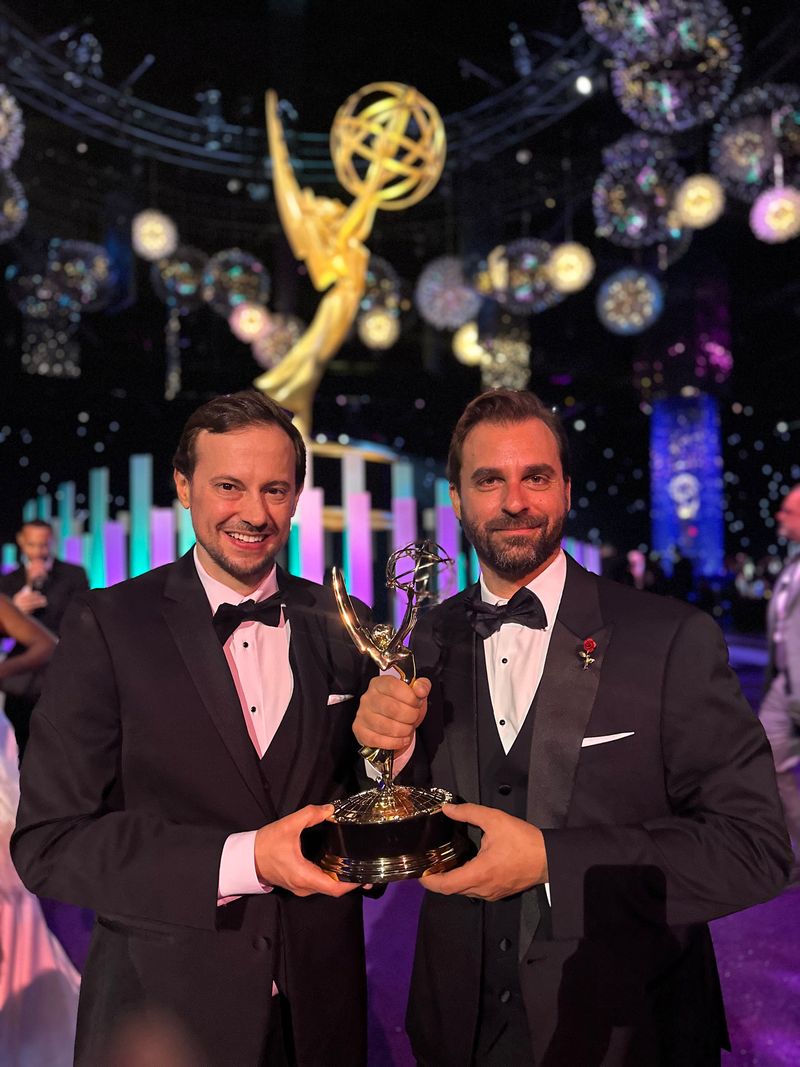
Last year we won our first Emmy for producing SNL’s 50th Anniversary Special in
immersive for NBC and Meta. It was a great honor, and I feel representative of all the work and learnings over the last 10 years. We’re marking it as a milestone and working on experiences that will bring more recognition and awards in the future! It’s been quite the ride from initially bootstrapping our startup.
I’m sure it wasn’t obstacle-free, but would you say the journey has been fairly smooth so far?
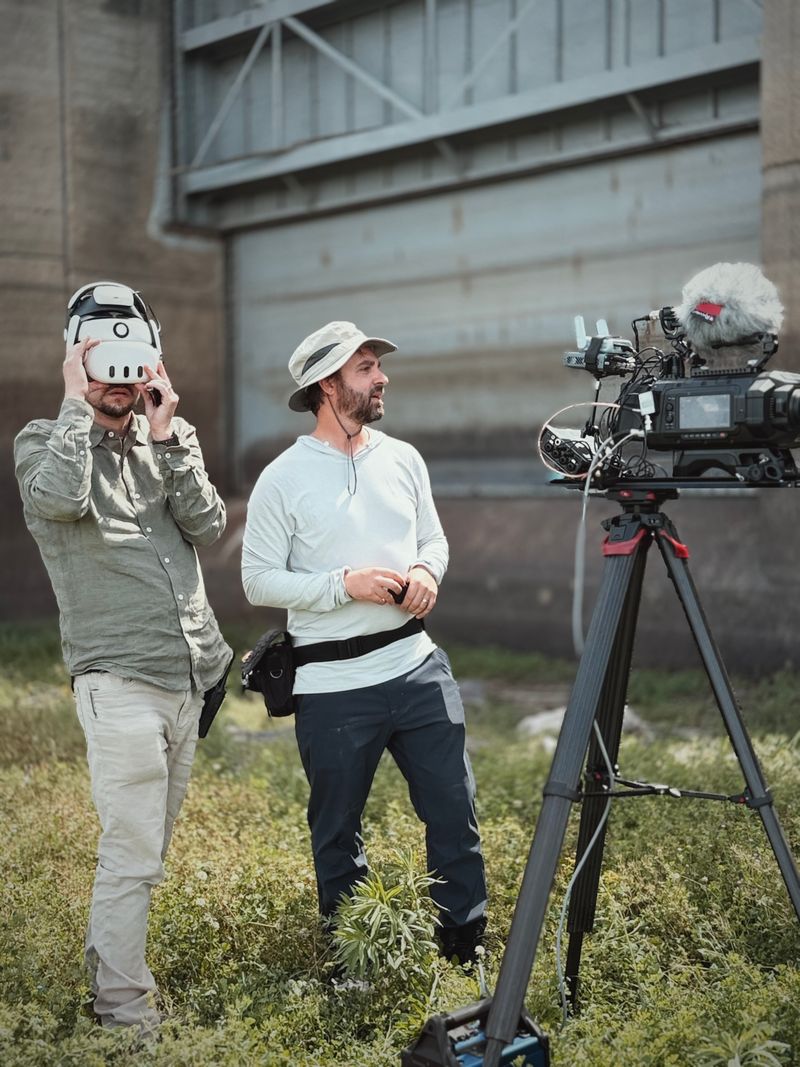
Focusing exclusively on producing immersive content has been a bit of a roller coaster. It’s been great because we’ve taken the time to figure out all the hurdles that exist in a complicated and bleeding-edge pipeline; it’s allowed us to become experts in our field over the last 10 years. However, because it’s a new way to experience entertainment, it inherently comes with more friction with the technology itself.
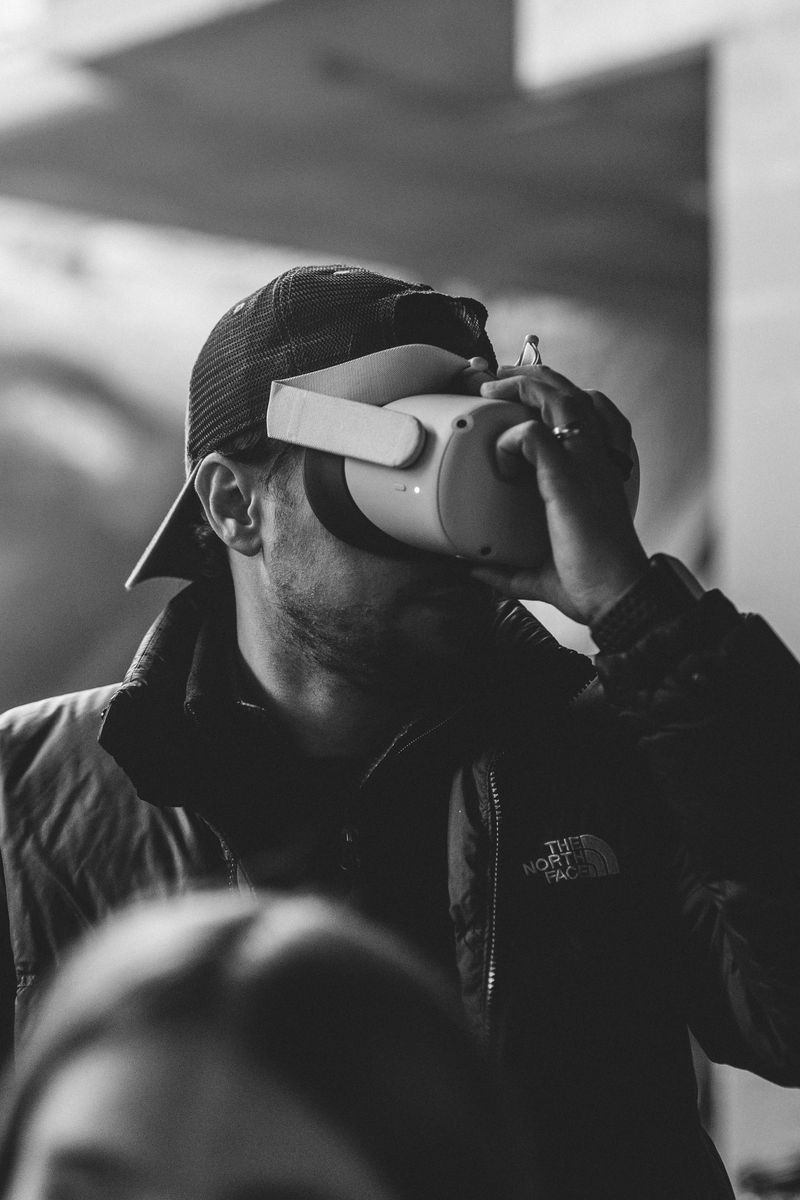
Widespread adoption has not been on the level of cell phones, yet now, over 25% of U.S. households have a VR headset. In my opinion, immersive is not all things to all people; it’s specific and niche and absolutely great for people who find their way into immersive organically. The current four key buckets are VR gaming, immersive live action (like our concerts or narrative series), working out, and the ability to watch regular 2D content in fun new ways. Working out in VR is great, by the way — shoutout to the Supernatural app and all the great things they are doing over there.
Some of the difficulty has been shifting the narrative for our key clients (studios, brands and agencies) from focusing on total impressions (i.e., the number of people who see the content) to engagement. Someone might view a post or reel on Instagram for three seconds, but when they have gone through the effort to put on a VR headset, they’ll often watch for the full length. Our content has sometimes been the length of traditional TV dramas — 45-60 minutes! Our job as storytellers is to make the content as compelling as possible to ensure you’re entertained for that length of time.
It’s exciting now because immersive content is returning to in-person experiences, or LBEs (location-based entertainment), in places like Sphere in Las Vegas, COSM domes, and Illuminarium or Meow Wolf. These venues allow groups of people to have shared immersive experiences together sans (or even with) headsets. We’re actively exploring creating content for these types of venues, and I expect to see many more in the not-too-distant future.
I would say this generation of immersive is still in its early days, and I’m excited that adoption and interest have continued to grow across the immersive ecosystem, with more and more people who try an immersive experience (hopefully one of mine) becoming as blown away by it as I was when I first tried it.
Appreciate you sharing that. What else should we know about what you do?
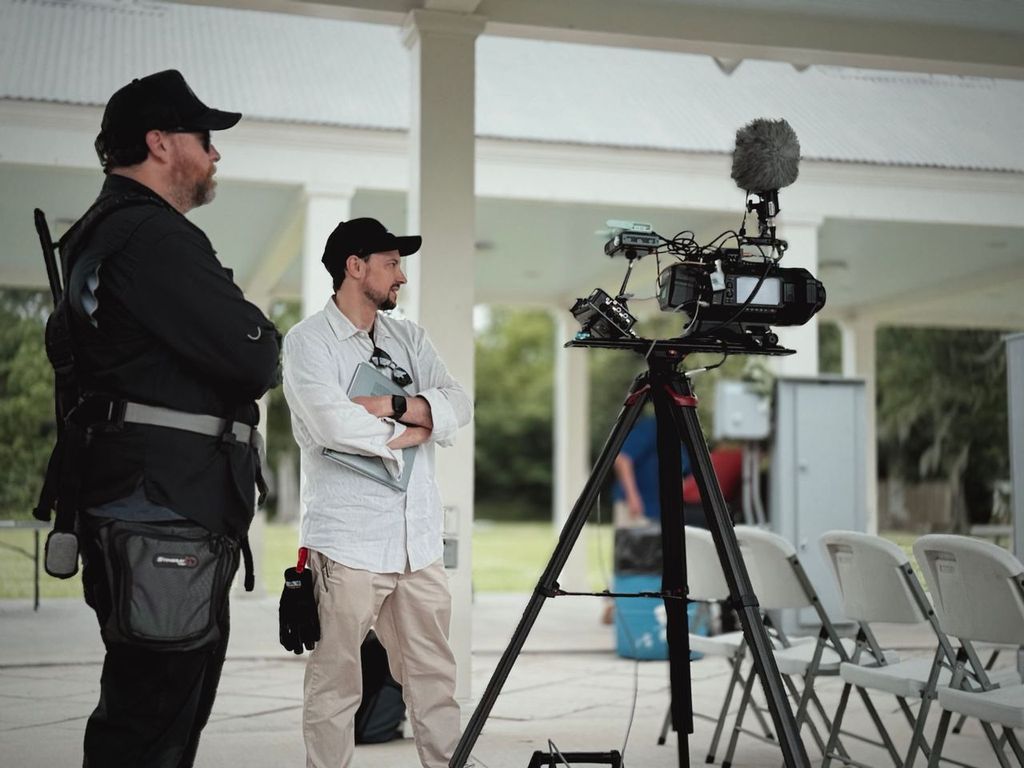
In my professional career in entertainment, I’ve worked as a producer, but what is that really? First and foremost, it’s about making sure the project is set up correctly and gets completed, but it’s much more than that. A producer is often the bridge between the many talented folks that make up a team — connecting clients and crew, technology folks and executives, people who might otherwise not work directly together. It’s about getting the right crafty so your crew is happy and fed well, just as much as it is about making sure everyone is getting paid on time. The majority of my job is planning and anticipating — making sure we have an awesome creative, a rock solid plan to execute it, and a contingency budget for when there are hiccups, because there are always hiccups. Being a producer is as much about relationships and trust as it is pipeline management. We care deeply about the immersive medium, and that means we care about every end product we create. Winning new work is about demonstrating that up front to our partners, not just through the premium work a potential client sees on our website.
You’ll have to excuse the nautical pun (we love them here at Light Sail), but Matt and I are the captains of the ship, so we’re ultimately responsible for everything. It’s an exciting position to be in, but it also comes with responsibilities. I’ve learned many things over the years, and every job still teaches me something new.
Do you have any advice for those looking to network or find a mentor?
I’ve had a number of mentors and coaches in my life, and I hope that continues as I grow both professionally and personally. One piece of advice I received early on is: “Go for it. Ask. The worst thing someone can say is no.” Have a favorite content creator? Even if they are AAA-list, figure out how to get in touch and ask to buy them coffee. Those of us further in our careers are typically happy to give back by sharing advice. Don’t ask for too much of their time or for a lengthy write-up. Instead, tell them what you find special, fascinating or inspiring about them and their career, and then ask them to share anything they found helpful. Make it easy for a potential mentor to say yes. If you can’t reach them directly, contact their assistant. Take their assistant out for coffee, learn from them. They want to be as good (or better) than their boss someday, and they’ve likely learned a lot already. Always listen and learn, and then keep the advice that resonates with you.
The next piece of advice from a previous mentor that I found most helpful is to take detailed notes. This is especially important after meeting someone. Jot down a few details in their contact card — things you learned about them, areas you have in common, or goals they shared. This helps you remember important details about who they are as a person and gives you points of connection. The next time you talk to them, ask about their family, their interests, or their next career move. Connect with them not only for networking, but also as a person and as a friend. This approach has served me far better in life and is more genuine. You’ll find people are more likely to help a friend than an entertainment colleague who is asking for a favor.
Pricing:
- We craft premium immersive experiences for studios, brands, agencies and consumers. Light Sail VR is a full-service creative partner, carrying projects from initial development through production, post and distribution. As each project we create is typically bespoke, if you’re interested in working with us, please reach out to schedule a call.
Contact Info:
- Website: https://lightsailvr.com/
- Instagram: https://www.instagram.com/lightsailvr/
- Facebook: https://www.facebook.com/lightsailvr
- LinkedIn: https://www.linkedin.com/in/robert-watts-68935813/
Popular
-

Portraits of the Valley
-

LA’s Most Inspiring Stories
-

Rick Norris Learned That Building a Successful Business Means Building a Life You Actually Want to Live
-
How Olivia Rush Turned Survival Into a Mission to Help Others Keep Going
-

How Bibi Goldstein Is Helping Entrepreneurs Reclaim Their Time by Embracing the Power of Delegation
-

Victoria Hasson is Redefining Voice Coaching Through Community and Collaboration


