




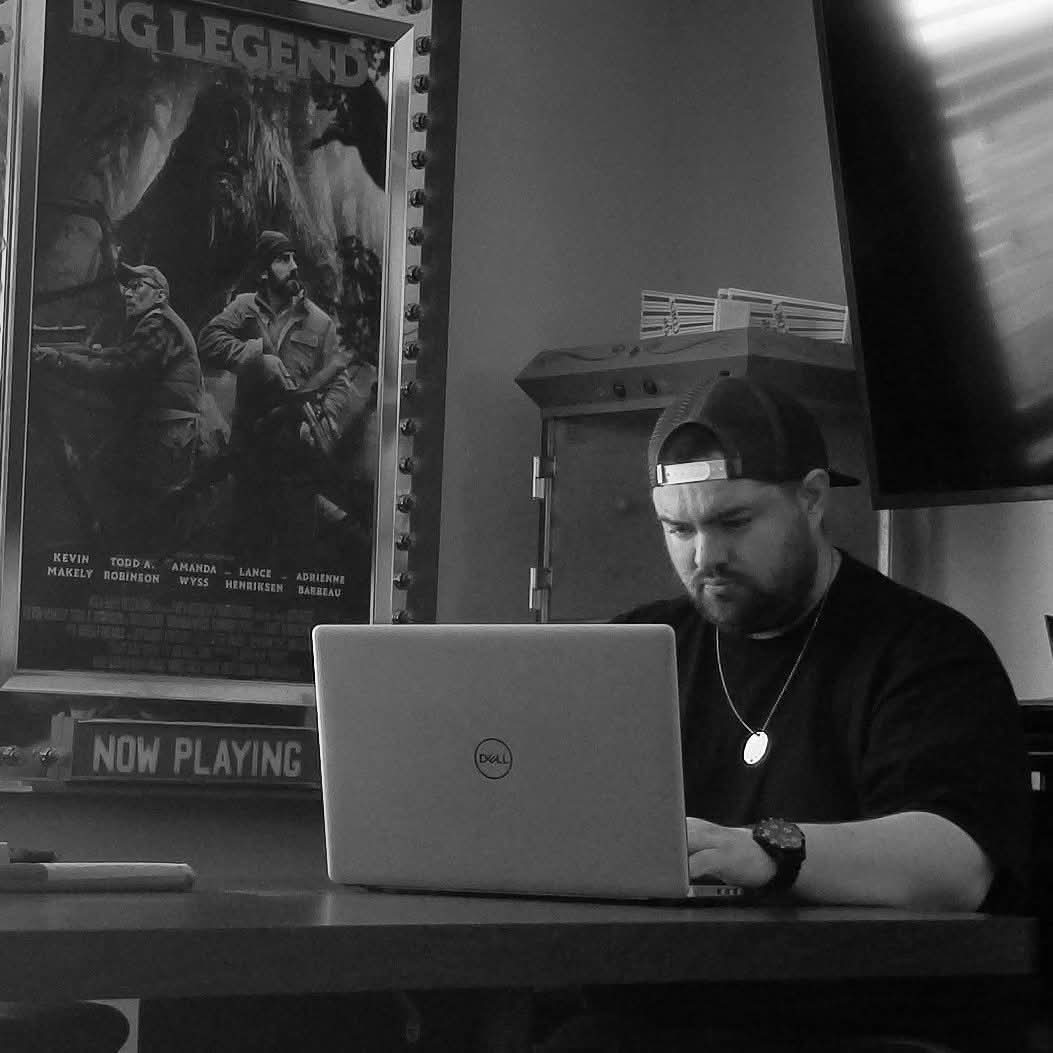
Today we’d like to introduce you to Justin Lee.
Hi Justin, we’re thrilled to have a chance to learn your story today. So, before we get into specifics, maybe you can briefly walk us through how you got to where you are today?
I somewhat fell into this industry out of the need to change my life for the better. I had a rough stint when I was 25 years old and made a few bad decisions which saw me sitting in a jail cell for a few months. There was a lot of time to think about the regret and shame I had. I made a critical decision within that time to do everything in my power to do a course correct when I got out.
I moved to Portland, Oregon after that and was writing a lot. A friend of mine wanted to do a web series because digital media was starting to become a bit more popular and Youtube had just started to really take off. We ended up creating a Youtube channel that got some really good attention and I ended up doing some live action video game commercials for a channel called “Machinima” which became a subsidiary of Warner Bros. I wasn’t happy with the small industry in Portland at the time and decided to make the complete blind leap and move to Los Angeles. So, I did.
A small apartment with a few amazing roommates in North Hollywood is where I found myself. No job. No real connections per se. I would go into a little place called ‘Republic Of Pie” and write every single day from sun-up to sun-down. Long story short, I ended up meeting one of my heroes: Joe Carnahan (Director of the “Smokin’ Aces”, “The Grey”, “The Rip”). He told me forget about short films, do whatever I can to get my first feature length movie film made and show people that I can handle that pressure and task. And that’s what I did. I wrote a western…in the snow…and got told it was impossible to make. I wrote a collective total of 478 individual messages via LinkedIn trying to find $50K to make this little film. ONE person responded. From that lead, I got the film made and the rest is kind of history. It found distribution through Sony Pictures and my career began.
I ended up doing several independent films with Sony Pictures and then landed a deal over at Cinedigm (Now called “Cineverse”). I had written another western called “Badland” and got it green lit over there. Directed that and it became a top 3 global Netflix hit after a small theatrical run. Since then I have done pictures for Lionsgate, Saban, Shout! Factory and many others. I wish I could say things got easier, but in this business, it’s always a grind to get films made and you unfortunately have to do battle every step of the way. I always say filmmaking isn’t fun…it’s war. And no one is your friend. You kind if have to be a masochist to want to be in this position. But here are moments with each project, moments mind you, that you can be really proud of and make all the insanity worth it.
We all face challenges, but looking back would you describe it as a relatively smooth road?
No in the least. The two biggest struggles you face in the business is greed and loyalty. making a film is already an impossible task as it is and if you want to work in this business, you should learn the ACTUAL business before you go make a film. I’m talking about what genres sell, how global distribution works, how domestic distribution works, how managers and agents affect this business, etc. All of it. There is a weird and frustrating lily pad that all these indie filmmakers sit on thinking it’s Sundance in 1993 when that has been dead and gone for so long.
Finding financing for a project is one of the toughest aspects. And it can’t just be a “good idea” like people think. Does it sell? Who’s in it? What’s the genre? Who’s the director? Who’s producing? And when you do find a financier and you make them money for the first time…they want more the next. It’s a vicious cycle that never gets better. Your producers, crew, actors…everyone wants a piece of the pie. It wears you down and I don’t think the majority of people can grow tougher skin quick enough to deal with and see how real people operate in this industry.
Which brings me to loyalty. You will have people who call you a friend and all they want is that piece of film with that actor for their reel or that job so they can pay their electric bill. When the shit hits the fan and you have to deal with a real problem on a movie, they will run for the hills and leave you holding the bag every single time. There is hardly any appreciation in this business and it really grinds you down after time. With that said, there is the occasional gem you’ll find that surprises you. I’ve worked with two cinematographers in my career who I love more than anything: Eamon Long and Logan Fulton. I will give both those guys props all day long. Same for my costume designer: Samantha Kuester. Not only are these people great at their jobs but they have always had so much loyalty, respect and love for every project, good or bad, tiny or large.
Can you tell our readers more about what you do and what you think sets you apart from others?
I am a writer and director of feature films in Hollywood who has carved out a reputation of doing a lot for a little and bringing large production value to independent films by utilizing practical locations. Mainly working in the Western and Action genres.
I am most proud of a little film I made called “Swell” starring the amazing Summer Spiro and Gabrielle Stone. The film was based in part of my real childhood but I gender flipped the leads. My entire heart went into that film as did a lot of my cast’s. We filmed it on location from Santa Cruz all the way up the coast line to a small beach town in Washington State. The first film I made “Any Bullet Will Do” comes in at a close second. Mainly due to what it took to make it and the brutality of filming in Montana in the dead of Winter outside.
I believe what sets me apart from other filmmakers is that I will mainly write for locations that I have either been to or have access to. And they are not usually the easiest to get to. We have been known to hike into frozen waterfalls or coastal cliffs or to the base of a volcano to get the shots. It’s something that will never leave me as a filmmaker. Nothing can capture the realism of those kind of real locations….especially for your actors and their performances. it is a tool that more directors should us. It can create magical moments.
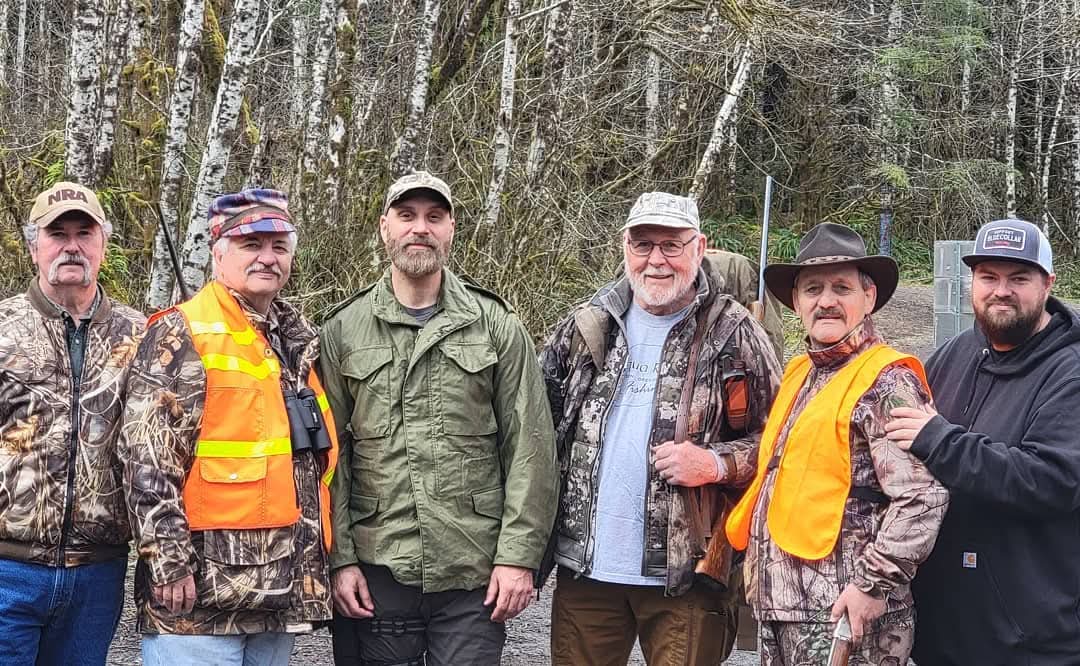
In the past several years, I have also been incorporating my Family a lot more into my filmmaking process. My Uncle Bob has given us his RV for a talent trailer, helped with locations, rounded up extras, found us picture cars. My Uncle Dan has helped me with script ideas, jumped in scenes, been a driver for A-list talent. It has become a family affair now and has actually brought us all closer together. It has been a unique and awesome thing to have had happen and people notice when they are on set with all of us. I don’t know I would be in this part of my career without them.
Do you have recommendations for books, apps, blogs, etc?
My favorite books will always be “Rebel Without A Crew” by Robert Rodriguez, “The Filmmaker Says” by Jamie Thompson Stern and “Watership Down” by Richard Adams.
I watch a lot of my pal JL Phillips over at EOM Reacts on Youtube. Always a good time seeing him light up at movies when he watches them for the first time. And will be the greatest example of why we make films…you want to make people happy like that with your work.
The Joe Rogan Podcast is something I listen to from time to time. He has people on that you really want to hear from and get to know. I find his ability to make people comfortable and talk with ease incredible. You can learn a lot from his guests and what they have to say.
Contact Info:
- Website: https://www.justinleedirect.com
Popular
-

Portraits of the Valley
-

LA’s Most Inspiring Stories
-

Rick Norris Learned That Building a Successful Business Means Building a Life You Actually Want to Live
-

How Olivia Rush Turned Survival Into a Mission to Help Others Keep Going
-

How Bibi Goldstein Is Helping Entrepreneurs Reclaim Their Time by Embracing the Power of Delegation
-

Victoria Hasson is Redefining Voice Coaching Through Community and Collaboration


