



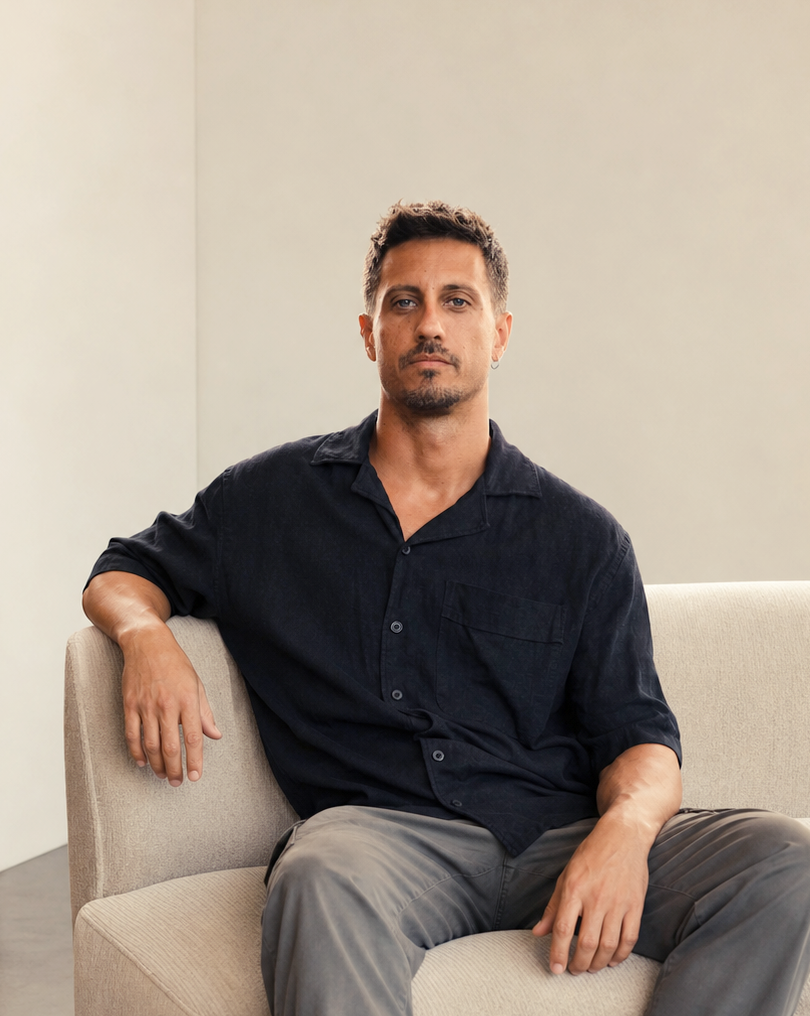
Today we’d like to introduce you to Emanuele Marani.
Hi Emanuele, thanks for sharing your story with us. To start, maybe you can tell our readers some of your backstory.
I’m Emanuele Marani, an Italian multidisciplinary designer and motion artist. My work sits somewhere between design, 3D, animation, art direction and visual experimentation.
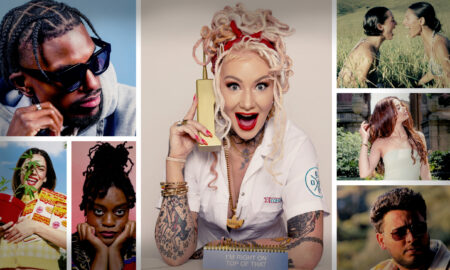
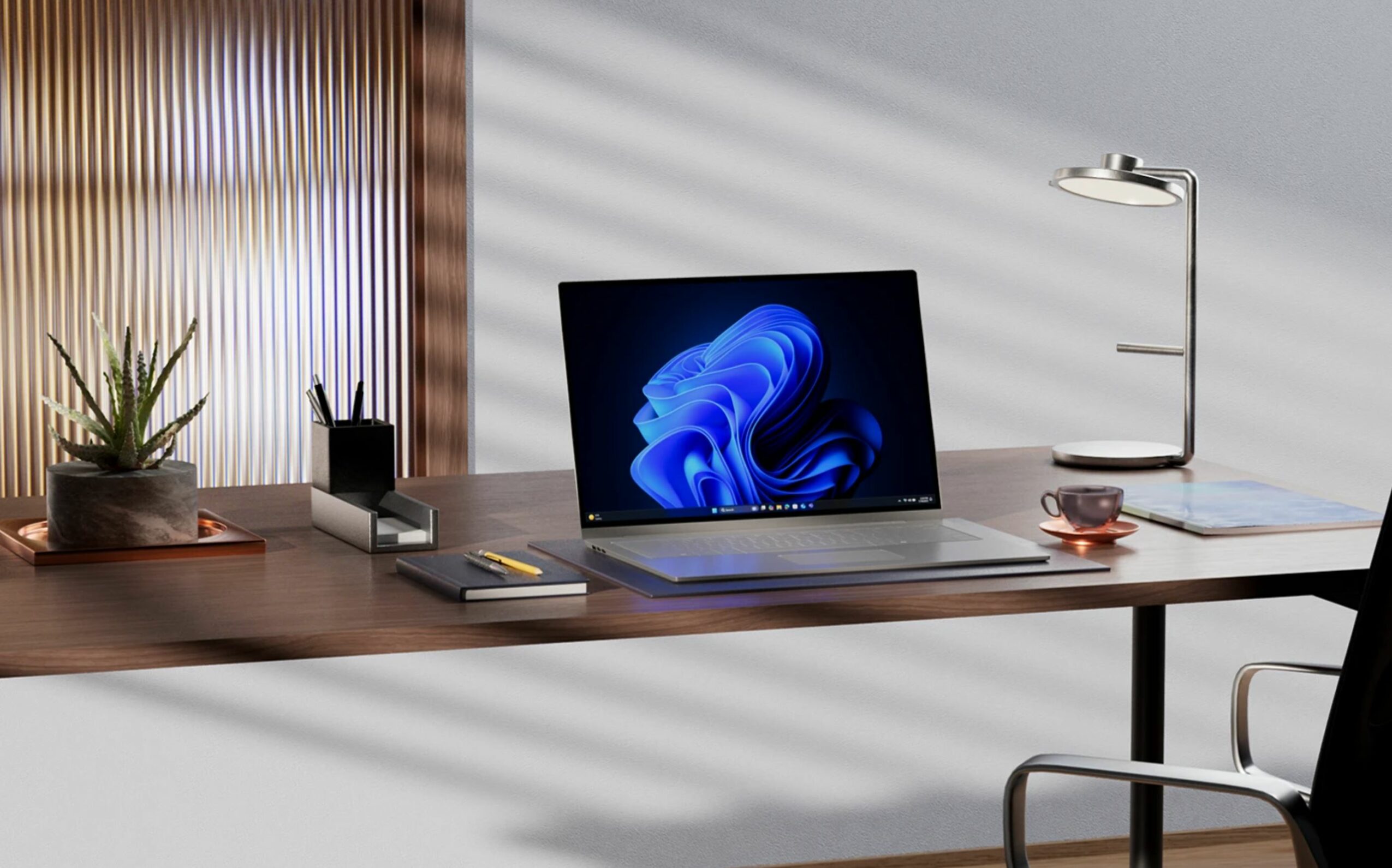
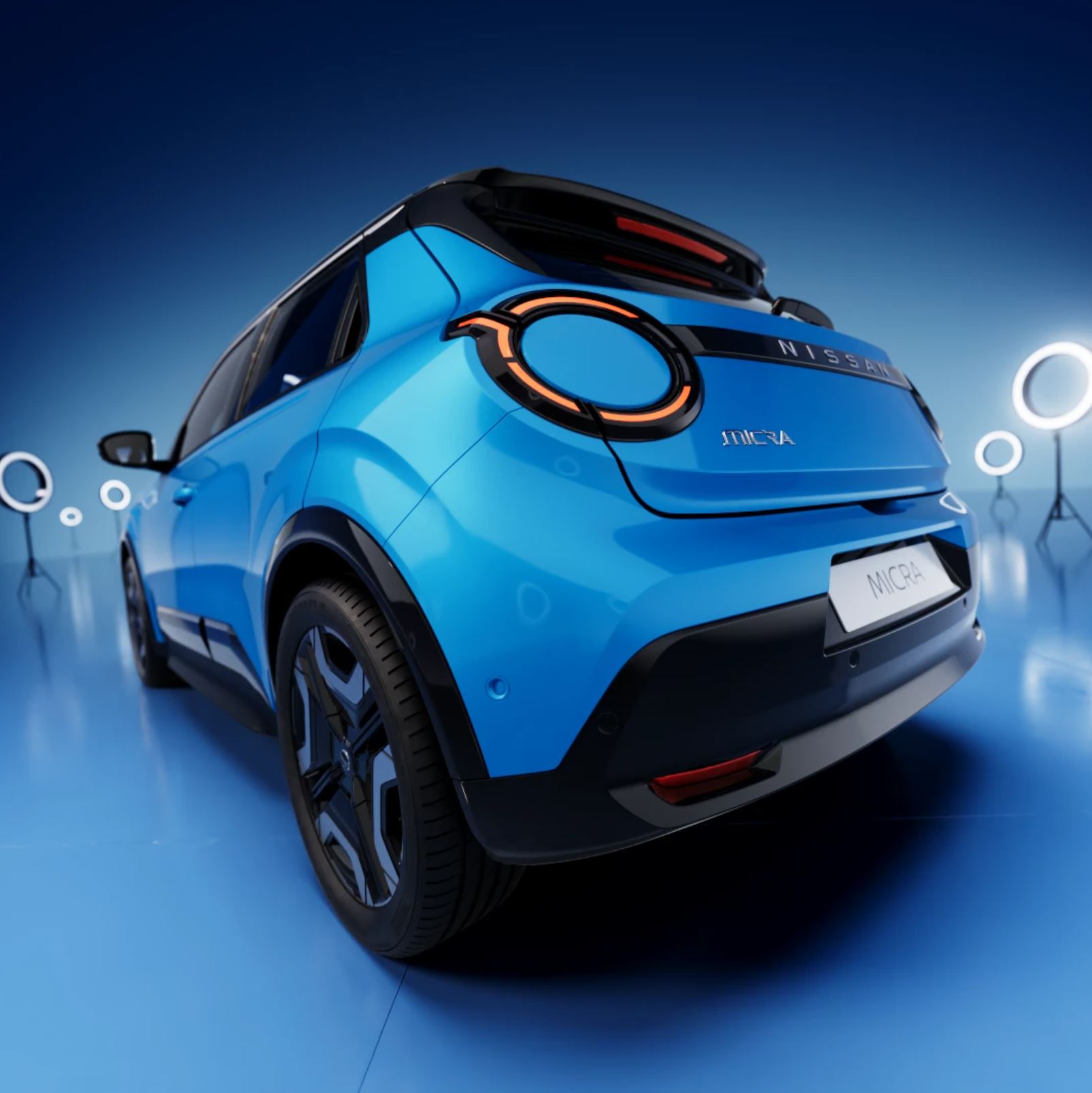
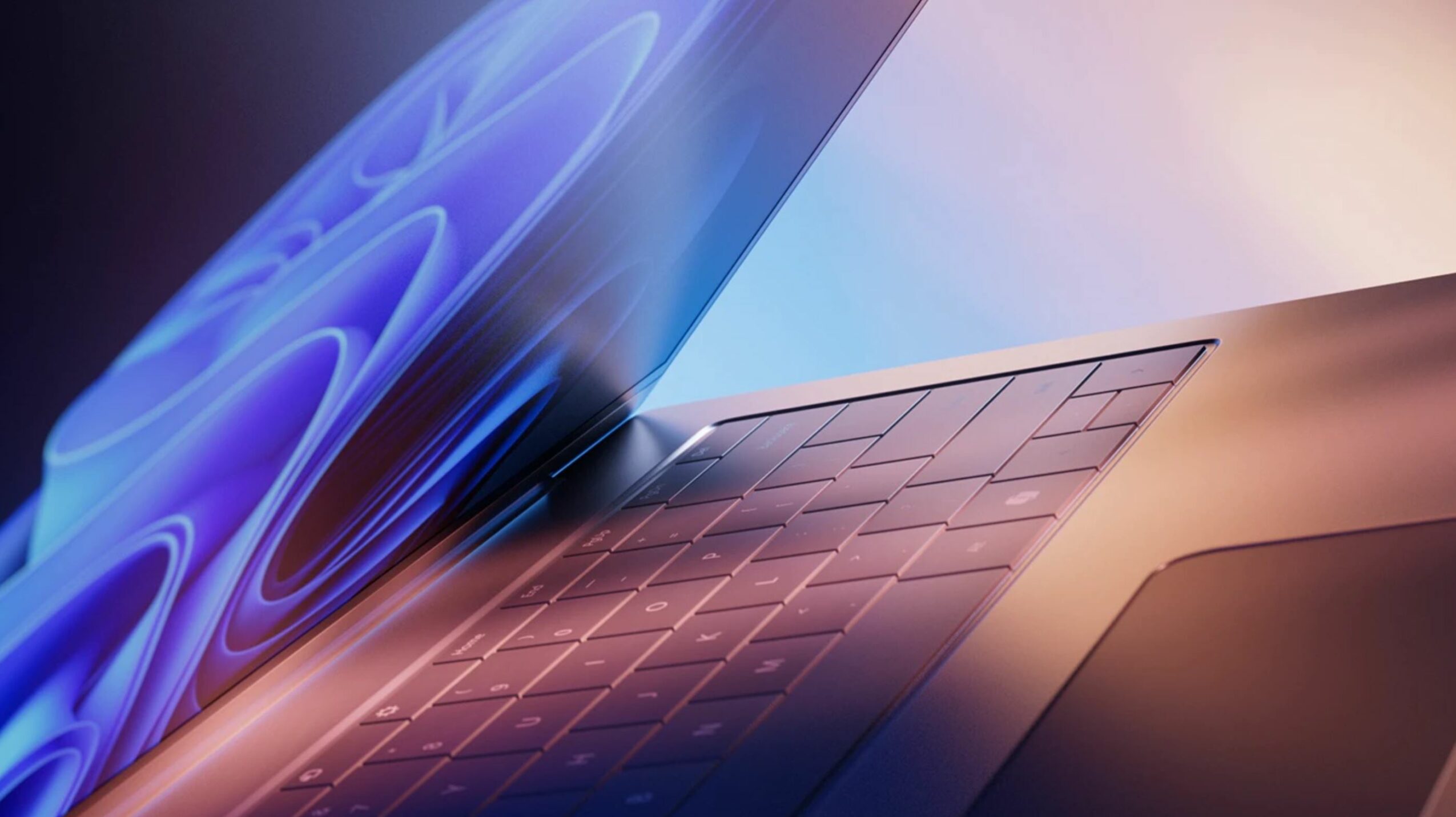
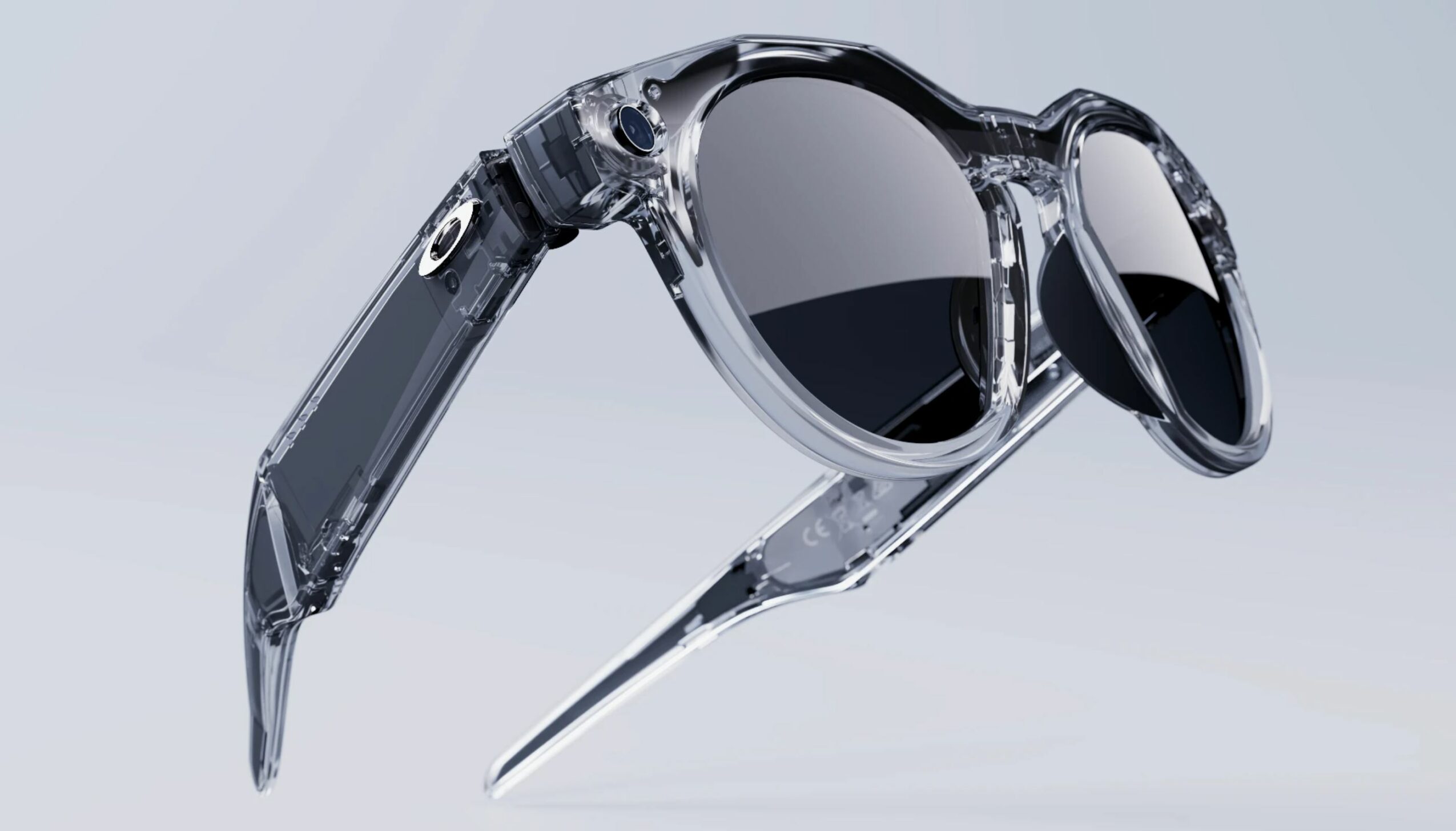
I’ve been working in the creative industry for more than a decade, collaborating with studios and clients such as Buck, Elastic, Psyop, ManvsMachine, Scholar, Google, Microsoft and Meta.
Over the years, I’ve moved between different countries, disciplines and ways of working. I spent several years in Los Angeles, working within a very international creative environment, and eventually moved back to Europe.
Today, I’m increasingly interested in exploring the space between digital and physical — while continuing to work in design, motion and 3D, I’m also interested in making objects, experimenting with materials and creating things that can exist outside the screen.
I think it started mainly from curiosity.
I’ve always been interested in making things, understanding how images work and experimenting with different forms of visual communication. When I started working professionally, I was mostly focused on design.
Then I became more and more interested in what happens when design starts moving. I was fascinated by the idea that composition, typography, shapes and images could evolve through time.
That’s what gradually brought me into motion design and animation.
I’ve never really seen design and motion as two completely separate disciplines. For me, design gives you the structure, while animation gives that structure a sense of life.
Moving to Los Angeles was a huge step in my career and probably one of the experiences that shaped me the most.
I was suddenly surrounded by a very strong creative community and exposed to a completely different way of approaching projects.
Working with talented people from different backgrounds taught me a lot about collaboration and about how a creative project can evolve from a very simple idea into something much bigger.
My experience at Buck was particularly important for me. It showed me how much can happen when you put different disciplines and personalities together around the same idea.
But LA wasn’t only important professionally. Living there pushed me outside my comfort zone personally as well, and I think that inevitably influenced the way I approached my work.
Every studio has its own personality, its own methodology and its own way of thinking.
That’s one of the things I’ve always enjoyed about working in this industry.
Some studios are extremely design-driven, some are more focused on storytelling or animation, while others have a very strong technical or experimental approach.
Moving between those environments allowed me to become more flexible.
I’ve learned that being a good designer isn’t only about having a recognisable visual style. It’s also about being able to understand the problem, listen to other people, adapt and find the right visual language for each project.
I think that flexibility has become one of the most important parts of my practice.
I’ve never really felt comfortable putting myself into one category.
I usually describe myself as a multidisciplinary designer and motion artist because I like moving between different disciplines.
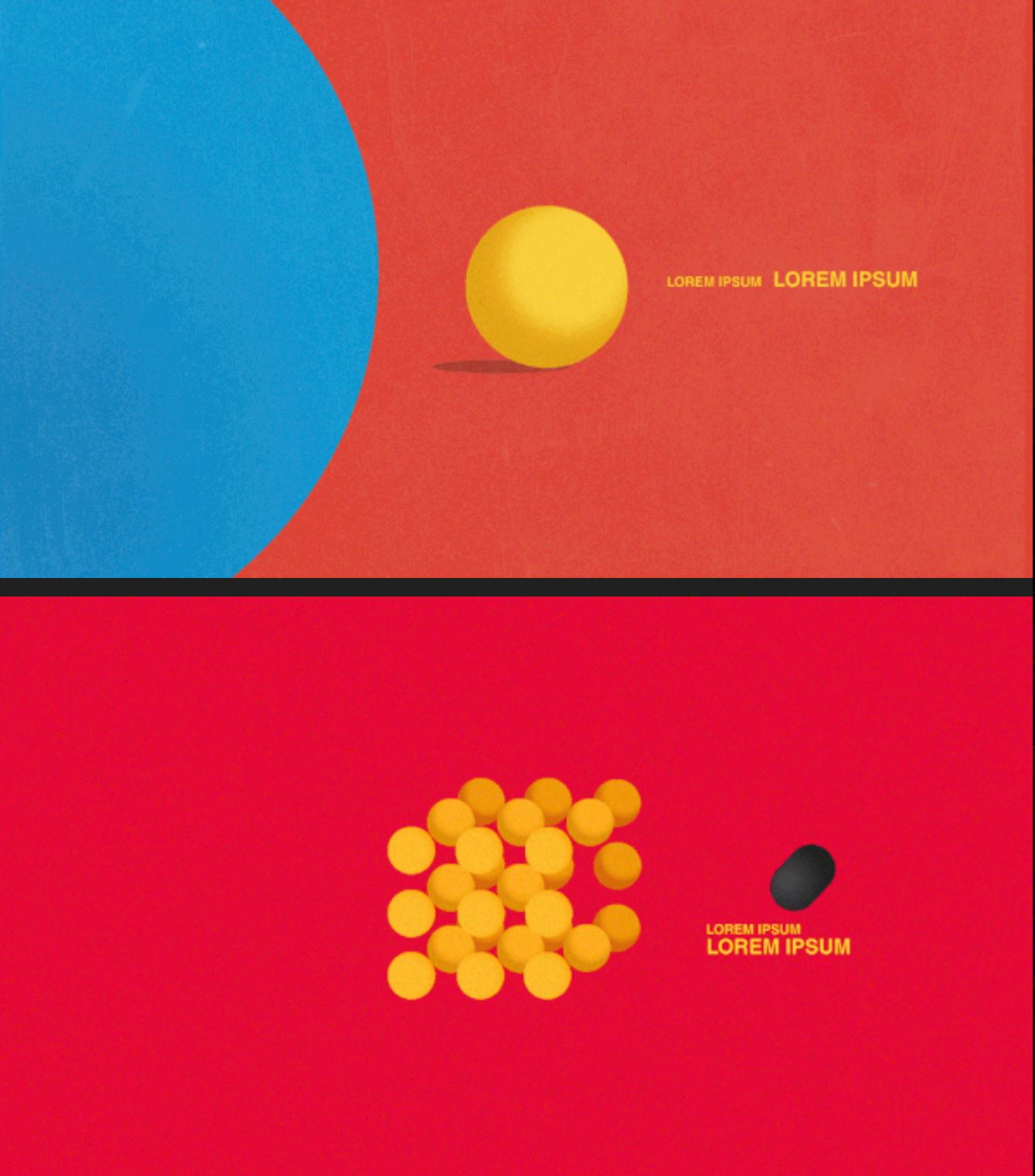
Sometimes I start with a graphic idea and build it in 3D. Sometimes I start from an animation problem and discover a visual language through the process.
I’m interested in the whole journey — concept exploration, visual development, R&D, design, layout, storyboard and eventually animation.
For me, the software is secondary.
Cinema 4D, After Effects, Photoshop or any other tool are just ways of getting somewhere. What really matters is the idea and how you translate that idea into an image.
R&D is probably one of my favourite parts of the creative process.
I like starting without necessarily knowing exactly where I’m going to end up.
It can start from a technique, a material, a shape, a piece of software or even a completely random accident. Then I start pushing it and seeing what happens.
Sometimes the result becomes useful for a commercial project. Sometimes it doesn’t lead anywhere at all.
But even when an experiment fails, I usually learn something from it.
I think that’s incredibly important.
If everything you create has to immediately have a purpose, you eventually stop discovering new things.
Experimentation gives you permission to be curious.
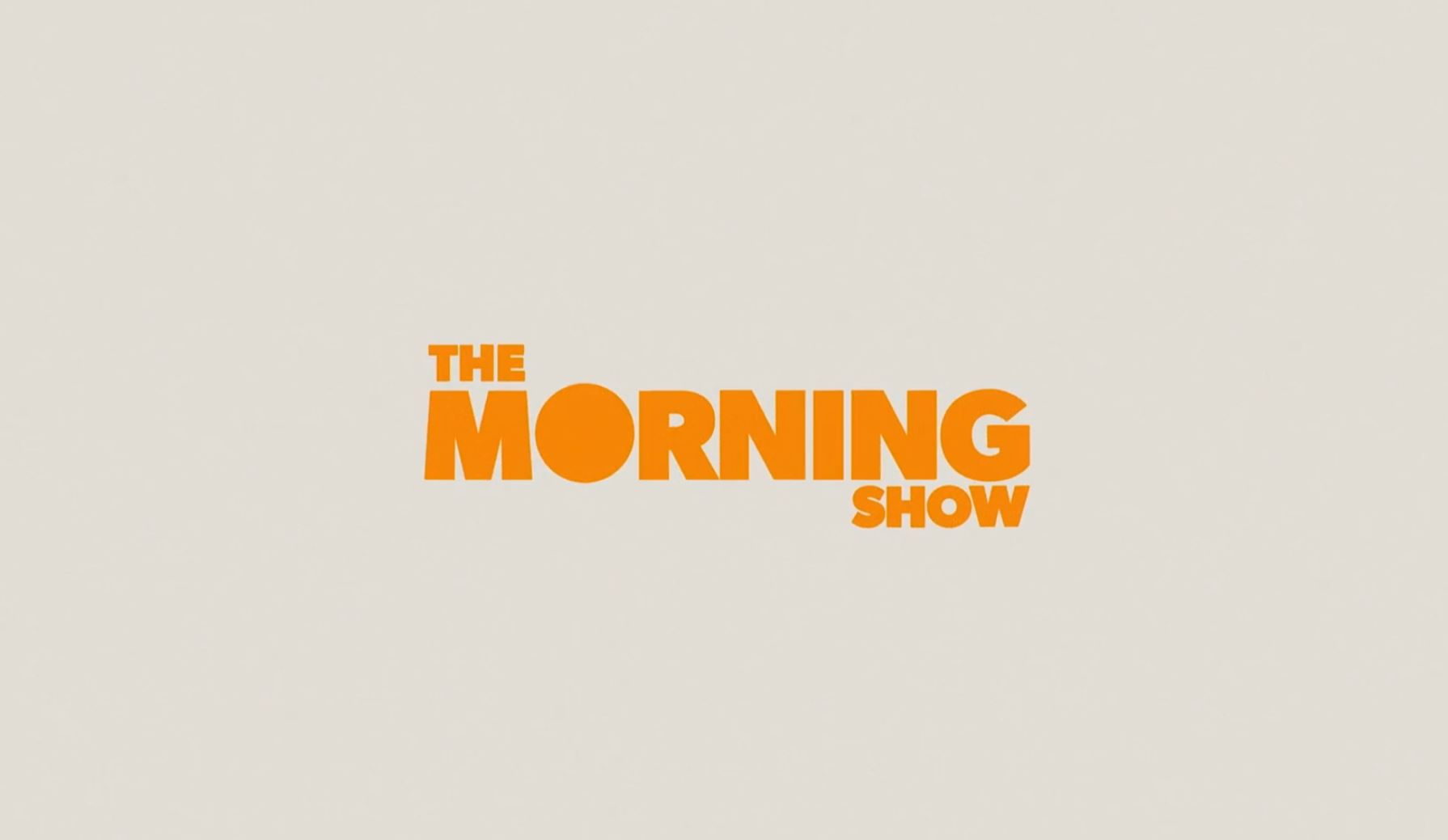
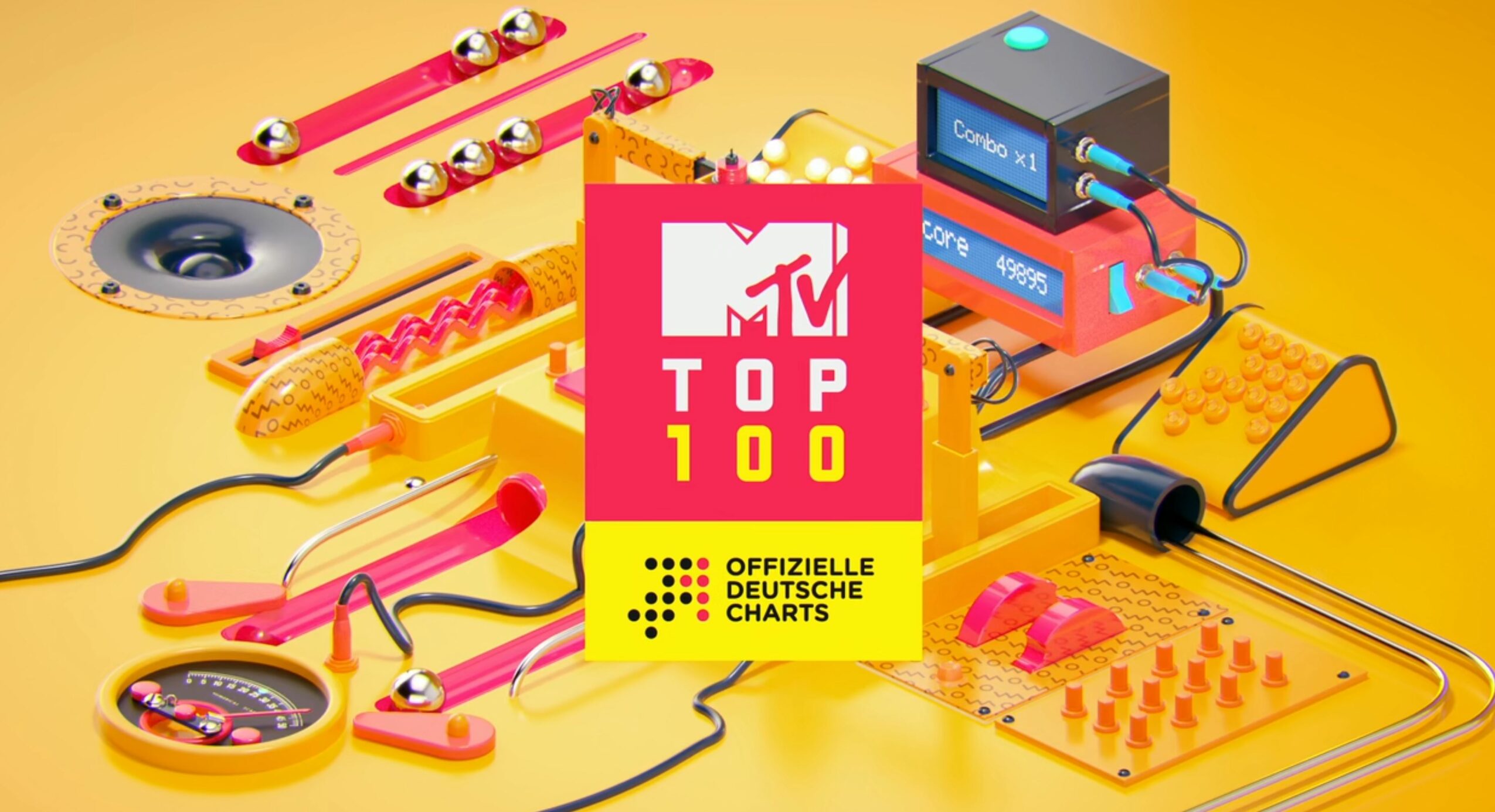
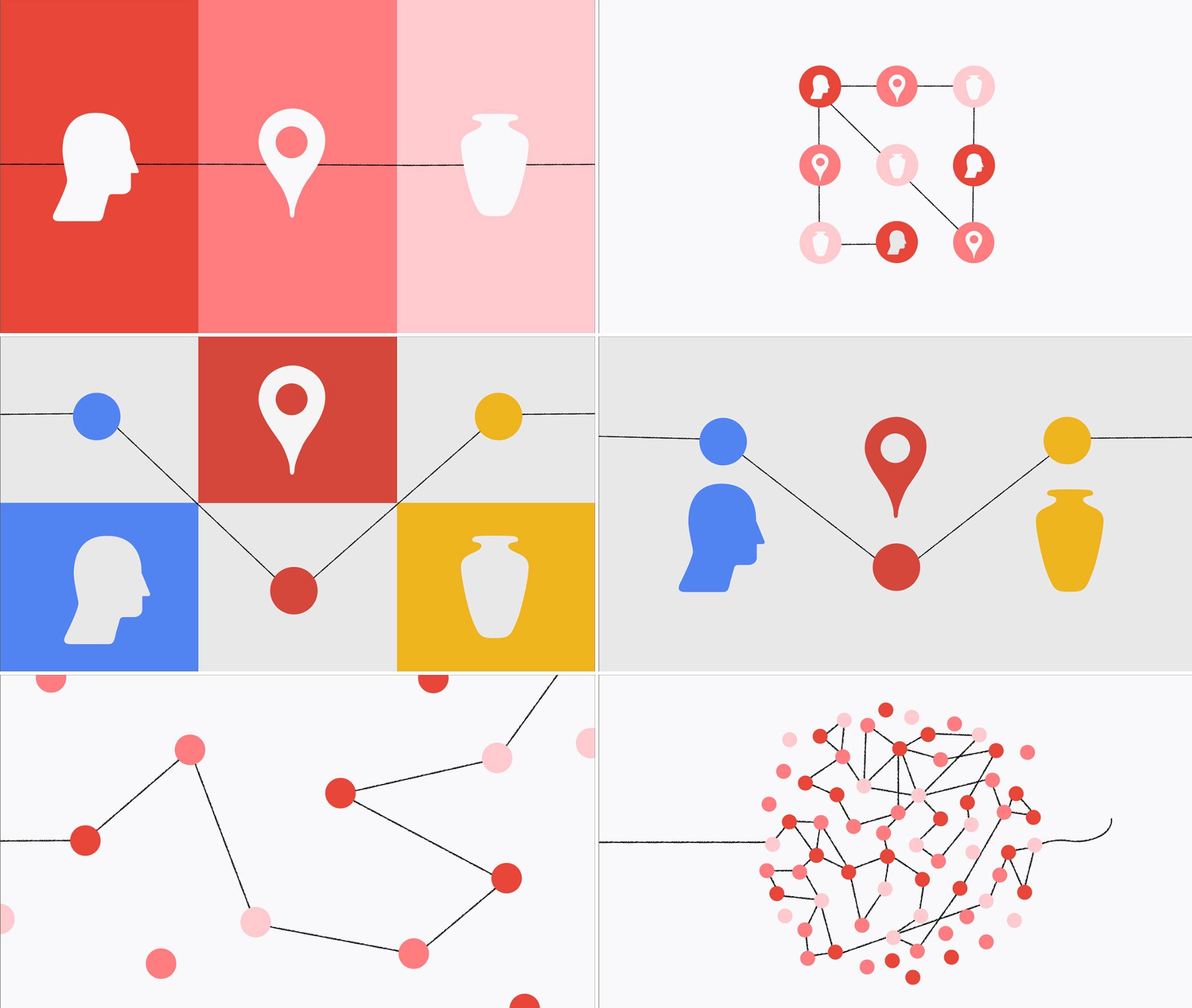
In 2020 I had the opportunity to wokr on an important open title for a tv serie The morning Show for apple tv
It was definitely one of those moments that makes you stop and look back at your career.
Being involved in a project at that level was an incredible experience, and seeing the work recognised by the Emmy Awards was obviously very rewarding.
But what I remember most is the process.
It was about working with a talented team and trying to find the right balance between design, motion, concept and storytelling.
Awards are great, but for me they’re never really the main reason why I do this.
The most valuable part is still the work itself, the people I collaborate with and everything I learn during the process.
Would you say it’s been a smooth road, and if not what are some of the biggest challenges you’ve faced along the way?
Honestly, I wouldn’t describe it as a straight path at all.
It’s been quite a winding road, with a lot of ups and downs.
There have been periods where everything seemed to be moving incredibly fast — exciting projects, great collaborations, new opportunities, travelling, working with amazing studios and feeling like I was exactly where I wanted to be.
And then there have also been moments where things slowed down, where I questioned my direction, where projects didn’t happen, or where I simply felt a little lost.
I think that’s something you don’t really see from the outside.
When you look at someone’s portfolio, you mostly see the successful projects. You don’t see all the emails that never got a response, the pitches that didn’t happen, the jobs you didn’t get, the periods of uncertainty or the moments when you wonder whether you’re still relevant.
I’ve experienced all of that.
And the truth is, I’m still experiencing it today.
I don’t think you ever really reach a point where everything becomes stable and you can finally say, “I’ve made it.”
The industry keeps changing, and you have to keep changing with it.
For me, the last few years have been another chapter of that process. Moving back to Europe, reconnecting with personal work, experimenting with physical objects, going deeper into 3D and animation — these weren’t necessarily planned steps.
They were responses to where I was at that particular moment.
Looking back, I think the difficult periods were just as important as the successful ones.
They forced me to question what I was doing and, more importantly, why I was doing it.
Maybe that’s what a creative career really is: not constantly moving upwards, but constantly finding a way to keep moving.
Thanks for sharing that. So, maybe next you can tell us a bit more about your work?
R&D is probably one of my favourite parts of the creative process.
I like starting without necessarily knowing exactly where I’m going to end up.
It can start from a technique, a material, a shape, a piece of software or even a completely random accident. Then I start pushing it and seeing what happens.
Sometimes the result becomes useful for a commercial project. Sometimes it doesn’t lead anywhere at all.
But even when an experiment fails, I usually learn something from it.
I think that’s incredibly important.
If everything you create has to immediately have a purpose, you eventually stop discovering new things.
Experimentation gives you permission to be curious
I always try to balance commercial work with personal projects. They actually feed each other quite a lot.
Commercial work gives me constraints, deadlines and real problems to solve. It teaches you discipline and forces you to make decisions.
Personal work is completely different.
I can experiment, fail, start again or spend days working on something that might never become a finished piece.
I think I need both.
Commercial projects keep me sharp, while personal work gives me the freedom to stay curious.
Some of the things I explore personally eventually find their way into my professional work, and sometimes the opposite happens.
It’s a continuous exchange.
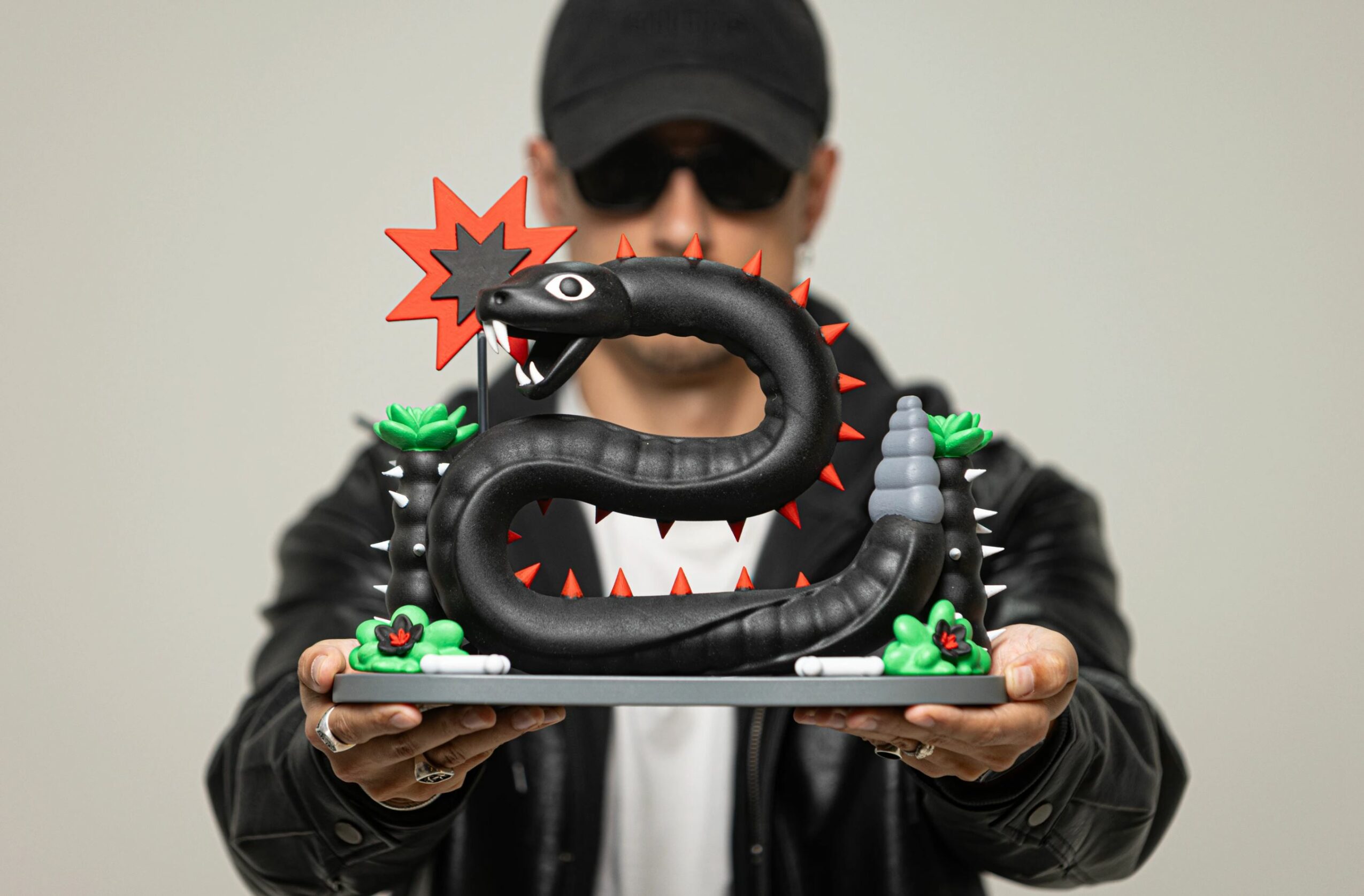
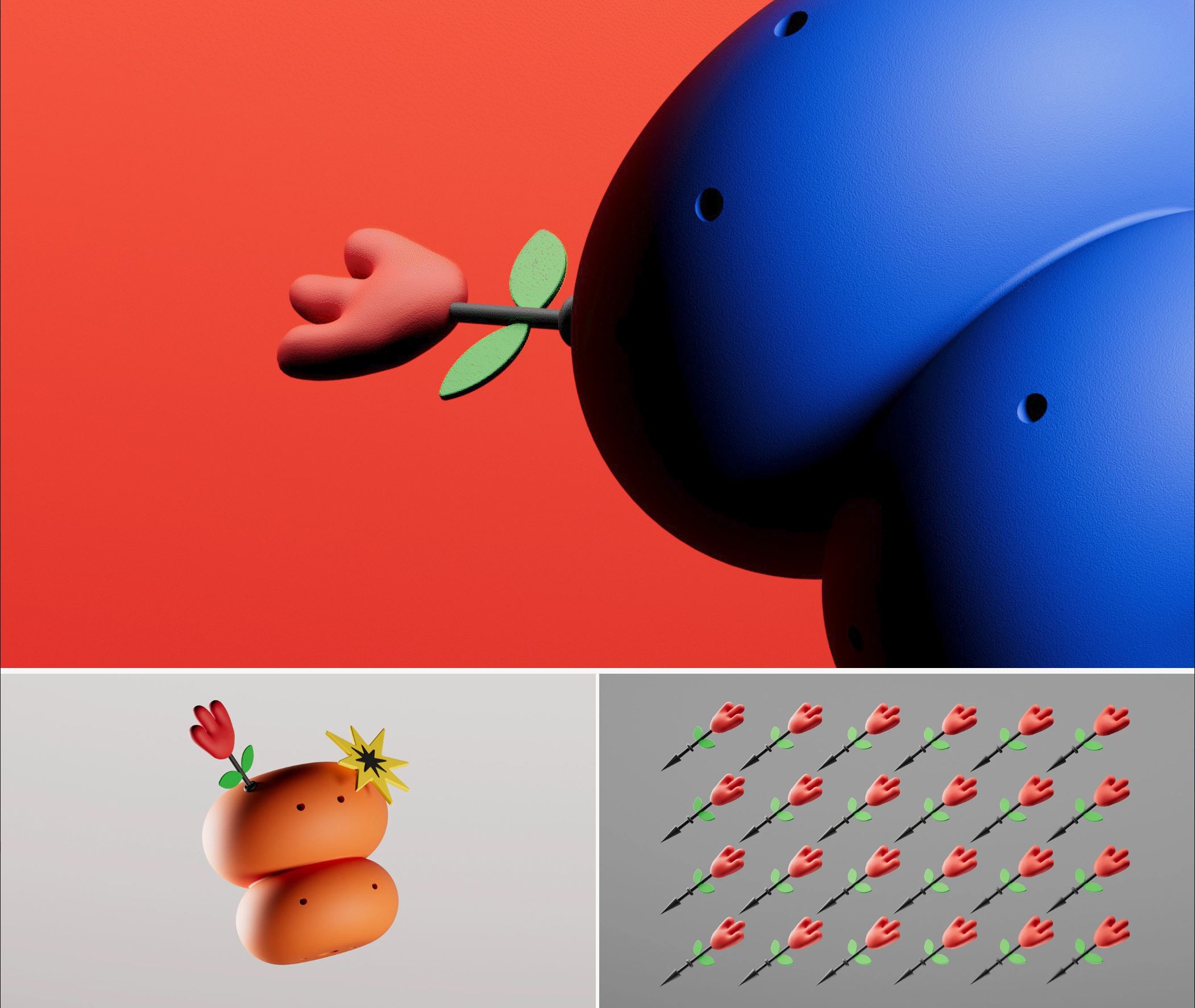
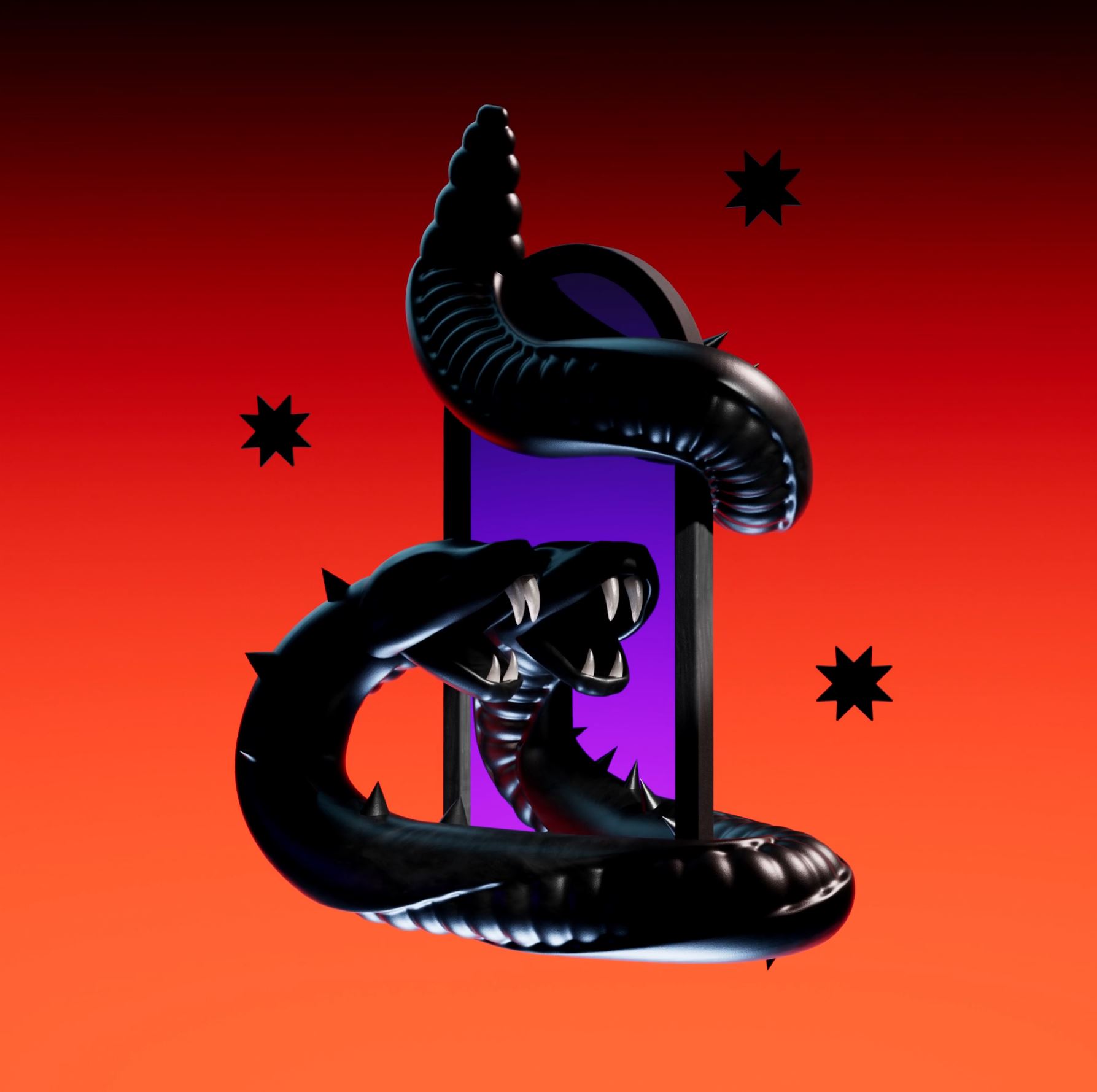
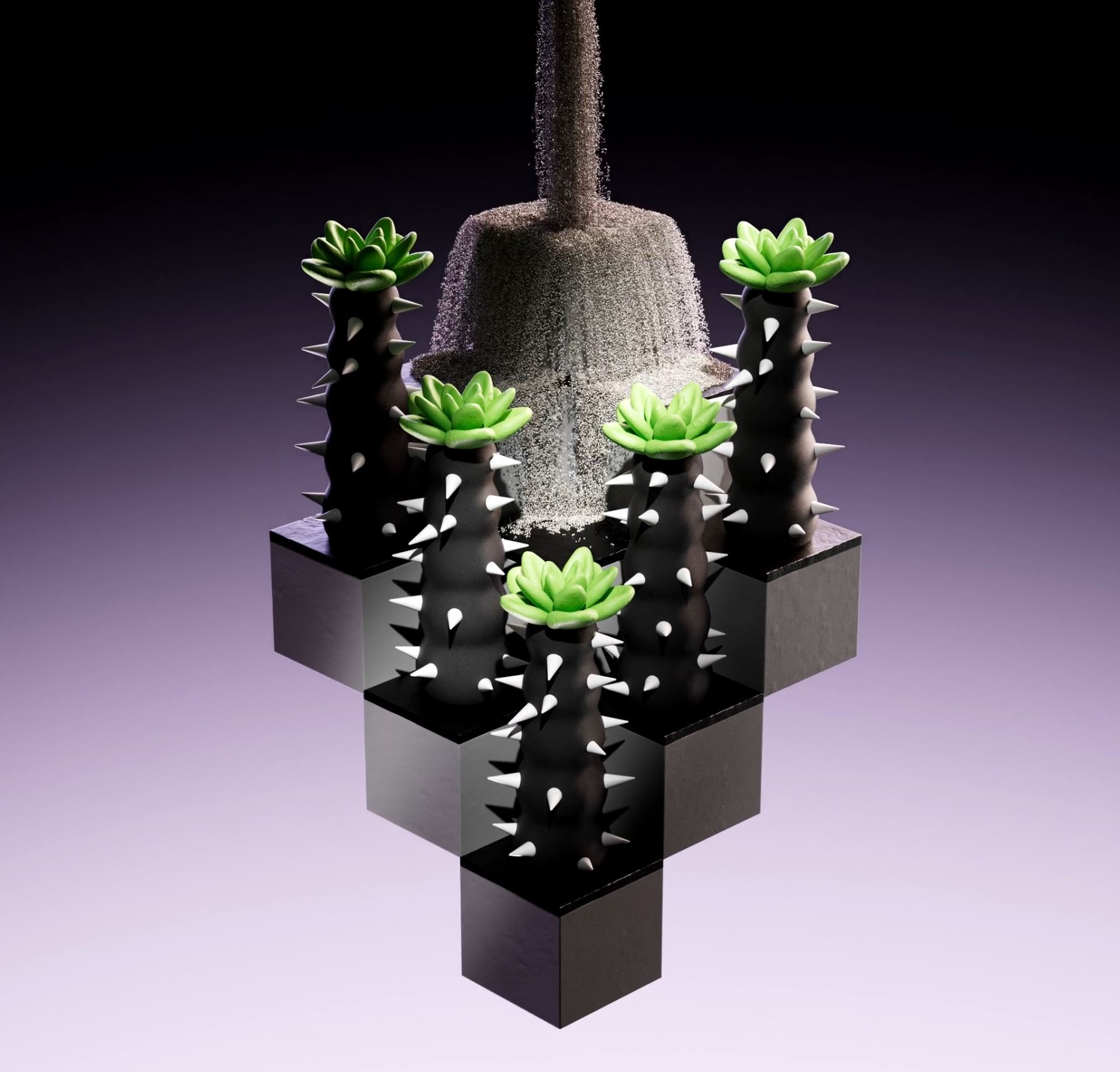
For example one of my latest personal artistic project is called Uroboro , and it’s a little window where I can express my self without any kind of external influences . I mix phisical design ,starting from a 3d software and giving them life thanks to the 3d printing, with some motion design to collect everything in a sort of full commercial experiment.
I think it comes from a desire to slow down.
I’ve spent so many years working digitally, sitting in front of screens and producing images that exist almost entirely in a virtual space.
At some point I started feeling the need to make something physical.
Objects, sculptures, prints, 3D-printed pieces, handmade experiments — things that you can actually touch and hold.
There’s something very different about creating a physical object.
You see the imperfections. You feel the material. You become much more aware of the process.
With Uroboro, I’m not trying to abandon digital tools. Quite the opposite.
I’m interested in taking everything I’ve learned from digital design and bringing it into a more physical and tactile world.
It’s still an experiment, and I actually like that it doesn’t have to be completely defined yet.
Do you have any advice for those just starting out?
Don’t worry too much about having everything figured out.
Follow your curiosity.
Learn the tools, but don’t become obsessed with the tools.
Work with people who inspire you.
Make things that don’t necessarily make sense.
Don’t be afraid to change direction.
A creative career isn’t really a straight line.
It’s more like a collection of experiments, mistakes, collaborations and unexpected turns.
And sometimes those unexpected turns become the most important part of the journey.
After all these years, I think the thing that still drives me the most is the same thing that started it all:
curiosity.
Contact Info:
- Website: https://www.behance.net/MaraniEmanuele
- Instagram: https://www.instagram.com/em._design/
- LinkedIn: https://www.linkedin.com/in/emanuele-marani-a7b5ba59/
Popular
-

Portraits of the Valley
-

LA’s Most Inspiring Stories
-

Rick Norris Learned That Building a Successful Business Means Building a Life You Actually Want to Live
-
How Olivia Rush Turned Survival Into a Mission to Help Others Keep Going
-

How Bibi Goldstein Is Helping Entrepreneurs Reclaim Their Time by Embracing the Power of Delegation
-

Victoria Hasson is Redefining Voice Coaching Through Community and Collaboration


