



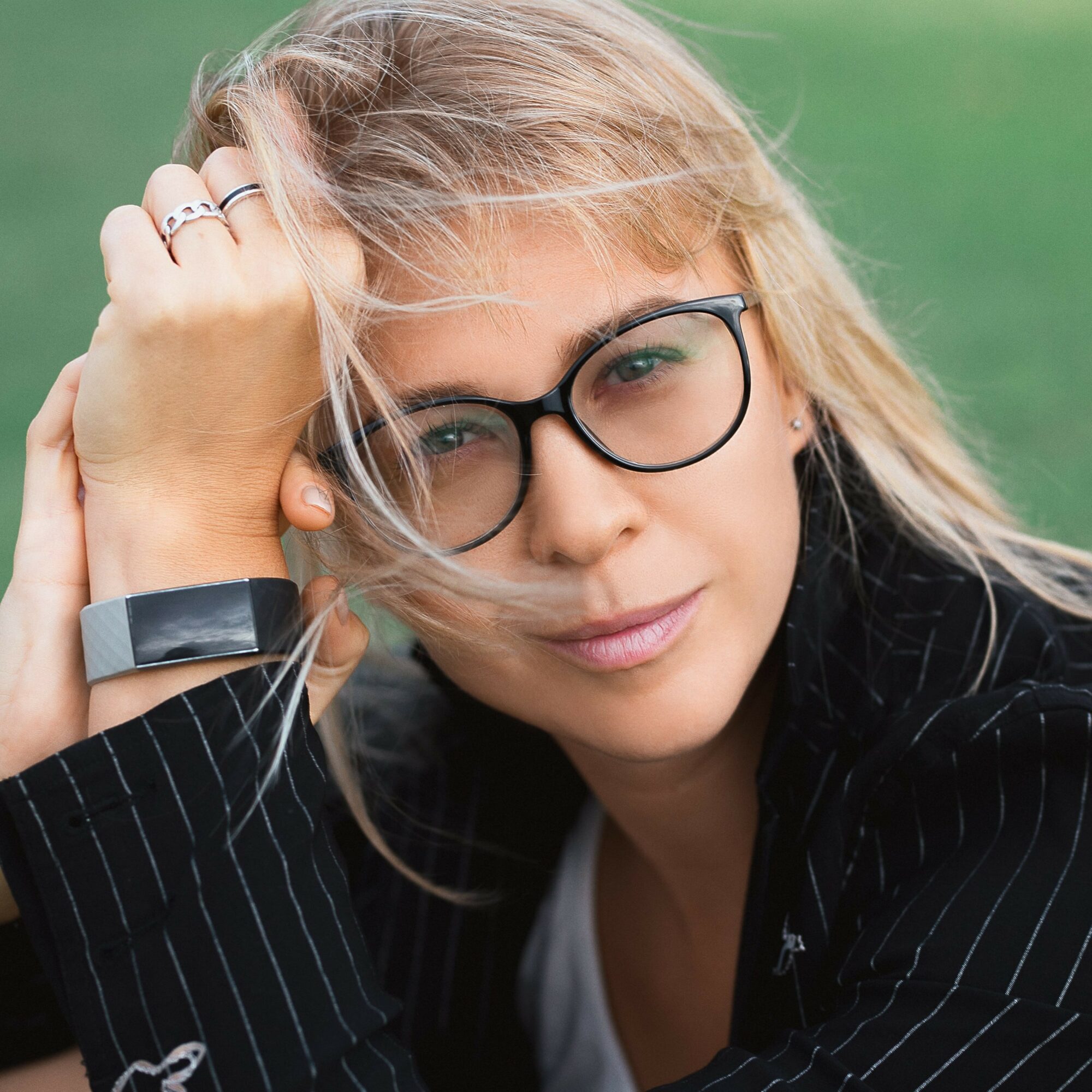
Today we’d like to introduce you to Anna Kumantsova.
Hi Anna, thanks for sharing your story with us. To start, maybe you can tell our readers some of your backstory.
I came into photography in a somewhat unconventional way. I didn’t go to art school, and to be honest, I never had a clear plan to become a professional photographer. I studied optical engineering, so I have always been drawn to the technical side of things. Looking back, I think that background still influences the way I work today.
At the same time, I grew up loving the photographs my mother took during her travels. When I was in college, I started traveling more myself and naturally began taking a camera with me. At first, it was very simple. I photographed places, friends and things happening around me because I wanted to remember them. I didn’t really think of myself as “doing photography.” I was just creating a personal archive of my life.
Eventually, I started wanting those photographs to be better. I began learning on my own, looking at other photographers’ work and practicing as much as I could. Around 2008, I started sharing travel stories and photographs on LiveJournal and in online travel communities. Some of my travel and event photographs were later selected for BBC Russian’s Live Report weekly features.
As I became more involved in photography, I started shooting festivals, concerts and other events as well. I think that was where one of the most important parts of my style began to develop. I was never especially interested in inventing something for the camera. I liked watching what was really happening and catching a moment that existed right then and might disappear a second later.
Being around other photographers became a big part of my education too. Through people I met in the photography community, I became involved with the Moscow House of Photography. I attended lectures, spent time around professional photographers and volunteered on shoots and projects. I wasn’t an employee there — for me, it was simply an opportunity to learn, practice and be around people who knew much more than I did.
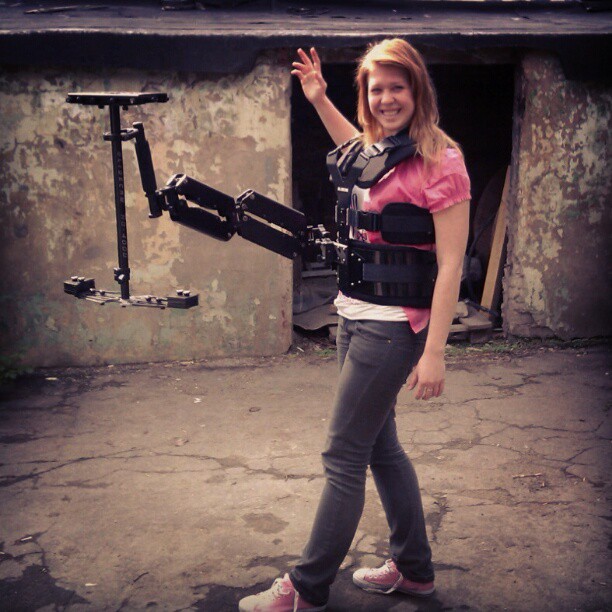
At the same time, I worked at a professional photo and video equipment rental company. I started as a manager, became an equipment consultant and eventually worked as an on-location technical engineer. My job was to prepare professional equipment on set so production crews could begin working. I had the opportunity to work hands-on with a huge range of professional cameras, lenses and equipment from different brands, and that experience really strengthened my technical knowledge. I also supported equipment on major production projects, including projects for the Russian TV network TNT, in my role as a technical engineer.
Practice and self-education have always been the biggest part of my growth, but I’ve never believed they should be the only part. Over the years, I’ve continued taking courses, attending workshops and learning from photographers and other professionals whose work I respect.
Then, in 2013, something happened that completely changed the direction of my life.
At that point, I had photographed travel, events and people, but I was definitely not an experienced wedding photographer. In fact, I had only photographed one wedding as a second photographer. I saw a post on a friend’s Facebook page saying that a company in the Dominican Republic was looking for photographers, and I decided to send them a portfolio that included photographs from that one wedding.
Then I heard nothing.
About a month passed, and I had pretty much forgotten about it when they finally contacted me and offered me the opportunity to come to the Dominican Republic.
I arrived in December 2013 and started working literally the next day. Everything changed at once: a new country, a new kind of photography, a completely different pace of work and a language I didn’t speak. I was a Russian speaker and knew no Spanish, so I started learning it immediately because I wanted to adapt and communicate comfortably with the people around me.
Those first nine months were probably one of the most intense professional schools I could have had. There were a lot of shoots, very short deadlines and constant interaction with different clients. You had to make decisions quickly, solve problems and still deliver a good result. It was difficult, but the amount of real-world experience I gained during that time was enormous.
Then the company I worked for went out of business.
At that point, the choice was basically to go home or try to stay and build something ourselves. We decided to try.
That was the beginning of what eventually became Kumantsova Productions. We created our own website and social media presence, started looking for clients and building relationships with local wedding planners and other partners. Around the same time, I began seriously learning video. Part of that decision was very practical — after losing our previous work, we needed to learn new skills, create new services and find new ways to move forward.
Over time, photography and video became the two main parts of what we offered. We built a steady client base, started working with a team, and in October 2016 we officially registered Kumantsova Productions. For me, registering the company wasn’t really the beginning of the business. It was more like making official something we had already been building step by step for several years.
As the business became more stable, we were able to travel again. During our trips to the United States, we visited exhibitions and presentations, attended lectures in Los Angeles and spent time experiencing a different creative environment. We also began seriously considering a future move to the U.S. My O-1 petition was approved and the visa was issued, and we were preparing for that next chapter when COVID changed those plans.
The pandemic became another major turning point.
Before COVID, almost all of our clients were Russian-speaking travelers. When that tourism market suddenly stopped, we had to rethink the business again. At the same time, travelers from the United States were beginning to return to the Dominican Republic, and we realized that instead of waiting for our old market to come back, we needed to learn how to serve a new one.
I began seriously studying English. We expanded the website into additional languages, changed the way we communicated and marketed our services, developed new partnerships and began focusing much more on American travelers coming to Punta Cana for vacations and destination weddings.
It took time, but the business became stable again.
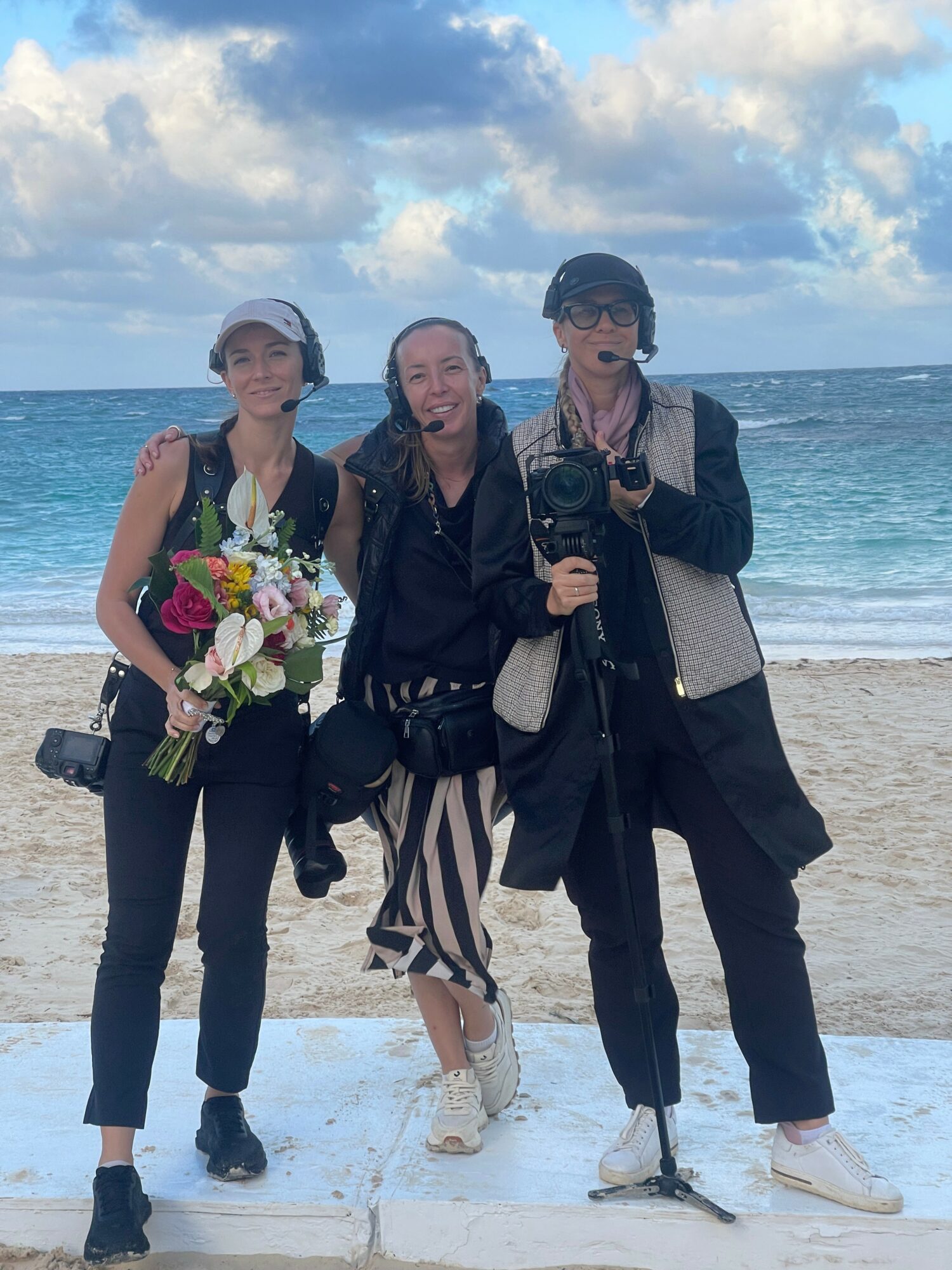
Today, I work as both a photographer and videographer while also leading Kumantsova Productions. We have a team, partners and clients from different countries, with a large part of our audience now coming from the United States.
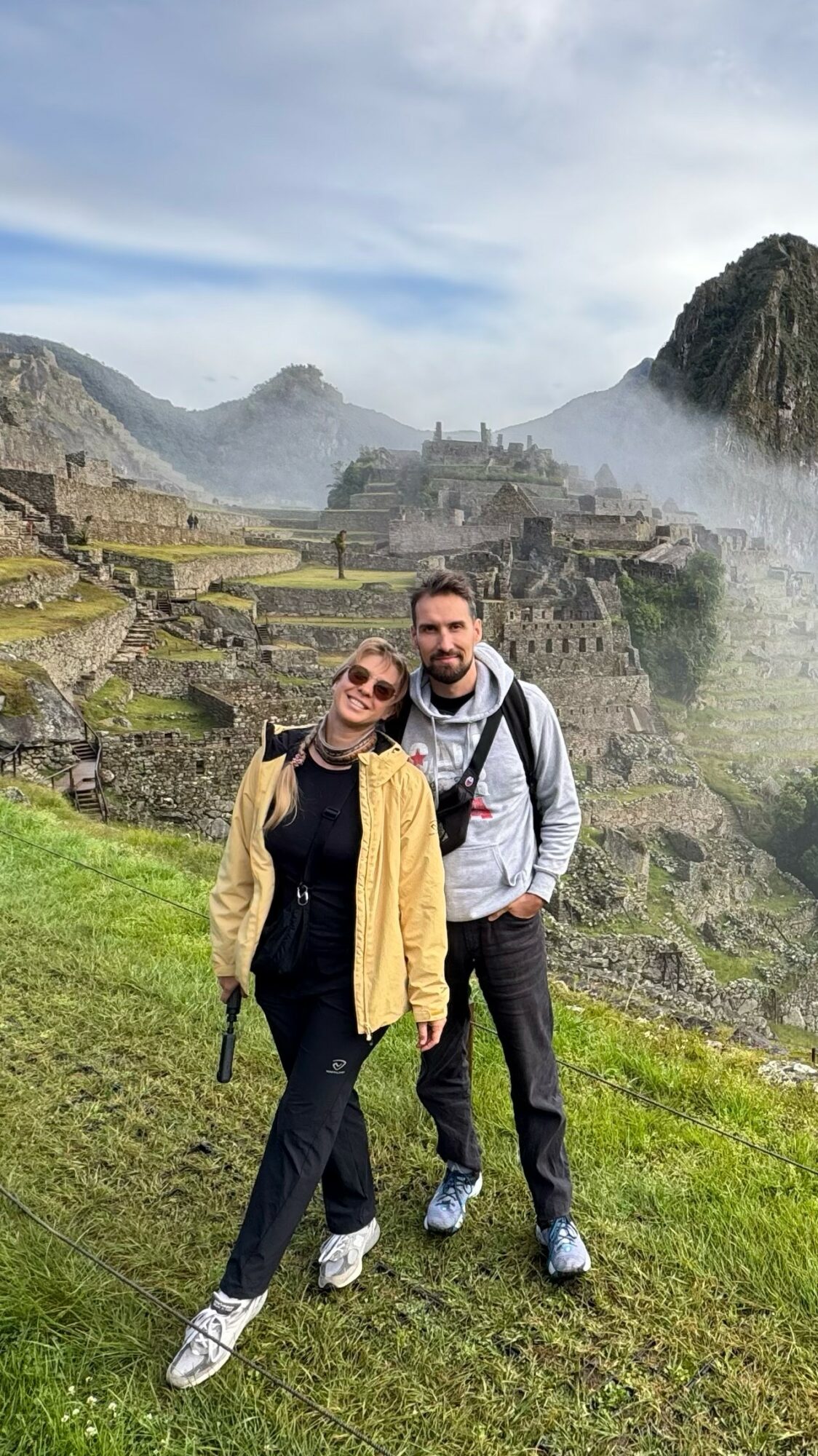
And one of the things I love is that I’m able to travel frequently again.
In a way, the story has come full circle. Photography started simply because I was traveling and wanted to preserve the places, people and moments I was experiencing. I never planned for it to become my profession. Instead, it took me to another country, grew into a business, introduced me to people from all over the world and eventually gave me the opportunity to travel again — just with a very different perspective than when I first picked up a camera.
I’m sure it wasn’t obstacle-free, but would you say the journey has been fairly smooth so far?
Definitely not, although when I look back, I don’t really see my story as a series of hardships that I had to “overcome.” I see it more as a series of moments when something stopped working and I had to learn how to do things differently.
Moving to the Dominican Republic was the first major change. I was in a new country, didn’t speak the local language and suddenly went from relatively free-form travel and documentary photography to commercial wedding photography, where there is a client, a deadline and responsibility for moments that can’t be repeated.
Nine months later, the company I had moved there to work for went out of business. We could have gone home, but instead we decided to stay and try building something ourselves. That situation pushed me to find new partners, look for my own clients and learn video. Something that initially felt like a serious problem ultimately became one of the reasons my own business exists today.
Years later, we had built a stable company and were considering our next professional chapter in the United States — and then COVID happened.
Almost overnight, the market we had worked with for years disappeared. Until then, most of our clients had been Russian-speaking, so I suddenly needed to improve my English, rethink our website and communication, change our marketing and learn how to work with an entirely different audience.
I think one of the biggest lessons I’ve learned is that you can’t find one formula that works and assume it will continue working forever. The market changes. Technology changes. Clients change. The tools we use change. You have to be willing to change too.
I actually prefer the idea of staying relevant rather than simply “staying afloat.”
For me, some of the biggest periods of growth have started exactly when circumstances disrupted something that had become comfortable and forced me to learn again.
As you know, we’re big fans of you and your work. For our readers who might not be as familiar what can you tell them about what you do?
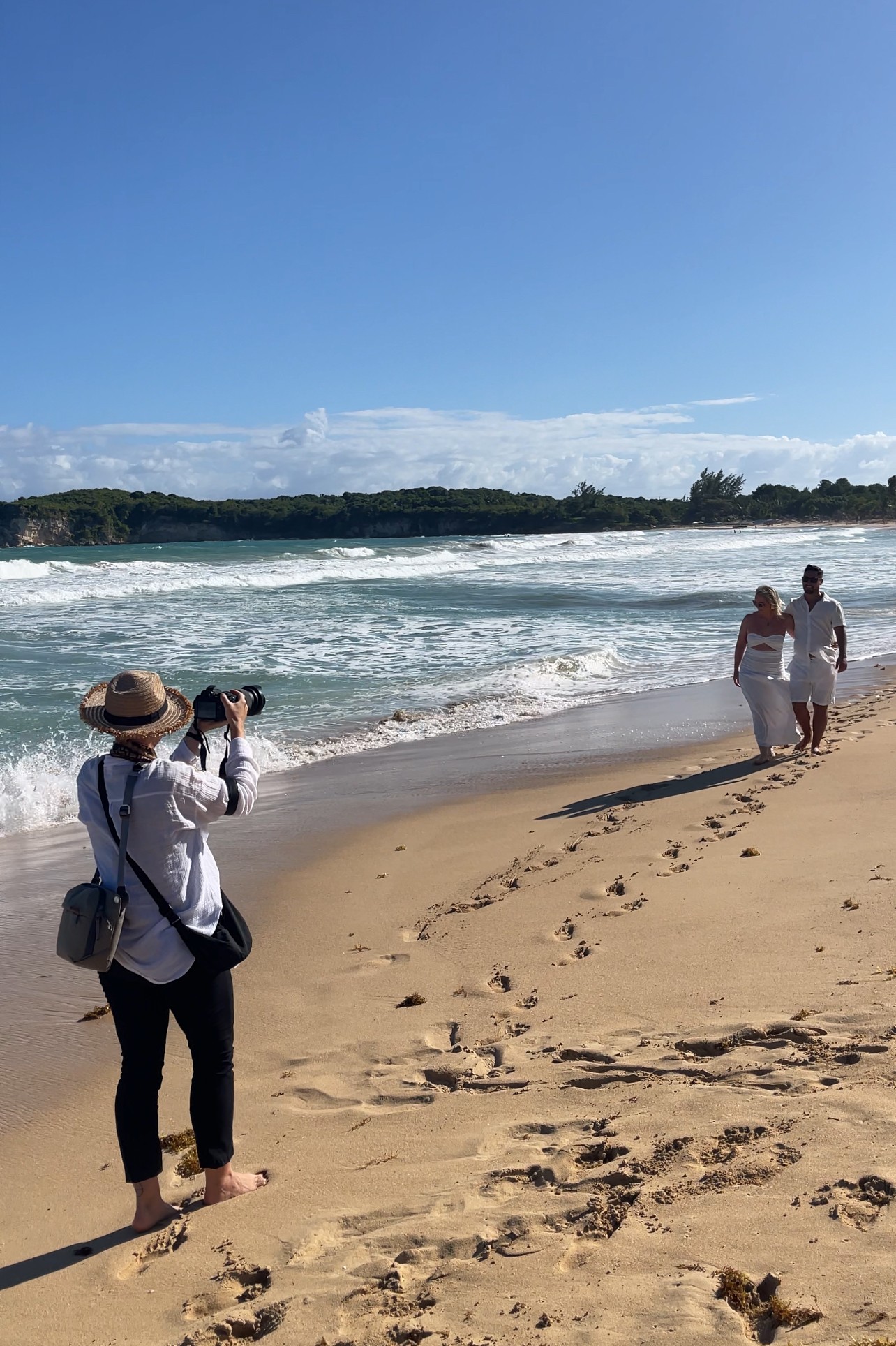
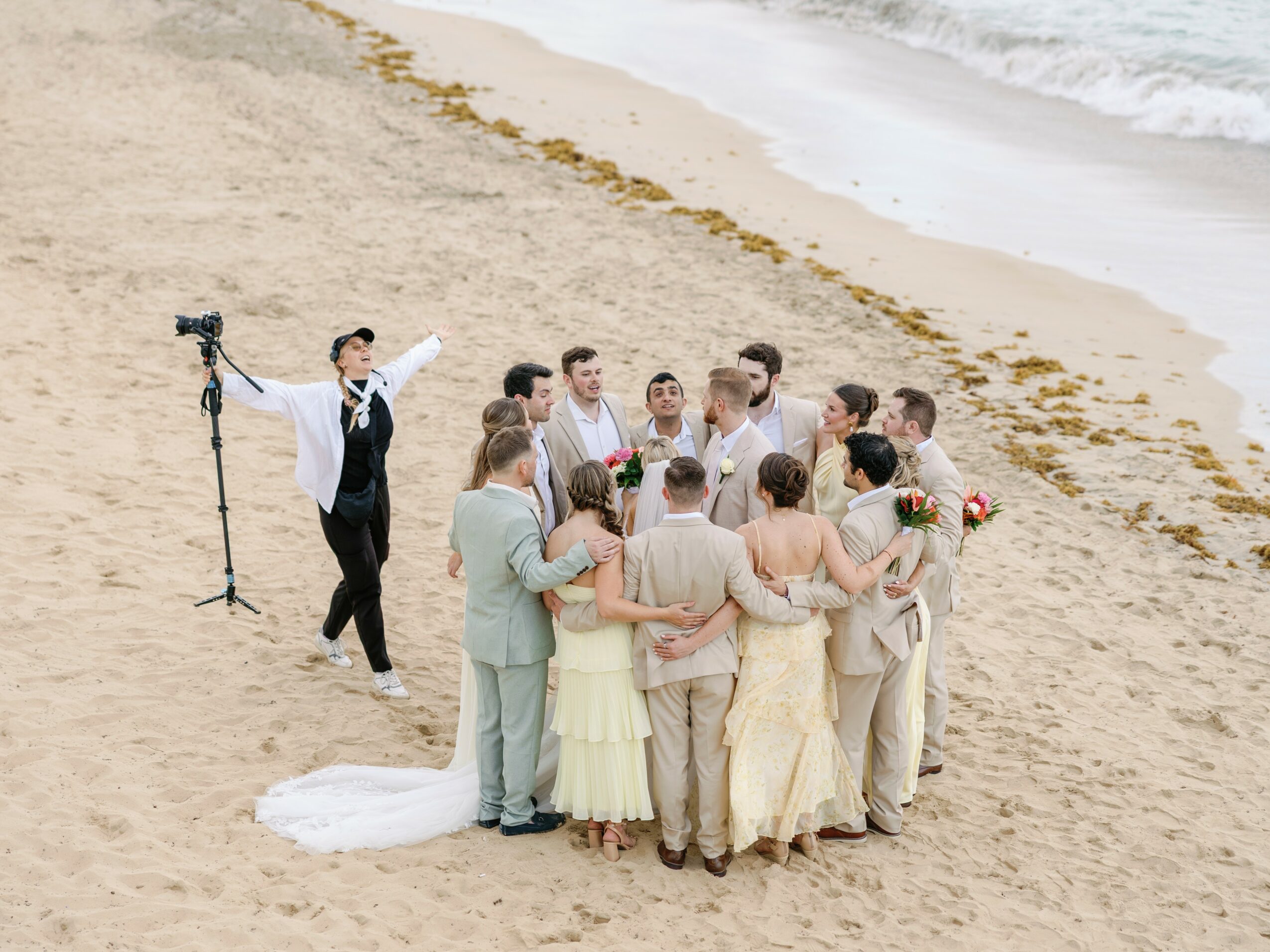
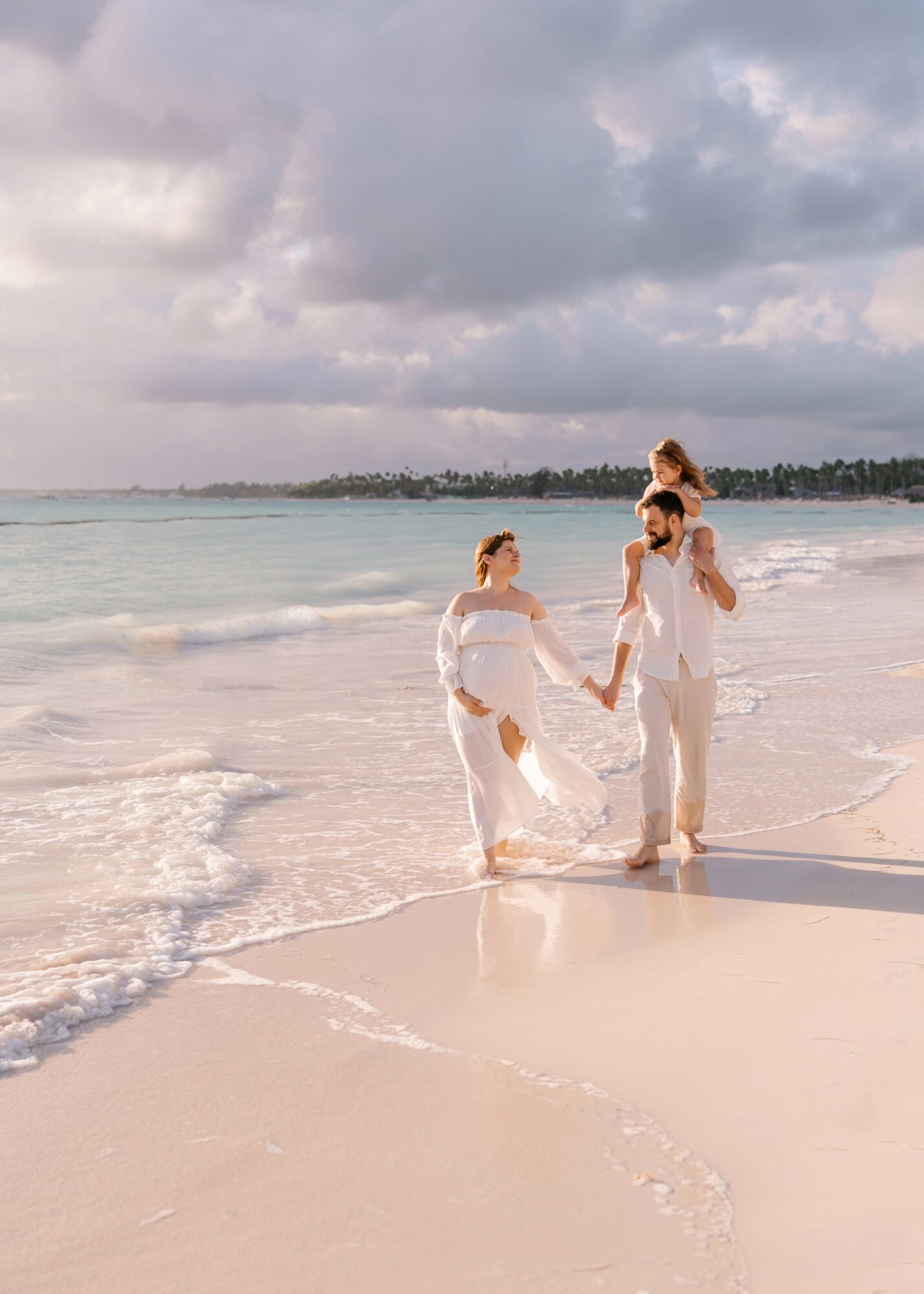
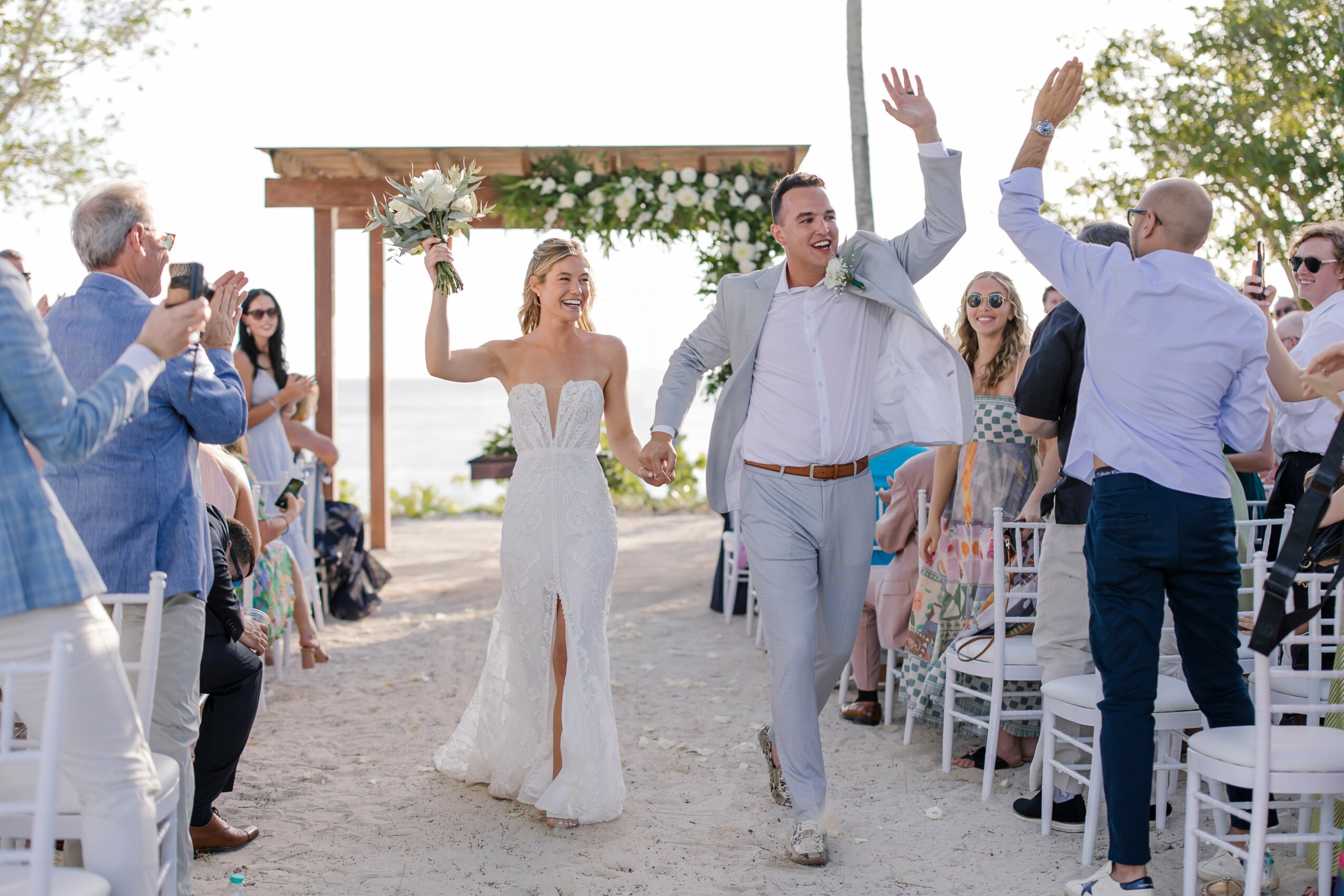
Today, I’m a photographer, videographer and the founder of Kumantsova Productions, a small photo and video production company based in Punta Cana, Dominican Republic. We primarily photograph and film destination weddings, but we also work with couples, families, proposals and other meaningful moments for people visiting the island.
But when I think about what I actually do, I don’t really like reducing it to photography, video, cameras or drones.
The Dominican Republic is a very special place to do this kind of work because people usually come here for a reason. They bring family and friends together from different cities and sometimes different countries. Someone is planning a proposal. Someone is getting married. Someone is finally taking a trip with several generations of their family together.
They come here for happiness, love, connection and memories.
Our job is to preserve those things in a way that allows someone to look at a photograph or watch a film years later and remember not only what they looked like, but what that moment felt like.
What I’m probably most proud of is that I still care about every shoot.
After photographing a lot of weddings, it would be very easy to start seeing a repeated schedule instead of individual people — another ceremony, another couple, another first dance. I never want to get to that point.
Every couple and every family has their own story. For me, it might be my hundredth wedding or another photoshoot in a very familiar location, but for them, that particular moment might happen only once in their lives. It might be the first moment of an engagement, the beginning of a marriage or one of the rare times when an entire family is together in the same place.
I’m proud that I can still walk into a shoot and try to see those people as if I’m seeing them for the first time — because for them, their experience really is happening for the first time.
I think that also explains a lot about what sets our approach apart.
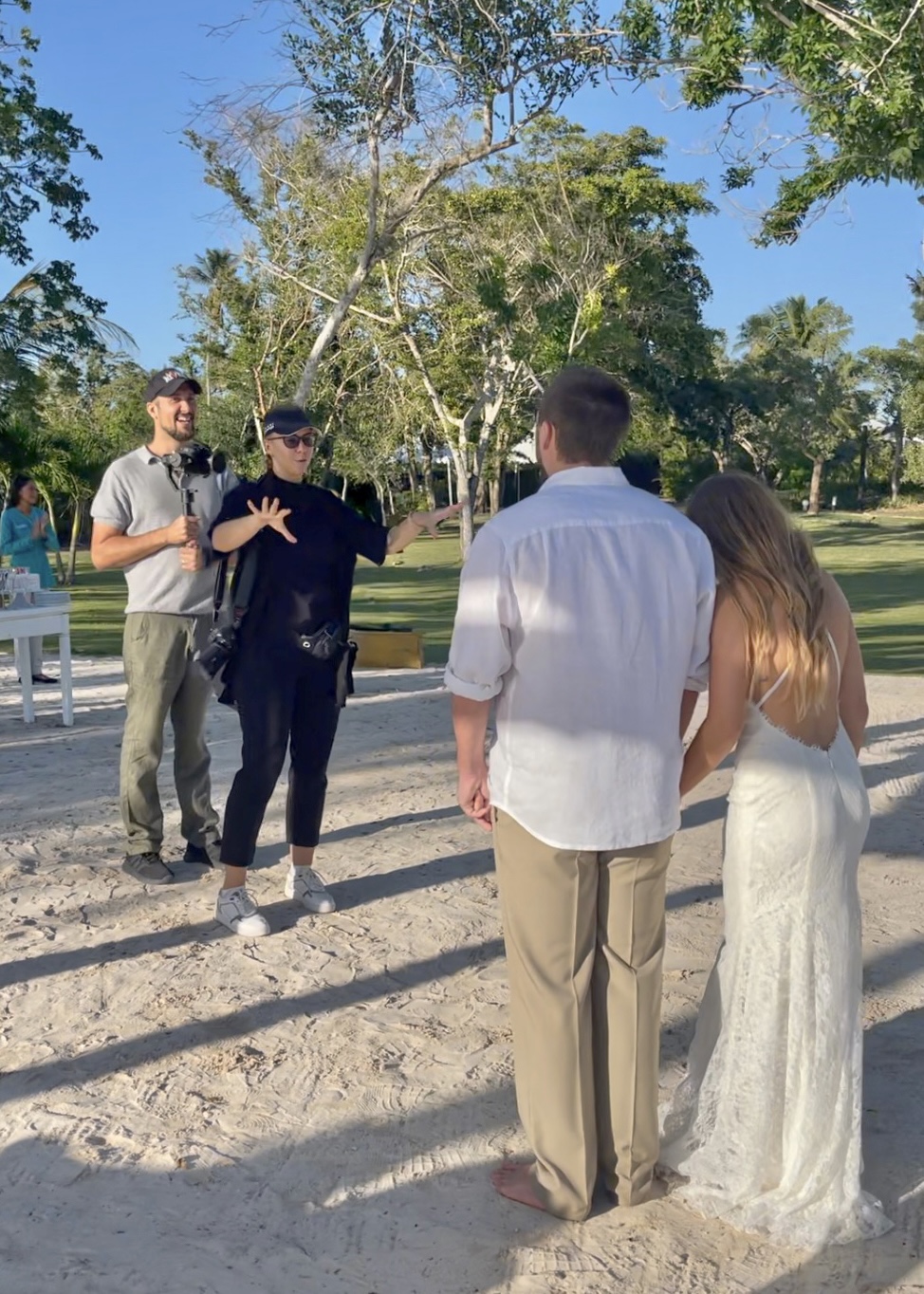
I don’t want the photographer or videographer to become the main character in someone else’s celebration. Cameras, lighting, drones and the production team should help preserve the story, not turn the client’s day into a production set.
We’re able to provide photography and video together and work as a coordinated team, but to me, good production is something the client should barely have to think about. They should be able to laugh, hug their family, get nervous, cry and actually experience what is happening.
Our responsibility is to be there, pay attention and catch it.
Maybe that goes all the way back to the way I first approached photography at concerts, festivals and during my travels. Even then, I was most interested in the real moment rather than the one created for the camera. Today, instead of a festival or a travel story, what’s in front of my camera is often someone’s family or one of the most important days of their life.
Are there any books, apps, podcasts or blogs that help you do your best?
I don’t really have one book, podcast or person that I would call my main source of professional inspiration.
When it comes to tools, I use Adobe Photoshop and Lightroom, together with Retouch4Me and Aftershoot, for photography. For video, DaVinci Resolve Studio is one of my main tools.
But software is still just software. The resource that has probably contributed the most to my growth throughout my career is other people.
I’m a big believer in networking, especially spending time with people who are better than you at something. Sometimes one conversation with a great photographer, filmmaker, colorist or another creative professional can give you more than hours of searching for information on your own. You exchange experiences, discover a completely different way of approaching something or simply learn about a technology or technique you hadn’t paid attention to yet.
That has been part of the way I learn since the beginning. I’ve always tried to stay connected to a professional community, attend workshops and courses, and learn from people whose work I respect.
I also try to pay attention to where the industry is going — new cameras and lenses, software and AI tools, editing techniques, changes in visual style and even changes in what clients expect from the experience.
I don’t think you need to follow every trend. But I do think you need to understand what is changing around you.
For me, one of the best ways to continue growing is to stay curious, keep learning and surround yourself with people who still have something to teach you.
Contact Info:
- Website: https://kumantsova.com/en/
- Instagram: https://www.instagram.com/anna_dominicana/
- Facebook: https://www.facebook.com/kumantsova/
- Youtube: https://www.youtube.com/@KumantsovaAnna
Popular
-

Portraits of the Valley
-

LA’s Most Inspiring Stories
-

Rick Norris Learned That Building a Successful Business Means Building a Life You Actually Want to Live
-
How Olivia Rush Turned Survival Into a Mission to Help Others Keep Going
-

How Bibi Goldstein Is Helping Entrepreneurs Reclaim Their Time by Embracing the Power of Delegation
-

Victoria Hasson is Redefining Voice Coaching Through Community and Collaboration


