




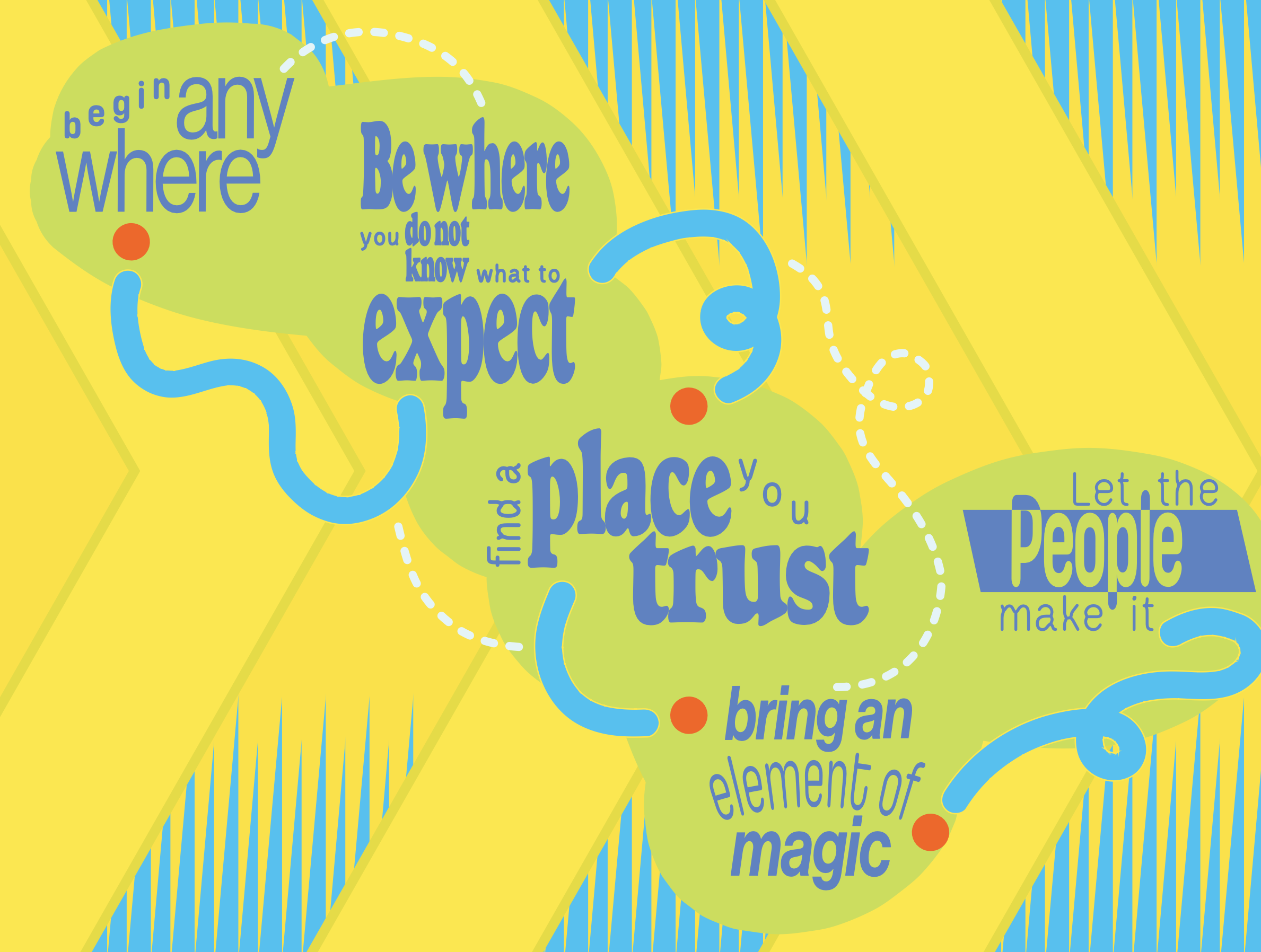
Today we’d like to introduce you to Colleen Corcoran.
Hi Colleen, thanks for sharing your story with us. To start, maybe you can tell our readers some of your backstory.
I grew up in Houston, Texas in the 90s, and because my parents worked at lot, I often took my bike or the Metro bus to get where I needed to go. Houston is a place, like Los Angeles, that is very decentralized, with immigrant communities from all over the world. I saw so much of my own neighborhood in Southwest Houston from my bike and on foot, and so much more from the window of the bus – parks, historic monuments, murals, vendors, shadeless sidewalks, bayou wetlands, strip malls, corner stores, and the faces of thousands of Houstonians that I encountered out in the world.
In high school, my friends and I started a Food not Bombs chapter in Downtown Houston, and I spent time in Downtown on weekends learning about the experiences of unhoused people there. We also spent a lot of time at a coffee shop that would let us have open mic nights, zine making meet ups, unlimited iced coffee refills, and a forum for many of our projects. Houston was also a place, at the time, where people with very different views about politics or culture could coincide, and I was always really curious to know about other people’s perspectives.
When I moved to Austin, Texas for college, I felt stifled by the lack of diversity (this was around 1999, and Austin was much smaller!) I couldn’t wait to leave Texas. So I moved to California to attend CalArts to study graphic design. CalArts is this really unique arts institution, founded in Santa Clarita in the ’70s, with a long history of very experimental and irreverent art. The suburbs grew around the school, and when I was there I experienced the dichotomy of the laissez faire culture of CalArts—where all art practices intermix, and there is still a clothing-optional policy—and the raw landscape at the edge of the mountains, being overtaken by sprawling development. It was such a different type of built environment AND different natural environment from where I’d grown up. But I completely fell in love with the landscape.
This experience of living in Santa Clarita informed my lens on Los Angeles, as well as the role of designers in the built environment. And being up at CalArts, we still spent a lot of time in LA. My first memories include ending up at warehouse parties in the Arts District, or in someone’s tiny Silver Lake apartment, or the rooftop of the former Standard Hotel (at a time when Downtown was otherwise abandoned). But one of my most memorable experiences was visiting the design studio at Metro, LA’s public transit agency, and learning about the team that developed the agency’s brand and visual identity. That ended up being my first job out of school, and their work to communicate with such a large audience of Angelenos was very influential to me.
At the same time, I met a group of people involved in the local bike scene here, going to Critical Mass and other bike rides on the weekends, and I ended up getting involved with a group of people who were instrumental in founding the non-profit CicLAvia, which now produces regular open streets events on Sundays in LA (turning streets into temporary parks). I worked with CicLAvia on their branding and communications for many years, and that work came full circle when Metro began to fund open streets several years later, as a way to promote biking, walking, and transit connectivity.
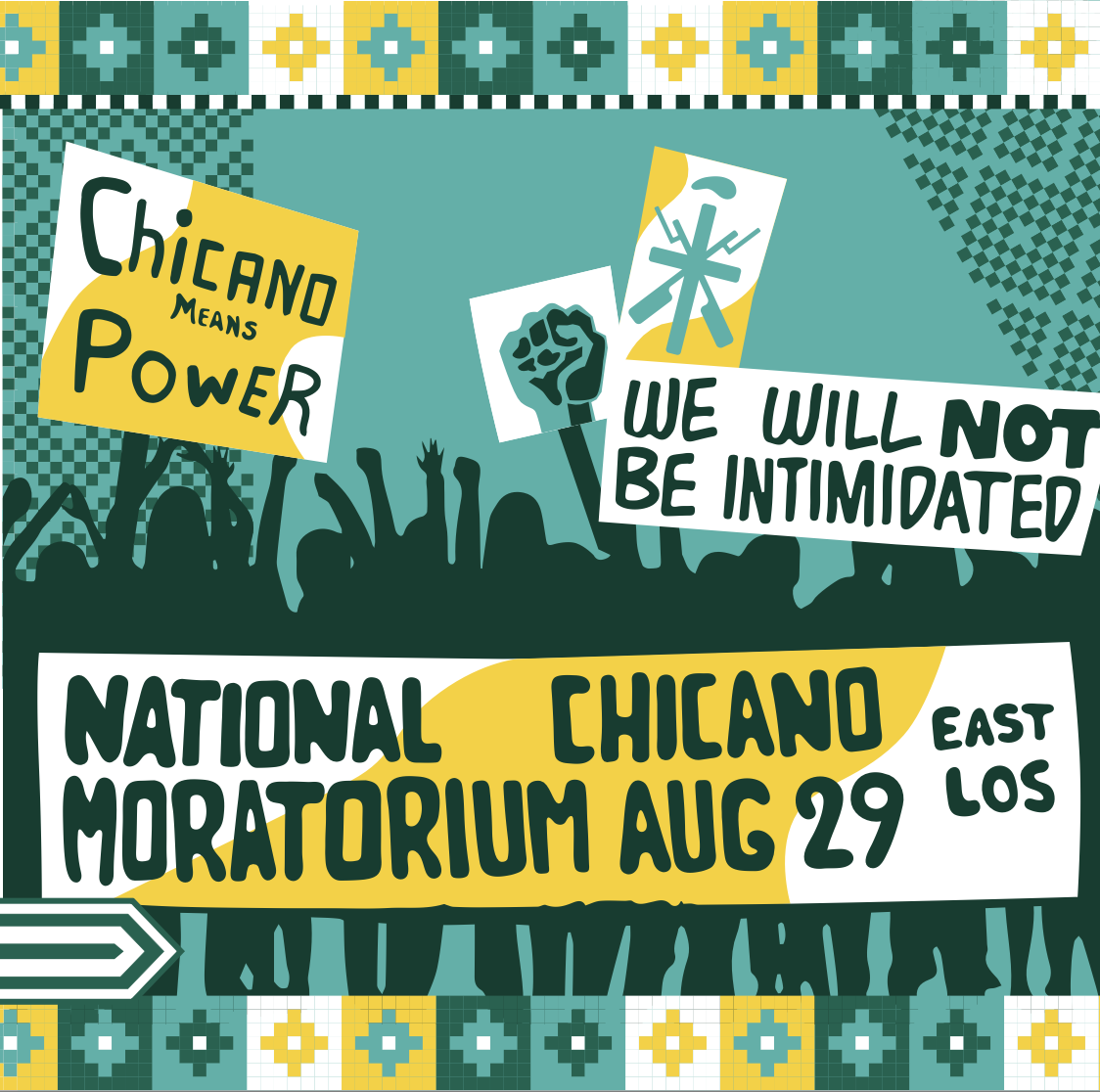
I left Metro to start my own design studio, to focus on more work with community organizations. I founded Place & Page around 2015, and I now work with several other designers there. We work with local non-profits and public agencies on branding, community engagement, environmental graphics, and more. With this work, I always hold the thread of how our design exists within, influences, and is impacted by the larger environment of our city. We center ways that we can use design to make LA a more inclusive, equitable, and joyful place!
I’m sure it wasn’t obstacle-free, but would you say the journey has been fairly smooth so far?
Running a small business is not easy, and the logistics and paperwork are not the things I love about it. But I have always been extremely fortunate to have amazing designers and amazing projects and collaborators come our way.
The hardest times may have been when my two children were born, and I had to figure out how to keep my business running while caring for newborns, without access to paid leave — and my colleagues always held it down for me!
There also have been times when I wasn’t sure what our next projects would be. By the grace of all the amazing people I’ve gotten to know in LA, work has always come our way. I think this has happened by following our interests and not stressing about the long game too much (but it can be hard to do that too!)
We’ve been impressed with Place & Page, but for folks who might not be as familiar, what can you share with them about what you do and what sets you apart from others?
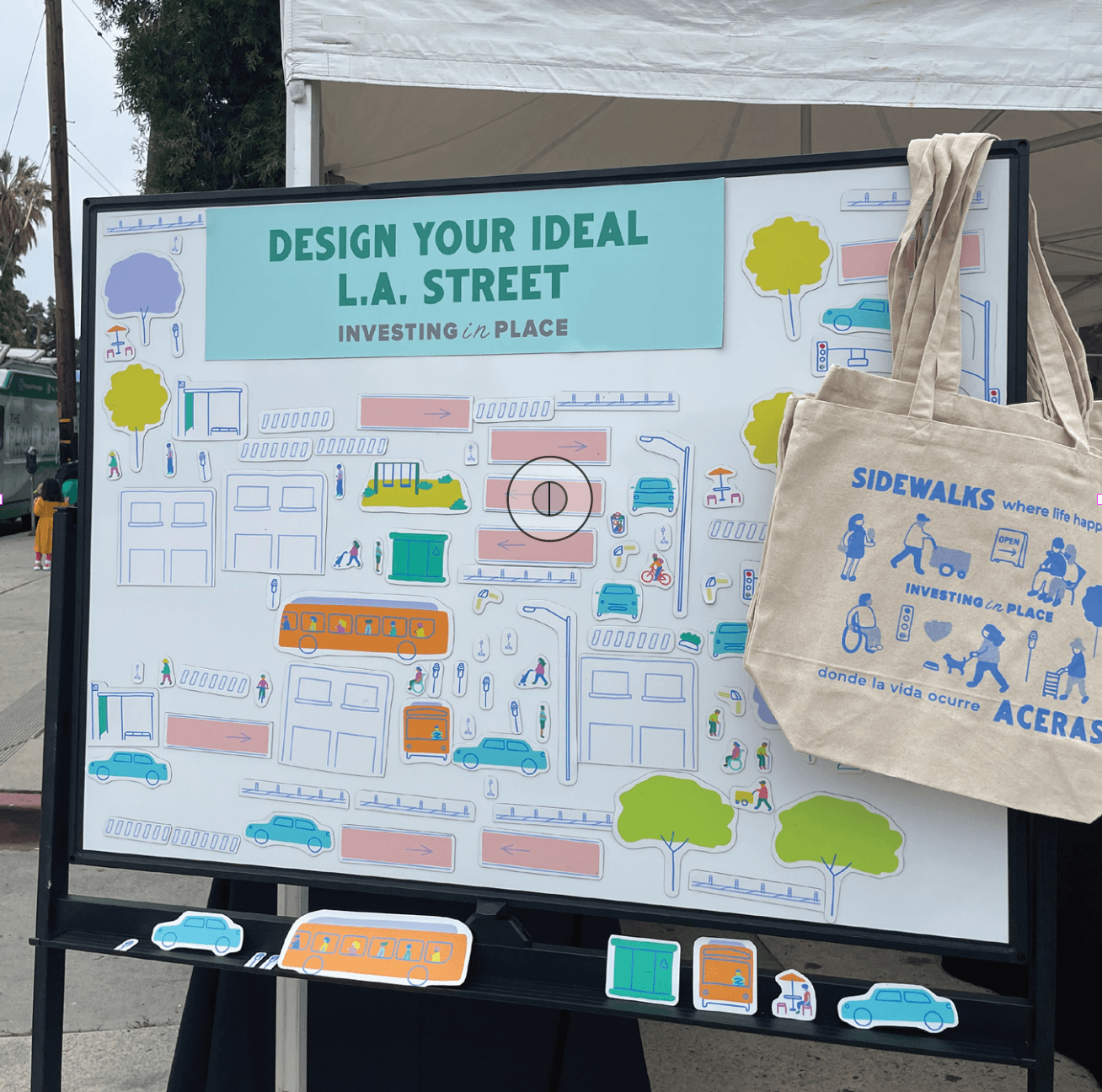
Place & Page is a community-centered graphic design studio in Los Angeles that works with local organizations and public agencies on branding, events, signage, publications, illustrations, design interventions, community engagement, and more. We believe design has the power to change the way people navigate and interact with their communities, to create a more inclusive and equitable city. Place and page are two media that form the intersection of this work.
Contact Info:
- Website: https://placeandpage.la
- Instagram: placeandpage
Popular
-

Portraits of the Valley
-

LA’s Most Inspiring Stories
-

Rick Norris Learned That Building a Successful Business Means Building a Life You Actually Want to Live
-
How Olivia Rush Turned Survival Into a Mission to Help Others Keep Going
-

How Bibi Goldstein Is Helping Entrepreneurs Reclaim Their Time by Embracing the Power of Delegation
-

Victoria Hasson is Redefining Voice Coaching Through Community and Collaboration


