




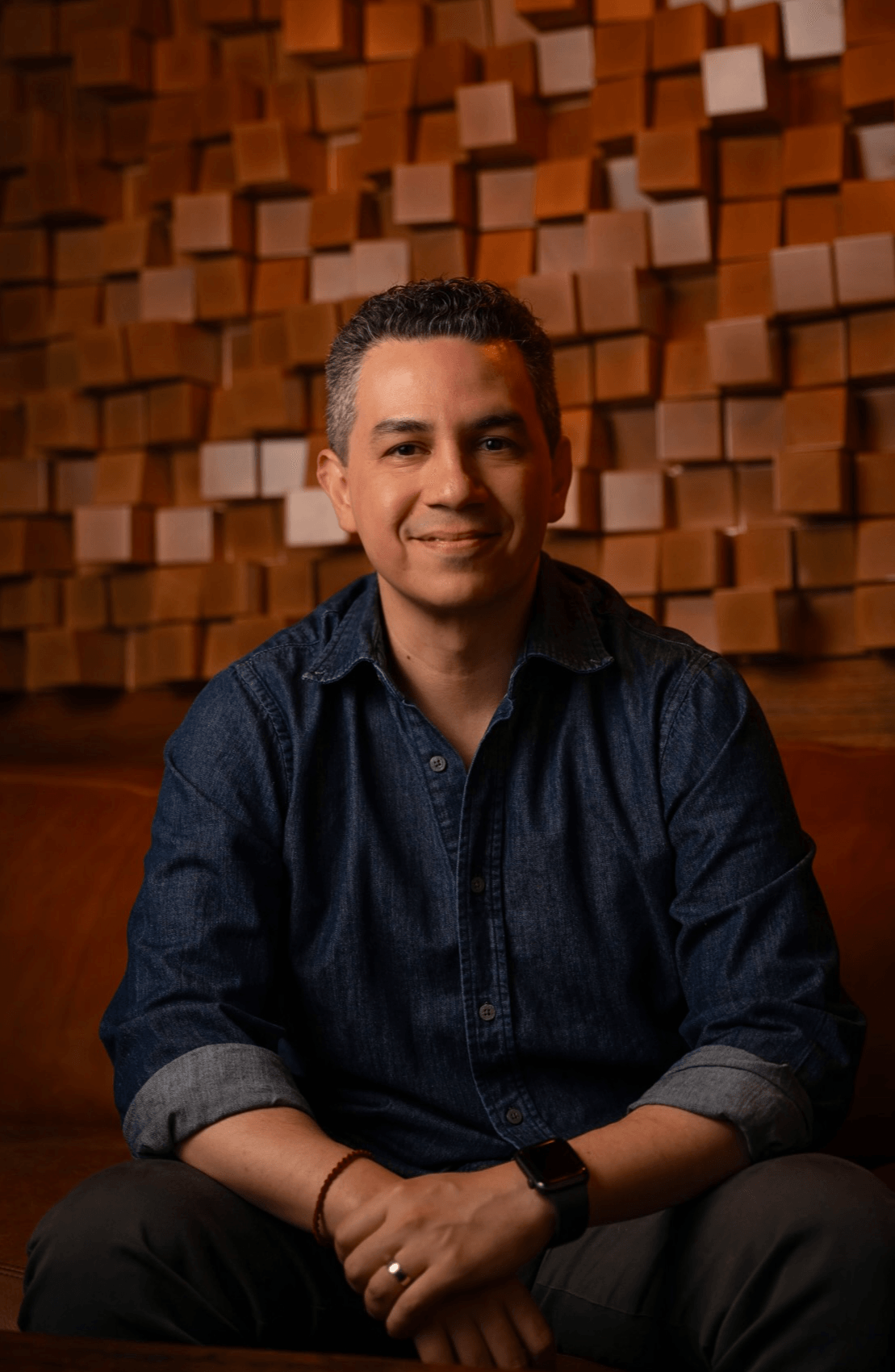
Today we’d like to introduce you to Sal Ojeda.
Sal, we appreciate you taking the time to share your story with us today. Where does your story begin?
I grew up between California and Mexico, and music was a big part of my life from a very early age. I started playing drums when I was 11 in Guadalajara, Mexico, and eventually began playing in my dad’s band. That was also my first exposure to recording and mixing, and I became fascinated with the idea that what happens behind the speakers can be just as creative as what happens in front of them.
By the time I finished high school, I was actively playing in the Guadalajara music scene, but I was becoming increasingly interested in recording and sound. That eventually brought me back to the U.S. I spent a couple of years at Glendale Community College in Arizona before earning a scholarship to Berklee College of Music in Boston. Berklee was where I discovered post-production sound and realized that I could combine my love of music, technology, storytelling and film into a career.
After graduating with honors, I moved to Los Angeles and started working in post-production in 2010. Early in my career, I had the opportunity to work across different sides of the entertainment industry. I worked in music with artists including Pink, Lenny Kravitz, Sting and Cher, and on major productions such as the Oscars and the Emmys. At the same time, I was building my career in film and television, working in dialogue editing, sound editing and mixing.
That combination of experiences had a big influence on how I approach my work today. I’ve always looked at sound from both a filmmaker’s and a musician’s perspective, thinking about rhythm, dynamics and emotion as much as the technical side of the craft.
Over the years, I’ve been fortunate to contribute to projects by filmmakers including George Miller, Ron Howard, Morgan Neville, Zack Snyder, Andrew Dominik and Allen Hughes, as well as projects involving artists such as Bono and Paul McCartney. Along the way, my work has received four Emmy nominations, an MPSE Golden Reel Award and a Canadian Screen Award.
Today, I work primarily as a supervising sound editor and re-recording mixer through my company, Treehouse Sound. What still excites me after all these years is the same thing that fascinated me when I first started recording music: taking all these individual sounds and shaping them into something that creates an emotional experience. The technology has changed tremendously, and my role has evolved, but that part has remained the same.
Would you say it’s been a smooth road, and if not what are some of the biggest challenges you’ve faced along the way?
It definitely hasn’t been a smooth road. I don’t think many careers in the film industry are.
One of the biggest challenges early on was simply finding my place in Los Angeles. I came into the industry without an established network, so a lot of those first years were about building relationships, proving myself one project at a time, and figuring out how the business actually works. Talent and technical ability are important, but I quickly learned that longevity also requires persistence, adaptability and, perhaps most importantly, relationships.
There have also been periods when circumstances completely outside of my control changed the trajectory of my career. The pandemic essentially shut down the industry, followed not long after by the writers’ and actors’ strikes and then another significant slowdown in production. The film business is going through another major transformation right now, and learning how to navigate uncertainty has become almost as important as the work itself.
Another challenge has been learning to evolve creatively. As you progress in your career, the job becomes less about being the person who knows how to operate the equipment and more about understanding storytelling, communicating with filmmakers and making creative decisions. That transition from thinking of myself primarily as a sound person to thinking of myself as a filmmaker who happens to specialize in sound has been an important part of my growth.
There have certainly been moments when I’ve questioned where the next project would come from or whether I was moving forward quickly enough. But looking back, some of the more difficult periods forced me to become more resourceful, build stronger relationships and take more ownership of the direction of my career. I’m still navigating that process today.
As you know, we’re big fans of you and your work. For our readers who might not be as familiar what can you tell them about what you do?
I’m a supervising sound editor and re-recording mixer, which essentially means I help filmmakers shape the entire sonic world of a film, from the earliest stages of post-production through the final mix.
As a supervising sound editor, I work closely with the director, producers and picture department to establish the creative direction for the soundtrack. I assemble and lead the sound editorial team and coordinate the different disciplines, including dialogue, ADR, sound effects, sound design, Foley and backgrounds, guiding all of that work toward a unified creative vision. Then, as a re-recording mixer, I bring those elements together with the music to shape the final soundtrack that audiences ultimately experience. Being involved at both levels allows me to maintain a creative through-line from the first conversations with the filmmakers all the way to the finished mix.
Dialogue and music are two areas I’m particularly drawn to. My background started in music, and throughout my career I’ve worked across many areas of post-production sound, including dialogue, sound effects, sound design, supervision and mixing. That breadth has taught me to think about a soundtrack as one interconnected piece rather than a collection of separate elements. I pay close attention to performance and the nuances of dialogue, but also to the relationship between sound and music, including rhythm, dynamics, space, transitions and knowing when one should lead or make room for the other.
I think one thing that sets me apart is that I try not to approach sound as a collection of separate technical departments. Maybe that comes from being a drummer. I’ve always thought of the drum set as one instrument, not a collection of individual drums, and I tend to think about a film’s soundtrack the same way. Dialogue, sound effects, design and music all have different functions, but ultimately they need to work together as one instrument in service of the story. Sometimes the best sound design decision is something bold and complex, but very often it’s knowing what to remove, when to let music take over, or when silence is more powerful than anything we could add.
I’m proud of the awards and nominations my work has received, but I’m probably most proud of the trust filmmakers have placed in me. Getting to work alongside filmmakers I admired long before I entered this business, and having them trust me to lead the sound process and contribute creatively to their stories, is something I never take for granted.
Ultimately, I want directors and producers to see me not simply as the person responsible for the sound, but as another filmmaker in the room. Someone who understands their intentions, leads a team toward that vision, brings ideas to the table and uses sound to help tell their story.
Do you have any advice for those just starting out?
One thing I wish I understood earlier is that being great at your craft is only part of building a career. When I was starting out, I thought that if I worked hard enough, learned every tool and became technically good at what I did, the rest would naturally follow. Those things absolutely matter, but this is a collaborative industry, and relationships, communication and trust are just as important.
I would also tell anyone starting out to learn filmmaking, not just their particular craft. If you work in sound, learn about editing, cinematography, music and directing. But I also think it’s important to look beyond filmmaking altogether. Go to museums, read novels, listen to music and take inspiration from other forms of art. Everything is storytelling, and sometimes an idea from a completely different discipline can change the way you approach your own.
I learned a lot of that from jazz musicians. A saxophone player might listen to the way a piano player builds a phrase and find a way to incorporate that approach into their own playing, breathing new life into something familiar. I think sound people can do the same thing. The more places you draw inspiration from, the larger your creative vocabulary becomes. Developing taste and learning how to translate ideas and emotions into sound will ultimately take you much further than simply knowing every piece of software or having the newest equipment.
Find mentors. The right mentor can be a life changing influence on both your career and the way you see yourself within it. You can learn things from someone with decades of experience that you simply cannot learn from a book, a class or a tutorial. A great mentor can help you develop your craft, but they can also teach you how to navigate the industry, recognize opportunities and avoid mistakes they had to learn the hard way.
Relationships are also something you have to invest in genuinely. Some of the most important opportunities in my career have come from people I worked with years earlier. Your peers today may be the directors, producers, editors and department heads you’ll be working alongside ten years from now. Be someone people trust, someone they enjoy collaborating with, and someone they want to bring onto the next project.
I also wish I had understood earlier how much of a career is outside of your control. You can work hard, do everything right and still not get an opportunity because of timing, circumstances or simply luck. Unfortunately, luck plays a bigger role in this business than we sometimes like to admit. You have to learn to be okay with that and focus your energy on the things you can control: being prepared when an opportunity does come, doing good work, treating people well and continuing to grow.
Finally, I’d say don’t be in too much of a hurry to define what your career is supposed to look like. Mine certainly didn’t follow a straight line. Stay curious, keep learning and pay attention to the opportunities and people around you. Careers in this industry are built over a long period of time, often in ways you can’t predict when you’re starting out.
Contact Info:
- Website: https://www.salojeda.com
- Instagram: https://www.instagram.com/salojeda
- Other: https://www.imdb.com/name/nm4239740/?ref_=ext_shr_lnk
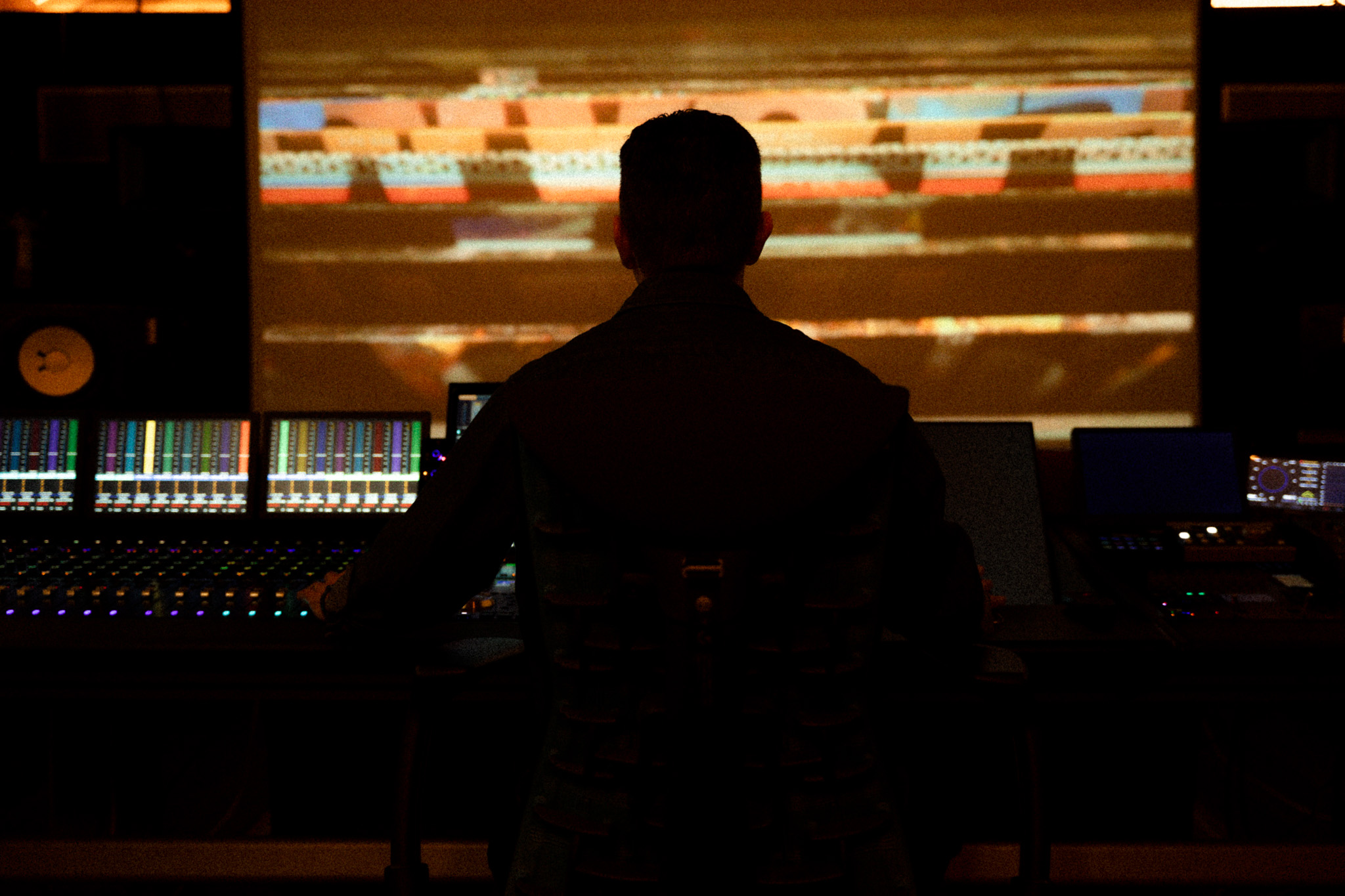
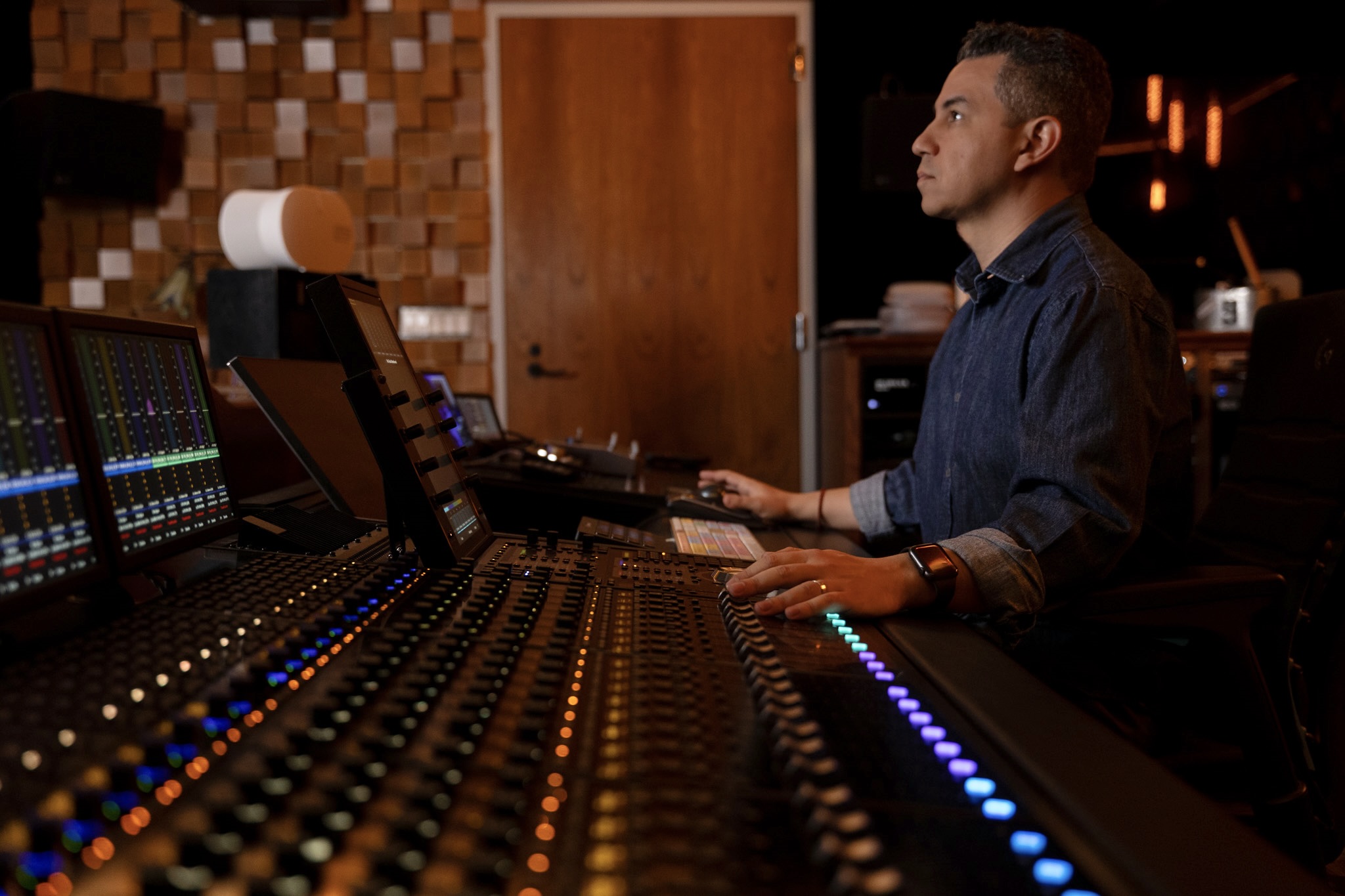
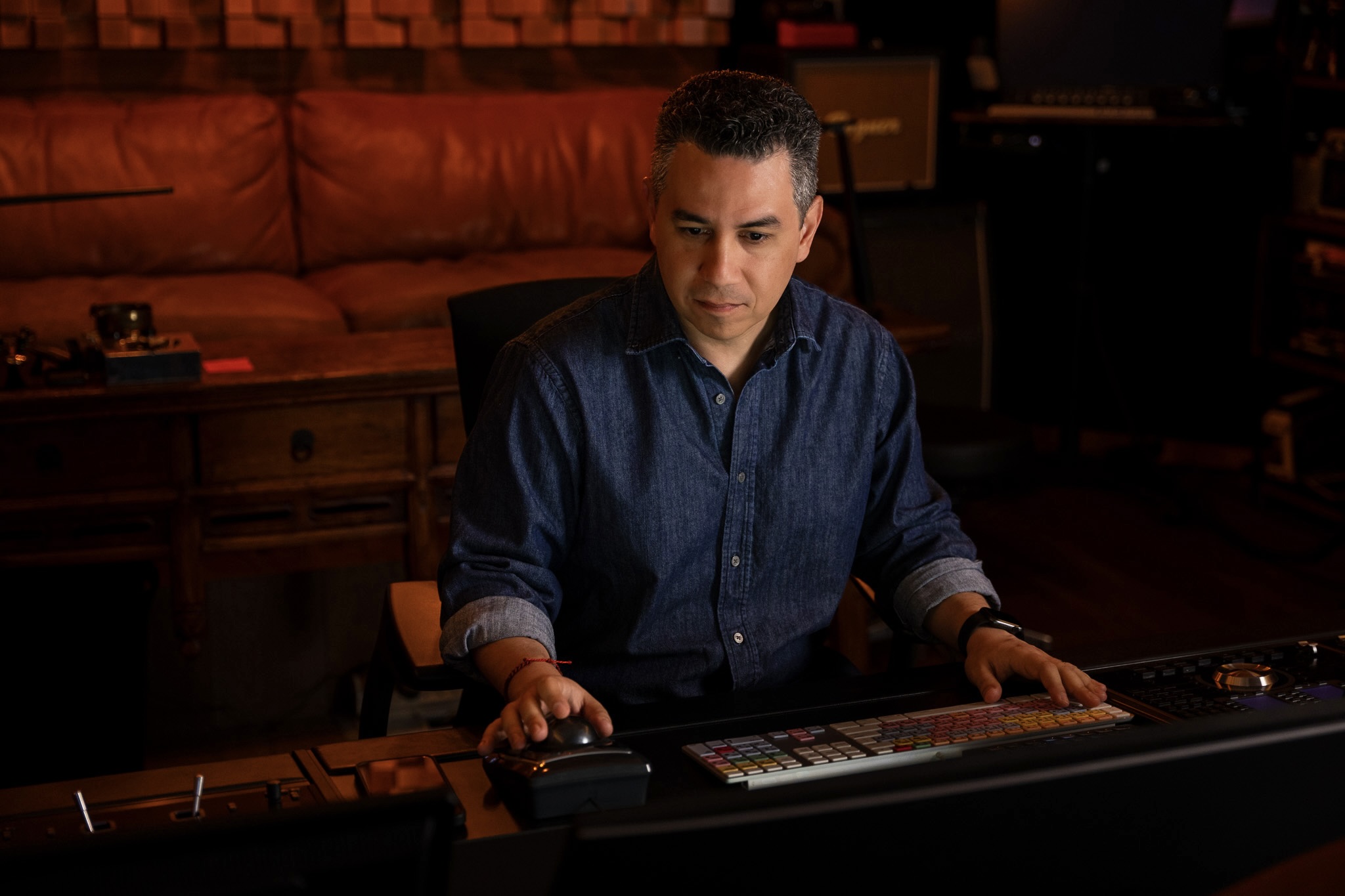
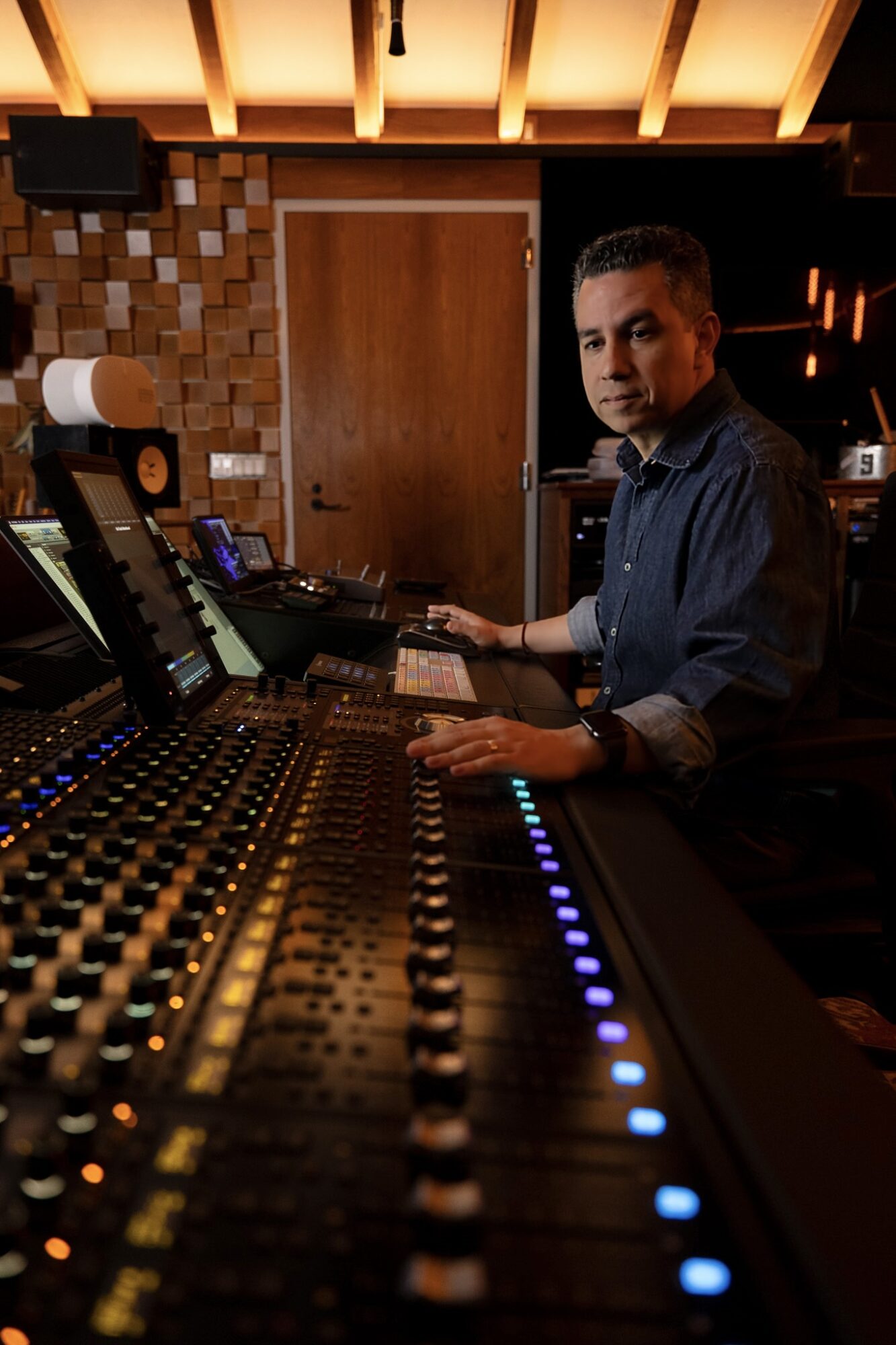
Image Credits
Jeff Perreca – Photographer
Popular
-

Portraits of the Valley
-

LA’s Most Inspiring Stories
-

Rick Norris Learned That Building a Successful Business Means Building a Life You Actually Want to Live
-

How Olivia Rush Turned Survival Into a Mission to Help Others Keep Going
-

How Bibi Goldstein Is Helping Entrepreneurs Reclaim Their Time by Embracing the Power of Delegation
-

Victoria Hasson is Redefining Voice Coaching Through Community and Collaboration


