




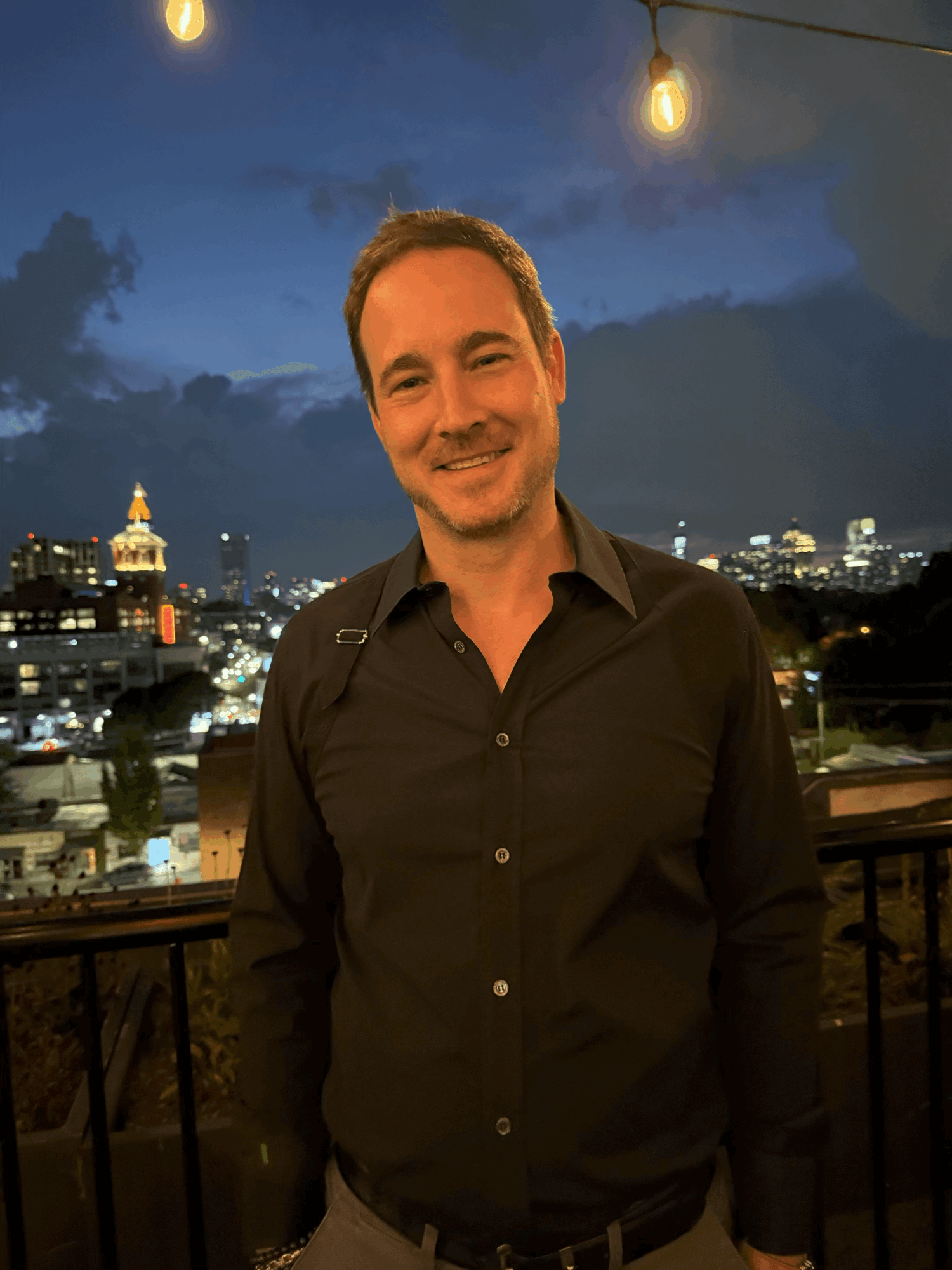
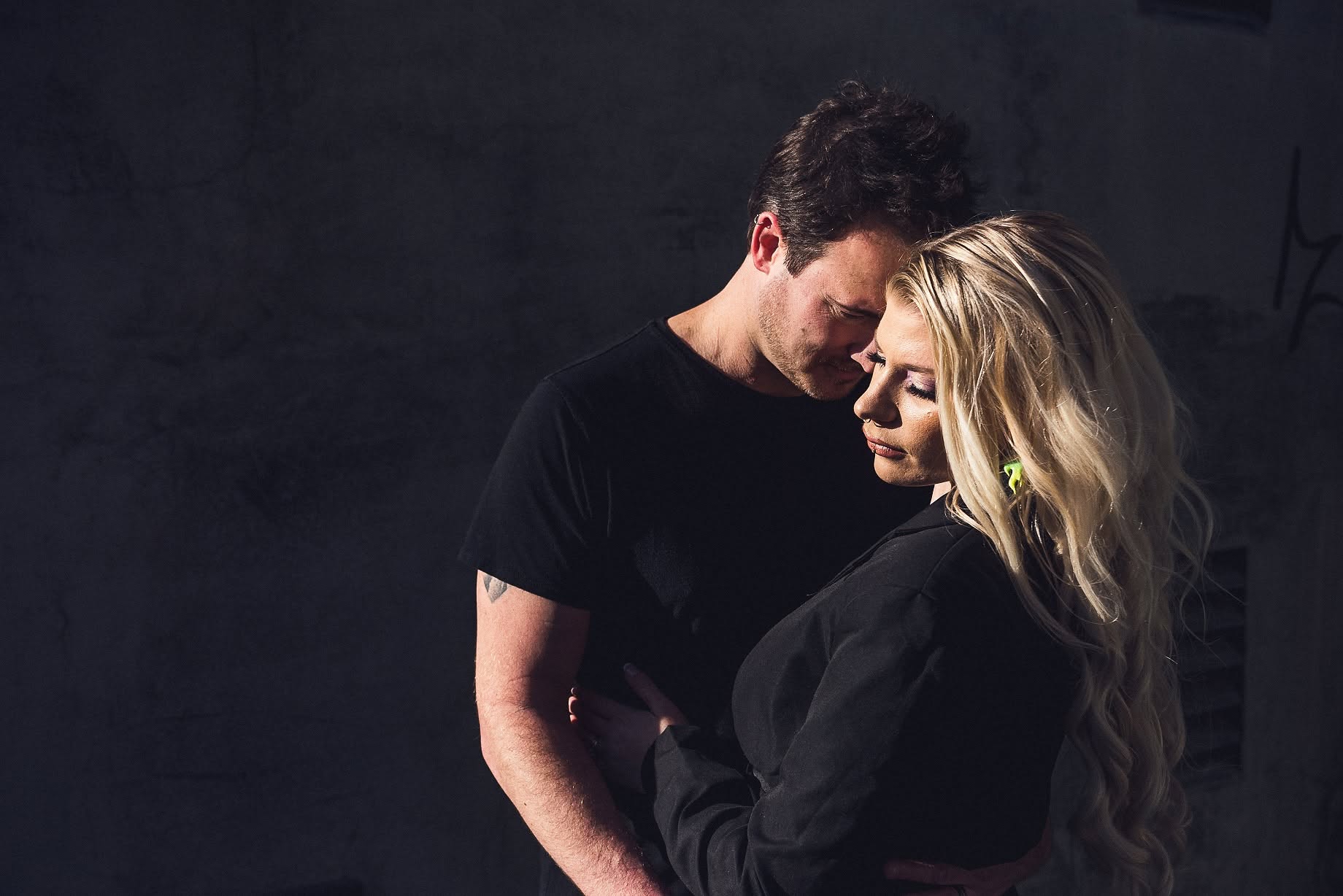
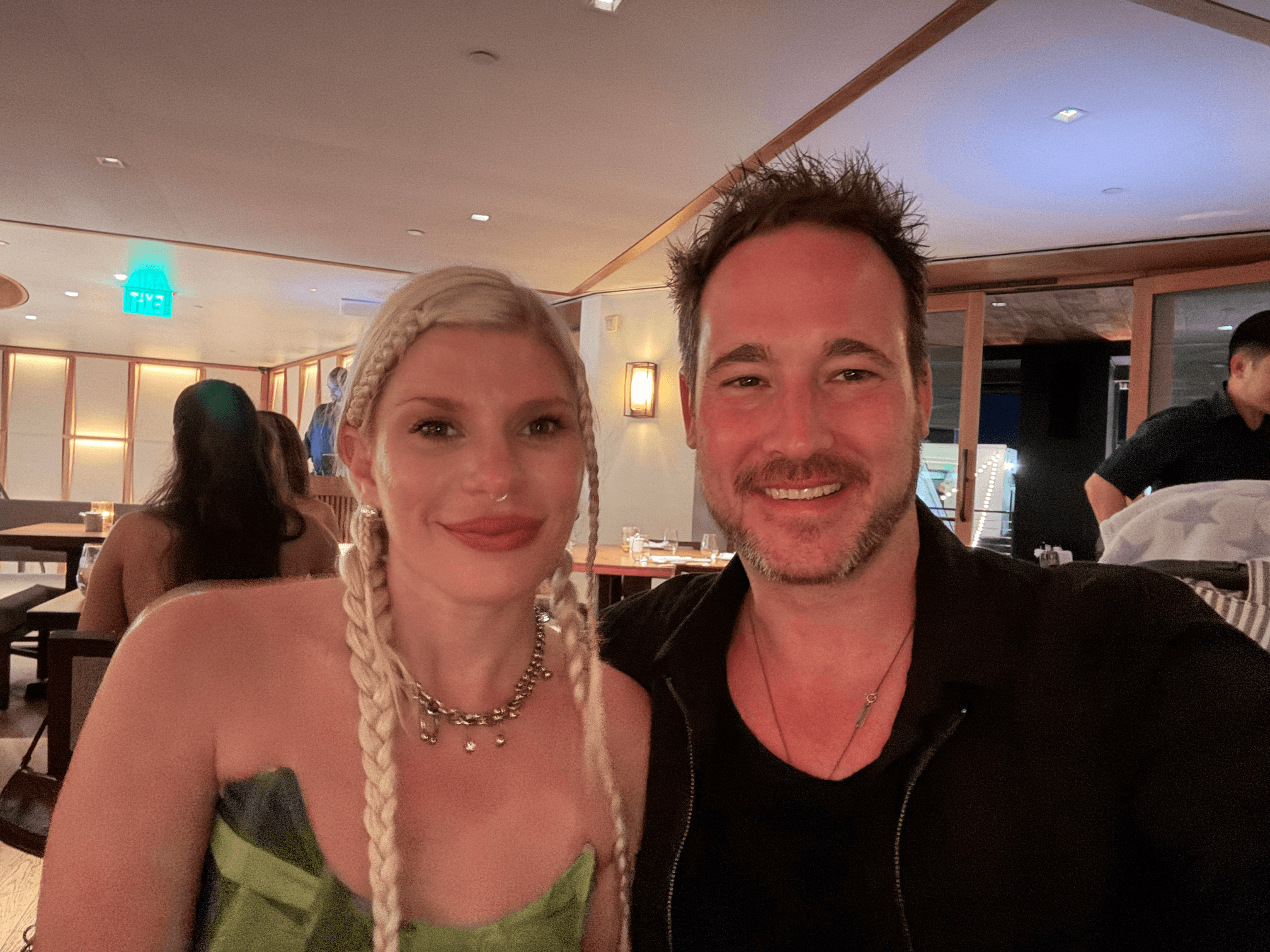
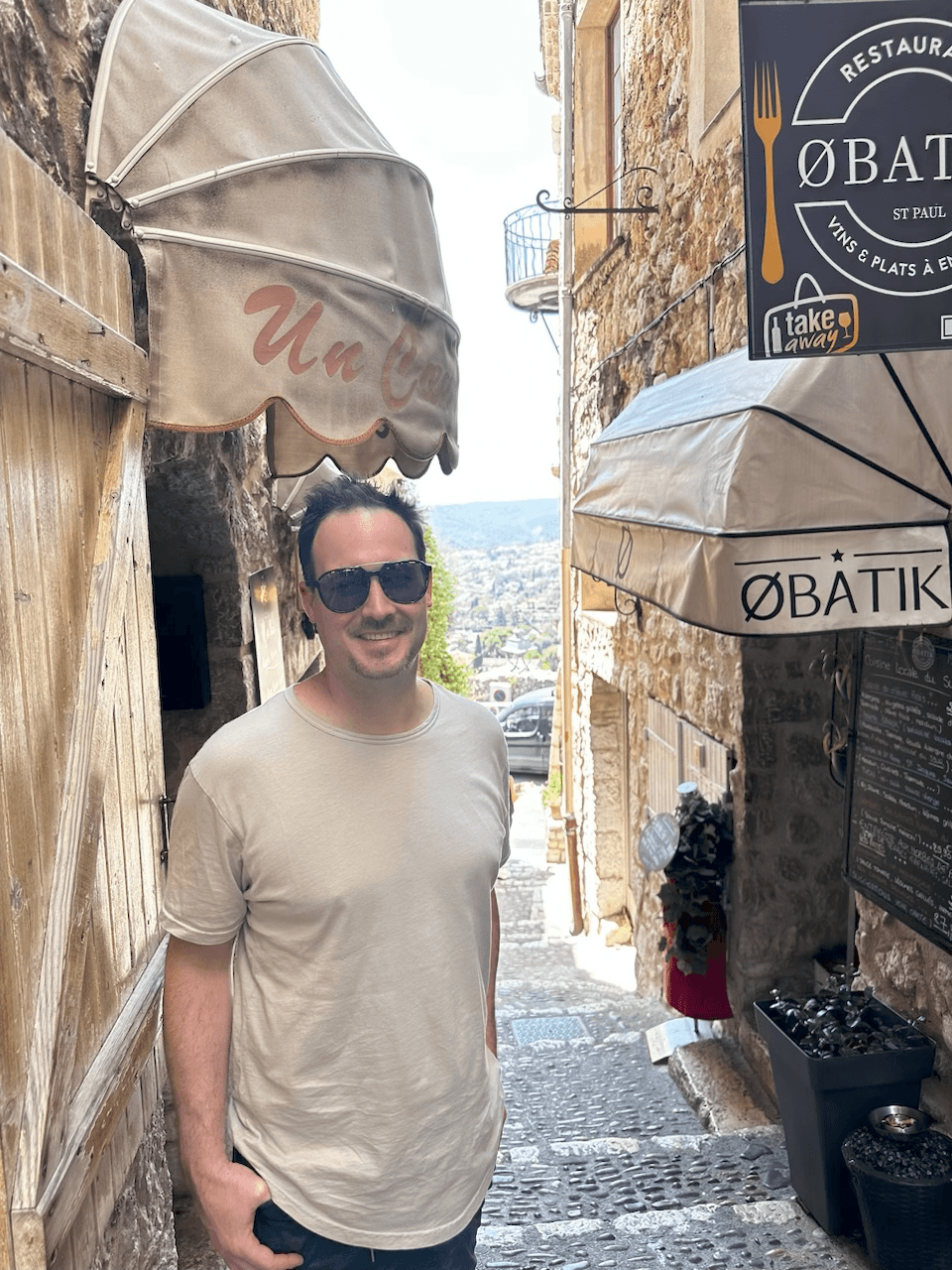
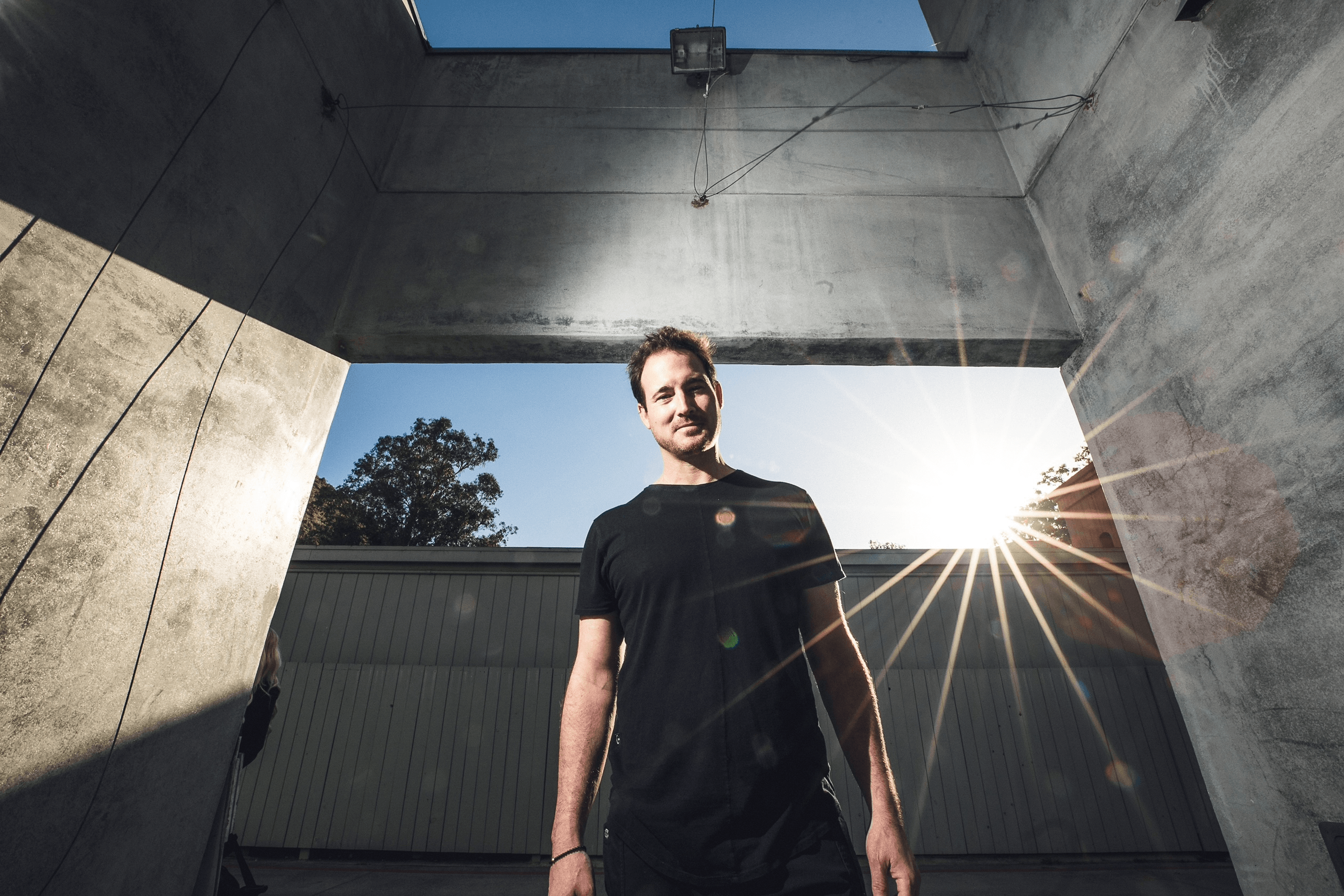
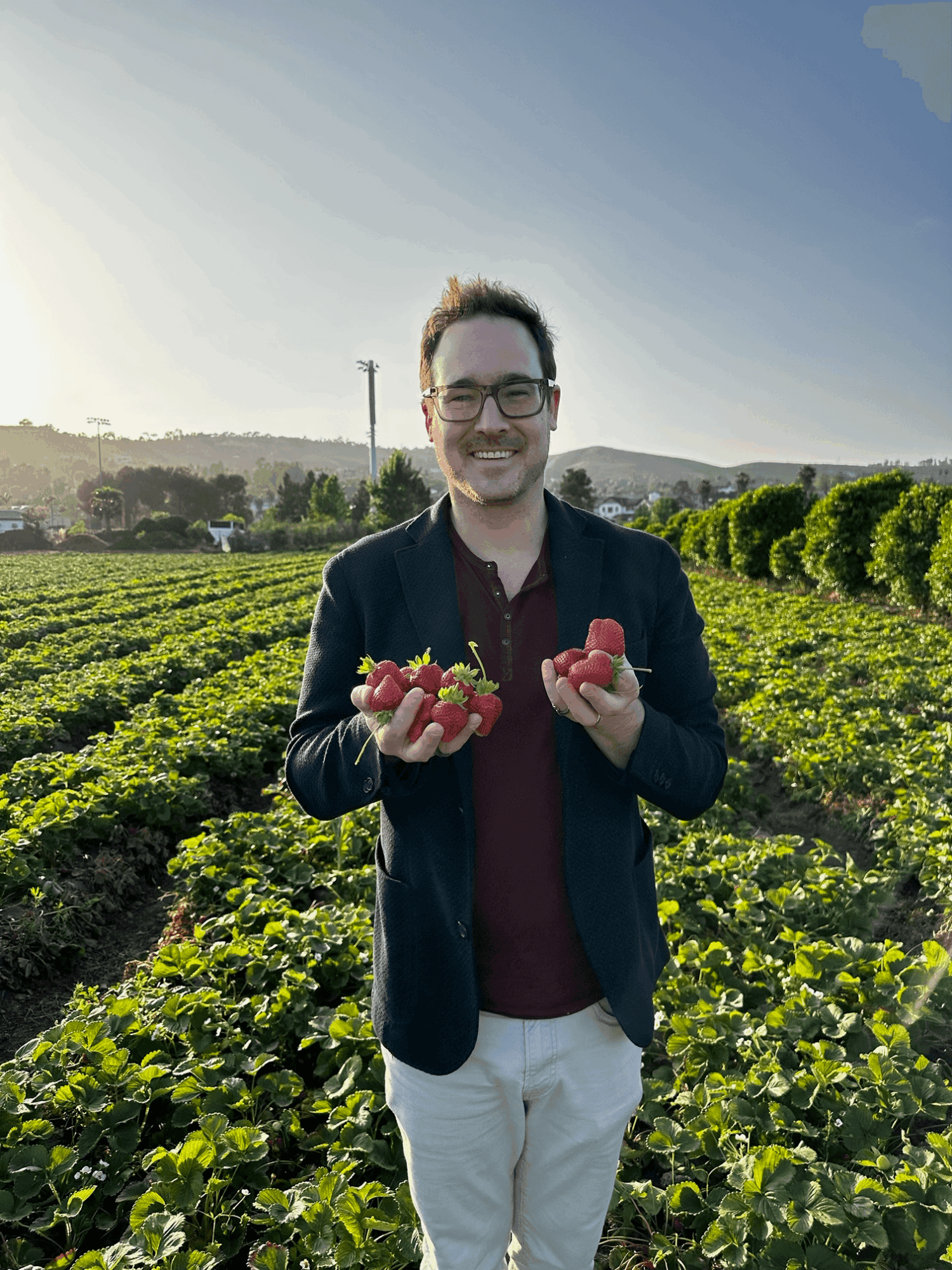
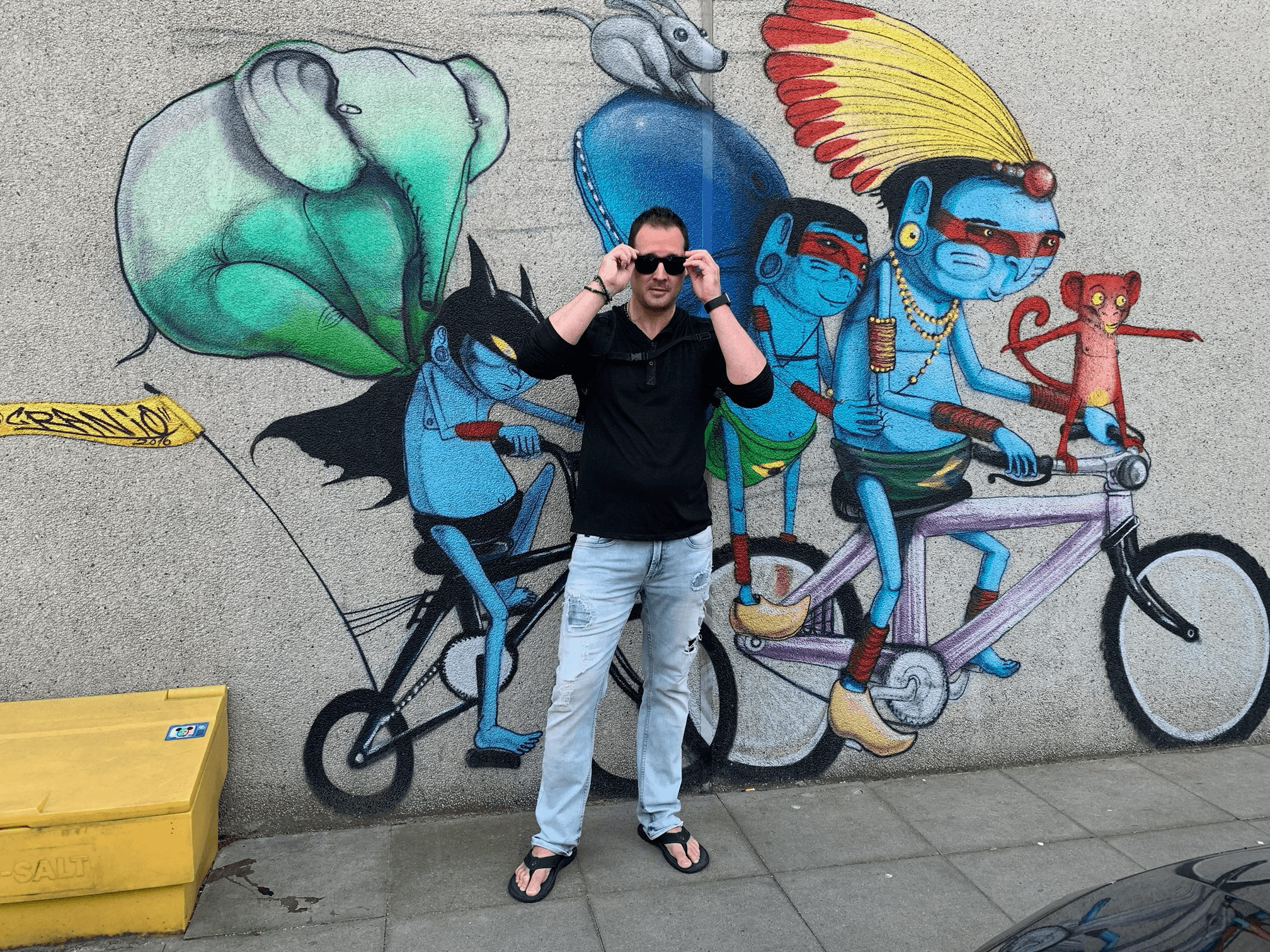
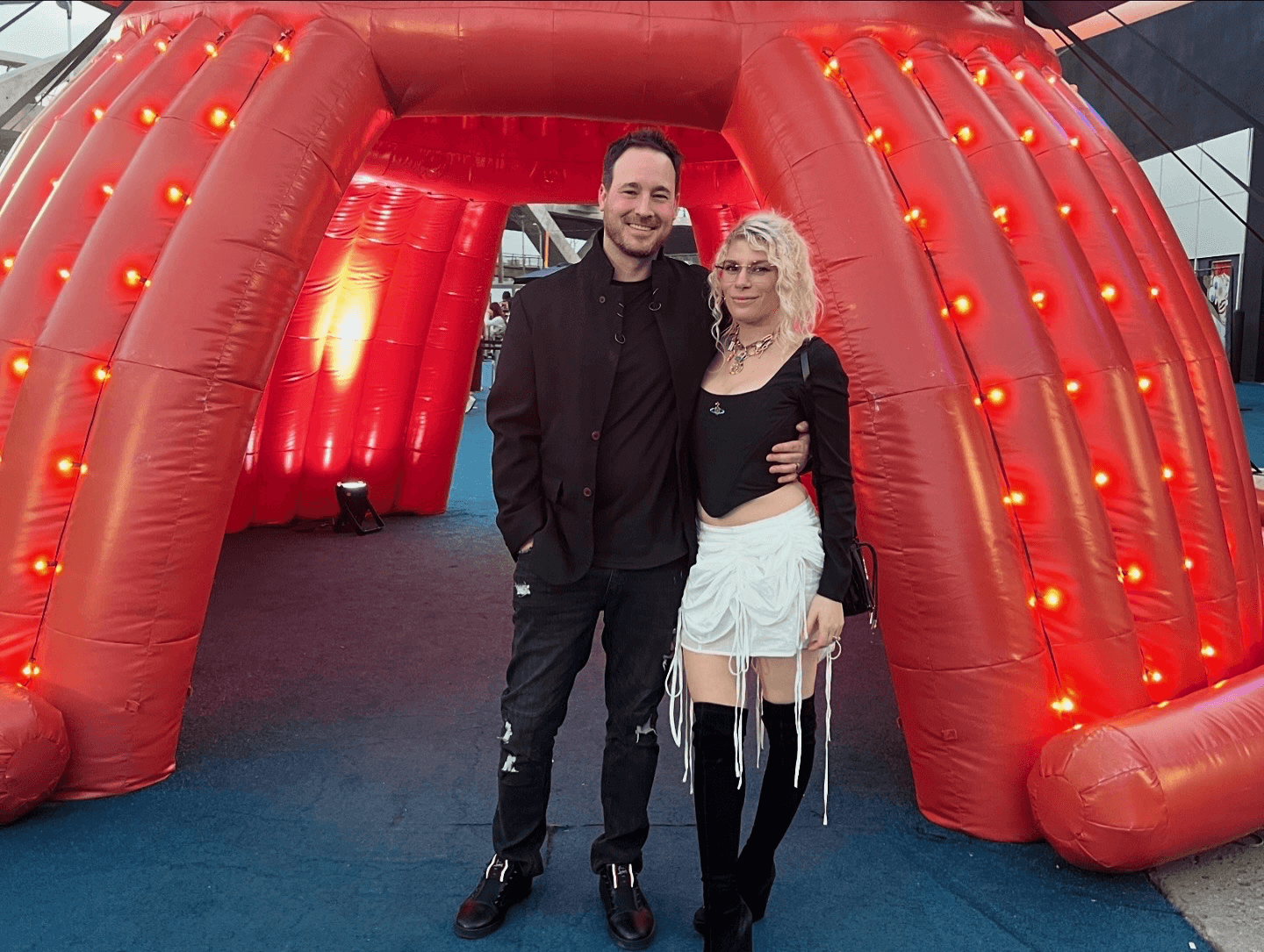
Today we’d like to introduce you to John Nicolazzo.
Hi John, please kick things off for us with an introduction to yourself and your story.
My career has been a little unconventional, but looking back, there has always been a common thread: I’ve been drawn to emerging industries, technology, and opportunities where I felt something could be built better than what existed at the time.
My professional journey really began at Foxwoods in Connecticut, where I was exposed very early to technology, security, infrastructure, and large-scale operations. I became involved in some incredibly advanced projects for that period, including Connecticut State’s first biometric security technology for Sovereign land, secure communications infrastructure, and systems that required connectivity and coordination with federal law enforcement. I was eventually sworn in as a federal operating agent, which gave me a level of responsibility at a relatively young age that shaped the way I approached business for the rest of my career.
What I learned there was much bigger than technology. Foxwoods taught me how complicated organizations operate, how different departments and systems have to work together, and how to solve problems where there isn’t necessarily an instruction manual. I think that became one of my greatest strengths as an entrepreneur: I’m very comfortable walking into something that doesn’t exist yet and figuring out how to build it.
Eventually, I left Connecticut and moved to California. That move completely changed the trajectory of my life.
California was beginning to develop a legitimate medical cannabis industry, but at the time it was extremely fragmented. Patients didn’t know where to find qualified physicians, doctors didn’t have an effective way to reach patients, dispensaries were difficult to discover, and there was almost no real technology infrastructure connecting the ecosystem.
I saw an enormous opportunity.
Around 2006, I became involved with Medical Marijuana Evaluation Centers, helping take what was initially a small group of approximately four physician offices and scale it to more than 15 locations throughout California. During that period, we grew the business from roughly $80,000–$90,000 a month in revenue to approximately $500,000 a month within a year and a half.
But what interested me most wasn’t simply opening more medical offices. I could see that the internet was going to fundamentally change the industry.
That led to the development of MarijuanaDoctors.com and the broader medical cannabis network we were creating that included over 7 different cannabis companies. The concept was to take an industry that was almost entirely offline and build a digital ecosystem around it, connecting patients with physicians and helping people navigate something that, at the time, was incredibly confusing and difficult to access.
This was long before cannabis technology became an established category. There was no blueprint for a cannabis marketplace, cannabis SEO, online patient acquisition, or many of the business models that are commonplace today. We were figuring those things out in real time.
Through that work, I became connected with the people and ideas that ultimately led to Weedmaps. I was involved in the early strategy and thinking around what Weedmaps could become and helped shape the concept of using technology to connect consumers with cannabis businesses in a much larger marketplace.
The idea was remarkably simple in hindsight: if people were already going online looking for doctors, information and access to medical cannabis, eventually they were going to want one place where they could discover the entire ecosystem.
Of course, what Weedmaps eventually became was far larger than any of us could have fully envisioned in those early days.
My career since then has continued to revolve around building and scaling businesses, particularly at the intersection of technology, marketplaces and cannabis. I’ve been an operator, entrepreneur, strategist and growth executive, and I’ve had the opportunity to work across virtually every side of the industry, from medical offices and manufacturing to distribution, retail operations (dispensaries), e-commerce, marketplaces, product, marketing, cannabis brands, and of course… technology.
Years later, my journey brought me back to Weedmaps in a senior growth leadership capacity. In many ways, that has made the story come full circle. I went from helping think through some of the earliest concepts behind connecting cannabis consumers and businesses online to eventually leading growth initiatives inside the company that became one of the most recognizable technology platforms in the industry.
Today, I still think of myself primarily as a builder of all things technology, and solution based.
Titles have never been particularly important to me. What excites me is identifying something that hasn’t been solved yet, assembling the people and technology necessary to solve it, and then figuring out how to scale it.
I’ve been fortunate enough to watch ideas that once sounded almost impossible become entire industries. And after all these years, that is still what motivates me most, the possibility that the next idea you’re working on could become something much bigger than anyone realizes at the time.
Can you talk to us a bit about the challenges and lessons you’ve learned along the way. Looking back would you say it’s been easy or smooth in retrospect?
It definitely has not been a smooth road. In many ways, some of the hardest experiences in my life have had nothing to do with business, although it was, due to the drive it gave me in wanting to be successful not for myself, but those who I;ve loved and lost and helped shape who I am today.
I’ve experienced a tremendous amount of loss in my family. I lost my sister to cancer far too young. I later lost my grandmother to cancer, and eventually my mother to cancer as well. Losing three incredibly important women in my life to the same disease changes you. It changes your relationship with time, with family, with success, and even with failure.
Those experiences taught me very early that life doesn’t necessarily happen according to the plan you have for it. You can spend years worrying about whether you’re making the perfect decision, but sometimes circumstances remind you just how limited and valuable time really is. I think that is part of the reason I’ve always been willing to take chances professionally. I’m much more afraid of looking back and wondering what would have happened if I had tried than I am of failing while trying.
Professionally, the road hasn’t exactly been easy either.
When I entered the medical cannabis industry in California around 2006, there really wasn’t a roadmap. Today cannabis is a multibillion-dollar industry with sophisticated technology companies, professional operators, investors and established brands. Back then, it was completely different.
We were trying to build legitimate businesses inside an industry that was still heavily stigmatized, misunderstood and constantly evolving from a regulatory standpoint. Banks didn’t understand it. Traditional businesses didn’t necessarily want to work with you. Technology infrastructure barely existed. Even the basic idea of using the internet to connect patients with medical cannabis physicians was something we essentially had to figure out as we went.
Building the Medical Marijuana Evaluation Centers, MarijuanaDoctors.com and the larger Medical Cannabis Network (MCN), meant learning through trial and error. There were plenty of mistakes. There were partnerships and relationships that changed. There were times when people I worked with went in different directions, times when opportunities didn’t turn out the way I expected, and times when I had to reinvent myself and start building again.
I’ve learned that entrepreneurship is rarely the straight line people see when they look back at someone’s career. From the outside, people tend to see the companies that worked, the revenue growth, the businesses that became recognizable, or something like Weedmaps becoming a major technology platform. They don’t necessarily see the uncertainty behind those moments, the ideas that didn’t work, the relationships that changed, the financial pressure, or the hundreds of decisions you make without knowing whether you’re right.
There have been several points in my life where I’ve essentially had to start another chapter from scratch.
But I think those chapters are also what made me a better entrepreneur and a better leader.
I’ve learned that I’m probably at my best when things aren’t completely figured out. Give me a problem where there isn’t a blueprint, where everyone says something can’t be done, or where an industry is changing faster than people can understand it, and that’s usually where I become the most motivated.
Most importantly, losing the people I’ve lost has given me perspective.
Business is important to me. Building things is important to me. Winning is important to me. But none of it matters very much if you don’t understand why you’re doing it and who you’re doing it for.
The difficult parts of my life taught me resilience, but they also taught me urgency. There is no guarantee that the perfect time is ever going to arrive. Sometimes you have to build the company, make the move, take the risk, tell people you love them, and live the life you want while you have the opportunity to do it.
That’s probably the biggest lesson the road has taught me
Thanks – so what else should our readers know about your work and what you’re currently focused on?
At my core, I’m an entrepreneur, operator and builder. My specialty has always been taking complicated or emerging industries, identifying where the opportunity is before it becomes obvious, and then figuring out how to build the infrastructure, technology and business strategy around it.
Throughout my career, I’ve worked across technology, digital marketplaces, cannabis, e-commerce, manufacturing, distribution, marketing and growth. I’ve worn almost every hat you can wear in a business, from building companies from the ground up to operating established organizations, developing technology strategies, scaling revenue, building teams and creating systems that allow companies to grow.
What I’m probably best known for is seeing things early.
Early in my career at Foxwoods, I was working with sophisticated technology, security infrastructure and biometric systems at a time when much of that technology was still relatively new. When I moved to California and entered the medical cannabis industry around 2004, I recognized very quickly that cannabis wasn’t just going to become a major industry, it was eventually going to need an entire technology ecosystem built around it.
At that time, nearly everything was disconnected. Patients needed doctors. Doctors needed patients. Consumers needed information. Dispensaries needed customers. Businesses needed technology and marketing. There wasn’t an established digital infrastructure connecting all of those pieces.
That became a huge part of my work.
I helped scale Medical Marijuana Evaluation Centers from a handful of physician offices into more than 15 locations and helped grow monthly revenue from approximately $80,000–$90,000 to around $500,000. From there came MarijuanaDoctors.com and a much larger vision for creating a digital medical cannabis network.
Those experiences eventually put me in the middle of the ideas and conversations that helped shape the early foundation of Weedmaps. What started as an opportunity to help people find information and access medical cannabis ultimately became part of a much bigger idea: using technology to connect consumers, dispensaries, brands and the entire cannabis marketplace.
Watching that concept evolve into what Weedmaps ultimately became has been one of the more meaningful parts of my professional life.
What’s especially interesting to me is that my journey eventually came full circle. Years after those early days, I returned to Weedmaps in a senior growth leadership role, working on the company from an entirely different perspective. Instead of helping think through an emerging marketplace, I was now helping scale an established technology platform, working across growth strategy, SEO, paid media, lifecycle marketing, product, data, technology, and eventually… going Public!
I’ve also spent years on the operating side of the cannabis industry through West Coast Cure, which gave me a very different perspective. Building technology for an industry is one thing; actually operating businesses inside that industry, manufacturing products, distributing them, building brands and dealing with the realities of regulation, margins, retailers and consumers, teaches you things that you simply can’t learn from the outside.
I think that combination is a big part of what sets me apart.
I’m not purely a technologist. I’m not purely a marketer. I’m not purely an operator. And I’m not someone who has only looked at businesses through spreadsheets or presentations.
I’ve actually built them.
I’ve been on the technology side, the consumer side, the marketplace side, the manufacturing side and the executive side. Because of that, when I look at a problem, I tend to see the entire system rather than one department or one metric.
I’m also extremely comfortable with ambiguity. Some people work best when there is a playbook. I’ve spent most of my career working in situations where the playbook hadn’t been written yet.
Give me a mature business with ten competitors doing essentially the same thing and I’ll find it interesting. Give me an industry that is changing rapidly, where nobody really knows what the business model is going to look like five years from now, and that’s where I really come alive.
I’m most proud of the things I’ve helped create that were bigger than any one individual.
Being involved in the early development of the medical cannabis ecosystem, helping build MarijuanaDoctors.com, contributing to the thinking that helped shape Weedmaps, building and operating companies, creating jobs, developing teams and watching ideas that once seemed unconventional become legitimate industries, that’s incredibly rewarding.
But I’m equally proud of the people I’ve helped develop along the way.
As I’ve gotten further into my career, I’ve realized that success isn’t only about what you personally accomplish. It’s also about whether the people who worked with you are better because of the experience. Some of the things I’m most proud of aren’t companies or revenue numbers; they’re watching people I’ve mentored step into bigger roles, become leaders and build things of their own.
If I had to summarize what sets me apart, I would say it’s the combination of vision and execution.
I’ve always been able to see what something could become, but I’m not satisfied just talking about the idea. I want to understand how we’re going to build it, how we’re going to acquire customers, how the technology works, where the revenue comes from, what the operational problems will be, who needs to be on the team and how we’re going to scale it.
Ideas are exciting. Building them is what I love.
Are there any important lessons you’ve learned that you can share with us?
The most important lesson I’ve learned is that nothing is permanent, not success, not failure, not relationships, not opportunities, and unfortunately, not even the people we love.
That realization has shaped almost every part of my life.
I’ve had periods in my career where everything seemed to be moving in the right direction and other periods where I’ve had to completely rethink what came next. I’ve been part of businesses that grew rapidly, ideas that became much bigger than I originally imagined, partnerships that changed, opportunities I walked away from, and situations where I had to essentially start over.
Earlier in my life, I probably viewed those moments very differently. I wanted everything to go according to plan.
Eventually I learned that the plan is rarely the important part. Your ability to adapt when the plan changes is.
Some of the biggest opportunities of my life came from situations I could never have predicted. Moving from Connecticut to California changed everything for me. Entering medical cannabis when most people didn’t consider it a legitimate industry changed everything again. The relationships and ideas that ultimately lead me to that “great idea” came from being willing to step into something that was uncertain and to figure it out along the way.
At the same time, losing my sister, my grandmother and my mother to cancer gave that lesson a much deeper meaning
.
Those losses taught me that time is probably the most valuable thing any of us have, and it’s the one thing you can never earn back.
You can rebuild a company. You can make more money. You can recover from a bad business decision. You can change careers. You can start over.
You can’t create more time.
Because of that, I’ve learned to place a lot more value on the people around me, the relationships I’ve built, and whether I’m actually spending my life doing something meaningful to me and the betterment for those around me.
I’ve also learned not to let failure define you, or success, for that matter.
Success can make people believe they have everything figured out, and failure can make them believe they have nothing figured out. Neither is usually true. Both are temporary.
The important thing is to keep learning, remain humble enough to change your mind, surround yourself with people who challenge you, and keep moving forward.
One of the biggest lessons entrepreneurship has taught me is that you don’t have to know every step before you take the first one. Almost everything meaningful I’ve ever helped build started with more questions than answers.
Sometimes you just have to believe strongly enough in where something could go, take the first step, and be willing to solve the problems as they appear.
If I could give my younger self one piece of advice, it would probably be this:
Don’t spend so much time worrying about whether you’re making the perfect decision. There usually isn’t one. Make the best decision you can with the information you have, commit to it, learn from what happens next, and never be afraid to change direction.
Life moves much faster than you think.
Build things you’re proud of. Take the chances that matter. Keep good people close. Tell people what they mean to you while you still can.
Everything else can usually be figured out.
Contact Info:
- Instagram: https://www.instagram.com/johnnicolazzo/
- Facebook: https://www.facebook.com/johnnicolazzo
- LinkedIn: https://www.linkedin.com/in/john-nicolazzo/
- Twitter: https://x.com/JohnBNicolazzo
- Other: https://hightimes.com/culture/weed-people-john-nicolazzo/

Popular
-

LA’s Most Inspiring Stories
-

Portraits of the Valley
-

Rick Norris Learned That Building a Successful Business Means Building a Life You Actually Want to Live
-

How Olivia Rush Turned Survival Into a Mission to Help Others Keep Going
-

How Bibi Goldstein Is Helping Entrepreneurs Reclaim Their Time by Embracing the Power of Delegation
-

Victoria Hasson is Redefining Voice Coaching Through Community and Collaboration


