





Today we’d like to introduce you to Homare Yasuda.
Hi Homare, so excited to have you with us today. What can you tell us about your story?
I first started taking dance classes in Osaka, Japan, when I was around five years old. I started with jazz and eventually explored hip-hop, tap, capoeira, and house. By the time I was 10, I was looking forward to my Friday night house classes every week.
Looking back, I realize how much of a privilege it was to be able to take trains by myself or bike to dance studios as a kid—something that feels almost unimaginable growing up in the States. Dance was such a big part of my childhood. I was involved in several teams where I choreographed, performed, and competed throughout my childhood and into my early teens.
Eventually, I took a hiatus from the competitive dance scene due to burnout and a difficult family situation. Deep down, I always knew I wanted to find my way back to dance, but at the time, I wasn’t brave or confident enough to put myself back out there.
After graduating from Shijonawate High School, I relocated to San Diego to fulfill my long-awaited dream of studying abroad, with the support of both of my parents. Long story short, I eventually fell back in love with house dance and house music here in the States.
That experience completely changed the way I saw dance. What started as something I loved as a child became a way for me to reconnect with myself, find community, and experience a sense of freedom and release. Now, I’m on a personal mission to share that same joy with others through dance—to create spaces where people can let go, connect with themselves and one another, and simply feel free to move.
I’m sure it wasn’t obstacle-free, but would you say the journey has been fairly smooth so far?
Cultural differences were one of the biggest obstacles for me when building relationships in LA. Dancing purely brings me joy, and the sense of community really helped me feel included and seen, but verbal communication was not always easy when it came to deepening those friendships. I wasn’t really trained to speak out about my feelings or needs, and that sometimes led to miscommunication. In the end, blaming myself was always an easy way out. Luckily, I was also able to find a therapist who has helped me navigate a lot of the hardships that come with being an immigrant artist in LA. Having someone to help me process these experiences has been really valuable, especially as I’m learning to give myself more grace.
As for dancing, there are challenges everywhere! One that I’ve experienced is finding my place as a female house dancer in the LA house community. House dance has historically been a male-dominated space in many places, and stepping into battles as a woman can sometimes feel like I have to work harder to prove that I belong. There have been moments when I’ve questioned whether I was individual enough, musical enough, or passionate enough to stand my ground in a circle surrounded by dancers I really respect.
Even though the competitive environment has made me a better dancer, over time, I’ve realized that I don’t want to dance just to prove that I can compete with someone else. I want to dance because I genuinely love the music and the feeling of moving to it. I’ve learned that I have my favorite rounds when I’m truly enjoying myself rather than worrying about how I’m being perceived. That mindset has helped me become more confident—not only as a dancer, but as a woman finding her own voice within the community.
Another challenge I’ve become more aware of is navigating cultural appropriation as someone who came into this culture as a guest. House dance has a deep history and was created by Black and Brown queer communities, and I have a lot of respect for the pioneers who built this culture and made it possible for people like me to experience it today. I sometimes struggle with the responsibility of learning how to participate in and represent this culture respectfully, especially as I become more visible as a teacher.
For me, learning the history is just as important as learning the movement. I don’t want to simply pass down steps without understanding where they came from or the people and communities who created them. As I continue to learn, I feel a responsibility to honor the pioneers, give credit where it’s due, and share that knowledge with the younger generation alongside the dance itself. I know I’ll always be a student of this culture, and I think staying curious, respectful, and willing to learn is an important part of that journey.
Thanks – so what else should our readers know about your work and what you’re currently focused on?
I currently teach house dance throughout LA and OC, including classes at Movement Lifestyle, Offstage, AIV, as well as private lessons. Since I originally trained in house dance in Japan, I really enjoy sharing the technical aspects of the dance—the details of the steps, how they connect to the music, and the foundation behind the movement.
Soulful house is my favorite genre of house music because I love the uplifting feeling it gives me when I dance. Because of that, I usually build my classes around soulful house. I want people to not only learn the steps, but also understand how good it feels to move with the music and express themselves through it.
Something that’s especially important to me as a teacher is keeping the social aspect of house alive, even within a class setting. House dance comes from a culture of community, exchange, and dancing with one another, so I don’t want my classes to feel like we’re simply learning choreography and then going home. I encourage students to interact, freestyle, and share energy with each other. For me, teaching house is not just about passing down steps—it’s about creating an environment where people can connect with the music, with each other, and ultimately with themselves.
Where we are in life is often partly because of others. Who/what else deserves credit for how your story turned out?
First of all, I want to thank my parents for their support when I first moved to CA. I wouldn’t have been able to pursue that dream without them.
I’ve also been incredibly blessed to meet so many supportive people in both SD and LA. I’m especially grateful to my friend Tony Ray in San Diego for introducing me to the LA house community. I also want to thank Ray Basa for encouraging me to start teaching in LA and believing in me as a teacher.
I’m grateful to everyone in the LA house scene who has welcomed me, supported me, and helped create a space where I can continue to grow. I especially want to acknowledge Jesse for holding space for us as a female dancer in the community and being someone I can look up to. And of course, thank you to every single person who has taken my classes and trusted me enough to learn and dance with me.
I also want to show my appreciation to the New Style Hustle LA community for consistently hosing those random sessions.
I’m also very grateful to Ikumi, the owner of AIV Dance Studio, for trusting me and giving me a space to share my dance.
And last but certainly not least, I want to thank my house dad, Ejoe Wilson, for this dance. I’m deeply grateful for everything I’ve learned through house dance and for the people and experiences it has brought into my life. I wouldn’t be the dancer, teacher, or person I am today without this community.
Contact Info:
- Instagram: https://www.instagram.com/homare.yasuda/
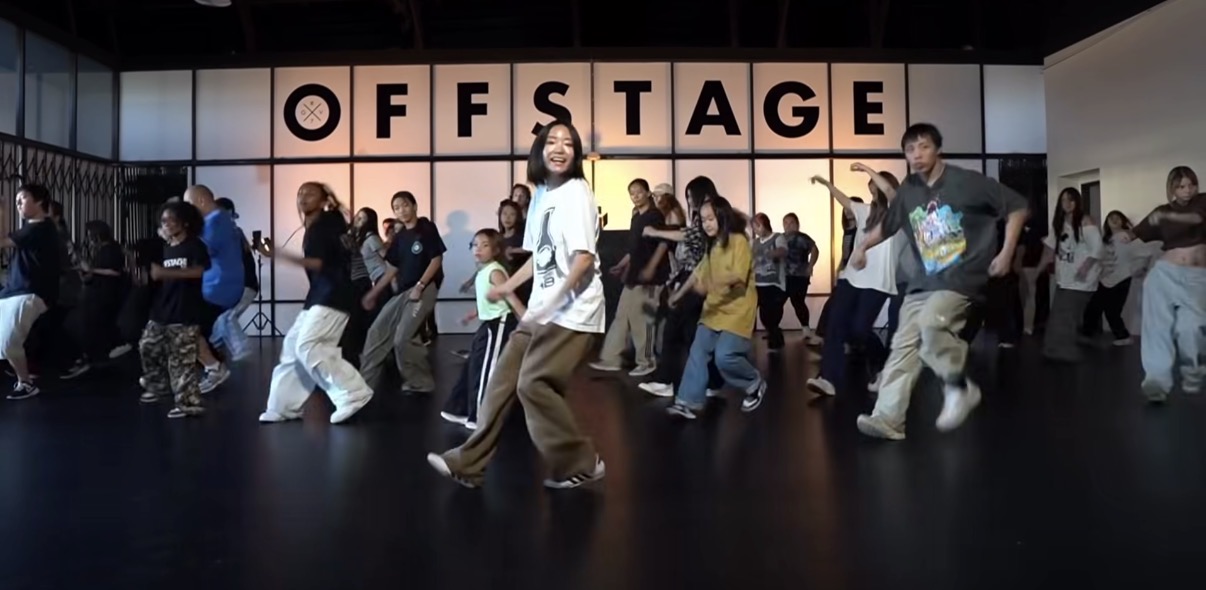
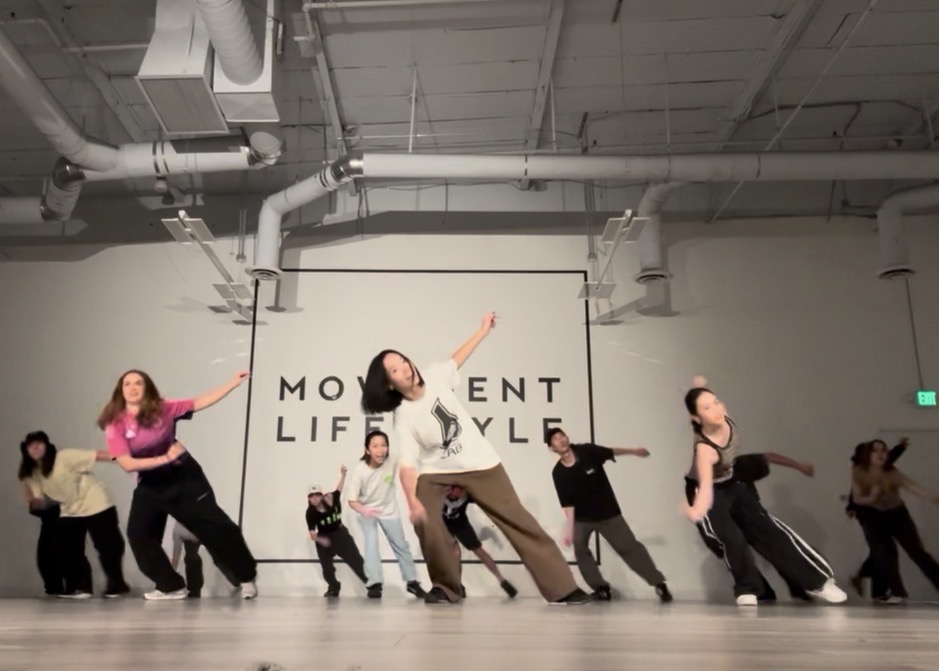
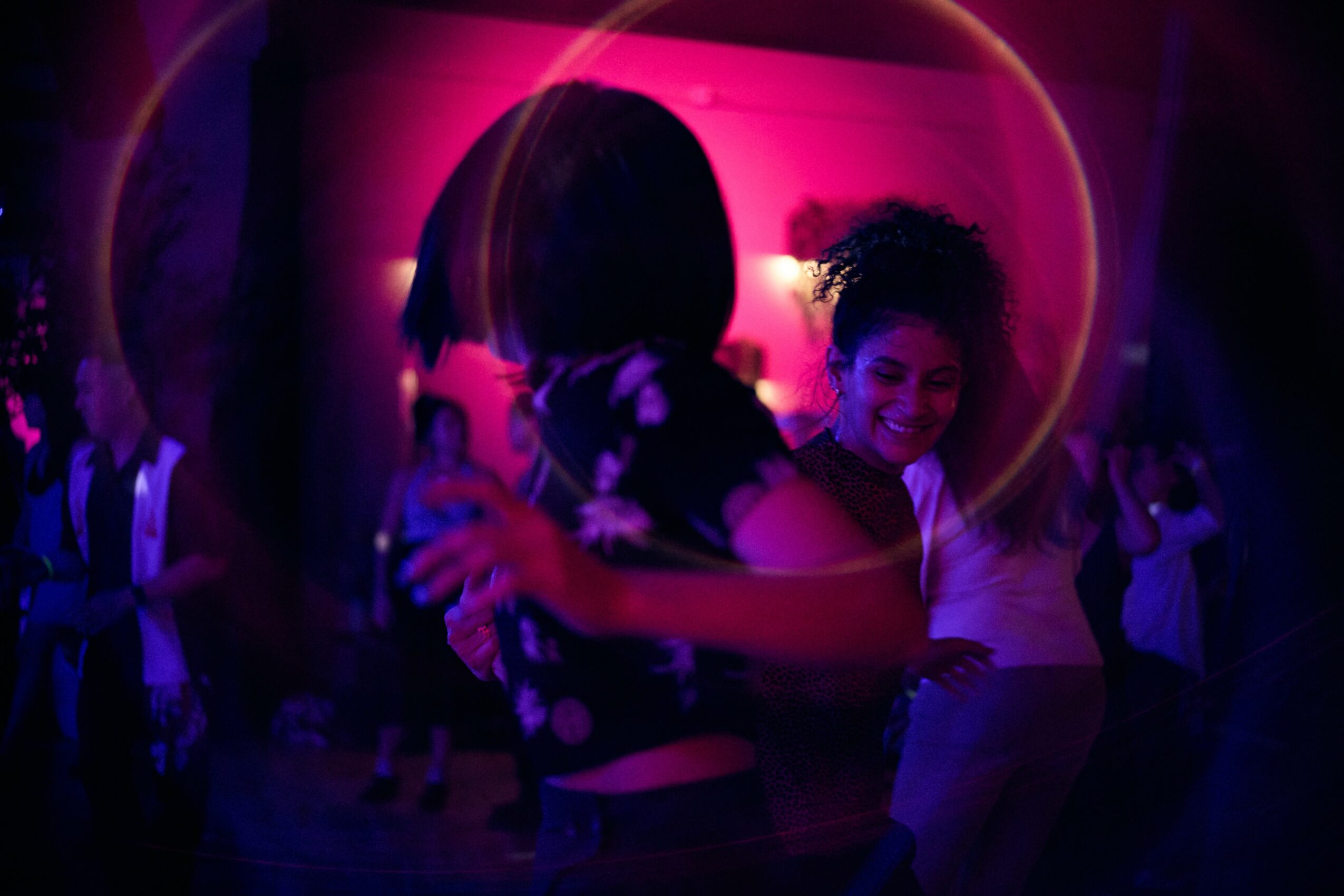
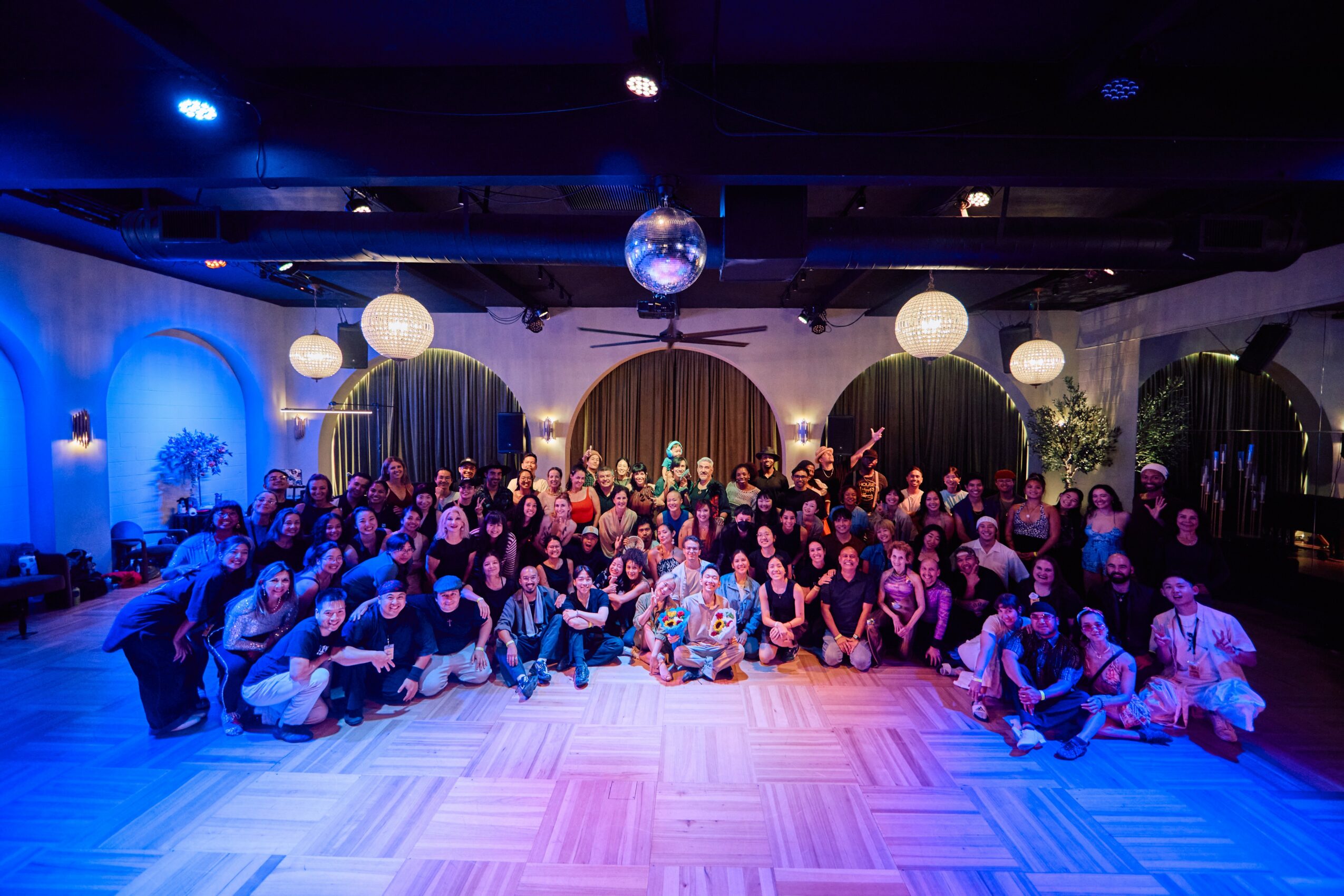

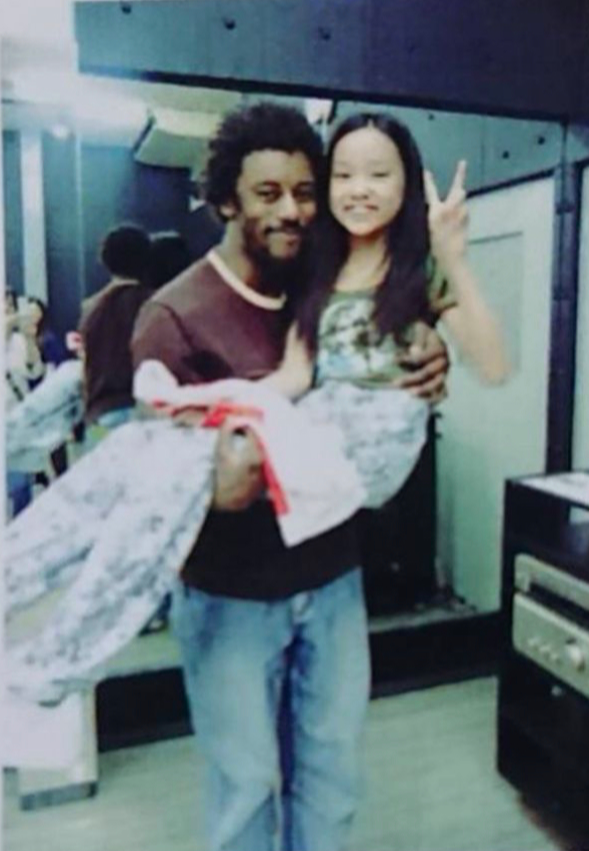
Image Credits
Miles Caliboso
Brandon Hoang
Popular
-

Portraits of the Valley
-

LA’s Most Inspiring Stories
-

Rick Norris Learned That Building a Successful Business Means Building a Life You Actually Want to Live
-

How Olivia Rush Turned Survival Into a Mission to Help Others Keep Going
-

How Bibi Goldstein Is Helping Entrepreneurs Reclaim Their Time by Embracing the Power of Delegation
-

Victoria Hasson is Redefining Voice Coaching Through Community and Collaboration


