




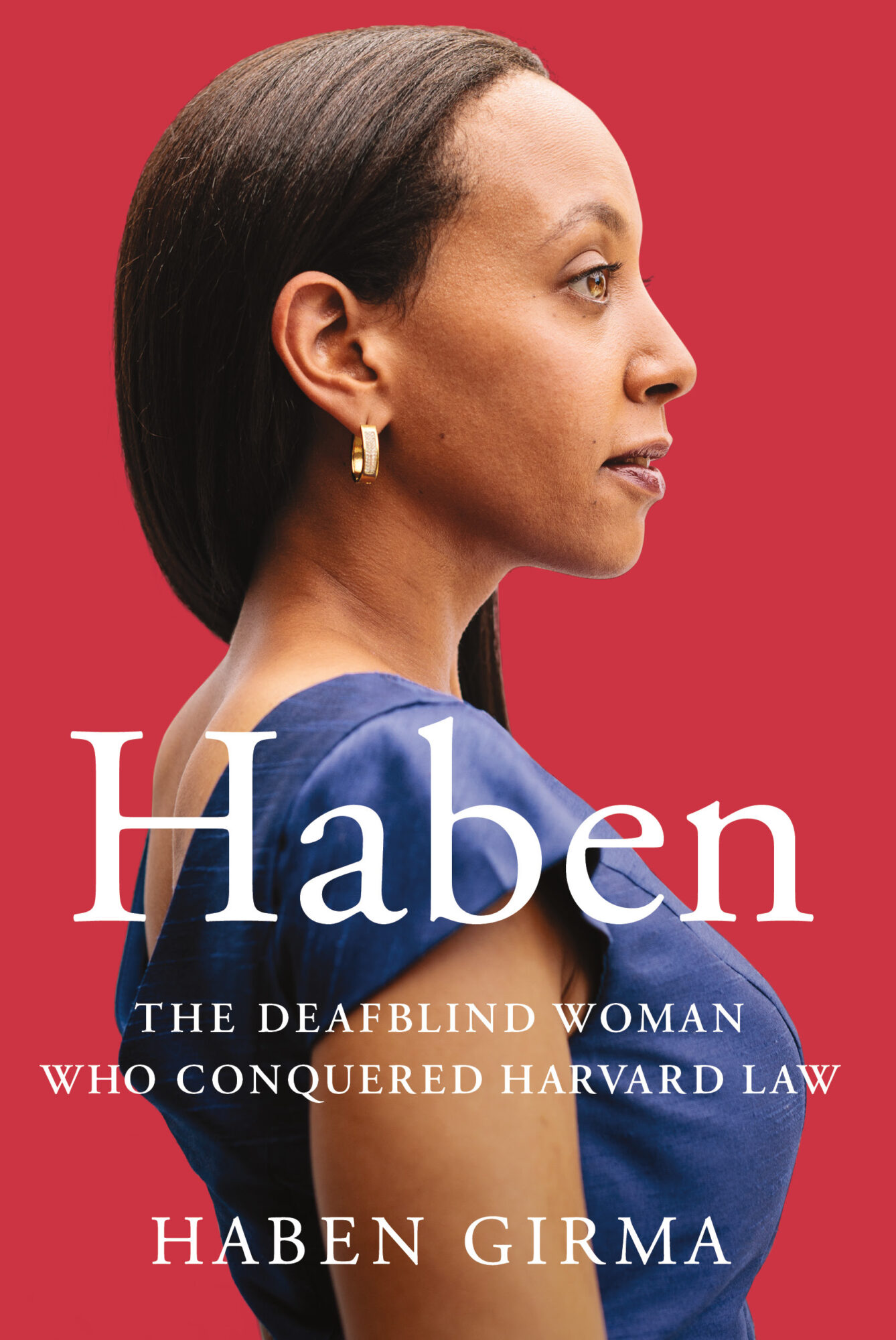
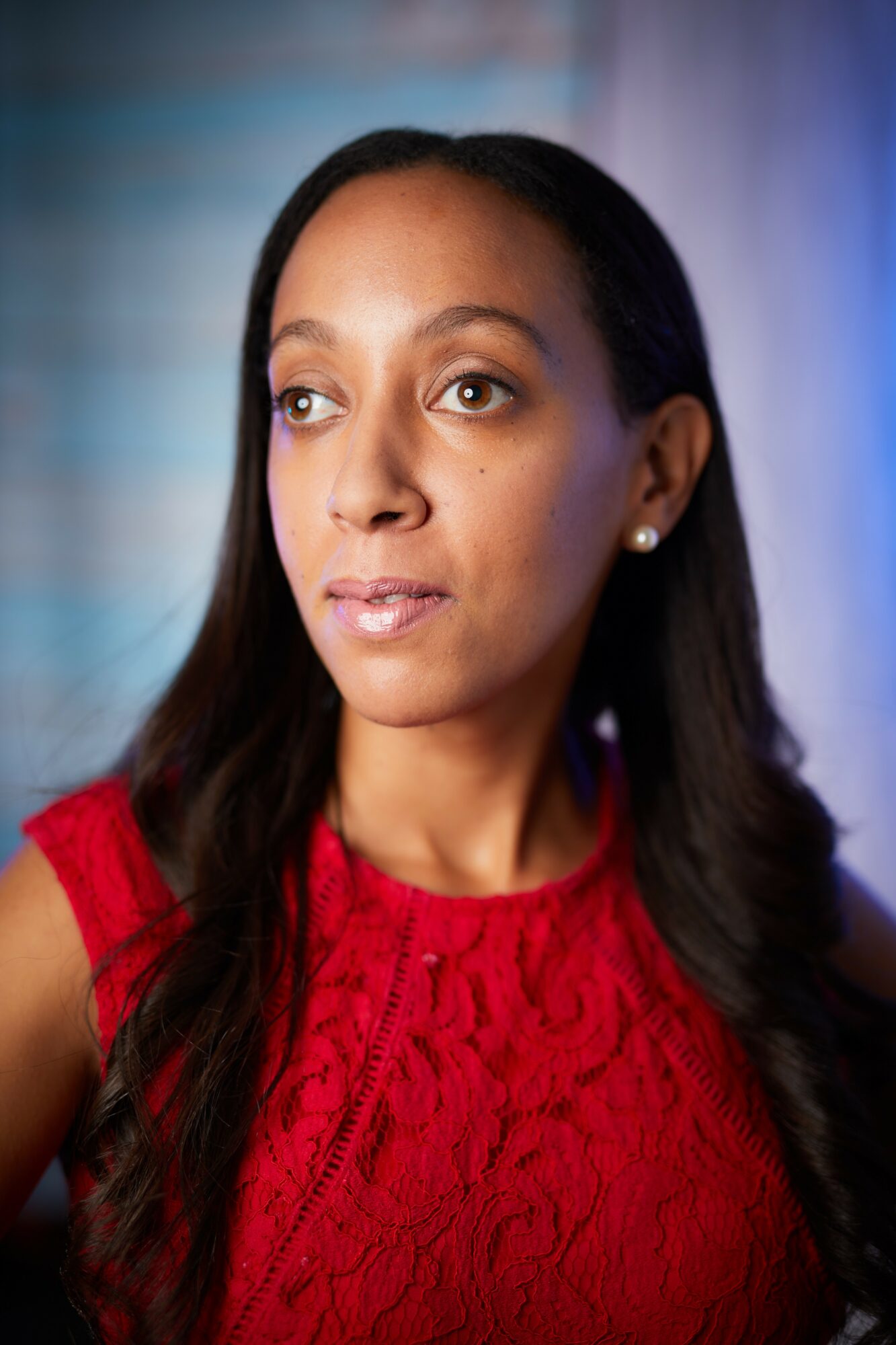
Today we’d like to introduce you to Haben Girma.
Alright, so thank you so much for sharing your story and insight with our readers. To kick things off, can you tell us a bit about how you got started?
I entered Harvard Law School as its first Deafblind student. Harvard didn’t know exactly how a Deafblind student would succeed, and honestly, neither did I. Without having all the answers, we pioneered our way using assistive technology and high expectations.
I now travel the globe teaching organizations how to build stronger, more resilient, and more connected communities. In my keynotes, I transform experiences with ableism into anecdotes that deliver insights, build connection, and even spark laughter. Powerful stories are another form of advocacy, which is why I published the book Haben: The Deafblind Woman Who Conquered Harvard Law. Reading Braille allowed me to narrate the audiobook as well. In 2026, France appointed me a Knight of the Order of Arts and Letters for my global advocacy for Braille.
Would you say it’s been a smooth road, and if not what are some of the biggest challenges you’ve faced along the way?
Deafblindness is not my biggest barrier. My biggest barrier is ableism.
During my first semester at Harvard Law School, we had a networking event where students could meet attorneys and learn about job opportunities. I was standing near the center of the room with my Braille computer on the table, and across from me my interpreter was typing what she could see and hear. I introduced myself to one of the lawyers, but he chose to talk to my interpreter instead.
“What a beautiful dog! Does the dog go to class with her? That must be a smart dog.”
I gently explained that my interpreter was transcribing everything he said and I was reading it in Braille because I am Deafblind. After showing him the Braille computer and keyboard, I invited him to try typing.
Again, he wouldn’t talk to me. He turned to my interpreter and said, “I’ve enjoyed watching you two — tell her she’s very inspiring.”
Yet he was not inspired to offer me a job. When nondisabled people are nervous, they often call disabled people inspiring, and it can be a mask for pity. It’s like saying, “I’m inspired to stop complaining, because at least my life isn’t as bad as yours.” Nobody wants pity.
I like the word inspiration when it’s tied to action — “I’m inspired to make my classroom more accessible,” “I’m inspired to make my technology more accessible.” That’s beautiful inspiration. So if you find yourself about to call someone inspirational, tie it to action. Ask yourself, “What am I inspired to do?”
As you know, we’re big fans of you and your work. For our readers who might not be as familiar what can you tell them about what you do?
Author, Keynote Speaker, Advocate
Is there any advice you’d like to share with our readers who might just be starting out?
If you face a challenge, that’s an opportunity to come up with a brand new solution.
Contact Info:
- Website: https://Habengirma.com
- Instagram: https://www.instagram.com/habengirma/
- Facebook: https://www.facebook.com/habengirma/
- LinkedIn: https://www.linkedin.com/in/habengirma/
- Youtube: https://www.youtube.com/channel/UCjoNU8E94p_Yv8Ug8oD-6NQ
- Other: https://www.tiktok.com/@habengirma
Popular
-

Portraits of the Valley
-

LA’s Most Inspiring Stories
-

Rick Norris Learned That Building a Successful Business Means Building a Life You Actually Want to Live
-

How Olivia Rush Turned Survival Into a Mission to Help Others Keep Going
-

How Bibi Goldstein Is Helping Entrepreneurs Reclaim Their Time by Embracing the Power of Delegation
-

Victoria Hasson is Redefining Voice Coaching Through Community and Collaboration


