



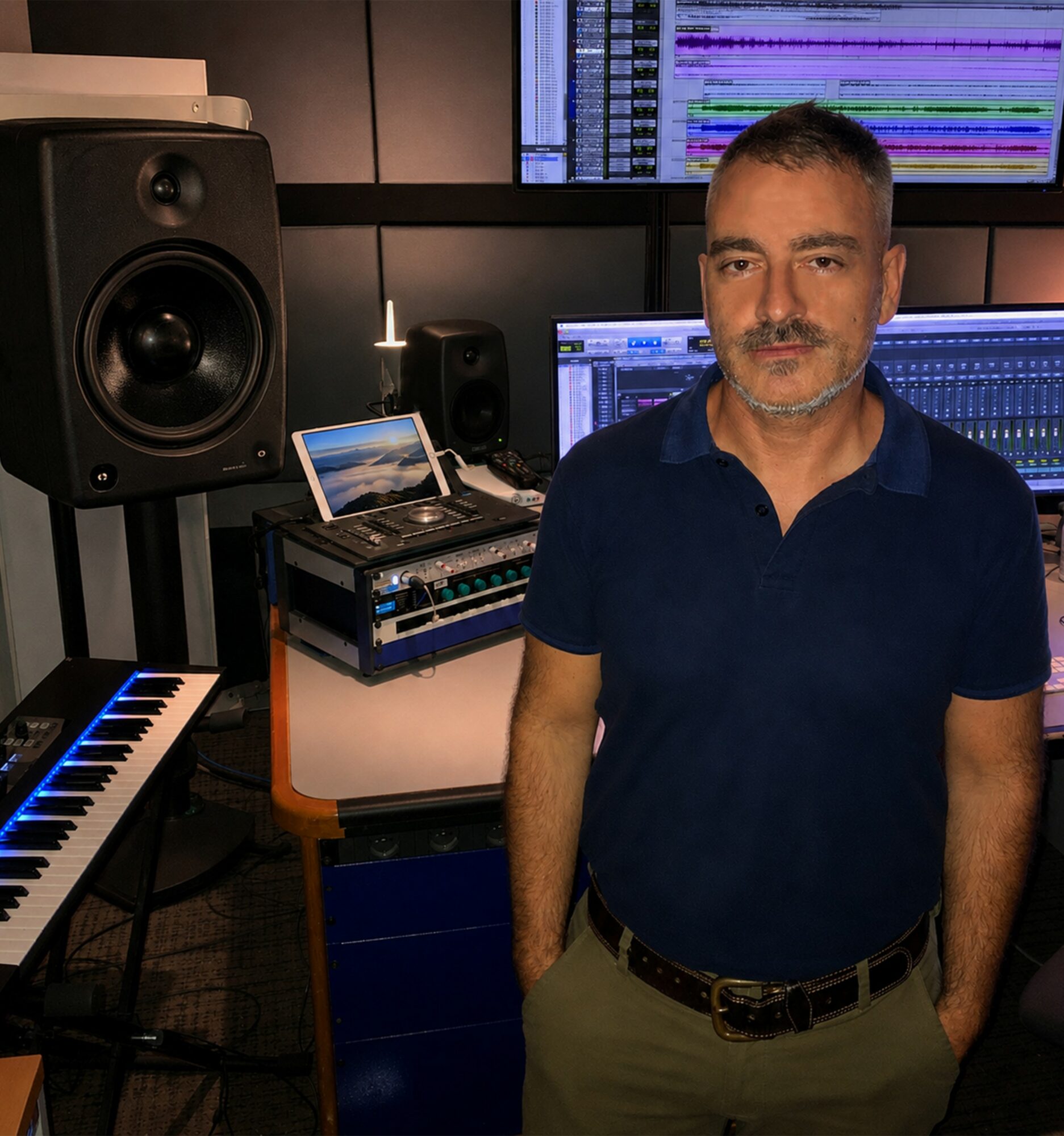
Today we’d like to introduce you to Alessandro Buono.
Hi Alessandro, please kick things off for us with an introduction to yourself and your story.
People often think Elektrolabio is simply the name of my music project.
To me, it’s something much more personal. It’s the place where I’ve learned to be completely honest with myself as an artist.
Long before Elektrolabio had a name, there was just a little kid in a rehearsal room.
My father sang in a band simply because he loved music, and he often took me to rehearsals. I remember waiting for the musicians to step outside for a cigarette break because that meant I had the room to myself. I could finally touch every instrument I could find.
Looking back, I honestly think that’s where everything began.
It wasn’t just music that fascinated me. It was sound itself—the hum of amplifiers, analog tape machines, synthesizers, the smell of wood and metal. Music was never something I simply listened to. It felt like a place I could step into.
A few years later a piano arrived in our home. My sister started taking lessons, while I preferred improvising. Later I studied music, production, singing, acting and visual storytelling, but the biggest lesson had already happened. I had discovered that creating my own music gave me something playing someone else’s music never could.
Even today I know exactly when a song is alive.
It starts with a feeling.
A melody, a chord and an emotion suddenly fall into place, and I get what I can only describe as a shiver. I’ve learned to trust that feeling. It’s still my compass every time I begin something new.
As I grew, I realized production wasn’t something you added to a song—it was part of the songwriting itself. Sound tells stories just as much as melody does. If I have a musical signature, I think it probably lives there.
I never really looked for a genre to belong to. I was looking for a language that felt honest.
That language eventually became Elektrolabio—a creative world brought to life through my artistic alter ego, Alek.
It was never built to fit a market or follow trends. It simply became my creative laboratory—a place where curiosity could always come before expectations.
Years later, I realized many of my earliest compositions already had a cinematic soul. Even when I was writing songs, I wasn’t imagining singles. I was imagining scenes, landscapes and emotions. That’s why moving into music for film and visual media never felt like changing direction. It felt like discovering that part of the journey had been there all along.
Collaborating with Flippermusic, an Italian publisher specializing in music for film, television and media, confirmed exactly that. Seeing albums like ’80s Inside’ and ‘Digital Life’ become part of their catalog didn’t change Elektrolabio. It simply showed me that the same artistic identity could naturally live both on an album and on a screen.
I’ve always enjoyed building the entire world around my music—from production to artwork, videos and live performances whenever the project calls for them. That visual side has always been a natural part of the journey. I even filmed my first music video in New York City for ‘City Lights’, from the album ‘Transitional’, long before composing for film and visual media became part of my professional journey. But those elements have never been the destination. They simply help the music tell its story more completely.
More than fifteen years later, I still begin every new project with the same excitement as that little kid walking into a rehearsal room.
I’ve never felt like I’ve arrived.
If there’s one thing I’m afraid of losing, it’s my curiosity. As long as I can still feel that little shiver when a new idea appears, I know I still have something worth saying.
Music was once my refuge. Today I think it has a greater purpose. It has to leave that safe place and belong to someone else.
I don’t really care if people remember my face. I hope they remember how my music made them feel. If a melody, a sound or an atmosphere can awaken a memory, spark an emotion or simply make someone feel understood—even for a moment—then I feel I’ve done my job.
That’s the journey I want to keep following: creating honestly, collaborating with curious people, and allowing my music to naturally find the stories—and the people—it was meant to meet.
Can you talk to us a bit about the challenges and lessons you’ve learned along the way. Looking back would you say it’s been easy or smooth in retrospect?
Not really.
Looking back, I think the hardest part wasn’t finding an audience. It was learning to trust my own voice.
Like many young artists, I spent years listening to people around me and to professionals in the music industry. Most of them genuinely wanted to help, but almost all of the advice pointed in the same direction: become something that already exists because that’s what the market understands.
For a while, I tried.
The more I listened, the further I moved away from the music that felt honest to me. I wasn’t becoming a better artist—I was becoming a less authentic version of myself.
Eventually I understood something that completely changed my perspective.
A creative partnership only works when both sides truly believe in the same artistic vision. Otherwise, no matter how good the advice is, it simply isn’t the right path.
So I stopped waiting for someone else’s approval.
I decided to release my music independently, fully aware that maybe only a handful of people would ever find it. But I also knew that, if they did, they would hear the real me.
Ironically, that’s exactly what happened.
I don’t have millions of listeners, but the people who discover Elektrolabio often tell me they recognize something personal in the way I write, arrange and shape my music. To me, that kind of connection has always meant more than chasing numbers.
Over the years I also learned that authenticity and accessibility don’t have to be opposites. Sometimes an idea naturally becomes intimate and experimental. Other times it becomes immediate and melodic. The difference is that today those choices are mine. They come from the music itself, not from trying to fit someone else’s expectations.
Looking back, every obstacle led me to the same place: the moment I stopped searching for someone else’s approval was the moment I finally started trusting my own voice.
Alright, so let’s switch gears a bit and talk business. What should we know about your work?
I’ve never been interested in music alone. I’ve always been fascinated by the relationship between sound, images and emotion. That’s one of the reasons why, alongside my work as a composer and producer, I built my career in television, creating audiovisual campaigns across Milan, London and Miami. Working every day with editing, rhythm and visual storytelling has influenced the way I write music just as much as music has influenced the way I approach visual storytelling.
My background has always been a balance between seemingly opposite worlds. I studied engineering, but I was always drawn to the creative side of life, exploring different artistic disciplines along the way. I love precision as much as intuition, technology as much as emotion. Somehow those two sides naturally meet in my music.
Very early on I made the decision to write instrumental music or songs in English. It wasn’t about sounding international—it was about removing borders. I wanted the music to travel freely and connect with people regardless of where they came from.
One of the things I’m most proud of is that, after more than fifteen years, Elektrolabio still sounds like Elektrolabio.
The project has evolved, new opportunities have opened, and I’ve grown both personally and creatively, but I’ve never felt the need to become someone else in order to move forward.
One of the most rewarding parts of this journey has been discovering that my music has reached listeners in places I’ve never even visited. Moments like that remind me that music can travel much further than the person who creates it.
Can you talk to us about how you think about risk?
I don’t think risk is about making reckless decisions or chasing uncertainty for its own sake. To me, taking a risk means moving forward even when there are no guarantees, simply because something matters enough to make the uncertainty worthwhile.
I also believe that the most meaningful decisions are rarely impulsive. More often, they take shape quietly over time, through reflection, doubt and experience. Then, almost unexpectedly, something shifts. It might be a moment of clarity, a surge of confidence, or simply the realization that waiting any longer would only mean standing still. That’s when uncertainty stops being something to fear and becomes something worth embracing. After all, sometimes the only way to discover what’s possible is to accept that not everything can be planned.
That’s how many of the most important creative decisions in my own journey came about. Learning to trust my own artistic direction instead of waiting for certainty or other people’s expectations wasn’t a leap into the unknown—it was the natural conclusion of a process that had been unfolding for a long time.
Looking back, I don’t think the biggest risk was releasing my music.
The biggest risk would have been never letting anyone hear it at all.
Contact Info:
- Website: https://www.elektrolabio.com/
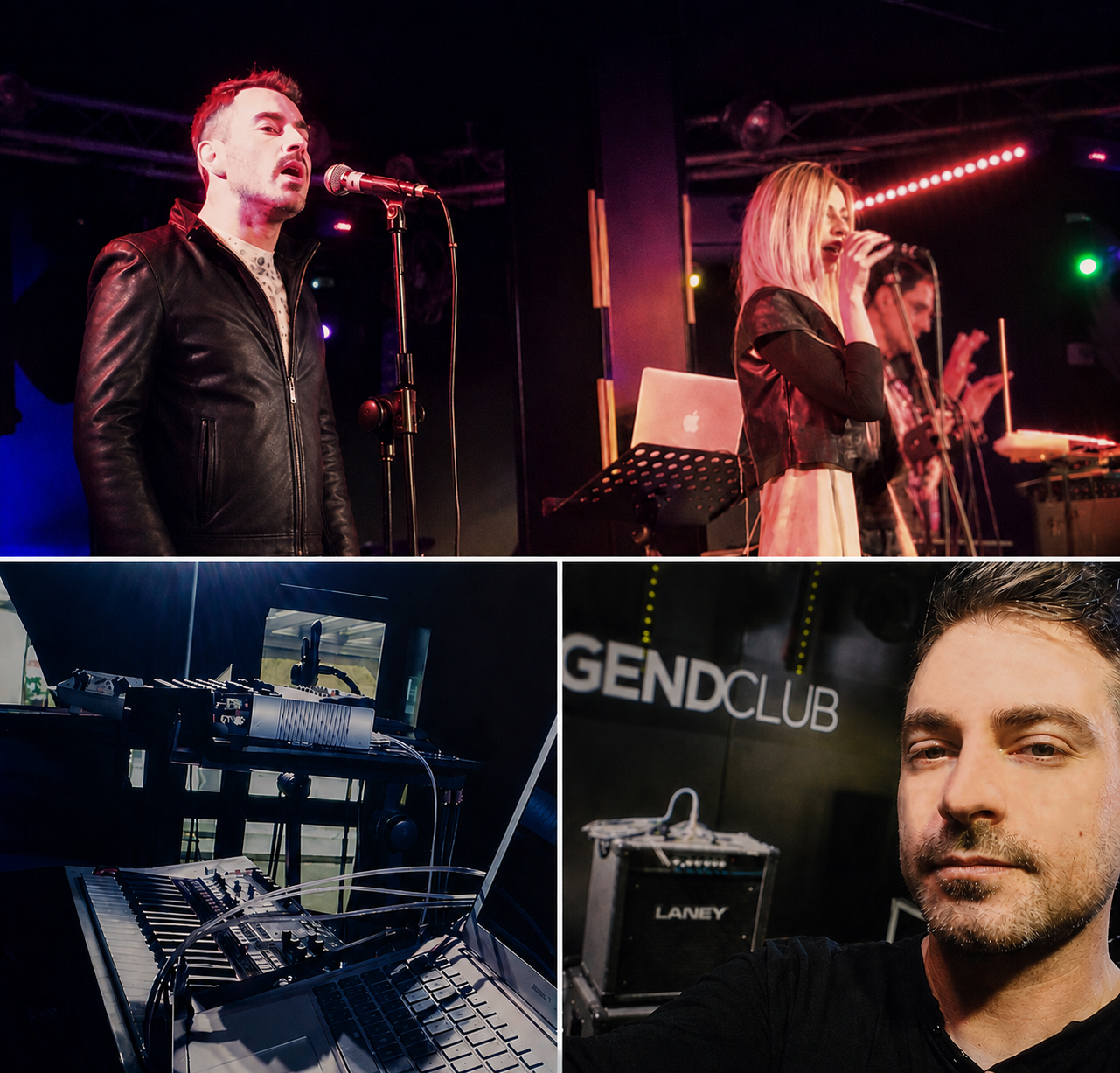
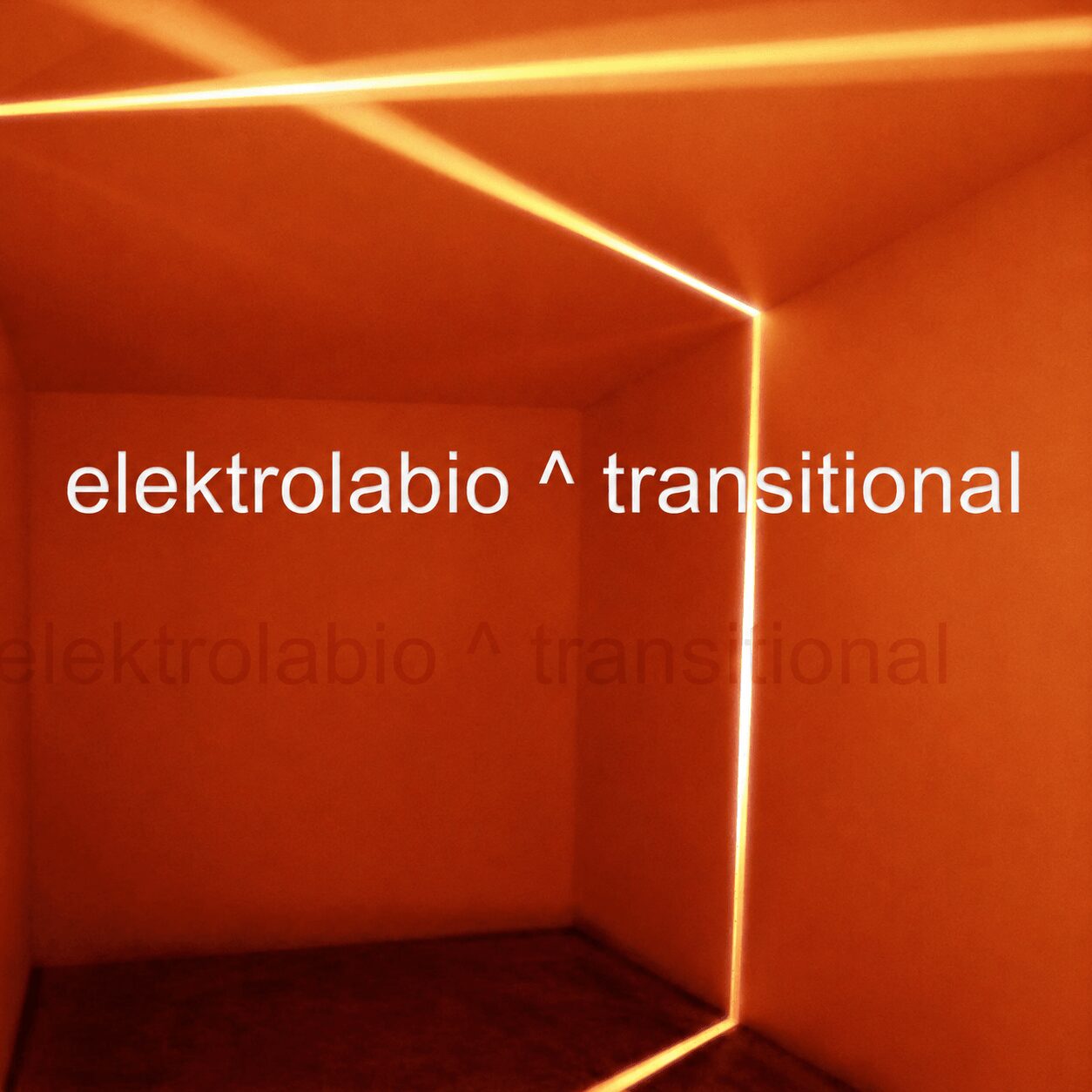
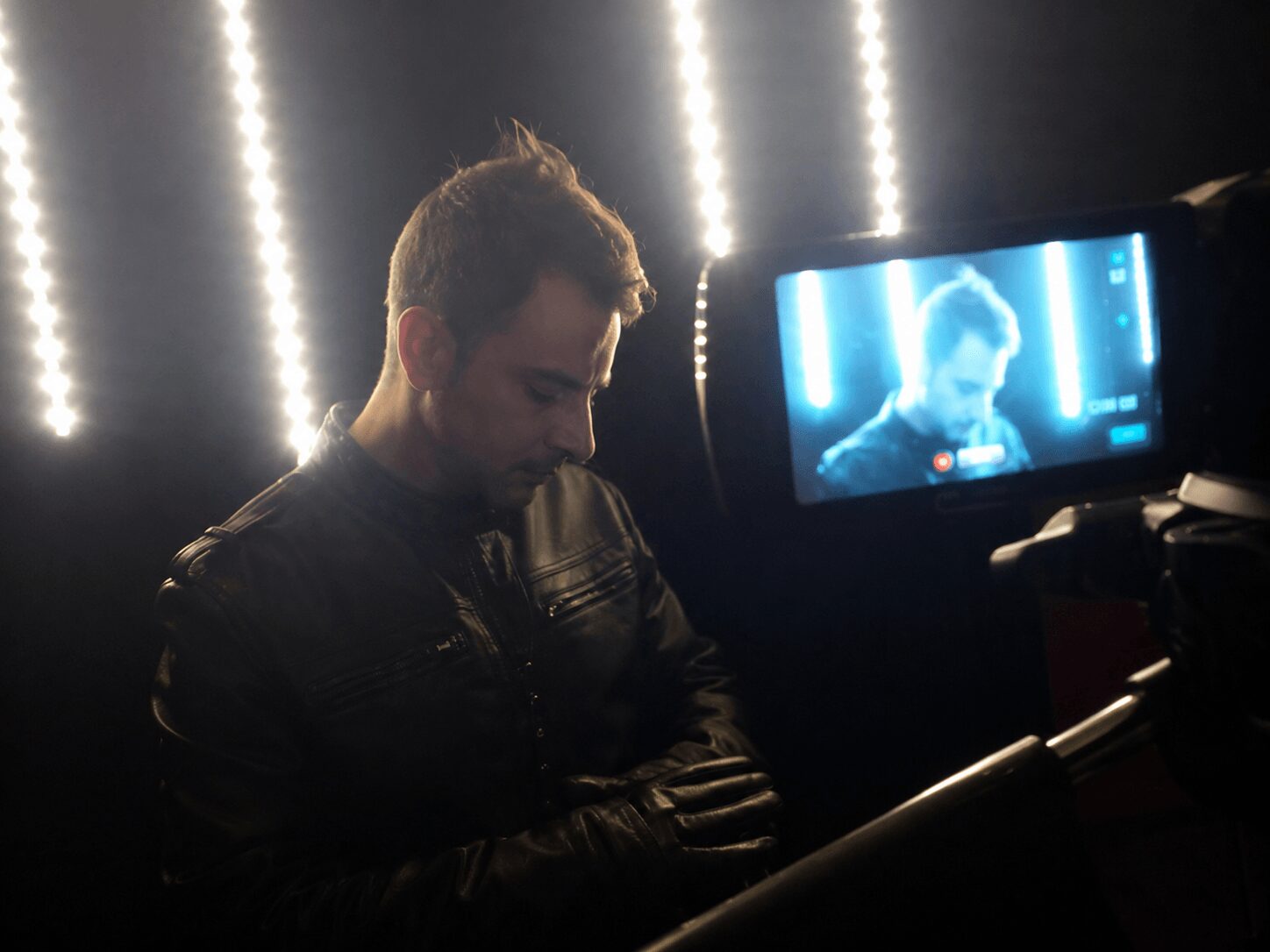
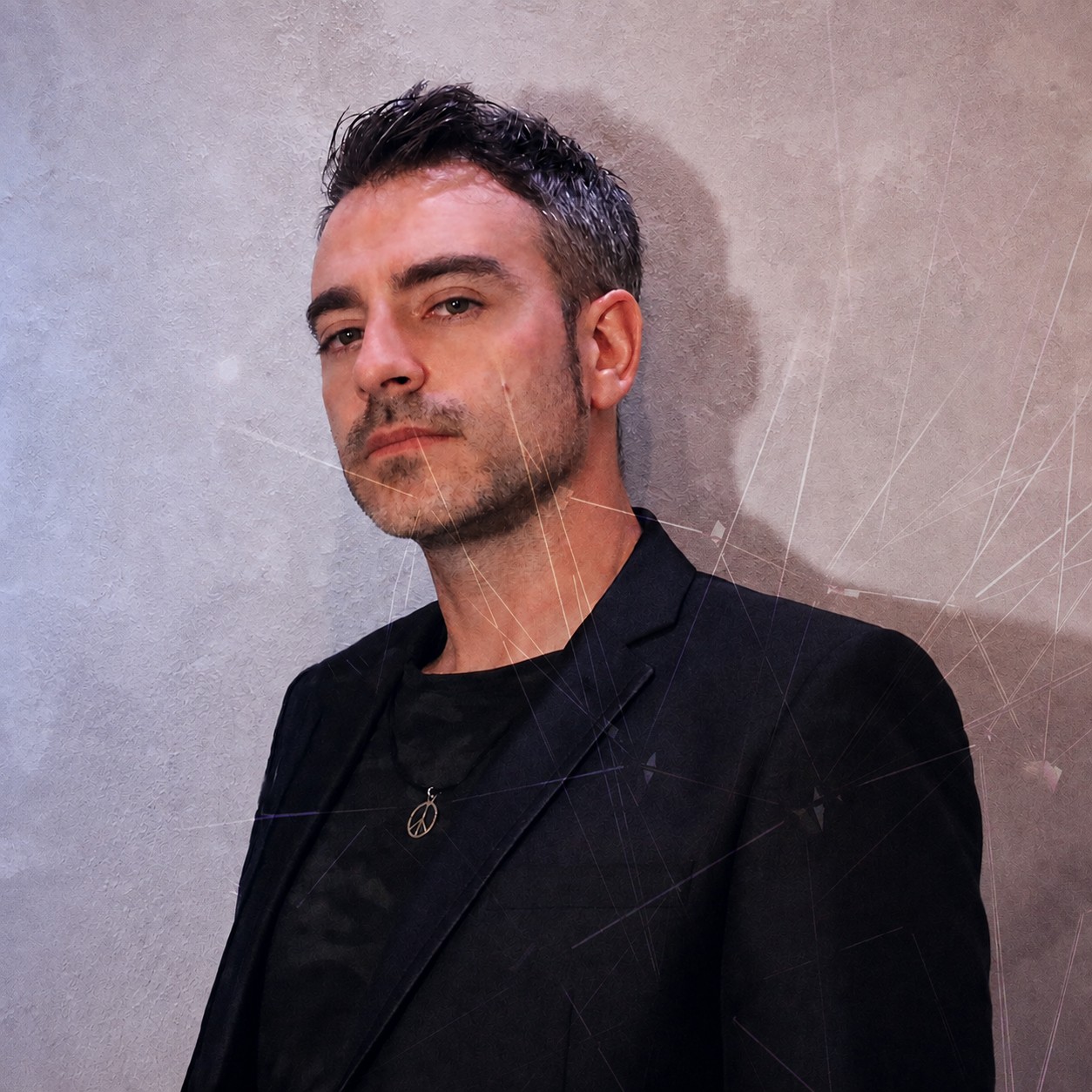
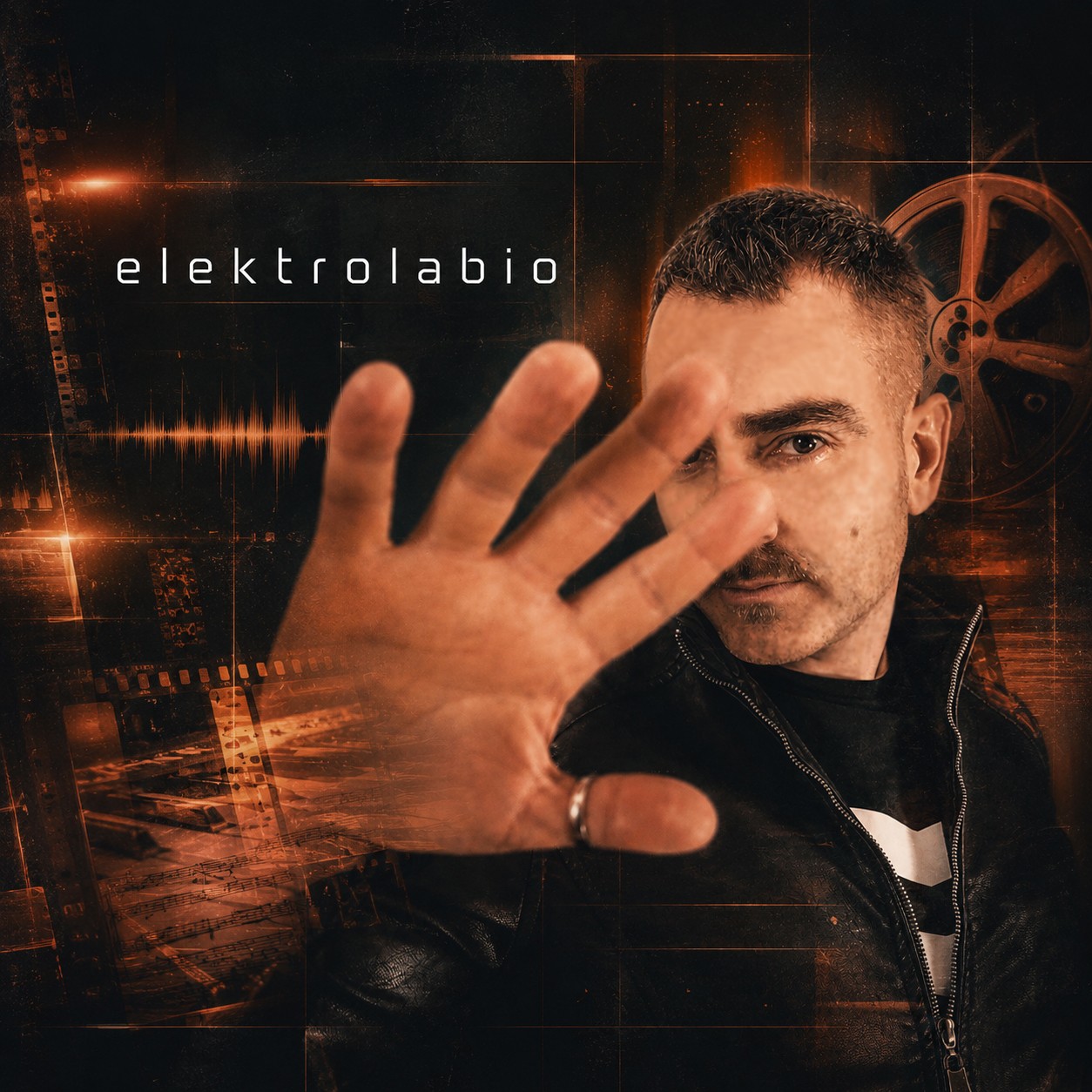
Image Credits
Alessandro Buono
Popular
-

LA’s Most Inspiring Stories
-

Portraits of the Valley
-

Rick Norris Learned That Building a Successful Business Means Building a Life You Actually Want to Live
-
How Olivia Rush Turned Survival Into a Mission to Help Others Keep Going
-

How Bibi Goldstein Is Helping Entrepreneurs Reclaim Their Time by Embracing the Power of Delegation
-

Victoria Hasson is Redefining Voice Coaching Through Community and Collaboration


