




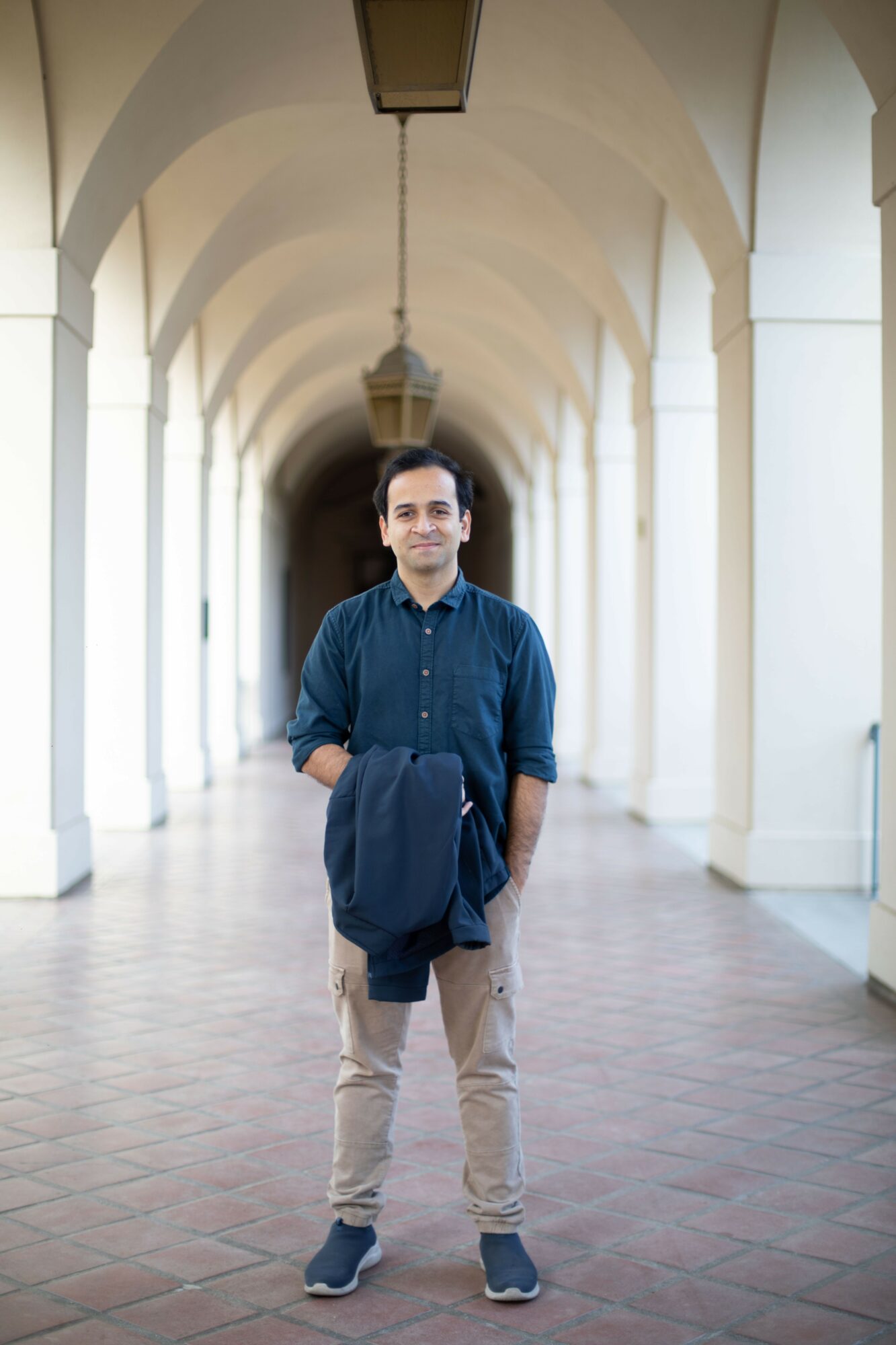
Today we’d like to introduce you to Aditya Patwardhan.
Hi Aditya, it’s an honor to have you on the platform. Thanks for taking the time to share your story with us – to start maybe you can share some of your backstory with our readers?
I came to filmmaking through curiosity more than through a very linear career plan. I grew up in India, and I was always interested in the way stories, history, culture, science and people intersect. Film eventually became the medium that allowed me to bring all of those interests together.
Over the years, that curiosity has taken me into very different kinds of work. I’ve directed and produced fiction, documentaries and projects that sit somewhere between the two, working across India, the United States, Korea, Colombia and other parts of the world, and in languages including English, Marathi, Spanish, Portuguese and Korean.
Some of my work has been quite intimate and character-driven, while other projects have dealt with larger social or environmental questions. *A Nomad River*, for example, grew out of my interest in water, ecology and communities, while projects such as *Pink Belt* explored social change through the life of a remarkable individual. I’ve also worked in psychological thrillers, science fiction and cross-cultural narrative cinema, which has kept me from ever feeling confined to one genre.
Alongside filmmaking, I’ve gradually become involved in film juries, workshops, sustainability initiatives and conversations around media itself, particularly how technology is decentralizing who gets to tell stories and how those stories reach audiences.
So where I am today feels less like a destination and more like a continuation of the same instinct I started with: following subjects I’m genuinely curious about, finding the right form for them, and collaborating with people from very different worlds to turn those ideas into stories.
Can you talk to us a bit about the challenges and lessons you’ve learned along the way. Looking back would you say it’s been easy or smooth in retrospect?
Not really, and I think that is probably true for most independent filmmakers.
A large part of the struggle has simply been learning how to keep going when there is no clear structure around you. Films can take years to develop, financing can disappear, collaborators change, and even after you finish something there is no guarantee that it will find an audience. There have been projects that moved quickly and others that stalled for reasons completely outside my control.
Working internationally has also been both a gift and a complication. I have often found myself moving between countries, languages, industries and very different ways of making films. That has opened extraordinary doors, but it also means constantly rebuilding networks, adapting to unfamiliar systems and proving yourself again in a new environment.
There were also periods when I questioned whether I was spreading myself too widely: documentary, fiction, environmental work, different countries, different languages. Over time, I realized that this apparent lack of a straight line was actually the common thread in my work. I am interested in crossing boundaries, and the career naturally began to reflect that.
Perhaps the biggest lesson has been to become comfortable with uncertainty. Filmmaking requires an odd combination of conviction and flexibility: you have to believe in an idea strongly enough to pursue it for years, while remaining willing to completely rethink how you get there.
The difficult periods have certainly made me more patient, but they have also made me less interested in conventional definitions of success. I now value being able to keep making work I care about, with people I respect, and to remain curious enough that the next project can still surprise me.
Alright, so let’s switch gears a bit and talk business. What should we know about your work?
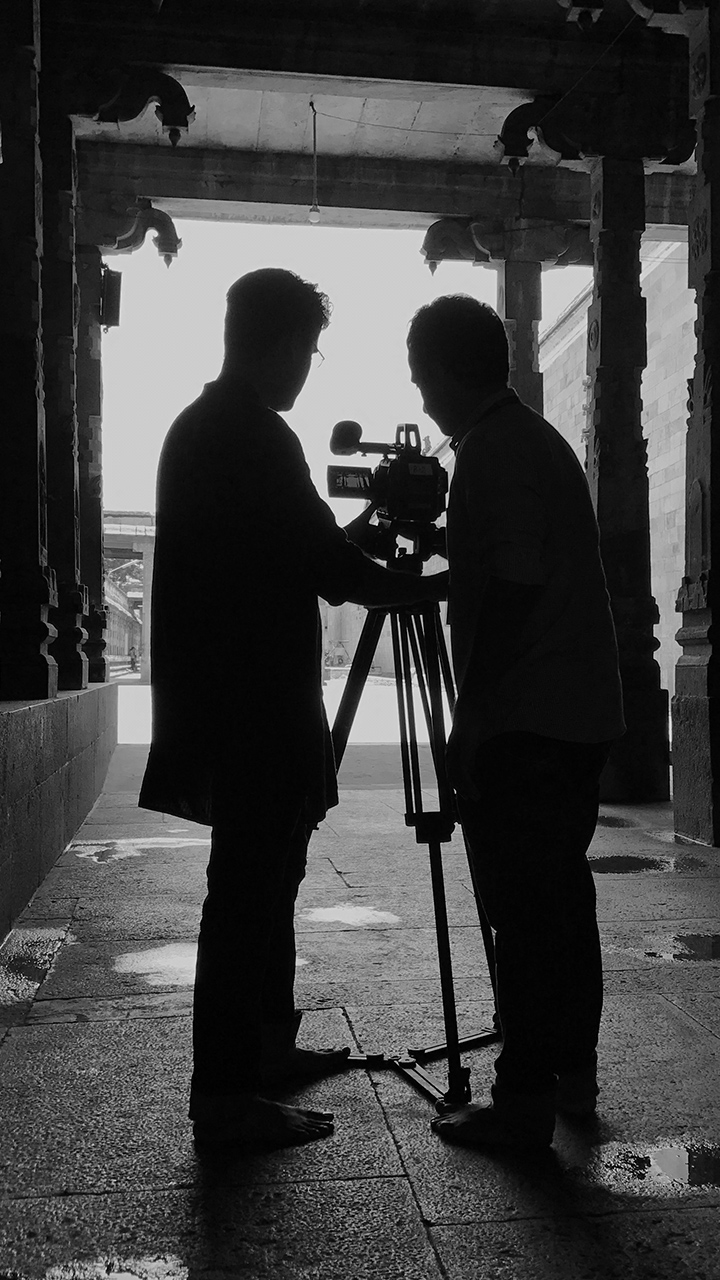
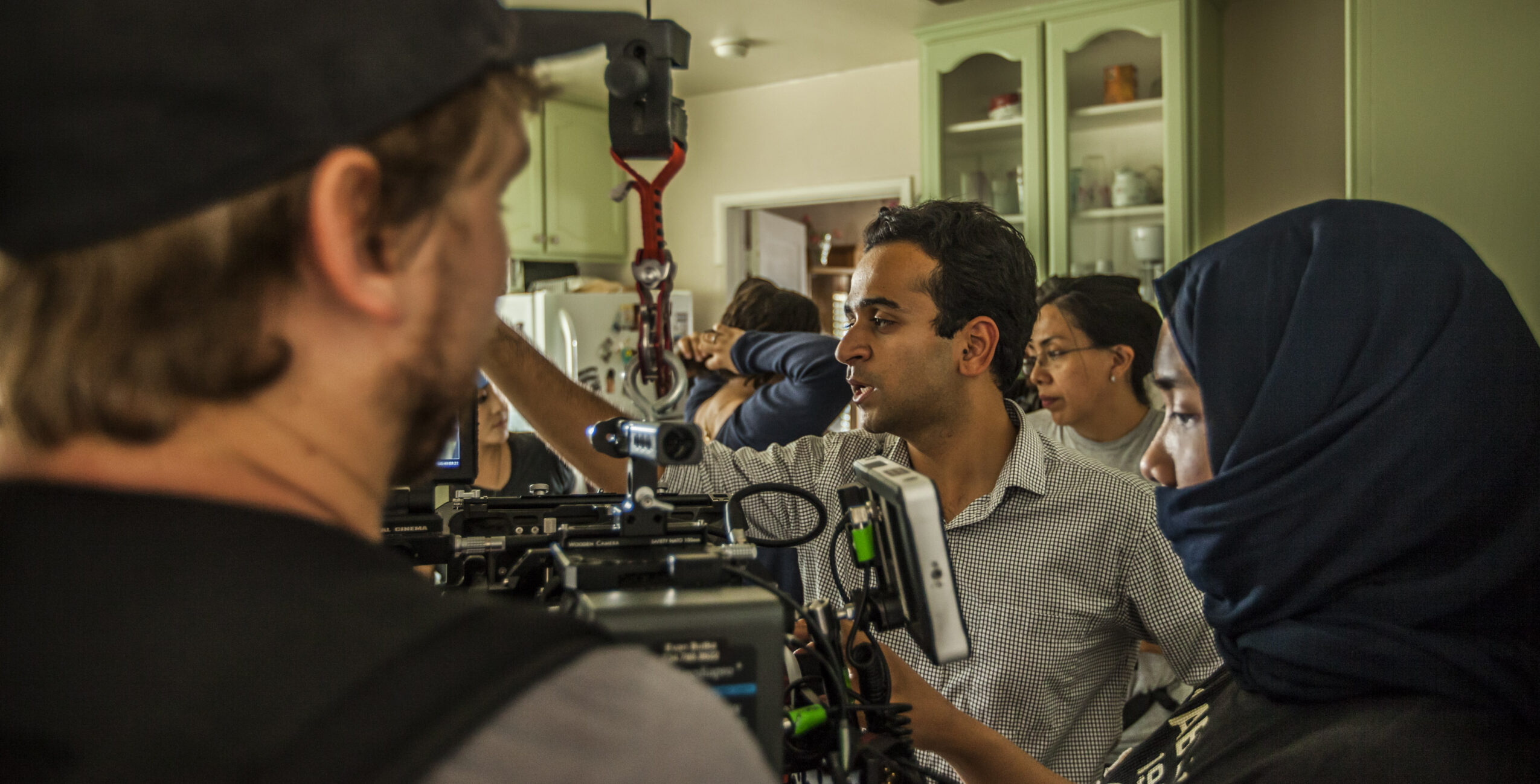
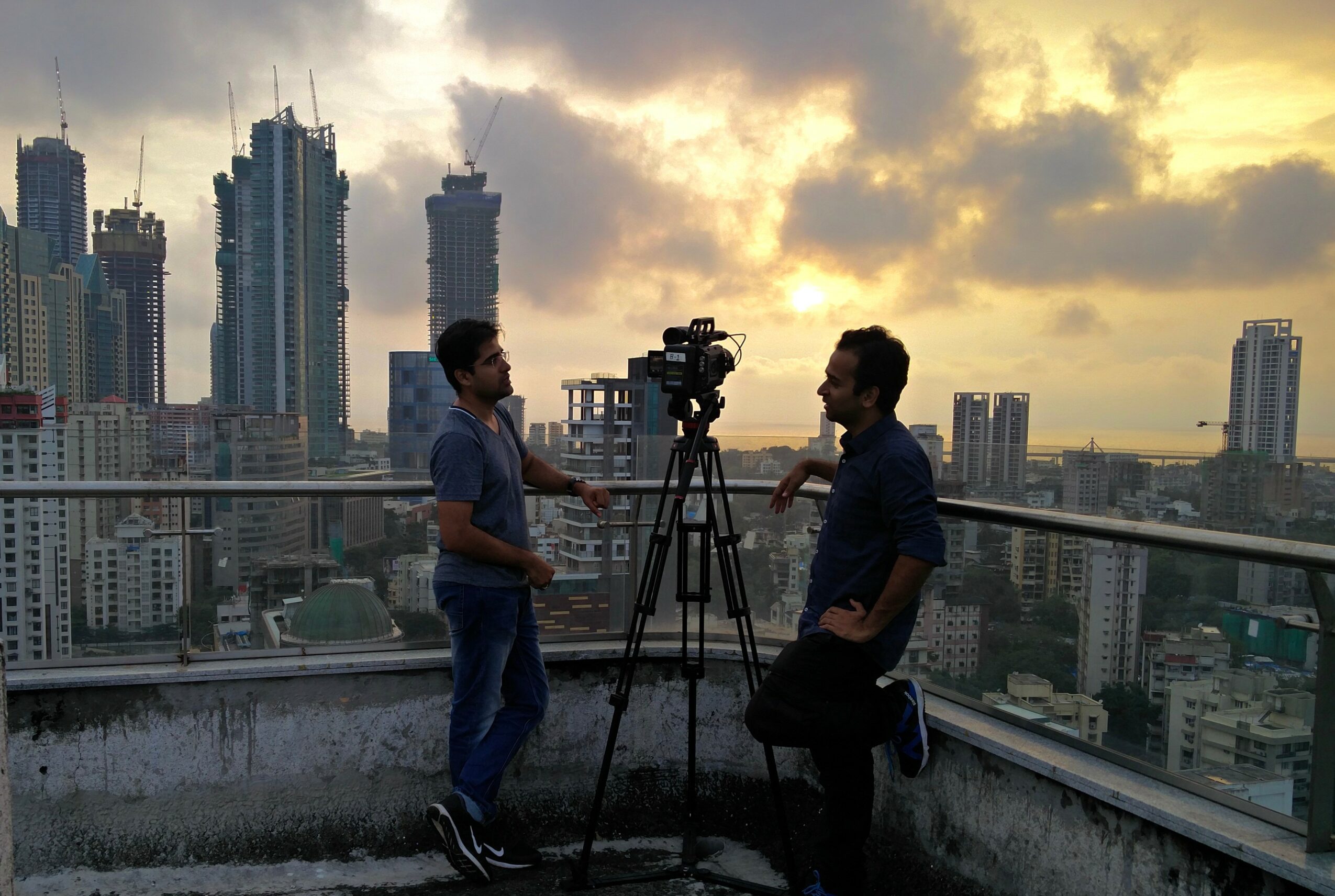
I am a filmmaker, director and producer, and most of my work sits at the intersection of storytelling, culture and ideas. I have worked across fiction, documentary and hybrid forms, in several countries and languages, so I have never really thought of myself as belonging to one genre or one industry.
What I specialize in, if I had to define it, is working across boundaries. I am drawn to stories that are culturally specific but emotionally universal, and I enjoy building projects with collaborators who come from very different backgrounds. My work has taken me through the United States, India, Korea, Colombia and other parts of the world, and across languages including English, Marathi, Spanish, Portuguese and Korean.
I am probably best known for projects such as A Nomad River, And the Dream That Mattered, Pink Belt, Transference, and short films like A Touch of Aurora, Red House by the Crossroads, Eastern Shores of the Western World. These projects are very different from one another, which I actually like. Some are concerned with ecology and social change, some with identity and psychology, and some are purely narrative and cinematic.
What I am most proud of is not any single credit or award, but the fact that I have been able to build a body of work without allowing myself to become too narrowly defined. I have been able to move between independent cinema, documentaries, science fiction, social impact work, international collaborations and more recently, conversations around the future of media and storytelling.
I think what sets me apart is that I approach filmmaking with a very wide field of curiosity. I am interested not only in cinema, but also in history, science, philosophy, culture, technology and the way societies tell stories about themselves. Those interests inevitably enter the work.
I also care deeply about collaboration. I do not see filmmaking as the execution of one person’s vision in isolation. The most interesting work, for me, happens when a strong idea meets people who bring completely different experiences and sensibilities to it.
Ultimately, I would like to be known less for a particular genre and more for a certain kind of curiosity, and for making work that can move between cultures without losing its emotional honesty.
Who else deserves credit in your story?
Absolutely. Filmmaking is far too collaborative for me to think of anything I have accomplished as entirely my own.
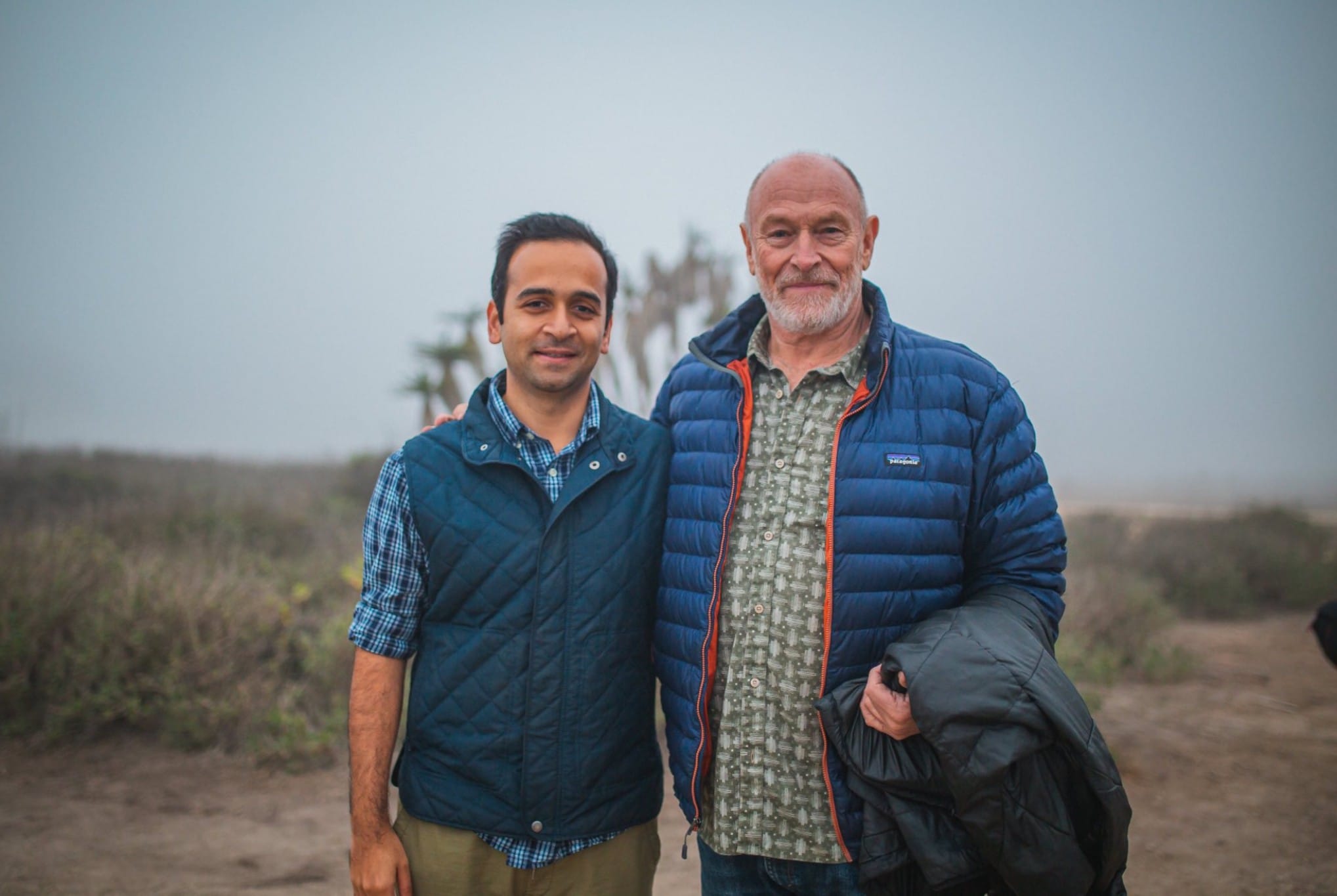
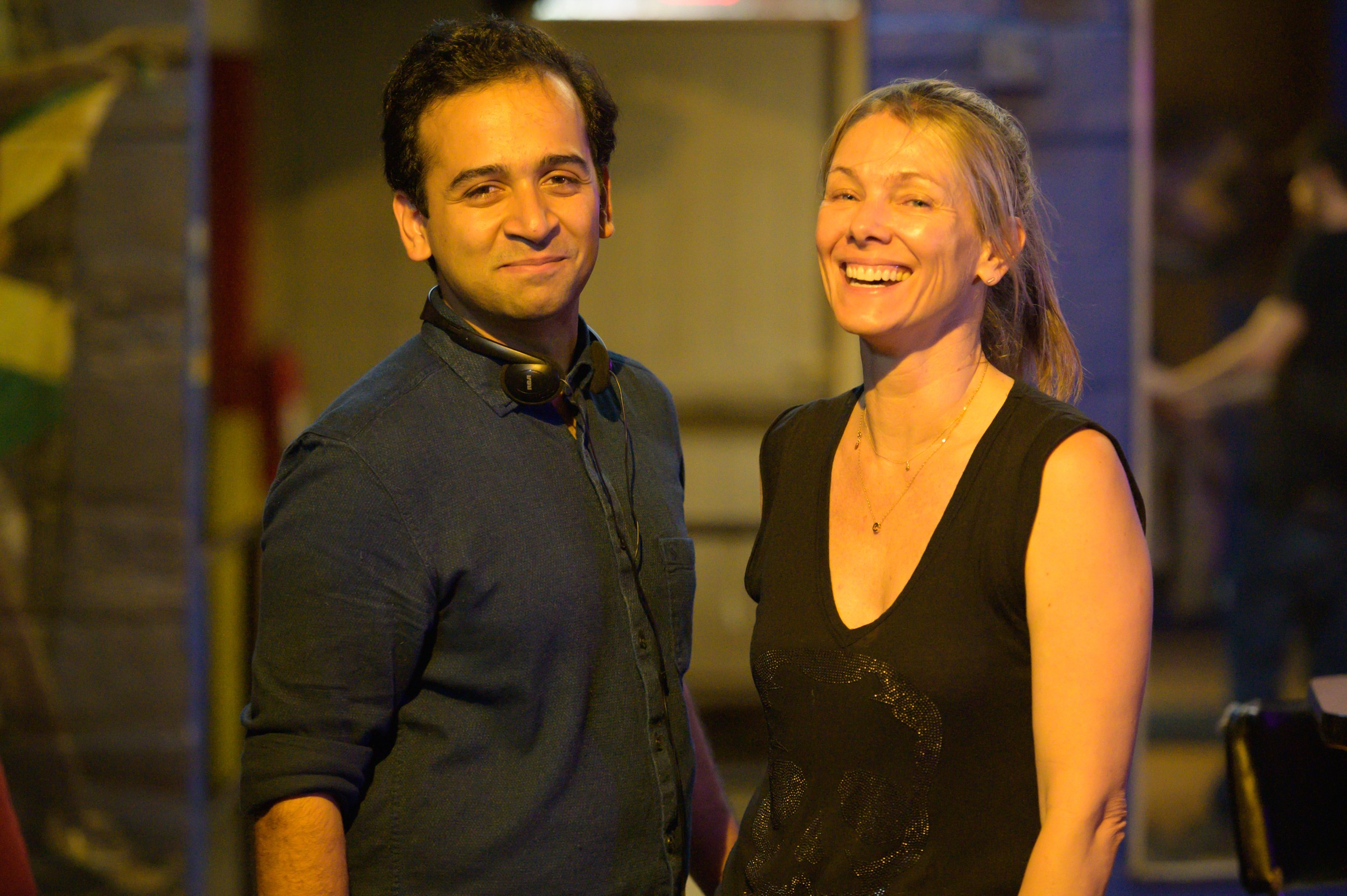
I have been fortunate to work with producers, cinematographers, writers, actors, composers and friends who believed in projects sometimes long before there was any obvious reason to believe they would work. A few people have played particularly important roles at different stages of my career.
Julia Verdin has been an important mentor and support in Los Angeles, both as a filmmaker herself and as someone who has helped me navigate the industry here. Nicole Cannon, Ceila Wise, Doris & Ian La Frenais, and Gurav Bhatt have all been wonderful guiding lights, collaborators and producers, and working with people like John McCrite on *Pink Belt* has reminded me how much stronger a film becomes when everyone involved genuinely cares about the reason it is being made.
I have also had long creative relationships with collaborators such as cinematographers Anup Kulkarni and writer/musician/actress Lucy Walsh. These are people whose contribution goes far beyond simply doing a job. They challenge ideas, improve them, and often see possibilities in the work that I could not have seen alone.
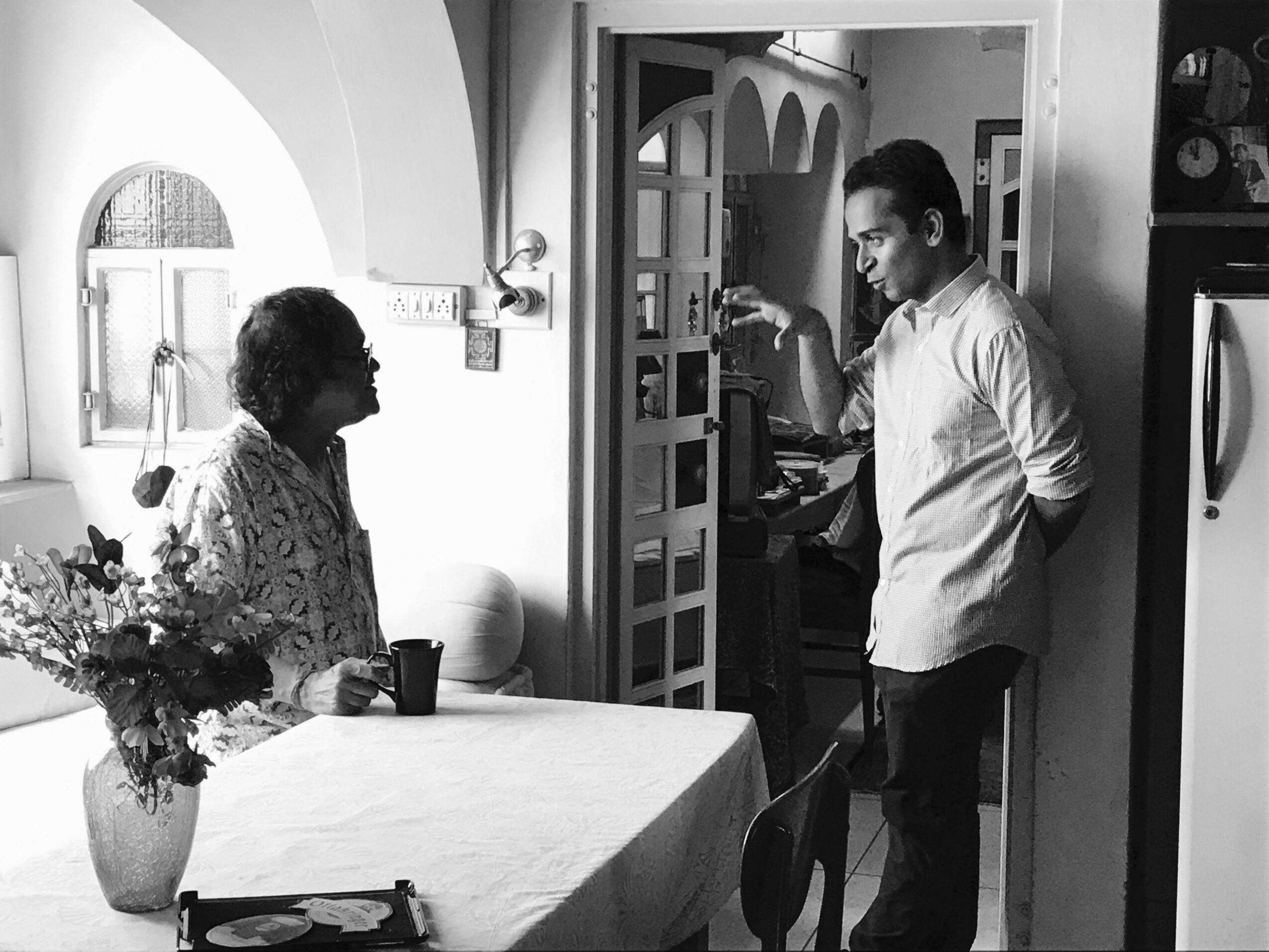
There have also been mentors, senior filmmakers, academics, institutions and friends across India, the United States and elsewhere who opened doors, made introductions, invited me into conversations, or simply encouraged me during periods when a project seemed unlikely to happen. Sometimes one conversation or one person taking you seriously at the right moment can change the direction of a career.
And of course my family and close friends deserve an enormous amount of credit. An independent creative career comes with long stretches of uncertainty, travel and financial unpredictability. The people around you often carry part of that uncertainty without receiving any of the visible credit.
If there is one thing I have learned, it is that careers may look individual from the outside, but they are really built by communities of people who give you their time, trust and belief. I have been very fortunate in that regard.
Contact Info:
- Website: https://adityapatwardhan.com
- Instagram: https://www.instagram.com/adityapatwardhan/
- Facebook: https://facebook.com/patwardhan
- LinkedIn: https://linkedin.com/in/patwardhan
- Twitter: https://x.com/ajpatwardhan
Popular
-

Portraits of the Valley
-

LA’s Most Inspiring Stories
-

Rick Norris Learned That Building a Successful Business Means Building a Life You Actually Want to Live
-

How Olivia Rush Turned Survival Into a Mission to Help Others Keep Going
-

How Bibi Goldstein Is Helping Entrepreneurs Reclaim Their Time by Embracing the Power of Delegation
-

Victoria Hasson is Redefining Voice Coaching Through Community and Collaboration


