





We’re looking forward to introducing you to Yueyi Zhang. Check out our conversation below.
Hi Yueyi, thank you for taking the time to reflect back on your journey with us. I think our readers are in for a real treat. There is so much we can all learn from each other and so thank you again for opening up with us. Let’s get into it: What are you chasing, and what would happen if you stopped?
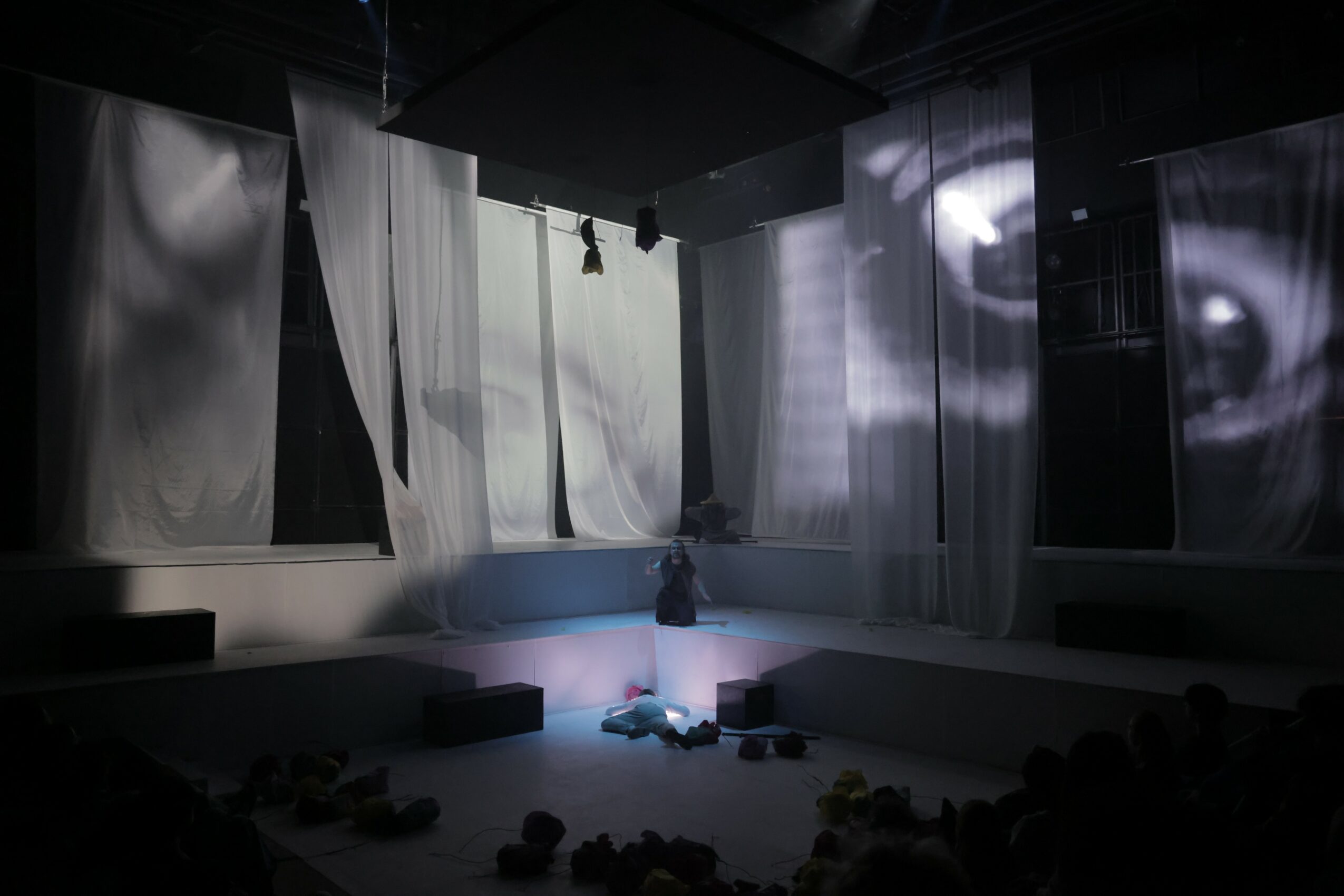
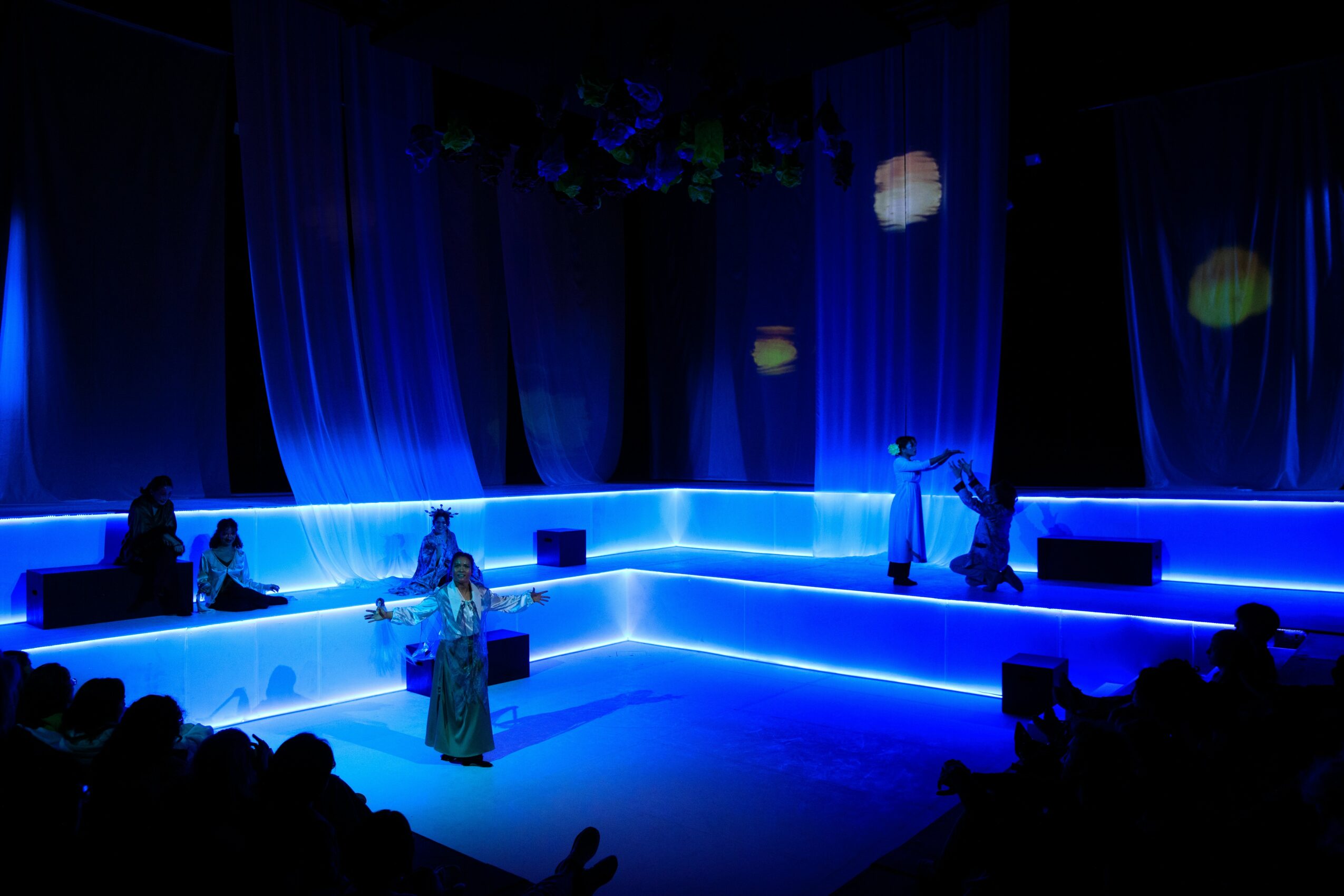
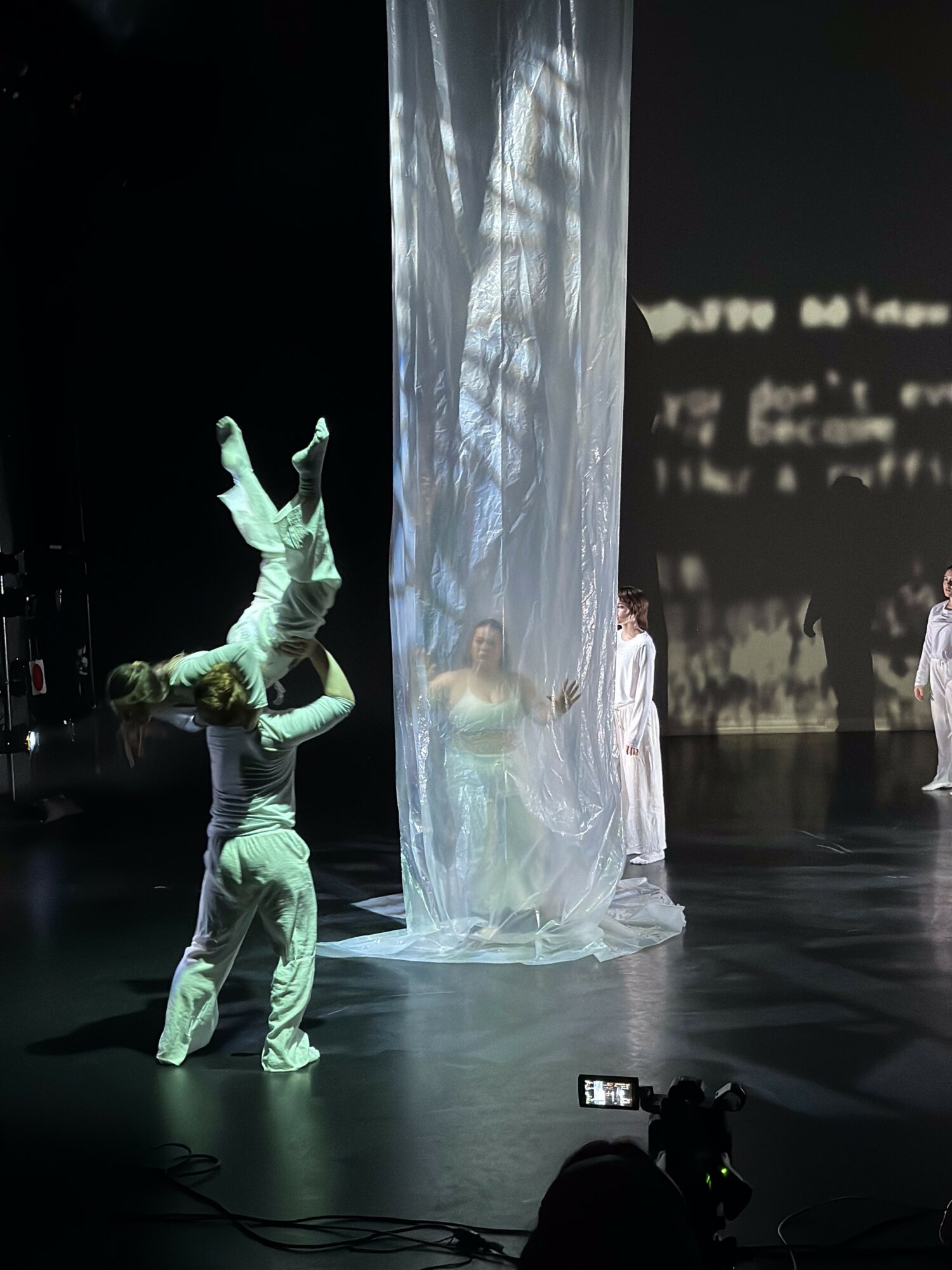
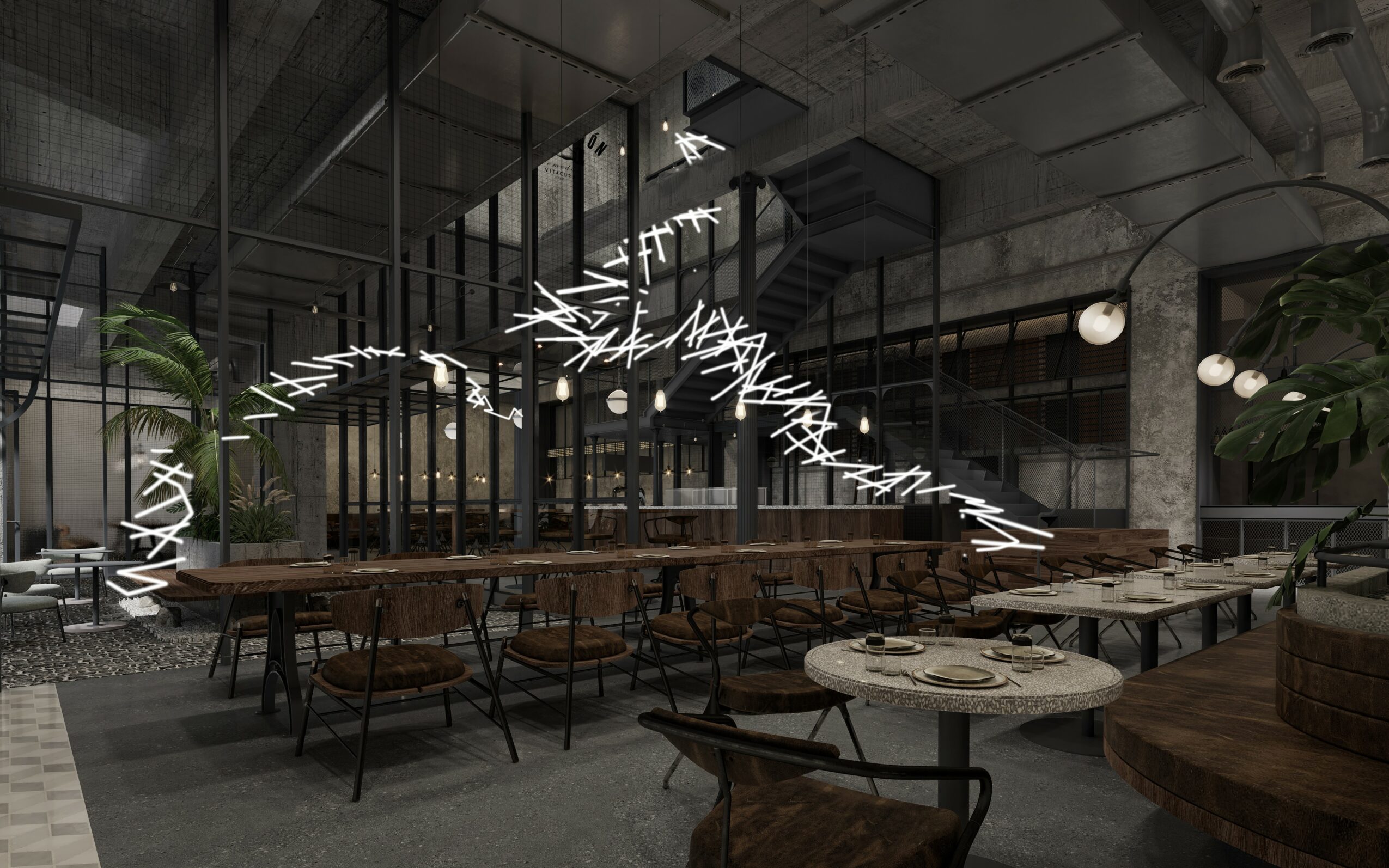
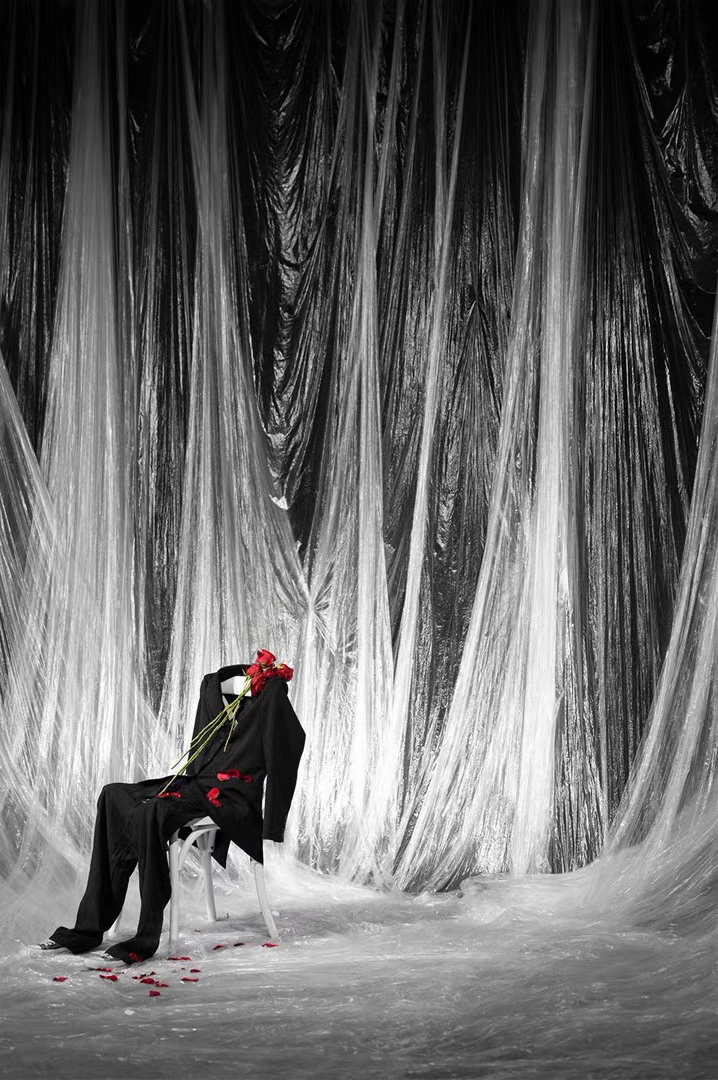
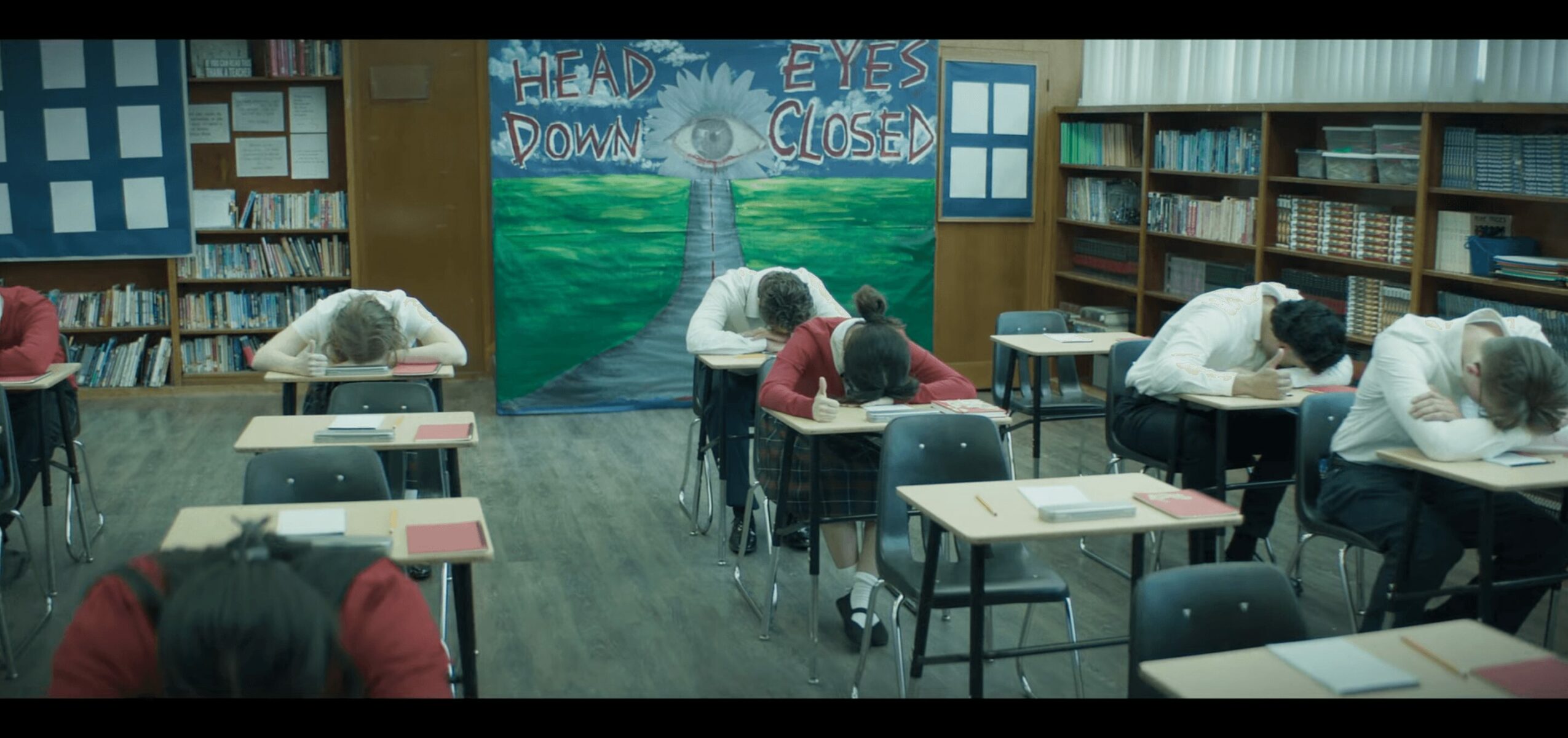
I seek the moment when space becomes an active participant in storytelling, not merely a container. My work moves freely across theater, film, installation, and commercial design, not as an interdisciplinary gesture but as a way to examine how narrative functions across different planes of reality. I aim for the point where technique, emotion, and craftsmanship converge—where the audience no longer perceives “design” but believes in the reality constructed.
If I stopped, ideas existing between mediums would lack a translator. Stories would flatten, light would not bend to narrative, materials would remain inert, and the gap between engineering and poetry would persist. Personally, I would lose the quiet impact of seeing someone pause in a space I designed—not to admire its form, but because it quietly stirred a memory, a feeling, or a question.
So I continue, not for the next project, but for the possibility of transforming the overlooked into resonant spatial experiences.
Can you briefly introduce yourself and share what makes you or your brand unique?
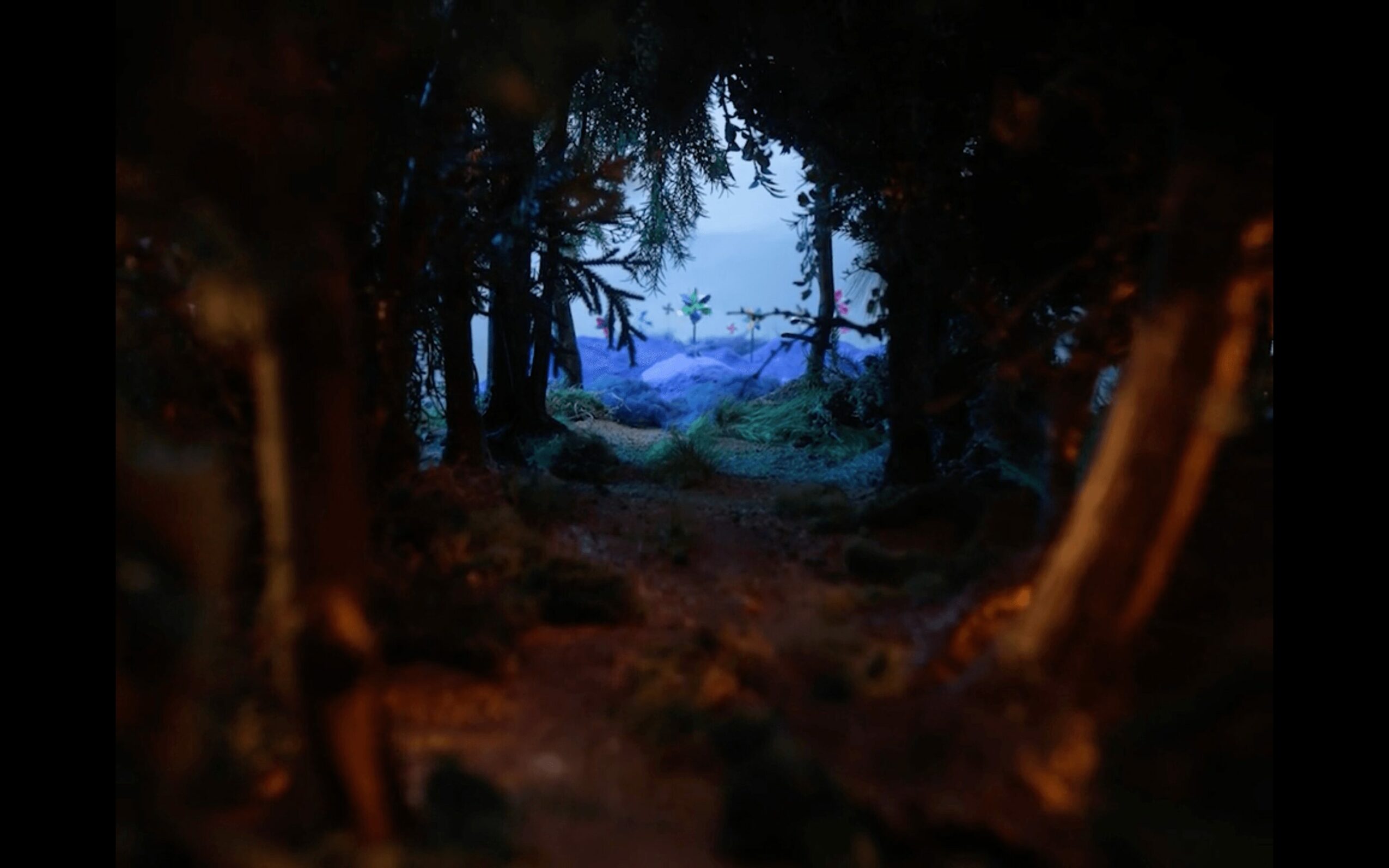
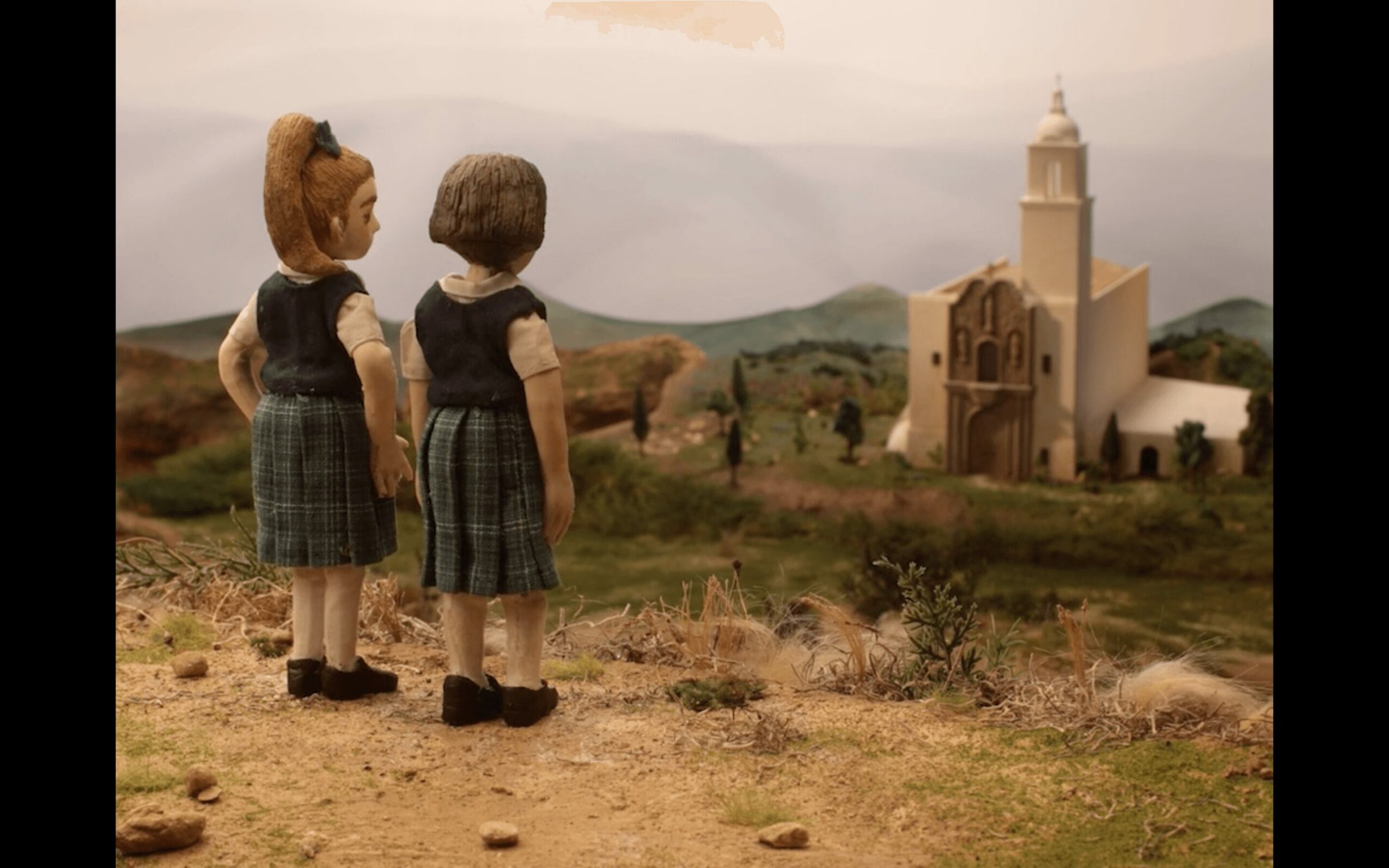
I am Yueyi Zhang, a cross-disciplinary scene designer and visual storyteller. My work synthesizes theatre, film, and immersive installation to transform physical space into narrative environments. I believe compelling design builds believable worlds, not just displays skill. Whether creating miniature sets for stop-motion film or designing cinematic spaces, I treat each environment as an essential character in the story.
My focus is on dissolving boundaries between art, technology, and experience—letting materials convey meaning, light shape emotion, and viewers become active participants. I am currently exploring hybrid physical-digital spaces, merging interactive technology with traditional craft to create environments with “living narrative.”
Every project asks a central question: how does space tell a story? My answer: I design not merely scenes, but the conditions for storytelling itself.
Amazing, so let’s take a moment to go back in time. Who were you before the world told you who you had to be?
Before the world tried to slot me into a role, I was—at heart—a problem-solver and a hands-on experimenter. What really drives me is a cycle: a concrete question sparks an idea, I figure out what tools could tackle it, I test things out by making them, and I end up with something real I can see and touch.
Systems of education and the industry kept telling me to pick just one part of that cycle and stick with it—become a master of one set of tools, like a craftsman, or specialize in framing questions, like a curator. They wanted me to choose one toolbox and spend my life mastering only those tools. But I discovered that what truly fueled my passion was the process of leading the entire cycle. A single-domain toolbox couldn’t handle the complex, hybrid problems that interested me.
So now, I’m no longer defined by a single toolbox. I pick and combine tools based on what the problem needs. My identity isn’t about what I am—it’s about how I operate.
If you could say one kind thing to your younger self, what would it be?
You don’t need to categorize yourself in advance. Those attempts that made you feel “unfocused” or “unsystematic” later became your unique language for connecting different worlds.
I think our readers would appreciate hearing more about your values and what you think matters in life and career, etc. So our next question is along those lines. What are the biggest lies your industry tells itself?
The industry’s central lie is that “artistic vision and hard work are enough to succeed.” Actually, it is governed by capital, connections, and commercial logic — not creativity alone. This masks realities like exploitative labor being called “paying dues,” or market trends defining artistic value.
I’ve seen original scripts dismissed for lacking “market comparability,” while formulaic star-driven projects move forward. Crews work exhaustive hours, their dedication romanticized rather than protected as professional labor. Also, access often flows through closed networks, not merit.
This lie persists because it reframes systemic flaws — unstable work, unequal access, risk-averse funding — as personal failure. It shifts blame inward, away from questioning the structure itself.
I believe true clarity isn’t rejecting the system, but seeing it clearly: a hybrid of art and industrial machinery. Success requires navigating that reality — building a sustainable practice between passion and survival, something the industry rarely teaches but everyone must learn.
Okay, so let’s keep going with one more question that means a lot to us: If you knew you had 10 years left, what would you stop doing immediately?
I’d stop all the internal overthinking and self-doubt right away. I’d stop letting “productivity” hijack my life—no more rushing through meals, cutting sleep, or scheduling people like meetings. No more pleasing clients or watering down my ideas to fit what the market seems to want.
I’d let myself be “inefficient”. I’d allow days with no progress, no output, no achievement. No more living in the future—“I’ll relax after this project”—or stuck replaying old regrets.
Money would move to the background. I’d create only for real expression, not for approval. I’d quit acting like an always-composed adult—crying when I feel it, laughing out loud, staring into space, driving to the beach at midnight just because.
I’d use the time to widen my life, not check off a to-do list. More like turning a life plan into an experience journal—trying what I’ve never tried, feeling what I haven’t felt, and letting the experience of living matter more than the quantity
Contact Info:
Popular
-

Portraits of the Valley
-

LA’s Most Inspiring Stories
-

Rick Norris Learned That Building a Successful Business Means Building a Life You Actually Want to Live
-

How Olivia Rush Turned Survival Into a Mission to Help Others Keep Going
-

How Bibi Goldstein Is Helping Entrepreneurs Reclaim Their Time by Embracing the Power of Delegation
-

Victoria Hasson is Redefining Voice Coaching Through Community and Collaboration


