



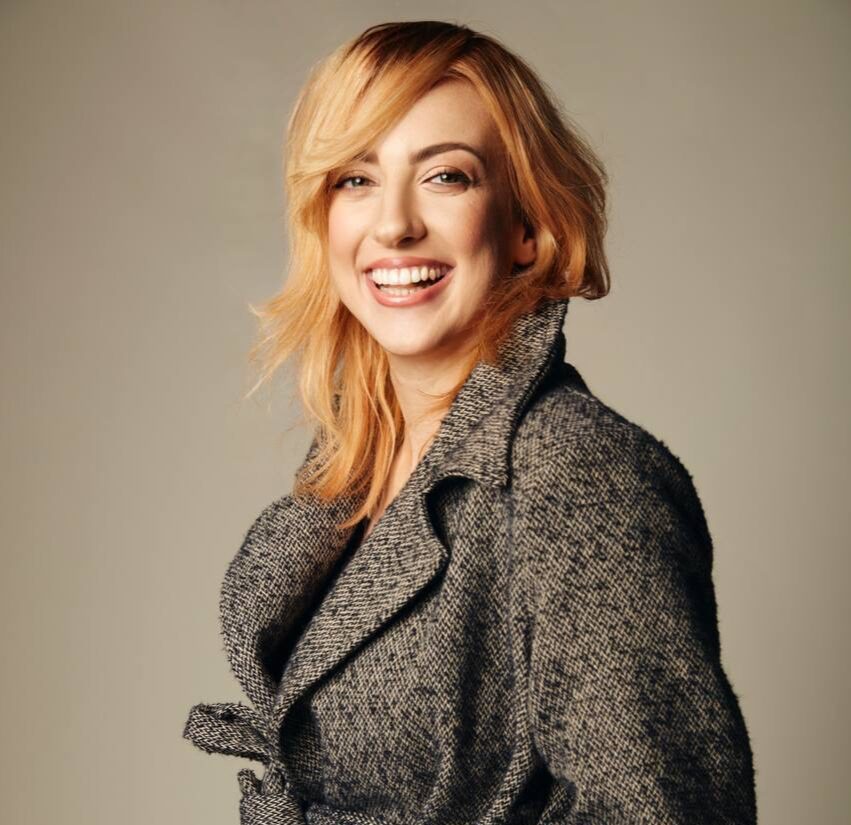
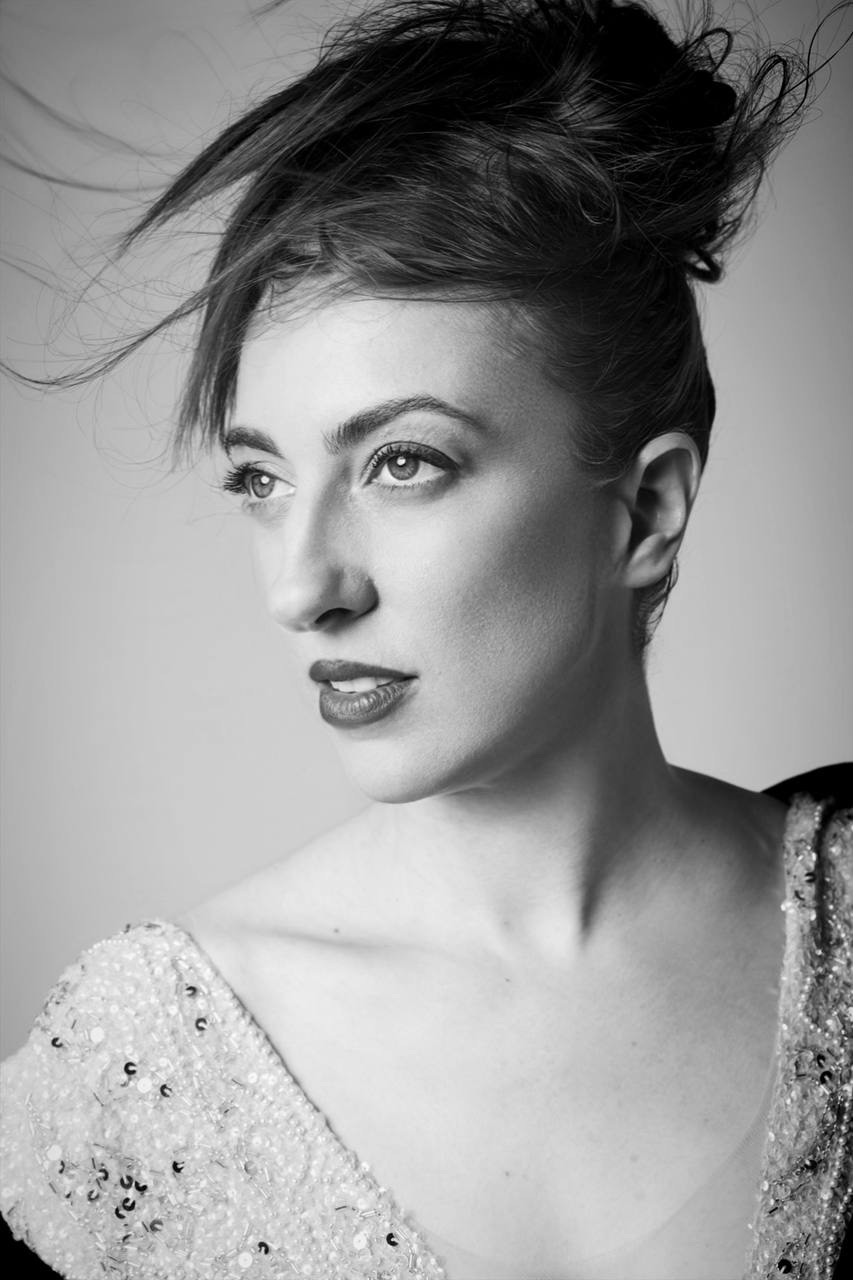
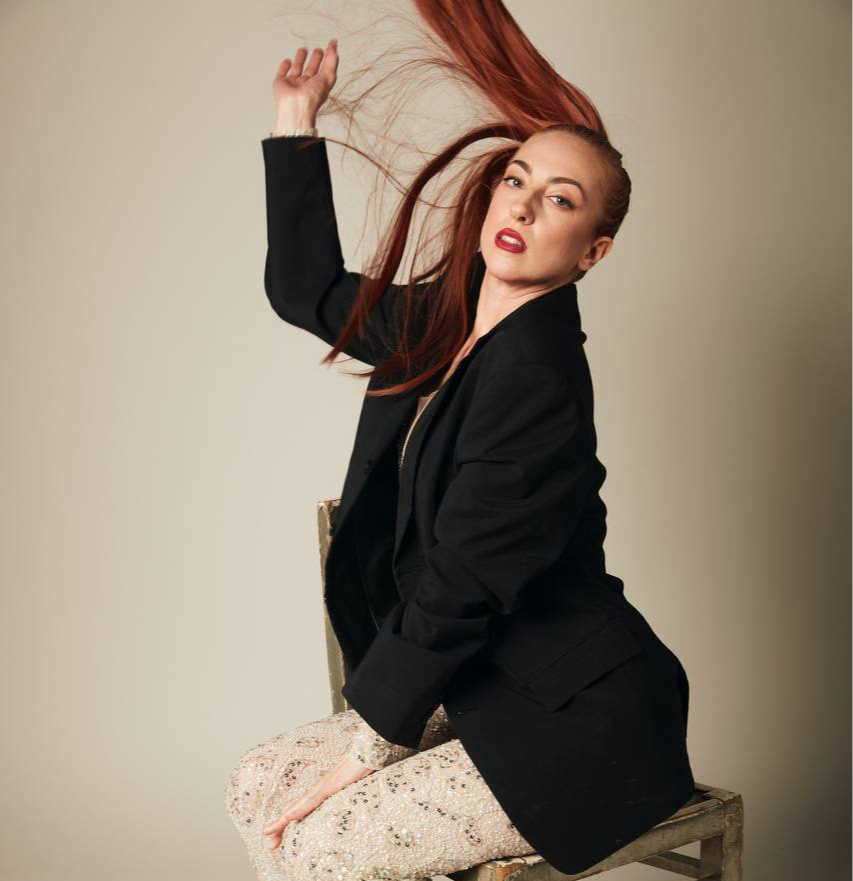
SARA ZANELLETTI shared their story and experiences with us recently and you can find our conversation below.
Good morning SARA, we’re so happy to have you here with us and we’d love to explore your story and how you think about life and legacy and so much more. So let’s start with a question we often ask: Are you walking a path—or wandering?
I think I’m both walking a path and wandering.
My life often takes unexpected turns—ones I could never have planned. This past March, for example, I began working as an interpreter for the Supreme Court. It’s a role I never imagined for myself. The responsibility is immense, and every case brings new challenges. It can be anxiety-inducing, but it’s also deeply energizing!
What grounds me is presence. You have to listen intensely, think fast, and translate meaning.
From dancing with Cirque du Soleil to writing a book, hosting a podcast, teaching Italian, and now interpreting, my life may look like wandering but I see a pattern. Everything I’m going through is connected.
I believe we’re guided—quietly—by something within us that knows what we’re capable of, even before we do.
Can you briefly introduce yourself and share what makes you or your brand unique?
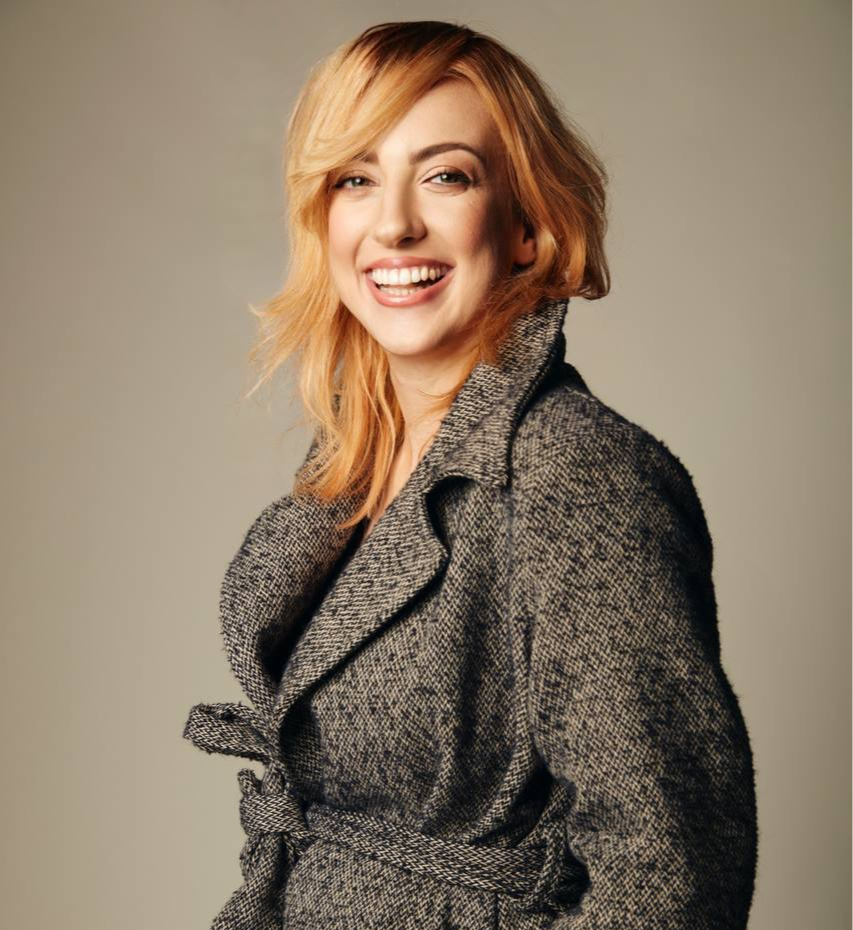
I’m Sara Zanelletti, known as Sara Z, from a small city in Emilia Romagna, Italy. Dance shaped my early years—it wasn’t just a passion; it was my entire world. I trained relentlessly, performing in contemporary companies, events, and musicals across Europe. My biggest turning point came when I was discovered by a former Cirque du Soleil director’s assistant in Italy. He saw something in me—something I had always felt but didn’t know how to unleash. He choreographed a physically demanding, emotionally layered role for me, challenging me in ways I had never experienced. More than a choreographer, he became my mentor, pushing me to dream bigger. He believed I had what it took to join Cirque du Soleil. With his encouragement, I traveled to Vienna in 2006 to audition for the renowned company.
Then, in 2008, the unimaginable happened—I got the contract. I packed my bags and flew to Las Vegas, stepping into a world unlike anything I had known. I co-starred in Believe with Criss Angel, an experience that felt like the pinnacle of everything I had worked for. But alongside the thrill came the challenge of adapting—not just to a new country, but to the demands of Cirque itself. It was an elite, high-pressure environment that pushed me beyond my limits, both as an artist and as a person.
After Cirque, I faced an identity crisis. For so long, dance had defined me. It had always been my essence. I knew exactly who I was—until I didn’t. Searching for a new path, I moved to LA to pursue acting and trained in improv at The Groundlings and UCB. It was a different kind of stage, one that required quick thinking and sharp instincts. I booked a few projects, even earned a nomination at the Eerie Film Festival in Pennsylvania, yet the doors of Hollywood remained firmly shut. Either I had the wrong look, the wrong accent, or—ironically—I wasn’t “Italian enough.” Even with a talent agent, the industry always seemed to find a reason to say no.
To support myself, I started teaching Italian—a decision that, at first, felt like a detour from entertainment but ultimately brought me right back to it. Through teaching, I unexpectedly connected with the film industry, working with actors, producers, and creatives behind the scenes, including a few celebrities. Teaching became my new way of performing—a space where language, storytelling, and connection came together in ways I never anticipated.
Yet, beneath all these transitions, loneliness lingered—especially in those early years in LA. That solitude eventually found its way onto paper, leading me to write ‘Non ho chiesto l’America’, a novel that explores identity through the journey of Giulia, my alter ego, navigating the adventures and struggles of the immigrant experience. Then, during quarantine, my desire for connection took another shape: I launched Sara Z La La Land Stories, a video podcast where I’ve had the privilege of sharing unique stories from public figures in both Italian and English. The project caught the attention of Vanity Fair Italia for their social media, which led to an exciting brief collaboration. From dancer to actress, Italian teacher, storyteller, and now a Supreme Court interpreter in Los Angeles, every chapter has shaped me in unexpected ways. They aren’t separate identities, but different facets of the same self.
Amazing, so let’s take a moment to go back in time. Who saw you clearly before you could see yourself?
When I was a dancer in Italy, a choreographer who had worked with Cirque du Soleil saw something in me that I couldn’t yet see in myself. In a field built on auditions, rejections, and constant comparison, self-doubt becomes part of your nervous system. You’re told “no” so often that even when you know you’re capable, you start questioning whether you’re enough. His belief cut through that noise. He didn’t just encourage me—he insisted I had what it took and pushed me to audition for Cirque du Soleil. That belief gave me courage at a time when I needed it most.
Years later, someone else recognized a different part of me. A close partner and friend who saw that I could write, that I had lots of stories to tell, long before I trusted that voice myself. He helped me understand that there was more than one way to express who I was.
Being seen—first for my body, then for my words—changed everything. Often, we do sense who we are and what we’re meant to do, but we don’t yet have the courage to go all the way there. We hesitate. We second-guess. It’s easy to lose direction or talk ourselves out of what feels true. That’s when an external voice is fundamental — No matter how strong or determined we are, we all need a guide at some point—because it’s very easy to drift away from ourselves.
What have been the defining wounds of your life—and how have you healed them?
Some of the defining wounds of my life were shaped early on. Growing up with a parent struggling with depression and anger meant love often felt conditional, unpredictable, something to earn rather than receive. That left traces—especially in my adult relationships—fear of being forgotten, of not being enough, of having to prove my worth to be chosen.
Choosing a career in dance amplified those wounds. It’s a world built on rejection, instability, and constant judgment. Combined with a lack of encouragement at home—being told something was “too difficult” rather than being supported—it reinforced the belief that I had to conquer everything alone. Healing came through self-awareness. I’ve always been introspective—perhaps it’s something I was born with—and over the years I turned to reading, reflection, and self-help as tools to understand my own inner world. Slowly, I learned to offer myself the stability and reassurance I hadn’t received.
What once felt like a wound became a source of strength. It made me resilient, deeply empathetic, and capable of building my own sense of safety and direction. I didn’t inherit confidence—I built it. At the same time, my parents gave me something incredibly important: the freedom to explore who I was and follow my own path. And looking back, I recognize that being a parent isn’t easy.
So a lot of these questions go deep, but if you are open to it, we’ve got a few more questions that we’d love to get your take on. Is the public version of you the real you?
What I do share is real. It’s me in the middle of searching, questioning, and trying to show my own truths as they unfold. I’m drawn to honesty, even when emotions are still unresolved, and I like leaving some space for ambiguity without revealing everything about myself, letting people take from it what resonates with them. In that sense, the public version of me feels like a continuation of my off‑stage life.
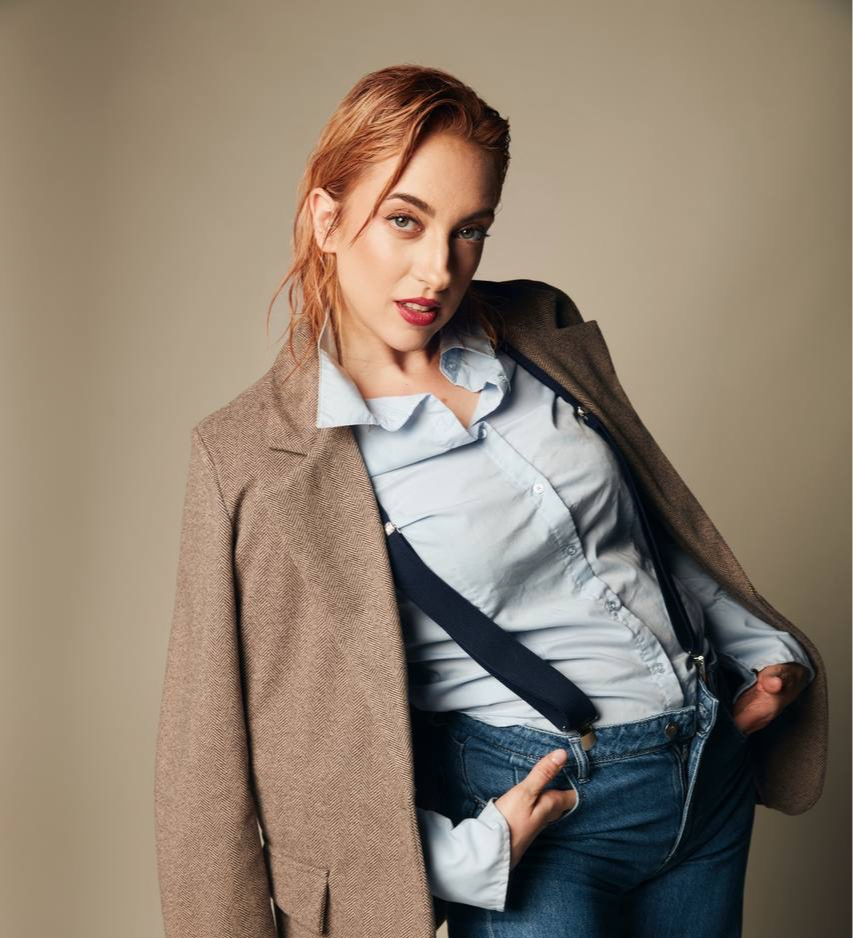
When I’m recording my podcast and interviewing peopleI love wearing wigs, trying different makeup or hairstyles—it gives me the same sense of being on stage that I had when I was a dancer with Cirque du Soleil.
In real life, I’m actually more open than on social media. I connect more deeply in person, while online I keep things intentional: I share my work, my projects, or something that resonates with me. I think that on social media people can get a sense of who you are based on what you post and how you show your real personality.
Okay, we’ve made it essentially to the end. One last question before you go. When do you feel most at peace?
I actually feel most at peace when I’m alone, and often that begins with meditation. I do it with my eyes closed, fully present, and I can stay like that for a long time. It helps me connect deeply to myself, focus on my breath, and let thoughts pass without forcing them to stay or leave—just observing, just accepting. Sometimes, in that quiet space, insights and intuitions come to me—about something I forgot or an issue I really need to address. Meditation music can help me enter that space even more, and in those moments, I feel soothed, grounded, and gently rebalanced.
Whenever I open my eyes after, everything feels more vivid—the colors are brighter, my perception of the world sharper, and my way of being feels bigger. I also feel an immediate sense of calm when I’m with my dog, Giorgio! He gives me so much love and presence. I just look at him and run my hands through his fur—That connection is so powerful and sweet. He’s a fluffy Sheepadoodle! In that moment, there’s this quiet exchange of love and relief that only a pet can give. I love him so much.
Contact Info:
- Website: https://www.learnitaliannow.com/
- Instagram: https://www.instagram.com/sara_zanelletti/
- Linkedin: https://www.linkedin.com/in/sarazanelletti/
- Other: Spotify Podcast: https://shorturl.at/ICB5e
Book ‘Non ho chiesto l’America’
Amazon https://shorturl.at/jcOjc
Barnes&Noble https://shorturl.at/Sn66YImdb: Sara IMDB Link
Popular
-

Portraits of the Valley
-

LA’s Most Inspiring Stories
-

Rick Norris Learned That Building a Successful Business Means Building a Life You Actually Want to Live
-
How Olivia Rush Turned Survival Into a Mission to Help Others Keep Going
-

How Bibi Goldstein Is Helping Entrepreneurs Reclaim Their Time by Embracing the Power of Delegation
-
Victoria Hasson is Redefining Voice Coaching Through Community and Collaboration


