




We recently had the chance to connect with Micah Huang and have shared our conversation below.
Micah, a huge thanks to you for investing the time to share your wisdom with those who are seeking it. We think it’s so important for us to share stories with our neighbors, friends and community because knowledge multiples when we share with each other. Let’s jump in: What do you think others are secretly struggling with—but never say?
Mental Health. This may be a controversial thing to say, but I really believe it.
We’re living in a time and place where the rate of change to society, technology, and so many other things are moving very fast. It can be a challenge to keep up. The media likes to represent mental health as a vehicle for the word “crisis,” which gets a lot of clicks, but that’s not actually very relevant to most of us on a daily basis. We’re not all having mental health crises right and left. Humans are resilient, and even under extreme circumstances, most people manage to hold it together. However, we’re under a lot of pressure a lot of the time. That goes for everyone, no matter your identity. Even so, we’re culturally programmed with this script where someone asks “how are you?” and the only normal answer is “fine” or “good.”
I try to be mindful of this when interacting with people, just staying attuned to what they’re expressing about their mental state. You can almost always tell more about what someone’s feeling than they say with their words. Instead of ignoring it, or using it to manipulate others, I think we gain a lot more by just giving other people some grace. If they say they’re “fine” but seem a little stressed out, we can be gentle, a little more forgiving of them in that moment. It costs us nothing, and hopefully they’ll do the same for us.
It takes a little bit of pressure off.
Can you briefly introduce yourself and share what makes you or your brand unique?
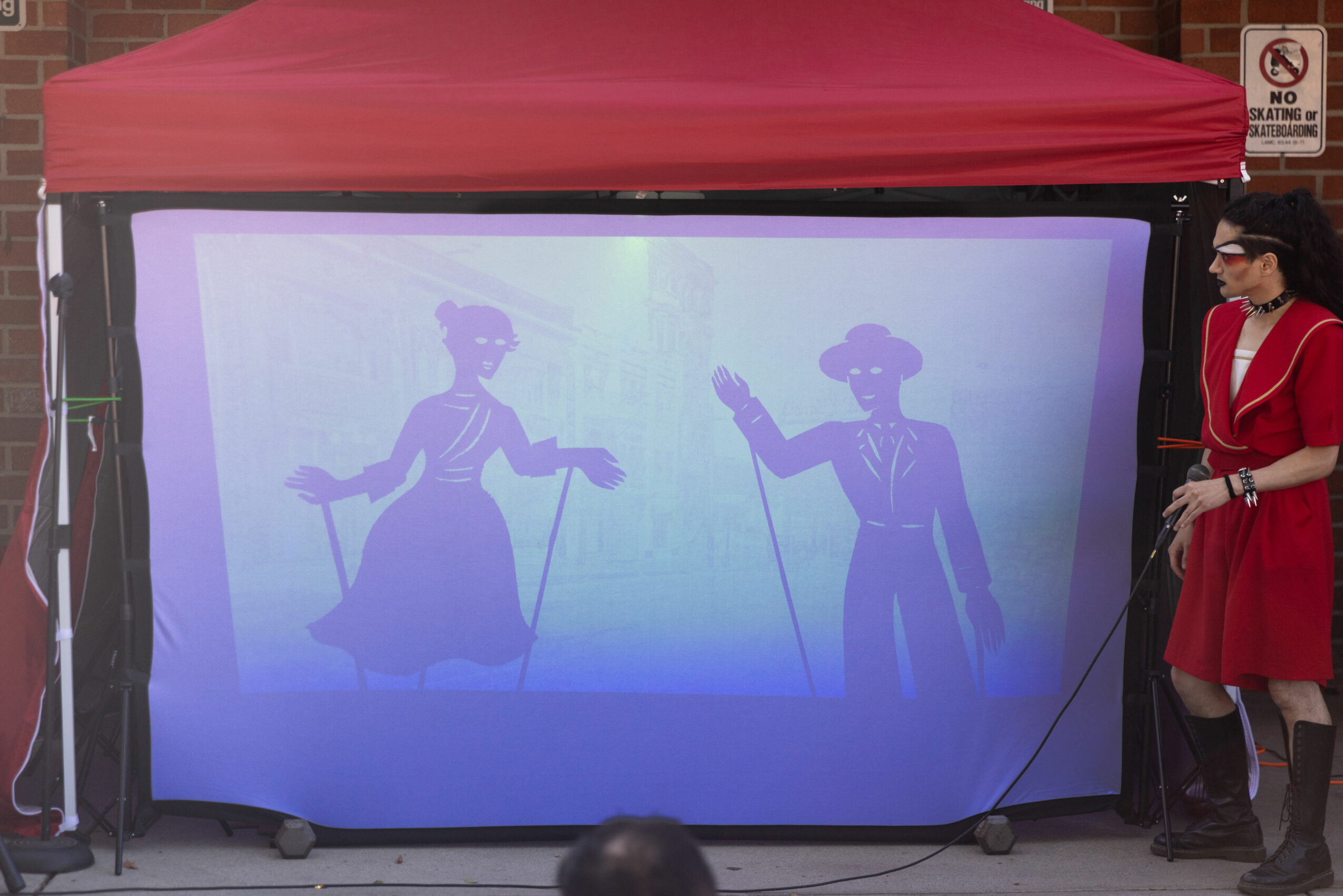
I’m a performing artist, researcher, and co-organizer of the Los Angeles Hungry Ghost Festival in LA Chinatown.
The Hungry Ghost Festival is the East and Southeast Asian version of Halloween or Die de los Muertos. It happens at the very end of summer, around Labor Day weekend. The exact date changes every year, because we use a lunar calendar.
The LA Hungry Ghost Festival is part American Block Party, part Asian street fair. If you happened to walk through the festival, you might think that you were on a move set or theme park. You might come face to face with a life-size dragon or dancing lion, or find yourself in the front row of a martial arts demonstration. You might stop to listen to some live music, or find yourself talking to a costumed character from Chinatown’s mythology and folklore. You might even get your face painted and become part of the magic yourself!
That’s what the Hungry Ghost Festival is all about: immersing yourself in the sights, sounds and smells of another world, without having to leave LA. The festival is also free and family friendly; a great place to connect with friends, meet new people, and let the kids enjoy fun activities ranging from educational plays and shadow-puppet shows to bouncy houses and scavenger hunt.
Appreciate your sharing that. Let’s talk about your life, growing up and some of topics and learnings around that. Who were you before the world told you who you had to be?
As kids, we live in a world full of mystery and wonder. We tend to lose touch with that as we get older, and the practicalities of life take up all our time and energy. However, I believe that we can get it back by creating spaces for magic in our busy lives.
I was fortunate to spend my early childhood in a rural environment high up in the mountains. Things could be a little rough at times, and we certainly didn’t have all the luxuries or conveniences you can find in the city, but here’s the thing: It didn’t really matter to me.
My folks were very busy, so I spent a lot of time by myself. We lived deep in a canyon, miles away from other people or even paved roads, and my favorite thing to do was walk around in the woods. By the time I was 5, I knew every hill and valley, every thicket and fallen tree in that canyon. Some might think it was dangerous or lonely for a little kid to be out there alone, day after day, but in reality, it was the opposite: The entire world felt alive and aware. Everything was filled with spirit, from the signs left by animals to the hollow places where you could dig for water.
When I got a little older, we moved to the city and things changed. The land around me was cut up and cut off by fences, paved roads, buildings and freeways. At school I was always being reminded of the toys other kids had that I didn’t have, the movies they had seen that I hand’t. Everything was organized into categories, and there was a clear hierarchy to… well, to everything. I hated it and rejected it at first, but eventually I got used to it and started playing the game. What else can you do?
However, there was always some kind of sanctuary from it all. For me, it took different forms at different times. At one point it was the Dojo where I practiced martial arts. There was a rough wood Torii gate in there, which seemed to separate the training floor from the rest of the world. Inside, you could do things that weren’t usually allowed. I don’t just mean yelling and fighting, though that was fun, for a kid: I also mean learning magical movement sequences where you did your best to transform into animals. A crane. A cat. A snake.
Later on, my magical space became the theater at school. However, I always felt that there was stomping missing. Theater felt too formulaic, too fake. I like Shakespeare as much as the next person, but I always felt that the whole situation could benefit from some new energy. Something more immersive and participatory. Something that felt rooted, and real. Like the ritual alchemy of the Dojo. Like my early experiences in the woods.
In many ways the Hungry Ghost Festival is a way of providing that kind of experience: not only for the Chinatown community, but for everyone who comes to the festival. We’re making a space for magic and mystery in the midst of everyday life.
What did suffering teach you that success never could?
Compassion.
This world is tough. You know the Langston Hughes poem “Life for me ain’t been no crystal stair?” Well, that’s true for pretty much everybody you meet going through your day. For every triumph there are 10 challenges that someone had to overcome in order to get there. For every beautiful coincidence, there were 10 unlucky things that happened first.
Growing up in this society, we’re told that the challenging aspects of life are just opportunities to prove how tough we are. This is connected to the idea that success in your career or in the marketplace is somehow a measure of your moral character. Over the years I’ve learned, that’s just not true.
If, like me, you’ve been knocked down by life more times than you can count, it’s a little easier to look at the people around you and see their struggles, not as some kind of moral failing on their part, but rather as their experience of a shared situation. We are all trying to make good in a world that is organized on principles of scarcity and cutthroat competition. I’m not here to debate whether these conditions are natural or imposed by some aspect of society. At the end of the day, it doesn’t really matter.
What matters is: when you see your own struggle as connected to the struggles that other people are going through, your quality of life improves. You feel less isolated, and more motivated to help other people. You get the opportunity to build simple human connection, which nourishes your spirit and supports your mental health.
If you can take it to the next level and find compassion for the struggles of people who you might not consider to be “like you” in some significant way, you also gain a kind of liberation from the negative social pressures and prejudices that weigh so many of us down in our daily interactions with other people.
That freedom is a treasure that no money can buy, and no power can ever take away from you.
I think our readers would appreciate hearing more about your values and what you think matters in life and career, etc. So our next question is along those lines. What are the biggest lies your industry tells itself?
More technology is not (always) the answer.
In the arts and entertainment, it’s easy to become starstruck with the glamour and refined aesthetics that big companies like Netflix or Disney can put forward using the latest and most advanced technologies.
However, by focusing too much on advanced tech and the kind of perfection it enables, we lose sight of the practical, social and emotional aspects of art, entertainment, and their roles in community.
One good example of this is the current uproar about AI generated art, music, and videos. As these tools get more and more advanced, we’ve seen them rise to a kind of viral dominance on many social media and streaming platforms. This makes sense, because the algorithms that platforms use to decide what is “good” or “standard” are actually structured in ways that are closely related to the systems behind generative AI. However, what we are increasingly seeing is that human users don’t get what they need out of AI generated content. It doesn’t matter how aesthetically pleasing or technically perfect the AI generated stuff is, or becomes. There will always be certain things that people are looking for in art and entertainment that are really all about connection to other people.
I think that real life, community based events like the Hungry Ghost Festival speak to those needs in a really special way. This isn’t to say that we don’t need to work with technology, or the technology can’t help us achieve our goals. It’s more that we think it’s important to prioritize human connection in some creative spaces. This is an important part of the magic that I mentioned earlier.
Thank you so much for all of your openness so far. Maybe we can close with a future oriented question. When do you feel most at peace?
Have you ever had a feeling like you were in some kind of story, maybe a movie? Like all you had to do was go with the flow, and everything would fall into place?
I think that we all experienced this at special moments in our lives. Maybe it’s something as simple as a night out with friends. Maybe it’s on a date or some other kind of experience that starts out normal but has the potential to become life-changing.
I don’t think there’s any specific formula for experiences like this, but I do think that it’s possible to facilitate the state of mind that we experience in these special moments. It’s a state of mind where we feel comfortable and confident enough to give up control and let the situation take us where we need to go.
The reason I work on immersive events and performances that blur the line between the world of creative art, and the world of everyday life, is because I want to provide an environment for people to seek out this kind of experience. Call it what you will: magic, serendipity, immanence. It’s something that brings us a profound sense of peace and a thrilling sense of excitement at the same time.
That’s worth putting in a lot of work, if you ask me.
Contact Info:
- Website: https://www.patreon.com/c/LAHungryGhostFestival?utm_source=campaign-search-results&vanity=LAHungryGhostFestival
- Instagram: @hungryghostnote
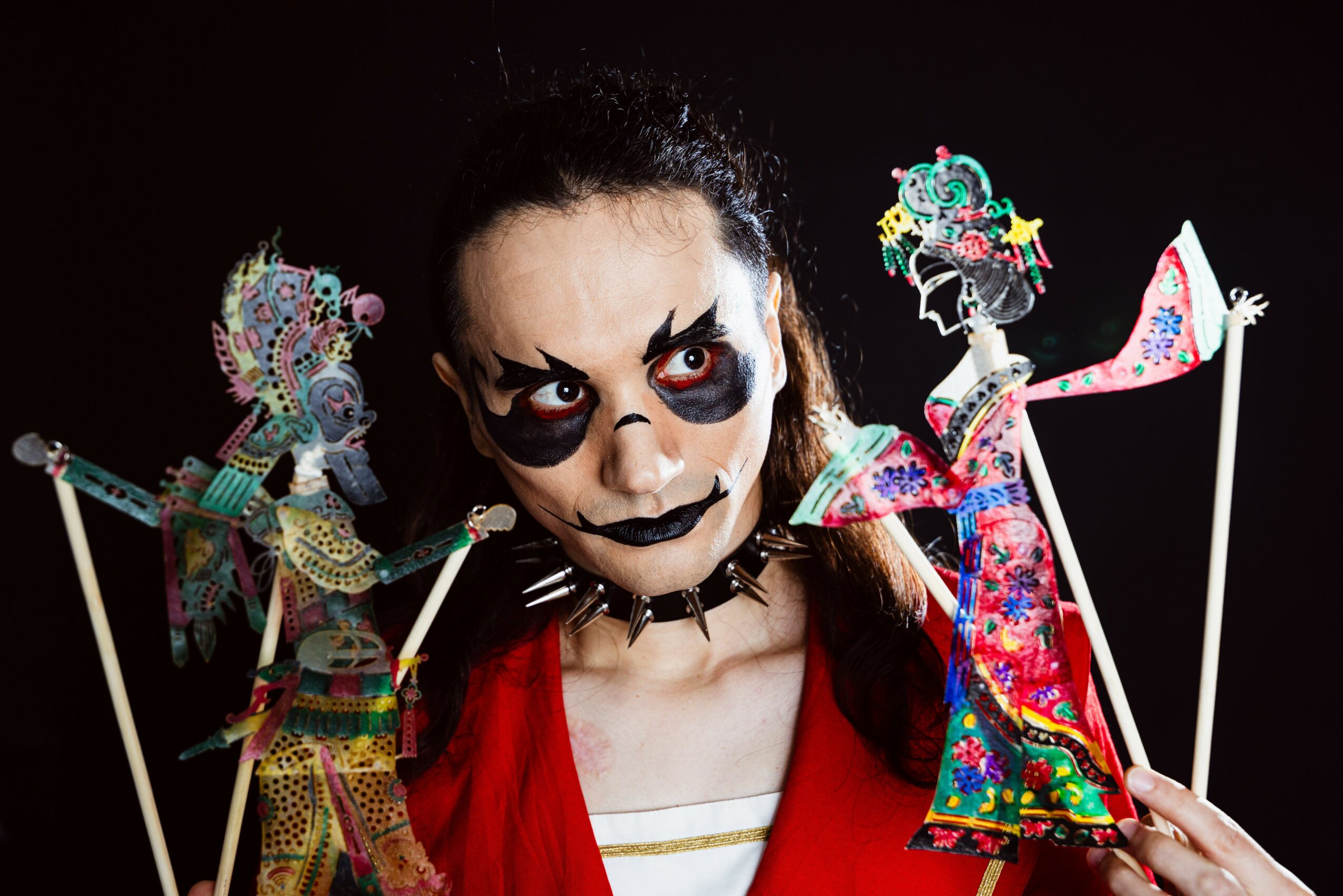
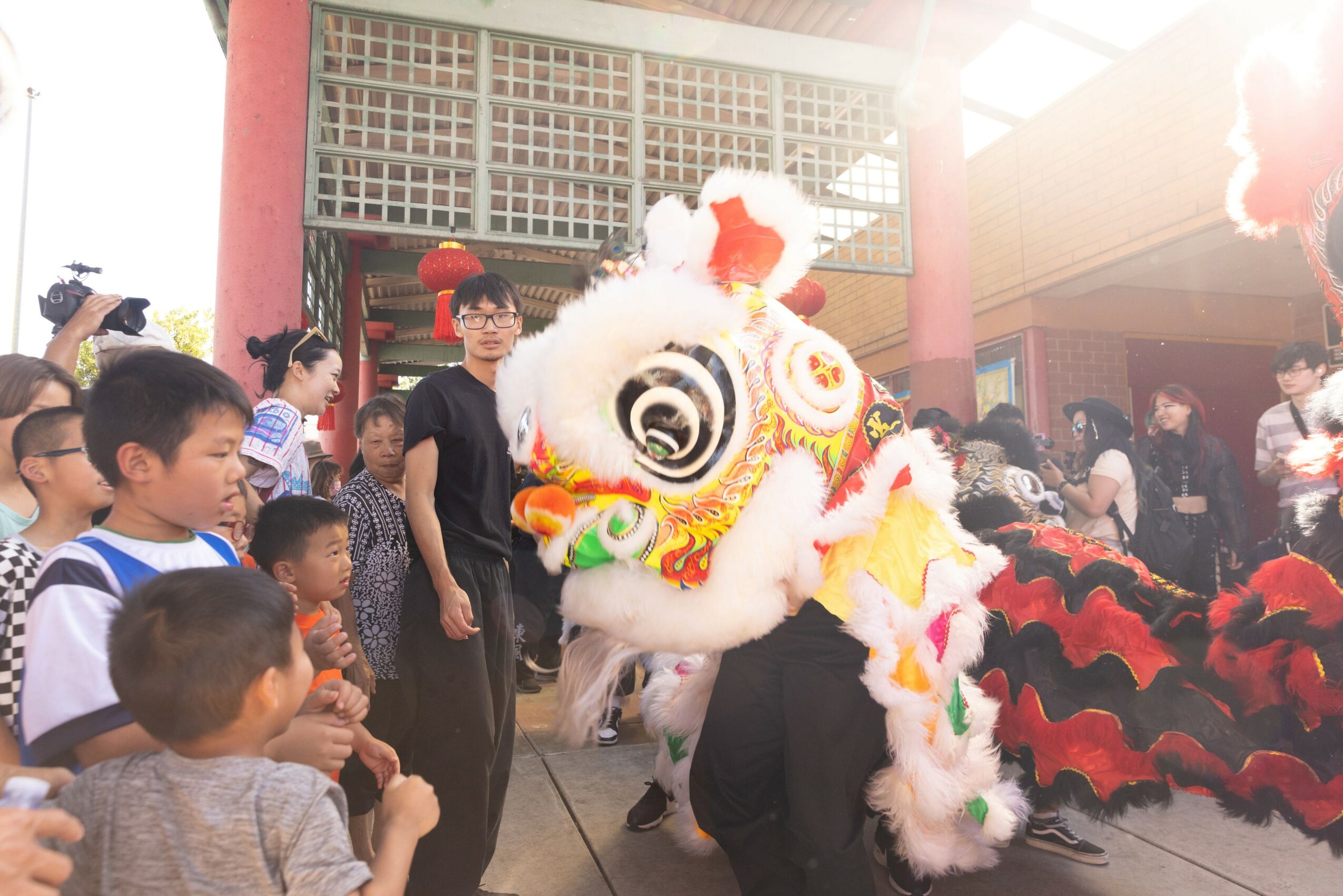
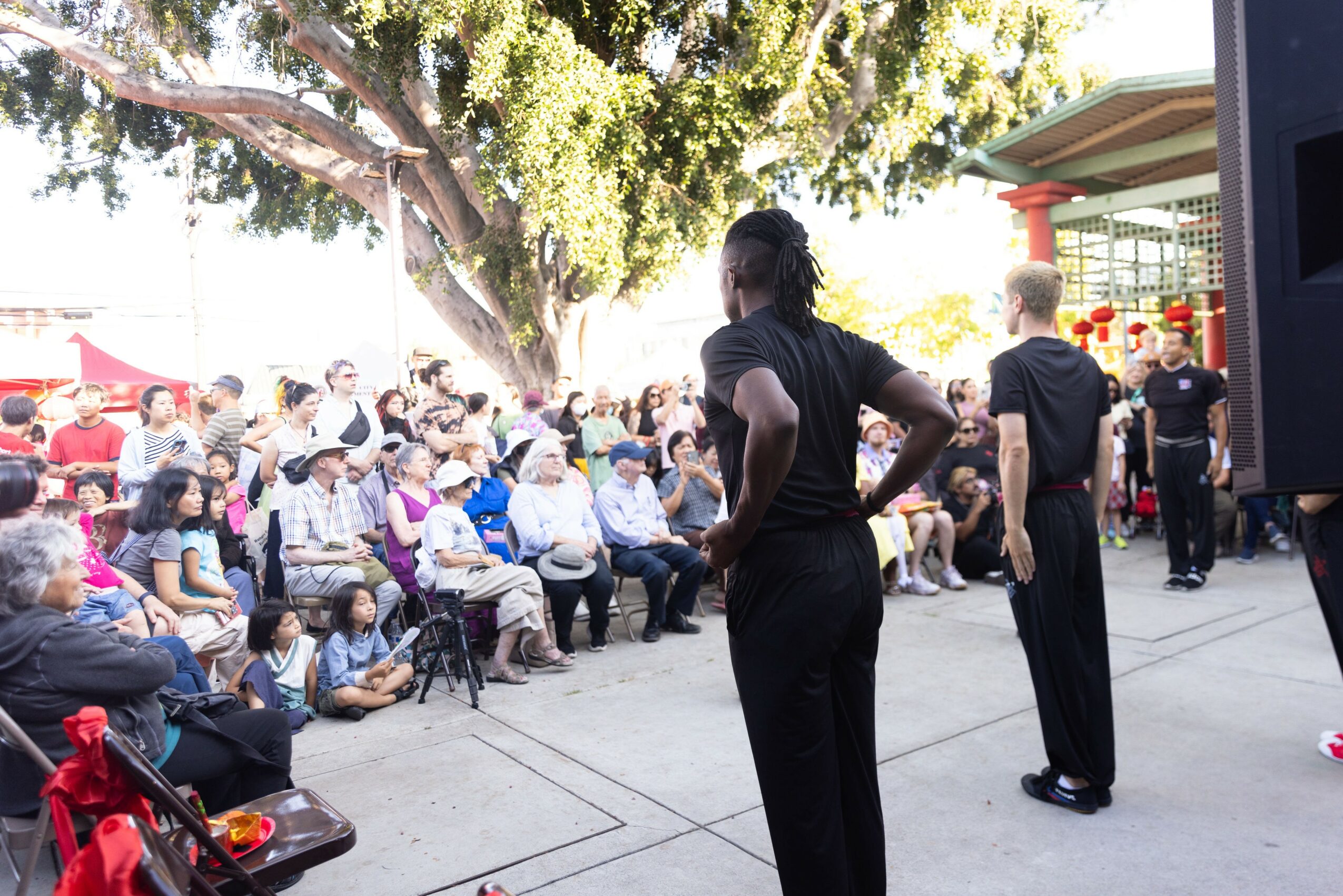
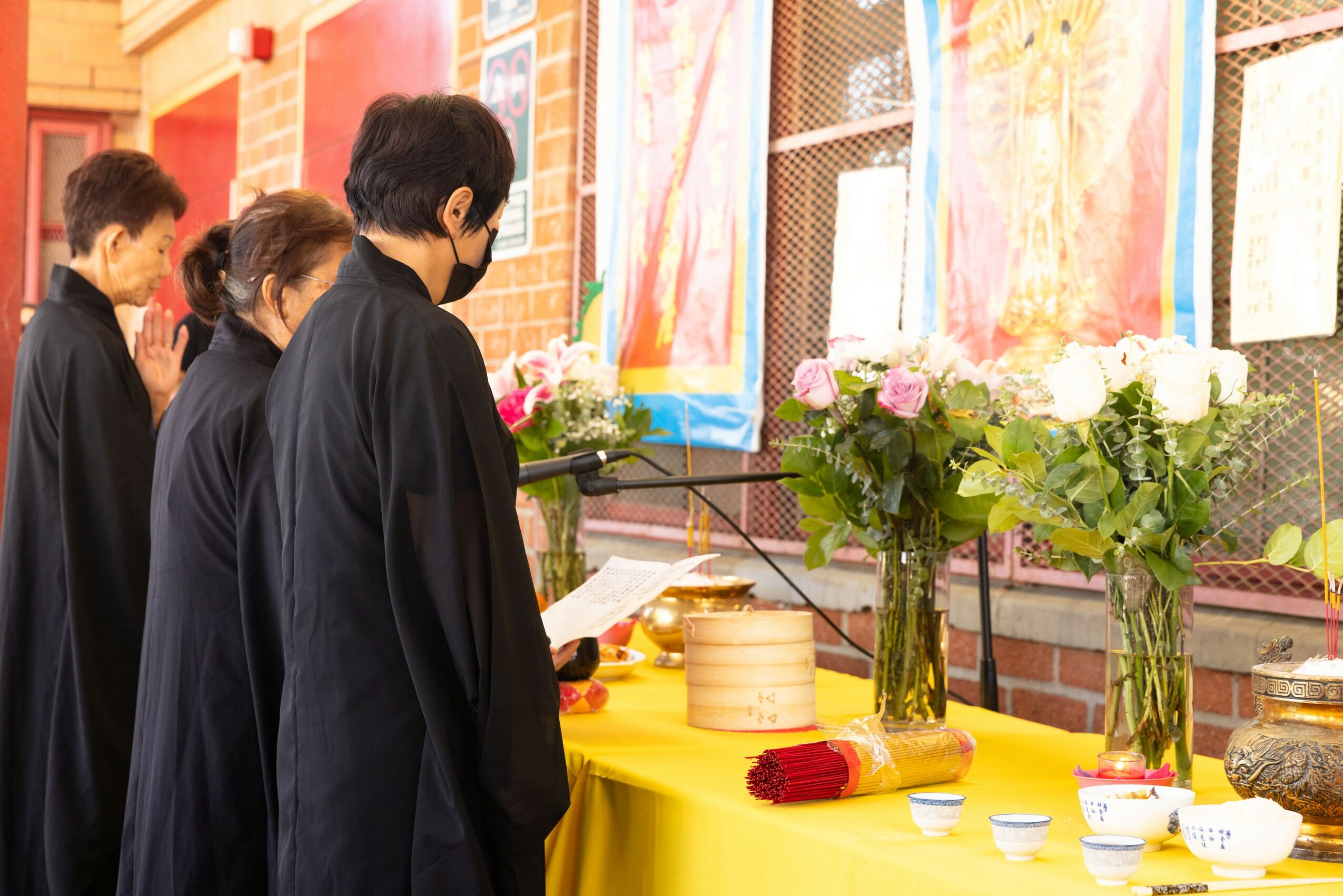
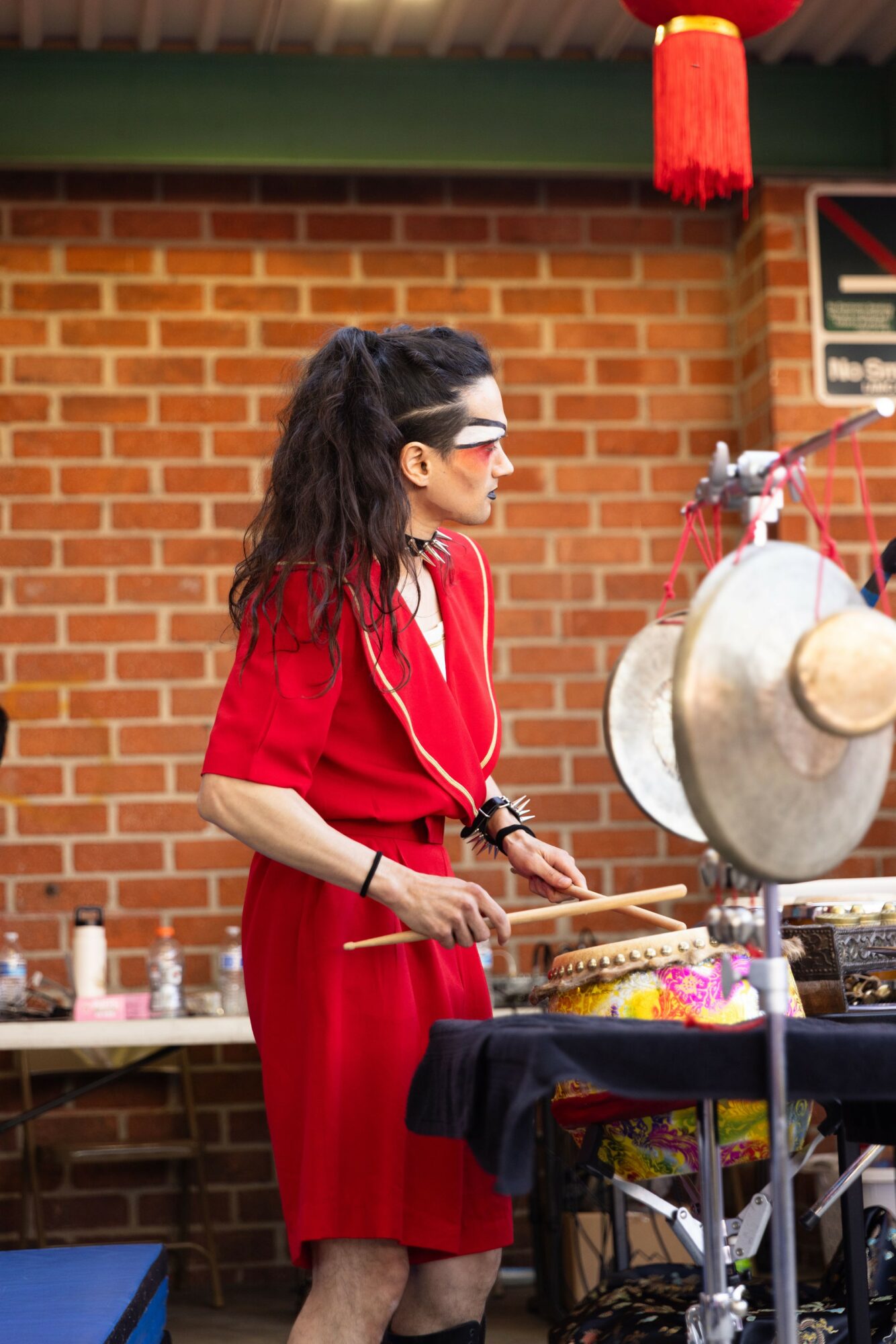
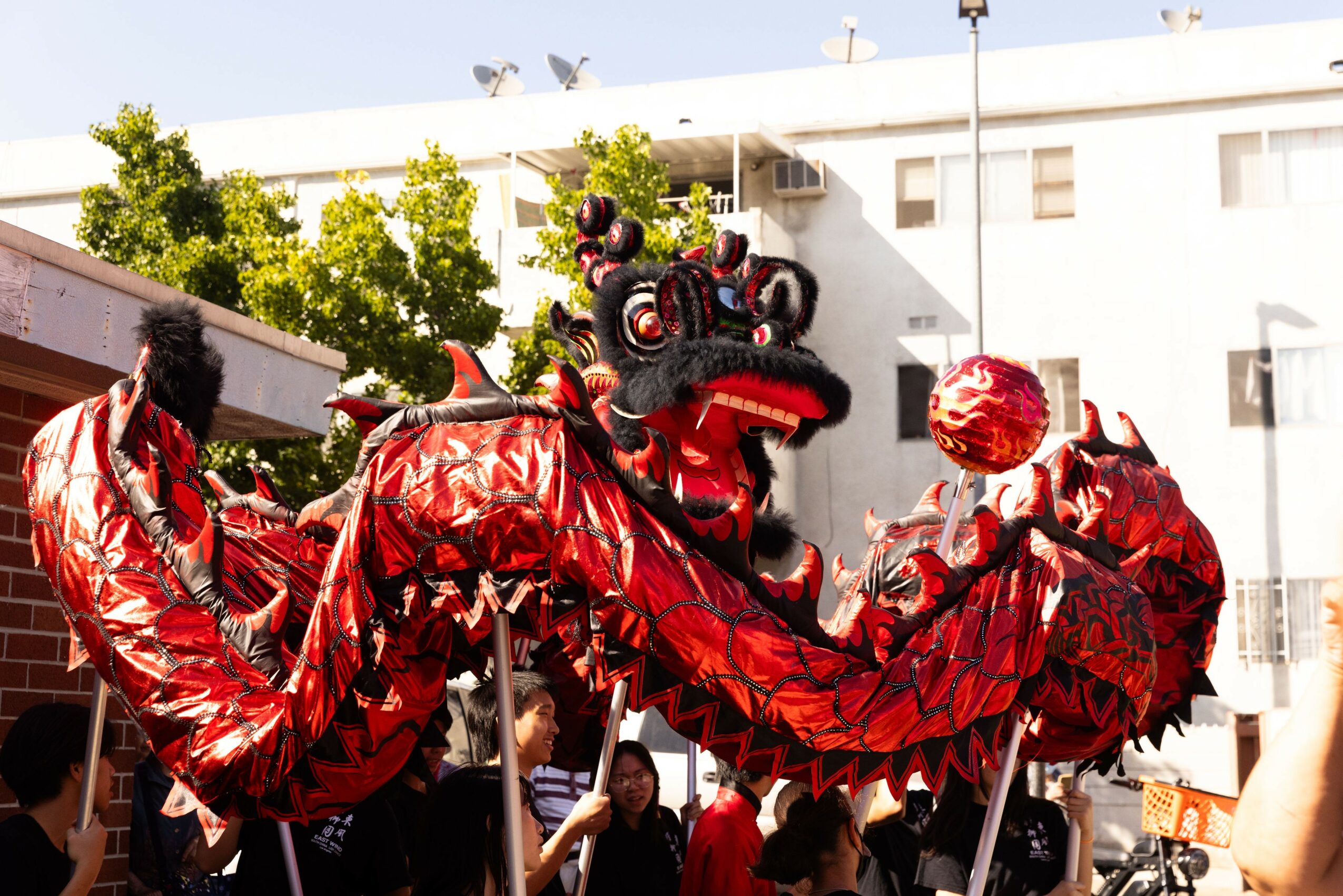
Image Credits
Olivia Moon
Tizoc Zamora
Popular
-

Portraits of the Valley
-

LA’s Most Inspiring Stories
-

Rick Norris Learned That Building a Successful Business Means Building a Life You Actually Want to Live
-

How Olivia Rush Turned Survival Into a Mission to Help Others Keep Going
-

How Bibi Goldstein Is Helping Entrepreneurs Reclaim Their Time by Embracing the Power of Delegation
-

Victoria Hasson is Redefining Voice Coaching Through Community and Collaboration


