




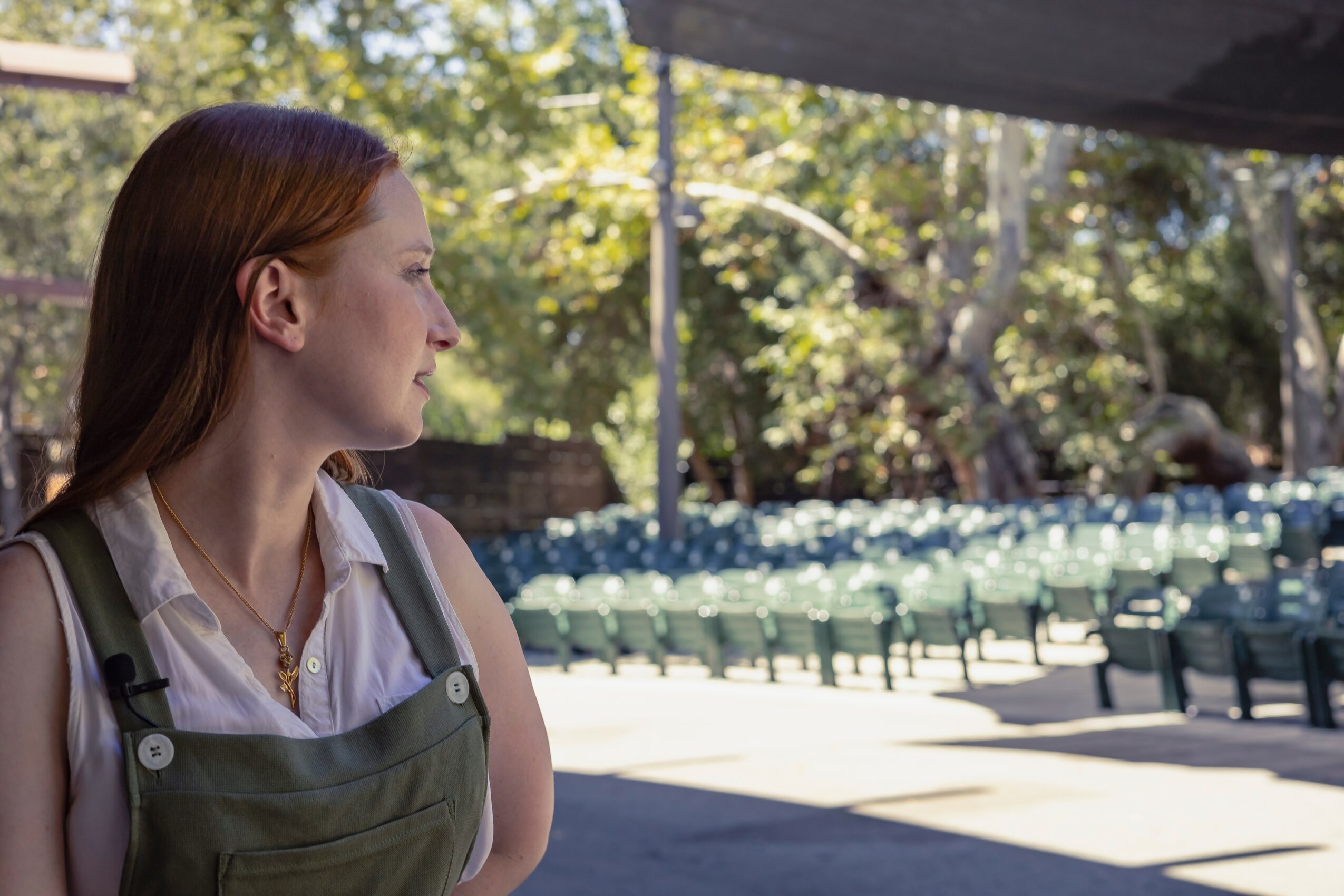
Today we’d like to introduce you to Rosalie Alspach.
Hi Rosalie, so excited to have you on the platform. So before we get into questions about your work-life, maybe you can bring our readers up to speed on your story and how you got to where you are today?
I moved to Los Angeles after I graduated from college, at Illinois Wesleyan University. I’d gotten my degree in theatre, and theatre had always been my plan, but instead of moving to a “theatre city” like Chicago or New York City, or traveling around the country to work at regional theatres, I decided to move to LA. Honestly, I didn’t have a solid reason why, and my family, friends, and professors were a little baffled by my decision—it was just a gut decision, and if there’s anything I can say about that from where I stand now, it’s that you should always follow your gut.
I started out in LA, acting. There were a lot of auditions, short films, and the occasional theatre production when I could make the rehearsals work with my schedule. I particularly like Shakespeare so I naturally jumped at the chance to participate in a production of “A Midsummer Nights Dream” that had only two weeks of rehearsals, and “Twelfth Night,” which was performed in the the warehouse attached to the Angel City Brewery in downtown LA. A theatre director saw the empty space and envisioned a theatre, so that’s where we put up the show. I was also part of a sketch comedy troupe called TMI Hollywood—I had done sketch comedy in college and it was a highlight of those four years. It was intense, but fun—the people were great, and there’s nothing like making people laugh. So, I still did theatre whenever I could.
About four or five years into living in LA I started writing. As an actor I’d been told over and over again, “write your own content.” I had never wanted to write, but I finally gave it a try and started writing a short film with a part written for myself. After a week, that short film became a feature, and I very quickly fell in love with the process of writing—seriously, all I could talk about or think about was my writing project. And then I’d get multiple scripts going at the same time, and it was just non-stop. I found that writing fulfilled my need to be part of the creation of a story from beginning to end—something I was missing from my acting experiences in LA. I was so accustomed to theatre—rehearsing in the space, watching the set get built, coming together a little more each day, rehearsal skirts and shoes to bring you into the world early on in the process, etc. Writing allowed me to develop that entire world in the most immersive way possible and see it through from beginning to end.
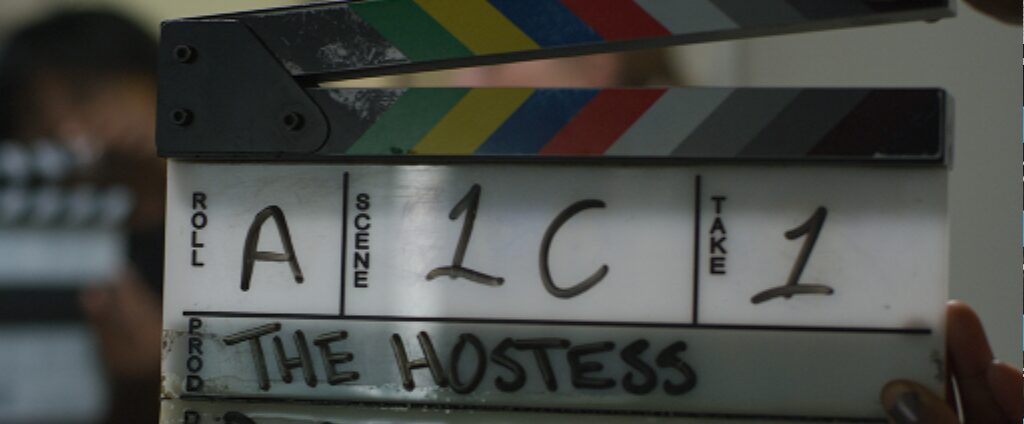
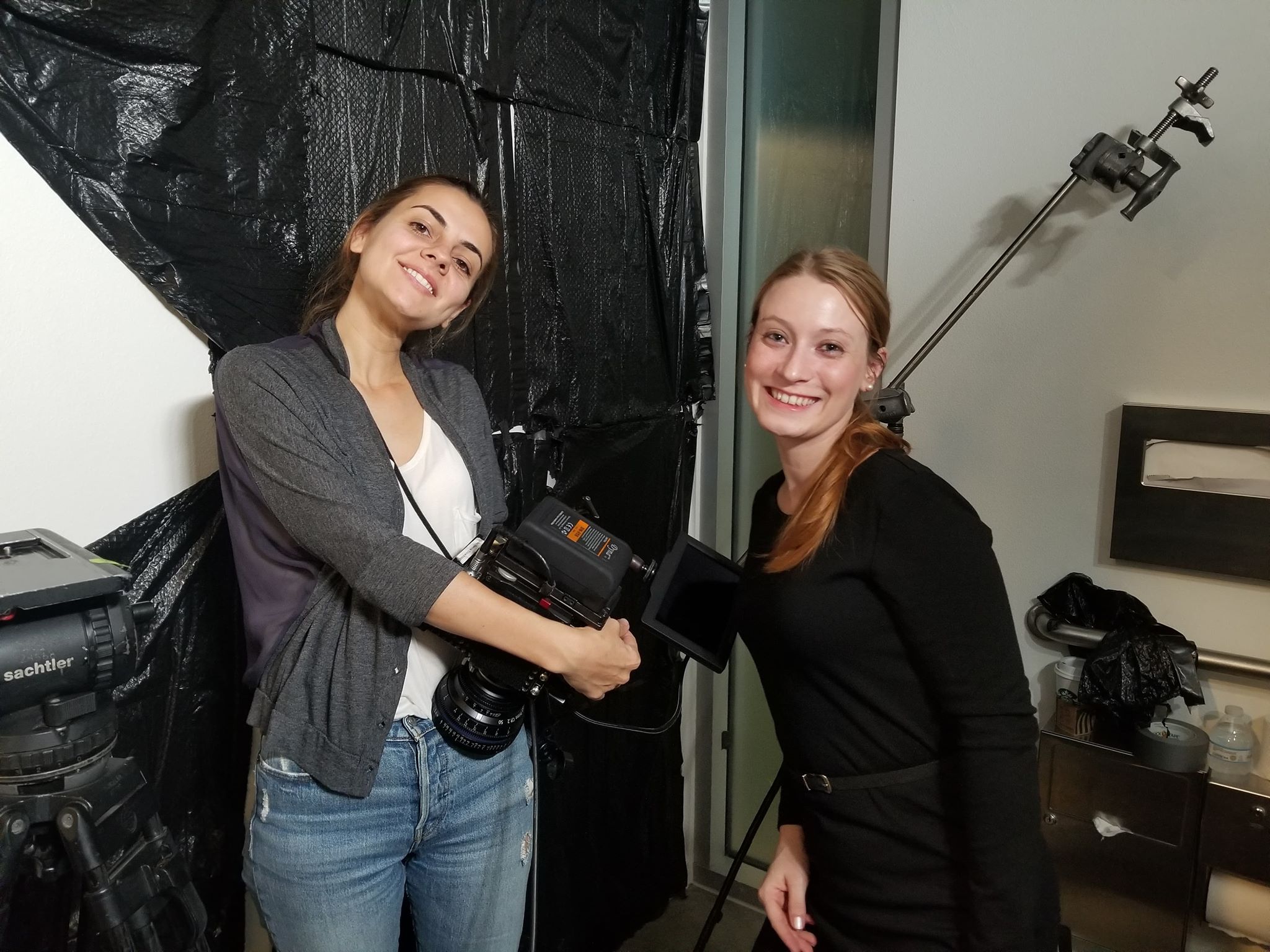
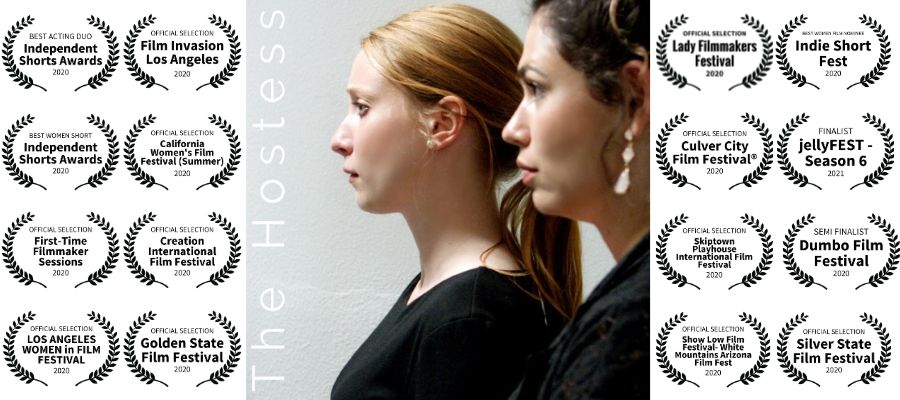
In 2019 I made my very first film—a short film called “The Hostess,” which addressed sexual harassment in the workplace using two characters in a bathroom (a third character added at the very end); it was small, the story was contained, and the space was tiny. It was a dark comedy and I had no clue how it was going to be received, but I kept listening to my gut, and kept faith that if the humor worked for me, then it was bound to work for other people. Fortunately, it did. “The Hostess” was selected for 13 festivals in 2020 and won awards for Best Acting Duo and Best Women Short. Most rewarding was the couple of screenings I got to see—I applied for festivals in January of 2020 before we knew everything would shut down for the year, so I ended up only attending a couple of in-person screenings. We got the laughs in the right places, and audience members even commented afterwards that, in the humorous moments, they felt like they shouldn’t be laughing, but the laugh just came out. Best compliment ever for a dark comedy.
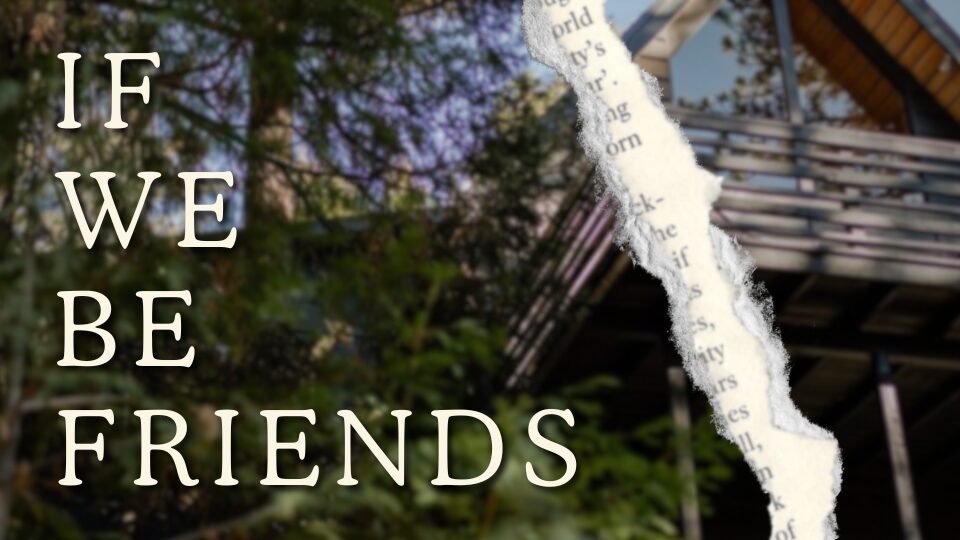
So…needless to say, I like dark comedies and walking that fine line. I like using humor to deal with heavy topics, and I’m still doing it, this time with a feature I wrote, called “If We Be Friends.” This one deals with grief, and the loss of connection and community. Six old friends from high school reunite when their high school theatre teachers passes away, and with all of them in the same place after years apart, it doesn’t take long for their old grudges, insecurities, and flames to resurface amongst the various forms of grief that they were already living in.
Alright, so let’s dig a little deeper into the story – has it been an easy path overall and if not, what were the challenges you’ve had to overcome?
I don’t think a smooth road exists for any artist—our lives are mainly comprised of rejection; there are times when projects fall through or fall short—as a writer/director, it’s devastating to have something that’s about to get made, but because of one thing or another it doesn’t, and this is after you’ve already put hundreds hours into it.
Getting funding is also a very rough road, whether you’re seeking out investors for your film or crowdfunding—which is something I’m doing for my current feature film, “If We Be Friends.” Launching with the most successful crowdfunding organization, Seed&Spark, we only get 30 days to meet our funding goal. That’s a tough road and a big gamble. Crowdfunding is not for the faint of heart.
But it’s not just small indie films that struggle with funding; over the past couple of years (ish) I’ve been getting articles in my newsfeed about Kristen Stewart trying to get investors to fund her independent feature film that would be her directorial debut, and she’s been struggling to get the funding for a long time—Kristen Stewart struggled to get her indie film funded! So, you can imagine how difficult it is for indie filmmakers to make a feature whether they use investors or crowdfund.
A collective rough patch in the industry was the pandemic. We still haven’t bounced back. Friends of mine who used to work all the time now can’t find work. So, for all artists, this is a really difficult moment. A moment that is lasting for too long. Trying to create art right now is…it’s hard, and it’s been a “bad time” for years now, and there isn’t any reason to assume it will be a “good time” any time soon, so we just have to keep pushing through.
Thanks – so what else should our readers know about your work and what you’re currently focused on?
One thing that sets me apart from other indie filmmakers is my background in theatre and how that has shaped the way I tell stories. I specialize in writing dark comedies—they are also my favorite types of films to watch. I enjoy taking serious subjects and finding ways to make them humorous, not by poking fun, but through organic human behavior. And then I like watching how an audience reacts. I’ve always handled heavy issues by finding humor somewhere—not everyone likes that in real life, but it’s a pretty common coping mechanism. We need to laugh even if it’s a really strange or inappropriate time to—that’s usually when we need it the most.
I like to keep my stories contained for the most part. It keeps the expenses low and it allows me to focus on character, relationships, and unique and engaging forms of communication and connection. For “If We Be Friends,” I only wrote seven characters, using one location. It was right for the story and right for the feeling I want to give the audience.
I write a lot of dialogue. I like the flexibility in the pacing and I grew up doing theatre and seeing a lot of theatre. As an Ashland, OR native, I was extremely lucky to have access to the Oregon Shakespeare Festival and other amazing theatres in the Rogue Valley, so dialogue has been how I process stories and character for as long as I can remember. It simply feels natural to me.
Any advice for finding a mentor or networking in general?
Networking is incredibly stressful, especially if you’re an introvert, but mentors are AMAZING. There’s nothing like having someone in the industry who believes in you and cares enough to be critical of your work while lifting you up. I can’t recommend finding a mentor enough. Find someone experienced, who has integrity, truly believes in you, and opens doors for you. Sadly, a lot of people close doors behind them—the good mentors who you should trust are the ones that keep the doors open.
I have been fortunate to have had two wonderful mentors since moving to LA. One of them I met about six months in when I got a scholarship to participate in her career coaching workshop. After the workshop ended, we stayed in touch and she has continued to support me. She has a busy career of her own, but takes time for me whenever I reach out. She’s the one who first encouraged me to write my own projects.
When I started writing, I was connected through a friend to a writer who has been head of creative development of multiple production companies and has recently been writing and directing for Hulu. He has read countless drafts of every single script I’ve written and he always provides thoughtful and constructive notes. His support has been unwavering, and I’m so fortunate. Find yourself a mentor like that.
Talk to friends and fellow filmmakers! Don’t be afraid to ask for guidance or connections, and be a supportive colleague in return!
Contact Info:
- Website: https://rosaliealspach.com
- Instagram: https://www.instagram.com/rosaliealspach/
- Facebook: https://www.facebook.com/rosalie.alspach/
- Other: https://www.instagram.com/ifwebefriendsfilm/
Popular
-

Que Johnson on Building Brands That Last: From Visibility to True Market Authority
-

Christina Wren Steps Into the Director’s Chair to Tell Stories That Feel Like Home
-

Portraits of the Valley
-

LA’s Most Inspiring Stories
-
JordanL on ‘Breathe,’ Belief, and Building a Movement Beyond the Music
-
Megan Birney Rudert on How Access to Light Is Powering a More Sustainable and Equitable Future


