




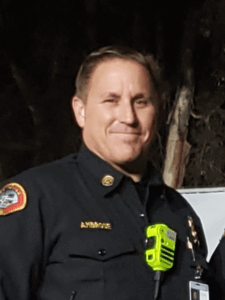
 Today we’d like to introduce you to Phil Ambrose
Hi Phil, thanks for joining us today. We’d love for you to start by introducing yourself.
Sure, here’s a brief walk-through of my story and how I got to where I am today:
As a career firefighter and now a battalion chief, I recognized a critical problem in hazmat training: the lack of realistic, hands-on training that could prepare responders for high-risk, low-frequency hazmat incidents. The traditional training methods were inadequate, relying on notes and taps on the shoulder to simulate detection meter readings, which didn’t effectively prepare responders for real-life situations.
Determined to improve this, I spent late nights working with my nephew to develop a software-driven platform that could deliver realistic hazmat training. Our first version received positive feedback from respected hazmat teams, encouraging us to continuously improve the platform based on user feedback.
Through early challenges, I learned the importance of hard work and having a solid plan. Surrounding myself with smart people and joining the Entrepreneurs’ Organization helped me gain the business acumen needed to bring our firefighter-developed product to market.
Today, HazSim has grown into a nimble, firefighter-owned company, constantly evolving to incorporate new technology and improve hazmat training around the world. Our goal remains to provide high-quality, realistic training that enhances responder safety and effectiveness.
For more details on our journey and innovations, please visit www.hazsim.com.
Can you talk to us a bit about the challenges and lessons you’ve learned along the way. Looking back would you say it’s been easy or smooth in retrospect?
The road to developing HazSim has not been smooth. There were several significant challenges along the way. Bootstrapping a company, especially a tech company with a hardware component, is not easy and required efficiency and sales growth.
One of the early struggles was the technical challenge of developing a realistic, software-driven training platform. Late nights spent working with my nephew to program the original concept were just the beginning. I had to learn about patents, business, and the hustle required to turn an idea into a tangible product.
Building a business from the ground up also presented numerous hurdles. I quickly realized I knew very little about running a business, which led me to join the Entrepreneurs’ Organization. This provided a crash course in business management and helped me understand the complexities of bringing a product to market.
Despite these challenges, the constant drive to improve our platform and the positive impact on hazmat training kept us moving forward. Surrounding myself with smart people and staying focused on solving real firefighter training problems were crucial in overcoming these obstacles. We now have systems in use around the world.
Appreciate you sharing that. What else should we know about what you do?
I am also a full time battalion chief in the los angeles area. for the past several years I was responsible for the 911 system for 14 cities. Since I could only work on the business on weekends and my friday off I was forced to be incredibly efficient and develop an excellent team.
I am currently assigned to operations which means I respond as the Battalion Chief to major emergencies, recently handling a 5 alarm commercial structure fire. I am also immersed in technology within the fire service and have a passion for improving all aspects of 911 and emergency services to create not only a safer workplace but improve outcomes of civilians in emergencies.
I also founded www.hazmatnation.com which provides news, training information, and community events for first responders.
I am a father of two outstanding men who attend Purdue and IU Bloomington and married to my beautiful wife Julia for the past 24 years. I am a board member of Ascencia, which is the gold standard for lifting people out of homelessness. I am an avid South Bay surfer and ocean swimmer – when time allows!
What sort of changes are you expecting over the next 5-10 years?
We are in the beginning phases of effective technology adoption in the fire service. My invention is utilized across the fire and emergency services, military, and industries involving dangerous conditions. Employees and first responders are facing more dangers than ever and the training methods, including my solution, are creating more immersive and effective ways to train and prepare.
Over the next 5-10 years, I see several significant trends and shifts in the hazmat training and response industry:
1. **Increased Integration of Technology**: We are already seeing a wave of new technologies across the fire service. Hazmat teams, which have always been tech-oriented, will further embrace advanced tools like drones, robots, and enhanced meter data interpretation systems. This technology will aid in safer and more efficient responses to hazmat incidents.
2. **Focus on Realistic Training**: Hands-on, realistic training will remain crucial. Despite the advancements in technology, there will always be a need for humans to perform critical tasks such as applying clamps or interpreting data during hazmat incidents. The trend will be towards integrating technology into training while maintaining a strong focus on practical, hands-on experience.
3. **Greater Emphasis on Consistent, High-Quality Training**: There will be a push for more frequent and higher quality training sessions to better prepare firefighters for real incidents. This shift will move away from outdated methods like PowerPoint presentations and “tick-the-box” training towards more engaging and effective training solutions.
4. **Adoption of New Training Platforms**: Companies like HazSim, which offer innovative training solutions, will become more prominent. Our focus will be on continuously improving our platform based on user feedback and incorporating new technological advancements to provide the best possible training experience.
5. **Changing Demographics and Attitudes**: The younger generation of firefighters is more tech-savvy and open to new methods and tools. They will drive the adoption of new technologies and training methods. Their fresh perspective and energy will influence the industry positively, pushing for improvements and innovations.
6. **Improved Safety and Efficiency**: With the integration of new technologies and better training methods, we can expect improved safety outcomes for both responders and civilians. The goal will be to eliminate injuries and fatalities through better preparedness and response capabilities.
In summary, the next decade will likely bring significant advancements in technology integration, training methodologies, and overall safety standards in the hazmat training and response industry. Companies that can adapt and innovate will lead the way in making these changes a reality.
Contact Info:
- Website: https://www.hazsim.com
- Instagram: @hazmatnation
- Facebook: https://www.facebook.com/hazsimtraining
- Twitter: https://x.com/hazmatnation?lang=en
- Youtube: https://www.youtube.com/@HazSimTraining
- Other: https://www.hazmatnation.com
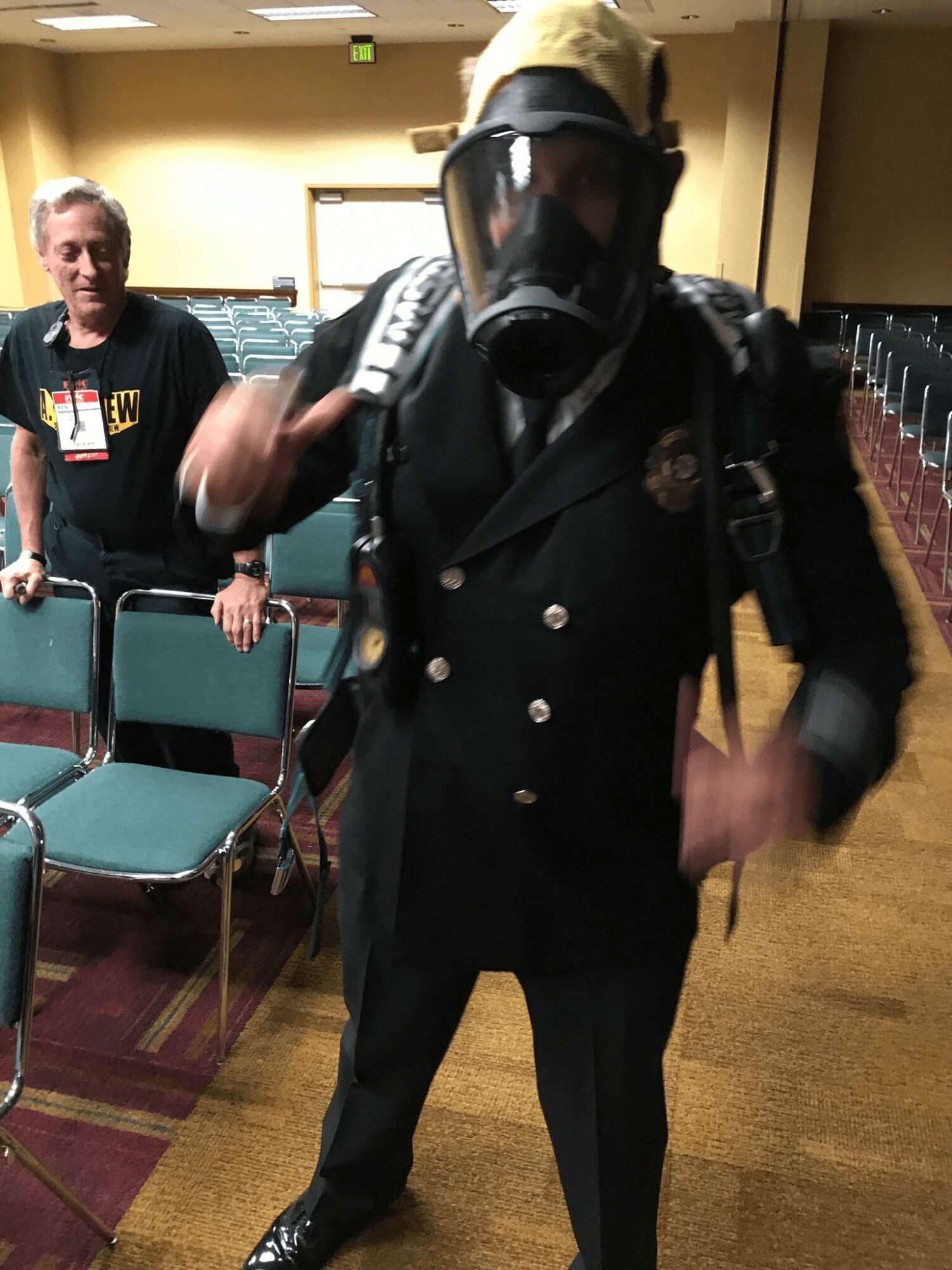
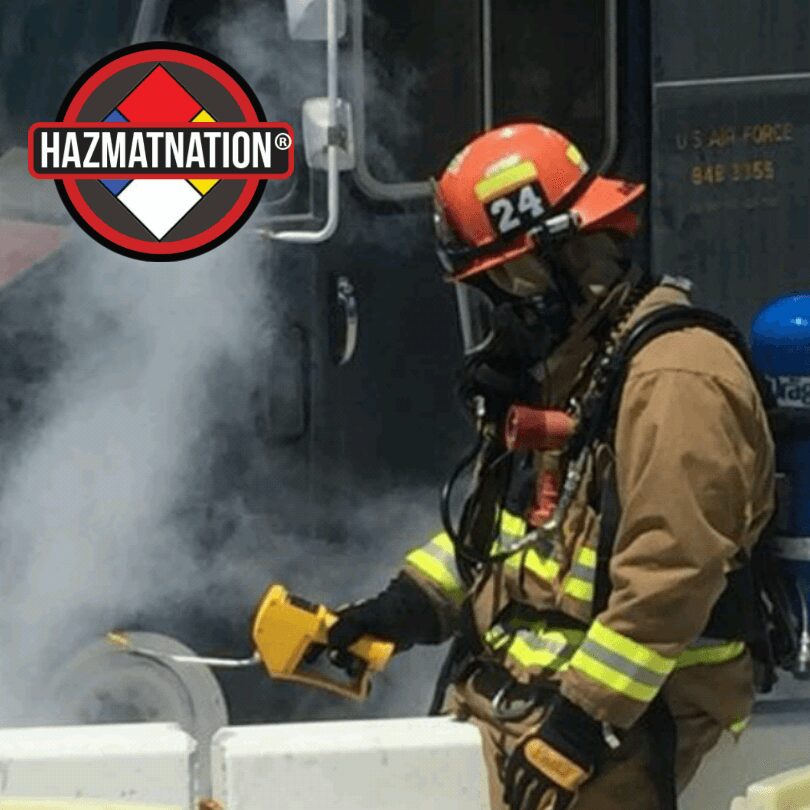
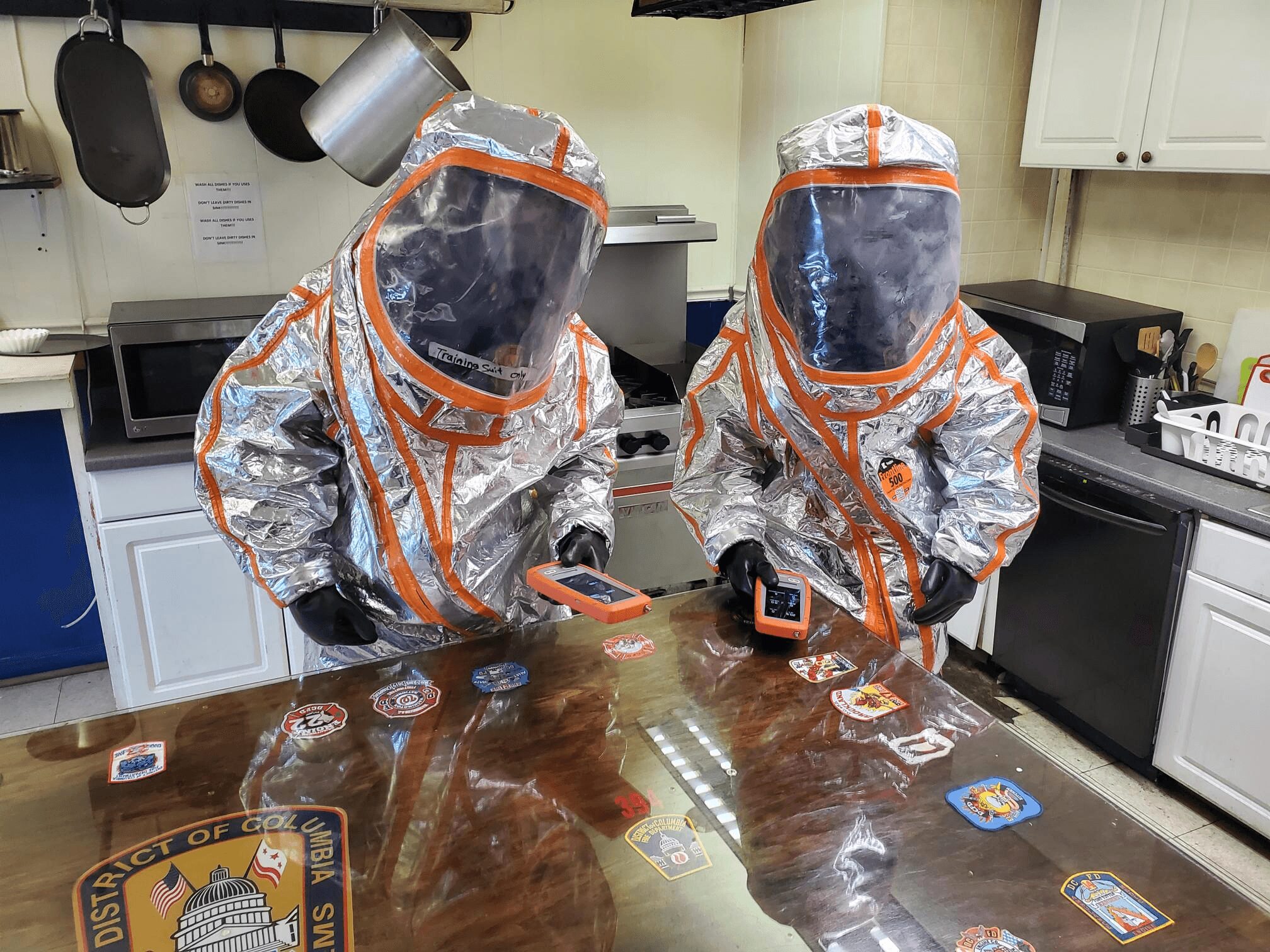
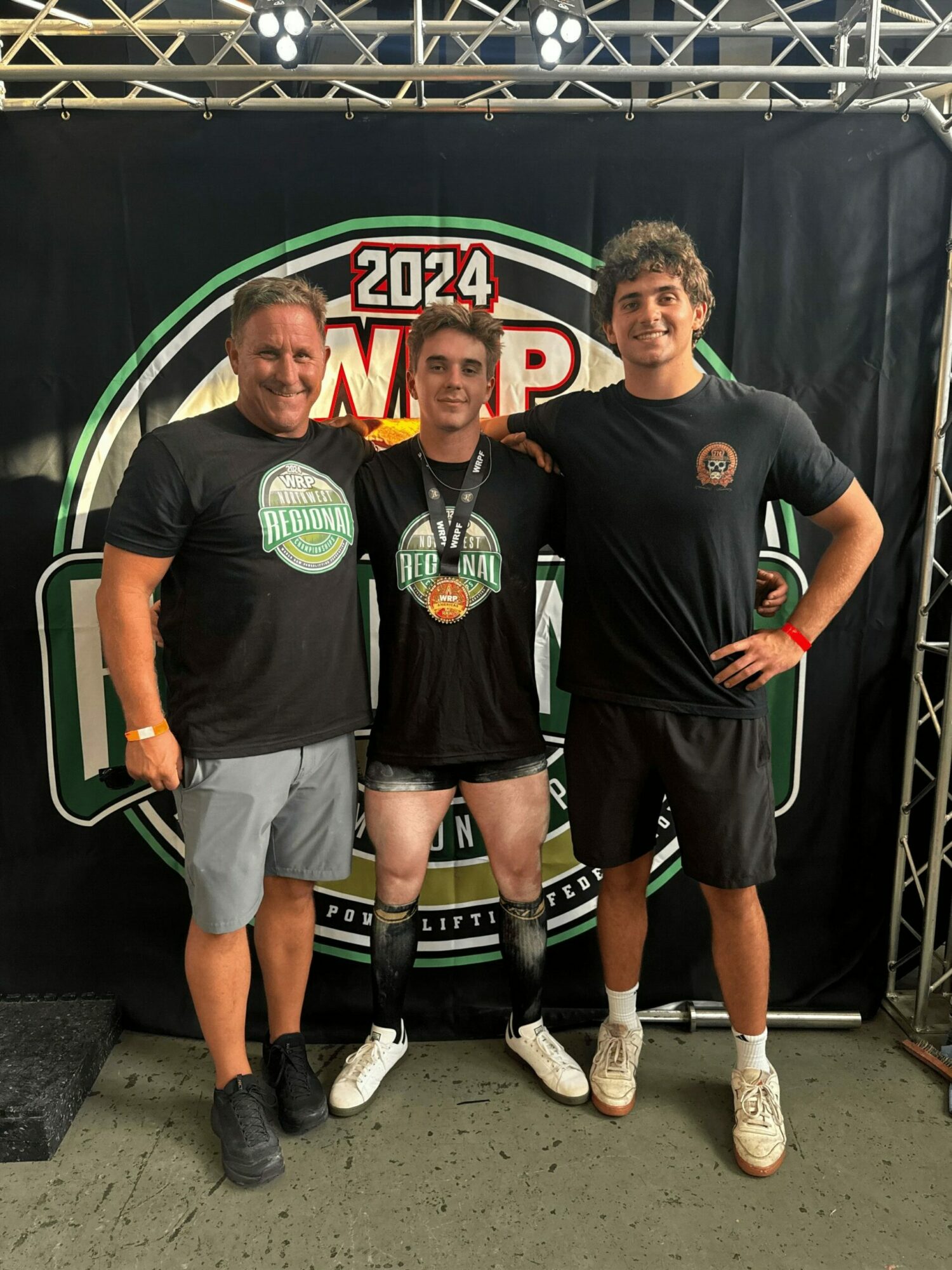
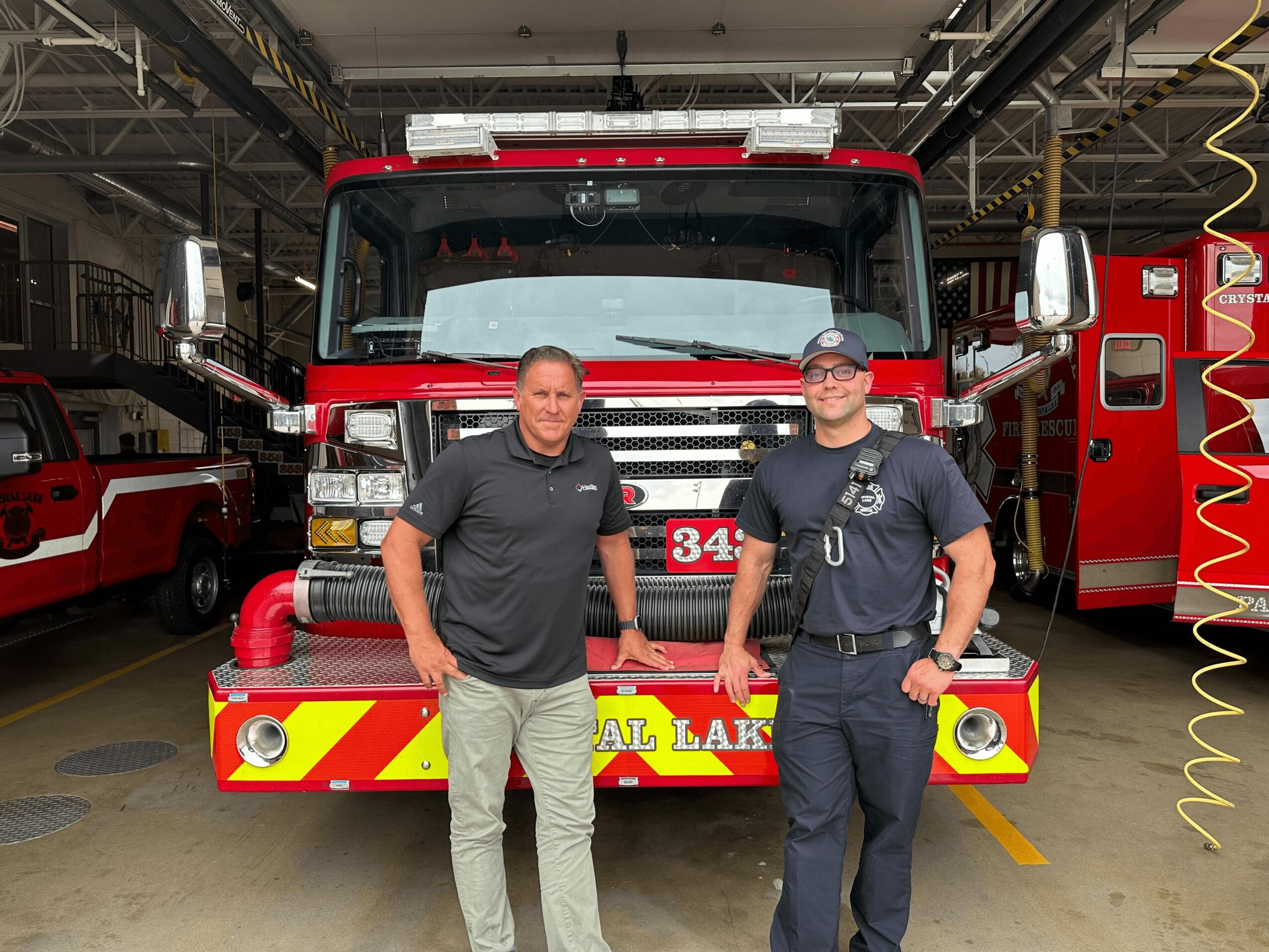
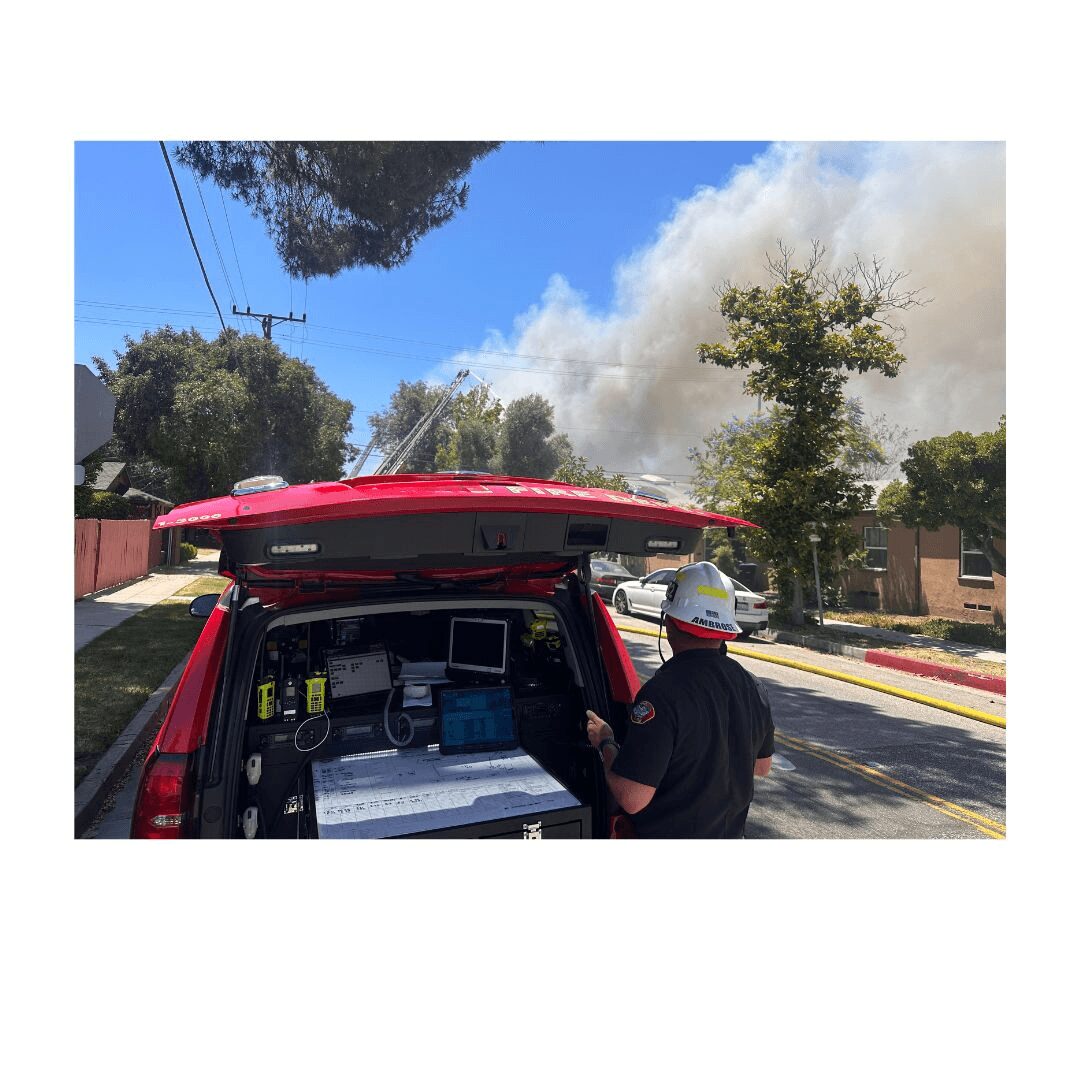
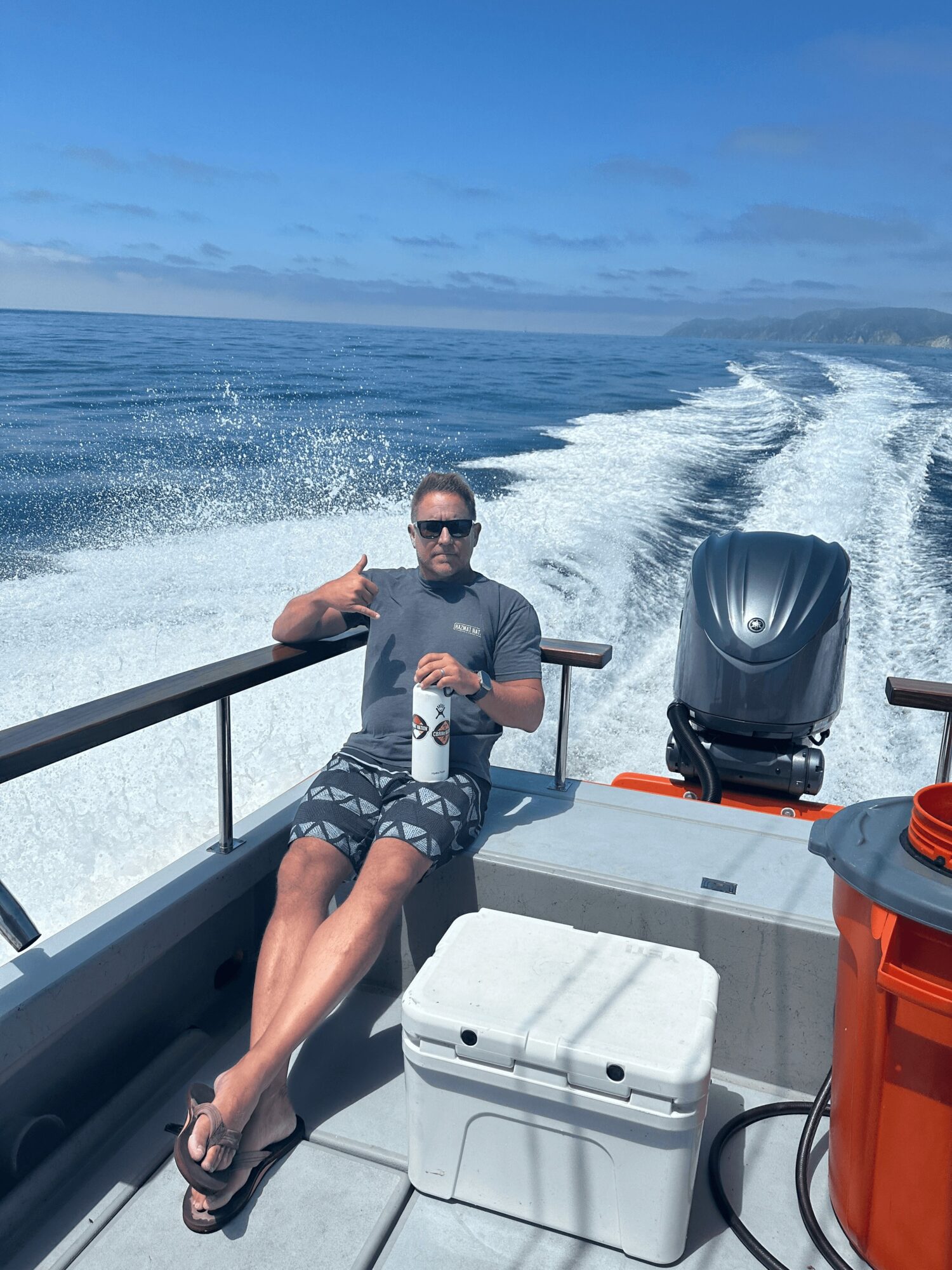
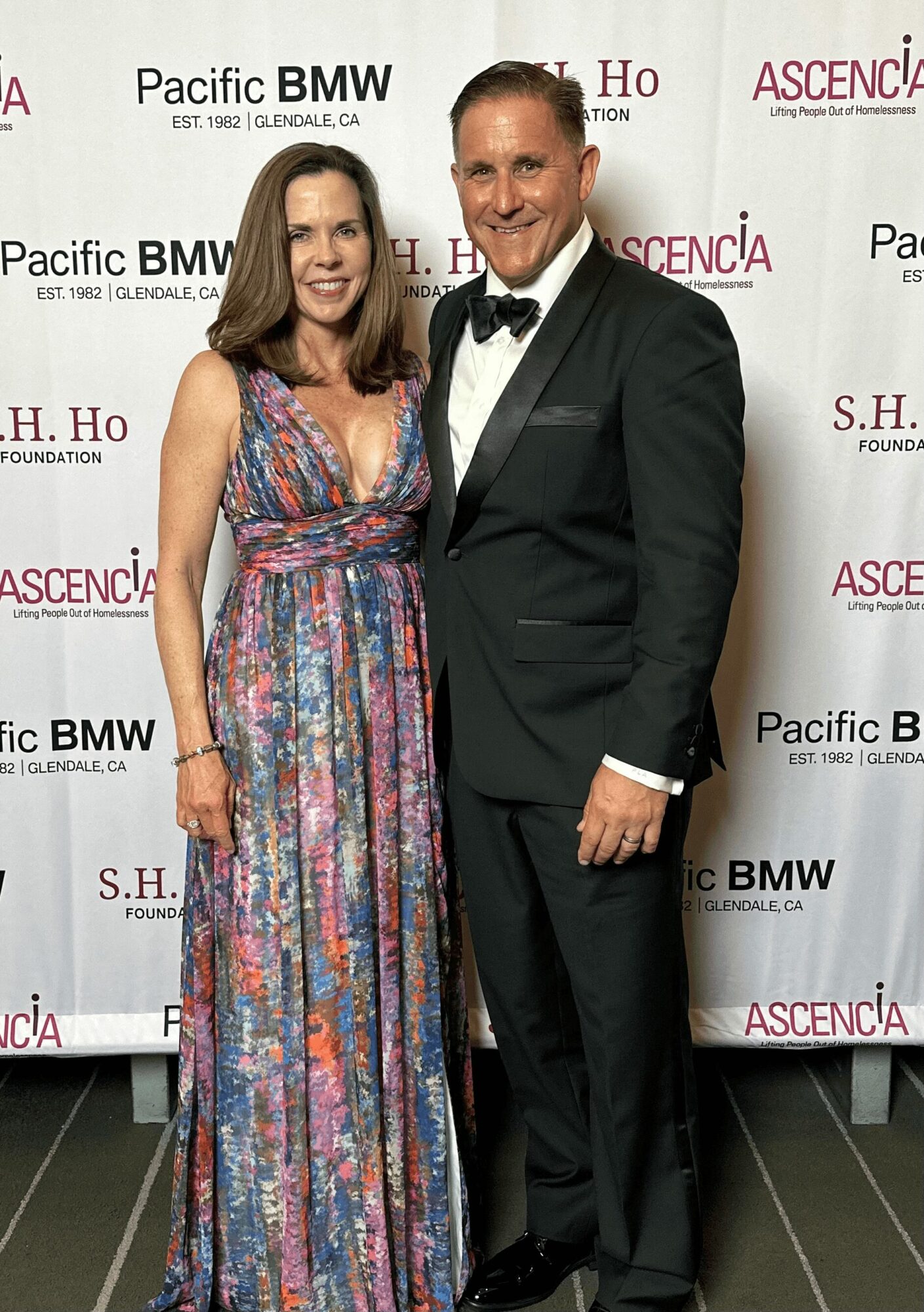
Image Credits
Myself or family or owned by my company (permission granted).
Popular
-

Que Johnson on Building Brands That Last: From Visibility to True Market Authority
-

Christina Wren Steps Into the Director’s Chair to Tell Stories That Feel Like Home
-

Portraits of the Valley
-

LA’s Most Inspiring Stories
-

JordanL on ‘Breathe,’ Belief, and Building a Movement Beyond the Music
-

Megan Birney Rudert on How Access to Light Is Powering a More Sustainable and Equitable Future


