





Today we’d like to introduce you to Manan Vikam.
Hi Manan, we’re thrilled to have a chance to learn your story today. So, before we get into specifics, maybe you can briefly walk us through how you got to where you are today?
Looking back, I think I have always been drawn to things that combine structure and expression. Growing up, I was naturally analytical, good with logic, mathematics, and spatial reasoning, but I was equally immersed in art, sports, and performance. I represented my school in a range of sports while also being part of annual speech, drama, and musical productions. That mix of the analytical and the expressive built a kind of duality in me. It gave me confidence to articulate ideas clearly, and it shaped how I think about design even today, as something that must balance intuition with precision.
By the time I reached high school, I had realized that I was fascinated by how ideas could become physical, how you could draw, calculate, and then see something come alive in space. Architecture, and by extension design, felt like the perfect medium for that, an arena where intellect meets emotion. I think that is also where my instinct for proportion and visual harmony really surfaced. I began to understand that design was not just about making things look good, but about making them feel right through rhythm, balance, and intent.
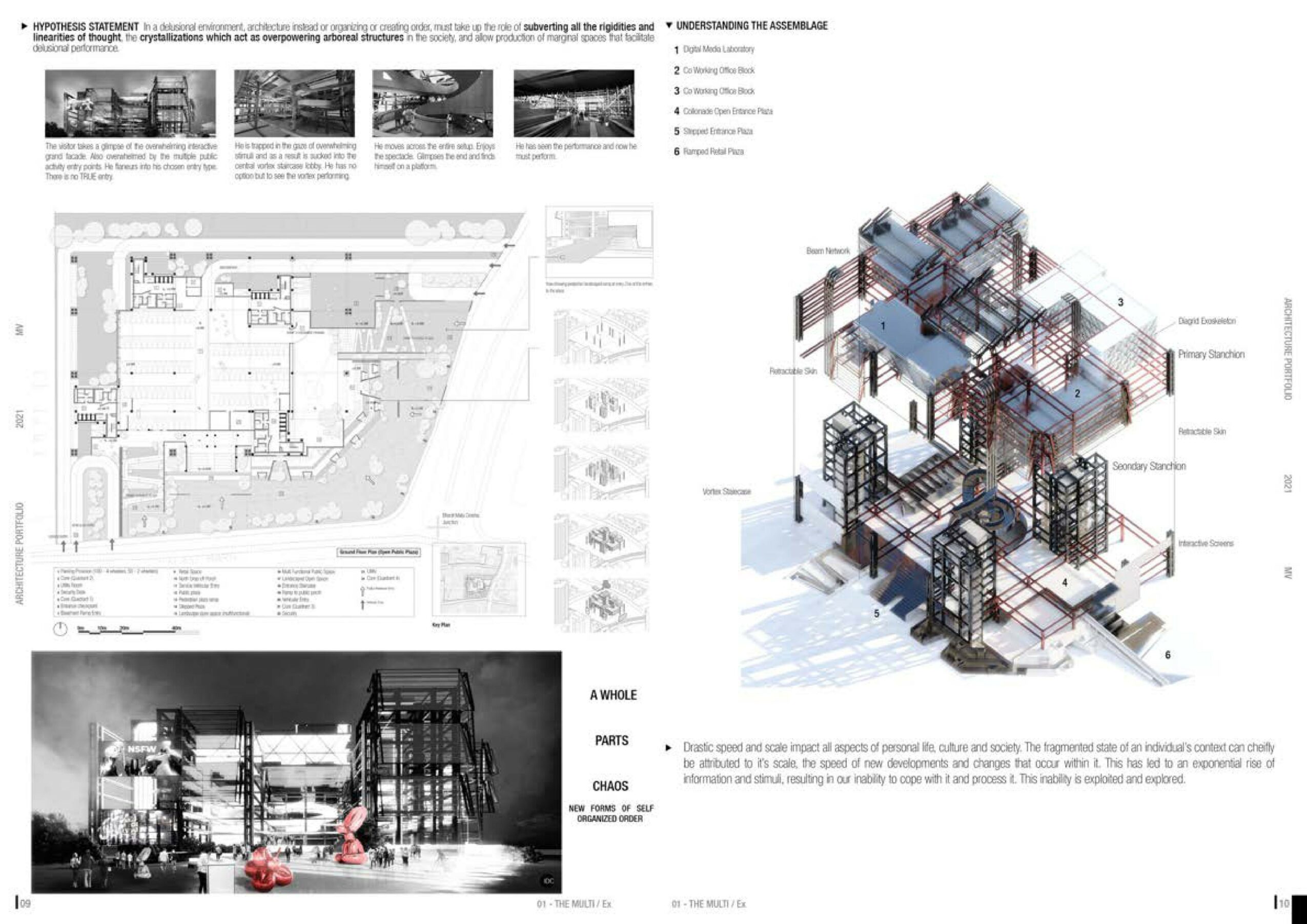
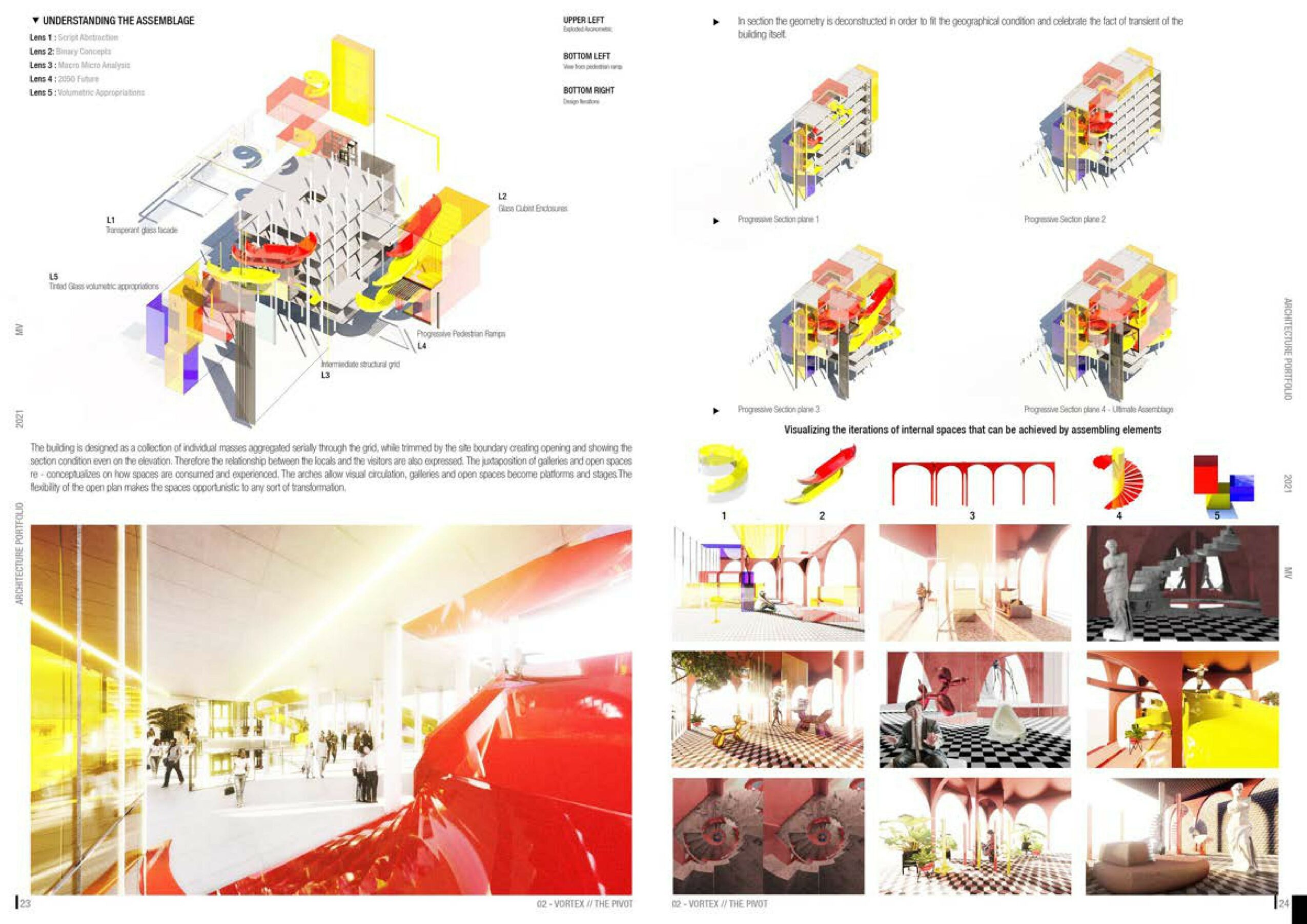
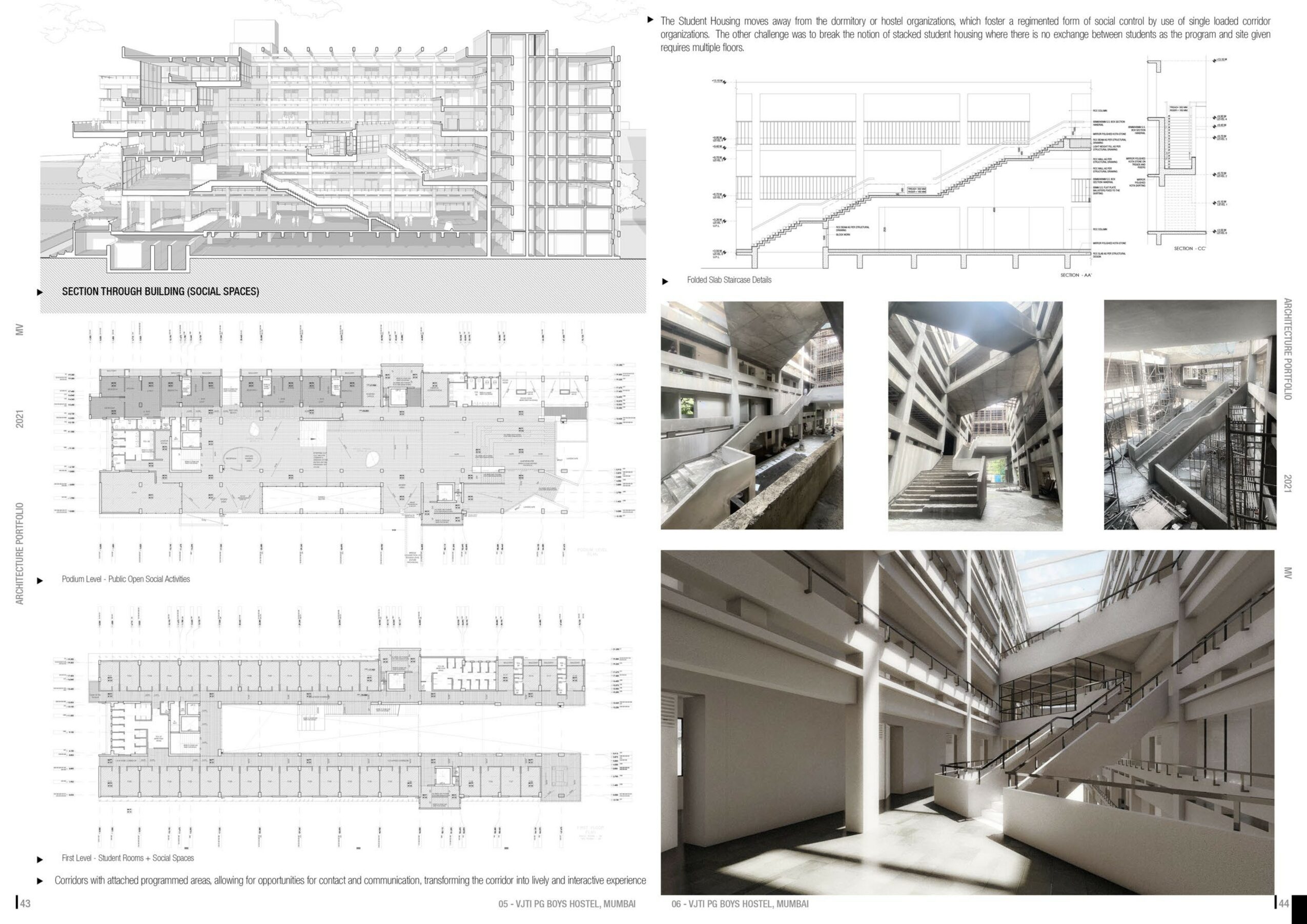
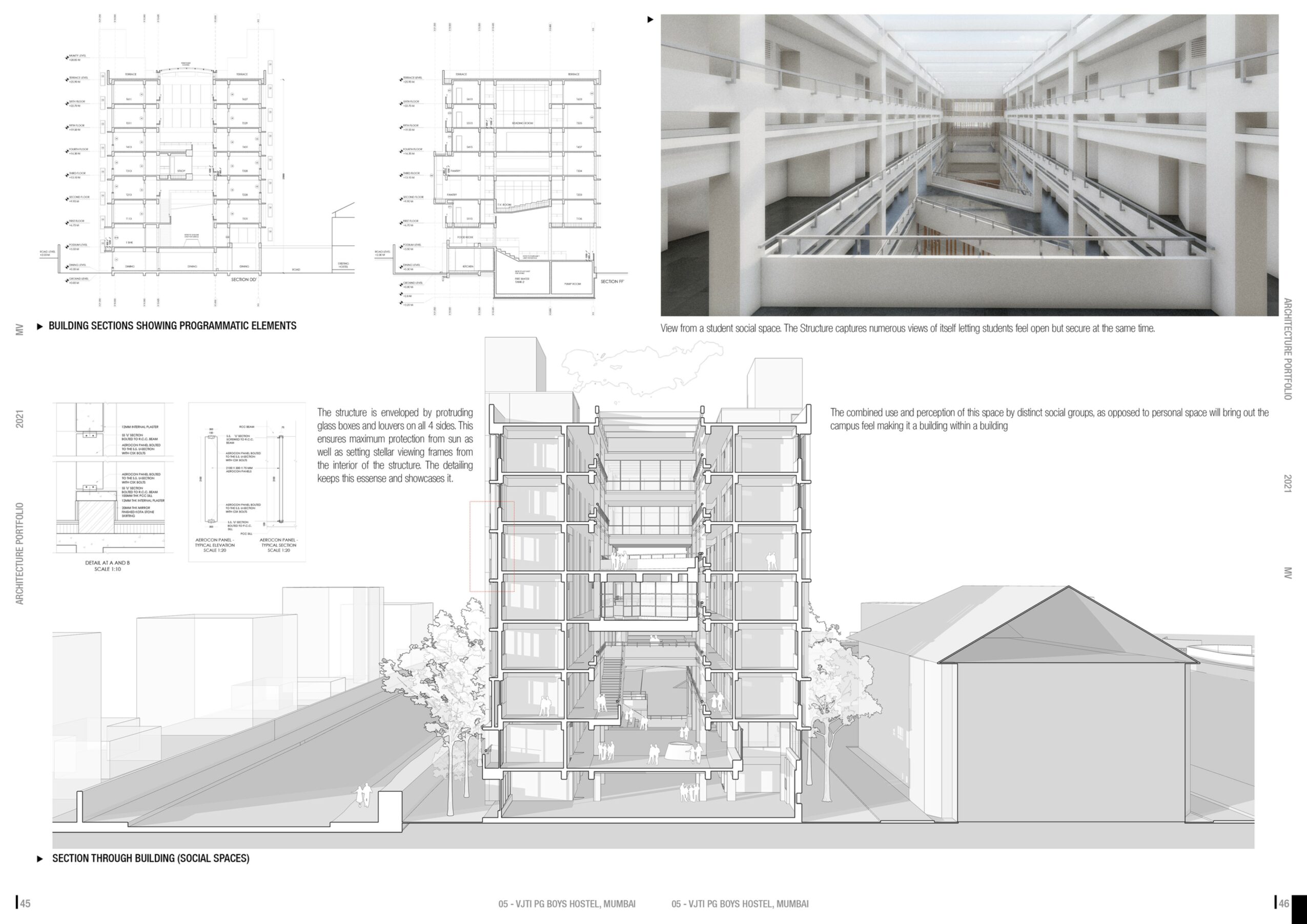
My undergraduate years deepened that belief. I studied architecture in India, where the education emphasized both material honesty and cultural depth. I was deeply influenced by deconstructivism and the idea that architecture could be both rational and fragmented, expressive yet ordered. Working at firms like Malik Architecture and MO OF refined my process. I learned how rigor and experimentation could coexist. At MO OF, I led teams on projects like the award winning Student Housing featured on ArchDaily, and represented my college in NASA India’s Le Corbusier Trophy competition, moments that taught me how collaborative design can drive innovation.
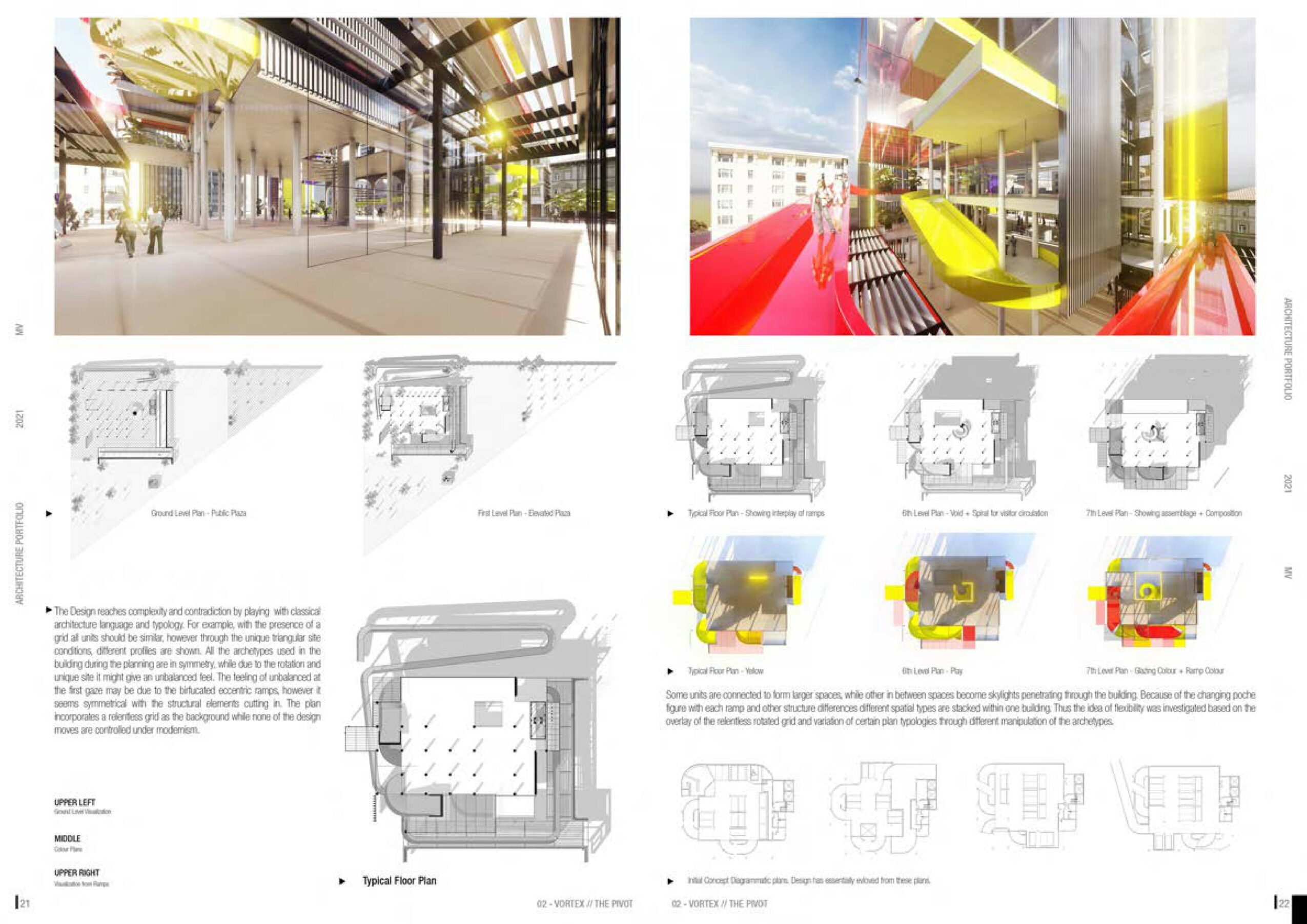
Today, as a designer at DXU Architects in Los Angeles, I work across a range of commercial and retail projects, most notably the Potbelly restaurant rollout across the United States. Each location, from Florida to Ohio to Virginia, challenges me to adapt a consistent brand identity to unique site and code conditions. The process is as much about precision and coordination as it is about design sensibility, and I have found deep satisfaction in bringing those worlds together.
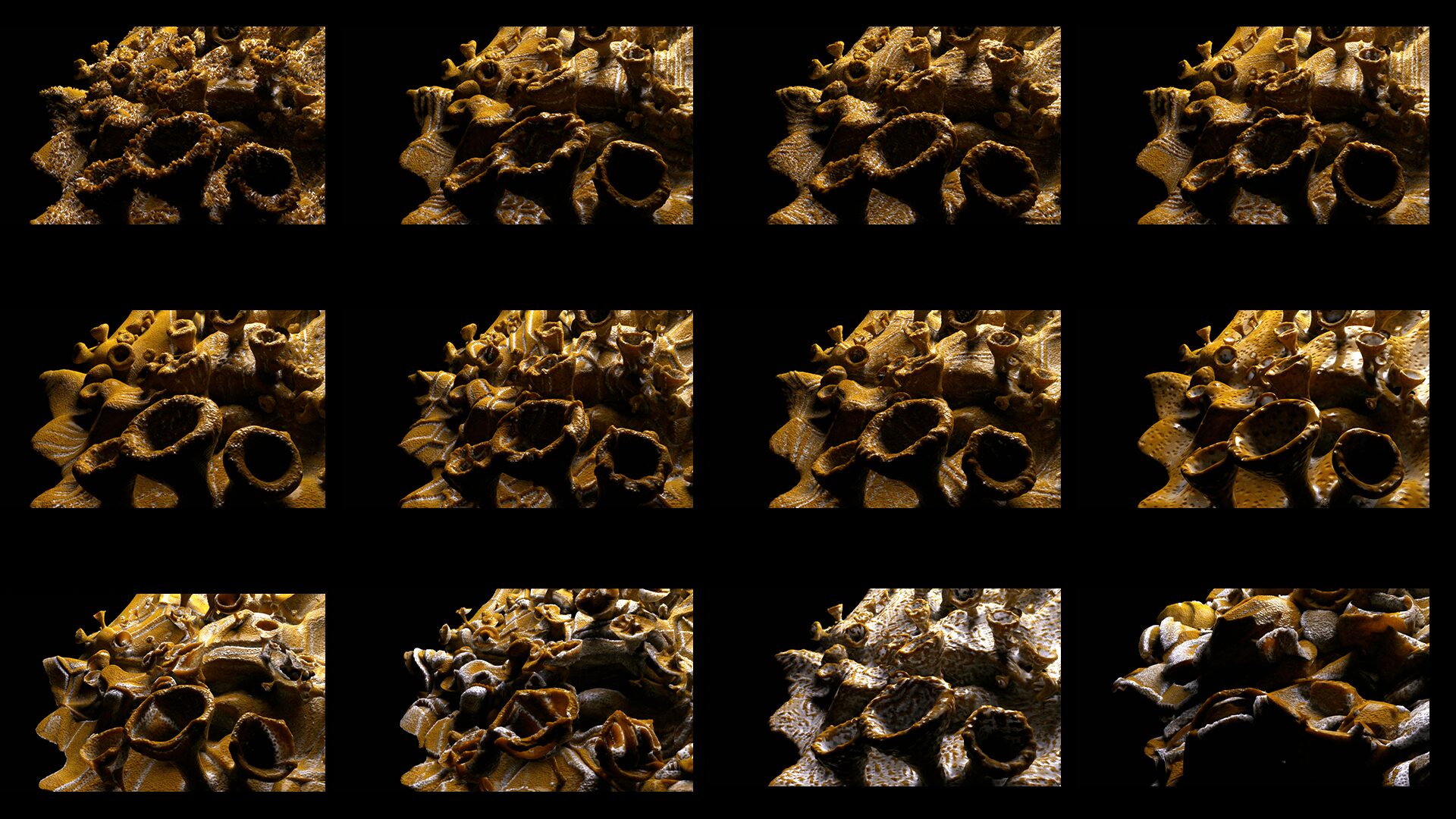
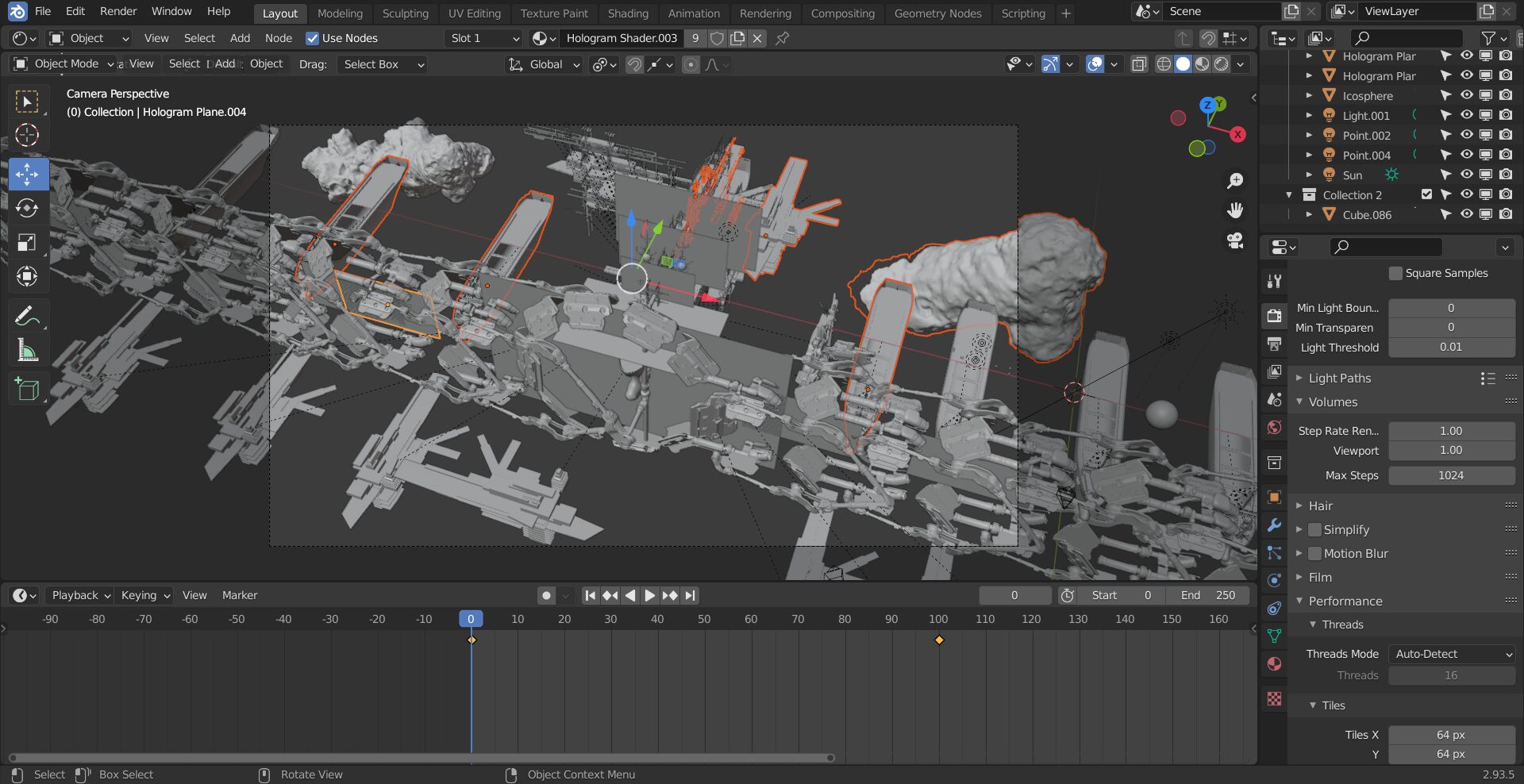
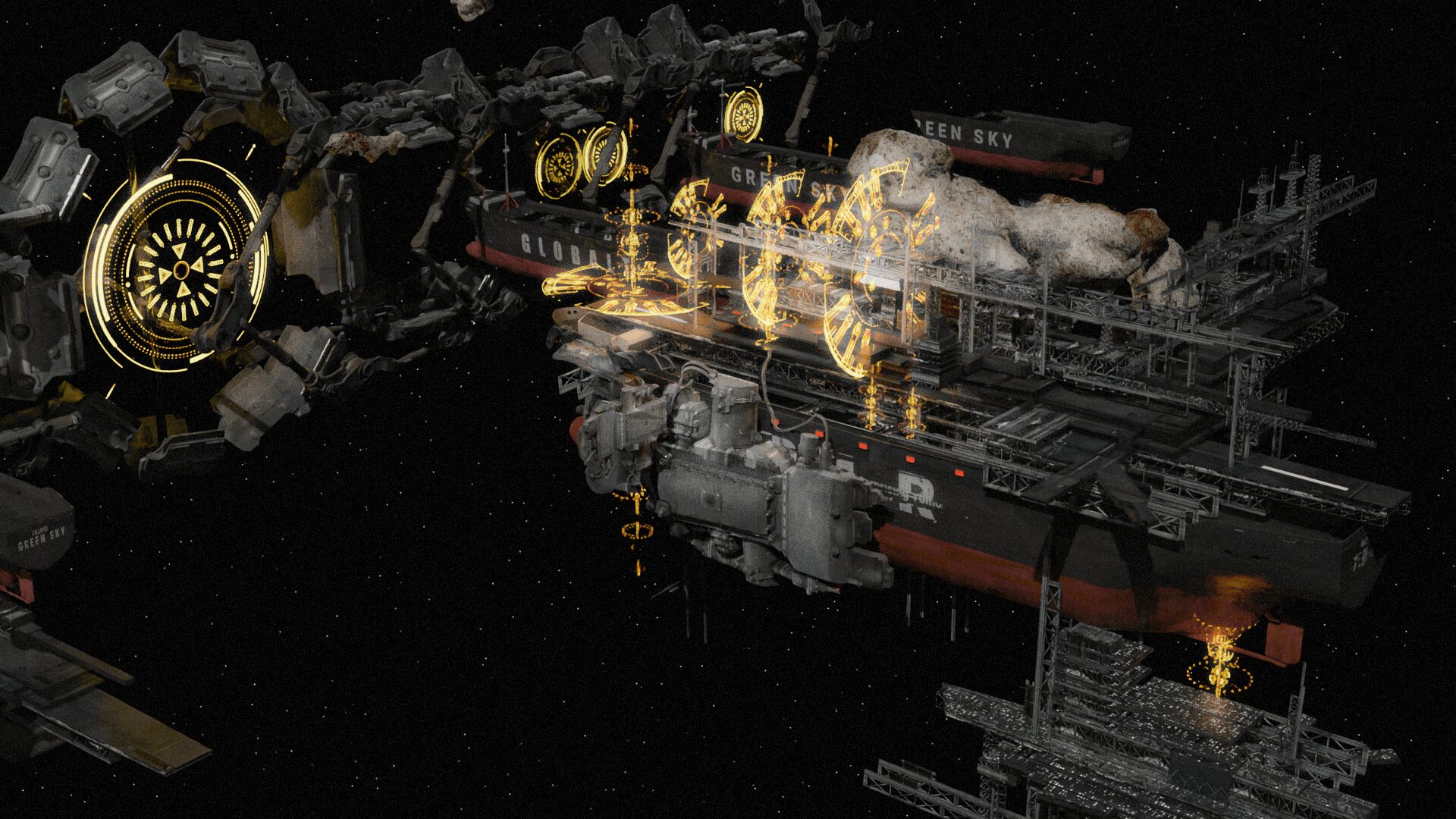
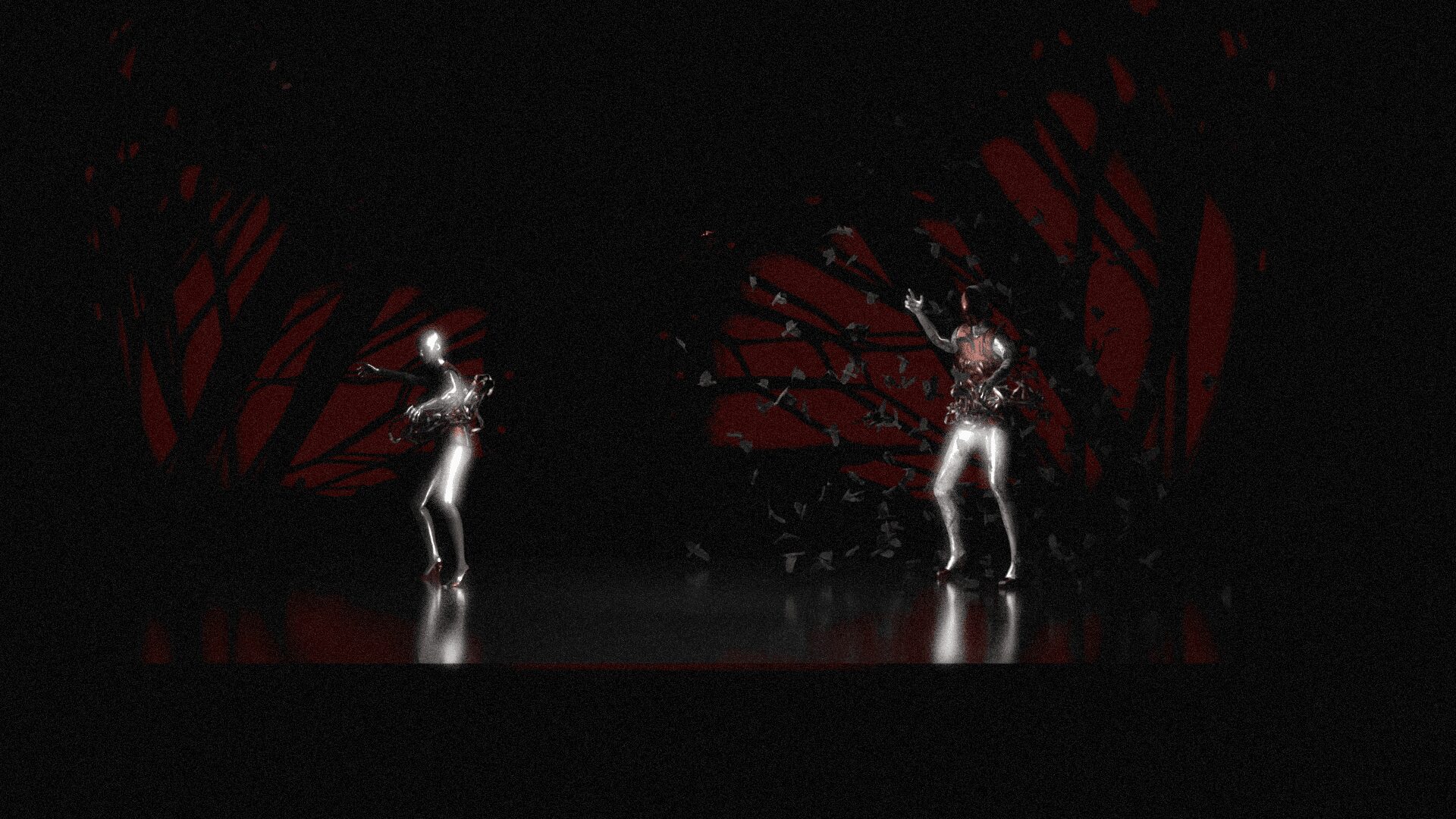
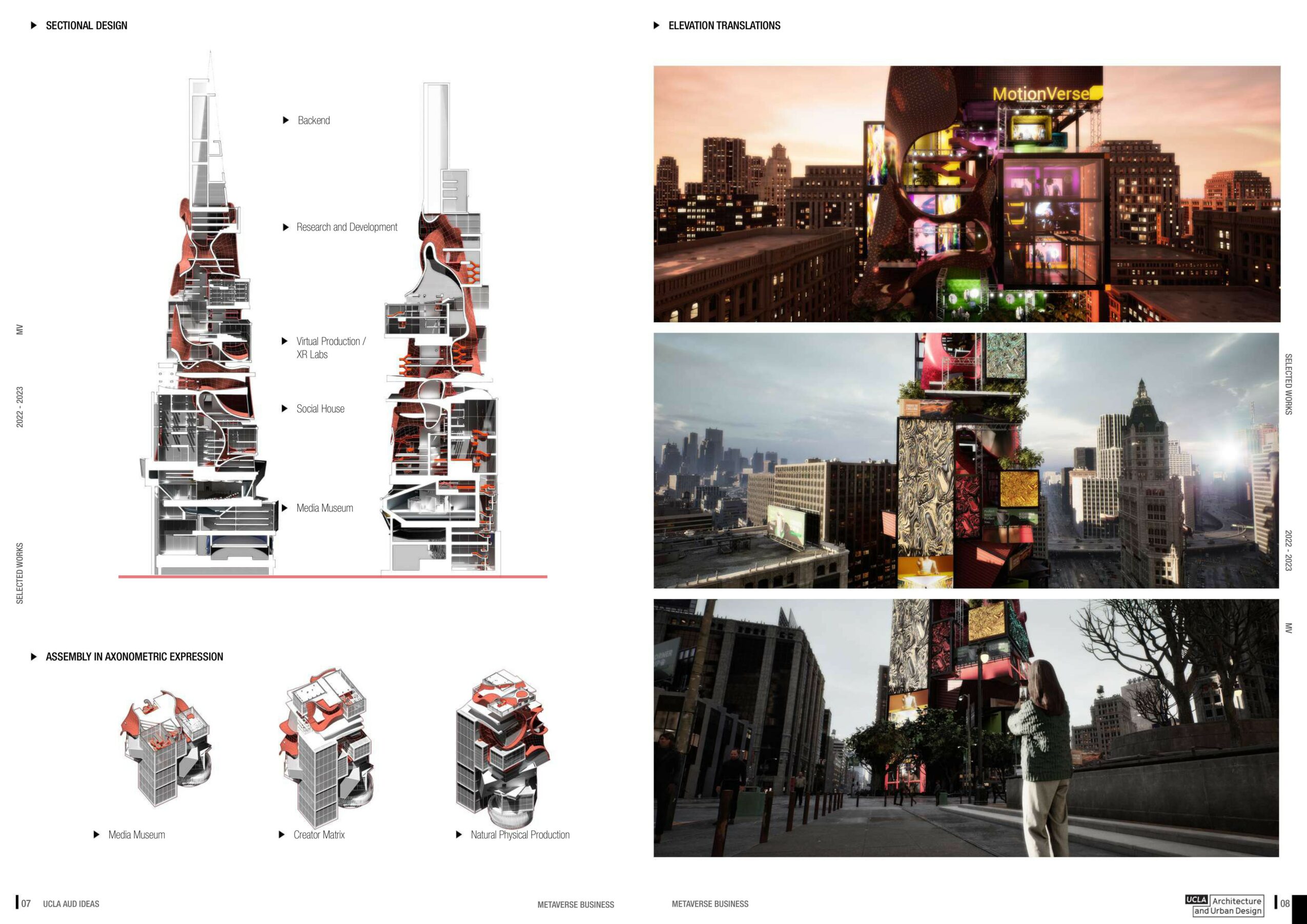
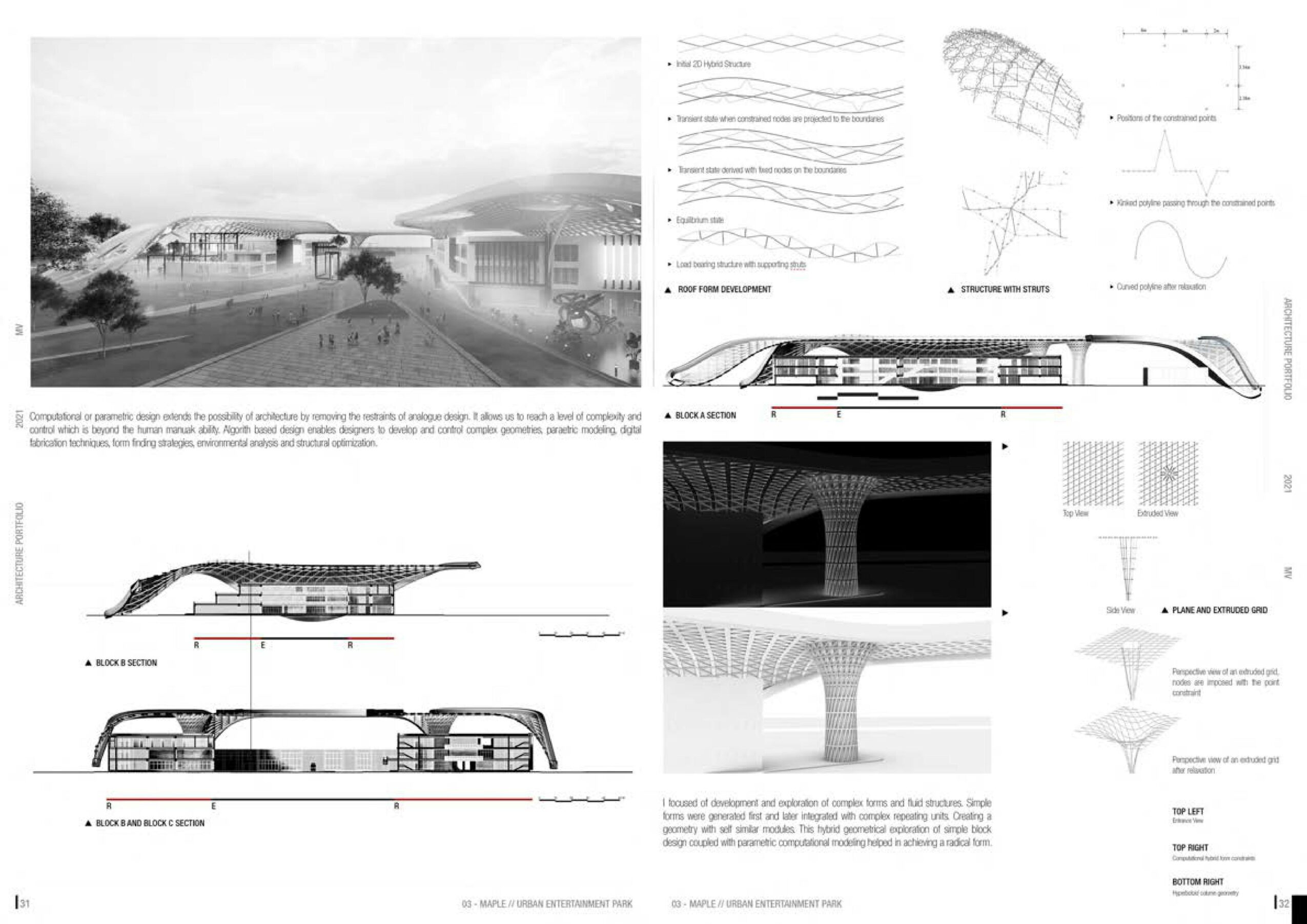
Parallel to practice, I have built a personal platform called DE++, which explores the intersection of architecture, digital art, and technology. Through generative design, Unreal Engine, and AI driven experimentation, I explore how computation can expand creativity, not replace it but amplify it. My website (mananvikam.cargo.site) curates this exploration, showing how digital and physical worlds can inform one another.
In essence, my journey has been a continuous thread, from being a curious kid fascinated by structure and art, to becoming a designer who finds meaning in building, modeling, and imagining across mediums. Whether it is a physical space or a digital landscape, I see design as a lifelong practice of creating order out of possibility, one that keeps evolving with every project and every piece of technology I learn to master.
I’m sure it wasn’t obstacle-free, but would you say the journey has been fairly smooth so far?
It has not always been a smooth road, but I believe that is what makes the journey meaningful. My biggest struggle has been with the idea of conformity, the pressure to fit into a predefined mould. When you do well in academics, people expect you to choose predictable paths and behave in certain ways. I never quite fit that narrative. I was curious about too many things at once, and I believed that creativity and analysis could coexist in new and unconventional ways. That mindset often made me question whether I was moving in the right direction, especially in environments that reward familiarity over experimentation.
Another challenge early on was learning not to compare myself to others. I used to look at people who had what seemed like natural talent and wonder why things came easier to them. Over time, I realized that talent and effort are two different currencies. One gives you a head start, but the other keeps you in the race. I chose to focus on the latter. Hard work, discipline, and a willingness to improve a little every day became my anchors.
That shift in mindset has shaped everything I do. It taught me patience and persistence. I have learned that every skill can be built, every setback can teach something, and that excellence is never an accident. Today, I take pride not just in where I am, but in how I have reached here, through consistent work, curiosity, and the simple belief that growth is always possible.
Appreciate you sharing that. What else should we know about what you do?
I am most proud of my ability to compartmentalize and manage time with clarity. It is something I have developed over the years and refined through both professional practice and personal projects. Working across multiple ongoing sites, teams, and timelines has taught me the value of focus, knowing when to zoom in and when to step back. I take pride in being able to stay calm under pressure and approach complex projects with structured intent. It allows me to give equal attention to creativity and coordination, which I believe is essential in design.
Another aspect I value deeply is my ability to recognize and bring out potential in people. I am naturally observant in group settings and can listen closely to conversations, often identifying points or individuals that contribute something meaningful. I enjoy channeling that energy into direction and clarity, helping transform ideas into collective progress. That awareness has helped me work well in collaborative environments and build strong teams that think together rather than apart.
If I were to define what sets me apart, it would be my sense of proportion and aesthetic judgment. I trust my eye for balance, rhythm, and harmony. I have always been able to make things look good, not through decoration but through understanding what feels right. I also have an instinct for reading where things are heading, whether in design, technology, or culture. I prefer to anticipate trends rather than just adapt to them. That forward looking mindset, combined with precision and curiosity, defines the way I see and shape design.
What do you like best about our city? What do you like least?
What I like most about Los Angeles is its sense of openness and constant creative energy. It is a city that gives you space to be yourself while surrounding you with people who are all building, experimenting, and expressing in their own ways. There is an amazing mix of perspectives here, and I think that is what makes it special. The city is home to some of the most talented and forward thinking people across design, film, music, and technology. The fact that Los Angeles is the entertainment hub of the world still amazes me. Everything we watch, love, and consume in terms of movies or media is created within a ten mile radius of where we live, and that is incredibly inspiring.
I live in Culver City and genuinely love it. It is clean, new, and people friendly. It has a calm, open atmosphere and is surrounded by some of the most interesting neighborhoods in the city. The beach is close, and so is the energy of downtown and the creative hubs around it. There is also this interesting dichotomy that exists here, like UCLA and USC standing for two very different yet equally strong sets of values, all within the same city. It is diverse, ambitious, and full of opportunity. There are hardly any shortcomings or stigmas attached to where you are from here, and that kind of openness feels rare and refreshing.
What I like least is the sprawl. Los Angeles can feel very fragmented because of how spread out it is. The walkability is low, and sometimes that creates a sense of distance even when places are close. There are times when parts of the city feel too quiet or empty, and you miss the sense of connection that a more compact city naturally provides. But that is also part of its identity. You learn to build your own rhythm within that vastness and make it work for you.
Contact Info:
- Website: https://mananvikam.cargo.site/
- Instagram: https://www.instagram.com/mananvikam/?hl=en
- LinkedIn: https://www.linkedin.com/in/manan-vikam-5359b9200/
- Youtube: https://www.youtube.com/channel/UCGJQWvpoUO5HWIINZVoKKhQ

Popular
-

Que Johnson on Building Brands That Last: From Visibility to True Market Authority
-

Christina Wren Steps Into the Director’s Chair to Tell Stories That Feel Like Home
-

Portraits of the Valley
-

LA’s Most Inspiring Stories
-

JordanL on ‘Breathe,’ Belief, and Building a Movement Beyond the Music
-

Megan Birney Rudert on How Access to Light Is Powering a More Sustainable and Equitable Future


