



Today we’d like to introduce you to Kseniia Vasilkova.
Hi Kseniia, please kick things off for us with an introduction to yourself and your story.
There’s a quote that says if you find something you truly love doing, you’ll never work a day in your life. I’m not entirely sure I believe that, because filmmaking is, in fact, an absurd amount of work. But somehow, in my case, the quote still feels true.
I think my career started long before I ever owned a camera. I remember being a little girl in Russia, walking to school at seven in the morning for some kind of mandatory school duty. It was around minus 30 degrees Celsius outside. I had an enormous backpack on my shoulders, a plastic bag with my indoor shoes in one hand, frozen fingers, snow everywhere, and I kept slipping on the ice. And I remember thinking, very seriously: when I grow up, I’m going to wake up whenever I want, work whenever I want, and only do things I actually enjoy. That was probably my first career plan. It wasn’t particularly detailed, but surprisingly, the general direction turned out to be pretty accurate.
Another important part of the story came from my mother. In Russia in the 1990s, foreign movies still felt like objects arriving from another universe. My mother worked part-time at a place where films were copied from VHS tape to VHS tape and then rented out. One day, when I was about seven, she brought home a VCR. It was basically a naked piece of electronics without a proper front panel, so you simply had to memorize which mysterious button did what. And she brought movies. Lots of movies. I grew up watching and rewatching American and European films from the ’80s and ’90s, partly because I loved them, and partly because sometimes there simply wasn’t a new tape, so you watched the old one again and again. Without realizing it, I was building this enormous visual library in my head. To this day, I think there was something about the warmth, imperfection and humanity of many films from that era that is strangely difficult to recreate now.
Years later, I picked up a film camera. That was probably the first moment I realized I could create images myself instead of just obsessively looking at other people’s images. I became fascinated with film stock, color, texture, and all those little accidents that somehow make an image feel alive. This was also the era when everyone was discovering Photoshop, so naturally I did the most logical thing possible: I took beautiful film photographs and tried to make them look more digital. Eventually, I realized I was destroying exactly what I loved about them. So I did the opposite. I started shooting digital and trying to make it feel like film. That probably describes most of my creative education: do something, make a mistake, figure out why it was a mistake, become slightly obsessed with the mistake, and somehow turn it into a method.
I never formally studied photography or filmmaking. I wanted to, but my parents were worried about the kind of degree I would receive from film school, so I studied Public Relations instead. I wasn’t an especially enthusiastic PR student. I was much more enthusiastic about escaping class to go shoot. By then, I was already working as a photographer and saving money for better equipment. Somehow, even some of my professors became part of the process. I photographed them, explained that I was trying to earn money for a new camera, and, miraculously, I still graduated.
Eventually, I took a job in a PR department, but even there I somehow managed to turn most of my work into something visual. I photographed constantly, became deeply involved in food photography, and at some point the company gave me a new camera that happened to have a video function. That tiny feature changed everything.
One day, I went to shoot behind-the-scenes content for a music group. The location was tiny and completely packed with people. There were several members in the band, and I only had one lens with me. It was simply too tight to capture the entire room or get everyone into the same frame. So I started improvising. I filmed each band member separately, building the video out of individual fragments, but I still wanted a shot where you could somehow feel the whole band together. Then I noticed the sound engineer’s booth. Inside, the sound engineer had a small monitor connected to a wide-angle webcam overlooking the room. Unlike my camera setup, it could actually see everyone.
So I went into the booth and started directing the band through this tiny monitor. I asked different members of the group to come toward the webcam, perform, make faces, play with the lens, move in and out of the frame, and interact with each other. I was essentially directing part of the music video through a little screen in the sound booth, using a webcam because my actual camera couldn’t capture the space. Somehow, the limitation became part of the visual language of the video. I had gone there to shoot behind-the-scenes content and somehow left having directed a music video.
I had absolutely no idea how one was technically supposed to make a music video, which, looking back, may actually have helped. The video ended up getting around 350,000 views on YouTube, which at the time felt enormous. But the more important thing was that I discovered moving images gave me something photography couldn’t. Suddenly there was rhythm, sound, time, performance, editing. A photograph could suggest a story. With video, I could actually tell one.
From that point on, I started shooting video whenever anyone would let me. I didn’t know the terminology. I didn’t know many of the classical editing rules. I didn’t know why certain shots technically shouldn’t be cut together or what I was “supposed” to do with certain angles. But somehow, a lot of it felt intuitive. I think all those years of watching movies had quietly taught me visual grammar long before I knew that grammar had names.
Later, I moved to Barcelona and continued shooting photography and video. At one point, Jameson ran a filmmaking competition where people were asked to remake a movie. One of my favorite films was Perfume, and since I happened to be living in Barcelona, where parts of the original movie had been filmed, I gathered a group of friends, none of whom were professional actors, and shot my own little remake in some of the same locations. Technically, it was imperfect. Very imperfect in places. I was still learning the camera and made mistakes I would never make today. I didn’t win, but the organizers wrote to me asking what I had shot it on. For some reason, that felt like its own little victory. More importantly, I knew I wanted to keep going.
When I eventually returned to Moscow, I had another crisis. Moscow was full of incredibly talented photographers, and I felt like I could shoot almost anything, but I still hadn’t found that unmistakable signature where someone could look at an image and immediately say, “That’s Marakesha” (my creative pseudonym). So I made a very sophisticated strategic career decision. I opened HeadHunter, a Russian job-search website, changed the word “photographer” on my résumé to “videographer,” and waited. The next day, I got a call.
That’s how I ended up at 12STOREEZ, which was growing very quickly at the time. The experience was somewhere between fashion school, film school, and The Devil Wears Prada. The pace was insane. Later, I calculated that I had made around 365 videos in six months. After that, I no longer had to wonder whether I was a videographer. I was.
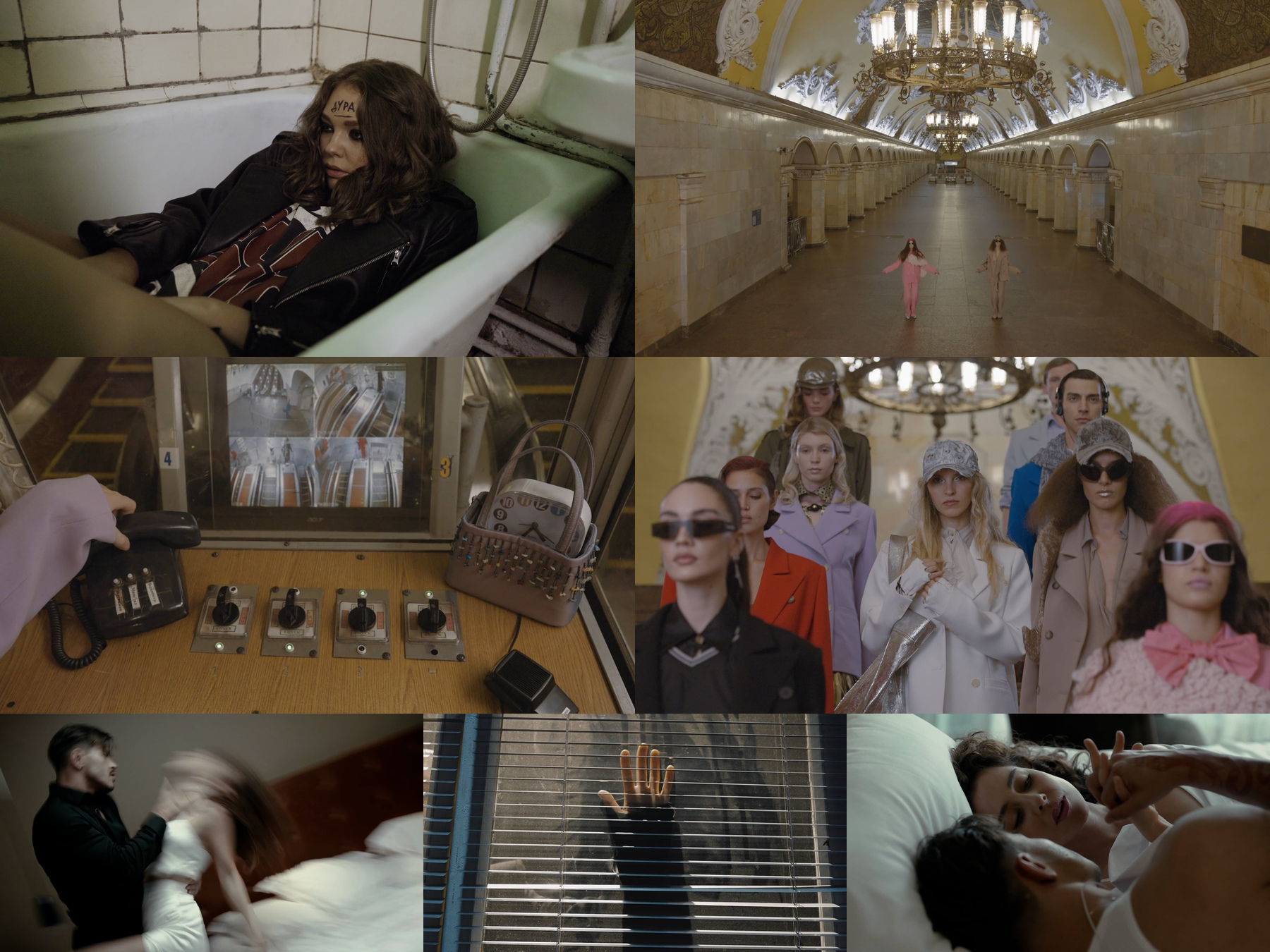
I eventually went freelance and started shooting constantly: fashion, commercials, branded content, private projects, music, anything that gave me room to experiment. I became especially interested in advertising that doesn’t immediately announce itself as advertising. I love when you watch something because you care about the character or the story, and only at the end realize that someone has technically been selling you something the entire time. Ideally, you don’t feel tricked. You just had a good time. That idea still influences the way I approach commercial work today.
Eventually, I met a director and watched him work with a full crew. Until then, I had often been a one-person orchestra: concept, production, camera, editing, delivery. Suddenly, I saw another possibility. Directing meant I could concentrate on the world, the idea, the emotion and the story while collaborating with people who were far better than me at their individual crafts. I loved that.
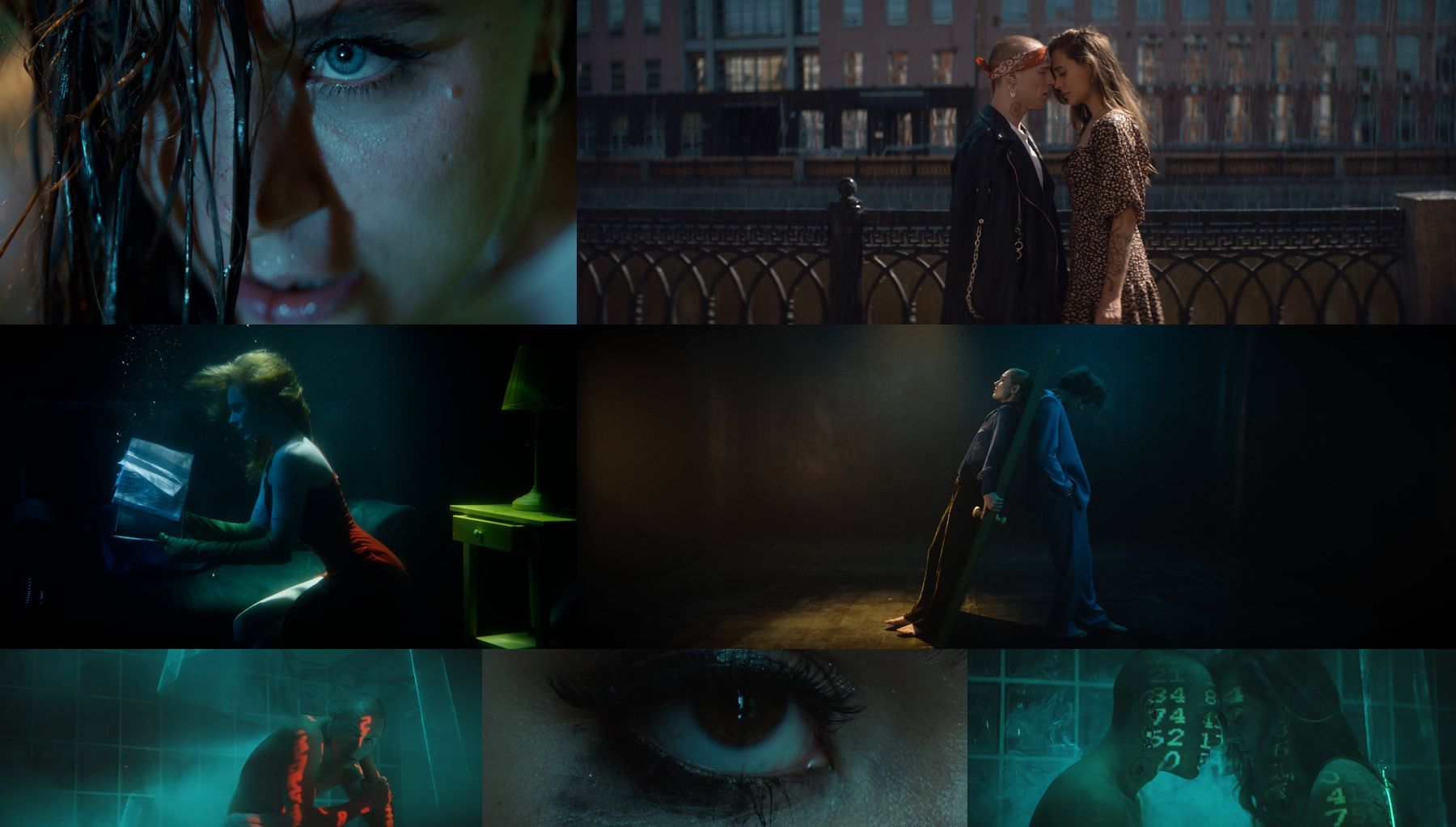
I directed my first major music video, Elesin -“Field of Soul,” and it remains one of my favorite pieces of work. I collaborated with an incredible cinematographer, and something just clicked. From there, I increasingly began working as a director, shooting music videos, commercials and narrative projects. Even during the pandemic, strangely enough, I kept working. At times I was directing projects remotely, which is a fairly absurd way to make something so visual and physical. But apparently, my career has always had a complicated relationship with the phrase, “That’s not how you’re supposed to do it.”
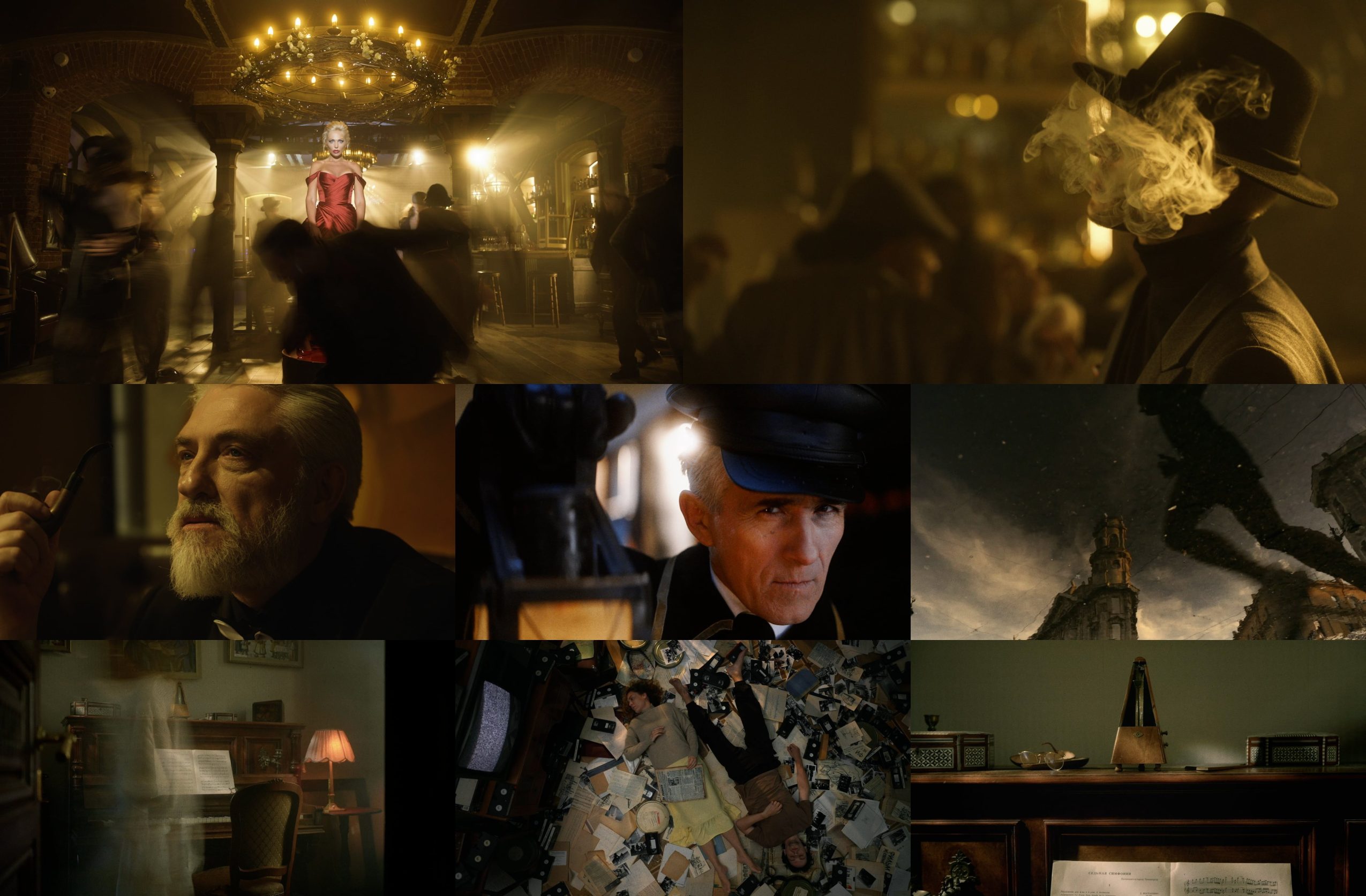
One of the projects I’m especially proud of is a documentary for which I directed the fictional, cinematic portion. The idea was to use narrative storytelling to emotionally connect a younger audience with the documentary material. The film is now shown and discussed in universities, and that means a lot to me.
There is one more slightly ridiculous detail that now feels almost like foreshadowing. Music has always been another love of mine. I sing mostly for myself, and long before America became a realistic part of my life, I recorded a song that became something like my personal anthem. It was about dropping everything, escaping the noise, and trying to find yourself somewhere inside this strange world of illusions. It had lines like, “Don’t call Tarantino, just call me,” and, “I need to get off at the Hollywood stop.” There was also a line about Beverly Hills calling me with its lights, and another that was essentially the Russian version of, “Camera. Lights. Action. Let’s go.”
At the time, Los Angeles wasn’t a plan. It barely felt like a real possibility. It was simply this mythical place from the movies I had been watching since childhood. A few years later, I was living here. Apparently, I should be much more careful when writing lyrics.
And then, as sometimes happens in movies and, unfortunately, in real life, I fell in love. That love brought me to America. The relationship didn’t work out. But somehow, America did. So I stayed.
I’ve been living in Los Angeles for a little over a year now, and in many ways, I feel like I’m starting my career all over again. Moving to another country is a fascinating exercise in humility. Your experience comes with you. Your network doesn’t. Your work comes with you, but nobody here is obligated to know what it means. And suddenly, you have to introduce yourself all over again.
There was another challenge: English had never been my second language. I studied German in school, later learned Spanish because I lived in Spain, and only during this past year have I really started learning, speaking and working in English. So my Los Angeles chapter has involved a little bit of everything.
I’ve shot content for brands, wellness businesses, real estate and other clients. I’ve returned to photography and done a lot of event work. I’ve worked as a second videographer at weddings. I’ve shot behind-the-scenes on sets, sometimes for free, simply because being on a Los Angeles set teaches me something every time. I’ve even worked as a background actor occasionally because I’m genuinely curious about how this enormous filmmaking machine works from every possible angle. And yes, at one point I did delivery work too.
And honestly, I think there’s something beautiful about that. When you start over in a new country, you suddenly realize how much of your professional identity depended on other people already knowing who you were. Here, nobody was obligated to know. So I had to become comfortable being a beginner again.
And I think being a beginner is incredibly underrated. You watch more carefully. You ask better questions. You meet people you would never otherwise meet. You stop assuming that certain kinds of work are beneath you. And you remember why you wanted to create things in the first place.
There is something else I really love about America: the feeling that your timeline belongs to you. You can go back to school at 30, 40, 50 or 70. You can change careers. You can begin again. I’m even thinking about finally studying film formally, which is funny considering that my entire career was built without formal film education.
Some of the professionals I’ve worked with have told me that this may actually have helped me. Nobody had the chance to tell me what I wasn’t supposed to do. Of course, there’s another famous idea: first you learn the rules, then you break them. Maybe. I seem to have done it in the opposite order. I broke a lot of them first. Now I’m slowly discovering what they were.
At the moment, I still feel like I’m at the very beginning of my American chapter. This past year has been personally challenging. Building a life independently in a new country, without family nearby, while learning a new language and rebuilding a professional network has required more energy than I expected. But recently, I’ve started to feel something shifting. New people are appearing. New projects are coming in. My network is slowly growing. And I can feel myself moving toward the place I ultimately want to be: where I’m not only being chosen for work, but I can also choose the work that genuinely excites me.
My ambitions, I should probably admit, are not particularly modest. I have a feature film screenplay that I want to make. I’m also developing a large immersive show built around engaging all of the human senses and creating the kind of complete immersion I’ve often wished existed in immersive theater. Now I’m looking for the right people to build these things with.
And yes, of course, I would like to win an Oscar one day. I assume almost every filmmaker has imagined that at least once. Some of us are just impolite enough to admit it in an interview.
But for now, I’m taking Los Angeles step by step. I’m learning, working, making mistakes, trying again, and honestly trying to build the creative life that little girl with the frozen hands once imagined for herself. She probably thought it would be a little easier. But I think she would recognize this life. And I think she would be very happy that I chose it.
Apparently, I did eventually get off at the Hollywood stop.
Would you say it’s been a smooth road, and if not what are some of the biggest challenges you’ve faced along the way?
As you can probably tell from the previous answer, it hasn’t exactly been a smooth road. But I think the detours, mistakes, restarts, and unexpected turns have been as important as the destination. I’ve learned to see obstacles less as signs to stop and more as part of the story. And honestly, I think I’ve already told you most of that story above 🙂
Thanks for sharing that. So, maybe next you can tell us a bit more about your work?
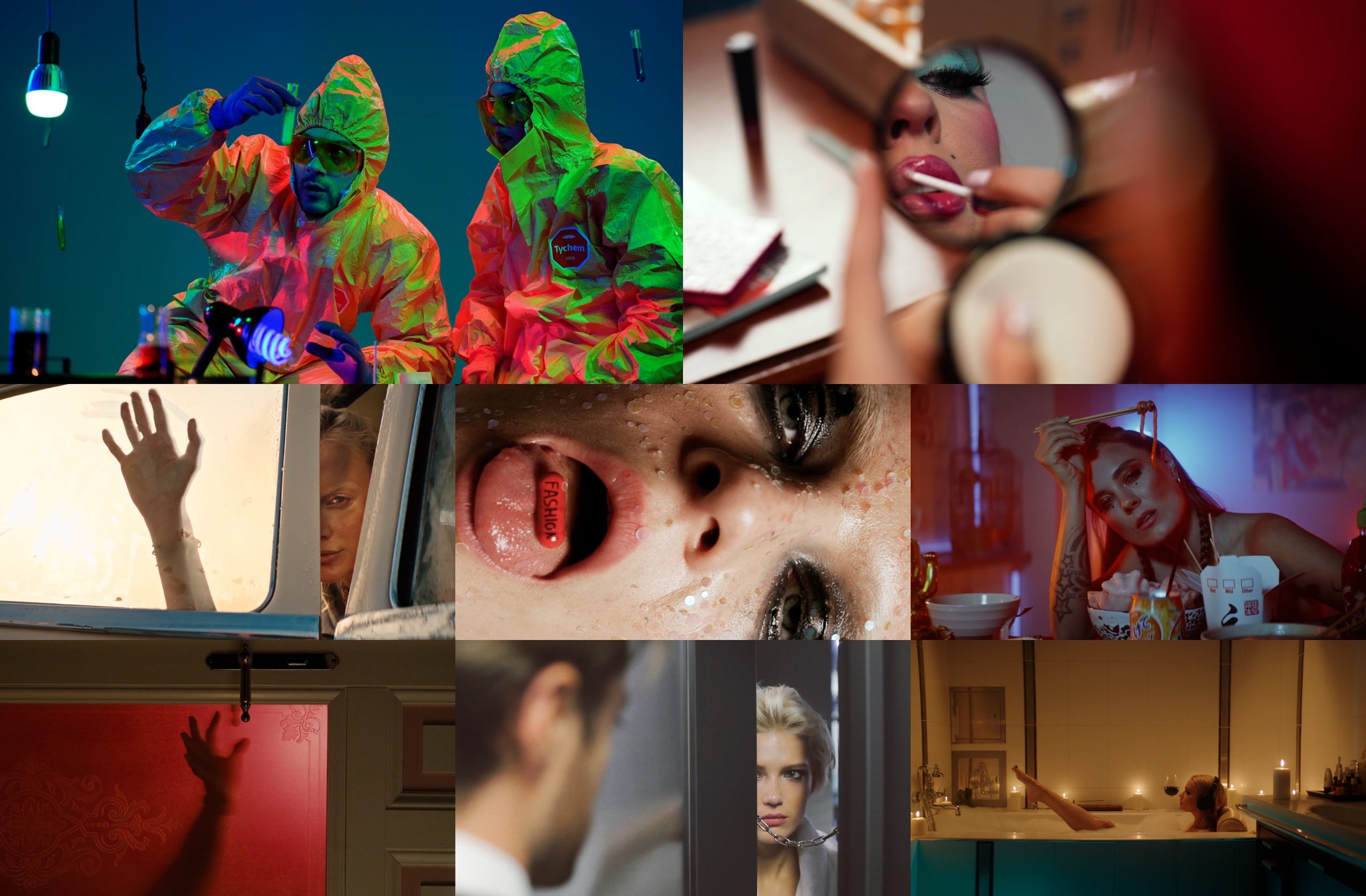
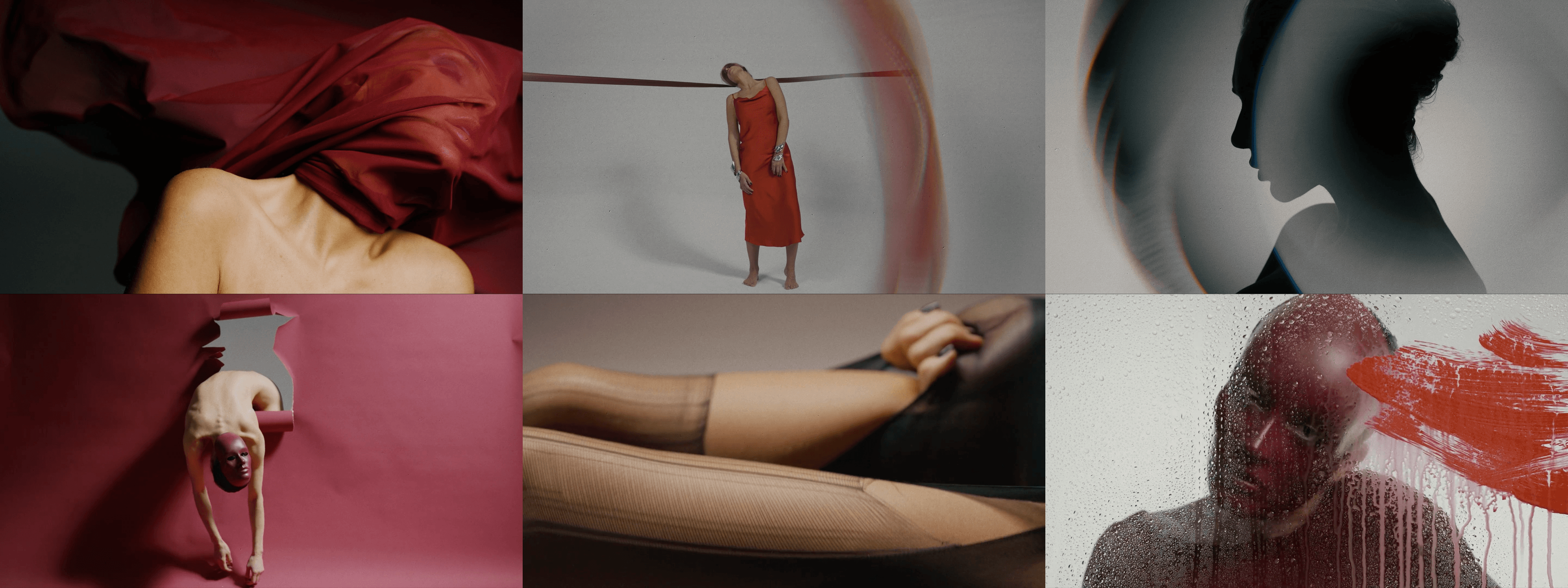
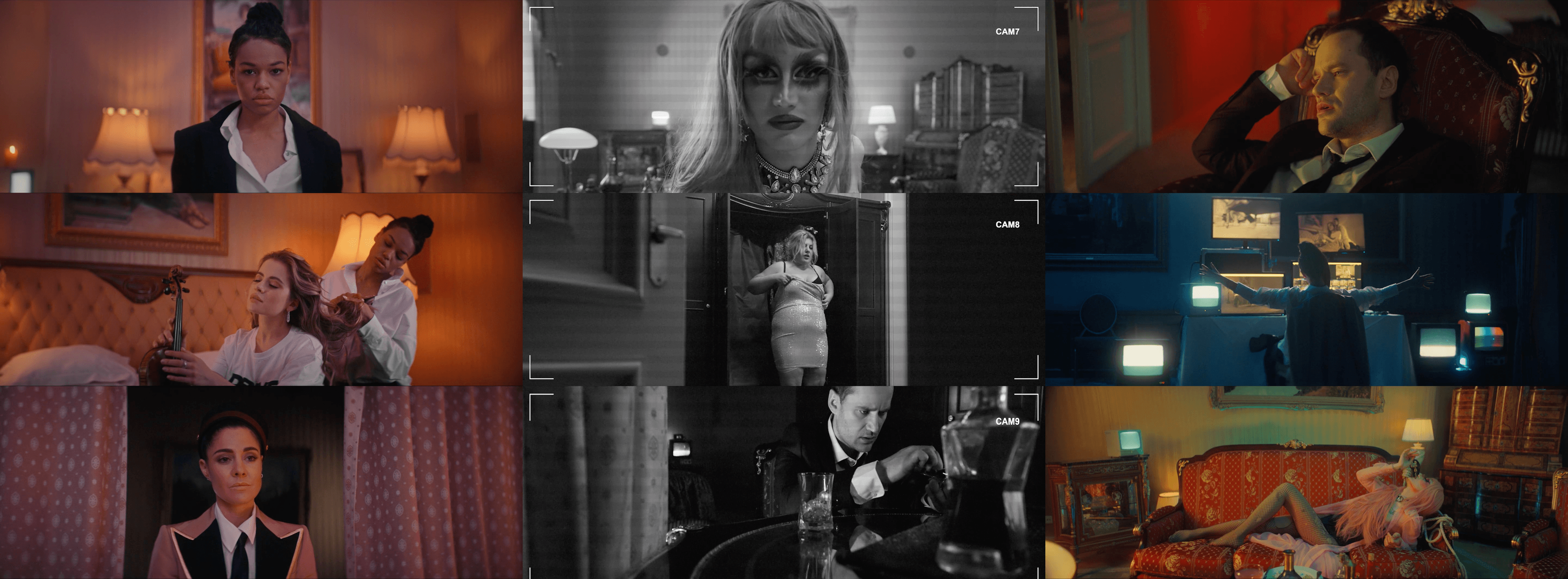
I think I accidentally answered quite a bit of this in my first answer. 🙂 But if I had to describe my work more directly, I would probably say that I’m a one-person orchestra.
That comes from my years of working as a videographer, because being a videographer often means doing almost everything from beginning to end. You come up with the concept, write the script, organize the shoot, find the location, book the studio, cast the models, figure out the props, sometimes go out and buy those props yourself, shoot everything, edit it, find the music or build the edit around a specific track, create the sound design, shape the storytelling, and finally deliver the finished piece.
Once, when our makeup artist didn’t show up, I even became the makeup artist. Thankfully, the concept involved very art-house makeup, so my lack of professional makeup skills could almost be mistaken for an artistic decision.
I think those years taught me something that still defines the way I work today: I know how to make a lot out of very little. I can shoot something with an extremely small crew and limited resources and make it feel as if there were fifty people standing behind the camera. I’ve had people watch some of my work and assume the budget was much bigger than it actually was. At the same time, I’m equally comfortable stepping into a larger production with a full crew and a bigger budget, where all of those ideas can be pushed much further.
I think having lived on both sides of production is incredibly valuable for me as a director. I understand what it means to build something almost with your bare hands, but I also understand how to communicate a vision to a team and let talented people make it bigger than I could make it alone. I’m not afraid of limitations because I’ve spent years turning them into creative decisions.
At the center of all of it, though, is always a story. And I believe stories are usually found in people. A beautiful image by itself is not enough for me. I want to understand who is inside that image, what they want, what they feel, what happened five seconds before we started watching them and what might happen five seconds after.
Even if I’m making something very short, in my head it still has a world, a rhythm, a character, and a story behind it.
I also think being largely self-taught shaped the way I work. For many years, I found solutions intuitively before I knew their technical names or the “correct” way to do them. Sometimes that created mistakes, but sometimes those mistakes became the most interesting part of the work. I’m very comfortable improvising, adapting to limitations, and finding a visual solution when the obvious one isn’t available.
What I’m most proud of is probably not one particular project, but the fact that after all these years I’m still genuinely curious. I still want to experiment, learn from the people around me, break something, rebuild it, and find a way of telling a story I haven’t tried before.
I hope I never become too professional to lose that.
Can you talk to us a bit about happiness and what makes you happy?
Freedom makes me happy. The feeling that I can choose where to go, what to do, what to create, and that there is still an entire world around me full of possibilities. I really love the feeling that life is not completely written yet.
But if I think about happiness itself, I’ve always had this little theory: if a person is truly happy for even five minutes a day, I think you can call them a happy person. We sometimes expect happiness to be this enormous, permanent state, when most of the time it arrives in very small doses.
For me, it’s about noticing those doses. A beautiful light on a wall. A strange conversation with a stranger. A song arriving at exactly the right moment. Something ridiculous happening when you’re already late. Looking up once in a while. And looking down too, because you never know what you might find under your feet. Maybe money, if you’re lucky. Or maybe just some tiny detail that becomes the beginning of a story.
People make me happy too. People inspire me. They make me want to create, because every person is carrying around an entire universe that you know almost nothing about. Of course, I’m inspired by nature, animals, beautiful places, and all the other obvious miracles of the world. But ultimately, I keep coming back to people. That’s where I find my stories.
And being in love makes me happy. I love that feeling of being slightly lifted above the ground. But I don’t necessarily mean being in love with another person. Maybe the best version of it is simply being in love with life itself.
I think that’s what happiness is for me: not waiting for life to become perfect, but being curious enough to notice that something wonderful, funny, strange, beautiful, or completely unexpected is probably happening somewhere in front of you right now.
You just have to look.
Look up. Right now. 🙂
Contact Info:
- Website: https://marakesha-film.vercel.app
- Instagram: https://instagram.com/marakesha
- Facebook: https://www.facebook.com/profile.php?id=61565348195590
- LinkedIn: https://www.linkedin.com/in/marakesha/
Popular
-

Portraits of the Valley
-

LA’s Most Inspiring Stories
-

Greg Hex Is Turning the Everyday Kitchen Knife Into a Modern Design Object
-

Rick Norris Learned That Building a Successful Business Means Building a Life You Actually Want to Live
-
How Olivia Rush Turned Survival Into a Mission to Help Others Keep Going
-

How Bibi Goldstein Is Helping Entrepreneurs Reclaim Their Time by Embracing the Power of Delegation


