




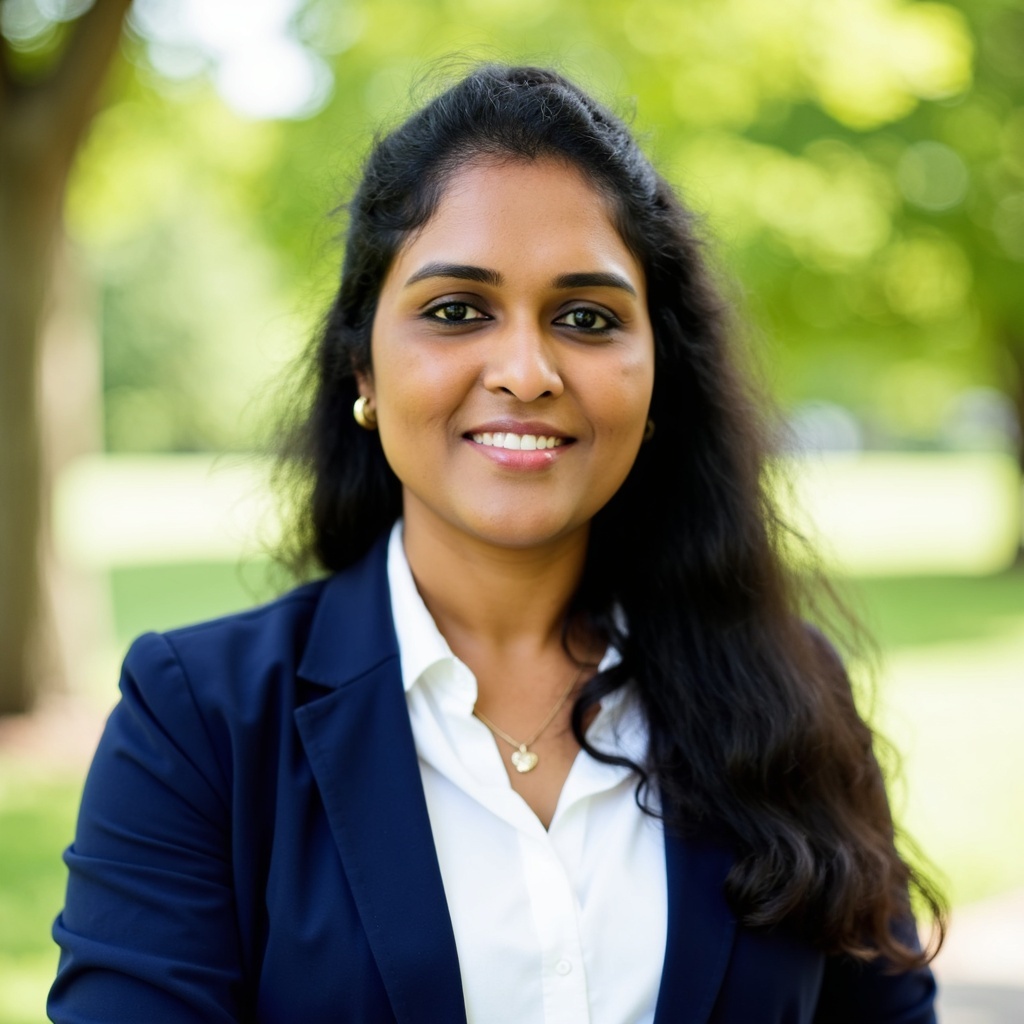
Today we’d like to introduce you to Krishnaveni Palanivelu.
Hi Krishnaveni, can you start by introducing yourself? We’d love to learn more about how you got to where you are today?
My journey into cybersecurity was anything but conventional. I began my career in electronics and communications engineering in India, where I developed a deep fascination with how systems connect, communicate and how they can fail. That curiosity about system vulnerabilities became the foundation of everything I’ve built since.
My early career took me through banking and financial technology roles across Asia and Europe, giving me a global perspective on how institutions manage risk at scale. In the United States, I stepped into enterprise retail payments as a Payments System Lead, where I managed payment authorization, settlement, and point-of-sale infrastructure for one of the country’s largest pharmacy and retail chains. Millions of transactions daily, with HIPAA and PCI DSS compliance as non-negotiable constants. I built and led offshore and onshore support teams and established payment systems infrastructure that supported national operations around the clock.
A defining turn came when I moved into a Compliance Lead for Innovation role at a major UK bank. I was tasked with bringing groundbreaking payment technologies to market securely and in full regulatory compliance, including a problem no one had solved before: how do you secure a contactless payment on a wearable device with severely constrained computing power? There were no blueprints, no industry standards to follow. I designed the security architecture from scratch. That framework became the foundational model later adopted by major players across the contactless payments industry. Seeing something I built from nothing become an industry standard was the moment I understood that this work doesn’t just protect one organization. It can shape how an entire industry operates.
That realization propelled me forward into VP-level Cyber Operations at a global financial institution, where I led threat modeling and security design reviews for critical digital platforms, embedding security into architecture from the ground up rather than bolting it on after the fact. This included the security integration of a major acquisition and threat modeling for digital lending platforms handling hundreds of billions in annual volume. Our team earned a Banking Tech Award for Best Use of IT in Lending, a recognition of the security-first approach embedded into every layer of the platform.
Today, in my current role as Senior Vice President and Cybersecurity Architect at a global financial institution, I oversee security governance for enterprise platforms managing trillions in assets across more than 160 countries. My focus is at the frontier of AI security, designing the governance frameworks and security controls that allow a major financial institution to adopt artificial intelligence safely, without compromising regulatory compliance or customer trust. This includes architecting the security framework for an enterprise AI automation platform that transformed compliance workflows at scale, and designing the security architecture for an enterprise digital signature platform enabling trusted digital authentication across every country we operate in.
I’m drawn to problems at the intersection of innovation and security, where the technology is new, the stakes are real, and there’s no playbook to follow.
Beyond my corporate role, I’m deeply committed to giving back to the profession that shaped me. I serve as a Professor of Practice at two universities, mentor emerging cybersecurity leaders through WiCyS and Technovation, judge national and international hackathons including NASA TechRise, and review research papers for IEEE international conferences. I was also selected as a technical reviewer for the official ISACA Certified Information Security Manager certification manual, contributing to the standard that defines cybersecurity management excellence globally. I’m also currently authoring two professional books, on Defensive AI Engineering for Wiley-IEEE Press and Secure Cloud-Native Application Engineering for CRC Press. Most recently I had the honor of delivering a Lightning Talk at WiCyS 2026 in Washington DC on the future of cloud security, and an International Tech Talk at UCSI University in Malaysia on cyber resilience in the age of big data.
I hold a Master’s degree in Cybersecurity Operations and Leadership from the University of San Diego, and I am a Senior Member of IEEE, a Fellow of IETE, and an Executive Member of the Forbes Technology Council, where I have published multiple nationally distributed articles on cloud architecture, cybersecurity, and emerging technologies including contributions to expert panels on multicloud strategy, IT consolidation, event-driven architecture, and the future of robotics and the metaverse. I also hold multiple cloud certifications including AWS Certified Solutions Architect Professional, AWS Certified Solutions Architect Associate, AWS Certified SysOps Administrator Associate, Oracle Cloud Infrastructure Architect Associate, and Oracle Autonomous Database Specialist. These aren’t just titles or credentials. They represent a commitment to continuous learning and a community of peers who hold each other accountable to the highest standards of our profession.
Twenty years ago I was a young engineer trying to understand how systems break. Today I’m helping define how the world’s largest financial institutions protect themselves against threats that didn’t exist a decade ago. That arc, from curiosity to contribution, is the story I’m most proud of.
Can you talk to us a bit about the challenges and lessons you’ve learned along the way. Looking back would you say it’s been easy or smooth in retrospect?
Honestly, no. The road has been anything but smooth, and I think that is precisely what has shaped the leader I have become.
The most significant and consistent challenge throughout my career has been the relentless pace of change in technology itself. Cybersecurity is not a discipline where you can rest on what you knew five years ago. The threat landscape evolves constantly, and the emergence of each new technology wave has repeatedly required me to reinvent my expertise from the ground up.
When I was at Barclays designing security for wearable payment devices, there was no playbook to follow. The intersection of IoT and financial payments was so new that no security frameworks existed for it. I was building in the dark, solving problems that the industry had not yet even named. That framework I built from scratch later became the foundation for contactless payment security adopted across the industry, but at the time it felt more like navigating a maze with no map.
When I moved into cloud security at JPMorgan Chase, the entire industry was still debating what cloud-native security even meant. Banks were deeply cautious about cloud adoption, and the challenge was not just technical. It was convincing leadership that security could be a driver of innovation rather than a barrier to it. Threat modeling for platforms handling massive lending volume required building frameworks that simply did not exist in textbooks at the time.
And today, as the lead cybersecurity architect for AI initiatives at a global financial institution, I am again operating in territory where the standards are still being written. Agentic AI, systems that can think, decide and act autonomously, presents security challenges that are fundamentally different from anything the financial services industry has faced before. There is no established compliance framework for it. There is no industry consensus on how to govern it. Every decision I make is being made without a safety net of established precedent.
That perpetual uncertainty is genuinely hard. It means constant learning, constant humility, and a willingness to be wrong before you can be right. There have been moments in my career where I felt I was barely keeping pace with the technology I was supposed to be securing. The field moves so fast that even the most experienced practitioners can feel like beginners again overnight.
But I have come to see this challenge as the very thing that makes cybersecurity meaningful. The fact that the ground is always shifting is precisely why the work matters. Every time I have had to learn a new technology, rebuild a framework from first principles, or solve a problem no one had solved before, I have emerged with a deeper understanding of both the technology and myself. The fast pace of this industry is not an obstacle to doing great work. For me it has been the engine of it.
Appreciate you sharing that. What else should we know about what you do?
At its core, my work is about one thing: making sure that as technology evolves at an extraordinary pace, the systems that billions of people depend on to manage their money, their data, and their lives remain trustworthy, resilient, and secure.
What I specialize in sits at a very particular intersection. I am not just a cybersecurity practitioner. I am a security architect, which means my work begins before a single line of code is written. I design the frameworks, governance models, and security controls that determine how enterprise technology is built from the ground up. My specialisms include Zero-Trust architecture, AI and machine learning security governance, cloud security, IoT payment security, and privacy engineering at global scale. In my current role I oversee security architecture for a large portfolio of enterprise applications spanning more than 160 countries and supporting trillions in assets.
What I am known for, both within my organization and across the broader industry, is being the architect who operates at the frontier. When a major UK bank needed someone to design security for contactless payments on wearable devices, a problem that had never been solved before, I built that framework from scratch. It became the foundational model later adopted by major players across the contactless payments industry. When a global financial institution needed threat modeling for a major acquisition and digital lending platforms handling massive annual volume, I led that architecture. And when my current institution became one of the first major global banks to deploy agentic AI to tens of thousands of developers, a deployment covered by American Banker as a landmark industry event, I was the named Cyber Architect responsible for designing and approving the security framework that made it possible.
That last point is what I am perhaps most proud of professionally. Agentic AI, artificial intelligence that can think, decide, and act autonomously, represents one of the most consequential and genuinely novel security challenges the financial services industry has ever faced. There were no established frameworks, no regulatory precedents, no industry playbooks to follow. I designed the Zero-Trust security architecture and governance controls that allowed my institution to deploy this technology safely, at scale, in one of the most heavily regulated environments on earth. The recognition I received internally for this work meant a great deal. But what means more is knowing that the framework I built will influence how the entire banking industry approaches AI security governance for years to come.
What sets me apart is something I have come to understand more clearly over twenty years in this field. Most security professionals are excellent at defending what already exists. What I do is secure what does not exist yet. Every major contribution I have made, from wearable payment security to cloud-native threat modeling to agentic AI governance, has involved building security architecture for technology so new that the industry had not yet developed a consensus on how to approach it. That ability to operate in genuinely uncharted territory, to reason from first principles, to build frameworks that others will later use as standards, is what I believe defines my contribution to this field.
Beyond my corporate role I give back to the profession in multiple ways. I serve as a Professor of Practice at two universities, teaching the next generation of cybersecurity leaders. I serve as VP of Finance and Sponsorship for a WiCyS affiliate, working to advance women in cybersecurity. I judge hackathons at universities and served as a judge for NASA TechRise. I review research papers for IEEE international conferences. I was selected as a technical reviewer for the official ISACA Certified Information Security Manager certification manual. I have published multiple articles through the Forbes Technology Council reaching executive and technical audiences nationally. And I am currently authoring two professional books, on Defensive AI Engineering for Wiley-IEEE Press and Secure Cloud-Native Application Engineering for CRC Press.
I spoke recently at WiCyS 2026 in Washington DC, delivering a Lightning Talk on the future of cloud security to an audience of thousands of cybersecurity professionals. I also delivered an International Tech Talk at UCSI University in Malaysia on cyber resilience in the age of big data. These opportunities to share knowledge and shape the thinking of the next generation of practitioners are among the most meaningful parts of my professional life.
If I had to distill what sets me apart into a single sentence it would be this: I build the security foundations that the industry does not yet know it needs, and I do it before anyone else has figured out how.
Contact Info:
- LinkedIn: https://www.linkedin.com/in/krishnaveni-palanivelu-73a1719/
- Other: https://councils.forbes.com/success-stories/behind-the-scenes-of-ai-driven-banking-how-krishnaveni-palanivelu-shapes-security-architecture-for-global-financial-systems

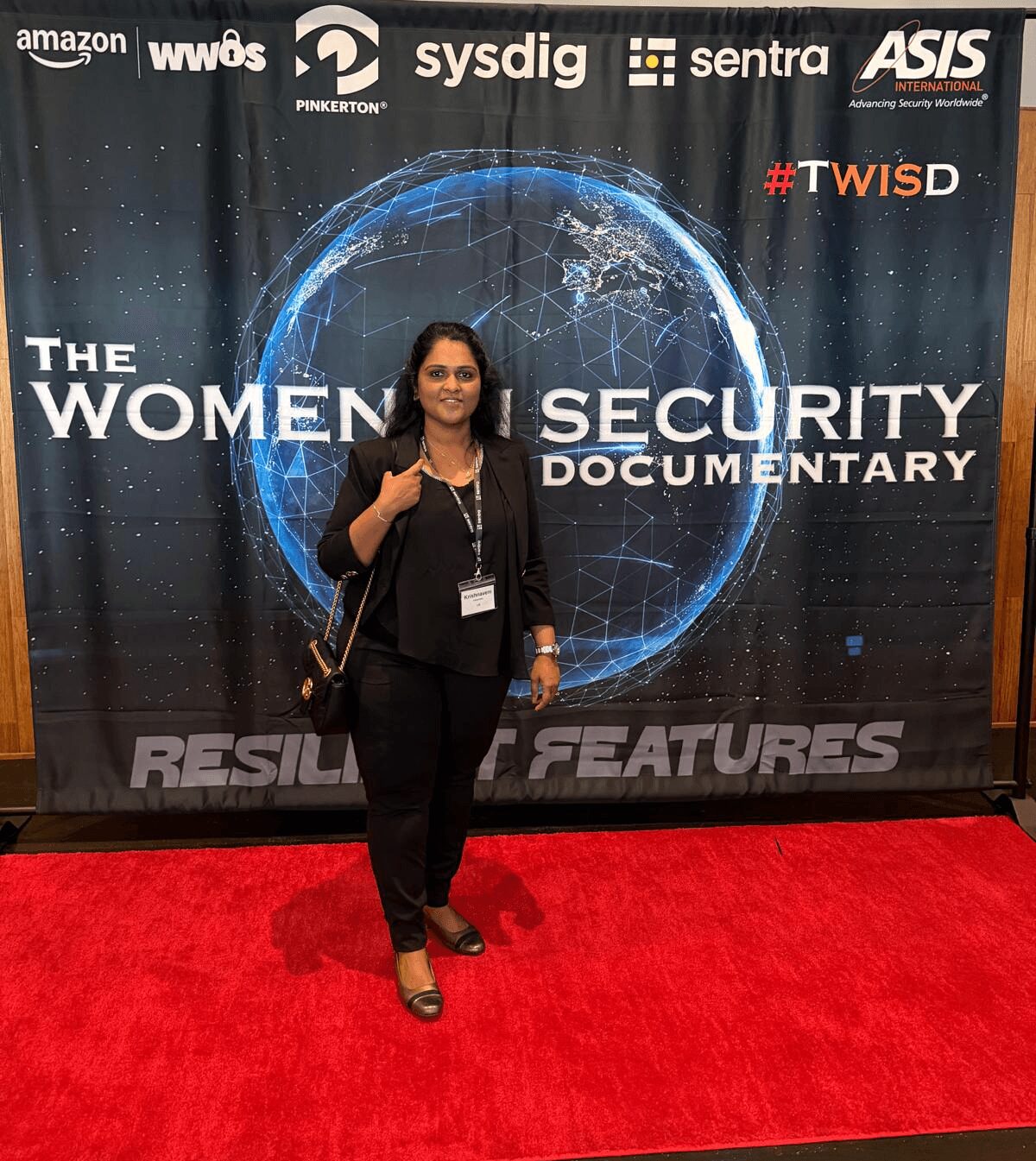

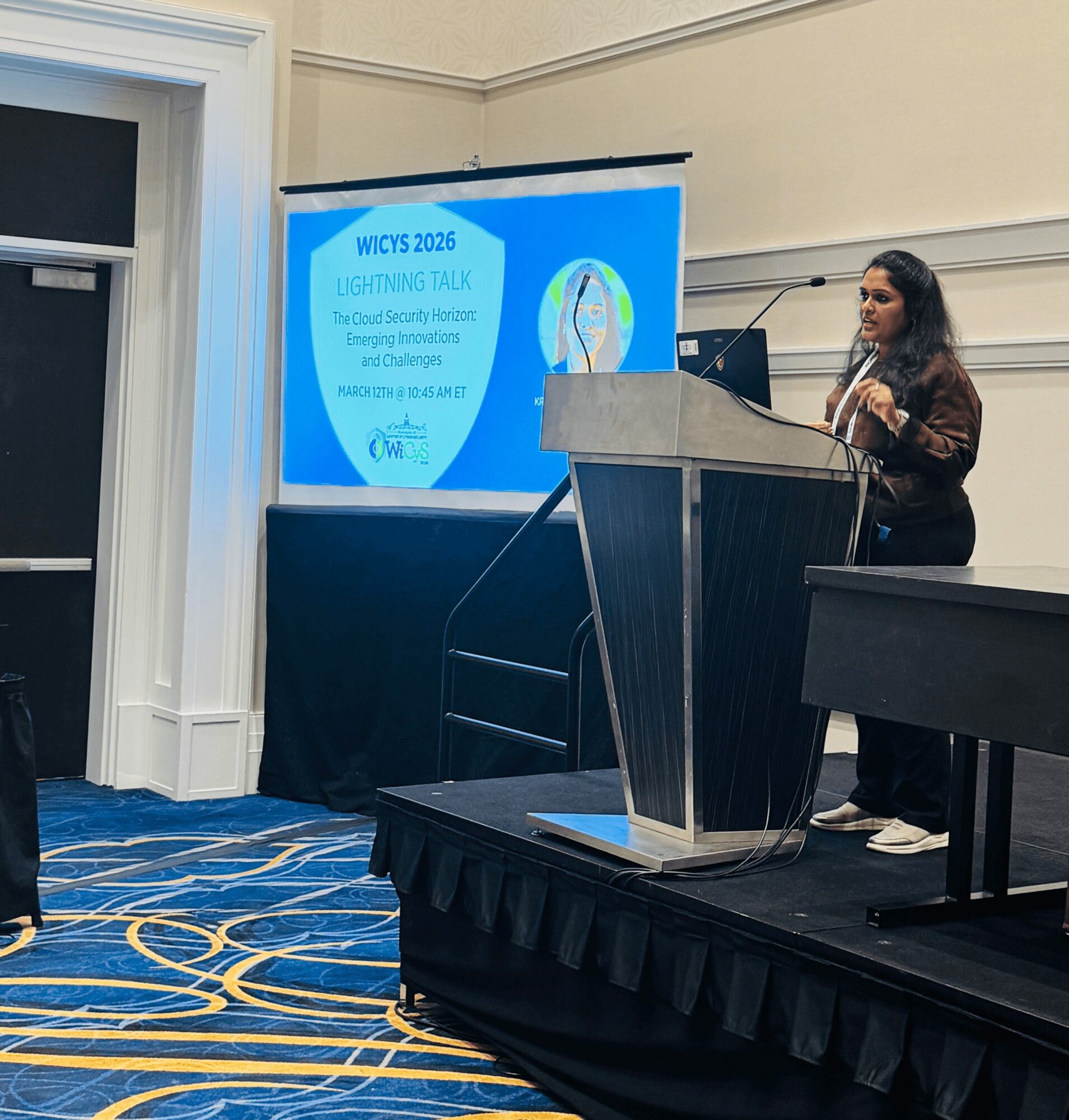
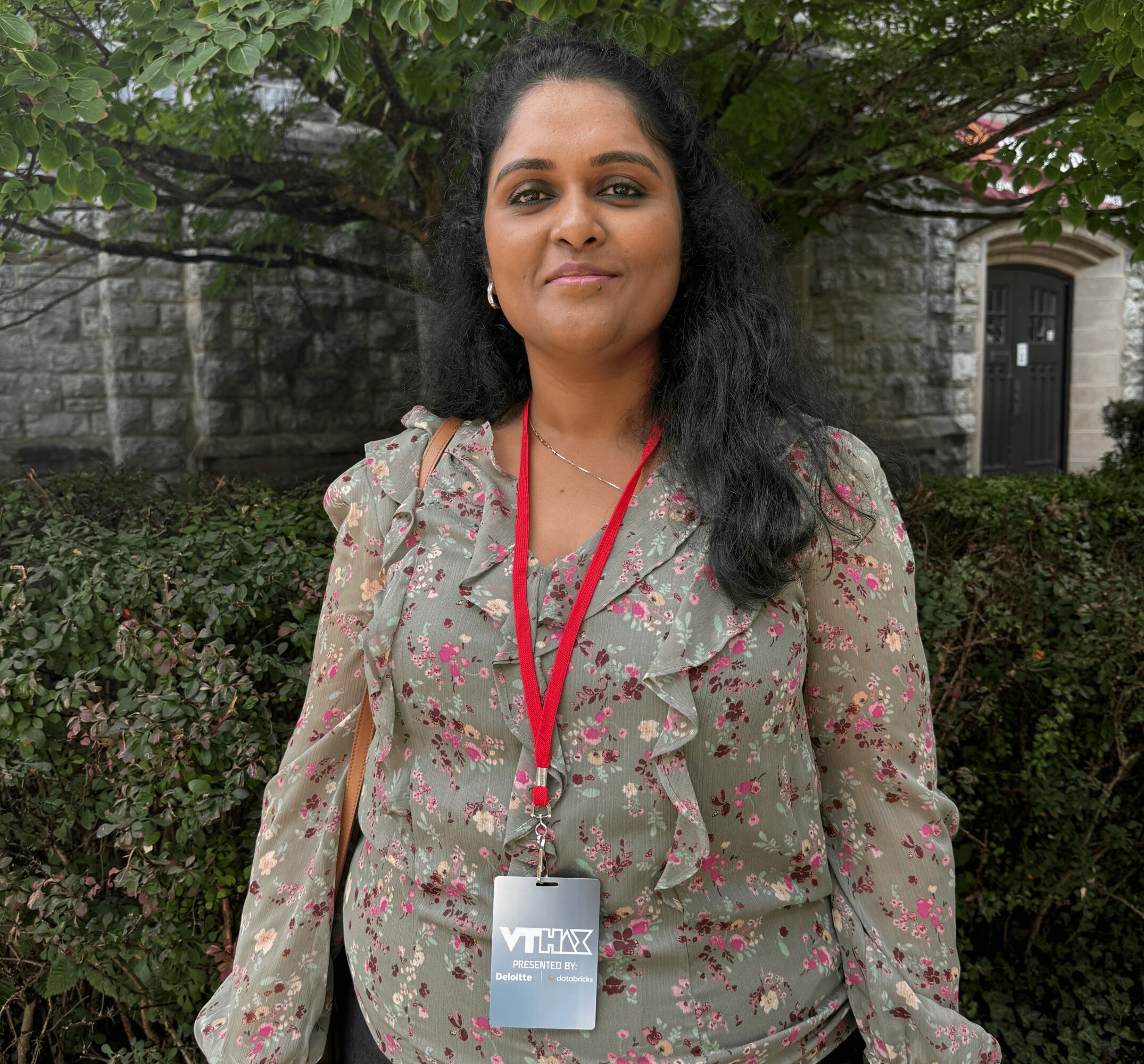
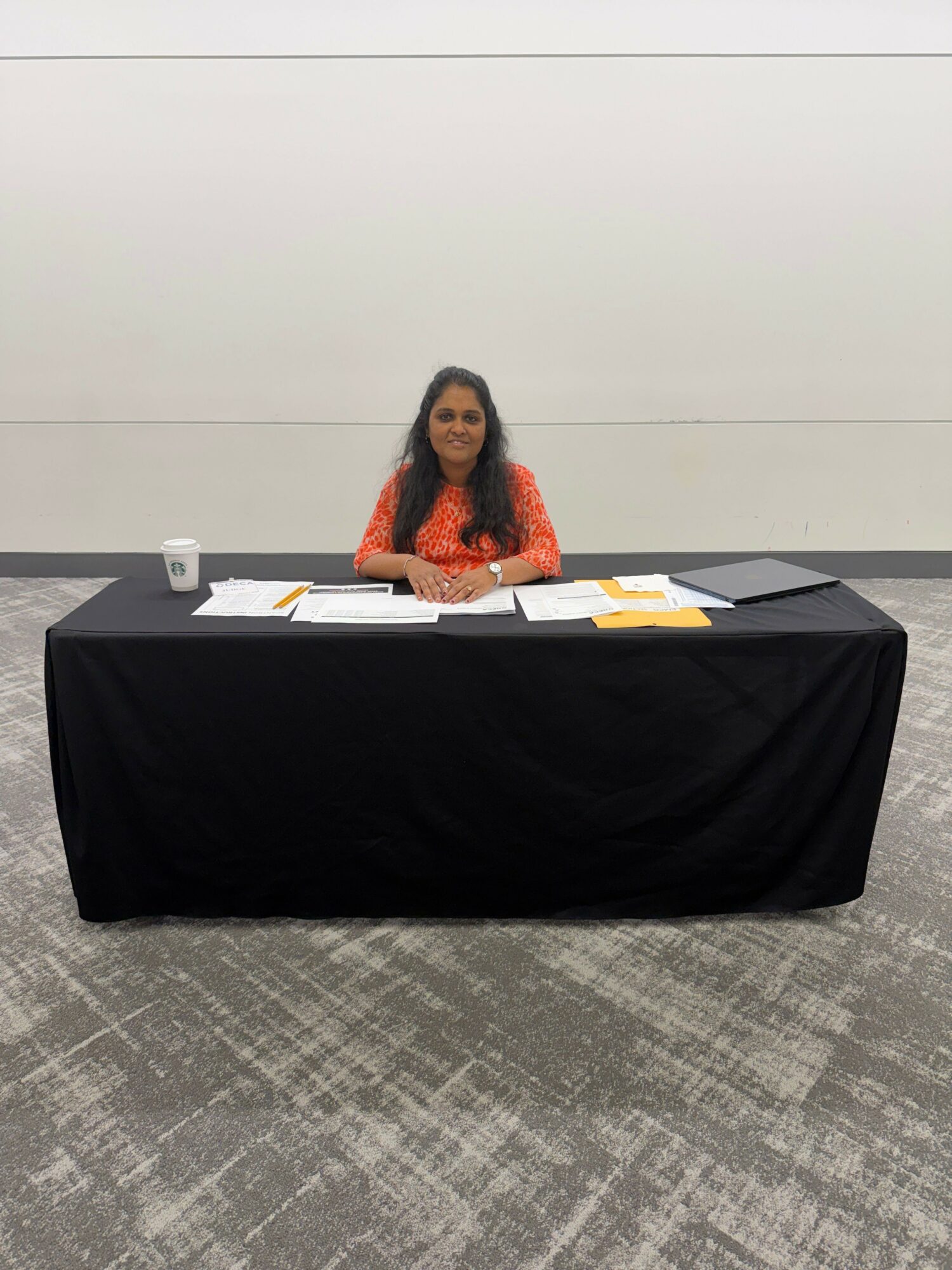
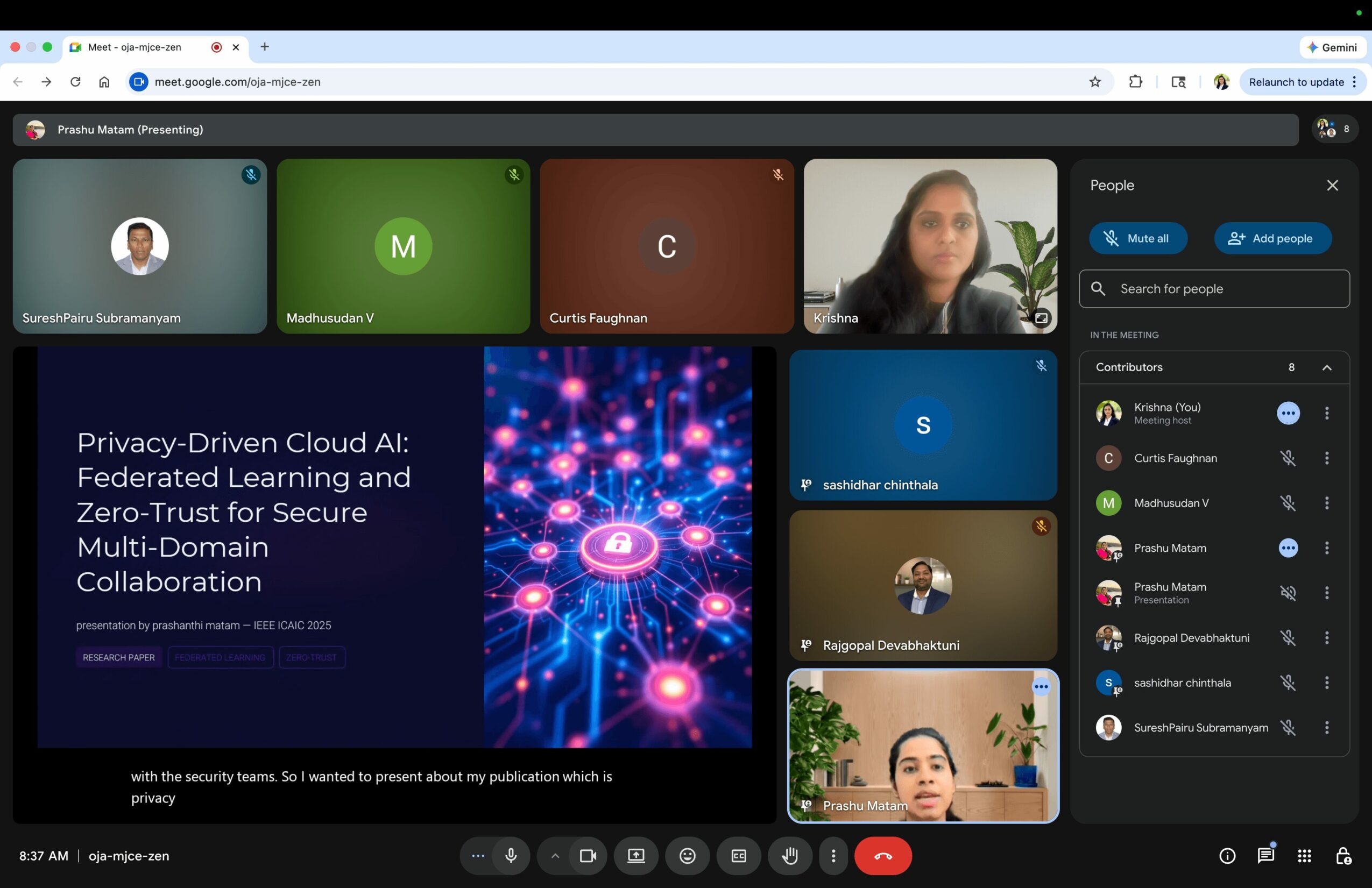
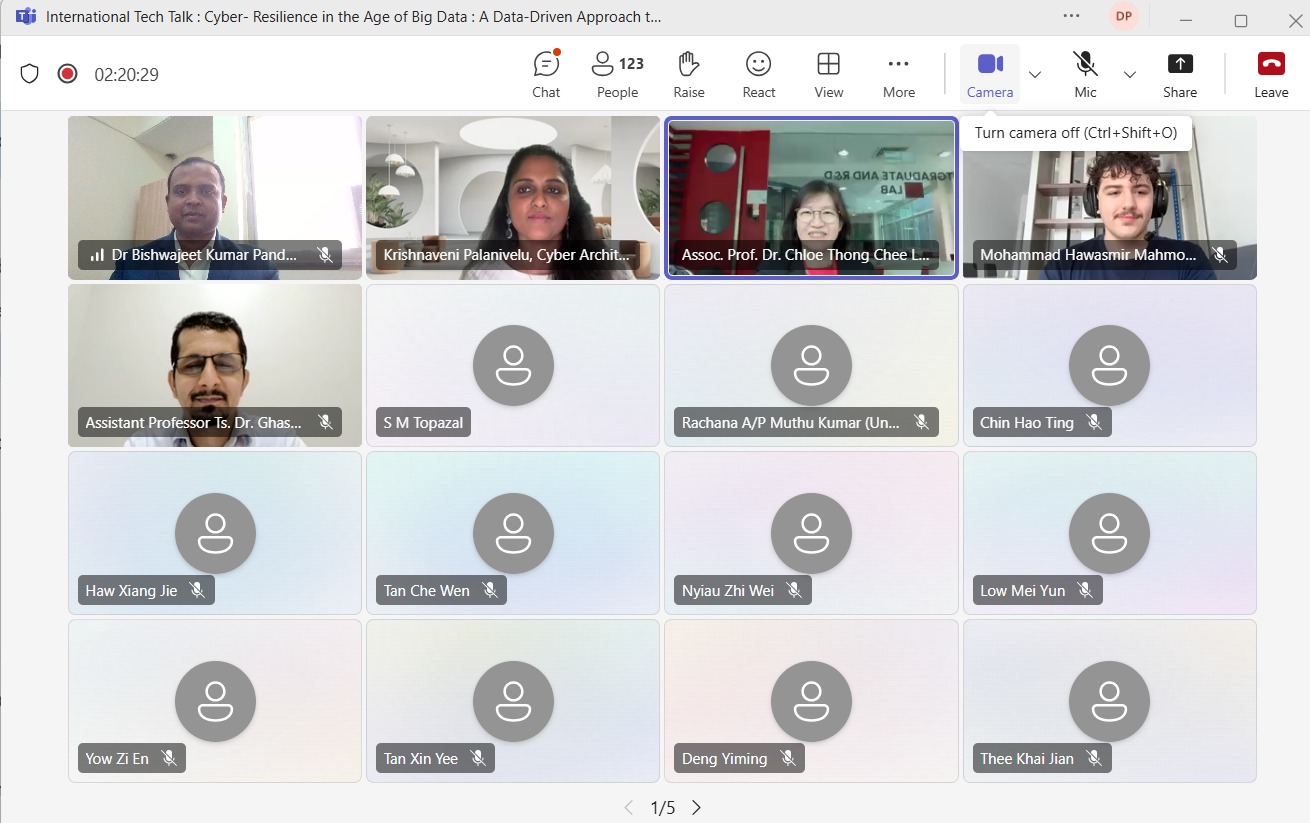
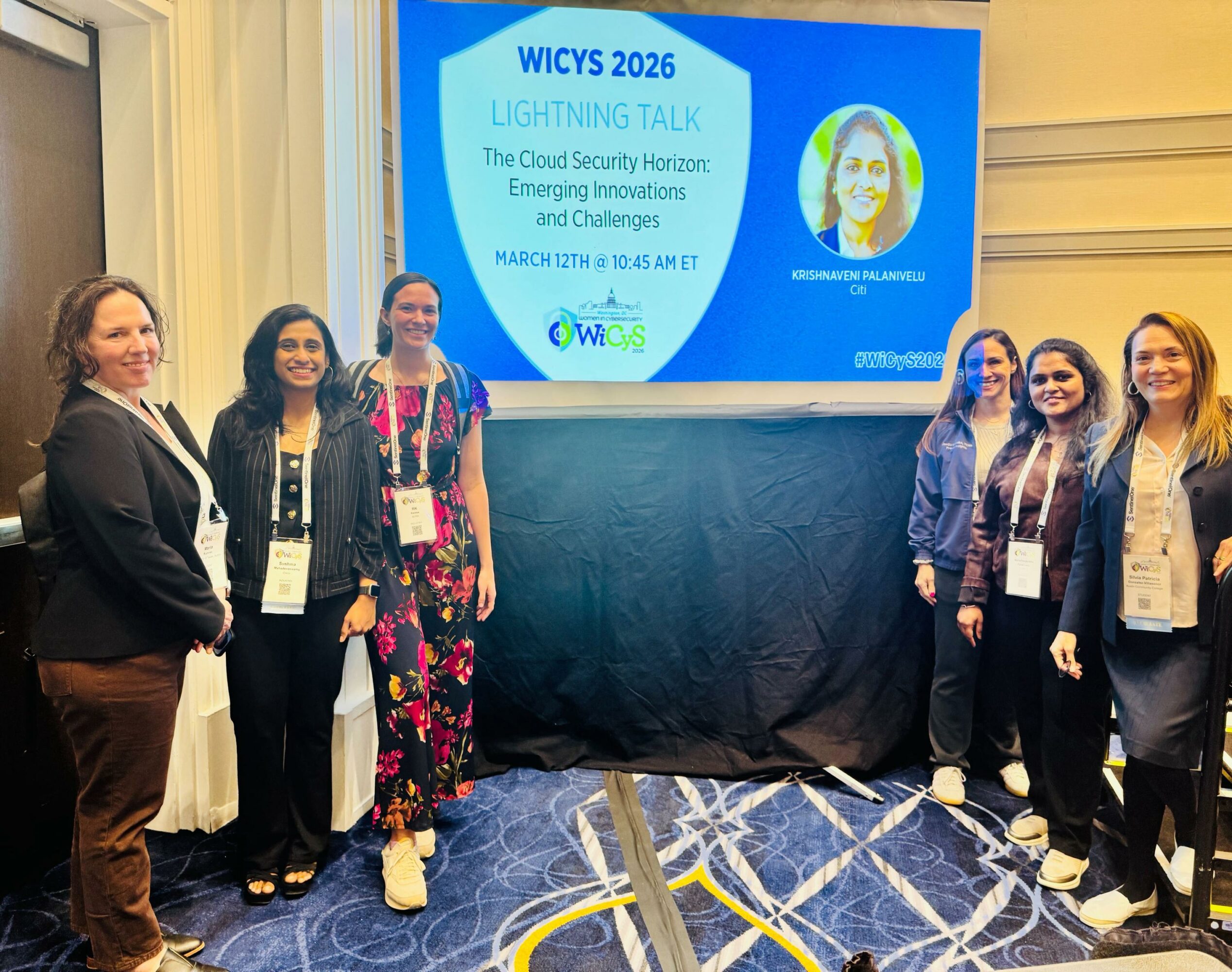

Image Credits
pic44 WiCyS speaking on stageSpeaking on stage
wicys_austin_aff.jpeg
Community leadership group photo
pic11 Women in Security Documentary
Media recognitionSeminar.jpeg
UCSI Teams screenshot
International speaking
IEEE ICAIC screenshotJudging/Publication Chair
pic55 VTHacks judgingJudging criterion
pic33 USD graduationAcademic credential
Popular
-

Que Johnson on Building Brands That Last: From Visibility to True Market Authority
-

Christina Wren Steps Into the Director’s Chair to Tell Stories That Feel Like Home
-

Portraits of the Valley
-

LA’s Most Inspiring Stories
-

JordanL on ‘Breathe,’ Belief, and Building a Movement Beyond the Music
-

Megan Birney Rudert on How Access to Light Is Powering a More Sustainable and Equitable Future


