




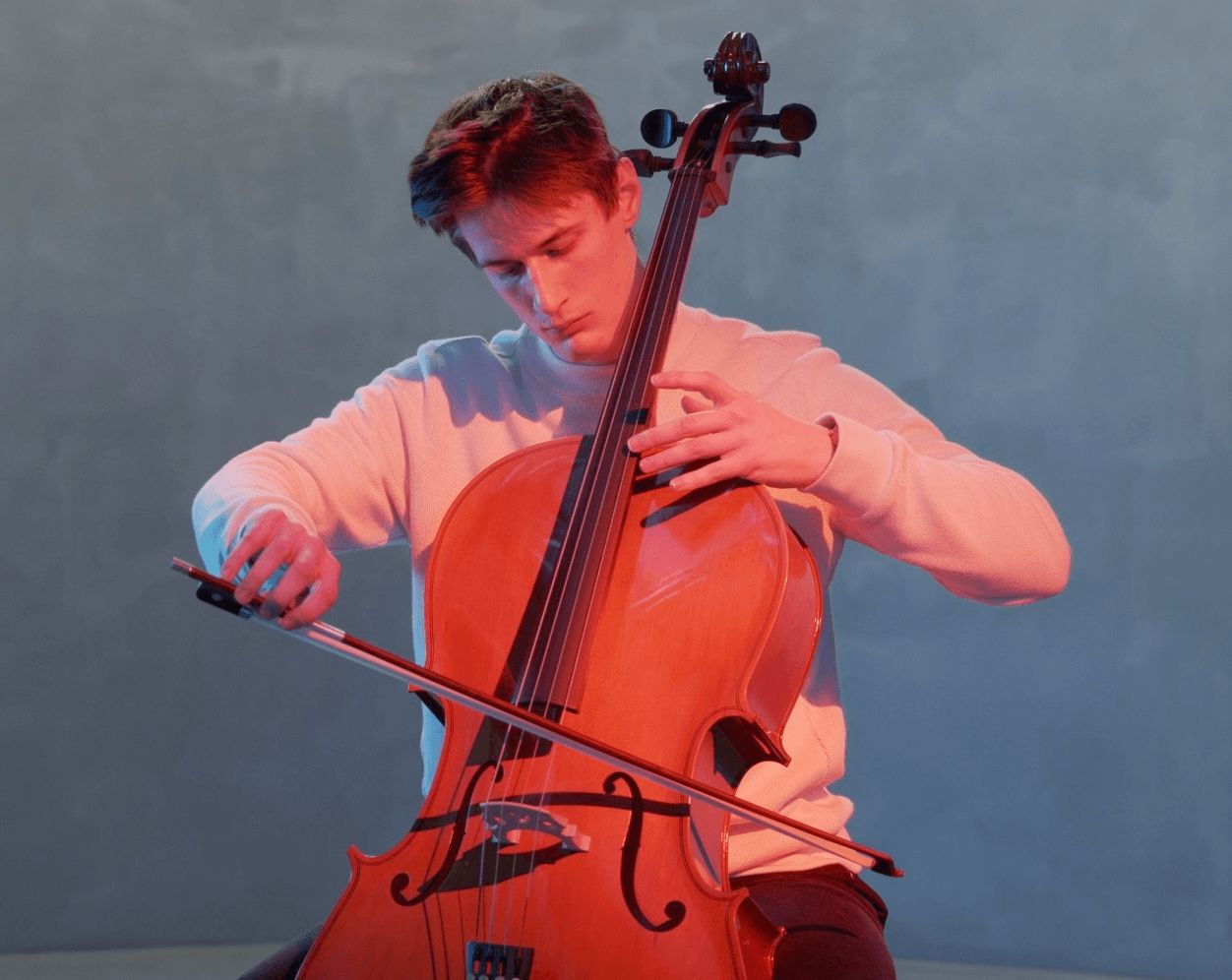
Today we’d like to introduce you to Jeremy Zerbe.
Jeremy, we appreciate you taking the time to share your story with us today. Where does your story begin?
I grew up in a lakeside village in upstate New York, right along the edge of Letchworth State Park. A fascination with nature carries into my sound world today as a composer—often paired with the nostalgia that comes from missing home. Anyone who’s moved to LA from far away probably knows that feeling well.
I incorporate natural shapes and textures into my classical music, and this organic style has also been a great fit for many of my top clients: from creating music experiences for the Open Meditation App (Editor’s Choice), to writing album intros/interludes for my recent chart-topping release with singer/songwriter ByHaze (Clovis Lane, Dec. 18th, ranked #2 R&B album on iTunes).
I feel very fortunate to be composing music in a studio at the foot of the beautiful Hollywood Hills. This journey has been made possible through the trust of my mentors, collaborators, and the earnest support of my loved ones.
Can you talk to us a bit about the challenges and lessons you’ve learned along the way. Looking back would you say it’s been easy or smooth in retrospect?
Like so many artists, the pandemic was a major turning point. I was in my senior year of undergrad when the country shut down, and overnight countless premieres and planned projects disappeared. It was a shared disruption for musicians everywhere, and it forced a strategic change in perspective.
During the pandemic, I wrote my first original score for Pepperdine’s theatre department, stepping into the unexpected role of recording and directing music alongside faculty. I poured myself into that project, and the experience led to a recommendation from the director that eventually opened the door to being appointed as an adjunct, scoring spring productions and playing live cello.
Because the canvas of music is time itself, the isolation of the pandemic also gave me space to slow down and spend time developing my artistic voice. I focused on writing large-scale orchestral works and recording for new clients, so that when concert halls and film screenings reopened, my technique was fresh.
Can you tell our readers more about what you do and what you think sets you apart from others?
I work with music as a tactile medium, almost like an artisan: describing it in terms of color, light, fabric, flavor, texture, and shape. Music can be difficult to talk about, but this method helps me communicate the essence of an idea more clearly. It helps me find hidden connections and create more vivid experiences.
When I listen to a score, I physically see a map of glowing threads woven together by each instrument. As a result, I love to get carried away with complex orchestrations, but my contemporary classical training pushed me to refine that instinct and write with intention. I’m proud to now be able to design smoother transitions, and architect entire pieces from just a couple tiny motifs. That balance between intuition and control is where my work finds its greatest impact, and it’s an ongoing study.
We’d love to hear about how you think about risk taking?
Risk-taking is essential in a creative career. Mostly, the risks I’ve taken are gambling time, not money. There are only so many hours in a day, and building meaningful relationships with new collaborators often means investing deeply into demos and ideas that may never be released.
It’s also about showing up: choosing where to find community in a city where traffic is a real commitment. My advice would be to invest in likeminded people with good intentions, work hard, use each day well, and know that success will come with patience and luck.
Contact Info:
- Website: https://www.jeremyzerbe.com/
- Instagram: https://www.instagram.com/jeremy_zerbe/
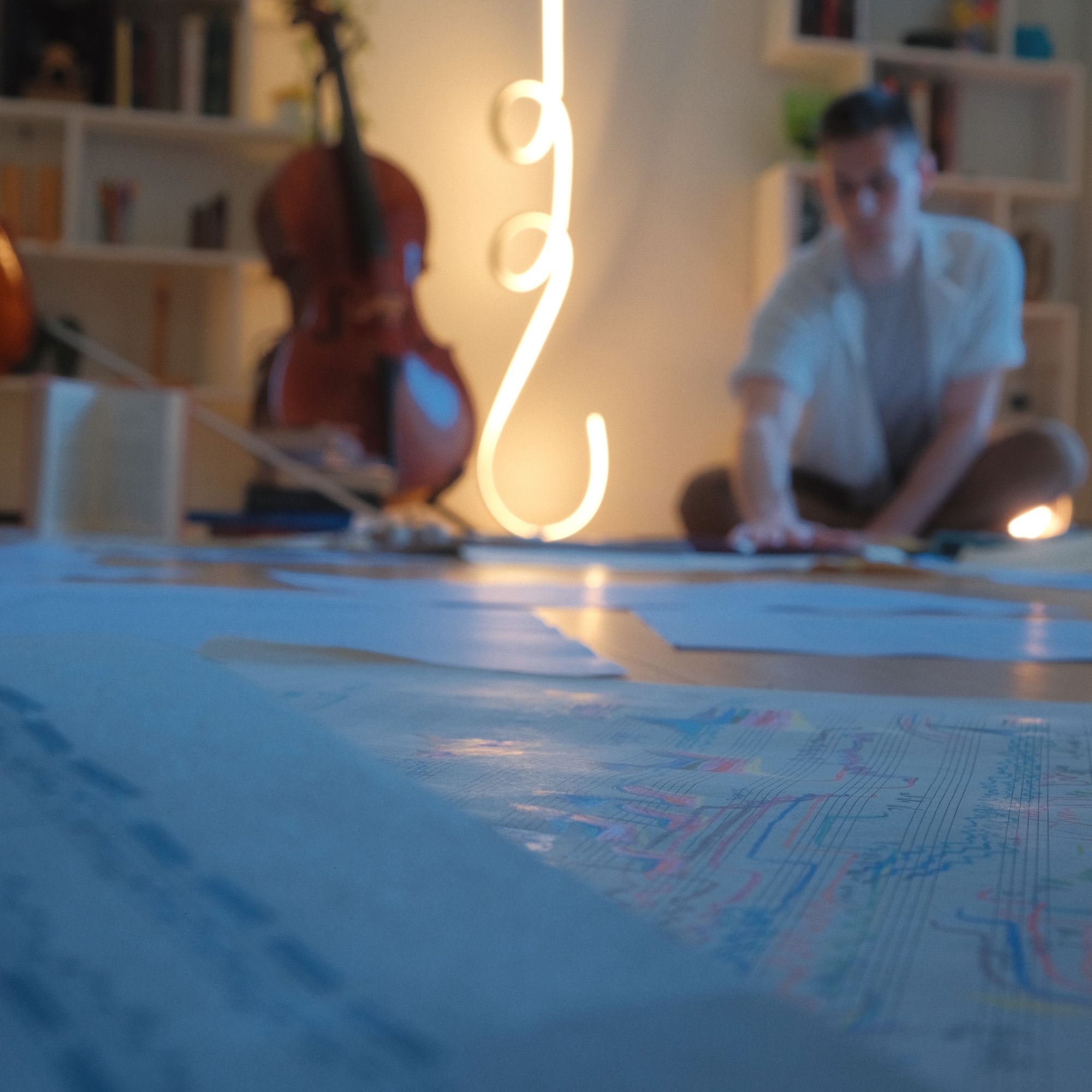
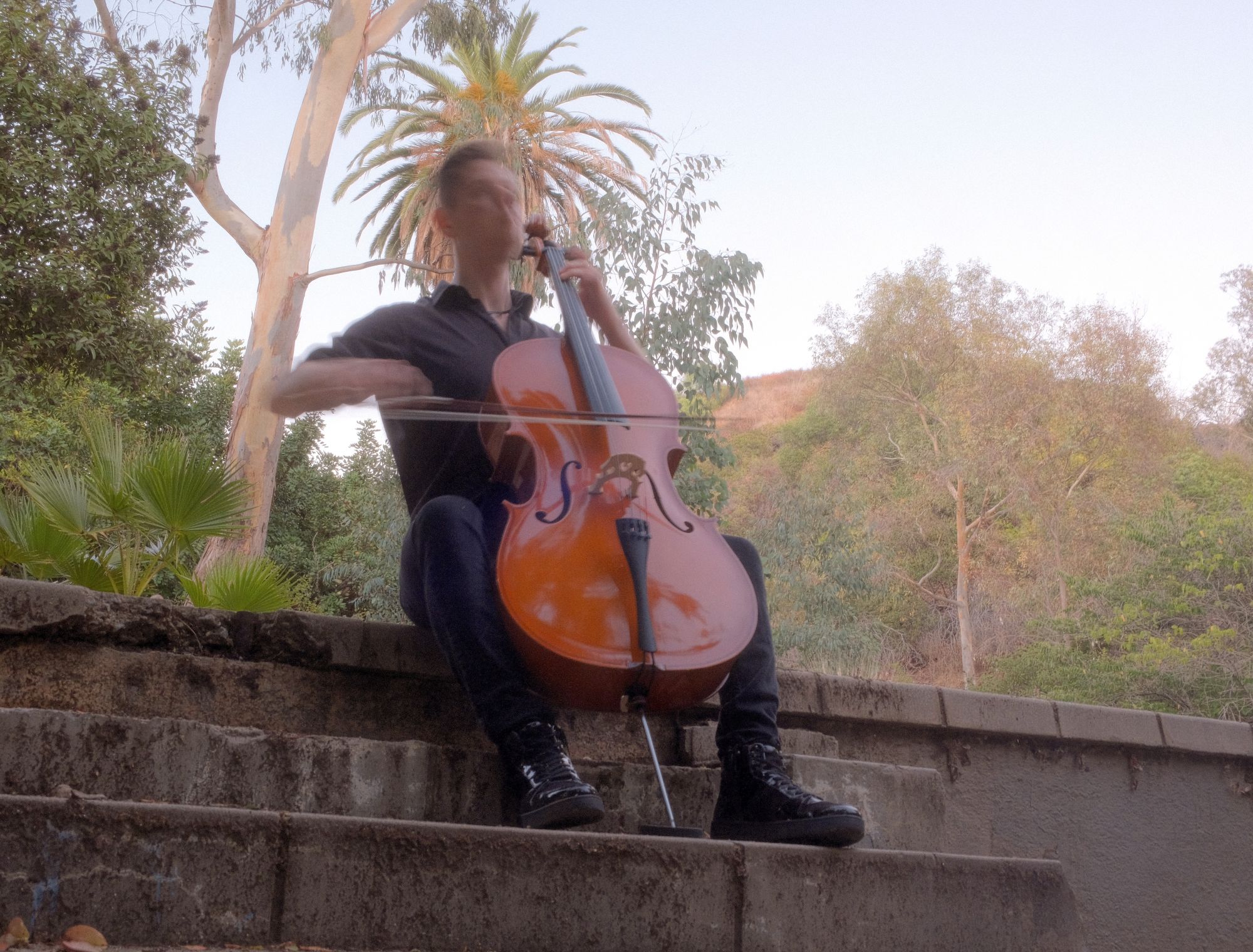
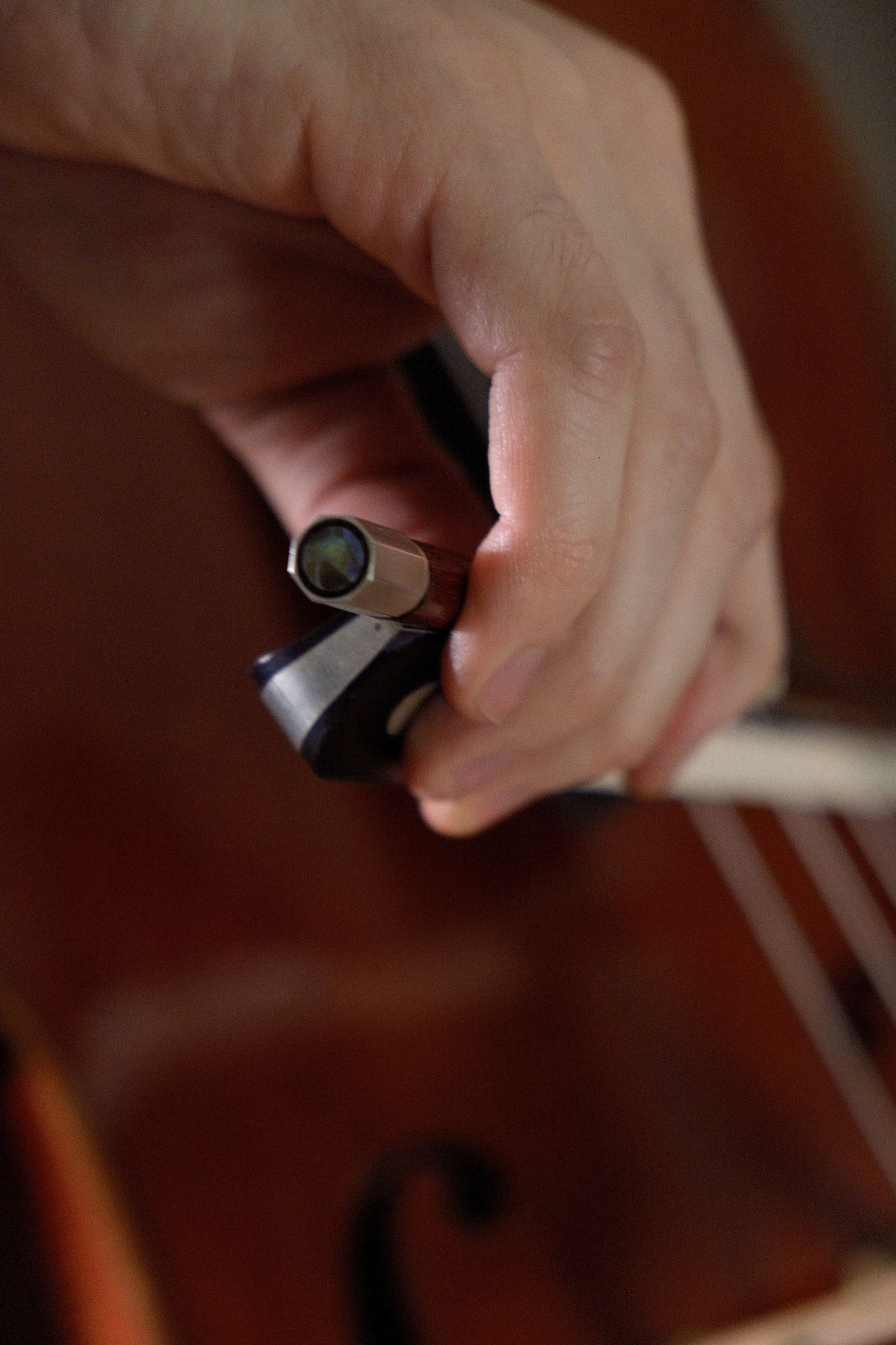


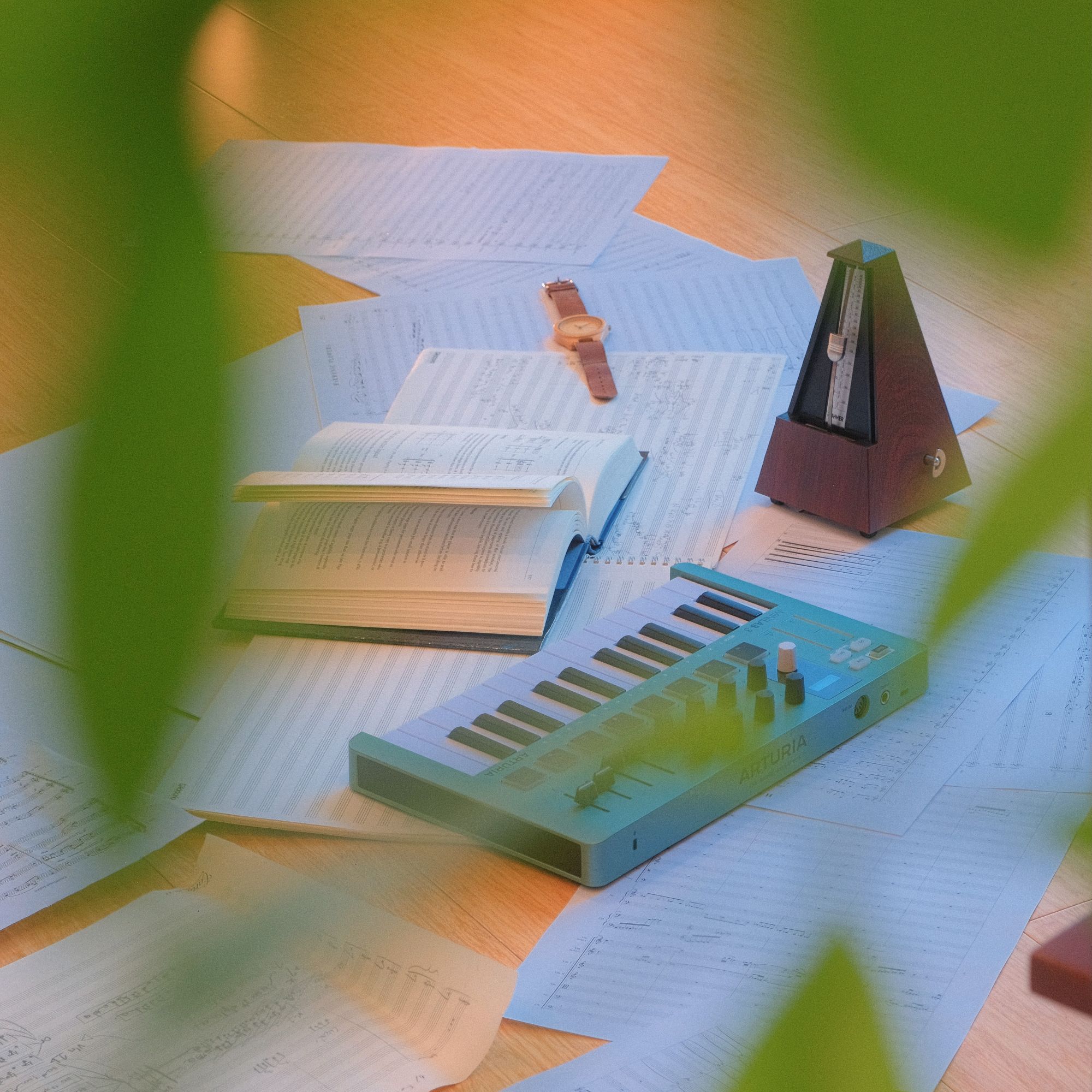
Image Credits
Alex Armesto Jeremy Zerbe
Popular
-

JordanL on ‘Breathe,’ Belief, and Building a Movement Beyond the Music
-

Megan Birney Rudert on How Access to Light Is Powering a More Sustainable and Equitable Future
-

Linda Kneidinger on Building Lasting Change Through Small Steps and Self-Compassion
-

Jolana Nika on Redefining Modern Connection Through Intentional, Real-Life Experiences
-
What did suffering teach you that success never could?
-

Who saw you clearly before you could see yourself?


