



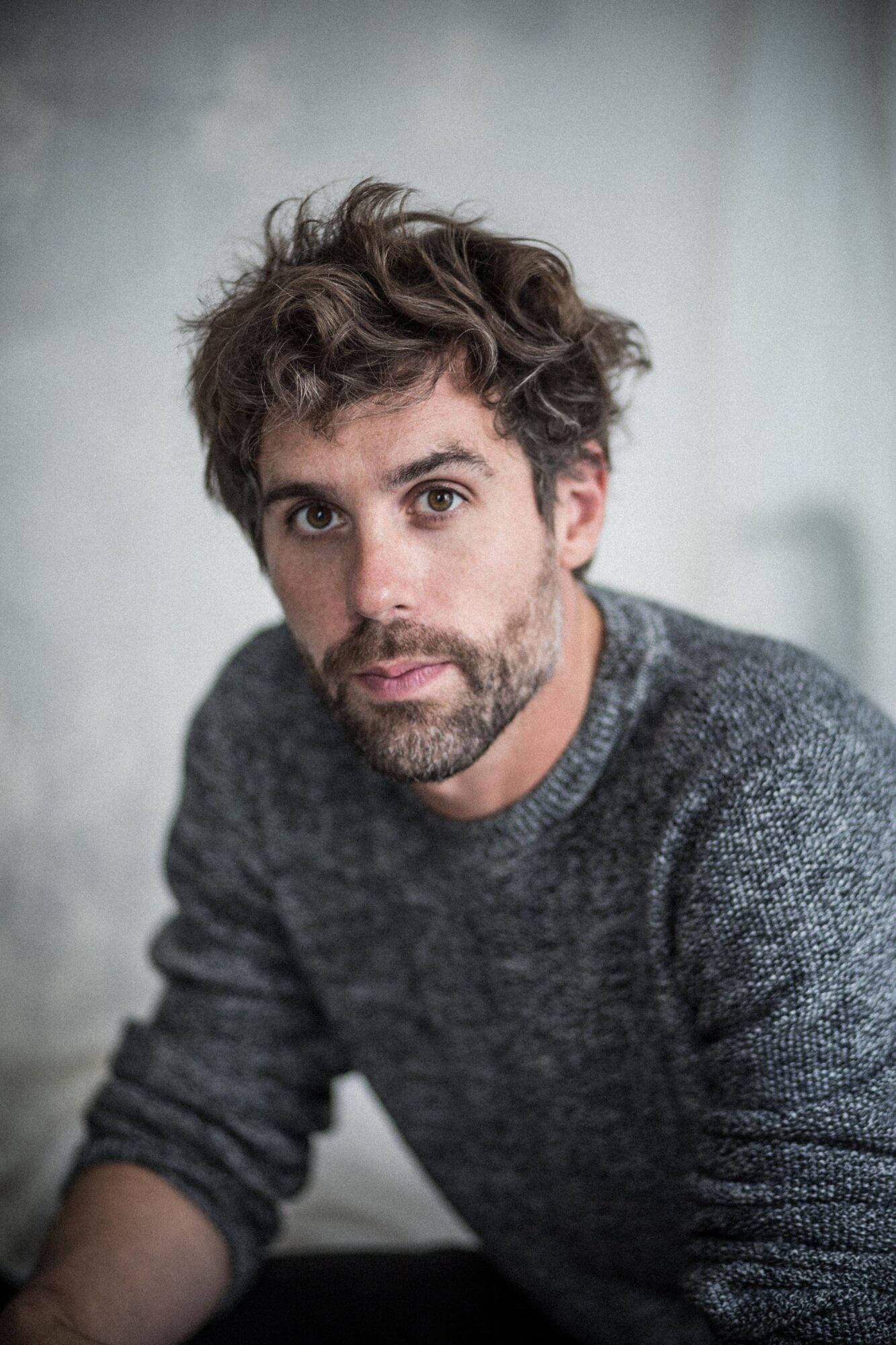
Today we’d like to introduce you to Guillaume Ducreux.
Hi Guillaume, so excited to have you with us today. What can you tell us about your story?
I’ve always been a huge film lover, a real cinephile. After high school, I decided to give myself the opportunity to try to make a career out of it.
I started taking acting classes, and I immediately loved it. It felt right from the very beginning. From there, I started performing in theatre and on stage, learning my craft and gradually developing my skills as an actor.
Little by little, I also became more interested in film, in visual storytelling, and in working in front of the camera. I started working on films and TV movies in France, and over time, I found myself enjoying it more and more.
Eventually, I also wanted to start writing my own short films and creating my own stories. I wanted to tell stories that were really mine, and that’s something I’m still pursuing today.
At this point, my goal is to continue developing my short film projects and eventually make a feature film. That’s really what I want to focus on now: continuing to grow as an actor, but also developing myself as a writer and filmmaker.
At the same time, I’m currently performing in a play in Paris called La Zone Indigo, which I’m really enjoying. It’s a beautiful play, and I’m very happy to be part of it.
I also recently appeared in Call My Agent! — known as Dix Pour Cent in France — and I just finished filming an episode of Emily in Paris last week.
So, that’s a quick overview of my journey so far.
Can you talk to us a bit about the challenges and lessons you’ve learned along the way. Looking back would you say it’s been easy or smooth in retrospect?
I think the journey to becoming an actor and making a living from acting is a very difficult one.
It’s a difficult profession because you are constantly looking for approval. You’re always trying to convince someone to choose you, to want to work with you. And sometimes, I think, the more you are looking for that approval, the less likely you are to get it.
The most important thing is to remain as unique and authentic as possible. But when you’re young, when you lack confidence or when you’re insecure, you sometimes try too hard. And I think that happens to a lot of actors.
So it can be a difficult and sometimes unfair journey. As an actor, you are essentially the product you are selling. When you go into an audition, everything can have an impact: your mood that day, your energy, how confident you feel, how you connect with the person in front of you. And then there’s also the other person’s perception of you.
That’s what makes it so complicated. When you present a finished product, like a screenplay, the screenplay stays the same every day. Of course, each person will have a different reaction to it, but the work itself remains the same.
With an audition, there are so many more variables. There is you — how you feel that day, what kind of mood you’re in, how you experience the audition — and there is also the person watching you and what they are looking for.
At the beginning of my career, I used to take rejection very personally. If I didn’t get a part, I would think, “I must have done something wrong. I wasn’t good enough. I didn’t do a good job.”
But gradually, I understood that I could have a really good audition and still not get the part. A director might have something very specific in mind, a very precise image of a character, and I simply might not fit that image.
That doesn’t mean the audition was bad.
Learning that helped me stop blaming myself and being so hard on myself. I learned that rejection doesn’t necessarily mean that you did something wrong.
And personally, I think it’s important for actors to have something else alongside acting. For me, acting doesn’t necessarily have to be the only thing in your life. Having another activity or another creative project can actually make you feel much freer.
Then acting can become the icing on the cake, rather than something you depend on completely. And I think that takes away some of the pressure and some of the disappointment.
That’s actually what happened to me when I started writing and developing my own projects and directing my own work. I became less dependent on acting for my sense of fulfillment. I was no longer constantly waiting for the next acting job.
And strangely enough, since I started doing that, I’ve actually received more acting opportunities.
More importantly, I experience the profession differently now. I feel much happier and much more fulfilled because I’m not waiting for someone else to give me the opportunity to create something. I can create things myself.
So yes, it’s a difficult journey, but it’s also a beautiful one.
I think the most important thing is to understand how you personally work, what you need, and what your expectations are. We are all different, and there is no single way of approaching this profession.
For me, I feel like I’m only now beginning to understand what I really want and what makes me feel fulfilled. But I also know that this is just the beginning of that process.
Understanding yourself is probably something that takes a lifetime.
Can you tell our readers more about what you do and what you think sets you apart from others?
My main profession today is acting. My job is essentially to be directed by a director and to bring a character to life, whether it’s in theatre, television, or film, in France or elsewhere. That’s my profession, and that’s what allows me to make a living.
At the same time, I’ve started writing my own screenplays. I’m developing them, trying to get them produced, and ultimately hoping to make my own films.
I think I’ve reached a point where I need to have a little more creative control. I want to put my own artistic vision at the centre of a project and bring something that comes from me to life.
I love being an actor, but as an actor, you are ultimately an interpreter. You are serving someone else’s vision. I really enjoy that aspect of the profession, but you don’t have control over everything. You are part of someone else’s project.
Today, I feel the need to experience the other side of that process — to take an idea that comes from my own mind, or even from my gut, and develop it from beginning to end.
Of course, I know I can’t do it alone. Cinema is a collaborative art form, and I love working with a team. What excites me is having an initial idea and then, with the help of a great team, gradually turning that idea into something real.
Maybe two or three years later — because these things take time — you find yourself on a film set, surrounded by an amazing team, finally bringing that original idea to life. And then you go through the whole post-production process and eventually see the finished film.
That’s what excites me the most today.
I want to keep acting, because I genuinely love it. But I also want to create, write, direct, and have a stronger connection to the artistic vision behind a project.
Being able to take something that starts as a small idea in your head and, years later, see it become a real film — that’s what really inspires me right now.
Can you talk to us about how you think about risk?
I think there are two main risks in my profession.
The first is financial: there’s always the possibility of not working enough to make a living and having to find another job.
But the bigger risk for me is personal. When I was younger, I took rejection very personally. Because acting requires you to give so much of yourself, I sometimes let my career affect my everyday life and my sense of self.
Today, I understand that acting is a job, not my entire identity. Being fulfilled doesn’t necessarily mean being famous, working constantly, or having many roles. It means feeling aligned with the career I’m building and being at peace with myself along the way.
I’ve learned to be kinder to myself, to accept rejection, and to separate my professional life from my personal worth.
The more I learn to do that, the less risk I feel I’m taking — and the more I can genuinely enjoy both my career and my life.
Contact Info:
- Website: http://www.cineart.fr/talent/guillaume_ducreux.htm
- Instagram: https://www.instagram.com/guillaume.ducreux/
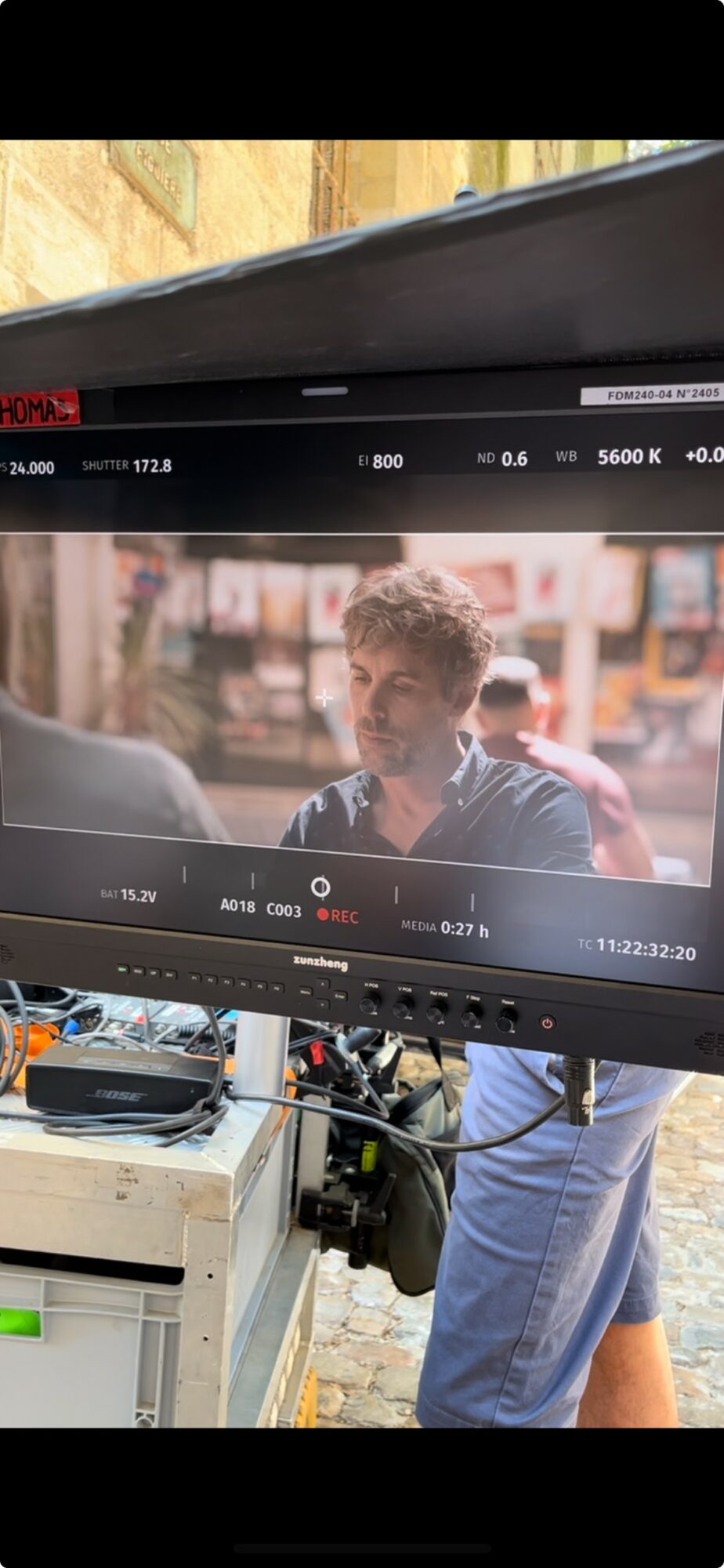
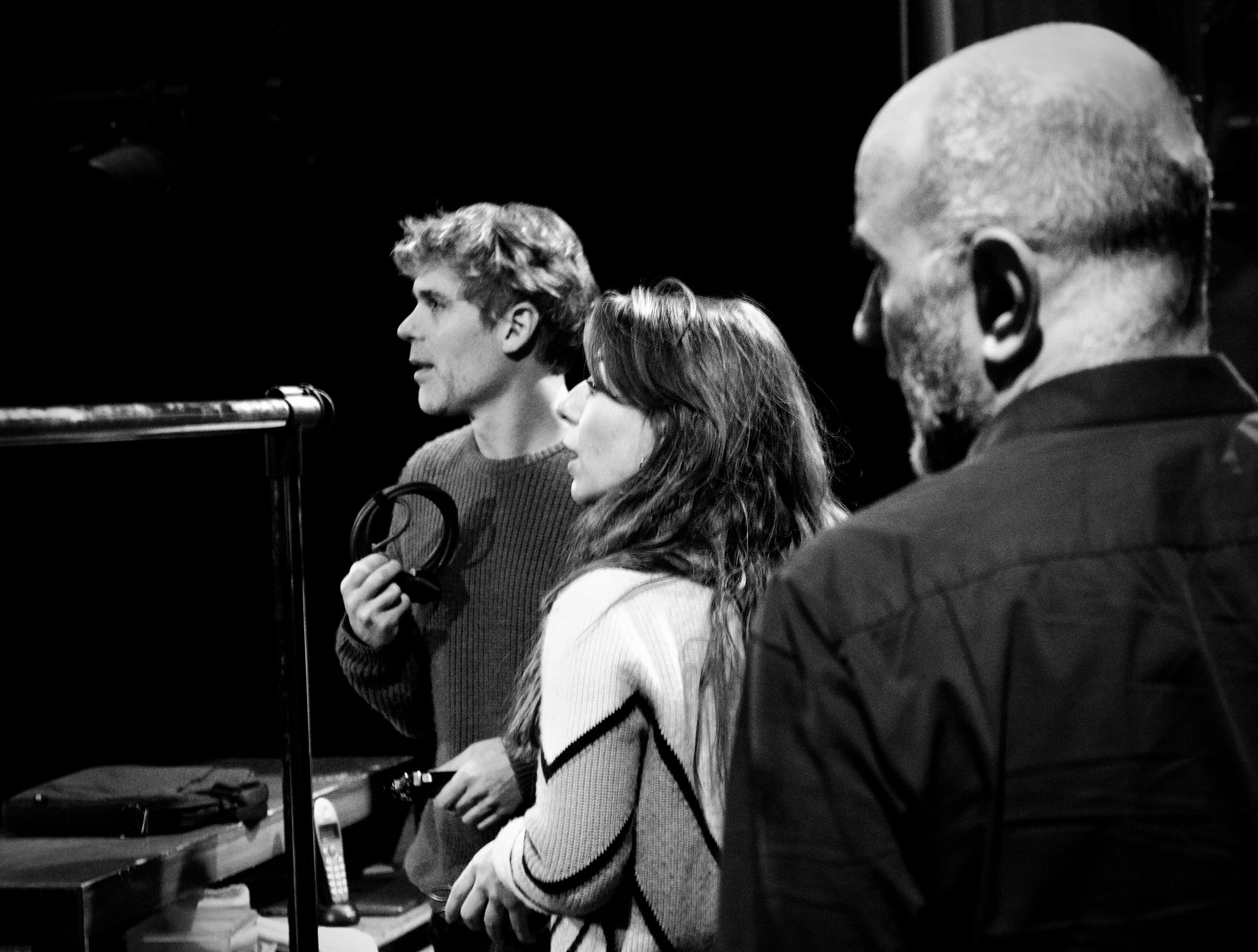
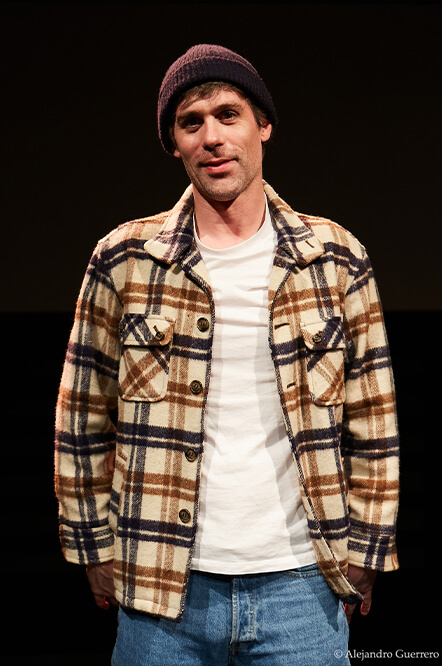
Image Credits
Lou Sarda
Azad Boutella
Alejandro Guerrero
Popular
-

Portraits of the Valley
-

LA’s Most Inspiring Stories
-

Greg Hex Is Turning the Everyday Kitchen Knife Into a Modern Design Object
-

Rick Norris Learned That Building a Successful Business Means Building a Life You Actually Want to Live
-

How Olivia Rush Turned Survival Into a Mission to Help Others Keep Going
-

How Bibi Goldstein Is Helping Entrepreneurs Reclaim Their Time by Embracing the Power of Delegation


