




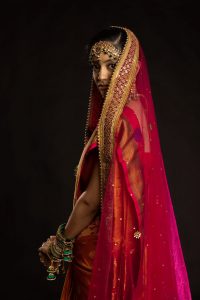
Today we’d like to introduce you to Gaayatri
Hi Gaayatri, we’d love for you to start by introducing yourself.
My name is Gaayatri. I consider myself to be a practicing Naad Yogini – a practitioner of vibrational yoga through sound. This practice originates from Vedic times in ancient India. Naad Yoga is the practice of becoming aware of the vibrations we carry within us and express out into the world. Its objective is to reach the state of being to access the frequency of universal consciousness, and awaken a state of harmony with pure cosmic energy. This is why the definition of Naad Yoga means “union through vibration.” It is practiced through sound because sound is considered to be the manifest form of vibration. A core principle of the subject is that the internal and external are mirrors of each other, and whatever we carry within us is what we will reflect outwardly – so sound is used as a mirror to show us where we are internally with our vibrational energy.
The ancient practices of Aum chanting, mantra chanting, Raaga music, and Bhakti music are the main forms through which this is practiced in Vedic traditions. Raaga music is most heavily associated almost interchangeably as Naad Yoga because it was developed as a set of sonic Asanas for this practice. Naad Yoga is different from what we typically think of as “music” because its primary goal is not to entertain but to enlighten us. Much of popular music in comparison is meant to entertain or please human sensibilities. When it comes to Raaga music therefore, the word musician carries a very different responsibility and meaning. When practiced authentically, Raaga music performances are meant to be sonic yoga sessions – where as my Guru would remark, it should “feel like a nice shower or bath for the soul”. Over time, many of the authentic kriyas or techniques of this practice have been lost or distorted, and in many cases, Raaga music has become more of a performance art, focused on technical showmanship rather than spiritual growth and practice. This is where my story begins.
When I was a child, I lived with my parents and Grandparents. My Grandfather had a lifelong love for Hindustani Raaga music. I grew up listening to Hindustani Raaga music and sang along to all the great masters of this practice. I had an absolute favorite artist out of them all – the Sarod maestro and GRAMMY nominee – Ustad Ali Akbar Khan. His album “Journey” was the one I would listen to for hours. Somehow instinctually, I connected to his music from my soul. I told my parents I would learn singing from him when I was 2. Unlike most parents who would take this to be the musing of a child, my parents took my words seriously. They searched for a way to make this possible. After some research, they came to know he had a music school in Marin County called the Ali Akbar College of Music, and was actively teaching classes. When I was 4 years old, my Dad relocated the entire family from Colorado to California just so that I could start taking music lessons.
It was something of a miracle – here was a world renowned master musician of a very rare craft, 75 years of age at the time back in 1996, meeting with a 4 year old child eager to learn music from him. Upon seeing me, he remarked, “well, I don’t usually take students this young, but let me see.” I will never forget the day he took my hand, walked me across the green carpeted classroom to the music stage, and asked me to sing “Sa”, the first Sargam (Indian Solfeg) note of a scale. After singing Sa, without a moment’s hesitation, he said “keep her here.” From that day forward, I grew up sitting right at the foot of the Maestro attending his vocal classes and learning Raaga music from him for the rest of my childhood.
Now, even as far as Hindustani Raaga music goes, my story is unique. I grew up learning vocal music from an instrumentalist. Our lineage of Hindustani music is famous for its instrumentalists – who include the biggest names in the world of Hindustani music, including my Guru, Ustad Ali Akbar Khan himself, Pandit Ravi Shankar, Smt. Annapoorna Devi, and the Grandfather and founder of the current format of the tradition, Ustad Allauddin Khan to name a few. While our lineage traces its roots back to the famed singer Mian Tansen, since the era of his daughter Saraswati, there has not been a single musician who was considered a performing vocalist – though the vocal music was stewarded and passed down generation to generation over 7 generations, until it reached me. I was trained extensively by my Guru to be a pure performing vocalist of this lineage. What that meant for me was that I did not grow up necessarily learning the ins and outs of how to use my voice as an instrument first, but rather I learned from a music first approach where what was being said took precedence over how it was expressed. This meant I had a unique challenge to piece together how to actually use my voice, develop the appropriate voice techniques, and figure out how to actually sing on my own and apply it to my lessons.
What was perhaps even more rare that I did not fully understand growing up, is the depth of the ancient knowledge that I was being taught with full uninterrupted access and authentic intention by one of the greatest practitioners of all time. What I learned was not Hindustani Raaga music as a performance art – it was the deep spiritual practice of Naad Yoga through Raaga. This is what made my Guru so different from the rest of the musicians of his time, and what captivated so many people from so many diverse backgrounds to come together to sit in his classes. At a time when the true practice and authentic knowledge of Naad Yoga through Raaga is on the decline, at the AACM it persisted well into the 21st century bringing deep healing to all who attended classes. Today, after 28 years of study, I feel I am only beginning to uncover and understand the legacy left behind.
At a young age, I experienced the depth and power of this practice firsthand. I was not only the youngest student in his classes, but also one of the only students with Indian heritage. Most students came from diverse countries, spoke different languages, played various instruments, spanned different age groups, and many were already accomplished musicians attending his masterclasses. The room would be filled with anywhere between 30-60 people in each class from all walks of life aligned over the experience of Naad Yoga through Raaga. When asked about the question of this being an Indian practice and therefore how to culturally relate to it if not Indian, Baba would remark “what, sun is not in your culture? Sky is not in your culture?” Not only did I learn what it means to live Naad Yoga as a lifestyle through Raaga, I also learned one fundamental truth. Any true wisdom aligned with something universal will resonate across every boundary and unite us as humans. I deeply believe the wisdom of this practice is universal for the good of humanity as a whole.
Can you talk to us a bit about the challenges and lessons you’ve learned along the way. Looking back would you say it’s been easy or smooth in retrospect?
My biggest challenge was probably losing my Guru. When he passed away, I was left on my own to keep studying and practicing. It was perhaps then that I realized how difficult it is to study an indigenous tradition in a post colonial world where access and guidance to the authentic practices and intentions of these subjects is very hard to find. My Guru was one of the the last of his generation – and since then, the Gurus who lived a lifestyle of Naad Yoga have passed on.
To add to this, I am also the only one left in this lineage after 7 generations of practitioners who is actively performing the vocal music of my tradition. Piecing together the full picture the vocal practice from the teachings that were left to me was probably the most difficult challenge I have ever had to face, both when my Guru was alive, and afterwards. I didn’t have someone specialized in the voice teaching me how to use my instrument – rather I had someone who knew the musical practices show me the path on what to sing, not so much how to sing. While I had enough guidance from my Guru as to which techniques should be utilized where, as any singer will tell you, truly developing the voice as an instrument is something that has to be understood in its own right. Raaga vocal technique is also one of the most complex technical systems in the entire world. Reverse engineering this from what I would hear, from the guide markers laid out by my Guru, and figuring out how to actually render what is stylistically appropriate for my lineage of vocal music was an intensive process. I had to do this all without reference points from any performing vocalists in living memory – which is something other lineages don’t have to worry about.
Another aspect to all of this is I did not grow up in India. I am an American, born and raised in America. Growing up culturally American, coming to terms with how and where I fit in given my intensely specialized upbringing and skillset was certainly a challenge. As a child, I didn’t know quite how to fit in to the world around me. I didn’t feel like I fully fit into the Indian classical music culture being culturally American, and I didn’t really fully fit in to the American music scene outright either. Defining my identity musically, and changing the narrative on what it means to practice Hindustani Raaga music as an American has been something I have really had to think deeply about over the years.
Can you tell our readers more about what you do and what you think sets you apart from others?
What sets me apart is that I approach music as a siddhi of yogic practice. In Naad Yoga, musical abilities are considered siddhis, or acquired abilities. They are not the goal, but rather a byproduct of practice if a certain level of awareness within the practice is achieved. Naad Yoga has different facets of practice, and not every path is oriented in such a way where musicianship is a siddhi. Raaga practice is one of the forms of Naad Yoga that does orient towards this, and the depth of musical skill to render it is incredibly complex requiring many layers of deep understanding of musicianship.
Through my Raaga practice, I have developed the acquired abilities of various musical skills. While this has taken me to perform at many venues and festivals over the years at home and abroad, I want to take this moment instead to talk about what makes my approach to Raaga truly unique.
Every time I sing, I ask myself about my intent of communication. What do I want to say? What do I want to feel energetically? How do I want to physically reverberate the sound to experience this? I try to connect to the internal feeling of producing a sound, observe my observation of the sound, and listen to the reverberation others receive of the sound. Depending on what I experience during this process, I can usually tell if some part of me needs to open up in order to flow better – be it my body, breath, mind, or spirit. The sound guides me to transform in the appropriate way to open up my energy, and communicate a higher intention to my audiences.
Another unique aspect is that over the years, having to learn a lot of Raaga vocal technique on my own, I have developed a first principles approach to my instrument and technique. I believe that the best techniques are those that expand our freedom to express. What this means to me is that I should be able to learn a technique and after understanding it, never have to think about it because it is easy to internalize, and naturally becomes a part of expression because of how helpful it is. I deeply believe we all should be able to use the full power of our own voices to heal us from the inside out. This means, singing should feel fully free, effortless, and easy. We shouldn’t be singing in ways that put us in greater states of strain, fear, or stress. We need technique that uplifts our natural voices and helps us to express what is flowing from within us with greater freedom.
I also stand apart from most other practitioners of Raaga music through the fact that I practice a wide variety of styles of Raaga music. I am trained in Dhrupad – one of the oldest living traditions of music today, as well as later era Khyaal which is the more popular modern style of Hindustani Raaga music today. Most Raaga musicians are trained in one or the other. My lineage uniquely carries a tradition of both of these styles within it. Alongside this, I am also trained in other specialities including hybrid styles of Dhammar and Sadra that blend elements of Dhrupad and Khyaal in different ways, as well as light classical, regional, and folk music styles.
As I grow into the depth of the subject more in the years to come, I hope to present more poignant Raaga music meditation experiences like the ones I grew up with. I would like to see Naad Yoga flourish in the world. I am opening up this practice through my new initiative called Naad Yoga Shala, intended to be a community for all who wish to experience the joy of this practice for themselves. To learn more about it, you can check out the Naad Yoga Shala website listed on the bottom of this page for updates on classes, social links where I will be releasing educational content and guided Naad Yoga sonic meditation videos, and join me on my journey exploring Naad Yoga concepts through my blog.
Do you any memories from childhood that you can share with us?
Growing up learning music from my Guru, given his stature in the Hindustani music world, I grew up with many of the greatest musicians of the field as extended music family members. Others would often come visit our music school as it was a hub for authentic practice of Raaga in the West. Therefore many artists would have concerts in and around our area. One such artist, Pandit Jasraj, was one of the greatest vocalists of Hindustani music. He was renowned for the spiritually uplifting quality of his concert experiences, and his incredible tonal quality and voice texture. He was always one of my favorite singers growing up. When I was 6 years old, I attended a concert of his. Before his last song, my Grandfather who was sitting with me wrote something down on a piece of paper and told me to go up to the stage and give it to the Artist. I went to the front row, and gave it to the concert organizer, who passed it forward to the stage. Upon reading it, Pandit Jasraj asked, “who requested this?” My Grandfather raised my hand. Upon seeing me, a child asking for this song, he proceeded to sing his very famous rendition of Adi Shankara’s Nirvana Shatakam tuned to Raaga Darbari Kanra – my favorite song of his. I will never forget his rendition of that song from that day.
Pricing:
- Naad Yoga & Kirtan Class – $20 suggested donation
- Naad Yoga Shala Patron – $10 Rasika tier
- Sierra Madre Playhouse Concert experience Aug 31st – $12-35 tickets available
Contact Info:
- Website: https://gaayatrimusic.com/
- Instagram: https://www.instagram.com/gaayatrimusic/
- Facebook: https://www.youtube.com/@gaayatrimusic
- Twitter: https://www.tiktok.com/@gaayatrimusic
- Youtube: https://songwhip.com/gaayatri2
- Yelp: https://www.imdb.com/name/nm1690021
- Soundcloud: https://www.sierramadreplayhouse.org/event/gaayatri/saturday,-august-31,-2024-2:00pm
- Other: https://patreon.com/naadyogashala/
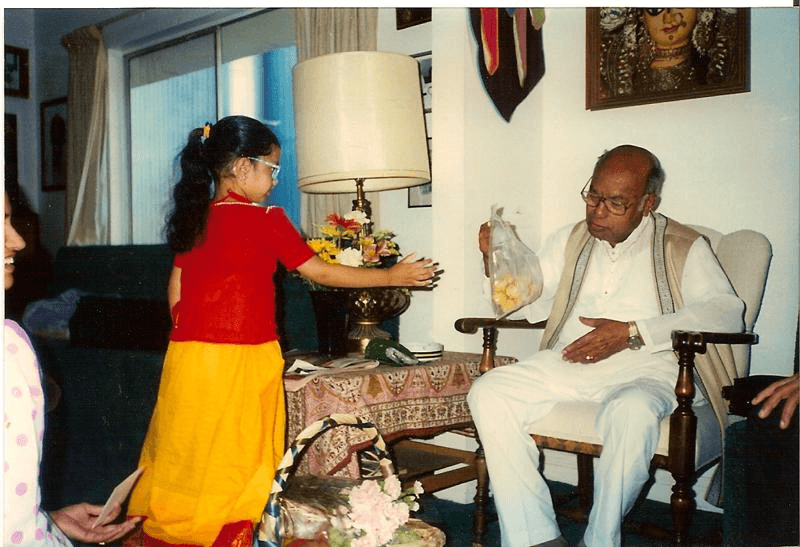
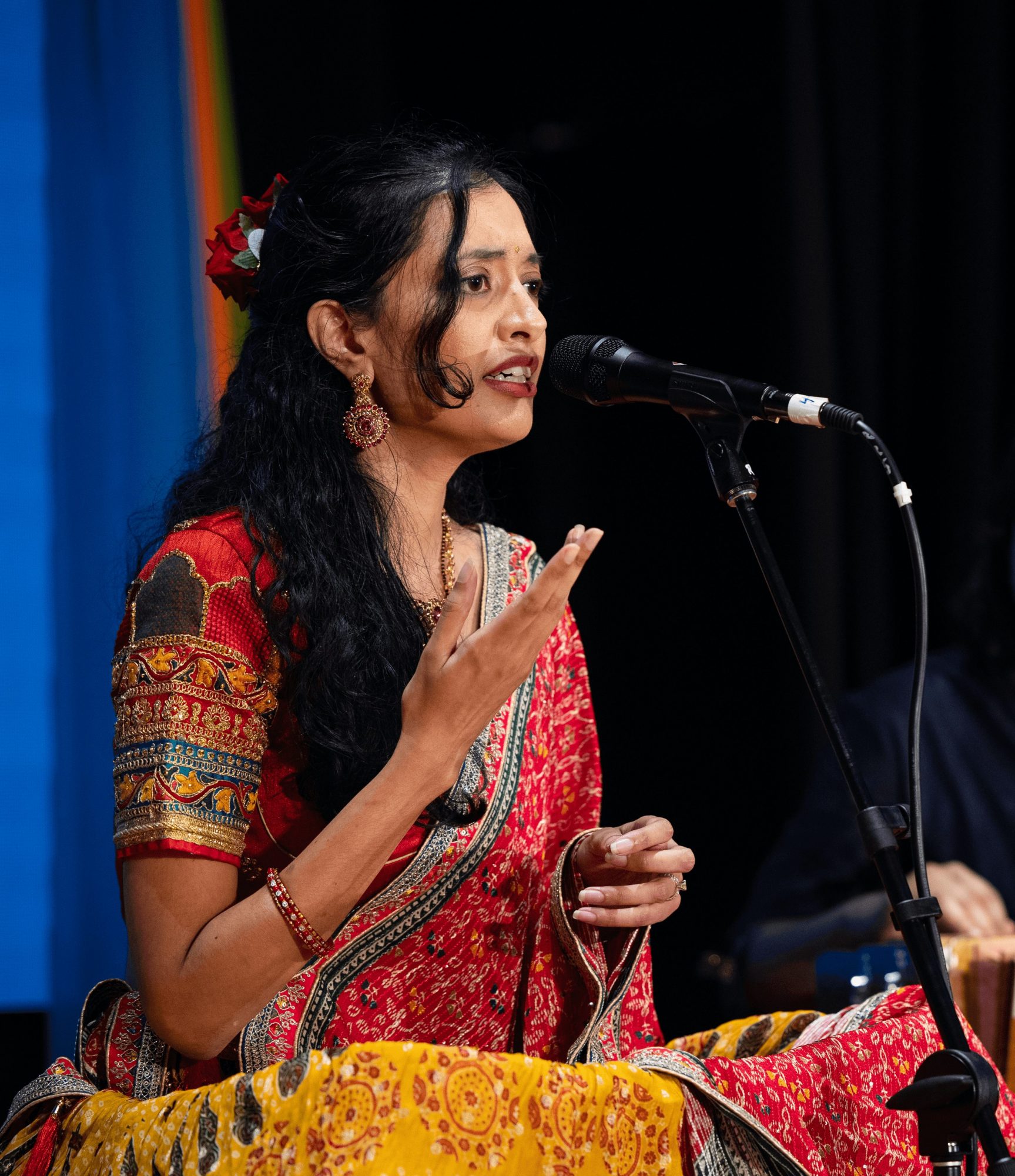
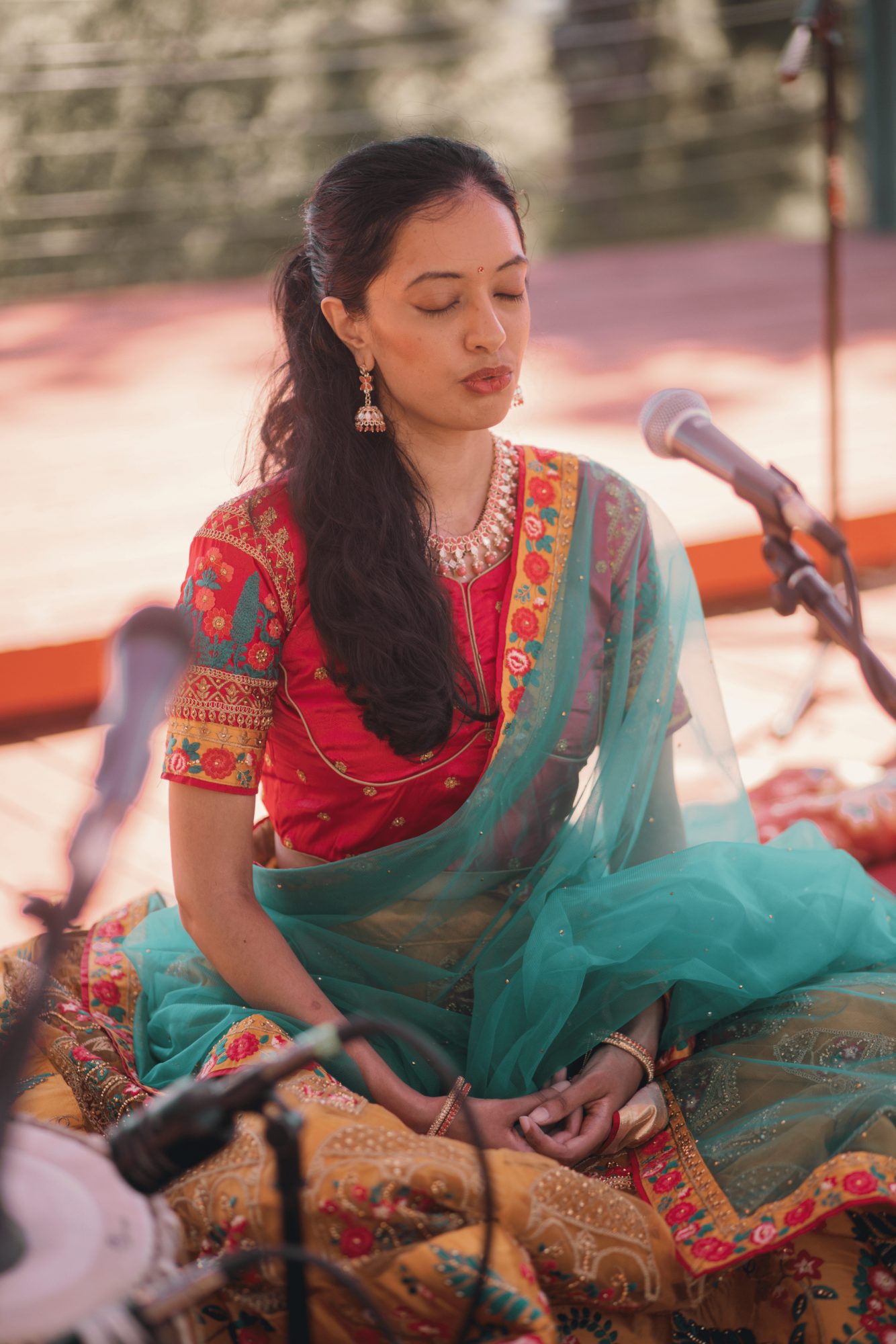
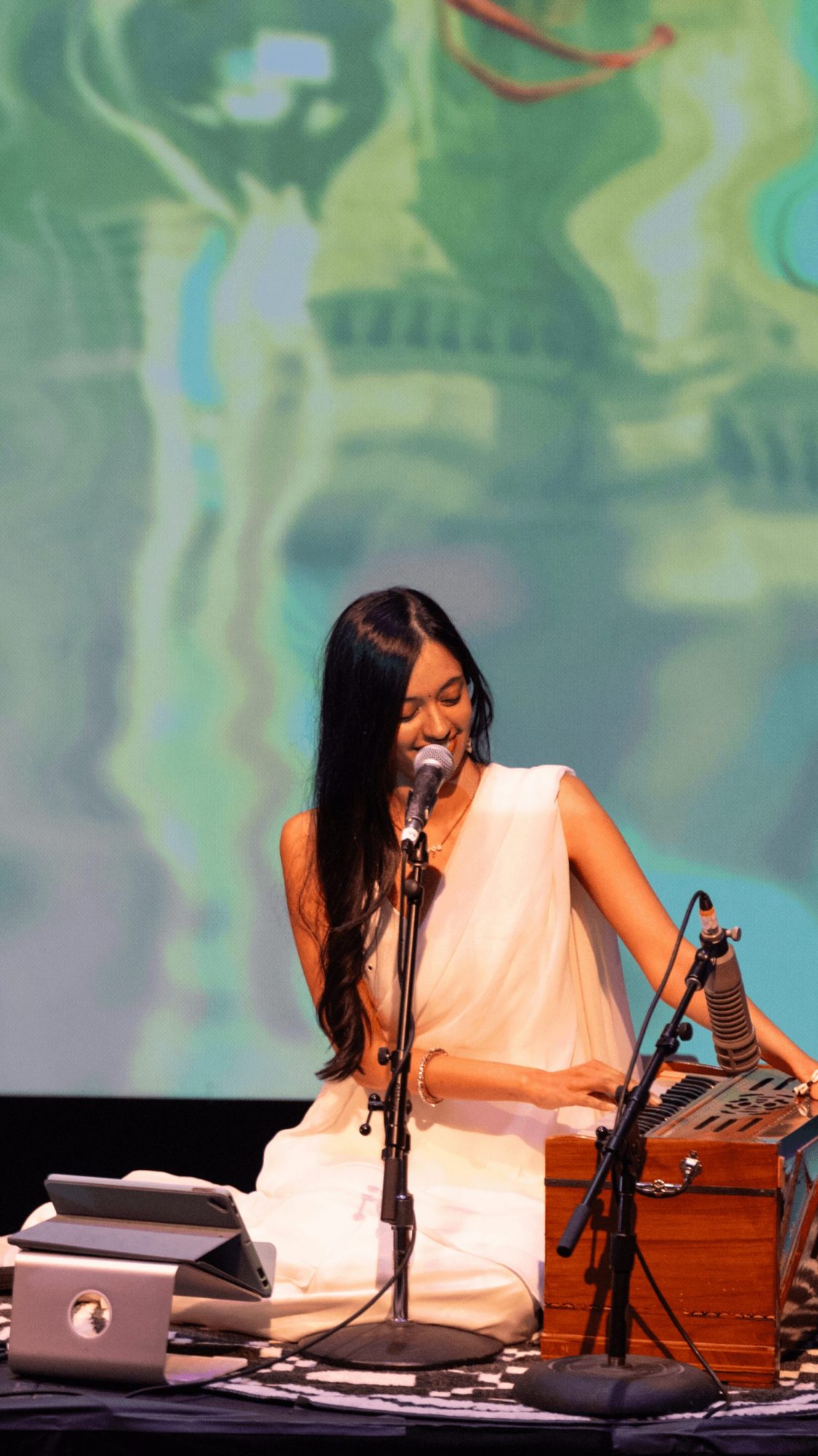
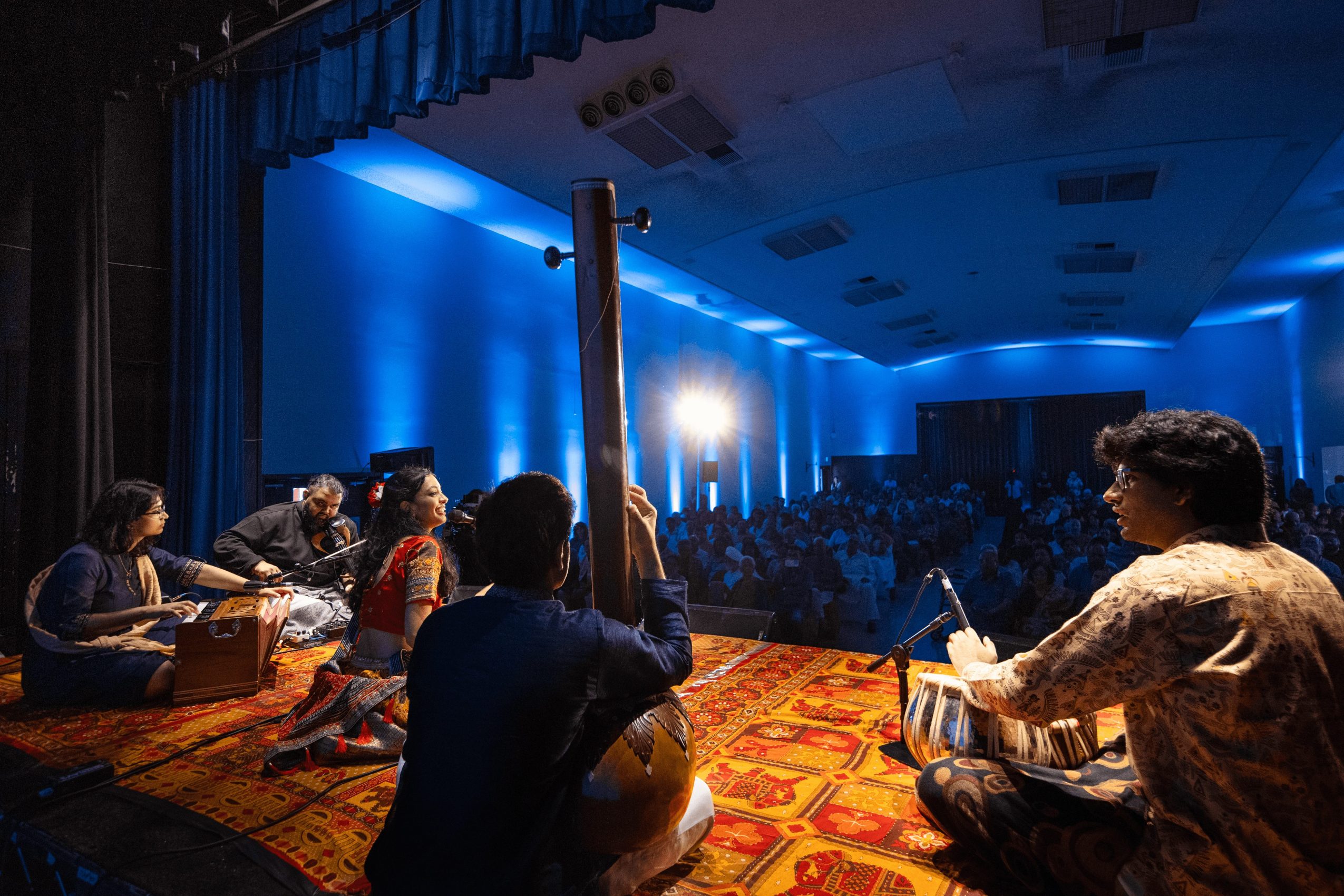
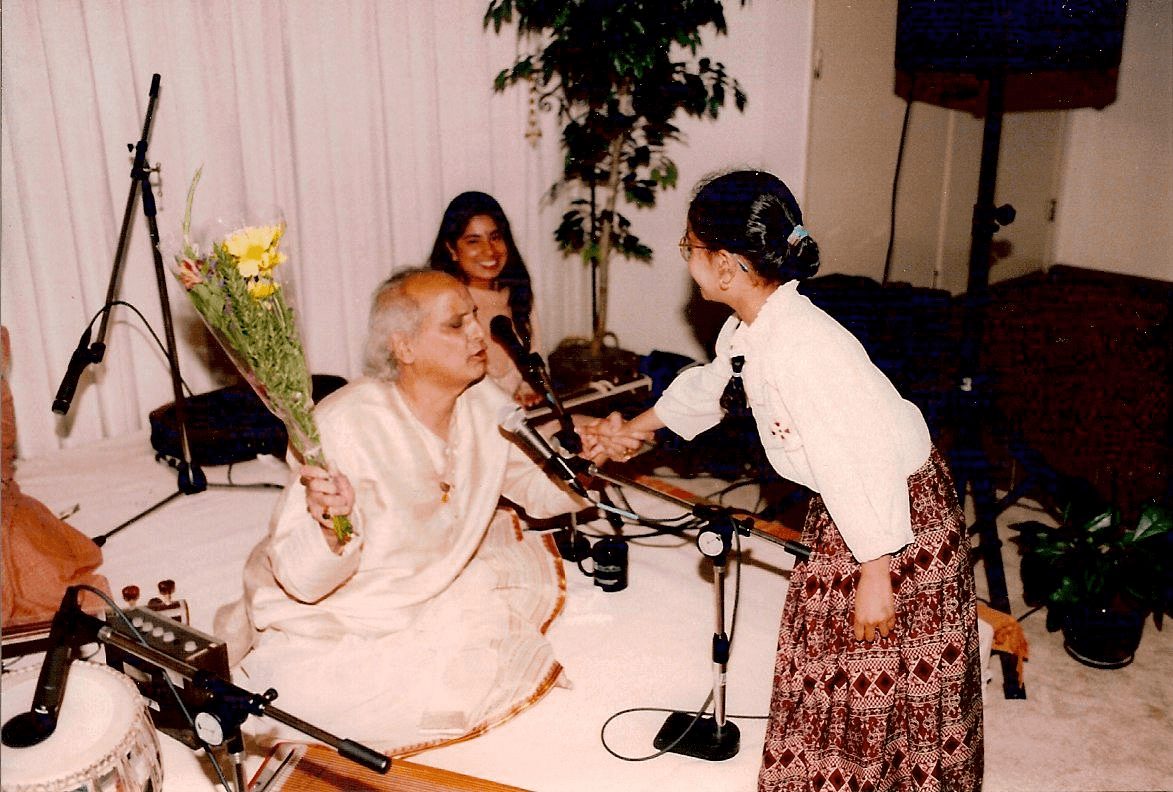
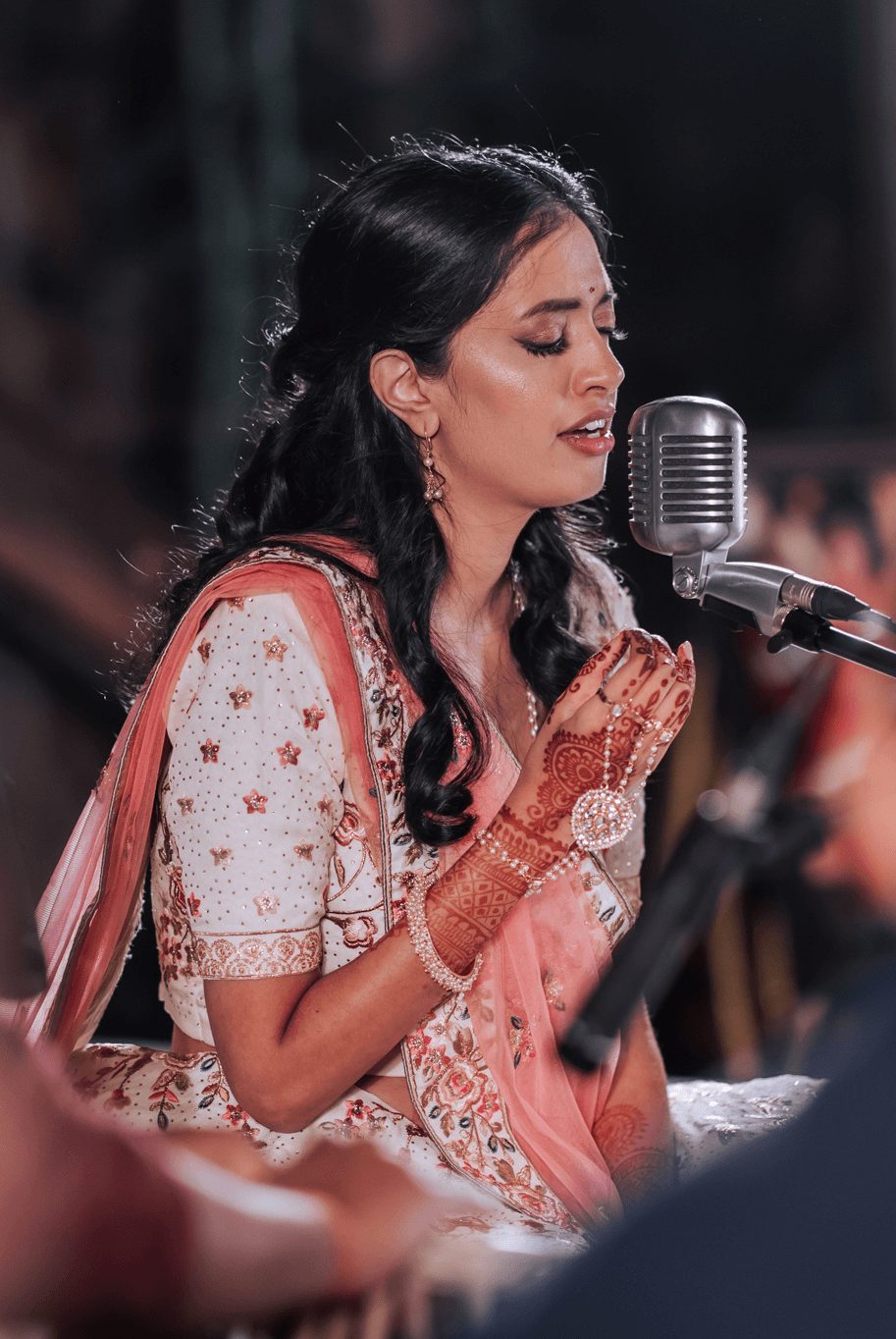
Image Credits
Festival of Tabla photos: IG @photobyneil
REDCAT photos: Angel Origgi
Lux Concerts: IG @lux_concerts
John Gladson: IG @glad_clicks_photography
Tiya Studios: IG @tiya.studios
Popular
-

Portraits of the Valley
-
LA’s Most Inspiring Stories
-
JordanL on ‘Breathe,’ Belief, and Building a Movement Beyond the Music
-
Megan Birney Rudert on How Access to Light Is Powering a More Sustainable and Equitable Future
-

Linda Kneidinger on Building Lasting Change Through Small Steps and Self-Compassion
-

Jolana Nika on Redefining Modern Connection Through Intentional, Real-Life Experiences


