




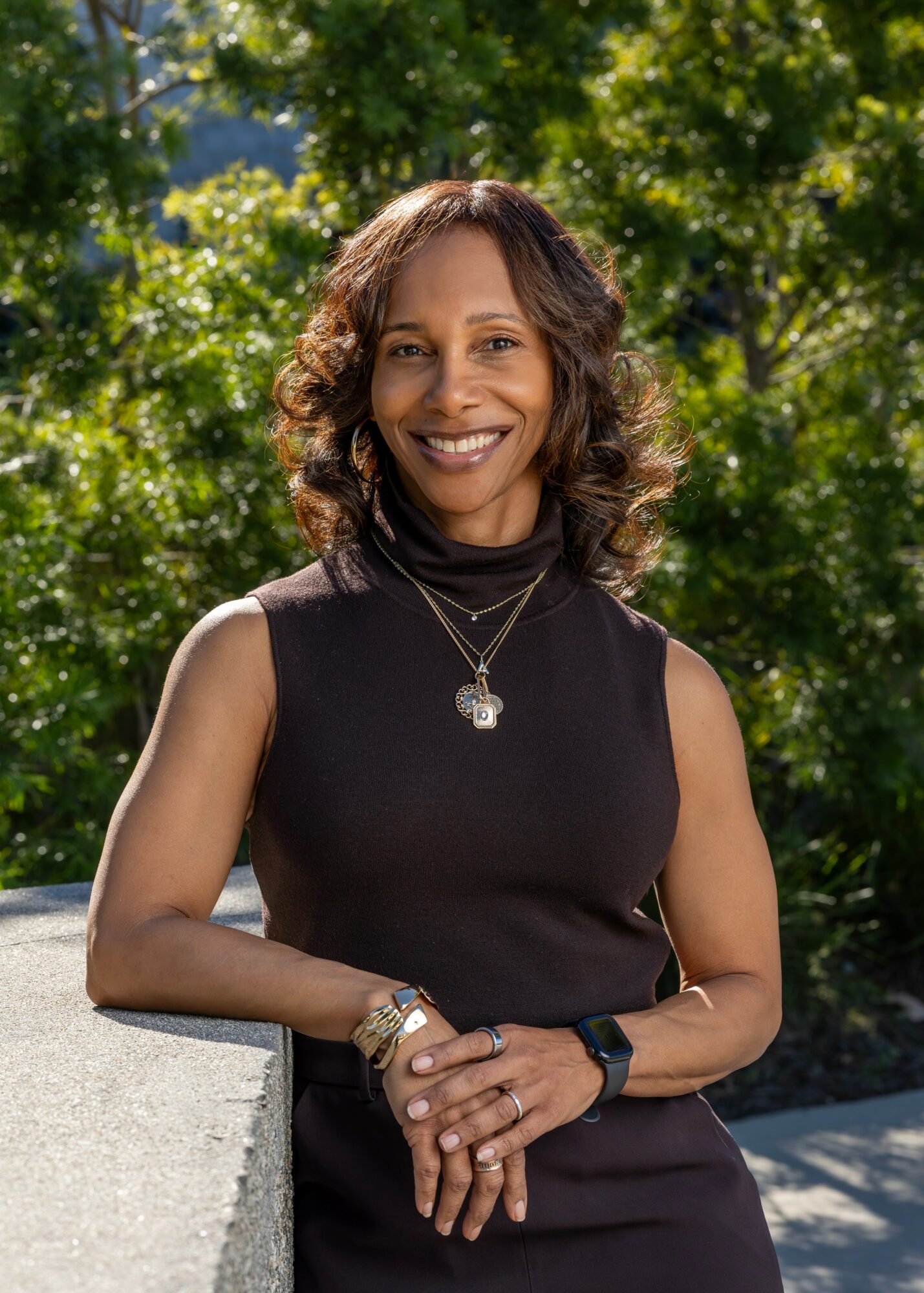
Today we’d like to introduce you to Dr. Aprill Baker-Griffin.
Dr. Aprill, we appreciate you taking the time to share your story with us today. Where does your story begin?
I like to think of the beginning of my journey as a time of adventure and exploration. In other words, I tried all kinds of things! I’ve worked as a photographer, customer service representative, and mail carrier at one point. My first long-term job was as a corporate account manager for a pager company. It was such a fun job and my first experience working with an emerging technology, which at the time was the Motorola Two-Way pager! While working with new technology was exciting, the part I loved most was supporting the companies I served and building relationships with the people within them. During that time, I experienced the unexpected passing of my father. The grief related to that loss made me reevaluate my own life. I realized I wanted to do something that would allow me to have a more meaningful impact on the people I worked with, which led me to pursue a career in psychology.
After earning a master’s degree in clinical psychology, I began working as a licensed psychotherapist across a range of settings, supporting people navigating trauma, relational challenges, substance use, and major life transitions. Around that same time, social media and other emerging technologies were quickly becoming part of everyday life, and I became curious about how these digital environments were affecting people. What really piqued my curiosity were the struggles some of my clients were having with dating apps. Their experiences were often painful and discouraging, and I found myself thinking there had to be a way for this technology to work for them, not against them. That question led me to media psychology.
Media Psychology isn’t a field most people are familiar with. In a nutshell, it examines how people interact with media and technology and how those interactions shape human experience. It gave me a framework for what I was seeing in my clients and helped me understand media and technology not just as tools, but as environments that influence how we think, feel, and relate to one another. It’s a fascinating field, and I believe it has particular significance now, as we’re all learning how to live with quickly evolving new technologies.
Would you say it’s been a smooth road, and if not what are some of the biggest challenges you’ve faced along the way?
It hasn’t been a smooth road. One of the biggest challenges was returning to school in my forties to earn a PhD while raising a family and working. Balancing parenting, marriage, graduate school, and being available to an aging mother required more than I expected. There were many moments of self-doubt, guilt, and uncertainty, with frequent thoughts of quitting. I had to learn to lean on my support systems and tolerate long stretches of discomfort while continuing to grow.
The work it took to get through that period wasn’t easy, but it cultivated a deeper sense of resilience, self-trust, and clarity about who I am and how I want to show up in the world and in my work.
Thanks for sharing that. So, maybe next you can tell us a bit more about your work?
I’m a licensed psychotherapist with a PhD in media psychology. My work sits at the intersection of clinical psychology, technology, and human connection. At its core, what I do remains to help people heal, develop healthier ways to live and work, and build meaningful relationships. I specialize in helping people uncover and transform the emotional and behavioral patterns they get stuck in, while building awareness of how the media and digital environments can reinforce those patterns, or be used to support change.
Something I’m very proud of is my research on dating apps, particularly the experiences of Black women using them. That study examined how encountering racism on dating apps impacts hope for finding meaningful connections, and it shed light on how design choices and algorithmic bias operating behind the scenes can undermine the matching process and negatively affect users’ sense of self. I’ve used those findings to help clients make sense of their dating app experiences without internalizing them as personal failure, and to make decisions about app use that support their own well-being.
That ability to move between research, clinical practice, and real-world application is central to what distinguishes my work. I focus on understanding how media and technology affect our lives and experiences and apply that understanding both in the therapy room and beyond. Clinically, this means helping people build awareness and agency in how they engage with media and digital spaces. More broadly, it means contributing to conversations about how technologies can be designed ethically and equitably so they can have a more positive impact on the people who use them.
If you had to, what characteristic of yours would you give the most credit to?
I’ll name two because they support each other – perseverance and self-awareness. I don’t give up easily when something matters to me, and I think deeply about situations and people. That combination leads me to explore new ideas and perspectives and helps me look for possibilities rather than only seeing a dead end when confronted with a challenge. At the same time, I’ve learned the importance of knowing when I’m doing too much and need to slow down to take care of myself. I know I can’t keep showing up for others or doing the work I want to do if I’m depleted. Self-awareness and self-care are what I regularly encourage in my clients, so I have to practice what I preach!
Contact Info:
- Website: https://aprillbakergriffin.com/
- LinkedIn: https://www.linkedin.com/in/aprill-baker-griffin-phd-lmft-81996613
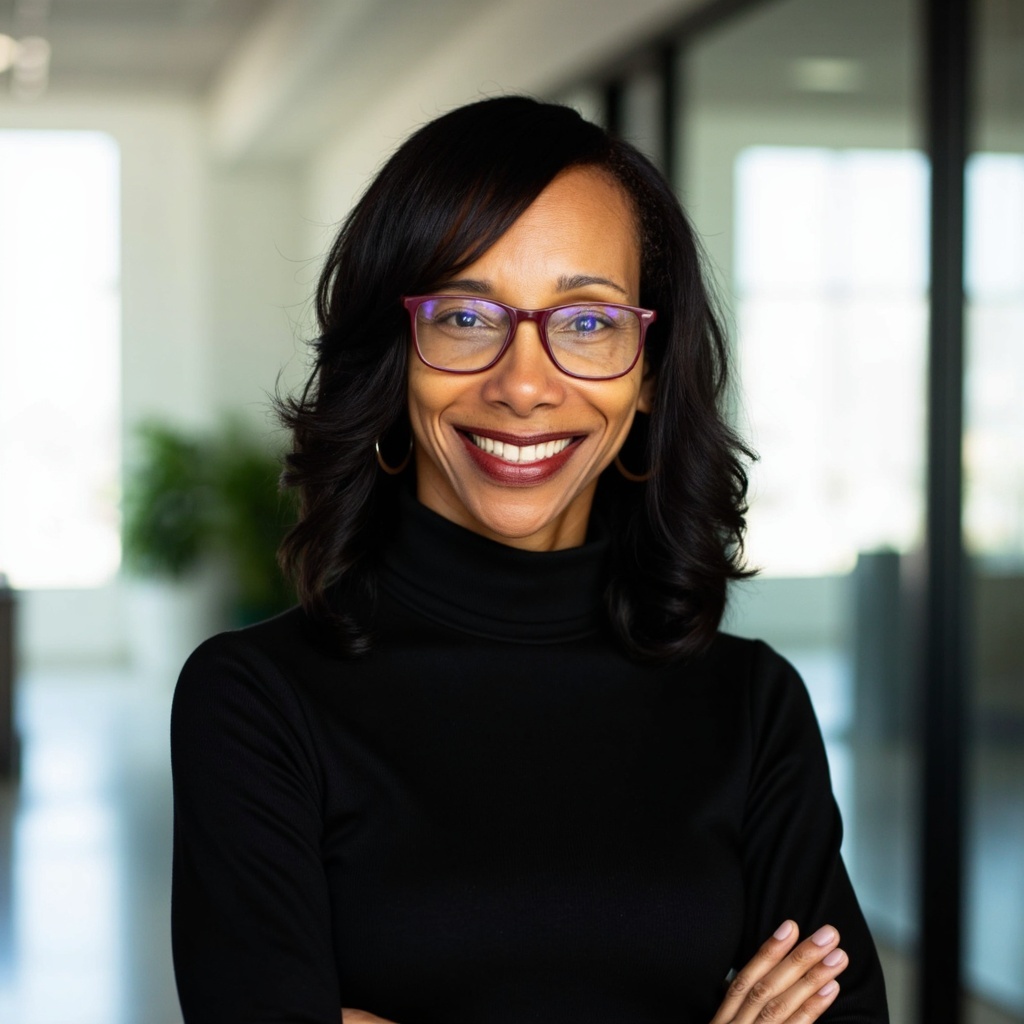
Image Credits
Jeff Lewis Photography
Popular
-

Que Johnson on Building Brands That Last: From Visibility to True Market Authority
-

Christina Wren Steps Into the Director’s Chair to Tell Stories That Feel Like Home
-

Portraits of the Valley
-

LA’s Most Inspiring Stories
-

JordanL on ‘Breathe,’ Belief, and Building a Movement Beyond the Music
-

Megan Birney Rudert on How Access to Light Is Powering a More Sustainable and Equitable Future


